
The Connection Between Gut Bacteria and Pet Health


Welcome to PetCareWorld, your ultimate guide to a happier, healthier life for your beloved pet! Are you curious about the hidden world within your furry, feathered, or scaled friend? Discover the incredible impact of pet gut bacteria health benefits and unlock the secrets to a thriving, vibrant companion. Dive into our in-depth exploration of this fascinating topic and learn how optimizing your pet's gut microbiome can revolutionize their well-being. Let's embark on this journey together!
- Understanding the Pet Gut Microbiome: A Foundation for Health
- Pet Gut Bacteria Health Benefits: Improved Digestion and Nutrient Absorption
- The Gut-Brain Axis in Pets: Influence on Behavior and Overall Well-being
- Factors Affecting Pet Gut Microbiome Composition
- Maintaining a Healthy Gut Microbiome for Your Pet
- Frequently Asked Questions
- Final Reflection: Unlocking a Healthier Future Through the Pet Microbiome
- Unleash Your Pet's Inner Wellness: A Gut-Health Journey Starts Now!
Understanding the Pet Gut Microbiome: A Foundation for Health
The health of your beloved pet is intrinsically linked to a thriving gut microbiome – a complex ecosystem of bacteria, fungi, and other microorganisms residing within their digestive tract. This intricate community plays a far more significant role than simply aiding digestion; it profoundly impacts your pet's immune system, mental well-being, and overall health.
Understanding the composition and function of your pet's gut microbiome is key to preventing and managing a wide range of health issues, from simple digestive upsets to more serious conditions. This article explores the crucial connection between gut bacteria and pet health, focusing on the benefits of a balanced microbiome and the consequences of its disruption.
We will delve into the specific bacterial species important for different pet types and examine the impact of gut microbiome imbalances on your furry, feathered, or scaled friend. Learning about the "pet gut bacteria health benefits" is crucial for responsible pet ownership and contributes significantly to your companion's longevity and quality of life.
The Role of Beneficial Bacteria in Pet Digestive Systems
Beneficial bacteria, also known as probiotics, are essential components of a healthy pet gut microbiome. These microorganisms perform a multitude of vital functions:
- Improved Digestion: Probiotics aid in the breakdown of food, enhancing nutrient absorption and reducing digestive discomfort. This is particularly important for pets with sensitive stomachs or those prone to diarrhea.
- Enhanced Immunity: A balanced gut microbiome strengthens the immune system by stimulating the production of antibodies and competing with harmful bacteria for resources. This reduces the risk of infections and illnesses.
- Nutrient Synthesis: Certain beneficial bacteria synthesize essential vitamins and fatty acids, contributing to overall nutritional well-being. This is particularly relevant for pets with dietary restrictions or those on specialized diets.
- Reduced Inflammation: Probiotics can help regulate the inflammatory response in the gut, reducing the risk of inflammatory bowel disease (IBD) and other inflammatory conditions.
- Improved Mental Well-being: Emerging research suggests a strong link between the gut microbiome and brain function, indicating that a healthy gut can positively influence mood and behavior in pets.
The specific types and quantities of beneficial bacteria vary depending on factors such as diet, age, and species. Maintaining a balanced gut microbiome through proper nutrition and supplementation can significantly improve your pet's digestive health and overall well-being. For example, studies show that supplementing with specific probiotic strains can significantly reduce the incidence of diarrhea in puppies.
Identifying Key Bacterial Species and Their Functions in Different Pet Types (Dogs, Cats, etc.)
The composition of the gut microbiome differs significantly across various pet species. While a comprehensive list is beyond the scope of this introductory section, we can highlight some key differences:
| Pet Type | Key Bacterial Genera | Functions |
|---|---|---|
| Dogs | Lactobacillus, Bifidobacterium, Bacteroides | Digestion, immune support, vitamin synthesis |
| Cats | Bifidobacterium, Lactobacillus, Clostridium | Digestion, immune modulation, nutrient absorption |
| Rabbits | Bacteroides, Clostridium, Lactobacillus | Fiber digestion, vitamin synthesis, maintenance of gut motility |
| Birds | Lactobacillus, Enterococcus, Bacillus | Digestion, immune support, prevention of pathogenic bacteria overgrowth |
| Reptiles | Lactobacillus, Salmonella (in some cases) | Digestion, immune modulation (although Salmonella is a pathogen) |
Further research is needed to fully elucidate the microbiome's complexity in various pet species and breeds. The specific roles of many bacterial species are still being investigated, and the interplay between different microbial communities is incredibly complex. A deeper understanding of these interactions is crucial for developing targeted strategies to maintain optimal gut health in different pet types.
The Impact of Gut Microbiome Imbalance on Pet Health
An imbalance in the gut microbiome, often referred to as dysbiosis, can lead to a range of adverse health effects in pets. These include:
- Digestive Issues: Diarrhea, constipation, vomiting, gas, and abdominal pain are common symptoms of gut dysbiosis. These issues can significantly impact your pet's quality of life and may require veterinary intervention.
- Weakened Immune System: An imbalanced microbiome can compromise the immune system, making pets more susceptible to infections and illnesses. This can manifest as recurrent infections or a general decrease in overall vitality.
- Allergies and Skin Problems: Gut dysbiosis has been linked to the development of allergies and skin conditions in pets. This connection highlights the importance of gut health in maintaining overall skin and coat health.
- Behavioral Changes: Emerging research indicates that gut dysbiosis can influence behavior in pets, leading to anxiety, aggression, or other behavioral abnormalities. This underscores the intricate connection between the gut and brain.
- Chronic Inflammatory Diseases: Gut dysbiosis can contribute to chronic inflammatory conditions such as inflammatory bowel disease (IBD) and arthritis. These conditions can be debilitating and require long-term management.
Maintaining a balanced gut microbiome through proper nutrition, appropriate supplementation, and regular veterinary care is essential for preventing and managing gut-related health problems in your pet. Early detection and intervention are crucial for optimizing your pet's health and well-being. Addressing imbalances early can prevent more serious health complications later in life.
Pet Gut Bacteria Health Benefits: Improved Digestion and Nutrient Absorption
The health of your pet's gut microbiome is intrinsically linked to its overall well-being, significantly impacting digestion and nutrient absorption. A diverse and balanced population of gut bacteria, often referred to as the gut flora, is crucial for efficient digestion and the extraction of vital nutrients from food. This section explores the multifaceted ways in which a thriving gut microbiome contributes to improved digestion and nutrient uptake in your beloved companion. Understanding this connection is key to promoting optimal pet gut bacteria health benefits.
How a Healthy Microbiome Enhances Digestive Processes
A healthy gut microbiome acts as a finely tuned digestive engine. Beneficial bacteria, such as Bifidobacteria and Lactobacillus, play a vital role in breaking down complex carbohydrates and fibers that your pet's body can't digest on its own. This process, known as fermentation, produces short-chain fatty acids (SCFAs) like butyrate, propionate, and acetate. These SCFAs are not only a valuable energy source for the gut lining cells but also contribute to the maintenance of a healthy gut barrier, preventing the leakage of harmful substances into the bloodstream.
Furthermore, a balanced gut microbiome helps regulate gut motility, ensuring smooth and efficient passage of food through the digestive tract, minimizing issues such as constipation or diarrhea. Think of it as a well-oiled machine – a healthy microbiome keeps everything running smoothly! A lack of beneficial bacteria, conversely, can lead to digestive upsets and discomfort.
The Link Between Gut Bacteria and Essential Nutrient Uptake
The gut microbiome isn't just involved in breaking down food; it actively participates in nutrient absorption. Certain bacteria produce enzymes that aid in the digestion and absorption of essential vitamins and minerals. For example, some gut bacteria synthesize vitamin K, a crucial component for blood clotting. Others facilitate the absorption of minerals like calcium and magnesium, both essential for strong bones and muscle function.
Furthermore, the gut microbiome influences the bioavailability of various nutrients, meaning it impacts how readily your pet's body can access and utilize these nutrients. A diverse and healthy microbiome optimizes this process, leading to improved nutrient utilization and overall health. Conversely, an imbalanced microbiome can lead to nutrient deficiencies, even with a seemingly adequate diet. This highlights the importance of supporting a healthy gut ecosystem for optimal nutrient uptake.
Optimizing Nutrient Absorption for Better Pet Health and Vitality
Optimizing nutrient absorption through gut microbiome support translates to improved pet health and vitality in numerous ways. Enhanced nutrient uptake leads to stronger immune systems, healthier skin and coat, improved energy levels, and better overall cognitive function. A well-nourished pet is better equipped to fight off illness and maintain a higher quality of life. Strategies to support a healthy gut microbiome include feeding a balanced diet rich in prebiotics (fibers that feed beneficial bacteria) and probiotics (live beneficial bacteria).
You can also consider adding supplements specifically formulated to promote gut health, but always consult with your veterinarian before making any significant dietary changes. Monitoring your pet's stool consistency and overall digestive health are crucial indicators of gut microbiome health. Remember, a happy gut equals a happy pet!
Investing in your pet's gut health is an investment in their long-term well-being. The benefits are far-reaching, extending beyond simple digestion to encompass nearly every aspect of their health and vitality. A healthy microbiome is the cornerstone of a happy and healthy pet.
The Gut-Brain Axis in Pets: Influence on Behavior and Overall Well-being
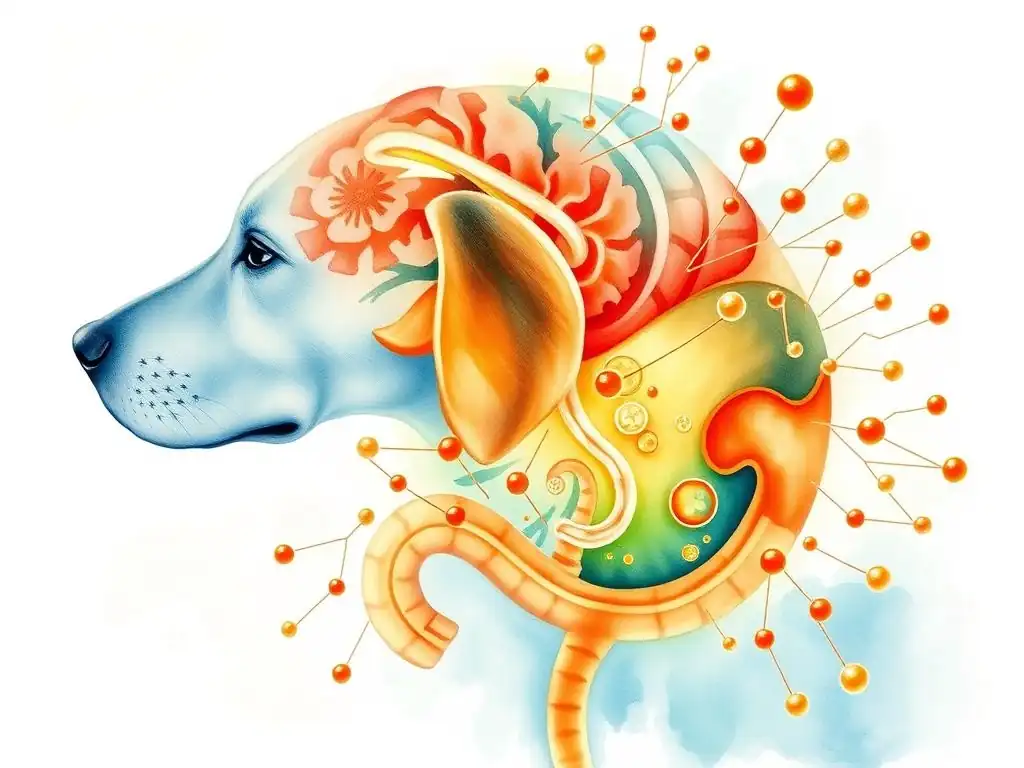
The gut-brain axis (GBA) represents a complex bidirectional communication system linking the gastrointestinal tract and the central nervous system in pets, just as it does in humans. This intricate network significantly influences not only digestive health but also behavioral patterns and overall well-being. Understanding the GBA is crucial for holistic pet care, as it highlights the profound impact of gut health on a pet's mental and emotional state.
A healthy gut microbiome is essential for a balanced GBA, contributing to a calmer, happier, and more emotionally resilient pet. Conversely, disruptions in the gut microbiome can trigger a cascade of negative effects, impacting behavior and mood. This section will delve into the mechanisms of this communication and explore the implications for pet health.
The Communication Pathway Between the Gut and the Brain
The communication between the gut and the brain occurs through multiple pathways. The vagus nerve, a primary component of the parasympathetic nervous system, plays a crucial role in transmitting signals between the gut and the brain. Sensory neurons in the gut detect changes in the gut environment, such as inflammation or microbial imbalances, and transmit this information to the brain via the vagus nerve. The brain, in turn, can influence gut function through the vagus nerve, altering motility, secretion, and immune responses.
Beyond neural pathways, the gut microbiome itself influences the GBA. Gut bacteria produce various neurotransmitters, such as serotonin and dopamine, which are crucial for regulating mood, behavior, and cognitive function. These neurotransmitters, produced in the gut, can directly influence brain activity and impact a pet's emotional state. Furthermore, gut bacteria also produce short-chain fatty acids (SCFAs), like butyrate, which have anti-inflammatory properties and can influence brain function indirectly by modulating immune responses and reducing inflammation throughout the body. The intricate interplay of neural, hormonal, and immunological signals underscores the complexity and importance of the GBA in maintaining pet health.
How Gut Microbiome Imbalance Can Affect Pet Behavior and Mood
Disruptions in the gut microbiome, often referred to as dysbiosis, can significantly impact pet behavior and mood. An imbalance in gut bacteria can lead to increased intestinal permeability ("leaky gut"), allowing harmful substances to enter the bloodstream and trigger inflammation. This systemic inflammation can affect brain function, leading to a range of behavioral changes. These changes can manifest in various ways, including:
- Increased anxiety and fearfulness
- Aggression or irritability
- Changes in sleep patterns
- Cognitive dysfunction (e.g., decreased alertness, confusion)
- Reduced appetite or changes in eating habits
Studies have shown a correlation between gut dysbiosis and behavioral problems in dogs and cats. For example, dogs with inflammatory bowel disease (IBD), a condition characterized by gut microbiome imbalance, often exhibit behavioral changes alongside their digestive symptoms. Similarly, cats with chronic stress may experience alterations in their gut microbiota, potentially exacerbating anxiety and behavioral issues. Addressing gut dysbiosis through dietary interventions and other supportive therapies can positively impact both digestive health and behavioral problems.
Supporting a Healthy Gut-Brain Connection for Improved Pet Mental Health
Maintaining a healthy gut microbiome is crucial for supporting a healthy gut-brain connection and improving pet mental health. Several strategies can be employed to promote a thriving gut ecosystem:
- Dietary interventions: Providing a balanced diet rich in prebiotics (substances that feed beneficial bacteria) and probiotics (live beneficial bacteria) is crucial. Specific examples of prebiotics include inulin and fructooligosaccharides (FOS), while probiotics can be incorporated through supplements or fermented foods (always under veterinary guidance). Avoiding processed foods, artificial sweeteners, and other gut irritants is also essential.
- Stress reduction: Chronic stress negatively impacts the gut microbiome. Providing a safe and enriching environment for your pet, minimizing stressful situations, and utilizing relaxation techniques can help maintain gut microbial balance and improve mental well-being.
- Veterinary support: Regular veterinary check-ups are essential for early detection and management of digestive issues that can disrupt the gut-brain axis. A veterinarian can help identify underlying causes of gut imbalance and recommend appropriate treatment plans. This may include medication, dietary changes, or other therapeutic interventions.
By understanding and supporting the gut-brain axis, pet owners can contribute significantly to their pets' overall health and well-being, promoting both physical and mental resilience. Prioritizing gut health is a key component of proactive and holistic pet care, leading to happier, healthier, and more emotionally balanced companions. 🐾
Factors Affecting Pet Gut Microbiome Composition
The composition of your pet's gut microbiome—the complex community of bacteria, fungi, and other microorganisms residing in their digestive tract—is a crucial factor influencing their overall health. A balanced and diverse gut microbiome is essential for proper digestion, nutrient absorption, immune function, and overall well-being. However, several factors can significantly impact this delicate ecosystem, leading to imbalances that can manifest as various digestive issues and other health problems. Understanding these factors is key to promoting "pet gut bacteria health benefits" and maintaining your pet's optimal health.
Diet's Impact on Gut Bacteria Diversity and Balance
Diet plays a pivotal role in shaping the composition and function of your pet's gut microbiome. The type and quality of food directly influence the types of bacteria that thrive in the gut. For instance, a diet high in processed ingredients, artificial additives, and simple carbohydrates can lead to a less diverse microbiome, potentially favoring the growth of harmful bacteria over beneficial ones. This imbalance, often referred to as dysbiosis, can contribute to various digestive problems like diarrhea, constipation, and inflammatory bowel disease (IBD).
Conversely, a diet rich in whole foods, fiber, and prebiotics can foster a diverse and balanced gut microbiome. Fiber, in particular, acts as a prebiotic, feeding the beneficial bacteria and promoting their growth. Studies have shown that diets incorporating a variety of fruits, vegetables, and whole grains can significantly improve gut microbiome diversity and enhance digestive health in pets.
For example, research on canine gut microbiota indicates that diets high in fiber from sources like beet pulp and chicory root inulin are associated with increased abundance of beneficial Bifidobacteria and Lactobacilli. The specific dietary needs will vary depending on the species and age of your pet, so consulting a veterinarian or a veterinary nutritionist is crucial for personalized recommendations. Choosing high-quality pet food formulated with easily digestible ingredients and balanced nutrient profiles is also key for supporting a healthy gut microbiome.
The Role of Probiotics and Prebiotics in Maintaining a Healthy Microbiome
Probiotics and prebiotics are often touted as essential components of a healthy gut for both humans and pets. Probiotics are live microorganisms, typically bacteria or yeasts, that, when administered in adequate amounts, confer a health benefit on the host. They can help restore balance to the gut microbiome by introducing beneficial bacteria that compete with harmful ones. Common probiotic strains used in pet supplements include Lactobacillus and Bifidobacterium species.
Prebiotics, on the other hand, are non-digestible food ingredients that promote the growth of beneficial bacteria in the gut. They act as "food" for the probiotics, helping them thrive and outcompete harmful bacteria. Examples of prebiotics include inulin, fructooligosaccharides (FOS), and mannanoligosaccharides (MOS).
While the use of probiotics and prebiotics in pet health is gaining traction, more research is needed to fully understand their long-term effects and optimal dosages for different pet species and conditions. Always consult with your veterinarian before introducing any probiotic or prebiotic supplements into your pet's diet, especially if they have pre-existing health conditions. Improper use could potentially lead to adverse effects.
Environmental Factors and Their Influence on Pet Gut Health
Beyond diet, environmental factors significantly influence your pet's gut microbiome. Exposure to pathogens, parasites, and toxins can disrupt the delicate balance of gut bacteria, leading to various health problems. For example, exposure to contaminated food or water can introduce harmful bacteria or parasites into the gut, leading to infections and digestive upset. Stress, both physical and emotional, can also significantly impact gut health. Chronic stress has been linked to alterations in gut microbiota composition and increased susceptibility to gastrointestinal disorders.
Furthermore, the use of antibiotics can have a profound effect on the gut microbiome. While necessary in certain situations to treat bacterial infections, antibiotics can kill both harmful and beneficial bacteria, leading to dysbiosis. This can result in opportunistic infections, digestive issues, and even weakened immunity.
It’s crucial to discuss the potential impact of antibiotics on your pet's gut health with your veterinarian, particularly if your pet is already prone to digestive issues. Post-antibiotic strategies, such as probiotic supplementation, may be recommended to help restore the balance of the gut microbiome after antibiotic treatment. Maintaining a clean and hygienic environment for your pet is also crucial in minimizing exposure to pathogens and supporting a healthy gut.
The Impact of Medications and Medical Conditions on Gut Flora
Medications, while crucial for treating various ailments in our pets, can significantly disrupt the delicate balance of their gut microbiome. Antibiotics, for instance, are notorious for their broad-spectrum effects, eliminating not only harmful bacteria but also beneficial gut flora essential for digestion and immune function. This disruption can lead to a range of issues, from diarrhea and vomiting to more serious conditions like dysbiosis – an imbalance in the gut microbiota that can negatively impact overall health.
The severity of the impact depends on factors like the type and dosage of antibiotics, the duration of treatment, and the individual pet's gut microbiome composition. Some pets are more susceptible to antibiotic-associated diarrhea than others. For example, certain breeds of dogs might exhibit a higher sensitivity to specific antibiotics, resulting in more pronounced gut flora disruption.
Beyond antibiotics, other medications, such as non-steroidal anti-inflammatory drugs (NSAIDs) commonly used to manage pain and inflammation, can also affect the gut lining and its microbial inhabitants. These drugs can alter the gut's permeability, leading to increased inflammation and potentially facilitating the growth of harmful bacteria. Similarly, corticosteroids, often prescribed for allergies and inflammatory conditions, can suppress the immune system, indirectly impacting the gut microbiome's ability to fight off harmful pathogens. This compromised immune response can contribute to a higher risk of infections and gut imbalances.
Underlying medical conditions also play a crucial role in shaping the gut microbiome. Inflammatory bowel disease (IBD), for example, is characterized by chronic inflammation of the digestive tract, significantly altering the composition and function of the gut microbiota. This leads to a decreased abundance of beneficial bacteria and an overgrowth of harmful bacteria, further exacerbating inflammation and digestive problems.
Similarly, conditions like diabetes and kidney disease can indirectly affect gut health by altering nutrient absorption and impacting the overall metabolic environment within the gut. These changes can create favorable conditions for the growth of certain bacteria while suppressing others, leading to a disrupted microbiome and potentially contributing to the progression of the underlying disease.
Careful monitoring and, where necessary, targeted interventions are crucial for managing these complex interactions between medical conditions and the gut microbiome in pets. Understanding this intricate relationship is vital for developing effective treatment strategies and improving the overall health and well-being of our beloved animal companions.
Maintaining a Healthy Gut Microbiome for Your Pet
The health of your pet's gut microbiome is intrinsically linked to their overall well-being. A balanced gut microbiome, teeming with beneficial bacteria, is crucial for efficient digestion, robust immunity, and mental sharpness. Neglecting this vital ecosystem can lead to a cascade of health problems, ranging from simple digestive upset to more serious conditions.
Understanding how to nurture your pet's gut flora is paramount for preventative pet care and proactive health management. This section will delve into practical strategies to cultivate a thriving gut environment for your furry, feathered, or scaled companion. The benefits extend far beyond simple digestion; a healthy gut contributes significantly to the overall "Pet gut bacteria health benefits" your pet experiences.
Dietary Strategies to Promote a Thriving Gut Microbiome
Diet plays a pivotal role in shaping the composition and function of your pet's gut microbiome. Feeding your pet high-quality, species-appropriate food is the cornerstone of gut health. Avoid processed foods packed with fillers, artificial colors, and preservatives, as these can disrupt the delicate balance of gut bacteria.
Instead, opt for diets rich in:
- Fiber: Fiber acts as prebiotics, feeding beneficial bacteria and promoting their growth. Sources include fruits (in moderation for dogs and cats), vegetables, and whole grains (depending on your pet's species and dietary needs). Consider adding pumpkin puree (plain, canned) or cooked sweet potato to your pet's food – excellent sources of fiber.
- Probiotics: While probiotic supplements are discussed later, some pet foods now incorporate probiotics directly. Look for foods clearly stating the types and quantities of probiotics included.
- Antioxidants: Antioxidants help protect the gut lining from damage and inflammation, supporting a healthy gut environment. Foods rich in antioxidants include blueberries, cranberries (again, in moderation for certain pets), and certain vegetables.
The specific dietary needs vary greatly depending on your pet's species, age, and overall health. Consulting with a veterinarian or a veterinary nutritionist is crucial for tailoring a diet that optimizes gut health for your individual pet. Remember, gradual dietary changes are essential to avoid digestive upset.
Probiotic and Prebiotic Supplements: Selection and Usage Guidelines
While a balanced diet is paramount, probiotic and prebiotic supplements can provide an extra boost to your pet's gut microbiome. Probiotics introduce beneficial bacteria directly into the gut, while prebiotics act as food for these bacteria, encouraging their growth.
However, selecting the right supplements requires careful consideration:
- Strain Specificity: Not all probiotic strains are created equal. Different strains have different effects, and some are more effective for specific conditions. Research strains appropriate for your pet's species. For example, Lactobacillus acidophilus and Bifidobacterium animalis are often used in pet supplements.
- Dosage: Follow the recommended dosage on the product label carefully. Overdosing can lead to digestive upset.
- Quality and Source: Choose high-quality supplements from reputable manufacturers. Look for supplements that have undergone third-party testing to ensure purity and potency.
- Veterinary Consultation: Always consult your veterinarian before starting any new supplements, especially if your pet has pre-existing health conditions. They can help you select the appropriate supplement and dosage for your pet's specific needs.
| Supplement Type | Function | Potential Benefits | Considerations |
|---|---|---|---|
| Probiotics | Introduce beneficial bacteria to the gut | Improved digestion, boosted immunity, reduced diarrhea | Choose species-specific strains; consult your veterinarian |
| Prebiotics | Feed beneficial bacteria in the gut | Enhanced bacterial growth, improved gut health | Gradual introduction; monitor for digestive upset |
Recognizing Signs of Gut Imbalance in Your Pet
Recognizing early signs of gut imbalance is critical for timely intervention. While some symptoms are subtle, others are more pronounced. Be vigilant and consult your veterinarian if you notice any of the following:
- Changes in bowel movements: This includes diarrhea, constipation, changes in stool consistency (e.g., mucus or blood in the stool), increased stool frequency or volume, or difficult or painful defecation. 💩
- Vomiting: Frequent or persistent vomiting can be a sign of gut dysbiosis.
- Lethargy and decreased appetite: A pet with an unhealthy gut may become less active and lose interest in food.
- Weight loss or gain: Unexplained weight changes can be indicative of underlying digestive issues.
- Skin problems: Gut health is closely linked to skin health. Skin conditions like itching, inflammation, and recurring infections can sometimes be a manifestation of gut problems.
- Behavioral changes: In some cases, gut imbalances can contribute to anxiety, irritability, and other behavioral changes. This is a less common but still relevant symptom.
Early detection and appropriate veterinary care are vital for managing gut imbalances and preventing more serious health complications. Remember, a healthy gut is the foundation of a healthy pet. Addressing any concerns promptly can significantly improve your pet's quality of life and overall well-being.
When to Seek Veterinary Assistance for Digestive Issues
Recognizing when your pet's digestive upset requires professional veterinary attention is crucial for their well-being. While occasional diarrhea or vomiting might resolve on its own, persistent or severe symptoms warrant immediate veterinary care. These symptoms can indicate underlying health problems that need prompt diagnosis and treatment. Ignoring these signs could lead to dehydration, malnutrition, and even more serious complications.
For example, if your pet experiences vomiting or diarrhea for more than 24 hours, especially if accompanied by lethargy, loss of appetite, or blood in the stool, a veterinary visit is essential. Dehydration, easily detected by checking skin turgor (how quickly skin returns to its normal position after being pinched), is a serious concern. A dehydrated pet needs immediate fluid therapy, often administered intravenously. Similarly, the presence of blood in the stool, a sign of potential internal bleeding or intestinal inflammation, requires immediate veterinary assessment.
Another critical indicator is a significant change in bowel habits. If your pet, normally regular in their bowel movements, suddenly experiences prolonged constipation or frequent, watery stools, this warrants a veterinary checkup. Such changes could be indicative of various issues, including dietary imbalances, infections, or even more serious conditions like inflammatory bowel disease (IBD). The duration and severity of these changes should guide your decision to seek veterinary assistance. Don't hesitate to contact your vet if you have any concerns, even if the symptoms seem minor. Early intervention often leads to better outcomes and prevents the condition from worsening.
Furthermore, weight loss, despite maintaining a normal appetite, is a red flag. This could suggest malabsorption, a condition where the body struggles to absorb nutrients from food, often a consequence of gut microbiome imbalances. Persistent unexplained weight loss necessitates a thorough veterinary examination, including potential fecal analysis to assess gut bacteria composition. Similarly, chronic vomiting or diarrhea, even if seemingly mild, can lead to significant nutrient deficiencies over time, requiring veterinary intervention to correct.
Remember, proactive veterinary care is key to maintaining your pet's overall health and addressing digestive issues effectively. Early intervention often translates to faster recovery and better long-term outcomes. Don't underestimate the importance of seeking veterinary help when your pet's digestive system isn't functioning optimally. 🐶
Frequently Asked Questions
What is the gut microbiome, and why is it important for my pet's health?
The gut microbiome is the complex community of bacteria and other microorganisms living in your pet's digestive tract. It plays a vital role in digestion, nutrient absorption, and immune system function. A healthy gut microbiome is crucial for overall well-being.
How does gut bacteria impact my pet's digestion?
Beneficial gut bacteria aid in breaking down food, absorbing nutrients, and preventing the growth of harmful bacteria. An imbalance can lead to digestive issues like diarrhea, vomiting, and bloating. Maintaining a healthy microbiome is key to optimal digestion.
Can I improve my pet's gut health through diet?
Yes, diet plays a crucial role. Feeding your pet a balanced diet with prebiotics and probiotics can significantly improve gut bacteria diversity and health. Consult your vet for recommendations tailored to your pet's specific needs.
What are the signs of an unhealthy gut microbiome in pets?
Signs of an unhealthy gut can include diarrhea, vomiting, gas, changes in appetite, and weight loss. Skin issues and a weakened immune system can also be indicative of gut imbalances. Consult a veterinarian if you notice these symptoms.
Are there any supplements that can support my pet's gut health?
Yes, probiotic and prebiotic supplements can be beneficial, but always consult your veterinarian before introducing any supplements to your pet's diet. They can help determine the appropriate type and dosage based on your pet's individual needs and health status.
Final Reflection: Unlocking a Healthier Future Through the Pet Microbiome
Understanding the intricate world of gut bacteria is no longer a niche scientific pursuit; it's the key to unlocking a healthier future for our beloved pets. The implications of a balanced microbiome extend far beyond simple digestion, impacting everything from immunity and behavior to overall longevity. This knowledge empowers us to make informed choices that directly contribute to the well-being of our animal companions.
The ongoing research into the pet microbiome is profoundly shaping how we approach veterinary care, moving away from solely reactive treatments towards proactive, preventative strategies. This shift is incredibly significant, mirroring a broader societal move towards holistic health. The gut is the second brain,
a phrase often used, underscores the profound connection between gut health and overall well-being, a truth that applies equally to our pets. This understanding allows us to move beyond simply treating symptoms and instead focus on nurturing the environment within which our pets thrive.
Now, consider your own pet. What steps can you take today to support their gut health? Are you providing a diet rich in prebiotics and probiotics? Are you considering the impact of stress and environmental factors on their delicate microbial balance? Take this knowledge and use it to build a stronger, healthier bond with your furry friend, fostering a life filled with vitality and joy. The future of pet health is in our hands, and by understanding the power of the microbiome, we can pave the way for happier, healthier lives for our beloved companions.
Unleash Your Pet's Inner Wellness: A Gut-Health Journey Starts Now!
Thank you for exploring the fascinating world of gut health and its impact on your pet! We hope you've gained valuable insights into how a healthy gut contributes to a happier, healthier companion. Now, let's put that knowledge into action!
- Prioritize Probiotics: Begin incorporating a high-quality probiotic supplement into your pet's diet. This is a crucial step towards improving their gut microbiome and overall digestive health.
- Share Your Success: Have you noticed improvements in your pet's health after focusing on their gut health? Share your experiences in the comments below—we'd love to hear your success stories!
- Explore Holistic Approaches: Consider natural ways to support your pet's gut health, such as adjusting their diet to include prebiotic-rich foods or using gentle digestive aids. Always consult your veterinarian before making significant dietary changes or introducing new supplements.
Ready to witness the transformative power of gut health for your beloved pet? What small step will you take today to support their well-being?