
Redirected Aggression in Dogs: What It Is and How to Handle It


Welcome to PetCareWorld, your ultimate guide to a happier, healthier life for your beloved pets! Are you struggling with your dog's unpredictable behavior? Discover effective and humane Dog Redirected Aggression solutions in our comprehensive guide, exploring the root causes and offering practical strategies to regain harmony in your home. Unravel the mystery behind this complex issue and learn how to transform challenging situations into positive interactions. Dive in and unlock the secrets to a more peaceful coexistence with your canine companion!
- Understanding Dog Redirected Aggression: Causes and Triggers
- Preventing Redirected Aggression in Dogs: Proactive Strategies
- Dog Redirected Aggression Solutions: Managing and Addressing the Behavior
- Living with a Dog Exhibiting Redirected Aggression: Long-Term Management
- Case Studies: Real-Life Examples of Redirected Aggression and Their Resolution
- Additional Resources for Dog Redirected Aggression Solutions
- Frequently Asked Questions
- Final Reflection: Understanding and Addressing Canine Redirected Aggression
- Unlock Your Dog's Calmer Side: Practical Steps to Redirect Aggression
Understanding Dog Redirected Aggression: Causes and Triggers
Dog redirected aggression is a complex behavioral issue where a dog's aggressive behavior is misdirected from its original target to a more readily available target, often a human or another pet. This isn't simply a case of "bad dog" behavior; it's a manifestation of underlying frustration, fear, or arousal that hasn't been properly channeled. Understanding the root causes and triggers is crucial for effectively managing and mitigating redirected aggression, ensuring a safer and more harmonious environment for both the dog and its family.
This article will delve into the nuances of redirected aggression, providing practical solutions and strategies to help you address this challenging behavior problem. We'll explore effective techniques to identify, understand, and ultimately resolve redirected aggression in your canine companion, ultimately helping you navigate this behavioral issue and strengthen your bond with your furry friend.
Our goal is to equip you with the knowledge and tools to create a safer and more positive environment for your dog and everyone in your household. This is particularly relevant for owners searching for "Dog redirected aggression solutions".
Identifying Redirected Aggression in Your Canine Companion
Identifying redirected aggression requires careful observation and a keen understanding of your dog's behavior. It often occurs in seemingly innocuous situations, making it easily overlooked. A common scenario involves a dog reacting aggressively towards a family member after being initially startled or frustrated by an external stimulus, such as another dog barking outside the window or a sudden loud noise. The aggression is not directed at the original source of the stress but rather "redirected" towards a convenient, less threatening target – often a person or another pet in the vicinity.
For example, a dog might be barking intensely at a squirrel outside, then suddenly snap at a child who walks by. This seemingly random aggression is a key indicator of redirected aggression. It's important to note that the aggression can manifest in various ways, ranging from growling and snapping to biting.
Careful attention to the sequence of events preceding the aggressive outburst is crucial for accurate diagnosis. Consider keeping a detailed behavioral log to track occurrences, noting the trigger, the target of the aggression, and the intensity of the reaction. This detailed record will prove invaluable when working with a veterinarian or a certified dog behaviorist to develop an effective management and training plan.
Common Triggers for Redirected Aggression in Dogs: Frustration and Displacement
Several common triggers can precipitate redirected aggression in dogs. Understanding these triggers is paramount to developing effective preventative measures. One major trigger is frustration. This occurs when a dog is prevented from engaging in a desired behavior, such as chasing a squirrel or interacting with another dog.
This pent-up energy and frustration can easily be redirected towards a nearby individual or pet. Another significant trigger is displacement. This refers to a situation where a dog experiences intense emotions (fear, anxiety, excitement) related to a specific stimulus but is unable to directly address the source of those emotions. The pent-up emotional energy is then displaced onto a less threatening target.
Examples include a dog exhibiting aggression towards its owner after a stressful car ride or reacting aggressively to a family member after a frightening experience, such as a thunderstorm. Other potential triggers include: over-arousal (e.g., after intense play), territoriality, and protective instincts. Recognizing these patterns can significantly aid in predicting and preventing future occurrences of redirected aggression. It's crucial to remember that each dog is an individual, and the specific triggers can vary greatly.
Recognizing the Signs: Behavioral Indicators of Redirected Aggression
Recognizing the subtle signs of redirected aggression is key to intervention. While a sudden bite is a clear indicator, many instances begin with less obvious cues. These include: a tense body posture (stiffening, lowered head), whale eye (showing the whites of their eyes), lip licking or yawning (signs of stress), increased vocalization (growling, barking), piloerection (hair standing on end), and subtle changes in body language. These subtle signs often precede the actual aggressive act and can serve as valuable warning signals.
Learning to recognize these precursor behaviors allows you to intervene before the aggression escalates, preventing potential harm and reinforcing positive behavior. Furthermore, observing the context of the aggression—the sequence of events leading up to the outburst—is crucial. For instance, was the dog previously engaged in a frustrating activity?
Was there a sudden, startling noise or event? Analyzing these details helps identify the underlying causes and develop a tailored intervention strategy. Remember, proactive management, combined with professional guidance, is vital for effectively addressing redirected aggression in your canine companion.
Underlying Medical Conditions that May Contribute to Redirected Aggression
Redirected aggression, while often stemming from behavioral roots, can sometimes be linked to underlying medical conditions in dogs. These conditions can cause pain, discomfort, or cognitive changes that alter a dog's behavior, making them more prone to snapping or biting. It's crucial to rule out any potential medical issues before focusing solely on behavioral modification techniques for dog redirected aggression solutions.
One common factor is pain. A dog experiencing pain from arthritis, hip dysplasia, or other musculoskeletal problems might exhibit aggression when touched or handled in sensitive areas. This aggression isn't necessarily malicious; it's a reaction to discomfort. The dog might redirect its frustration or pain onto a nearby, more accessible target, such as a family member. For instance, a dog with severe arthritis might flinch when its owner attempts to pet it, subsequently snapping at a child who approaches moments later. This isn't an intentional act of aggression towards the child, but a misdirected response to the underlying pain.
Another potential medical contributor is cognitive dysfunction syndrome (CDS), often seen in older dogs. Similar to Alzheimer's disease in humans, CDS can lead to confusion, disorientation, and changes in temperament. A dog experiencing CDS might exhibit unpredictable aggression, including redirected aggression, as a result of its cognitive impairment. They might misinterpret stimuli or feel threatened by situations that wouldn't normally trigger aggression in a healthy dog. For example, a dog with CDS might bite a family member who approaches it while it's sleeping, not out of malice, but due to disorientation and fear.
Furthermore, hormonal imbalances can also influence a dog's behavior, potentially contributing to redirected aggression. Conditions like hypothyroidism or hyperthyroidism can lead to mood swings, irritability, and increased aggression. These hormonal fluctuations can disrupt the dog's normal behavioral patterns, making them more reactive and prone to redirecting aggression onto less threatening targets. A dog experiencing hormonal imbalances might exhibit seemingly random bouts of aggression, often directed towards easily accessible individuals or pets. Careful veterinary examination is crucial in identifying such imbalances.
Finally, infections or other illnesses can cause discomfort and pain, ultimately leading to behavioral changes, including aggression. A dog suffering from an ear infection, for example, might exhibit redirected aggression if touched near the affected area. The pain and discomfort can trigger a defensive reaction, which is then misdirected towards a less threatening target.
This highlights the importance of a thorough veterinary check-up to rule out any underlying medical causes before implementing behavioral modification strategies for dog redirected aggression solutions. A comprehensive veterinary examination, including blood work and potentially imaging, is essential in identifying these underlying medical conditions and implementing appropriate treatment. Only after ruling out these medical causes can effective behavioral modification strategies be implemented.
Preventing Redirected Aggression in Dogs: Proactive Strategies
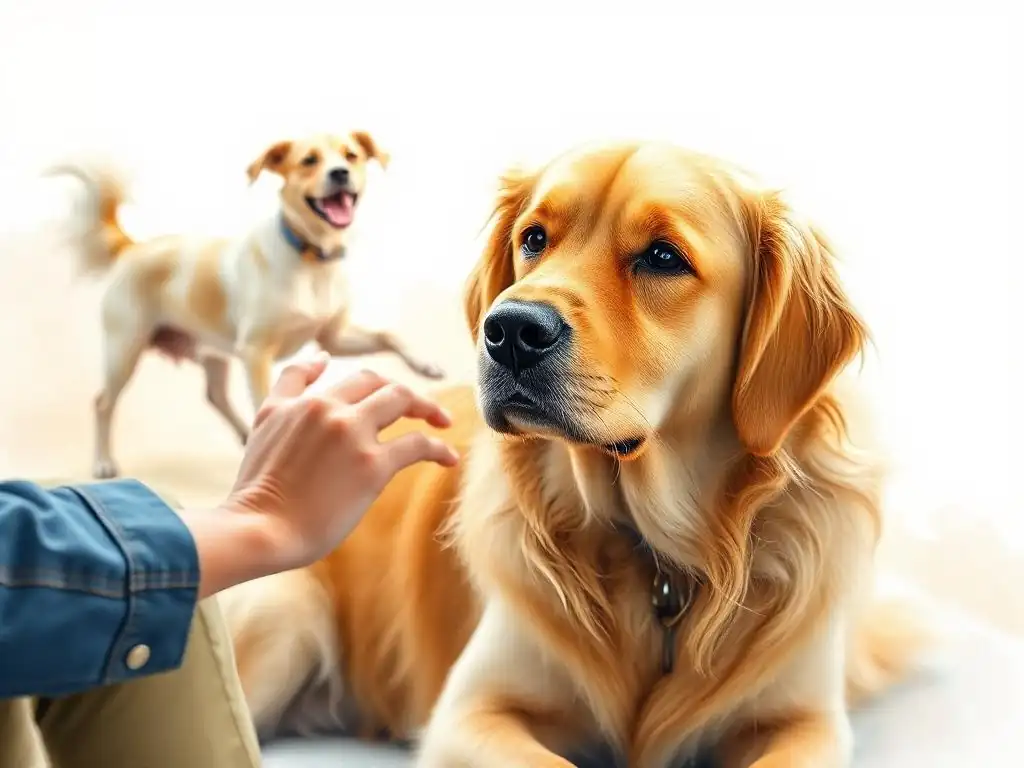
Redirected aggression in dogs, a frustrating and potentially dangerous behavior, is often preventable with proactive management. Understanding the root causes and implementing preventative measures can significantly reduce the likelihood of this behavior manifesting. This section focuses on strategies to minimize the risk of redirected aggression, thereby offering effective Dog redirected aggression solutions.
Managing Environmental Stimuli to Minimize Triggers
A key element in preventing redirected aggression is carefully managing your dog's environment. This involves identifying and minimizing triggers that might elicit frustration or arousal, leading to the redirection of aggression. Many dogs exhibiting redirected aggression react to stimuli like other dogs barking, passing people, or even specific sounds.
Several strategies can be employed:
- Controlled Walks: Avoid busy areas initially. Opt for quieter walks, ideally at off-peak hours, to reduce encounters with potential triggers. Gradually introduce more stimulating environments as your dog's impulse control improves.
- Strategic Leash Handling: A loose leash walk is crucial. Avoid pulling or jerking, which can increase your dog's stress levels. A loose leash allows for better reactivity management.
- Safe Spaces: Provide your dog with a secure and quiet space where they can retreat when feeling overwhelmed. This could be a crate, a dog bed in a quiet room, or even a designated area in your yard.
- Predictable Routines: Consistent routines reduce anxiety. Regular feeding times, walks, and playtime provide structure and predictability, minimizing stress-related triggers.
- Sound Management: If specific sounds trigger your dog (e.g., fireworks, thunderstorms), consider using white noise machines or calming music to mask these noises.
Implementing Effective Training Techniques for Impulse Control
Effective training plays a vital role in preventing redirected aggression. The goal is to build your dog's impulse control and self-regulation skills. This involves teaching them to manage their reactions to triggers.
Several training techniques can prove beneficial:
- "Leave It" and "Drop It": These commands teach your dog to ignore tempting objects or situations. Start with simple exercises, gradually increasing the difficulty and distraction levels.
- Focus Exercises: Train your dog to focus on you, even in the presence of distractions. This can involve simple games like "look at me" or "touch" exercises.
- Threshold Training: Gradually expose your dog to triggers at a distance where they remain calm. Slowly decrease the distance as their response remains under control. Reward calm behavior consistently. This approach helps desensitize your dog to potential triggers.
- Counter-Conditioning: Pair a trigger (e.g., the sight of another dog) with something positive (e.g., a high-value treat) to change your dog's association with the trigger.
- Desensitization: Gradually expose your dog to their triggers while ensuring they remain below their threshold of reactivity. This technique helps reduce their emotional response to the trigger over time.
The Role of Positive Reinforcement in Curbing Redirected Aggression
Positive reinforcement is paramount in addressing dog redirected aggression solutions. This method focuses on rewarding desired behaviors rather than punishing unwanted ones. Punishment can escalate aggression, whereas positive reinforcement builds a strong bond and encourages cooperation.
Here’s how positive reinforcement helps:
- Rewarding Calm Behavior: Consistently reward your dog for remaining calm in the presence of potential triggers. This reinforces the desired behavior and increases the likelihood of it being repeated.
- Building Confidence: A confident dog is less likely to exhibit redirected aggression. Positive reinforcement helps build confidence by providing positive experiences and rewards.
- Strengthening the Bond: A strong bond between you and your dog facilitates better communication and understanding, making it easier to manage their behavior.
- Creating a Positive Learning Environment: A positive training environment reduces stress and anxiety, making learning more effective and enjoyable for both you and your dog. This contributes to overall behavioral improvement.
- Avoiding Aversive Techniques: Aversive techniques, such as shock collars or harsh verbal corrections, are counterproductive and can exacerbate aggression. Positive reinforcement provides a humane and effective alternative.
Implementing these proactive strategies—managing the environment, employing effective training techniques, and focusing on positive reinforcement—offers a comprehensive approach to preventing and mitigating redirected aggression in dogs, providing effective and humane Dog redirected aggression solutions. Remember, consistency and patience are key to success.
Providing Sufficient Exercise and Mental Stimulation to Reduce Frustration
Frustration is a significant trigger for redirected aggression in dogs. A bored, under-exercised dog is more likely to lash out at a convenient target when pent-up energy and frustration build. Providing adequate physical and mental stimulation is crucial for preventing this type of aggression. Think of it as preventative maintenance for your dog's emotional well-being. A tired dog is a less aggressive dog.
This doesn't simply mean a quick walk around the block. We're talking about providing a robust exercise routine tailored to your dog's breed, age, and energy level. For high-energy breeds like Border Collies or Australian Shepherds, this might mean lengthy walks, runs, or engaging in canine sports like agility or flyball. Lower-energy breeds might benefit from shorter, more frequent walks combined with interactive games. Remember, the key is to match the exercise intensity to your dog's individual needs. Ignoring this can lead to pent-up energy manifesting as unwanted behaviors, including aggression.
Mental stimulation is equally important. A dog's mind needs just as much exercise as its body. Engage your canine companion in activities that challenge them mentally. Puzzle toys that dispense treats, interactive games like hide-and-seek, and training sessions can all contribute significantly to reducing frustration and preventing aggression.
Consider rotating toys and games to keep your dog engaged and prevent boredom. A stimulated mind is a calm mind, leading to a reduction in aggressive tendencies. For example, a Labrador Retriever, known for its energetic nature, benefits greatly from activities like fetch, swimming, and scent work, stimulating both its physical and mental capacities. This holistic approach is key to preventing redirected aggression.
Failing to address both physical and mental needs leaves your dog vulnerable to frustration-induced aggression. The investment in time and effort is well worth the reward of a happier, calmer, and less aggressive canine companion. Remember to consult with a veterinarian or a certified dog trainer for personalized recommendations based on your dog's specific breed and temperament.
Dog Redirected Aggression Solutions: Managing and Addressing the Behavior
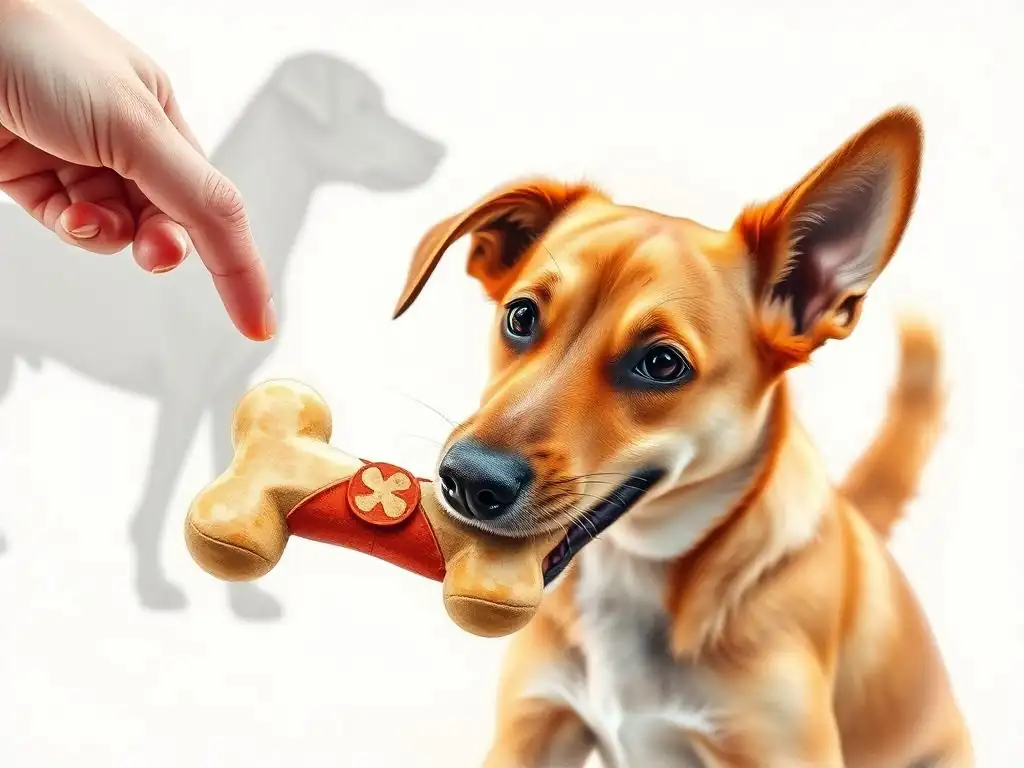
This section focuses on practical solutions for managing and addressing redirected aggression in dogs. Understanding the root causes and implementing effective strategies are crucial for mitigating this challenging behavior and ensuring a safe and harmonious environment for both the dog and its human companions. We'll explore proven techniques to help you navigate this complex issue and achieve positive outcomes. Remember, consistency and patience are key to success in modifying canine behavior. Effective management of dog redirected aggression often requires a multifaceted approach, combining environmental modifications with behavioral training techniques.
Addressing Underlying Anxiety and Fear in Dogs
Redirected aggression often stems from underlying anxiety or fear. A dog experiencing stress or fear might displace that negative energy onto a more readily available target, often a family member or another pet. Therefore, addressing the root cause of the anxiety is paramount. This involves careful observation of your dog's behavior to identify triggers.
For example, a dog exhibiting redirected aggression after a stressful walk might be reacting to noises, sights, or encounters with other dogs. Identifying these triggers allows you to create a proactive management plan. This could involve avoiding known triggers, using calming aids like pheromone diffusers (like Adaptil), or implementing desensitization and counter-conditioning techniques. Desensitization gradually exposes the dog to the trigger at a low intensity, while counter-conditioning pairs the trigger with a positive experience, such as a treat or praise. This process requires patience and professional guidance, potentially from a certified dog behaviorist or veterinary behaviorist. Remember to never punish your dog for displaying fearful or anxious behavior; this will only exacerbate the problem. Instead, focus on creating a safe and predictable environment that fosters a sense of security and calm. Providing your dog with plenty of opportunities for appropriate physical and mental stimulation can also significantly reduce anxiety levels.
Another important aspect is understanding the dog's body language. Recognizing subtle signs of anxiety, such as tucked tail, yawning, lip licking, or whale eye, can help you anticipate potential outbursts and intervene proactively. Early intervention is crucial in preventing redirected aggression incidents.
Modifying the Dog's Environment to Reduce Stressors
Environmental modifications play a significant role in managing redirected aggression. By reducing stressors and creating a more predictable and calming environment, you can significantly decrease the likelihood of redirected aggression episodes. This involves making adjustments to both the physical and social environment.
Consider the following:
- Safe spaces: Provide your dog with a designated safe space, such as a crate or dog bed, where they can retreat when feeling overwhelmed. This should be a quiet, comfortable area, free from distractions and potential triggers.
- Controlled interactions: Supervise all interactions between your dog and other animals or people, especially during potentially stressful situations. This prevents escalation and allows for intervention if needed.
- Routine and predictability: Dogs thrive on routine. Maintaining a consistent daily schedule for feeding, walking, and playtime can significantly reduce anxiety and improve overall behavior.
- Enrichment activities: Provide your dog with plenty of mental and physical stimulation through puzzle toys, training sessions, and interactive games. A bored or understimulated dog is more prone to behavioral problems.
- Reducing sensory overload: Identify and minimize any environmental factors that might be overstimulating your dog, such as loud noises, bright lights, or crowded areas.
Strategies for Interrupting Redirected Aggression Episodes
While preventing redirected aggression is ideal, knowing how to interrupt an episode safely is also crucial. Never approach an aggressive dog directly. Instead, use distraction techniques to divert the dog's attention.
Here are some effective strategies:
- Loud noise: A sudden loud noise, such as clapping your hands or making a sharp sound, can startle the dog and interrupt the aggressive behavior. However, use this cautiously and only if safe to do so, as it might inadvertently increase fear or anxiety.
- Physical barrier: If possible, place a physical barrier between the dog and the target of the aggression, such as a sturdy gate or a piece of furniture.
- Redirection: Immediately redirect the dog's attention to a more appropriate behavior, such as a chew toy or a training exercise. Offer a high-value reward once the dog calms down.
- Safe removal: If the aggression is escalating, safely remove the dog from the situation. Lead them to their safe space and allow them to calm down.
Remember, consistent application of these strategies, coupled with professional guidance when needed, offers the best chance for successful management of dog redirected aggression and a happier, safer life for your furry friend. Patience and a positive reinforcement approach are vital for achieving positive and lasting results. Addressing the underlying causes, modifying the environment, and learning to interrupt aggressive episodes are all essential components of a comprehensive solution.
Professional Help: When to Consult a Veterinarian or Certified Dog Trainer
Redirected aggression, while sometimes manageable at home with consistent training and management techniques, isn't always easily solved. Understanding when to seek professional help is crucial for both your dog's well-being and your own safety. Ignoring escalating aggression can lead to serious consequences, potentially harming your dog, other pets, or even people.
Several scenarios strongly suggest the need for professional intervention. If your dog's redirected aggression is severe, involving frequent and intense outbursts, it's essential to consult a veterinarian and a certified dog trainer specializing in aggression. This is particularly true if the aggression involves biting or causes injury.
A veterinarian can rule out underlying medical conditions that might be contributing to the behavior. Pain, discomfort, or illness can significantly alter a dog's temperament and trigger aggressive responses, even redirected ones. For example, a dog suffering from arthritis might snap at a playful sibling who accidentally touches a sensitive joint, redirecting its pain-induced frustration.
Beyond physical health, the intensity and frequency of the aggression are critical factors. If simple management techniques, such as separating dogs during playtime or providing ample space and resources, prove ineffective, professional help is necessary. A certified dog trainer can assess the situation, identify the triggers, and develop a personalized behavior modification plan.
This plan might involve counter-conditioning techniques, desensitization exercises, or other specialized training methods tailored to your dog's specific needs and the nature of the redirected aggression. Ignoring the problem or attempting to resolve it without expert guidance could inadvertently reinforce the undesirable behavior, making it harder to correct in the future. Remember, patience and consistency are key, but professional support can significantly accelerate the process and ensure the safety of everyone involved.
A qualified professional can also provide crucial support and guidance to the owner, addressing potential anxieties and frustrations that can arise during the training process. This holistic approach is often vital for successfully addressing complex behavioral issues like redirected aggression. Seeking help isn't a sign of failure; it's a proactive step towards ensuring a harmonious and safe environment for your canine companion and your family.
Living with a Dog Exhibiting Redirected Aggression: Long-Term Management

Successfully managing redirected aggression in dogs requires a multifaceted approach extending beyond immediate interventions. It's a commitment to creating a safe and predictable environment, reinforcing positive behaviors, and consistently monitoring your dog's responses. This section focuses on long-term strategies for living harmoniously with a dog prone to redirected aggression, ensuring both your safety and your canine companion's well-being. Remember, patience and consistency are key to achieving lasting results in managing this complex behavioral issue. Effective solutions for dog redirected aggression are built on a foundation of understanding and proactive management.
Creating a Safe and Predictable Environment for Your Dog
A predictable environment minimizes triggers for redirected aggression. This involves carefully managing your dog's exposure to potential stressors. This doesn't mean isolating your dog; rather, it's about controlling the situations where redirected aggression is most likely to occur.
Consider these strategies:
- Controlled Interactions: Supervise all interactions between your dog and other animals, even familiar ones. Introduce dogs gradually and in neutral territories, always maintaining a safe distance and monitoring body language for signs of stress.
- Designated Safe Spaces: Provide your dog with a secure, quiet retreat where they can escape overwhelming situations. This could be a crate, a dog bed in a quiet room, or another designated area where they feel safe and comfortable.
- Predictable Routines: Dogs thrive on routine. Establish a consistent daily schedule for feeding, walking, playtime, and rest. This predictability reduces anxiety and helps prevent unexpected triggers.
- Minimizing Stressors: Identify and minimize common stressors such as loud noises, unfamiliar people, or crowded environments. Gradually desensitize your dog to these stressors through controlled exposure and positive reinforcement.
- Environmental Enrichment: Provide ample opportunities for physical and mental stimulation. This can include interactive toys, puzzle feeders, regular walks, and training sessions. A stimulated dog is less likely to exhibit frustration-based aggression.
Ongoing Training and Reinforcement Strategies for Success
Even with environmental modifications, ongoing training is crucial for managing redirected aggression. The focus should be on teaching alternative behaviors and reinforcing calmness.
- Impulse Control Training: Exercises like "leave it," "drop it," and "stay" are essential. These commands help your dog manage their impulses and redirect their focus away from potential triggers.
- Positive Reinforcement: Reward calm behavior consistently. Use high-value treats, praise, and petting to reinforce relaxed responses in stressful situations. Avoid punishment, which can exacerbate aggression.
- Desensitization and Counter-Conditioning: Gradually expose your dog to low-level triggers while simultaneously pairing them with positive experiences. This helps to change their emotional response to these stimuli. For example, if the sight of another dog triggers aggression, start by showing your dog pictures of dogs from a distance, gradually decreasing the distance as your dog remains calm.
- Professional Guidance: Consider consulting a certified professional dog trainer or veterinary behaviorist. They can provide personalized guidance and develop a tailored training plan to address your dog's specific needs. They can offer valuable insights and help you overcome challenges you may encounter.
Monitoring Your Dog's Behavior and Addressing Recurring Issues
Consistent monitoring is vital for identifying patterns and addressing recurring issues. Keep a detailed record of your dog's behavior, noting triggers, responses, and the effectiveness of your management strategies. This detailed record will assist you and your professional in adjusting your approach as needed.
- Behavioral Diaries: Maintain a daily log documenting instances of redirected aggression, including the time, location, triggers, and your dog's response. Note any changes in your dog's environment or routine that might have contributed to the incident.
- Body Language Awareness: Learn to recognize your dog's subtle signs of stress or frustration, such as lip licking, yawning, whale eye, and stiff posture. Early intervention can prevent escalation.
- Professional Veterinary Care: Rule out any underlying medical conditions that might contribute to aggression. Certain medical issues can cause discomfort or pain, leading to increased irritability and aggression.
- Adjusting Strategies: Be prepared to adapt your management strategies as needed. What works today might not work tomorrow. Flexibility and a willingness to adjust your approach are essential for long-term success in managing redirected aggression. Remember, finding effective dog redirected aggression solutions is an ongoing process that requires patience and dedication.
Additional Tips for Long-Term Management
Consider using calming aids such as pheromone diffusers or supplements, but always consult your veterinarian before using any medication or supplements. Ensure your dog gets adequate exercise to reduce pent-up energy, which can contribute to aggression. Regular veterinary checkups are vital to rule out any underlying health conditions.
Building a Strong Bond with Your Dog Through Positive Interaction
Building a strong, positive relationship with your dog is paramount in managing redirected aggression. A dog who feels secure and confident in their bond with their human is less likely to exhibit displacement behaviors like redirected aggression. This involves consistent, positive reinforcement training and a focus on building trust and understanding. Think of it as preventative medicine for behavioral problems.
One crucial aspect is daily interaction focused on positive reinforcement. This isn't just about basic obedience training, although that's certainly a part of it. It's about creating positive associations with you and your presence. Spend dedicated time each day engaging in activities your dog enjoys. This might include playing fetch, going for walks, engaging in puzzle games that stimulate their minds, or simply cuddling on the couch. The key is to make these interactions enjoyable and rewarding for your dog, strengthening the positive bond between you.
Regular training sessions, even short ones, are vital. Focus on rewarding calm behavior and avoiding any punishment-based methods, which can exacerbate anxiety and aggression. Use high-value treats and praise liberally to reinforce desired behaviors. For example, if your dog is calmly lying down near you, reward this relaxed state. This helps them associate calmness with positive reinforcement, making them less likely to resort to aggressive outbursts.
Beyond formal training, incorporate everyday opportunities for positive interaction. Gentle petting, speaking to your dog in a soothing voice, and simply being present and attentive can all contribute to a secure attachment. Observe your dog's body language. Learn to recognize signs of stress or anxiety, so you can proactively address them before they escalate into aggression. For instance, if your dog starts yawning excessively or licking their lips, it might be a sign they're feeling overwhelmed.
In such cases, provide a safe space or engage in calming activities. This proactive approach is key to preventing redirected aggression before it occurs. Remember, consistency is key; a strong bond doesn't happen overnight but is cultivated through daily effort and genuine affection. The investment in time and patience will significantly impact your dog's behavior and your relationship.
Case Studies: Real-Life Examples of Redirected Aggression and Their Resolution
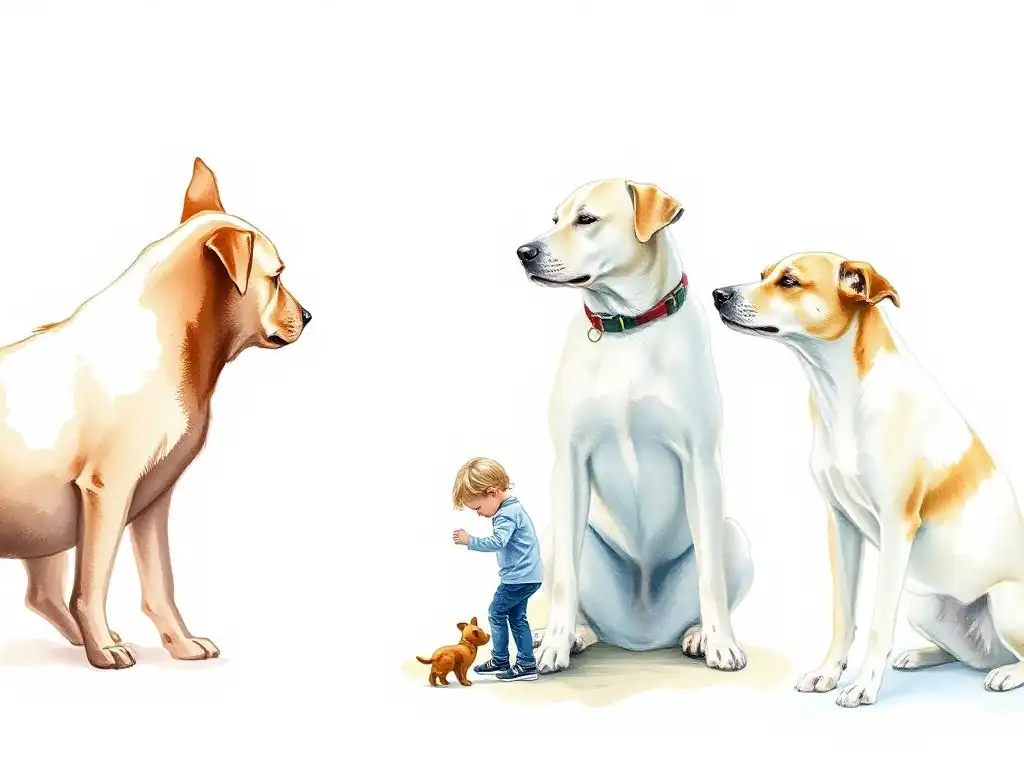
This section presents real-life scenarios illustrating redirected aggression in dogs and the successful strategies employed to mitigate this challenging behavior. Understanding these case studies will provide valuable insights into how to effectively address redirected aggression in your own canine companion. Remember, professional guidance from a certified dog trainer or veterinary behaviorist is crucial for developing a personalized plan.
Case Study 1: Golden Retriever, 3 years old, Play-Induced Frustration, Solution Implemented
A three-year-old Golden Retriever named Sunny exhibited redirected aggression during playtime. Sunny's owner, a busy professional, often engaged in short, high-energy play sessions with him. The trigger was consistently identified as frustration arising from the abrupt end of playtime. When the owner stopped playing, Sunny would frequently snap or bite at other nearby objects – a houseplant, a cushion, or even the owner’s leg – rather than directing his energy at the owner directly. This seemingly random aggression was a classic example of redirected aggression stemming from unmet playful energy.
The solution involved a multi-pronged approach. First, the owner was educated on the importance of structured playtime with clear beginnings and endings, avoiding abrupt cessation. They learned to incorporate calming signals into the end of playtime, such as slowing down the pace of the game and using soothing verbal cues.
Second, the owner implemented a “time-out” system, where after a playful session, Sunny was calmly placed in his crate for a short rest, allowing him to process his energy more effectively. Finally, the owner increased the duration and frequency of less-intense, more predictable play activities like fetch in a large, open space, reducing the likelihood of sudden frustration. This careful management of Sunny's energy and improved communication around playtime significantly reduced the incidence of redirected aggression.
Case Study 2: German Shepherd, 6 years old, Leash Frustration, Solution Implemented
A six-year-old German Shepherd, Max, displayed redirected aggression while on leash walks. Max, a highly energetic dog, exhibited frustration when encountering other dogs on leash that he couldn't interact with. Unable to express his desire to play or engage, he would instead snap or growl at inanimate objects around him – lampposts, fences, or even his own leash. This was a clear case of redirected aggression, where his frustration with the leash restriction was displaced onto something else.
The solution focused on modifying Max's leash walking experience. His owner, guided by a professional dog trainer, started implementing techniques like loose-leash walking and positive reinforcement training. The key here was to teach Max alternative behaviors, such as focusing on the owner during encounters with other dogs. Positive reinforcement, using treats and praise, rewarded Max for calm behavior in the presence of other dogs, irrespective of whether they could interact or not.
Furthermore, the owner learned to manage Max’s energy levels before walks, opting for shorter, more frequent walks to avoid overstimulation. The combination of these strategies significantly reduced Max's leash frustration and consequently, the occurrences of redirected aggression. The owner also incorporated controlled interactions with carefully selected, well-socialized dogs in off-leash environments to help Max regulate his social energy more effectively. This holistic approach proved highly successful in managing Max's redirected aggression.
Additional Notes on Dog Redirected Aggression Solutions
Remember, consistency and patience are key when addressing any dog behavior issue. Seek professional help if you are struggling to manage your dog's redirected aggression. A qualified professional can provide a tailored plan based on your dog’s specific needs and circumstances. Early intervention is crucial for preventing the escalation of this behavior.
Additional Resources for Dog Redirected Aggression Solutions
This section provides supplementary information and points of contact to further assist you in managing redirected aggression in your canine companion. Remember, consistent training and a proactive approach are key to successful resolution. Finding the right support is crucial, and these resources can help you navigate this challenging behavior.
Recommended Reading on Canine Behavior and Aggression Management
Understanding canine behavior is paramount in addressing redirected aggression. Several excellent books offer in-depth analysis of aggression in dogs, providing practical strategies for modification. These resources go beyond simple solutions and delve into the underlying causes of aggressive behavior, empowering owners with a more holistic understanding.
Here are some titles to consider, focusing on different aspects of canine aggression management:
- "Decoding Your Dog: Explaining Common Dog Behaviors and How to Prevent or Change Problem Behaviors": This book provides a comprehensive overview of canine behavior, including detailed sections on aggression. It uses clear explanations and practical examples, making it accessible to owners of all experience levels. The emphasis on prevention is particularly valuable.
- "On Talking Terms with Dogs: Calming Signals": While not solely focused on aggression, this book provides crucial insights into canine communication. Understanding canine calming signals can help you identify early warning signs of frustration and prevent escalation to aggressive behavior. This proactive approach is vital in managing redirected aggression.
- "Aggression in Dogs: Causes and Treatment": This book offers a more specialized approach, focusing specifically on various forms of canine aggression, including redirected aggression. It explores different treatment methods and provides case studies illustrating effective strategies. This in-depth analysis is beneficial for owners seeking a nuanced understanding of the problem.
Remember, these are just a few examples. Numerous other books and articles offer valuable insights into canine behavior and aggression management. Look for resources authored by certified veterinary behaviorists (Dip ACVB) or board-certified veterinary behaviorists (DACVB) for the most reliable and evidence-based information. Always prioritize resources that emphasize humane and positive reinforcement training methods.
Reputable Dog Trainers and Veterinarians Specializing in Behavior Issues
Seeking professional help is often crucial when dealing with redirected aggression. While books and articles provide valuable information, a personalized approach from a qualified professional can make a significant difference. Finding the right professional can be challenging, but here are some avenues to explore:
- Your Veterinarian: Your veterinarian is your first point of contact. They can conduct a physical examination to rule out any underlying medical conditions that might contribute to aggression. They can also recommend certified professional dog trainers or veterinary behaviorists.
- Certified Professional Dog Trainers (CPDT-KA): Look for trainers certified by the Certification Council for Professional Dog Trainers (CCPDT). These trainers are committed to using humane, science-based methods, prioritizing positive reinforcement.
- Veterinary Behaviorists (DACVB or Dip ACVB): These are veterinarians with advanced training in animal behavior. They can provide a comprehensive assessment and develop a tailored behavior modification plan. They are particularly valuable for complex cases of aggression.
Finding a reputable professional requires research. Check reviews, ask for referrals, and ensure the professional uses positive reinforcement methods. Avoid trainers who advocate for punishment-based training, as these methods can worsen aggression and damage the dog-owner bond. The right professional will work collaboratively with you, providing guidance, support, and a customized plan to address your dog's redirected aggression. Remember, patience and consistency are key to success in addressing this behavioral challenge. 🐶
Frequently Asked Questions
What is redirected aggression in dogs?
Redirected aggression occurs when a dog is frustrated by something (e.g., another dog outside the window) and then unleashes that frustration on a nearby, less threatening target, often a human or another pet. It's a misdirected response to a trigger.
What are the common triggers for redirected aggression?
Triggers can vary but often involve situational frustration. This might include being prevented from interacting with another dog, a perceived threat (like a squirrel), or even excitement. Identifying the trigger is crucial for effective management.
How can I prevent redirected aggression in my dog?
Careful management is key. This includes preventing triggering situations (e.g., keeping your dog away from windows during dog walks), providing sufficient exercise and mental stimulation, and using positive reinforcement training to build a strong bond and improve impulse control.
What training techniques are useful for addressing redirected aggression?
Positive reinforcement techniques are most effective. This involves rewarding calm behavior and teaching alternative responses. Professional guidance from a certified dog trainer or veterinary behaviorist is strongly recommended.
When should I seek professional help for my dog's redirected aggression?
If you're struggling to manage your dog's redirected aggression despite your efforts, or if the behavior is severe or escalating, seeking help from a veterinary behaviorist or certified professional dog trainer is crucial. They can provide a tailored behavior modification plan.
Final Reflection: Understanding and Addressing Canine Redirected Aggression
The pervasive issue of redirected aggression in dogs demands our immediate attention, impacting not only the well-being of our canine companions but also the safety and harmony of our homes and communities. This often misunderstood behavior, as explored throughout this article, highlights the critical need for responsible dog ownership and proactive training strategies. Ignoring this problem only allows it to fester, potentially leading to serious consequences for both dogs and their human families.
The exploration of redirected aggression has profoundly shifted my understanding of canine behavior, revealing the complex interplay of frustration, fear, and misdirected energy. It's a stark reminder that dogs, despite their unwavering loyalty, are not always able to communicate their needs effectively, leading to potentially harmful outbursts. A dog's behavior is a reflection of its environment and training, not a sign of inherent malice.
This quote underscores the importance of creating a safe and predictable environment for our dogs, one that allows them to express themselves without resorting to aggression.
Now, consider your own canine companion. Do you understand the subtle cues that might indicate pent-up frustration or anxiety? Are you providing adequate opportunities for exercise, mental stimulation, and positive reinforcement? I urge you to take the knowledge gained from this article and actively apply it to your relationship with your dog. By understanding the root causes of redirected aggression and implementing the solutions outlined, you can foster a stronger, safer, and more harmonious bond with your furry friend, creating a more peaceful and enriching life for both of you.
Unlock Your Dog's Calmer Side: Practical Steps to Redirect Aggression
Thank you for learning about redirected aggression in dogs! We hope you found the information helpful. Now, let's put that knowledge into practice.
Here are some actionable steps you can take today:
- Create a calm and structured environment: Identify and remove anything that might trigger your dog's aggression, focusing on creating a safe and predictable space. This is crucial for managing this behavior. For example, if your dog reacts aggressively to the mailman, consider adjusting your routine to avoid unnecessary encounters.
- Consult a certified professional dog trainer: A qualified trainer can help you identify the root cause of the aggression and develop a customized behavior modification plan. They can provide valuable support and guidance tailored to your dog's specific needs.
- Connect with other dog owners: Join our PetCareWorld community forum to share your experiences, learn from others, and build a supportive network. Connecting with others facing similar challenges can be incredibly beneficial.
What small step can you take today to create a more peaceful home for your dog?