
Natural Pet Food Brands: Which Ones Stand Out and Why?


Welcome to PetCareWorld, your ultimate guide to a happier, healthier life for your beloved companion! Are you ready to discover the secrets to providing your pet with the best possible nutrition? Then dive into our expert analysis of the Best Natural Pet Food Brands, where we reveal which brands truly stand out and why – ensuring your furry, feathered, or scaled friend thrives. Uncover the ingredients, benefits, and considerations to make an informed choice for your pet's well-being. Let's embark on this journey together!
- Top-Rated Natural Dog Food Brands for Dogs
- Best Natural Cat Food Brands for Feline Health
- Natural Pet Food for Other Animals: Beyond Dogs and Cats
- Understanding the Benefits of Natural Pet Food
- Decoding Natural Pet Food Labels: What to Look For
- Making the Switch to Natural Pet Food: A Smooth Transition
- The Cost Factor: Balancing Quality and Affordability in Natural Pet Food
- Frequently Asked Questions about Natural Pet Food (FAQ)
- Frequently Asked Questions
- Final Reflection: Nourishing Our Companions: A Legacy of Choice
- Unleash Your Pet's Inner Glow: Discover the Perfect Food!
Top-Rated Natural Dog Food Brands for Dogs
Choosing the right food for your beloved canine companion is a crucial aspect of responsible pet ownership. Providing your dog with a diet rich in natural ingredients, free from artificial additives and fillers, can significantly impact their health, energy levels, and overall well-being. This comprehensive guide dives deep into the world of natural pet food, exploring some of the top brands available and highlighting the key factors to consider when making your selection.
We'll examine what constitutes "natural" pet food, analyze the benefits of choosing natural options over conventional kibble, and provide in-depth reviews of several leading brands to help you make an informed decision for your furry friend. Choosing the best natural pet food isn't just about finding a palatable option; it's about investing in your dog's long-term health and happiness. This guide will empower you to navigate the market with confidence, ensuring you choose the food that best suits your dog's individual needs and dietary requirements.
We’ll cover everything from ingredient lists to nutritional analysis, helping you decipher the often-confusing world of pet food labels. Let's embark on this journey together to find the perfect natural food for your dog!
Choosing the Best Natural Dog Food: Key Factors to Consider
Selecting the right natural dog food involves careful consideration of several key factors. The ingredients list should be your primary focus. Look for foods that prioritize whole meats and proteins as the primary ingredients, followed by whole grains, fruits, and vegetables. Avoid brands that contain artificial colors, flavors, or preservatives, as well as common allergens like corn, wheat, and soy.
Consider your dog's age, breed, and activity level. A highly active working dog will have different nutritional needs than a senior dog with a less demanding lifestyle. Natural dog foods often cater to these varying needs with specific formulations.
Nutritional analysis is equally important. Pay close attention to the guaranteed analysis, which details the minimum percentages of protein, fat, fiber, and moisture. Compare these values to the AAFCO (Association of American Feed Control Officials) guidelines to ensure the food meets the minimum nutritional requirements for your dog's life stage.
Finally, check for certifications and reviews. Look for brands that adhere to third-party certifications, indicating quality control and adherence to specific standards. Reading reviews from other pet owners can also provide valuable insights into a brand's quality and customer satisfaction. Remember, investing in high-quality natural dog food is an investment in your dog's health and longevity.
Orijen is widely recognized as a premium brand of natural dog food, consistently ranking highly among pet owners and veterinary professionals. Their recipes are known for their high meat content, typically exceeding 70%, and their emphasis on regionally sourced ingredients. Orijen's commitment to biologically appropriate raw diets (BARF) principles is reflected in their ingredient selection and formulations. They offer a range of options catering to different life stages and breeds.
Their focus on whole prey ratios ensures a balanced intake of essential nutrients, mirroring what a dog would consume in the wild. This approach minimizes the need for added synthetic vitamins and minerals, promoting optimal digestion and nutrient absorption. However, the high-quality ingredients often translate to a higher price point compared to other brands. Despite this, many pet owners consider the superior quality and health benefits to be worth the investment. Detailed nutritional breakdowns are readily available on their website, allowing for informed comparisons with other brands.
The positive reviews and testimonials from numerous satisfied pet owners support Orijen's reputation for producing high-quality natural dog food. Many report improvements in their dogs' coat condition, energy levels, and overall health since switching to Orijen. However, as with any food, individual sensitivities should be monitored.
Wellness: Holistic Dog Food Options and Their Benefits
Wellness is another popular brand offering a range of holistic natural dog food options. Their focus lies in providing complete and balanced nutrition using high-quality, natural ingredients. Unlike some brands that prioritize a single protein source, Wellness often incorporates a variety of meats and proteins to provide a broader spectrum of amino acids and nutrients.
Wellness emphasizes the use of whole grains, fruits, and vegetables, providing essential fiber and antioxidants. They avoid artificial colors, flavors, and preservatives, aligning with the growing consumer demand for healthier and more natural pet food options. Their recipes are formulated to support various life stages, including puppies, adults, and senior dogs.
Similar to Orijen, Wellness provides detailed nutritional information on their website. This transparency allows pet owners to compare their products to other brands and choose the option that best suits their dog's specific needs. Numerous positive reviews highlight the positive impact of Wellness food on dogs' coat, digestion, and overall vitality. However, potential buyers should always monitor their dog for any signs of food intolerance or allergies.
Blue Buffalo: Grain-Free Natural Dog Food: Pros and Cons
Blue Buffalo is a widely recognized name in the natural pet food market, particularly known for its grain-free formulations. Their commitment to using high-quality natural ingredients resonates with many dog owners seeking healthier alternatives to conventional kibble. However, like any brand, it presents both advantages and disadvantages.
One of Blue Buffalo's significant pros is its transparent ingredient sourcing. They clearly list the components of their recipes, allowing pet owners to easily assess the quality and origin of the ingredients. Many formulations feature real meat as the primary protein source, supplemented by fruits, vegetables, and other natural additives.
This emphasis on natural ingredients appeals to owners concerned about artificial preservatives, fillers, and by-products often found in less expensive brands. Furthermore, their extensive product line caters to various dietary needs and dog breeds, offering options for puppies, senior dogs, and those with specific sensitivities. For example, their "Blue Freedom" line is specifically formulated for dogs with sensitive stomachs, highlighting their attention to specific dietary requirements.
However, Blue Buffalo isn't without its drawbacks. A common criticism revolves around the price point. Compared to many mainstream brands, Blue Buffalo products are generally more expensive, potentially making them inaccessible to some pet owners.
Additionally, while they market themselves as grain-free, some formulations still contain certain grains or grain derivatives, a point that might be misleading to consumers strictly seeking totally grain-free options. It's crucial to carefully read the ingredient list of each specific product to ensure it aligns with your dog's dietary needs and your personal preferences regarding ingredients. Finally, anecdotal evidence suggests that some dogs experience digestive upset when switching to Blue Buffalo, highlighting the importance of a gradual transition to avoid potential issues.
A slow introduction, starting with a small percentage of Blue Buffalo mixed with the dog's current food and gradually increasing the proportion over several days, is recommended. This minimizes the risk of digestive upset and allows the dog's system to adapt more smoothly. Careful observation of your dog's stool consistency and overall health during the transition period is vital.
Best Natural Cat Food Brands for Feline Health
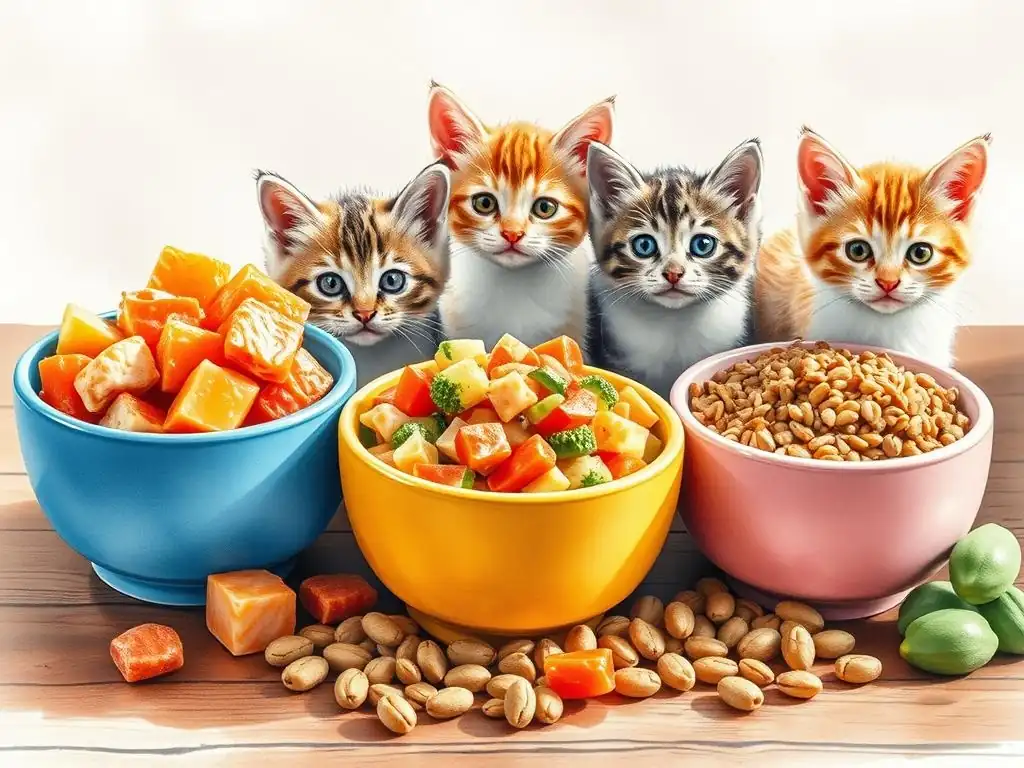
Choosing the right food is paramount for your cat's health and well-being. A balanced diet contributes significantly to a cat's coat condition, energy levels, and overall longevity. When selecting a natural cat food, understanding the ingredients and manufacturing processes is key. This section focuses on identifying superior natural cat food brands that prioritize feline health and nutritional needs.
We'll explore what makes a truly "best" natural cat food and delve into specific brands that exemplify these qualities. The market offers a plethora of options claiming to be "natural," but discerning the truly superior brands requires careful consideration. Understanding your cat's specific needs – age, breed, activity level, and any pre-existing health conditions – is equally crucial in making an informed decision.
Selecting Superior Natural Cat Food: A Comprehensive Guide
Selecting superior natural cat food involves more than just looking for the word "natural" on the label. True natural cat foods prioritize whole, recognizable ingredients, minimizing artificial additives, fillers, and by-products. Look for brands that clearly list the source of their protein (e.g., "chicken," not "meat by-products"), and specify the types of fats and carbohydrates included. Transparency in sourcing and manufacturing is a hallmark of high-quality natural pet food. Avoid brands with vague ingredient descriptions or those containing artificial colors, flavors, or preservatives.
A good natural cat food should provide a complete and balanced diet, meeting the Association of American Feed Control Officials (AAFCO) nutritional standards for cats. Additionally, consider factors like your cat's digestion and allergies. Some cats may thrive on specific protein sources, while others might require grain-free or limited-ingredient diets. Observing your cat's response to different food types – stool consistency, energy levels, and coat condition – can guide you toward the optimal choice.
Always consult your veterinarian if you have concerns about your cat's dietary needs or any underlying health issues. They can provide personalized recommendations based on your cat's unique circumstances. Remember, feeding your cat a superior natural diet is an investment in their long-term health and happiness. The benefits extend beyond just physical health; a well-nourished cat tends to be a happier, more energetic companion.
Instinct: High-Quality Natural Cat Food Options
Instinct is a brand frequently cited among the best natural cat food options. They offer a range of recipes, including both dry kibble and wet food, catering to various feline preferences and dietary needs. A key feature of Instinct is their focus on real meat as the primary ingredient, usually comprising a significant percentage of the total formulation. Many Instinct recipes feature a single animal protein source, making them suitable for cats with sensitivities or allergies.
They often incorporate fruits and vegetables, providing additional vitamins and antioxidants. However, it's crucial to examine the specific ingredient list for each Instinct product, as nutritional profiles can vary between recipes. For instance, some Instinct lines might include grains, while others are grain-free. This brand generally avoids artificial colors, flavors, and preservatives, aligning with the principles of natural pet food.
While often positioned at a higher price point than many conventional brands, many pet owners consider the superior quality and potential health benefits to justify the cost. The focus on high-quality ingredients and transparent labeling contribute to Instinct's popularity among those seeking premium natural cat food. Consumer reviews frequently highlight positive changes in coat condition, energy levels, and digestive health after switching to Instinct. 🐾
Weruva: Wet vs. Dry Natural Cat Food: Which is Best?
Weruva is another prominent brand in the natural cat food market, known for its variety of wet and dry food options. A common question among pet owners is whether wet or dry food is superior. Both Weruva wet and dry foods aim for a natural composition, but there are key differences to consider. Weruva's wet food often consists of a higher moisture content, which can be beneficial for cats prone to urinary tract issues. The higher moisture content also mimics the natural diet of a cat more closely.
However, wet food typically has a shorter shelf life once opened and may be less convenient for some owners. Weruva's dry food offers a longer shelf life and is often easier to store and measure. However, it generally has a lower moisture content than wet food. The nutritional value can also vary between wet and dry formulations, so comparing the ingredient lists of specific Weruva products is essential. Ultimately, the "best" choice – wet or dry – depends on your cat's individual preferences, health needs, and your lifestyle.
Some owners opt for a combination of wet and dry food to provide a balanced approach. Consider factors such as your cat's water intake, as cats fed primarily dry food may require more access to fresh water to stay properly hydrated. Consulting your veterinarian can help determine the optimal food type and quantity for your cat's specific needs. Remember, regular monitoring of your cat's weight, coat condition, and stool quality can help you assess the effectiveness of their diet.
Royal Canin Veterinary Diet: Addressing Specific Dietary Needs with Natural Cat Food
Royal Canin Veterinary Diet offers a range of natural cat food options formulated to address various health concerns and specific dietary needs. Unlike many mass-produced brands, Royal Canin focuses on precise nutritional formulations tailored to individual feline health challenges. Their commitment to using high-quality, natural ingredients, while maintaining scientific precision, makes them a strong contender among the best natural pet food brands. This is particularly crucial for cats with allergies, digestive sensitivities, or other health conditions requiring specialized diets.
One notable aspect of Royal Canin Veterinary Diet is their extensive research and development. They collaborate with veterinary professionals worldwide to ensure their formulations meet the highest standards of nutritional excellence and efficacy. This commitment to scientific rigor translates to products designed to not only nourish but also actively support the health and well-being of cats with specific dietary requirements. For example, their Gastrointestinal formula utilizes prebiotics and highly digestible proteins to aid in digestion and alleviate symptoms of gastrointestinal upset, a common problem in many cats.
The brand also offers specialized diets for cats with urinary tract issues, skin allergies, and weight management concerns. Each formula is carefully balanced to provide the essential nutrients necessary to support the cat's overall health while addressing the specific condition.
This level of customization allows veterinarians to recommend specific Royal Canin products to their patients, ensuring they receive the most appropriate nutrition for their unique needs. While the price point tends to be higher than some other natural brands, the specialized formulations and focus on addressing specific health needs justify the cost for many pet owners seeking premium, natural cat food for their feline companions.
The investment in a Royal Canin Veterinary Diet can often lead to improved health outcomes and a higher quality of life for cats facing dietary challenges. Choosing a suitable Royal Canin Veterinary Diet often requires consultation with a veterinarian to determine the best option for your cat's specific health needs.
Natural Pet Food for Other Animals: Beyond Dogs and Cats
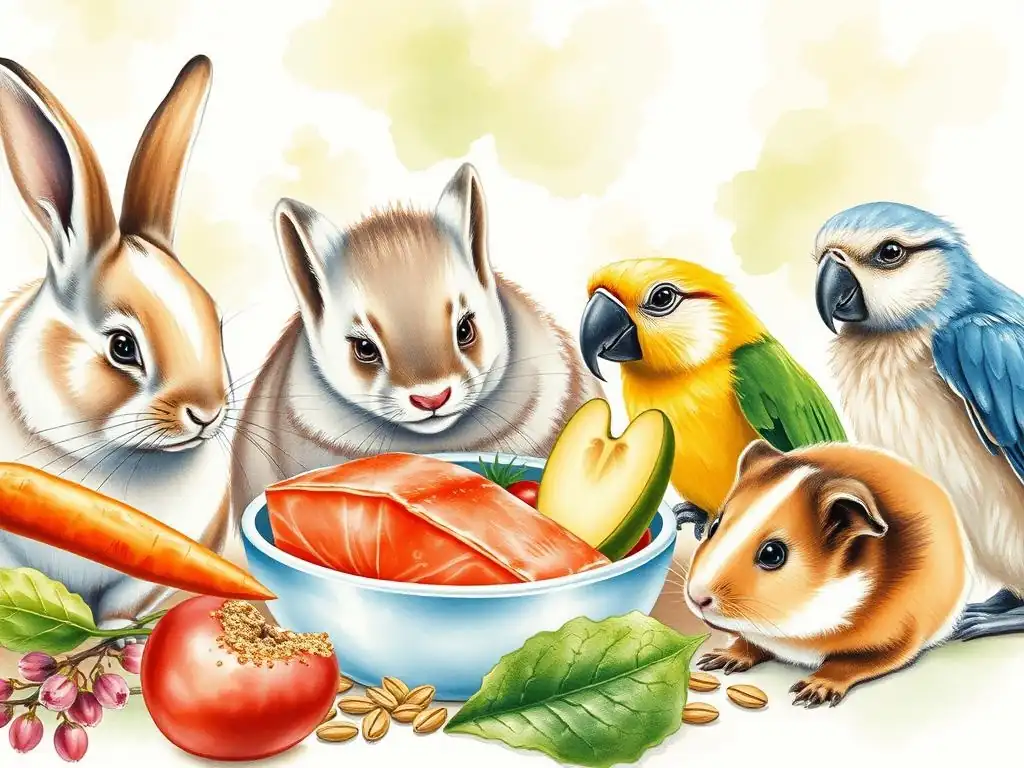
While the market for natural dog and cat food is booming, many pet owners are increasingly seeking high-quality, natural food options for their other beloved companions. Reptiles, birds, and small mammals all have unique dietary needs, and providing them with a natural, species-appropriate diet is crucial for their health and well-being. Choosing the best natural pet food often involves understanding these specific requirements and carefully considering the ingredients.
This section explores the nuances of selecting natural food for animals beyond the typical canine and feline companions. Finding the right balance of nutrients is key to ensuring a long and healthy life for your pet, regardless of species.
Finding the Right Natural Food for Reptiles
Reptiles, encompassing snakes, lizards, turtles, and more, are ectothermic animals with diverse dietary requirements. The best natural reptile food varies dramatically depending on the species. For example, insectivorous reptiles like many geckos and smaller lizards require a diet primarily consisting of live insects, while larger lizards and snakes may consume rodents.
The key to a natural diet for reptiles is ensuring the prey items are themselves healthy and free from pesticides or contaminants. Supplementing with calcium and other vitamins is often necessary, particularly for captive-bred reptiles. Always research the specific dietary needs of your reptile species to avoid nutritional deficiencies.
Some commercially available natural reptile food options provide a balanced diet, but careful monitoring and supplementation may still be required. Improper nutrition can lead to metabolic bone disease (MBD), a serious and often fatal condition in reptiles. Choosing natural, high-quality ingredients for your reptile's food, whether live prey or commercial options, is an investment in their long-term health and vitality.
Natural Diets for Birds: Essential Nutrients and Considerations
Providing birds with a natural diet is crucial for maintaining their vibrant plumage, strong bones, and overall health. Unlike many mammals, birds require a diet rich in specific nutrients, including high-quality protein, various vitamins (especially A and D), and minerals. Seeds alone are insufficient for most bird species; a balanced natural diet should include a variety of foods such as fruits, vegetables, nuts, and occasionally, cooked grains.
The best natural pet food for birds often incorporates pellets formulated to meet their species-specific nutritional needs, supplemented with fresh foods. Foraging behavior is also important for many birds, so providing enrichment activities like puzzle feeders can contribute to their overall well-being. Avoid foods high in fat, salt, or sugar, as these can contribute to obesity and other health problems.
Just like with reptiles, researching the specific dietary needs of your bird species is paramount to ensuring their health. A balanced and varied natural diet, combined with proper veterinary care, will contribute to a happy and long-lived companion.
Oxbow: A Leading Brand in Natural Food for Small Animals
Oxbow Animal Health is a well-recognized brand specializing in natural foods and bedding for small animals such as rabbits, guinea pigs, hamsters, and rats. They are known for their commitment to using high-quality, natural ingredients and avoiding artificial colors, flavors, and preservatives. Oxbow offers a wide range of products formulated to meet the specific nutritional needs of different small animal species.
Their commitment to research and development ensures their products are scientifically formulated to support optimal health. Many pet owners consider Oxbow a top choice for natural small animal food due to its reputation for quality and efficacy. While price may be a factor for some, the potential health benefits and reduced risk of illness often outweigh the cost for those prioritizing a natural diet for their small pets.
Their product line includes a variety of hay, pellets, and supplemental foods, designed to provide a complete and balanced diet tailored to each species. Oxbow's dedication to animal welfare and nutritional excellence makes them a reliable choice for discerning small animal owners seeking the best natural pet food options.
Understanding the Benefits of Natural Pet Food
Choosing the right food is paramount for your pet's health and well-being. While many commercial pet foods exist, natural pet food offers a range of advantages that contribute to a happier, healthier companion. Understanding these benefits is crucial in making informed decisions about your pet's diet, leading to improved overall quality of life and potentially reducing long-term health issues.
The term "natural" itself can be somewhat ambiguous, so it's important to look for brands that clearly outline their sourcing and manufacturing processes, prioritizing transparency and high-quality ingredients. This section will explore some key benefits associated with feeding your pet a natural diet, focusing on the positive impacts on digestion, skin and coat health, and immune function. Finding the best natural pet food brands often involves careful research and understanding what constitutes a truly nutritious and natural option for your furry, feathered, or scaled friend.
Improved Digestion and Gut Health with Natural Ingredients
Natural pet foods, unlike many processed options, often utilize whole foods and easily digestible ingredients. This minimizes the presence of artificial fillers, by-products, and unnecessary additives that can disrupt the delicate balance of your pet's gut microbiome. A healthy gut is essential for nutrient absorption, waste elimination, and overall digestive well-being.
Natural ingredients like whole grains, fruits, vegetables, and lean proteins promote regular bowel movements and reduce the risk of digestive upset. For example, foods rich in fiber, such as sweet potatoes or pumpkin, can improve stool consistency and prevent constipation. Similarly, probiotics found in some natural pet foods contribute to a thriving gut flora, improving digestion and supporting immune function.
The absence of artificial preservatives and colorings also reduces the likelihood of allergic reactions and sensitivities that can manifest as digestive problems. Choosing a natural pet food brand with a focus on easily digestible ingredients is a significant step towards improving your pet's digestive health and overall well-being. Consider brands that explicitly list whole food sources and avoid artificial ingredients.
Enhanced Coat and Skin Condition with Natural Nutrition
The condition of your pet's coat and skin is a strong indicator of their overall health. A dull, dry coat, excessive shedding, or skin irritations can often be linked to nutritional deficiencies. Natural pet foods, rich in essential fatty acids like omega-3 and omega-6, play a vital role in maintaining healthy skin and a lustrous coat.
These fatty acids reduce inflammation, improve skin barrier function, and promote healthy hair growth. Furthermore, many natural pet foods incorporate ingredients like salmon oil, flaxseed, and various antioxidants that further support skin and coat health. For instance, Vitamin E is a potent antioxidant that protects skin cells from damage caused by free radicals.
The absence of artificial coloring and preservatives in natural pet foods also minimizes the risk of skin allergies and irritations. Observing improvements in your pet's coat and skin—a shinier coat, less shedding, and fewer skin problems—is a clear indicator of the positive impact of a natural diet. Look for brands that emphasize these essential fatty acids and other skin-supporting nutrients in their ingredient lists.
Boosting Your Pet's Immune System Through Natural Food
A strong immune system is crucial for your pet's resistance to illness. Natural pet foods, with their emphasis on whole, unprocessed ingredients, can significantly contribute to a robust immune response. The absence of artificial preservatives, fillers, and by-products reduces the burden on your pet's immune system, allowing it to focus on fighting off infections and maintaining overall health. Moreover, many natural pet foods are fortified with vitamins and minerals known to support immune function.
For example, Vitamin C is a powerful antioxidant that strengthens the immune system's defenses. Similarly, zinc and selenium play crucial roles in immune cell function. Furthermore, the inclusion of prebiotics and probiotics in some natural pet foods promotes a healthy gut microbiome, which, as previously mentioned, is directly linked to immune function.
A diet rich in whole foods and free from artificial additives creates an environment that allows your pet's immune system to thrive. By selecting natural pet food brands that prioritize these immune-boosting nutrients and ingredients, you're investing in your pet's long-term health and well-being. Pay close attention to the vitamin and mineral content listed on the packaging, as well as the presence of beneficial prebiotics and probiotics.
Decoding Natural Pet Food Labels: What to Look For

Choosing the best natural pet food brands requires careful scrutiny of labels. Many brands market themselves as "natural," but the definition can be vague. This section helps you navigate the often-confusing world of pet food labeling to ensure you're selecting truly nutritious and safe options for your beloved companion. Understanding what to look for on the label is crucial for making informed decisions regarding your pet's health and well-being. Remember, the best natural pet food brands prioritize ingredient quality and transparency.
Identifying Key Ingredients and Avoiding Harmful Additives
The ingredient list is your best friend. Federal regulations require ingredients to be listed in descending order by weight. Look for whole, recognizable ingredients like:
- Real meat: Chicken, beef, lamb, or fish should be listed prominently, not just as "meat by-products." The specific type of meat (e.g., chicken breast, salmon fillet) indicates higher quality.
- Whole grains: Oats, brown rice, barley, or quinoa provide essential fiber and nutrients. Avoid fillers like corn, wheat, and soy, which can cause allergies and digestive issues in some pets.
- Fruits and vegetables: These add antioxidants and vitamins. Look for named fruits and vegetables, not generic terms like "vegetable meal."
- Healthy fats: Sources like flaxseed, fish oil, or chicken fat provide essential fatty acids for healthy skin and coat.
Avoid these potentially harmful additives:
- Artificial colors, flavors, and preservatives: These are unnecessary and may contribute to health problems. Look for labels explicitly stating "no artificial colors, flavors, or preservatives."
- By-products: These are less desirable parts of the animal, often including organs, bones, and other less nutritious components.
- Fillers: These are inexpensive ingredients that add bulk but little nutritional value. Corn, wheat, and soy are common culprits.
- Ethoxyquin: A controversial preservative linked to potential health issues. Opt for brands that explicitly state they are ethoxyquin-free.
Understanding Certifications and Guarantees in Natural Pet Food
Certifications and guarantees offer additional assurance of quality and safety. However, not all certifications are created equal. Some common certifications to look for include:
| Certification | Description | Reliability Level |
|---|---|---|
| USDA Organic | Meets strict standards for organic farming practices. | High |
| Association of American Feed Control Officials (AAFCO) Statement | Guarantees the food meets minimum nutritional requirements for a specific life stage. | High |
| [Specific Certification Pending] | [Description of Certification Pending] | [Reliability Level Pending] |
Always check for AAFCO statements, verifying that the food meets the nutritional needs of your pet's age and activity level. Look for statements like "Complete and balanced for adult maintenance" or "Complete and balanced for growth of puppies." These statements provide confidence that the food provides the necessary nutrients. Remember to always consult your veterinarian about your pet's specific dietary needs.
Reading Pet Food Labels Effectively: A Step-by-Step Guide
Reading pet food labels effectively requires a systematic approach. Follow these steps:
- Check the guaranteed analysis: This section provides the minimum percentages of crude protein, fat, fiber, and moisture. Compare these values to the AAFCO recommendations for your pet's life stage.
- Scrutinize the ingredient list: Pay close attention to the first few ingredients, as they represent the largest portions of the food.
- Look for certifications and guarantees: As discussed earlier, these provide additional assurance of quality and safety.
- Examine the feeding guidelines: Follow the recommended feeding amounts to avoid overfeeding or underfeeding. Adjust based on your pet's individual needs and activity level.
- Consider the brand's reputation: Research the brand's history, manufacturing practices, and customer reviews to assess their trustworthiness. The best natural pet food brands are transparent about their sourcing and production methods.
By following these steps and paying close attention to the details on the label, you can confidently choose the best natural pet food brands for your furry friend, ensuring they receive the nutrition they need to thrive. Remember, choosing the right food is a crucial part of responsible pet ownership. 🐾
Making the Switch to Natural Pet Food: A Smooth Transition
Switching your pet to a natural diet can offer numerous health benefits, but a gradual transition is crucial for minimizing digestive upset and ensuring a positive experience. A rushed change can lead to vomiting, diarrhea, and decreased appetite, making the process stressful for both you and your furry friend. Finding the best natural pet food brands is only half the battle; successful implementation depends heavily on a careful transition strategy. Remember, patience and observation are key.
Gradually Introducing New Food to Avoid Digestive Upsets
The key to a successful transition is gradual substitution. Avoid abruptly replacing your pet's current food with a new natural brand. Instead, begin by mixing a small amount (approximately 25%) of the new natural pet food with their existing food. Over the next 7-10 days, gradually increase the proportion of the new food, decreasing the amount of the old food accordingly. This allows your pet's digestive system to adapt slowly to the new ingredients and nutrients.
For example, if you're feeding your dog one cup of their current food, start by mixing in ¼ cup of the new natural food. The next day, increase it to ⅓ cup, and so on. This slow introduction minimizes the shock to their system and reduces the likelihood of digestive issues. Observe your pet closely during this period for any signs of discomfort.
Here's a sample schedule:
| Day | Percentage of New Food | Percentage of Old Food |
|---|---|---|
| 1-2 | 25% | 75% |
| 3-4 | 50% | 50% |
| 5-7 | 75% | 25% |
| 8-10 | 100% | 0% |
Remember to maintain consistent feeding times and amounts throughout the transition. This helps establish a routine and aids in the digestive process. 💧
Monitoring Your Pet's Response to the New Diet
Throughout the transition, diligent monitoring is essential. Pay close attention to your pet's stool consistency, frequency of bowel movements, and overall energy levels. Any significant changes—such as diarrhea, constipation, vomiting, or lethargy—should be addressed immediately. Consult your veterinarian if you observe any concerning symptoms. They can offer advice tailored to your pet's specific needs and help determine if the new food is suitable.
Keep a detailed record of your pet's responses. This could be a simple journal or a spreadsheet tracking daily food intake, stool quality, and any observed behavioral changes. This information will be invaluable if you encounter challenges or need to consult with your vet. 📝
Addressing Potential Challenges During the Transition
Even with a gradual approach, some pets might experience minor digestive upset during the transition. This is usually temporary and resolves once their system adapts to the new food. However, you can take steps to mitigate these challenges:
- Introduce probiotics: Probiotics can help support gut health and improve digestion. These beneficial bacteria can help restore the balance of your pet's gut flora, easing the transition to the new diet. Consult your vet before adding probiotics to your pet's routine.
- Adjust feeding frequency: If your pet is experiencing diarrhea, consider smaller, more frequent meals instead of larger, less frequent ones. This can make it easier for their digestive system to process the food.
- Offer bland food temporarily: If digestive upset persists despite the gradual transition, you might temporarily offer a bland diet, like boiled chicken and rice, under veterinary guidance. This helps give their gut a break. This should be done only with veterinary approval and for a short period. 🚫
Remember, finding the best natural pet food brands is just the first step. A smooth transition is key to ensuring your pet enjoys the benefits of a healthy, natural diet. Patience, observation, and open communication with your veterinarian are essential for a successful outcome. 🐕🦺🐈⬛🦜
The Cost Factor: Balancing Quality and Affordability in Natural Pet Food

Choosing a natural pet food often involves a higher price tag compared to conventional brands. This is primarily due to the sourcing of higher-quality ingredients, often human-grade, and the manufacturing processes involved. However, the cost shouldn't be the sole deciding factor. A holistic assessment of the ingredients, nutritional value, and your pet's specific dietary needs is crucial.
While premium natural pet food might seem expensive upfront, the long-term benefits—improved health, reduced vet bills, and increased lifespan—can outweigh the initial investment. Remember, you're investing in your pet's well-being, and that's priceless. The cost per serving, considering the nutritional density and overall health benefits, should be a key consideration rather than simply focusing on the overall price of the bag. Let's delve deeper into the specifics.
Comparing Prices Across Different Natural Pet Food Brands
Understanding the price variations across different natural pet food brands requires a nuanced approach. A simple comparison of prices per pound can be misleading. Consider these factors:
- Ingredient Quality: Brands using ethically sourced, organic, and human-grade ingredients will naturally command higher prices. Look beyond the price tag and examine the ingredient list. Is it packed with whole meats, fruits, and vegetables, or filled with fillers and artificial additives?
- Packaging and Size: Larger bags generally offer better value per pound, but consider your pet's consumption rate to avoid unnecessary waste. Some brands also offer subscription services with potential discounts.
- Brand Reputation and Marketing: Established, reputable brands with extensive research and development often have higher price points, reflecting their commitment to quality and safety.
| Brand Name (Example) | Price per Pound (Approximate) | Key Ingredients | Notable Features |
|---|---|---|---|
| Brand A | $4.50 | Chicken, brown rice, peas | Grain-inclusive, hypoallergenic |
| Brand B | $6.00 | Salmon, sweet potato, blueberries | Grain-free, single protein source |
| Brand C | $7.50 | Organic beef, lentils, cranberries | Organic, sustainably sourced |
This table illustrates how price can vary significantly even within the "natural pet food" category. The best approach is to compare brands with similar ingredient profiles and adjust your budget accordingly. Remember to always prioritize quality over sheer cost. It is important to note that these prices are approximate and can vary based on retailer and location.
Finding Value for Money in the Natural Pet Food Market
Finding value for money in the natural pet food market involves a strategic approach. It's not just about the cheapest option; it's about maximizing the nutritional return on your investment. Consider these tips:
- Read Ingredient Lists Carefully: Focus on whole, recognizable ingredients, avoiding artificial colors, flavors, and preservatives. The higher the percentage of meat or protein, generally, the better the quality.
- Look for Independent Certifications: Certifications like USDA Organic or those from reputable pet food organizations can indicate a commitment to quality and safety.
- Consider Trial Sizes: Many brands offer smaller bags or trial sizes, allowing you to test the product before committing to a larger purchase. This is especially helpful when transitioning your pet to a new food.
- Utilize Coupons and Discounts: Check online retailers and pet stores for coupons, sales, and subscription discounts that can significantly reduce the cost.
- Compare Prices Across Retailers: Prices can vary considerably between different online and brick-and-mortar stores.
Budget-Friendly Options Without Compromising Quality
While premium natural pet food can be expensive, several strategies can help you find budget-friendly options without sacrificing quality:
- Look for less popular brands: Smaller, lesser-known brands often offer comparable quality at lower prices. Research thoroughly before switching brands.
- Buy in bulk: Purchasing larger bags can often reduce the cost per pound.
- Consider less expensive protein sources: Chicken and turkey are typically less expensive than salmon or lamb.
- Make your own pet food: Homemade pet food can be a cost-effective option, but requires careful planning and research to ensure nutritional balance. Consult with a veterinarian before making any significant dietary changes.
Remember, providing your pet with high-quality nutrition is an investment in their long-term health and well-being. By carefully considering the factors discussed above, you can find a balance between cost and quality that suits your budget and your pet's needs. Choosing the "best" natural pet food brand is a personal journey; prioritize your pet's individual needs and preferences. 🐾
Frequently Asked Questions about Natural Pet Food (FAQ)
This section addresses common queries regarding natural pet food, helping you make informed decisions about your pet's nutrition. Choosing the right food is crucial for your pet's health and well-being, and understanding the nuances of "natural" pet food is key. We'll explore the benefits, potential pitfalls, and how to recognize positive changes in your pet's health after switching to a natural diet.
What are the advantages of natural pet food?
Natural pet food, often characterized by its use of whole, recognizable ingredients, offers several advantages over conventional options. These benefits extend beyond simply avoiding artificial additives; they directly impact your pet's health and vitality.
Many pet owners report improved digestion and reduced instances of gastrointestinal upset after switching to natural food. This is often attributed to the higher quality, easily digestible ingredients. The absence of artificial fillers and preservatives can also mean less strain on your pet's digestive system, leading to healthier bowel movements and a more comfortable pet.
Furthermore, natural pet foods frequently boast higher levels of essential nutrients. These nutrients, sourced from whole foods, are often better absorbed than synthetic vitamins and minerals found in conventional pet foods. This can translate to a shinier coat, improved energy levels, and stronger immunity. For example, a diet rich in whole grains and meat sources can provide a significant boost to your pet's energy and overall vitality. You may even notice a reduction in shedding or a significant improvement in skin and coat condition.
Finally, choosing natural pet food aligns with a growing trend towards ethical and sustainable practices. Many natural brands prioritize sourcing ingredients from responsible suppliers, supporting sustainable farming methods and reducing the environmental impact of pet food production. This is a key consideration for environmentally conscious pet owners.
Are all "natural" pet foods created equal?
No, the term "natural" is not strictly regulated in the pet food industry. While many brands adhere to high standards and use genuinely natural ingredients, the label alone doesn't guarantee quality. Therefore, careful scrutiny of ingredient lists and brand reputations is essential.
Look for foods with clearly identifiable, whole ingredients like real meat, fruits, vegetables, and whole grains. Avoid those with long lists of unpronounceable additives, fillers, and artificial preservatives. A high meat content is generally a good indicator of quality, as meat provides essential protein and amino acids vital for your pet's health. The order of ingredients also matters; ingredients listed first are present in the highest concentrations.
Consider researching different brands and reading reviews from other pet owners. Look for brands that are transparent about their sourcing practices and manufacturing processes. Independent lab testing results can also offer valuable insights into the nutritional content and safety of the food. Remember, a truly superior natural pet food will prioritize whole foods and avoid unnecessary additives. This careful examination will help you distinguish between truly natural and those that simply use the term as a marketing ploy.
How can I tell if my pet is benefiting from natural food?
The transition to natural pet food can bring about several noticeable improvements in your pet's health and well-being. These changes often become apparent within a few weeks of switching diets, although the timeline can vary depending on your pet's individual needs and overall health.
One of the most common indicators is improved digestion. This can manifest as firmer, more regular stools, less gas, and a reduction in digestive upset. A healthier digestive system is essential for nutrient absorption and overall well-being. Pay attention to bowel movements — a significant improvement could indicate that the food is agreeing with your pet.
Another key indicator is a noticeable improvement in coat and skin health. A shinier, healthier coat, reduced shedding, and clearer skin are all positive signs. This reflects improved nutrient absorption and overall health. You may also notice a reduction in skin allergies or irritations.
Finally, increased energy levels and improved behavior can suggest that your pet is thriving on the new diet. A more playful and energetic pet often indicates better overall health and well-being. Observe your pet's activity levels and overall demeanor. A significant improvement in energy, alertness, and playfulness could be a clear indicator of a successful diet change. Remember to consult your veterinarian if you have any concerns or notice any adverse effects.
Frequently Asked Questions
What makes a pet food brand "natural"?
There's no single, legally defined meaning for "natural" in pet food. Generally, it implies a focus on whole ingredients, minimal processing, and an absence of artificial colors, flavors, and preservatives. However, always check the ingredient list for specifics.
How can I find the best natural pet food for my pet?
Consider your pet's age, breed, and health needs. Look for brands with high-quality protein sources listed prominently in the ingredient list. Read reviews and consult your veterinarian for personalized recommendations.
Are all natural pet food brands equally good?
No. Ingredient quality, sourcing, and manufacturing processes vary greatly. Some brands prioritize ethically sourced ingredients and sustainable practices, while others may cut corners. Research is crucial.
What are some key ingredients to look for in natural pet food?
Prioritize foods with named meat sources (e.g., chicken, beef), whole grains, and vegetables. Avoid brands with excessive fillers, by-products, or artificial additives. Check for guaranteed analysis to ensure nutrient levels meet your pet's needs.
Is natural pet food more expensive than conventional pet food?
Often, yes. Higher-quality ingredients and ethical sourcing can contribute to a higher price point. However, investing in a premium natural diet may lead to improved health and reduced long-term veterinary costs.
Final Reflection: Nourishing Our Companions: A Legacy of Choice
The quest for the best natural pet food is not merely a trend; it's a reflection of our evolving understanding of animal welfare and a growing commitment to their long-term health. The choices we make in feeding our beloved companions directly impact their quality of life, from vibrant energy to a reduced risk of chronic illnesses. This commitment to responsible pet ownership is more crucial than ever in a world facing increasing concerns about food sourcing and manufacturing practices.
The journey to discover truly exceptional natural pet food brands has been enlightening, highlighting the dedication of some companies to sustainable sourcing, transparent ingredient lists, and rigorous quality control. It's a journey that underscores the profound bond we share with our pets, a bond that transcends simple sustenance. A dog is the only thing on earth that loves you more than he loves himself.
– Josh Billings. This quote perfectly encapsulates the responsibility we bear in providing them with the best possible nutrition, a responsibility that extends beyond mere convenience to a commitment to their well-being.
Now, consider your own pet. Reflect on their unique needs and preferences, and use the information presented in this article as a springboard for your own research. Don't hesitate to delve deeper into the brands mentioned, compare ingredient lists, and engage with your veterinarian to determine the optimal diet for your furry friend. Your commitment to informed choices will not only improve their health but also strengthen the unbreakable bond you share. Let's continue to champion the cause of responsible pet ownership, one nutritious meal at a time.
Unleash Your Pet's Inner Glow: Discover the Perfect Food!
Thank you for exploring the world of natural pet food with us! We hope you've gained valuable insights into choosing the best nutrition for your furry friend. Now, let's put that knowledge to work:
- Try a sample of a new brand: Don't just read about it – experience the difference! Many brands offer smaller sizes, perfect for trial before committing to a larger purchase. This is your chance to see firsthand how your pet responds.
- Share your favorite natural pet food brand with the PetCareWorld community: Let's build a resource of trusted recommendations! Share your experiences and help others find the perfect food for their pets in the comments below.
- Explore our comprehensive brand directory (available on the PetCareWorld website) for detailed ingredient lists and customer reviews.
What unique benefits have you seen since feeding your pet natural food, and which brand has impressed you the most?