
The Most Common Allergens Affecting Pets: An Indepth Analysis

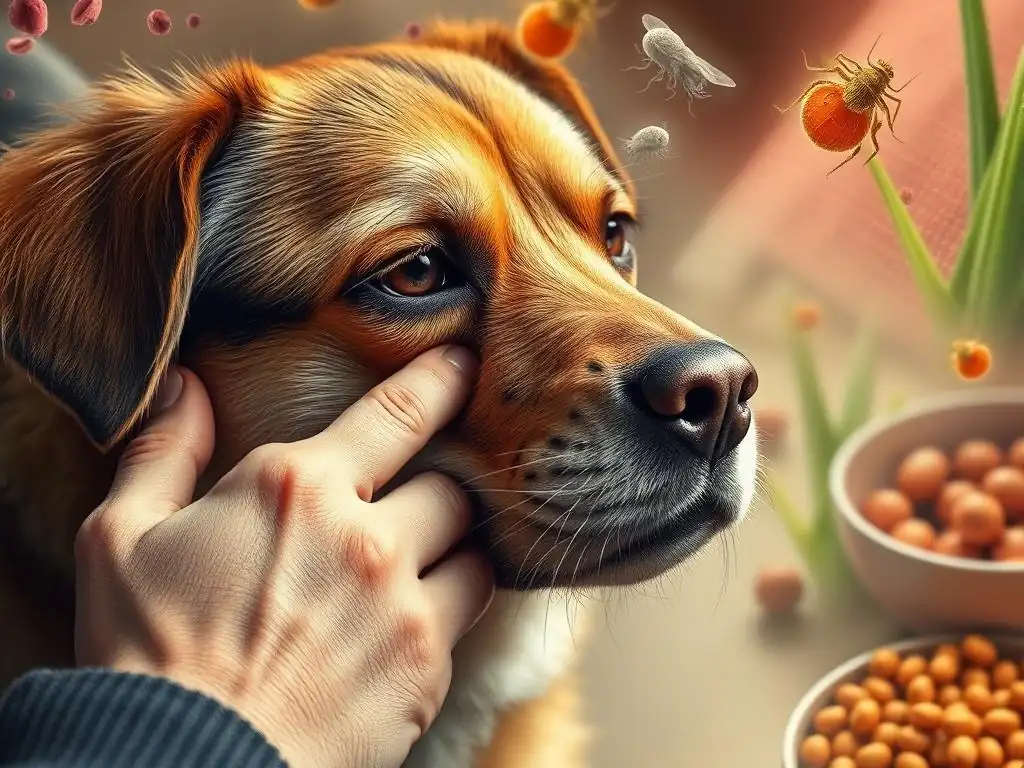
Welcome to PetCareWorld, your ultimate guide to a happier, healthier life for your beloved pet! Are you concerned about your furry, feathered, or scaled friend? We delve into the often-overlooked world of pet allergies, exploring the common causes behind those irritating symptoms in our in-depth analysis. Discover the surprising triggers and learn how to best support your pet's well-being. Ready to unlock the secrets to a healthier pet? Let's dive in!
- Understanding Pet Allergies: Common Causes and Symptoms
- Common Allergens for Dogs: A Comprehensive Guide
- Common Allergens for Cats: A Detailed Overview
- Allergens Affecting Other Pets: Birds, Reptiles, and Small Mammals
-
Managing and Treating Pet Allergies: A Holistic Approach
- Dietary Changes for Managing Pet Allergies: Choosing the Right Food
- Environmental Control for Pet Allergies: Minimizing Exposure
- Medications for Pet Allergies: Antihistamines, Corticosteroids, and More
- Natural Remedies for Pet Allergies: Exploring Alternative Therapies
- When to Seek Veterinary Care: Recognizing Severe Allergic Reactions
-
Preventing Pet Allergies: Proactive Measures
- Regular Grooming and Hygiene Practices for Pets
- Creating a Clean and Allergen-Free Home Environment
- Choosing Hypoallergenic Pet Products: Food, Bedding, and Toys
- Vaccination and Preventative Care for Pet Health
- Environmental Control: Minimizing Allergen Exposure at Home
- Dietary Adjustments: The Role of Nutrition in Allergy Management
- Identifying and Managing Environmental Allergens
- Living with Pet Allergies: Tips and Strategies for Pet Owners
- Frequently Asked Questions
- Final Reflection: Understanding Pet Allergies for a Healthier Future
- Unleash a Healthier Life for Your Furry Friend
Understanding Pet Allergies: Common Causes and Symptoms
Pet allergies are a significant concern for many pet owners, impacting their beloved companions' comfort and overall well-being. This in-depth analysis explores the most common allergens affecting pets, delving into the specific triggers, resulting symptoms, and the crucial steps pet owners can take to manage these conditions. Understanding the root causes of pet allergies is the first step towards effective management and ensuring a happy, healthy life for your furry, feathered, or scaled friend.
We'll examine the diverse range of allergens that can impact different species, offering a comprehensive overview to help you identify and address potential issues. This guide aims to empower pet owners with the knowledge needed to navigate the complexities of pet allergies, ultimately leading to improved pet health and a stronger human-animal bond.
The information presented here is intended for informational purposes only and should not replace professional veterinary advice. Always consult your veterinarian for diagnosis and treatment of any pet health concerns.
Identifying Allergic Reactions in Dogs and Cats
Dogs and cats, our most common household pets, are particularly susceptible to a variety of allergens. The most frequent culprits include environmental allergens such as pollen (grass, tree, weed), dust mites, mold spores, and certain insect bites (fleas, mosquitos). Food allergies are also prevalent, with common triggers including beef, dairy, chicken, wheat, soy, and corn.
Identifying these allergies often involves a process of elimination, guided by a veterinarian. Symptoms can manifest differently depending on the allergen and the pet's sensitivity. For instance, a dog allergic to pollen might exhibit excessive itching, leading to scratching and hair loss, while a cat with a food allergy might experience digestive upset, including vomiting or diarrhea.
Common Allergens in Dogs and Cats:
- Environmental: Pollen, dust mites, mold, fleas, insect bites
- Food: Beef, dairy, chicken, wheat, soy, corn, fish
- Other: Certain medications, household cleaning products
Recognizing Allergic Reactions in Other Pets: Birds, Reptiles, and More
While dogs and cats are frequently discussed in the context of allergies, other pets are equally susceptible. Birds, for example, can experience respiratory problems from dust and mold in their cages, leading to sneezing, coughing, and difficulty breathing. Reptiles, often housed in humid environments, may be affected by bacterial or fungal infections exacerbated by allergies.
Exotic pets, such as hamsters or rabbits, can show allergic reactions through skin irritation, excessive grooming, or changes in appetite and behavior. The specific allergens and symptoms vary greatly depending on the species and their environment. Careful observation and professional veterinary guidance are essential for accurate diagnosis and appropriate management.
| Pet Type | Common Allergens | Common Symptoms |
|---|---|---|
| Birds | Dust, mold, fumes | Respiratory issues, sneezing |
| Reptiles | Bacteria, fungi, substrate materials | Skin lesions, lethargy |
| Small Mammals (Hamsters, Rabbits) | Bedding materials, food ingredients | Skin irritation, changes in behavior |
Common Symptoms of Pet Allergies: Skin Irritation, Digestive Issues, and Respiratory Problems
Pet allergies manifest in a variety of ways, making diagnosis sometimes challenging. Skin irritation is a common symptom across many species, often presenting as excessive itching, scratching, licking, and chewing. This can lead to hair loss, redness, and secondary skin infections. Digestive issues, such as vomiting, diarrhea, and changes in appetite, are also frequent indicators of food allergies. Respiratory problems, including sneezing, coughing, and wheezing, are more common in birds and small mammals, but can also occur in other pets.
The severity of these symptoms can vary, ranging from mild discomfort to severe illness. Early detection and appropriate veterinary intervention are crucial for effective management and prevention of complications. Remember, a thorough veterinary examination is necessary for accurate diagnosis and a tailored treatment plan. Early intervention can significantly improve your pet's quality of life.
Note: This section provides a general overview. Specific symptoms and allergens can vary widely depending on the pet's species, breed, and individual sensitivities. Always consult your veterinarian for diagnosis and treatment.
Diagnosing Pet Allergies: Veterinary Examination and Allergy Testing
Diagnosing pet allergies requires a multifaceted approach, combining a thorough veterinary examination with specialized allergy testing. It's crucial to remember that a definitive diagnosis can't be made solely based on symptoms; many conditions mimic allergic reactions. The process begins with a comprehensive history from the pet owner, detailing the onset, frequency, and severity of symptoms.
This includes information about the pet's environment, diet, and any recent changes that might be contributing factors. The veterinarian will also perform a physical examination, carefully assessing the pet's skin, ears, and eyes for signs of inflammation, redness, itching, or secondary infections. These visual observations provide important clues, helping to narrow down the potential causes.
Following the initial examination, the veterinarian may recommend various diagnostic tests to pinpoint the specific allergen(s) responsible. One common method is an intradermal skin test. This involves injecting small amounts of diluted allergens under the skin and observing the resulting reactions.
A positive reaction, indicated by localized swelling and redness, suggests an allergy to that specific allergen. However, skin tests are not without limitations; they can be affected by the pet's current health status and medication, potentially leading to false positives or negatives. Furthermore, some pets may react to allergens to which they have not been previously exposed, making the test inconclusive.
Another valuable diagnostic tool is the serum allergy test (blood test). This method measures the levels of IgE antibodies in the pet's blood, which are produced in response to allergens. Elevated levels of specific IgE antibodies indicate an allergic response to the corresponding allergen. Blood tests often offer a more convenient and less invasive alternative to skin tests, particularly for pets who are anxious or have sensitive skin. However, blood tests are not always entirely reliable and may not detect all allergens. Therefore, veterinarians often utilize a combination of both skin and blood tests for a more comprehensive diagnosis.
The results of these tests, combined with the clinical examination and the pet owner's observations, allow the veterinarian to create a detailed picture of the pet's allergies. This information is crucial for developing a personalized treatment plan, which may involve medications, dietary changes, environmental modifications, or a combination of these approaches. Accurate diagnosis is the cornerstone of effective allergy management in pets, improving their quality of life and alleviating their discomfort.
Remember, early and accurate diagnosis is key for managing pet allergies effectively and preventing potential complications. The process can be time-consuming and may require several visits to the veterinarian, but patience and persistence are vital for successful allergy management.
Common Allergens for Dogs: A Comprehensive Guide
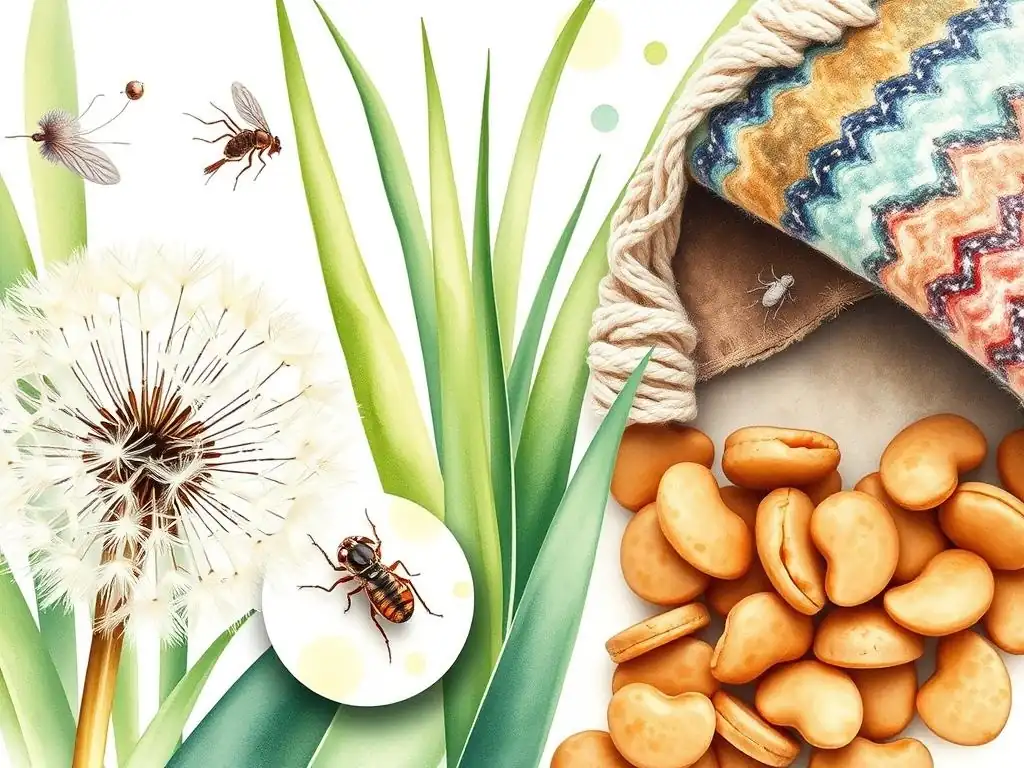
Canine allergies are a prevalent issue, significantly impacting a dog's comfort and overall well-being. Understanding the common allergens affecting dogs is crucial for pet owners seeking to alleviate their furry friend's suffering. This section delves into the most frequent culprits, providing detailed insights into their identification and management. Effective management of pet allergies requires a comprehensive understanding of the common causes, enabling pet owners to proactively address their pet's needs and improve their quality of life. This analysis focuses on the most prevalent allergens, offering a practical guide for pet owners.
Food Allergies in Dogs: Identifying the Culprits
Food allergies in dogs manifest as various symptoms, often involving gastrointestinal distress and skin problems. Common food allergens include: beef, dairy products (especially cow's milk), chicken, eggs, wheat, soy, and corn. The severity of a reaction varies depending on the dog's sensitivity and the amount of allergen ingested. Symptoms can range from mild itching and digestive upset to severe vomiting, diarrhea, and even anaphylaxis in extreme cases.
Diagnosing food allergies often requires an elimination diet trial, meticulously removing suspected allergens from the dog's diet for an extended period (typically 8-12 weeks). This process involves feeding a novel protein diet, consisting of ingredients the dog has never consumed before. Once the symptoms subside, allergens are gradually reintroduced one at a time to identify the specific culprit. This meticulous process, while time-consuming, is essential for accurate diagnosis and effective management. Veterinary guidance is paramount throughout this process. Accurate identification of the allergen is crucial for long-term management of the condition and improvement of the dog's quality of life.
Environmental Allergies in Dogs: Pollen, Dust Mites, and More
Environmental allergies are another significant cause of discomfort for many dogs. These allergies are triggered by airborne substances like pollen from trees, grasses, and weeds; dust mites found in bedding and carpets; mold spores; and even certain insects. The resulting allergic reactions often manifest as intense itching, leading to excessive scratching, licking, and chewing, which can result in secondary skin infections. Symptoms may also include sneezing, runny nose, and watery eyes.
Managing environmental allergies often involves a multi-pronged approach. Regular bathing with hypoallergenic shampoos can help remove allergens from the dog's coat. Maintaining a clean home environment by regularly vacuuming and cleaning surfaces can minimize exposure to dust mites and other allergens. Air purifiers can also be beneficial in filtering out airborne allergens.
In severe cases, a veterinarian might prescribe antihistamines or other medications to control the allergic reaction. The specific management strategy will depend on the severity of the allergy and the individual dog's response to treatment. A proactive approach to environmental control is crucial for minimizing exposure to triggers and improving the dog's overall well-being.
Flea Allergy Dermatitis (FAD) in Dogs: A Common Skin Condition
Flea allergy dermatitis (FAD) is a highly prevalent skin condition in dogs, characterized by an intense allergic reaction to flea saliva. Even a small number of flea bites can trigger a severe reaction in susceptible dogs. The resulting symptoms are often far more pronounced than the actual bite wounds themselves, highlighting the allergic nature of the condition. Common signs include intense itching, redness, skin lesions, hair loss, and secondary skin infections. Dogs with FAD often exhibit excessive scratching, licking, and chewing, leading to self-trauma and potential skin infections.
Effective management of FAD centers on rigorous flea control. This involves using high-quality flea preventative medications, regularly treating the dog's environment with appropriate insecticides, and maintaining a clean and hygienic living space. In addition to flea control, veterinary care may include corticosteroids or other medications to manage the allergic inflammation and secondary infections.
Regular veterinary check-ups are essential to monitor the condition and adjust treatment as needed. Consistent and proactive flea prevention is crucial for minimizing the impact of FAD and improving the dog's comfort and quality of life. Ignoring FAD can lead to chronic skin problems and significant discomfort for your canine companion.
Contact Allergies in Dogs: Reactions to Fabrics, Plants, and Chemicals
Contact allergies in dogs manifest as skin irritation resulting from direct contact with allergens. Unlike inhalant allergies, which involve airborne particles, contact allergies trigger a reaction only when the skin touches the offending substance. These reactions can range from mild itching and redness to severe inflammation and secondary infections. The severity depends on the dog's sensitivity, the concentration of the allergen, and the duration of exposure. Understanding the common culprits is crucial for effective management.
One frequent source of contact allergies is fabrics. Certain synthetic materials, dyes, and finishes used in dog beds, clothing, and collars can irritate sensitive skin. Wool, while a natural fiber, can also be problematic for some dogs. Symptoms may include localized redness, swelling, itching, and hair loss in the areas directly contacting the fabric. Regular washing of bedding and other fabrics with hypoallergenic detergents can help minimize exposure. Choosing natural, breathable fabrics for bedding and avoiding harsh chemicals in cleaning products are also recommended preventative measures.
Plants pose another significant risk. Many common garden plants and weeds contain irritants or allergens that can cause allergic contact dermatitis in dogs. Pollen from certain plants, while primarily an inhalant allergen, can also cause skin reactions through direct contact. Examples include ragweed, grasses, and certain trees. Dogs that frequently explore gardens or outdoor spaces are at increased risk. Symptoms may be localized to the areas of the body that have brushed against the plant, manifesting as redness, swelling, and intense itching. Careful grooming after outdoor activities and avoiding known allergenic plants can help reduce the risk.
Chemicals are another major source of contact allergies. Exposure to pesticides, herbicides, cleaning agents, and even certain shampoos and flea treatments can trigger allergic reactions. The symptoms can vary greatly depending on the chemical involved and the dog's sensitivity. Some dogs may exhibit mild irritation, while others may experience severe skin inflammation, blisters, and even more widespread reactions. Careful selection of pet-safe cleaning products and flea treatments, and avoiding exposure to pesticides and herbicides whenever possible are essential preventative strategies. It is vital to carefully read labels and choose products specifically formulated for pets. If a reaction occurs, immediate veterinary attention is advised. Thorough rinsing of the affected area and appropriate topical treatments are often necessary to alleviate symptoms and prevent secondary infections. In severe cases, systemic corticosteroids might be prescribed by a veterinarian to manage the inflammation. Early intervention is crucial to prevent the development of chronic skin issues.
Common Allergens for Cats: A Detailed Overview
Cats, despite their independent nature and often aloof demeanor, are susceptible to a wide range of allergies. Understanding the common allergens affecting feline companions is crucial for pet owners seeking to improve their pet's quality of life and alleviate discomfort. This section delves into the most prevalent causes of feline allergies, providing insights into identification, management, and treatment strategies.
Effective management of pet allergies hinges on accurate diagnosis and proactive intervention, minimizing the impact on your cat's health and well-being. This analysis focuses specifically on the common causes of allergies in cats, providing a detailed breakdown for pet owners to better understand and address these issues. The information presented here contributes to the broader understanding of "pet allergies common causes analysis".
Food Allergies in Cats: Identifying Dietary Triggers
Food allergies in cats manifest as various symptoms, often involving the skin. These can range from mild itching and scratching to severe skin inflammation, hair loss, and gastrointestinal upset. Common dietary triggers include beef, dairy products, chicken, fish (especially tuna and salmon), wheat, and soy. The prevalence of specific food allergens can vary, and individual sensitivities differ greatly.
Diagnosing food allergies requires a process of elimination, often involving a trial period with a hypoallergenic diet prescribed by a veterinarian. This diet typically excludes common allergens and introduces novel protein sources. Careful monitoring of the cat's symptoms during this period is essential to determine if the chosen diet is effective. A positive response indicates a food allergy.
Example of a Hypoallergenic Diet Plan (Consult your vet before making changes)
A typical hypoallergenic diet might consist of hydrolyzed protein (protein broken down into smaller peptides) or a novel protein source like venison or rabbit, paired with a limited carbohydrate source like sweet potato or rice. Avoid any potential cross-contamination with other foods. The duration of the elimination diet will be determined by your veterinarian based on the cat's response.
Accurate record-keeping is paramount. A detailed food diary, noting all ingredients consumed and any observed symptoms, assists veterinarians in identifying the culprit. This detailed approach is crucial for a successful "pet allergies common causes analysis".
Environmental Allergies in Cats: Pollen, Mold, and Dust
Environmental allergies, also known as inhalant allergies, are another significant contributor to feline allergic reactions. These allergies are triggered by airborne allergens such as pollen (grass, tree, and weed pollen), mold spores, dust mites, and even certain types of dust. The severity of the reaction depends on the cat's sensitivity, the concentration of the allergen, and the duration of exposure.
Symptoms of environmental allergies in cats often manifest as itching, sneezing, coughing, and excessive grooming. More severe cases can lead to skin inflammation, hair loss, and ear infections. Diagnosing environmental allergies typically involves a combination of physical examination, history review, and potentially allergy testing.
The following table summarizes common environmental allergens and their potential impact on cats:
| Allergen | Common Symptoms | Severity Range |
|---|---|---|
| Pollen (grass, tree) | Itching, sneezing, runny nose, eye irritation | Mild to Severe |
| Mold Spores | Respiratory issues, coughing, skin inflammation | Mild to Severe |
| Dust Mites | Itching, skin inflammation, hair loss | Mild to Severe |
| Dust | Similar to dust mites | Mild to Moderate |
Managing environmental allergies often involves reducing exposure to the allergen. This might include frequent cleaning, use of HEPA filters, and avoiding areas with high concentrations of allergens. Veterinary intervention may involve medications to alleviate symptoms.
Flea Allergy Dermatitis (FAD) in Cats: Symptoms and Treatment
Flea allergy dermatitis (FAD) is a common allergic reaction in cats triggered by flea saliva. Even a single flea bite can cause a significant allergic reaction in susceptible cats. Unlike other allergies, FAD is not caused by an inhalant or ingested substance, but by a parasite. This makes the treatment strategy quite different.
The symptoms of FAD are often intense and can include intense itching, scratching, hair loss, skin lesions, and secondary skin infections. Affected cats often exhibit excessive licking and biting of their skin, leading to self-trauma. The severity of FAD can range from mild to severe, depending on the cat's sensitivity and the flea infestation level. The "pet allergies common causes analysis" should always include FAD given its prevalence.
Treatment of FAD focuses on eliminating fleas and managing the allergic reaction. This involves using effective flea control products (as prescribed by a veterinarian), regular grooming, and potentially medications to reduce itching and inflammation. In severe cases, corticosteroids or other immunosuppressants might be necessary. Regular veterinary check-ups are crucial for monitoring the effectiveness of treatment and managing any secondary infections. A proactive approach, including preventative flea treatments, is essential in managing FAD and improving your cat's overall well-being.
Contact Allergies in Cats: Irritants and Allergens to Avoid
Contact allergies in cats manifest as skin irritations resulting from direct contact with allergens. These reactions can range from mild itching and redness to severe inflammation and secondary infections. Understanding the common culprits is crucial for effective management and prevention. Many everyday household items can trigger these reactions, highlighting the importance of a vigilant approach to maintaining a cat-friendly environment.
One of the most frequent offenders is flea saliva. While not technically a contact allergen in the strictest sense (as it's injected), the resulting flea bite causes a significant allergic reaction in many cats, leading to intense itching, hair loss, and skin lesions. This highlights the importance of consistent flea prevention, even indoors. Regular flea treatments, combined with thorough cleaning of the home environment, are essential for minimizing exposure.
Beyond fleas, numerous plant materials can act as contact allergens for sensitive cats. Common culprits include certain grasses, weeds, and even seemingly innocuous houseplants. Lilies, for example, are highly toxic to cats and should be completely avoided. Other plants can cause less severe, but still irritating, contact dermatitis. Symptoms can include localized redness, swelling, and intense licking or scratching at the affected area. Careful monitoring of your cat's environment and avoidance of potential plant allergens are key.
Certain fabrics and materials can also trigger contact allergies. Rough fabrics, synthetic materials, or even dyes used in clothing and bedding can cause irritation to a cat's delicate skin. Cats with sensitive skin may react to the texture or chemicals present in these materials. Choosing soft, natural fabrics for bedding and minimizing exposure to potentially irritating materials can alleviate these issues. Regular washing of bedding and grooming can also help minimize the risk of exposure to allergens trapped in fabrics.
Cleaning products represent another significant source of contact allergens. Many household cleaners contain harsh chemicals that can irritate a cat's skin upon contact. Even seemingly harmless products can trigger reactions in sensitive cats. Opting for cat-friendly cleaning products or thoroughly rinsing surfaces after cleaning with standard products is vital.
Always ensure adequate ventilation during cleaning to minimize the risk of your cat inhaling any harmful fumes. Understanding the potential dangers of these chemicals and taking preventative steps can significantly reduce the likelihood of contact allergies. This conscientious approach to household cleaning is a crucial component of managing your cat's overall health.
Allergens Affecting Other Pets: Birds, Reptiles, and Small Mammals

While dogs and cats are frequently discussed in the context of pet allergies, many other beloved companions can also suffer from allergic reactions. Understanding the unique allergens and symptoms affecting birds, reptiles, and small mammals is crucial for responsible pet ownership and ensuring their well-being. This section delves into the specific challenges faced by these animals, providing valuable insights for pet owners seeking to identify and manage allergies in their diverse companions. This detailed analysis of common causes will help pet owners proactively address potential allergic reactions and maintain the health of their unique pets.
Avian Allergies: Common Triggers and Symptoms in Birds
Avian allergies, while less commonly discussed than those affecting mammals, are a significant concern for bird owners. Birds, particularly those kept indoors, are susceptible to a range of allergens that can manifest in various ways. Respiratory issues are frequently observed, with symptoms ranging from sneezing and nasal discharge to more severe conditions like wheezing and difficulty breathing. These respiratory issues are often triggered by environmental factors such as dust, mold spores, and pollen. Furthermore, certain bird foods, such as specific seeds or fruits, can act as allergens, leading to digestive upset or skin irritation.
The symptoms of avian allergies can be subtle and easily overlooked. Changes in feather condition, such as excessive preening or feather loss, can indicate an underlying allergic reaction. Additionally, lethargy, loss of appetite, and changes in vocalization can be signs of allergic discomfort. Accurate diagnosis often requires a thorough veterinary examination, which may involve allergy testing to pinpoint specific triggers.
Effective management strategies generally focus on environmental control, dietary modifications, and, in some cases, medication prescribed by an avian veterinarian. Early intervention is key to preventing chronic respiratory problems and ensuring the bird's overall health and happiness. Careful observation and prompt veterinary attention are essential in managing avian allergies effectively.
Reptile Allergies: Environmental and Dietary Factors
Reptiles, often perceived as low-maintenance pets, can still experience allergic reactions. However, the triggers and symptoms differ significantly from those seen in mammals or birds. Reptile allergies are often linked to environmental factors within their enclosures. Substrates such as wood shavings or certain types of bedding can trigger allergic reactions, manifesting as skin irritation, respiratory issues, or digestive problems. The quality of water used in their enclosures is also crucial; contaminated water can harbor bacteria or other allergens that may negatively impact the reptile's health.
Dietary factors also play a significant role in reptile allergies. Introducing new food items or changes in diet can lead to digestive upset or skin reactions. Certain insects, for example, may contain allergens that cause inflammation or other adverse reactions. It's vital to maintain a consistent and appropriate diet for your reptile and introduce new foods gradually to monitor for any allergic responses.
Regular cleaning of the enclosure, ensuring proper ventilation, and providing clean water are crucial preventative measures. Veterinary consultation is recommended if you suspect your reptile is experiencing an allergic reaction, as early diagnosis and treatment are essential for optimal health. Careful attention to environmental and dietary factors is crucial for preventing and managing reptile allergies.
Allergies in Small Mammals: Guinea Pigs, Rabbits, and Hamsters
Small mammals like guinea pigs, rabbits, and hamsters can also suffer from allergies, although the specific allergens and manifestations may vary depending on the species. Environmental allergens, such as dust, pollen, and certain bedding materials, are common triggers. Symptoms can range from sneezing and watery eyes to skin irritation, itching, and hair loss. Dietary sensitivities are also possible; certain food ingredients can cause digestive upset or skin problems.
Hay is a staple in the diet of many small mammals, and the quality of hay is crucial. Moldy or dusty hay can trigger respiratory allergies, so ensuring high-quality, clean hay is essential. Similarly, the type of bedding used can also contribute to allergies. Cedar shavings, for instance, are known to be irritating to some small mammals.
Switching to hypoallergenic bedding materials, such as paper-based options, may alleviate symptoms. Careful observation of your pet's behavior and physical condition is crucial for early detection of allergies. If you suspect an allergic reaction, consulting a veterinarian specializing in exotic animals is recommended for proper diagnosis and treatment. A proactive approach to environmental control and dietary management can significantly reduce the risk and impact of allergies in small mammals, ensuring their overall well-being.
Managing and Treating Pet Allergies: A Holistic Approach
Pet allergies, a common ailment affecting a significant portion of our beloved companions, require a multifaceted approach to management and treatment. Successfully navigating pet allergies involves a careful consideration of dietary adjustments, environmental modifications, and, in some cases, the strategic use of medication. This holistic strategy aims to minimize allergic reactions, improve your pet's quality of life, and ultimately, alleviate their discomfort.
Ignoring allergies can lead to chronic skin issues, respiratory problems, and overall reduced well-being, underscoring the importance of proactive management. The severity of the allergy and your pet's individual needs will dictate the best course of action, often requiring a collaborative effort between you and your veterinarian. This section will delve into the key components of this holistic approach, providing you with a clearer understanding of how to best support your allergic pet.
Dietary Changes for Managing Pet Allergies: Choosing the Right Food
Dietary changes are often the cornerstone of managing pet allergies. Many allergic reactions stem from food sensitivities, with common culprits including beef, dairy, chicken, wheat, and soy. Identifying the specific allergen is crucial, and this often requires a process of elimination guided by your veterinarian. They may recommend an elimination diet, where you gradually introduce novel protein sources and monitor your pet's reaction. This meticulous process can pinpoint the offending ingredient, allowing you to formulate a tailored diet that avoids allergens.
The transition to a new diet should be gradual to minimize digestive upset. Start by slowly mixing the new food with the old food over several days, gradually increasing the proportion of the new food until your pet is exclusively eating the new diet. This gentle transition minimizes the risk of vomiting or diarrhea.
Beyond elimination diets, hypoallergenic diets play a vital role. These diets utilize hydrolyzed proteins or novel protein sources, breaking down proteins into smaller, less allergenic components or utilizing proteins your pet hasn't encountered before. These specialized diets can significantly reduce the likelihood of an allergic reaction.
Always consult your veterinarian before making significant dietary changes, as they can provide personalized recommendations based on your pet's specific needs and health history. Remember, consistent monitoring of your pet's condition is essential to assess the effectiveness of the dietary changes and make adjustments as needed. Documenting your pet's reactions – including skin condition, itching, and any digestive issues – will prove invaluable in this ongoing process.
Environmental Control for Pet Allergies: Minimizing Exposure
Environmental control is another critical aspect of managing pet allergies. Many allergens, such as pollen, dust mites, and mold, can trigger allergic reactions. Reducing your pet's exposure to these environmental triggers can significantly alleviate symptoms. This involves a comprehensive approach to cleaning and maintaining a clean living space.
Regular cleaning is paramount. Frequent vacuuming, especially using a vacuum cleaner with a HEPA filter, helps remove dust mites and pollen from carpets and upholstery. Washing bedding, blankets, and pet toys regularly in hot water also helps eliminate allergens. Air purifiers with HEPA filters can also help improve indoor air quality by removing airborne allergens. Consider using allergen-proof covers for mattresses and pillows to further reduce exposure.
Beyond household cleaning, consider your pet's outdoor environment. Regular bathing can help remove pollen and other allergens from your pet's coat. If your pet spends time outdoors, consider limiting their exposure during peak pollen seasons. Keeping your pet's living area well-ventilated can also help reduce allergen build-up. A proactive approach to environmental control can significantly improve your pet's comfort and reduce the frequency and severity of allergic reactions. Remember, a clean and well-maintained environment is a significant step towards better allergy management.
Medications for Pet Allergies: Antihistamines, Corticosteroids, and More
In some cases, medication may be necessary to manage more severe pet allergies. Your veterinarian can prescribe various medications to alleviate symptoms and improve your pet's quality of life. Commonly used medications include antihistamines, corticosteroids, and other immunomodulatory therapies.
Antihistamines work by blocking the effects of histamine, a chemical released by the body during an allergic reaction. They can help reduce itching, sneezing, and other symptoms. However, their effectiveness varies among pets.
Corticosteroids are more potent anti-inflammatory drugs that can effectively reduce inflammation and itching associated with allergies. They are often used for more severe cases where antihistamines are insufficient. Long-term use of corticosteroids can have side effects, so they are typically prescribed for short periods or in lower doses.
Other treatments, such as immunotherapy (allergy shots), are also available for pets with severe allergies. Immunotherapy works by gradually desensitizing the pet to the allergen over time. This approach requires a series of injections and is often a long-term commitment, but it can be highly effective in reducing allergic reactions.
Your veterinarian will carefully assess your pet's individual needs and recommend the most appropriate medication or treatment plan, considering potential side effects and long-term implications. Remember, regular veterinary check-ups are crucial to monitor the effectiveness of the medication and adjust the treatment plan as needed. This collaborative approach ensures your pet receives the best possible care and relief from their allergies.
Natural Remedies for Pet Allergies: Exploring Alternative Therapies

Many pet owners seek natural remedies to manage their pet's allergies, aiming to minimize reliance on pharmaceutical interventions. While these should always be used in conjunction with, and ideally under the guidance of, a veterinarian, several options show promise. These approaches often target symptom relief rather than addressing the root cause of the allergy. It's crucial to remember that effectiveness varies significantly between pets.
One popular approach involves dietary changes. Elimination diets, where specific potential allergens (like beef, dairy, or chicken) are removed from the pet's food for several weeks, can help pinpoint food sensitivities. If symptoms improve, gradually reintroducing the suspected allergen under veterinary supervision can confirm the diagnosis. This process requires patience and meticulous record-keeping to track the pet's response. Furthermore, high-quality, hypoallergenic pet foods formulated with novel protein sources, such as venison or duck, are often recommended for pets with diagnosed food allergies. These diets aim to minimize exposure to common allergens.
Another avenue is the use of supplements. Omega-3 fatty acids, found in fish oil or flaxseed oil, possess anti-inflammatory properties that may alleviate some allergy symptoms like itching and skin inflammation. However, it's vital to consult a veterinarian before introducing any supplements, as they can interact with other medications or have contraindications for certain health conditions. Similarly, probiotics, which support gut health, may play a role in modulating the immune response and reducing allergy severity in some cases. The dosage and type of probiotic should be carefully selected and overseen by a veterinarian.
Finally, some pet owners explore alternative therapies like acupuncture and homeopathy. While anecdotal evidence suggests benefits for some pets, rigorous scientific studies supporting their efficacy in treating pet allergies are limited. It is therefore crucial to approach these therapies with caution and always inform your veterinarian about their use. The effectiveness of these alternative methods can vary greatly and depends heavily on the individual pet and the specific allergy involved. Always prioritize veterinary care as the primary approach to managing pet allergies.
When to Seek Veterinary Care: Recognizing Severe Allergic Reactions
While many pet allergies manifest as manageable symptoms, some allergic reactions can be life-threatening and require immediate veterinary intervention. Recognizing the signs of a severe allergic reaction is crucial for ensuring your pet's safety. These reactions are often characterized by a rapid onset of symptoms, indicating a significant immune system response.
Anaphylaxis, a severe, potentially fatal allergic reaction, is a prime example. Symptoms can include difficulty breathing (wheezing, labored breathing, gasping), swelling of the face, lips, or tongue (angioedema), hives or widespread skin redness, vomiting, diarrhea, collapse, and even loss of consciousness. If you notice any of these signs, immediate veterinary attention is paramount. Time is of the essence in these situations, as prompt treatment can be life-saving. Delaying treatment can lead to severe complications, including respiratory failure and circulatory collapse.
Beyond anaphylaxis, other serious allergic reactions warrant prompt veterinary care. Persistent, severe itching leading to self-trauma (excessive scratching or licking) can cause significant skin damage, secondary infections, and intense discomfort. Similarly, unrelenting vomiting and diarrhea associated with food allergies can lead to dehydration and electrolyte imbalances, requiring intravenous fluids and supportive care.
Eye irritation and discharge, along with persistent sneezing and nasal congestion, may indicate a severe allergic reaction requiring veterinary intervention to manage symptoms and prevent complications. A veterinarian can accurately assess the severity of the reaction and provide appropriate treatment, including antihistamines, corticosteroids, or other medications as needed. Always err on the side of caution and seek veterinary help if you suspect your pet is experiencing a severe allergic reaction.
Preventing Pet Allergies: Proactive Measures
While completely preventing pet allergies is often impossible, proactive measures can significantly reduce their severity and frequency. Understanding the common allergens and implementing preventative strategies can improve your pet's quality of life and minimize discomfort. This section focuses on practical steps you can take to mitigate the impact of allergens on your furry friend, analyzing the effectiveness of different approaches. This proactive approach is crucial for managing pet allergies and promoting their overall well-being. The key is to minimize exposure to common triggers.
Regular Grooming and Hygiene Practices for Pets
Regular grooming is paramount in managing pet allergies. This isn't just about aesthetics; it's about removing allergens from your pet's coat before they can cause a reaction. The frequency of grooming depends on your pet's breed and coat type. Long-haired breeds, for instance, require more frequent brushing than short-haired breeds.
Consider these specific practices:
- Brushing: Daily brushing for long-haired breeds and several times a week for short-haired breeds helps remove loose hair, dander, and pollen that might be trapped in the fur. Use a brush appropriate for your pet's coat type.
- Bathing: Regular bathing with a hypoallergenic pet shampoo can significantly reduce the amount of allergens on your pet's skin. Avoid over-bathing, however, as this can dry out their skin and potentially worsen allergies. Aim for every 2-4 weeks, adjusting based on your pet's needs.
- Nail Trimming: Keeping your pet's nails trimmed prevents them from carrying allergens on their paws into your home.
- Ear Cleaning: Regular ear cleaning is vital, especially for breeds prone to ear infections. Accumulated dirt and debris can exacerbate allergies. Use a pet-specific ear cleaner.
Failing to maintain proper grooming habits can lead to a build-up of allergens, increasing the likelihood of allergic reactions. Regular veterinary check-ups are also crucial to monitor skin condition and address potential issues early.
Creating a Clean and Allergen-Free Home Environment
Maintaining a clean home environment is crucial in mitigating pet allergies. Allergens like dust mites, mold, and pollen can exacerbate existing allergies or trigger new ones. A systematic approach is key:
- Regular Cleaning: Vacuuming and mopping frequently, at least twice a week, is essential. Use a vacuum cleaner with a HEPA filter to trap microscopic allergens. Pay particular attention to areas where your pet spends the most time.
- Air Purification: Using an air purifier with a HEPA filter can significantly reduce airborne allergens, improving the air quality in your home. Consider placing air purifiers in areas where your pet spends the most time.
- Laundry: Wash pet bedding, blankets, and toys frequently in hot water to kill dust mites and remove allergens. Dry them completely to prevent mold growth.
- Decluttering: Reducing clutter minimizes places for allergens to accumulate. Regularly dust and clean surfaces.
- Mold Prevention: Address any sources of moisture in your home promptly to prevent mold growth. Mold is a significant allergen and can worsen respiratory issues.
This comprehensive approach to home cleaning minimizes allergen exposure and contributes to a healthier environment for both you and your pet. Remember, consistency is key!
Choosing Hypoallergenic Pet Products: Food, Bedding, and Toys
Selecting hypoallergenic products can significantly reduce your pet's exposure to allergens. While no pet is truly "hypoallergenic," certain products are designed to minimize allergic reactions.
- Food: Switching to a hypoallergenic pet food formulated with novel protein sources (e.g., venison, duck, rabbit) can reduce food allergies. Always consult with your veterinarian before changing your pet's diet. Look for foods clearly labeled as hypoallergenic.
- Bedding: Opt for bedding made from hypoallergenic materials like microfiber or organic cotton. These materials are less likely to harbor dust mites and other allergens. Avoid materials like wool, which can be irritating for some pets.
- Toys: Choose toys made from easily washable materials. Avoid stuffed toys, which can accumulate allergens. Regularly wash and disinfect toys to remove dirt and bacteria.
Careful selection of hypoallergenic products can make a substantial difference in managing your pet’s allergies. Always check product labels and consider your pet's individual sensitivities. Remember, even hypoallergenic products might trigger reactions in some pets, so monitor your pet's response closely.
Vaccination and Preventative Care for Pet Health
Regular vaccination is a cornerstone of preventative pet care and plays a crucial role in mitigating the risk of certain allergies. While vaccines don't directly prevent all allergies, they significantly bolster your pet's immune system, making them more resilient to various environmental triggers. A strong immune system is less likely to overreact to allergens, reducing the severity of allergic reactions. Think of it like this: a well-fortified immune system is better equipped to handle the "intruder" (allergen) without launching a full-scale, allergy-inducing attack. This is particularly important for allergies related to infectious agents, such as flea saliva or certain types of pollen that can carry bacteria or viruses. Regular vet check-ups are also vital.
These checkups allow for early detection of potential problems, including skin conditions that might be allergy-related. Early intervention can significantly improve outcomes and prevent the allergy from becoming chronic or severe. For example, a minor skin irritation detected early might be treated with a simple topical ointment, preventing it from escalating into a full-blown allergic dermatitis requiring stronger medication. The preventative aspect of veterinary care extends beyond vaccinations; regular parasite control, such as flea and tick prevention, is equally important. Many pets develop allergies to flea saliva, and consistent parasite prevention eliminates this allergen altogether. Furthermore, some parasites can weaken the immune system, making pets more susceptible to other allergies.
A healthy pet is, therefore, less likely to suffer from severe allergic reactions. Finally, maintaining a healthy weight through proper nutrition is also a crucial aspect of preventative care. Obesity can negatively impact the immune system, making pets more vulnerable to various health issues, including allergies. A balanced diet contributes to a robust immune system better prepared to handle environmental allergens. Therefore, preventative care, encompassing vaccinations, regular vet visits, parasite control, and proper nutrition, is a multi-pronged approach to mitigating the risk and severity of pet allergies.
Environmental Control: Minimizing Allergen Exposure at Home

Controlling the pet's environment is a highly effective way to manage allergies. This involves identifying and eliminating or minimizing exposure to known allergens within the home. For example, if your pet is allergic to dust mites, regular vacuuming and cleaning with allergen-reducing products become essential. This includes washing bedding frequently in hot water to kill dust mites. Similarly, if your pet reacts to pollen, keeping windows closed during peak pollen seasons and using air purifiers with HEPA filters can significantly reduce indoor allergen levels. Furthermore, regular grooming is crucial.
Brushing your pet helps remove pollen, dander, and other allergens that accumulate in their fur. This not only reduces the amount of allergen circulating in your home but also minimizes direct contact with the allergen for your pet. For pets allergic to specific plants, removing those plants from your home or yard is a straightforward solution. This might include common culprits like certain grasses, weeds, or flowering plants. Regularly cleaning hard surfaces with pet-safe cleaning products can also help reduce allergen buildup. Consider using hypoallergenic cleaning products to avoid introducing additional irritants.
In addition to these practical steps, consider the materials used in your home. Opting for hypoallergenic bedding, carpets, and furniture can create a less allergenic environment overall. Remember, consistency is key. A single cleaning session won't eliminate the problem; rather, it's the ongoing commitment to environmental control that yields the most significant results in allergy management. The goal is to create a home environment that minimizes the exposure of your pet to known allergens, reducing the frequency and severity of allergic reactions.
Dietary Adjustments: The Role of Nutrition in Allergy Management
Dietary adjustments can play a significant role in managing pet allergies, particularly food allergies. A hypoallergenic diet, often prescribed by a veterinarian, is a cornerstone of managing food allergies. These diets typically consist of novel protein sources and carbohydrates your pet hasn't been exposed to before, minimizing the likelihood of an allergic reaction. For example, a pet with a chicken allergy might be switched to a diet based on venison or rabbit. The key here is to eliminate the known allergen from the diet entirely. This requires careful reading of pet food labels and understanding the ingredients.
It's important to note that even seemingly minor ingredients can trigger allergic reactions. Some pets may benefit from hydrolyzed protein diets. Hydrolyzed proteins are broken down into smaller peptides, making them less likely to trigger an immune response. These diets are often more expensive but can be extremely effective for pets with severe food allergies. In addition to switching to a hypoallergenic diet, some pet owners find success with eliminating certain food additives and preservatives. These additives, while generally considered safe, can occasionally trigger allergic reactions in sensitive pets.
Working closely with a veterinarian is crucial to determine the best dietary approach for your pet's specific allergies. They can perform allergy testing to identify the precise food allergens and recommend the most appropriate diet. Regular monitoring of your pet's condition after dietary changes is also essential. Note any improvements or changes in symptoms, and report them to your veterinarian. Dietary management of pet allergies is a long-term commitment, but with careful planning and veterinary guidance, it can significantly improve your pet's quality of life.
Identifying and Managing Environmental Allergens
Identifying and managing environmental allergens is a critical step in preventing and managing pet allergies. This often requires a combination of observation, veterinary guidance, and potentially allergy testing. Careful observation of your pet's behavior and symptoms can provide valuable clues. For example, if your pet's symptoms worsen after exposure to certain plants or during specific seasons, this suggests a possible environmental allergy. Keeping a detailed diary of your pet's symptoms, noting the timing and any potential environmental triggers, is an invaluable tool for both you and your veterinarian.
Veterinarians can perform allergy tests to pinpoint specific allergens. These tests may involve blood tests or intradermal skin tests, which can identify the allergens causing the reaction. Once the allergens are identified, you can take steps to minimize or eliminate your pet's exposure to them. This may involve removing certain plants from your home or yard, using air purifiers, or changing cleaning products. Regular grooming can also help remove allergens from your pet's fur, reducing their exposure and the amount of allergens circulating in your home.
In some cases, medication may be necessary to manage the symptoms of environmental allergies. Antihistamines or corticosteroids can help alleviate symptoms like itching and inflammation. However, medication should always be prescribed and overseen by a veterinarian. The key to managing environmental allergens is proactive identification, careful planning, and diligent management of your pet's surroundings. This holistic approach, combining observation, veterinary guidance, and targeted environmental modifications, is essential for effective allergy management.
Living with Pet Allergies: Tips and Strategies for Pet Owners
Pet allergies, a significant concern for many pet owners, present unique challenges requiring a multifaceted approach to management. Successfully navigating this requires understanding the allergy's impact on both the pet and the owner, and implementing strategies to mitigate symptoms and improve quality of life. This section focuses on practical advice for pet owners dealing with allergic pets. The information provided here complements the earlier analysis of common pet allergens and should be considered alongside veterinary recommendations.
Managing Allergic Reactions at Home: First Aid and Emergency Procedures
Knowing how to handle allergic reactions in your pet is crucial. Swift action can often mean the difference between minor discomfort and a life-threatening emergency. It's essential to have a well-stocked pet first-aid kit readily available. This should include antihistamines (only after consulting your vet and following their dosage instructions), hydrocortisone cream for mild skin irritations, and any other medications prescribed by your veterinarian for your pet's specific allergies.
Beyond medication, understanding the signs of a severe allergic reaction is paramount. Anaphylaxis, a life-threatening condition, can manifest as difficulty breathing, swelling of the face or throat, hives, vomiting, diarrhea, and collapse. If you suspect anaphylaxis, immediate veterinary attention is necessary. Do not hesitate to contact your emergency veterinary clinic or animal hospital immediately. Time is critical in these situations.
Remember to always keep a record of your pet's allergic reactions, noting the date, time, symptoms, and any treatments administered. This detailed record will prove invaluable to your veterinarian in diagnosing and managing your pet's allergies effectively. This proactive approach can significantly improve your pet's comfort and overall well-being.
Supporting Your Pet's Immune System: Nutritional and Lifestyle Tips
A strong immune system is crucial for managing pet allergies. While you can't completely eliminate allergies, you can support your pet's immune response through dietary adjustments and lifestyle changes. A balanced diet rich in antioxidants, omega-3 fatty acids, and probiotics can significantly contribute to immune health. Consult your veterinarian about potentially beneficial supplements, such as fish oil or probiotics, but always follow their guidance on appropriate dosages.
Regular grooming is another vital aspect of allergy management. This helps remove allergens from your pet's coat, reducing exposure and potential for reactions. The frequency and type of grooming will depend on your pet's breed and coat type. For pets with severe allergies, regular bathing with hypoallergenic shampoos can be beneficial. However, excessive bathing can also dry out the skin, potentially worsening the condition, so moderation is key.
Regular exercise and a stress-free environment also play a crucial role. Physical activity strengthens the immune system, while reducing stress minimizes the likelihood of flare-ups. A calm and predictable routine can be especially helpful for pets with anxiety-related allergies. Consider incorporating calming activities like gentle brushing or playtime into your pet's daily schedule.
Coping with the Emotional and Financial Burden of Pet Allergies
Managing pet allergies can be emotionally and financially demanding. The constant worry about your pet's well-being and the ongoing costs associated with veterinary care, medications, and specialized products can take a toll. It's important to acknowledge these challenges and seek support when needed. Connecting with other pet owners facing similar situations can provide valuable emotional support and practical advice.
Financial planning is also essential. Create a dedicated budget for your pet's allergy management, factoring in the costs of veterinary visits, medications, specialized food, and grooming. Explore options like pet insurance to help mitigate unexpected expenses.
Remember that prioritizing your pet's health is an investment in their long-term well-being and your peace of mind. Don't hesitate to reach out to your veterinarian or a pet allergy specialist to discuss financial assistance programs or resources that may be available in your area. Taking a proactive approach to both emotional and financial aspects of pet allergy management is crucial for maintaining a positive and healthy relationship with your furry friend.
Frequently Asked Questions
What are the most common pet allergies?
Pet allergies vary depending on the species. For dogs, common allergens include pollen, dust mites, and fleas. Cats often react to similar environmental allergens, as well as certain food proteins.
How can I tell if my pet has allergies?
Symptoms can include itching, sneezing, coughing, skin rashes, and gastrointestinal upset. If you suspect allergies, consult a veterinarian for proper diagnosis and treatment.
What are some common environmental allergens that affect pets?
Many pets are sensitive to pollen, dust mites, and mold spores. These are prevalent in the environment and can trigger allergic reactions. Fleas are also a significant source of allergic reactions in many pets.
Can food cause allergies in pets?
Yes, food allergies are a common issue in pets. Common culprits include beef, dairy, chicken, wheat, and soy. A veterinarian can help determine food sensitivities through elimination diets.
How are pet allergies typically treated?
Treatment depends on the allergen and severity of symptoms. Options include medications, environmental control, and allergy shots. A veterinarian can create a personalized treatment plan.
Final Reflection: Understanding Pet Allergies for a Healthier Future
The rising prevalence of pet allergies presents a significant challenge to pet owners and veterinary professionals alike, demanding a deeper understanding of their causes and effective management strategies. This necessitates a continuous effort to improve diagnostic tools and treatment options, ensuring the well-being of our beloved animal companions. The information presented in this analysis underscores the urgency of this need.
The impact of pet allergies extends far beyond the immediate suffering of the affected animal; it deeply affects the human-animal bond. The emotional toll on owners witnessing their pets struggle with allergic reactions is undeniable. The bond between humans and animals is one of the most profound and enriching relationships in life. Protecting this bond requires understanding and addressing the challenges that threaten it.
This quote highlights the importance of proactive allergy management, not just for the pet's physical health, but for the emotional well-being of the entire family.
Consider the information presented within this article. Reflect on your own pet's health, and consider if any of the common allergens discussed might be impacting their well-being. Take proactive steps: schedule a check-up with your veterinarian, discuss potential allergens, and implement preventative measures. By working together, we can create a healthier and happier future for our furry friends, ensuring they live long, fulfilling lives free from the discomfort of allergies.
Unleash a Healthier Life for Your Furry Friend
Thank you for learning about common pet allergens! We hope this in-depth analysis provided valuable insights into protecting your pet's well-being. Now, let's put that knowledge to good use.
- Prioritize allergen reduction at home: Begin by identifying and removing common allergens affecting your pet. Even small changes can significantly improve their health and happiness. For example, regularly washing bedding and grooming your pet can make a big difference.
- Schedule a wellness check with your veterinarian: Discuss your pet's specific needs and any concerns related to allergies. This proactive approach ensures your pet receives personalized care and treatment.
- Share this vital information: Spread awareness about pet allergies among your friends and fellow pet owners. Consider sharing this article on social media using the hashtag #PetAllergyAwareness!
What small step will you take today to create a healthier environment for your furry friend?