
Special Dietary Needs for Adult Cats: Specific Health Conditions


Welcome to PetCareWorld, your ultimate guide to a happier, healthier life for your beloved pets! Are you ready to unlock the secrets to optimal feline well-being? We delve into the crucial topic of Adult cat specific diet needs, exploring how tailored nutrition can address specific health conditions and ensure your mature cat thrives. Discover the surprising impact of proper feeding on your cat's longevity and vitality – read on to learn more!
- Understanding Adult Cat Specific Diet Needs
-
Dietary Adjustments for Common Adult Cat Health Conditions
- Managing Diabetes in Adult Cats Through Diet
- Renal (Kidney) Disease and Dietary Modifications in Adult Cats
- Addressing Urinary Tract Infections (UTIs) with Diet
- Gastrointestinal Issues and Dietary Solutions for Adult Cats
- Allergies and Sensitivities: Identifying and Managing Dietary Triggers in Adult Cats
- Obesity Management in Adult Cats: Nutritional Strategies
- Heart Disease and Nutritional Considerations for Adult Cats
- Kidney Disease and Nutritional Management in Adult Cats
- Choosing the Right Food for Your Cat's Specific Needs
- Monitoring Your Cat's Progress and Seeking Veterinary Advice
-
Frequently Asked Questions
- What are the key dietary needs of an adult cat?
- How do I know if my adult cat needs a special diet?
- What are some common health conditions requiring specific diets in adult cats?
- What are the differences between diets for adult cats vs. kittens?
- Where can I find more information on adult cat specific diet needs?
- Final Reflection: Nourishing the Golden Years: A Holistic Approach to Adult Cat Care
- Unleash Your Cat's Healthiest Life: Take Action Now!
Understanding Adult Cat Specific Diet Needs
Adult cats, unlike their kittens, have different nutritional requirements and are susceptible to various health conditions that necessitate tailored dietary approaches. This comprehensive guide delves into the specific dietary needs of adult cats, focusing on how to identify and address nutritional requirements based on individual health conditions.
We'll explore the baseline nutritional needs of a healthy adult cat and then examine how factors like age, breed, and lifestyle influence these needs, ultimately guiding you towards making informed decisions about your feline companion's diet to ensure optimal health and longevity. Understanding your adult cat's specific dietary needs is crucial for preventing common health problems and maintaining their overall well-being, making them happier and more energetic companions for years to come.
This article will equip you with the knowledge to provide the best possible nutrition for your adult cat, regardless of their breed, age, or any underlying health conditions they may have. Let's dive into the specifics!
Nutritional Requirements of Adult Cats: A Baseline
Adult cats, generally considered to be between 1 and 7 years old, require a balanced diet rich in specific nutrients to thrive. A healthy adult cat's diet should primarily consist of high-quality protein, essential for muscle maintenance and overall bodily functions. The protein source should be easily digestible, such as chicken, turkey, or fish. Cats are obligate carnivores, meaning their bodies are designed to process and utilize animal-based protein most efficiently. Therefore, plant-based protein sources should be minimized or avoided entirely.
Beyond protein, fats are crucial for energy production, healthy skin and coat, and the absorption of fat-soluble vitamins. These should be healthy fats, such as those found in fish oil. Carbohydrates, while not as essential as protein and fat, still play a role in providing energy. However, cats should not consume large amounts of carbohydrates as they can lead to weight gain and other health problems. Fiber is also important for digestive health and can be sourced from natural ingredients within the cat food.
Vitamins and minerals are essential for various bodily functions, and a balanced commercial cat food will usually contain the necessary amounts. However, it's always advisable to check the ingredients list and ensure the food meets the Association of American Feed Control Officials (AAFCO) standards for nutrient profiles. Lack of certain vitamins and minerals can lead to various health issues, highlighting the importance of a balanced diet. Remember, always consult your veterinarian for personalized dietary recommendations based on your cat's specific breed, age, activity level, and any pre-existing health conditions.
Assessing Your Cat's Individual Needs: Age, Breed, and Lifestyle
Determining the precise dietary needs of your adult cat requires a holistic approach, considering various factors beyond the basic nutritional requirements. The age of your cat significantly influences its needs. Senior cats (7+ years) often experience decreased metabolism and may require lower calorie diets to prevent obesity. They might also benefit from added joint support supplements or foods formulated for senior cats with added glucosamine and chondroitin.
Breed also plays a crucial role. Certain breeds are predisposed to specific health conditions requiring dietary adjustments. For example, some breeds are prone to urinary tract infections and may benefit from diets lower in magnesium. Others might be susceptible to specific allergies, necessitating hypoallergenic food options. [Specific breed-related dietary needs pending] – this section requires further research to include specific examples of breeds and their associated dietary needs.
Lifestyle impacts nutritional needs too. Highly active cats require more calories than less active indoor cats. Obesity is a significant health concern for cats, and appropriate calorie intake is crucial for maintaining a healthy weight. A veterinarian can help determine the appropriate calorie intake for your cat based on its weight, breed, age, and activity level. Monitoring your cat's weight regularly and adjusting food portions accordingly is vital for preventing weight-related issues. Remember, a balanced diet tailored to your cat's individual needs is the key to maintaining its overall health and well-being throughout its adult life. 😻
Dietary Adjustments for Common Adult Cat Health Conditions

Adult cats, like humans, can develop various health conditions that necessitate specific dietary adjustments. Understanding these needs is crucial for ensuring your feline companion maintains optimal health and well-being. This section details dietary modifications for some of the most common health issues affecting adult cats, focusing on how tailored nutrition can positively impact their condition and quality of life.
Remember, always consult your veterinarian before making significant changes to your cat's diet, as individual needs may vary. Proper diagnosis and veterinary oversight are paramount for effective management of any feline health condition. This information serves as a guide and should not replace professional veterinary advice.
Managing Diabetes in Adult Cats Through Diet
Feline diabetes mellitus, a condition where the body doesn't produce enough insulin or can't effectively use the insulin it produces, requires careful dietary management. The primary goal is to maintain stable blood glucose levels. This is achieved through a diet that:
- Limits carbohydrates: High-carbohydrate foods can lead to rapid spikes in blood sugar. Choose foods with low carbohydrate content and high fiber. Look for diets specifically formulated for diabetic cats, which are often lower in carbohydrates and higher in protein and fiber.
- Provides consistent calorie intake: Maintaining a consistent weight is vital. Overweight diabetic cats often have difficulty regulating blood sugar. Consult your vet to determine the appropriate calorie intake for your cat based on their weight and activity level.
- Emphasizes high-quality protein: Protein helps regulate blood sugar levels and maintains muscle mass. Choose foods with high-quality, easily digestible protein sources, such as chicken, turkey, or fish.
- Includes moderate fat: Fat provides energy and essential fatty acids, but excessive fat can worsen insulin resistance. Moderate fat intake is crucial for maintaining a healthy weight and energy levels.
Regular blood glucose monitoring is essential to track the effectiveness of the dietary changes. Your vet may recommend specific blood glucose targets and dietary adjustments based on these readings. Furthermore, consistent feeding schedules help maintain stable blood sugar levels, minimizing fluctuations. Feeding multiple small meals throughout the day might be preferable to one or two large meals. Remember, patience and consistency are key in managing feline diabetes through diet. Small, incremental changes monitored closely are more effective than drastic overnight shifts.
Renal (Kidney) Disease and Dietary Modifications in Adult Cats
Chronic kidney disease (CKD) is a progressive condition affecting the kidneys' ability to filter waste products from the blood. Dietary management plays a crucial role in slowing disease progression and improving quality of life for cats with CKD. Key dietary considerations include:
- Reduced phosphorus: Phosphorus is difficult for kidneys to process in CKD. Diets low in phosphorus are crucial to minimize strain on the kidneys. Many commercially available renal diets are formulated to meet this requirement.
- Controlled protein levels: While protein is essential, excessive protein can increase the workload on already compromised kidneys. Moderate protein intake, using high-quality, easily digestible protein sources, is recommended.
- Increased water intake: Encouraging higher water consumption helps dilute waste products and reduce kidney strain. This can be achieved by providing fresh water in multiple locations, using water fountains, or adding water to wet food.
- Potassium management: Potassium levels should be carefully monitored. While some potassium is necessary, excessive potassium can be harmful to cats with CKD. Your vet will guide you on appropriate potassium levels in your cat's diet.
- Sodium restriction: Excessive sodium can exacerbate fluid retention, putting additional stress on the kidneys. Look for low-sodium renal diets.
Regular veterinary check-ups are crucial to monitor kidney function and adjust dietary recommendations as needed. The goal is to maintain your cat's weight, energy levels, and overall well-being while minimizing the burden on their kidneys. Note that the optimal protein level can vary based on the stage of CKD. Your veterinarian will be able to provide specific recommendations based on your cat's individual needs and test results. Early intervention and consistent management are essential in managing CKD.
Addressing Urinary Tract Infections (UTIs) with Diet
Urinary tract infections (UTIs) are common in adult cats, often caused by bacterial infections. Dietary changes can help prevent recurrences and support recovery. Specific dietary strategies include:
- Increased water intake: Diluting urine makes it harder for bacteria to multiply and reduces irritation of the urinary tract. Encourage water intake with water fountains or adding water to wet food.
- Acidifying the urine: Some diets are formulated to acidify urine, creating an environment less hospitable to bacteria. These diets typically contain ingredients that help lower the pH of urine.
- Controlled minerals: Maintaining a balance of minerals like magnesium and phosphorus is essential for urinary health. Diets designed for urinary health often carefully control these mineral levels.
- High-quality protein: Providing high-quality protein supports overall health and immune function, aiding in fighting infection.
- Fiber addition: Some fiber types can help prevent constipation, which can worsen urinary tract issues.
Choosing a diet specifically formulated for urinary health is crucial. These diets are often designed to address the underlying causes of UTIs and prevent recurrence. However, it is important to note that dietary changes alone may not be sufficient to treat an active UTI. Antibiotics or other medical interventions may be necessary, as prescribed by your veterinarian.
Monitoring your cat's urine output and any signs of discomfort is essential for early detection of potential issues. Regular veterinary check-ups are recommended to ensure the effectiveness of the dietary changes and to monitor urinary health. Prevention through appropriate diet and hydration is crucial in managing UTIs.
Gastrointestinal Issues and Dietary Solutions for Adult Cats
Gastrointestinal problems are common in adult cats, manifesting as vomiting, diarrhea, constipation, or inflammatory bowel disease (IBD). Dietary adjustments are crucial for managing these issues. For cats experiencing vomiting and diarrhea, a bland diet consisting of easily digestible proteins like cooked chicken or white fish, and easily digestible carbohydrates like cooked rice or sweet potato, can be beneficial. This helps to rest the digestive system and reduce inflammation.
It's crucial to avoid rich or fatty foods during this period. The transition to this bland diet should be gradual to avoid further upsetting the cat's stomach. The duration of this bland diet will depend on the severity and cause of the gastrointestinal upset; veterinary consultation is essential to determine the appropriate course of action and duration. Once the acute symptoms subside, a gradual reintroduction of the regular diet can commence, monitoring for any recurrence of symptoms.
For cats diagnosed with IBD, a veterinary nutritionist often recommends a prescription diet formulated with highly digestible ingredients and specific fiber types to promote healthy bowel movements and reduce inflammation. These diets often contain prebiotics and probiotics to support the gut microbiome and improve digestive health. The exact composition of these diets will vary depending on the individual cat's needs and the severity of their IBD. Consistent adherence to the prescribed diet is vital for long-term management of IBD.
Owners should carefully monitor their cat's response to the diet and report any changes to their veterinarian. Regular veterinary check-ups are also vital for monitoring the effectiveness of the dietary management plan. Supplementing with omega-3 fatty acids, known for their anti-inflammatory properties, might be beneficial under veterinary guidance.
Allergies and Sensitivities: Identifying and Managing Dietary Triggers in Adult Cats
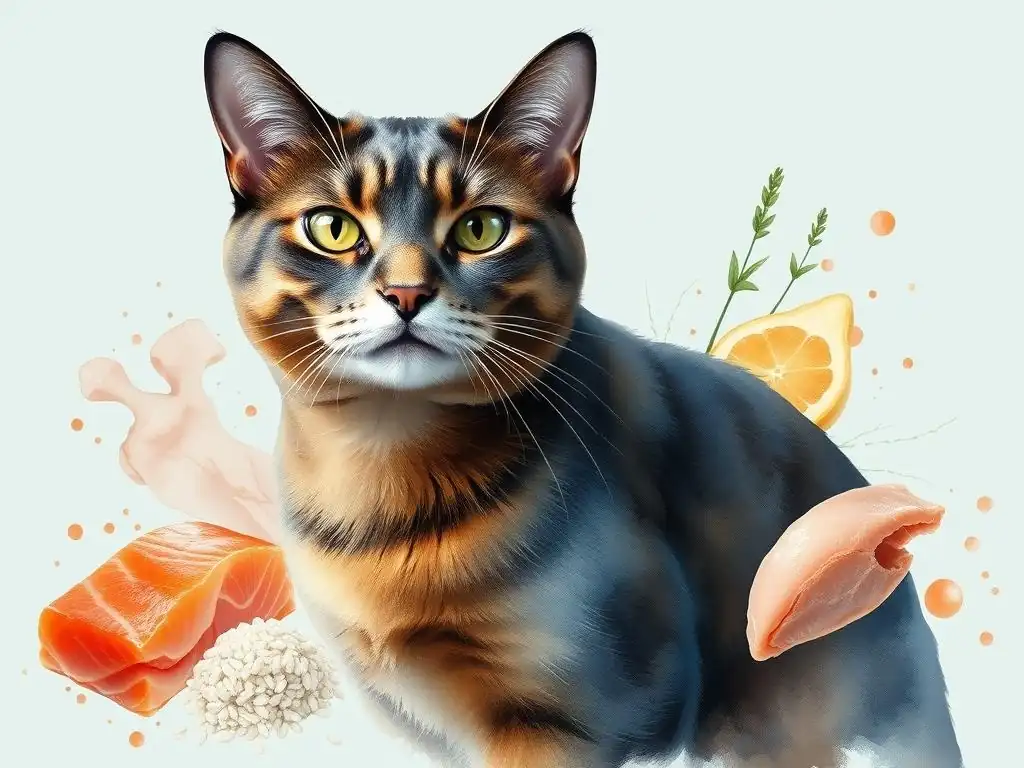
Food allergies and sensitivities are significant concerns for many adult cats, leading to various symptoms like skin problems (itching, redness, hair loss), gastrointestinal distress (vomiting, diarrhea), and respiratory issues. Identifying the specific allergen is crucial for effective management. This often involves an elimination diet, where the cat is fed a novel protein and carbohydrate source not previously consumed. This process, ideally guided by a veterinarian, systematically removes potential allergens to pinpoint the culprit.
Common allergens include beef, dairy, chicken, fish, and wheat. The elimination diet typically lasts several weeks, allowing time to observe any improvements in the cat's symptoms. Once the allergen is identified, it must be permanently avoided.
Hydrolyzed protein diets, where proteins are broken down into smaller peptides, can be beneficial for cats with severe allergies as these smaller molecules are less likely to trigger an immune response. However, these diets often have a less palatable taste and can be more expensive. In some cases, veterinary dermatologists may recommend hypoallergenic diets, which are specifically formulated to minimize allergic reactions.
It's important to remember that even with dietary management, some cats may require additional treatments like antihistamines or corticosteroids to alleviate symptoms. Regular veterinary check-ups are essential to monitor the cat's progress and adjust the management plan as needed. Careful attention to ingredient labels and avoiding cross-contamination are crucial for successful dietary management of feline allergies.
Obesity Management in Adult Cats: Nutritional Strategies
Obesity is a prevalent health issue in adult cats, significantly increasing the risk of various health problems, including diabetes, osteoarthritis, and heart disease. Weight management involves a multifaceted approach, with dietary changes being a cornerstone. The first step is determining the cat's ideal body weight and calculating the appropriate daily caloric intake. This often requires veterinary guidance.
A reduced-calorie diet formulated for weight loss is crucial. These diets are typically lower in fat and calories but maintain essential nutrients to support the cat's overall health. Portion control is equally vital; sticking to the recommended feeding amounts is essential for preventing weight regain.
Increasing physical activity through interactive play sessions, puzzle feeders, and climbing opportunities can supplement dietary changes. Puzzle feeders, for example, encourage the cat to work for its food, slowing down eating and promoting a sense of accomplishment. Regular veterinary check-ups are necessary to monitor weight loss progress and adjust the dietary plan as needed. It's essential to avoid sudden and drastic dietary changes, as this can negatively impact the cat's health.
A gradual transition to a weight-loss diet minimizes digestive upset and promotes successful weight management. The use of treats should be minimized, and those that are given should be low in calories and factored into the daily caloric intake. Patience and consistency are key to successfully managing feline obesity. 🎉
Heart Disease and Nutritional Considerations for Adult Cats
Heart disease, unfortunately, affects a significant number of adult cats, often manifesting as hypertrophic cardiomyopathy (HCM) – a thickening of the heart muscle. This condition can severely impact a cat's quality of life, and dietary management plays a crucial role in mitigating its effects. The primary nutritional goals for cats with heart disease are to reduce the workload on the heart and support overall cardiovascular health. This involves carefully controlling sodium intake, as excessive sodium can lead to fluid retention and exacerbate heart failure.
Commercial diets specifically formulated for feline cardiac health are readily available and offer a balanced nutrient profile tailored to these needs. These diets typically feature reduced sodium levels, along with increased levels of taurine, an amino acid vital for heart function. Furthermore, they often include antioxidants like Vitamin E and Vitamin C, which help combat oxidative stress and protect against further damage to heart cells.
It's crucial to consult with a veterinarian before making any significant changes to your cat's diet, especially if they already have an existing health condition. The vet will assess your cat's specific condition, stage of the disease, and overall health to recommend the most appropriate dietary plan. They might suggest a prescription diet formulated to meet the precise nutritional requirements for your cat's situation or recommend modifications to a commercially available therapeutic diet.
Regular monitoring of your cat's weight and overall health is also essential to ensure the diet is effective and adjustments are made as needed. Remember, a balanced and controlled diet, combined with regular veterinary check-ups, is key to managing heart disease and improving the lifespan and well-being of your feline companion. Ignoring dietary needs in this context can significantly worsen the condition and reduce your cat's quality of life.
Therefore, proactive and informed dietary management is paramount. 😻
Kidney Disease and Nutritional Management in Adult Cats
Chronic kidney disease (CKD) is a prevalent and progressive condition in older cats, characterized by a gradual decline in kidney function. Nutritional management is vital in slowing disease progression and improving a cat's quality of life. The primary dietary goals for cats with CKD are to reduce the workload on the kidneys and provide adequate nutrition without stressing the failing organs.
This often involves adjusting the levels of protein, phosphorus, and sodium in the diet. High protein levels can overwhelm already compromised kidneys, leading to further damage and accumulation of waste products. Therefore, CKD diets typically contain moderate protein levels, usually from high-quality sources that are easily digestible.
Phosphorus, another crucial element, needs careful management as it can exacerbate kidney damage. CKD diets are formulated to be low in phosphorus, helping to prevent its accumulation in the bloodstream. Sodium restriction is also important to manage fluid balance and blood pressure, which can be affected by CKD.
Commercial diets specifically formulated for feline CKD are available and offer a balanced nutrient profile tailored to these needs. These diets are often prescribed by veterinarians and provide the necessary adjustments in protein, phosphorus, and sodium levels. However, it's important to note that each cat's nutritional needs may vary depending on the stage of CKD and their overall health. Regular blood tests and veterinary consultations are crucial to monitor kidney function and adjust the diet as necessary.
In addition to dietary changes, providing plenty of fresh water is essential to help flush out waste products and maintain hydration. Supplementation with certain nutrients, such as potassium and omega-3 fatty acids, may also be beneficial in some cases, but should always be discussed with your veterinarian. Remember, consistent monitoring and a tailored approach to nutrition are key to managing CKD and supporting the health and well-being of your cat. 🐾
Choosing the Right Food for Your Cat's Specific Needs

Choosing the right food for your adult cat is crucial, especially when dealing with specific health conditions. An adult cat's dietary needs differ significantly from those of a kitten, and pre-existing health issues further complicate the selection process. Factors like age, breed, activity level, and underlying health problems all play a role in determining the optimal nutritional profile.
For example, an overweight Maine Coon with a history of urinary tract infections will require a vastly different diet than a lean Siamese with no known health concerns. Understanding these nuances is key to ensuring your feline companion receives the nourishment it needs to thrive. Ignoring these specific needs can lead to a worsening of existing health issues and the development of new ones.
The goal is not just to feed your cat, but to nourish it, supporting its overall health and well-being. This often requires careful consideration of protein sources, fat content, fiber levels, and the inclusion or exclusion of specific nutrients. The best approach involves consulting with your veterinarian to determine the most appropriate dietary plan for your individual cat.
Commercial Diets for Specific Health Conditions: A Guide
The pet food market offers a wide array of commercial diets formulated to address various health concerns in adult cats. These diets are often categorized by the specific condition they target, such as urinary tract health, weight management, or digestive sensitivities. Many reputable brands conduct extensive research and development to create scientifically-backed formulas. Look for diets that clearly state the intended health benefits and list the specific ingredients and their nutritional contributions.
For instance, cats with urinary tract issues often benefit from diets lower in magnesium and higher in moisture content. These formulations help to reduce the formation of struvite and calcium oxalate crystals, common culprits in feline urinary tract disease (FLUTD). Similarly, overweight cats may require diets lower in calories and fat, but still rich in protein to maintain muscle mass. These weight-management diets often incorporate high-fiber ingredients to promote satiety. Cats with sensitive stomachs may require diets with highly digestible protein sources, such as hydrolyzed protein, to minimize digestive upset.
It's crucial to carefully read the product labels and compare different brands to find the best fit for your cat's needs. Don't hesitate to ask your veterinarian for recommendations based on your cat's specific health profile and any ongoing medical treatments. Remember, choosing the right commercial diet is a significant step towards improving and maintaining your cat's health. Consider factors like palatability – if your cat refuses to eat the food, it won't provide any benefit. A balanced approach, combining veterinary guidance with careful label reading, will yield the best results.
Homemade Diets for Adult Cats with Health Concerns: Considerations and Cautions
While commercial diets offer convenience and a guaranteed nutritional balance, some pet owners choose to prepare homemade food for their cats, especially those with severe allergies or highly specific dietary needs. However, crafting a balanced homemade diet for an adult cat requires significant expertise in feline nutrition. Improperly balanced homemade diets can lead to serious nutritional deficiencies or imbalances, potentially causing significant health problems.
Before attempting a homemade diet, consult with a veterinary nutritionist. They can help you formulate a recipe that meets all your cat's nutritional requirements, considering its age, weight, activity level, and specific health concerns. This often involves careful calculation of macronutrients (protein, fat, carbohydrates), micronutrients (vitamins, minerals), and essential fatty acids. Simply mimicking human recipes is insufficient and potentially dangerous. A veterinary nutritionist will provide detailed guidance on ingredient selection, portion sizes, and meal frequency.
Even with professional guidance, preparing a homemade diet requires significant time and effort. Consistency is key; variations in ingredients or preparation can disrupt the nutritional balance. Regular blood work is recommended to monitor your cat's nutritional status and ensure the homemade diet is effective. The potential risks associated with improperly balanced homemade diets far outweigh the benefits for most cat owners. For most cats with specific health needs, a high-quality commercial diet remains the safer and more convenient option.
Transitioning Your Cat to a New Diet: A Step-by-Step Approach
Switching your adult cat to a new diet, especially one formulated for a specific health condition, requires a gradual approach to minimize digestive upset. Sudden changes can cause vomiting, diarrhea, and anorexia. A slow and careful transition allows your cat's digestive system to adapt to the new food.
The general recommendation is to mix the new food with the old food, gradually increasing the proportion of the new food over a period of 7-10 days. Start by offering a small amount of the new food mixed with a larger amount of the old food (e.g., 25% new, 75% old). Over the next few days, gradually increase the proportion of the new food while decreasing the proportion of the old food, until your cat is eating 100% of the new food.
Monitor your cat closely for any signs of digestive distress during this transition period. If you observe vomiting, diarrhea, or a decrease in appetite, slow down the transition process or consult your veterinarian. Patience and observation are key to a successful diet change.
Remember to always provide fresh, clean water throughout the transition. A smooth transition ensures your cat accepts the new diet and receives the nutritional benefits it needs.
Monitoring Your Cat's Progress and Seeking Veterinary Advice

Adult cats with specific dietary needs require careful monitoring to ensure the chosen nutritional plan is effective. Successfully managing their health through diet involves a proactive approach, combining observation with professional veterinary guidance. This section details key indicators of dietary success and when professional intervention becomes necessary. Understanding these aspects is crucial for responsible pet ownership and contributes to your cat's overall well-being. Remember, consistent monitoring is key to addressing potential issues promptly and effectively. This proactive approach will help maintain your adult cat's health and happiness.
Key Indicators of Dietary Success: Weight, Energy Levels, and Coat Health
One of the most significant indicators of a successful dietary change for your adult cat is a healthy weight. Regular weigh-ins, ideally weekly for the first month and then monthly thereafter, are crucial. Aim for a gradual, steady weight loss or gain, depending on the cat's initial condition and dietary goals. Rapid weight fluctuations can signal underlying issues. Keep a detailed record of your cat's weight—a simple spreadsheet or even a notebook will suffice. This data provides valuable information for your veterinarian.
Beyond weight, observe your cat's energy levels. A healthy adult cat should display a normal level of activity appropriate to its age and breed. Increased energy, playfulness, and alertness are positive signs that the diet is providing the necessary nutrients. Conversely, lethargy, decreased playfulness, or unusual sleepiness could indicate a problem.
Finally, assess your cat's coat health. A shiny, smooth coat is a strong indicator of good nutrition. Dull, dry, or brittle fur, excessive shedding, or skin problems might suggest nutritional deficiencies. Consider taking photos of your cat's coat regularly to compare and monitor changes over time. These subtle changes, often overlooked, can be early warning signs of dietary imbalances or underlying health concerns. Remember, a holistic approach to monitoring your cat's condition is crucial for optimal health management.
When to Consult Your Veterinarian: Recognizing Potential Problems
While careful monitoring is essential, it's important to recognize when professional veterinary intervention is necessary. Don't hesitate to contact your veterinarian if you observe any of the following:
- Unintended weight changes: Significant weight loss or gain despite adhering to the dietary plan.
- Persistent lethargy or unusual sleepiness: A prolonged period of inactivity beyond what's typical for your cat.
- Changes in appetite: Significant increase or decrease in food intake.
- Gastrointestinal issues: Persistent vomiting, diarrhea, or constipation.
- Changes in urination or defecation: Increased frequency or straining.
- Dehydration: Dry gums, decreased skin elasticity.
- Behavioral changes: Increased aggression, anxiety, or unusual hiding behavior.
- Deterioration of coat health: Continued dullness, excessive shedding, or skin irritations.
These symptoms, even if subtle, warrant immediate veterinary attention. Early detection and intervention can often prevent more serious health complications. Remember, a veterinarian can provide tailored advice and adjust the dietary plan as needed, ensuring your cat receives the best possible care. Ignoring these signs can lead to more severe health issues and unnecessary suffering for your feline companion.
The Importance of Regular Veterinary Check-ups for Cats with Dietary Needs
Regular veterinary check-ups are not optional for adult cats with specific dietary needs; they are essential. These check-ups are crucial for monitoring the effectiveness of the dietary plan and detecting any potential health issues early on. During these visits, your veterinarian will:
- Monitor weight and body condition: Assessing progress toward weight goals and identifying any deviations.
- Perform a physical examination: Checking for any signs of illness or nutritional deficiencies.
- Run blood tests (as needed): Evaluating organ function and identifying potential problems.
- Review the dietary plan: Making adjustments as necessary based on the cat's progress and health status.
- Provide guidance and support: Answering questions and providing tailored advice.
Scheduling these appointments every 6 months, or more frequently if advised by your veterinarian, is a key component of proactive healthcare for your cat. This proactive approach is far more effective than reactive treatment, ensuring your adult cat receives the best possible care and enjoys a long, healthy life. Don't underestimate the value of regular veterinary care – it's an investment in your cat's well-being and longevity. Consider setting reminders for these appointments to ensure they don't get overlooked. Your cat's health depends on it!
Frequently Asked Questions
What are the key dietary needs of an adult cat?
Adult cats require a diet high in protein and moderate in fat, with controlled levels of phosphorus and magnesium. They also need essential amino acids like taurine, which is crucial for heart health. A balanced diet is key to maintaining a healthy weight and preventing disease.
How do I know if my adult cat needs a special diet?
Consult your veterinarian. They can assess your cat's health, weight, and lifestyle to determine if a specialized diet is necessary. Signs like weight loss, lethargy, or changes in coat could indicate a need for dietary adjustments.
What are some common health conditions requiring specific diets in adult cats?
Adult cats can develop conditions like kidney disease, diabetes, and urinary tract infections, each requiring a specific dietary approach. Obesity is another major concern, often needing a calorie-restricted diet. A vet will determine the correct course of action.
What are the differences between diets for adult cats vs. kittens?
Adult cat food typically has a lower calorie density than kitten food, reflecting their lower energy needs. Adult cat food also usually focuses on maintaining muscle mass and healthy organ function, whereas kitten food prioritizes growth and development.
Where can I find more information on adult cat specific diet needs?
PetCareWorld offers in-depth guides and expert advice on adult cat nutrition and health conditions. You can also consult your veterinarian for personalized recommendations based on your cat's specific needs and health status. Remember to always follow your vet's advice.
Final Reflection: Nourishing the Golden Years: A Holistic Approach to Adult Cat Care
Understanding the specific dietary needs of adult cats is not merely a matter of providing sustenance; it's a cornerstone of ensuring their health, happiness, and longevity. Failing to address these needs can lead to serious health complications, impacting their quality of life significantly. This underscores the critical importance of proactive and informed caregiving.
The journey of caring for an adult cat is a deeply rewarding one, filled with companionship and unconditional love. However, as our feline friends age, their nutritional requirements evolve, demanding a more nuanced approach to their diet. The best thing about having a cat is that they'll always be there to greet you at the door, no matter what kind of day you've had.
This simple truth highlights the profound bond we share with our cats, and responsible dietary care is a vital part of nurturing that bond throughout their lives. Understanding their changing needs allows us to provide the best possible support as they navigate the challenges of aging.
Now, consider your own cat. Reflect on their current diet and lifestyle. Are you providing them with the nutrition they need to thrive in their adult years? Take this opportunity to review their food, considering their age, activity level, and any underlying health conditions. A simple change in diet could make a world of difference in their overall well-being. Don't just feed your cat; nourish their life, ensuring they enjoy a vibrant and healthy future filled with purrs and playful moments.
Unleash Your Cat's Healthiest Life: Take Action Now!
Thank you for learning about the specific dietary needs of adult cats with various health conditions. You've gained valuable insights into supporting your feline friend's well-being! Now, let's put that knowledge into practice.
- Prioritize your cat's nutritional needs: Schedule a veterinary appointment to discuss your cat's individual dietary requirements based on their age, breed, and any existing health concerns. This is crucial for ensuring their optimal health.
- Gradually introduce new foods: Carefully introduce any new food into your cat's diet, monitoring their response closely. Start with small amounts and observe for any signs of digestive upset. Small, gradual changes are key!
- Share your experiences: Connect with other PetCareWorld members in our community forum and share your experiences and tips for managing your cat's dietary needs. Let's learn from each other!
What small dietary change will you make today to improve your cat's health and happiness?