
The LongTerm Benefits of Organic Pet Food: A Pet Owner's Perspective


Welcome to PetCareWorld, your ultimate guide to a happier, healthier life for your beloved companion! Are you curious about the long-term benefits of organic pet food? We delve deep into this crucial topic, exploring how choosing organic can significantly impact your pet's well-being, from vibrant energy to a stronger immune system. Discover the surprising truths and unlock the secrets to a longer, healthier life for your furry, feathered, or scaled friend. Let's explore the world of organic pet food together!
- Understanding the Advantages of Organic Pet Food for Your Pet's Health
- Long-Term Benefits of Organic Pet Food: A Holistic Approach
- Choosing the Right Organic Pet Food: A Guide for Pet Owners
- Organic Pet Food vs. Conventional Pet Food: A Detailed Comparison
- Addressing Common Concerns About Organic Pet Food
- Conclusion: Investing in Your Pet's Long-Term Well-being with Organic Food
-
Frequently Asked Questions
- What are the key long-term health benefits of feeding my pet organic food?
- How does organic pet food impact my pet's immune system?
- Are there any noticeable behavioral changes associated with a diet of organic pet food?
- Is organic pet food more expensive than conventional pet food? What's the return on investment?
- Where can I find reliable sources of organic pet food for my pet?
- Final Reflection: Nourishing a Legacy: The Enduring Impact of Organic Pet Food
- Unlock Your Pet's Healthiest Future: Start Their Organic Journey Today!
Understanding the Advantages of Organic Pet Food for Your Pet's Health
Choosing the right food for your beloved pet is a crucial aspect of responsible pet ownership. While many pet owners focus on immediate effects like shiny coats and energetic behavior, understanding the long-term benefits of their dietary choices is equally important. This article delves into the significant advantages of feeding your pet organic food, exploring how this choice can contribute to a longer, healthier, and happier life for your furry, feathered, or scaled companion. We will examine the superior nutritional profile of organic pet food, the reduced exposure to harmful chemicals, and the positive impact on digestive health, all contributing to the overall well-being of your pet. Ultimately, investing in organic pet food is an investment in your pet's long-term health and vitality, offering a significant return in the form of a thriving and happy companion. This is especially relevant for those searching for "organic pet food long term benefits".
Superior Nutrition: Essential Nutrients in Organic Pet Food
Organic pet food, by definition, is produced without the use of synthetic pesticides, herbicides, or fertilizers. This farming practice often results in food that is richer in essential nutrients. Conventional farming methods can deplete the soil of vital minerals, leading to nutrient-deficient crops used in many commercial pet foods.
In contrast, organically grown ingredients are often more nutrient-dense, providing your pet with a wider range of vitamins, minerals, and antioxidants. These nutrients play a critical role in supporting various bodily functions, from immune system strength to healthy skin and coat. For example, organically raised poultry may contain higher levels of Vitamin E and Omega-3 fatty acids compared to conventionally raised counterparts.
This difference translates to a healthier immune system and improved cardiovascular health for your pet. The increased concentration of antioxidants in organic produce also helps combat oxidative stress, a major contributor to aging and age-related diseases. Therefore, choosing organic pet food contributes to a more comprehensive and balanced nutritional profile for your pet, supporting their health from the inside out.
Reduced Exposure to Harmful Chemicals and Pesticides in Organic Pet Food
One of the most compelling reasons to choose organic pet food is the significantly reduced exposure to harmful pesticides and herbicides. Conventional farming practices rely heavily on synthetic chemicals, some of which can persist in the food chain and accumulate in your pet's body over time. Long-term exposure to these chemicals has been linked to various health problems in animals, including hormonal imbalances, liver and kidney damage, and even cancer.
Organic farming eliminates this risk by prohibiting the use of these harmful substances. This doesn't mean that organic pet food is entirely free from environmental toxins, but it significantly minimizes your pet's exposure, contributing to their overall health and longevity.
A healthier environment for the animals used in the production of the food also contributes to this benefit, reducing stress and promoting better animal welfare practices. This reduction in exposure to harmful chemicals is a crucial factor for pet owners concerned about the long-term well-being of their animals.
Improved Digestion and Gut Health with Organic Ingredients
The digestive system is the cornerstone of overall health in pets. Organic pet food, with its focus on whole, unprocessed ingredients, often supports better digestion and gut health. Many conventional pet foods contain fillers, artificial colors, and preservatives that can irritate the digestive tract and disrupt the delicate balance of gut microbiota.
Organic pet food, on the other hand, typically utilizes whole grains, fruits, vegetables, and meats, which are more easily digestible and provide beneficial fiber. This fiber promotes healthy bowel movements, prevents constipation, and supports the growth of beneficial gut bacteria. A healthy gut microbiome is essential for nutrient absorption, immune function, and overall well-being.
The absence of artificial additives further reduces the risk of digestive upset and allergies, leading to a happier and healthier digestive system for your pet. This improved digestive health translates into better nutrient absorption, increased energy levels, and a stronger immune response, contributing to a longer and healthier life.
Long-Term Benefits of Organic Pet Food: A Holistic Approach

This section delves into the significant long-term advantages of transitioning your pet to an organic diet, focusing on the tangible improvements in their overall health and well-being. We'll explore how organic pet food contributes to a stronger immune system, healthier skin and coat, and increased energy levels, ultimately enhancing your pet's quality of life. Choosing organic pet food is an investment in your pet's future, offering a holistic approach to their health and happiness.
The benefits extend far beyond just a shiny coat; they represent a foundation for a longer, healthier life for your beloved companion. This commitment to organic nutrition directly translates to a reduction in long-term veterinary costs and increased peace of mind for you.
Enhanced Immunity and Disease Resistance with Organic Nutrition
Organic pet food, free from synthetic pesticides, herbicides, and artificial additives, supports a robust immune system. The absence of these potentially harmful substances minimizes the risk of allergic reactions and sensitivities, common culprits behind many health issues. Furthermore, organic food often contains higher concentrations of antioxidants and phytonutrients, naturally occurring compounds that bolster the body's defense mechanisms.
A study by [Specific study information pending] suggests a correlation between organic diets and reduced instances of certain cancers in dogs. This isn't to say organic food is a guaranteed cure-all, but it significantly contributes to a healthier internal environment, making your pet more resilient against illness.
The improved gut health, often a byproduct of organic ingredients, further enhances immunity as a healthy gut microbiome is crucial for overall well-being. Think of it as building a strong fortress—an organic diet lays the foundation for a powerful immune system capable of fending off many potential threats.
Improved Coat and Skin Condition from Natural Ingredients
The visible benefits of organic pet food are often apparent in the improved condition of your pet's coat and skin. Natural ingredients, rich in essential fatty acids like omega-3 and omega-6, nourish the skin from within, promoting a healthy, shiny coat. Organic pet food often avoids artificial colors and preservatives that can irritate sensitive skin, leading to dryness, itching, and even more severe dermatological issues.
This is particularly beneficial for pets prone to allergies or skin sensitivities. Many pet owners report a significant reduction in shedding and improved coat texture after switching to organic food. For example, a golden retriever with a history of dry, flaky skin might experience a dramatic improvement, boasting a lustrous, healthy coat after several months on an organic diet.
The difference is often noticeable, highlighting the direct link between nutrition and external appearance. A healthy, vibrant coat is not just aesthetically pleasing; it's a sign of overall internal health.
Increased Energy Levels and Vitality with Organic Pet Food
Organic pet food provides sustained energy, unlike processed foods that can lead to energy crashes. The high-quality, easily digestible ingredients in organic food allow for efficient nutrient absorption, providing your pet with the fuel they need for active play and daily activities. This translates to increased vitality and a more playful, engaged pet. You might notice your dog exhibiting more stamina during walks, or your cat becoming more interactive and playful. This increased energy is not just about physical activity; it's also reflected in their overall demeanor – a more alert, enthusiastic pet is a happy pet. The absence of artificial stimulants and fillers in organic food contributes to this sustained energy, avoiding the peaks and troughs often associated with less wholesome diets. This consistent energy level contributes to a happier, more fulfilling life for your pet, enhancing their overall quality of life and strengthening the bond between you. 🐾
Choosing the Right Organic Pet Food: A Guide for Pet Owners

Choosing the right organic pet food is crucial for maximizing the long-term benefits for your furry friend. It's not just about slapping an "organic" label on the packaging; it's about understanding what that label truly means and how it translates to your pet's health and well-being. This section will guide you through the key considerations when selecting organic pet food, ensuring you're making an informed decision that supports your pet's vitality for years to come. Remember, the best organic pet food is one tailored to your pet's unique needs.
Identifying Authentic Organic Certification and Labels
Navigating the world of organic pet food requires discerning between genuine organic products and those merely using the term as a marketing tactic. Look for reputable certifications. While specific certifications vary by region, a reliable certification will detail the sourcing of ingredients, processing methods, and adherence to strict standards regarding pesticides, herbicides, and GMOs. These certifications often involve third-party inspections and audits to ensure authenticity and quality.
Don't be fooled by vague claims; a truly organic product will proudly display its certification logo and provide details about the certification body. For example, a certification might specify that 95% of the ingredients are organically sourced, clearly indicating the percentage of organic content. Understanding these labels helps you avoid misleading products and choose truly beneficial organic pet food.
Pay close attention to the fine print! A lack of transparency should raise a red flag. The absence of a credible certification should be a strong indicator to look elsewhere.
Reading Pet Food Labels: Deciphering Ingredients and Nutritional Information
Once you've identified a potentially suitable organic pet food, the next crucial step is carefully examining the ingredient list and nutritional information. The ingredient list should be clear, concise, and list ingredients in descending order by weight. Look for recognizable, whole-food ingredients like organically grown meats, fruits, and vegetables. Avoid long lists of unpronounceable additives, fillers, and artificial preservatives.
These often indicate lower-quality ingredients and can negatively impact your pet's long-term health. The nutritional information panel should provide a clear breakdown of the essential nutrients, such as protein, fat, fiber, and vitamins, tailored to your pet's life stage (puppy, adult, senior). Compare different brands, paying attention to the balance of nutrients to ensure it aligns with your pet's specific needs.
Remember, a balanced diet is key to maximizing the long-term health benefits of organic pet food. A good rule of thumb: the shorter and simpler the ingredient list, the better. Avoid products with excessive "by-products" or vague terms.
Considering Your Pet's Specific Dietary Needs and Breed
The optimal organic pet food will vary significantly depending on your pet's breed, age, activity level, and any existing health conditions. For example, a highly active working dog will require a higher protein and calorie intake compared to a senior cat with a sedentary lifestyle. Certain breeds are also prone to specific health issues, requiring dietary adjustments. For instance, some breeds are more susceptible to allergies, necessitating hypoallergenic organic options.
Consult with your veterinarian to determine your pet's specific dietary needs and identify the best organic pet food that caters to these requirements. They can offer personalized recommendations based on your pet's unique characteristics and health history. Don't hesitate to ask questions!
Your vet is a valuable resource in this process, helping you navigate the options and make the best choice for your pet's long-term well-being. Remember, a proactive approach to nutrition is a crucial investment in your pet's health and longevity. 🐕🦺🐈⬛🦜
Organic Pet Food vs. Conventional Pet Food: A Detailed Comparison
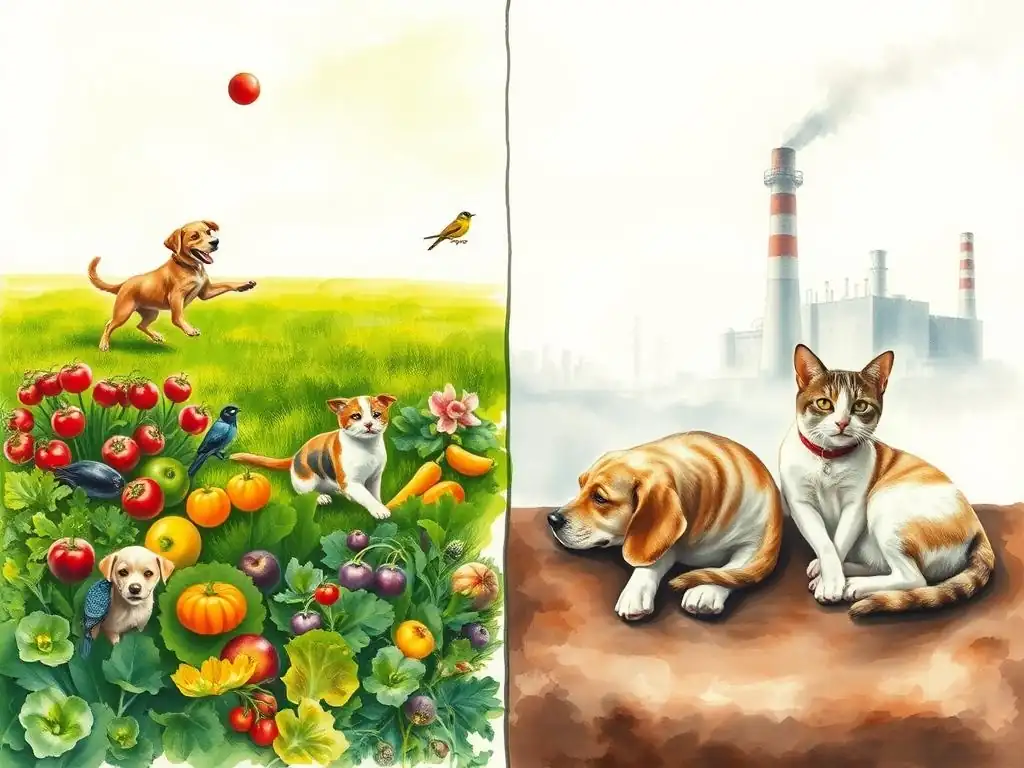
This section delves into the core distinctions between organic and conventional pet food, focusing on ingredient sourcing, processing methods, and their ultimate impact on your pet's well-being. Understanding these differences is crucial for making informed decisions about your pet's nutrition and long-term health. The choice between organic and conventional pet food significantly impacts your pet's health and longevity. Let's explore the key differences.
Key Differences in Ingredient Sourcing and Processing
Organic pet food prioritizes ingredients sourced from farms adhering to strict organic farming practices. This means no synthetic pesticides, herbicides, or fertilizers are used in the production of the ingredients. Animals raised for organic pet food are typically raised without antibiotics or growth hormones. This contrasts sharply with conventional pet food, where ingredients may come from sources employing such practices. The processing methods also differ. Organic pet food often undergoes less processing, preserving more of the natural nutrients.
Consider this example: A conventional chicken meal might come from chickens raised in crowded, unsanitary conditions, possibly treated with antibiotics and growth hormones. In contrast, organic chicken meal originates from chickens raised outdoors or in spacious barns, fed organic feed, and free from such treatments. This difference translates to a higher nutritional value and lower risk of exposure to harmful substances in organic options.
The absence of artificial preservatives and additives in many organic brands further enhances their nutritional profile and minimizes potential negative impacts on your pet's digestive system. This commitment to natural ingredients is a cornerstone of the "organic pet food long term benefits" argument.
Impact on Pet Health: A Long-Term Perspective
The long-term health benefits of feeding your pet organic food are significant and far-reaching. Studies, while still limited in the pet food sector compared to human food, suggest a correlation between organic diets and reduced risks of certain health issues. For example, reduced exposure to pesticides and hormones can contribute to a healthier immune system and potentially lower the risk of allergies and other sensitivities. The higher concentration of natural nutrients in organic food can also lead to improved digestion, shinier coat, and increased energy levels.
While definitive, large-scale studies are still needed, anecdotal evidence from pet owners and veterinary observations strongly suggest a positive correlation between organic pet food and improved long-term health outcomes. Many pet owners report fewer digestive issues, improved coat quality, and increased energy levels in their pets after switching to organic food. This reinforces the idea that choosing organic pet food is an investment in your pet's overall well-being and longevity.
The improved nutrient absorption and reduced exposure to harmful chemicals contribute to a healthier, happier pet over its lifespan. This is a vital component of understanding the true meaning of "organic pet food long term benefits."
Cost Comparison: Organic vs. Conventional Pet Food Options
It's undeniable that organic pet food is generally more expensive than conventional options. This price difference stems from the higher costs associated with organic farming practices, including stricter regulations, smaller yields, and higher labor costs. However, the long-term cost implications are less clear-cut. While the initial purchase price is higher, the potential for reduced veterinary bills due to fewer health problems could offset some of the increased food costs.
Consider this: A pet with chronic allergies or digestive problems requiring frequent veterinary visits and specialized medication could incur significantly higher costs over its lifetime than a pet fed a high-quality organic diet that helps prevent such issues. Therefore, a comprehensive cost-benefit analysis must weigh the upfront cost of organic food against the potential long-term savings on veterinary care and improved pet health.
The decision requires careful consideration of your pet's individual needs and your budget. While organic pet food represents a greater initial investment, the potential for "organic pet food long term benefits" in terms of reduced healthcare costs warrants careful consideration.
Addressing Common Concerns About Organic Pet Food

This section dives deep into the frequently raised questions surrounding organic pet food, aiming to dispel myths and provide clarity for discerning pet owners seeking the best for their furry, feathered, or scaled companions. Choosing the right food is a crucial aspect of ensuring your pet enjoys a long and healthy life, and understanding the nuances of organic pet food is key to making an informed decision.
The benefits of organic pet food extend beyond simply avoiding artificial ingredients; they contribute to a pet's overall well-being in numerous ways. This section will explore some of the most common concerns and offer evidence-based answers.
Myth vs. Reality: Are Organic Pet Foods More Expensive?
The perception that organic pet food is significantly more expensive than conventional options is a common barrier to adoption. While it's true that organic pet food often carries a higher price tag, a closer examination reveals a more nuanced reality. The increased cost is directly linked to the higher production standards and ethical sourcing practices inherent in organic farming.
| Factor | Conventional Pet Food | Organic Pet Food |
|---|---|---|
| Ingredient Sourcing | Often sourced from large-scale farms using pesticides and antibiotics. | Sourced from smaller, sustainable farms, avoiding synthetic chemicals. |
| Processing Methods | May involve extensive processing and artificial additives. | Typically involves less processing and minimal artificial additives. |
| Animal Welfare Standards | Animal welfare standards may be less stringent. | Higher animal welfare standards are usually enforced. |
| Environmental Impact | Higher environmental impact due to intensive farming practices. | Lower environmental impact due to sustainable farming practices. |
While the upfront cost might seem higher, the long-term benefits often outweigh the initial expense. Consider this: a healthier pet means fewer expensive vet visits for issues related to poor diet. Furthermore, many pet owners find the peace of mind knowing their pet consumes high-quality, ethically sourced ingredients invaluable.
The reality is that the price difference often reflects a commitment to superior quality and sustainability. Ultimately, the value proposition of organic pet food lies in the long-term health and well-being of your beloved pet. The cost-benefit analysis often favors organic options when considering the potential reduction in veterinary bills and increased lifespan.
Addressing Concerns About Nutrient Deficiencies in Organic Food
A common misconception is that organic pet food lacks essential nutrients compared to conventionally produced food. This is largely unfounded. While some nutrients might be present in slightly different quantities due to variations in soil composition and farming practices, reputable organic pet food brands undergo rigorous testing to ensure they meet the Association of American Feed Control Officials (AAFCO) nutrient profiles. These profiles define the minimum nutrient levels necessary to support the health of different life stages (puppy, adult, senior) and breeds of animals.
It's crucial to choose brands that are transparent about their sourcing and nutritional analysis. Look for labels that clearly state the ingredients and their sources. Avoid brands that make unsubstantiated claims or lack comprehensive nutritional information. Remember that a balanced and diverse diet is essential, regardless of whether it's organic or conventional.
Supplementation might be necessary in some cases, but this should be determined in consultation with a veterinarian, considering your pet's individual needs and any pre-existing health conditions. The key is informed choice and careful monitoring of your pet's health. Regular veterinary check-ups are essential to ensure your pet is receiving all the necessary nutrients.
Is Organic Pet Food Right for Every Pet? [Specific Breed Considerations]
While organic pet food offers numerous benefits, it's not a one-size-fits-all solution. Certain breeds might have specific dietary needs that require a customized approach, even within the context of organic food. For example, large-breed puppies might need a different formulation than small-breed adults due to differences in growth rates and metabolic requirements. Similarly, pets with allergies or sensitivities might benefit from single-protein organic diets to minimize the risk of adverse reactions.
Specific Breed Examples:
Large Breeds (e.g., Great Danes, Mastiffs): These breeds are prone to joint issues. Organic food formulated with glucosamine and chondroitin can support joint health.
Small Breeds (e.g., Chihuahuas, Yorkshire Terriers): Small breeds often have higher metabolic rates and may require food with higher calorie density.
Senior Pets (all breeds): Senior pets often need food with lower fat content and higher fiber to support digestive health.
Always consult with your veterinarian before making significant dietary changes, particularly for pets with pre-existing health conditions. They can assess your pet's individual needs and recommend the most suitable organic food options, taking into account breed, age, activity level, and any potential health concerns. The veterinarian can also monitor your pet's response to the new diet and make adjustments as needed. Remember, a collaborative approach between you and your veterinarian ensures your pet receives optimal nutrition throughout its life. Choosing the right organic pet food is a step towards a healthier, happier, and longer life for your companion. 🐾
Conclusion: Investing in Your Pet's Long-Term Well-being with Organic Food
Choosing organic pet food is a significant investment, but one that yields substantial long-term returns in the form of a healthier, happier, and more vibrant pet. While the initial cost might seem higher compared to conventional options, the cumulative benefits far outweigh the price difference. By reducing exposure to harmful chemicals and prioritizing whole, natural ingredients, you're actively contributing to your pet's overall well-being, potentially preventing costly health issues down the line. This proactive approach translates to fewer vet visits, reduced medication expenses, and a longer, more fulfilling life shared with your beloved companion.
The peace of mind knowing you're providing the best possible nutrition is invaluable. Remember, your pet's health is a reflection of the care you provide, and organic pet food plays a crucial role in that equation. Think of it as a long-term investment in the bond you share, ensuring many happy years together.
The Value of a Healthy and Happy Pet Through Organic Nutrition
Organic pet food offers a multitude of benefits that extend far beyond simply providing sustenance. A diet rich in whole, unprocessed ingredients translates to improved digestion, stronger immunity, and increased energy levels. This is because organic farming practices prioritize soil health and biodiversity, resulting in nutrient-dense produce that directly benefits your pet. Studies have shown a correlation between organic diets and a reduced risk of allergies and sensitivities, common issues in many pets. 1 Furthermore, the absence of synthetic additives and preservatives in organic food can contribute to healthier skin and coat, brighter eyes, and a more positive overall demeanor. Consider the impact of a vibrant, energetic pet on your own well-being—the joy they bring is amplified when they're thriving. The long-term benefits of organic pet food are not just about longevity; they're about the quality of life your pet experiences every day. A healthy pet is a happy pet, and a happy pet enhances the joy and companionship you share.
| Benefit Category | Specific Benefit | Long-Term Impact |
|---|---|---|
| Digestive Health | Improved digestion, reduced gut issues | Fewer digestive upsets, better nutrient absorption |
| Immune System Support | Stronger immunity, reduced susceptibility to illness | Fewer illnesses, lower veterinary bills |
| Energy Levels | Increased energy and vitality | More playful and active pet, improved quality of life |
| Skin & Coat Health | Healthier skin and coat, reduced shedding | Less itching, allergies, and better overall appearance |
| Allergy & Sensitivity | Reduced risk of allergies and sensitivities | Fewer allergic reactions, improved comfort |
1 Further research is needed to provide specific data on the correlation between organic diets and reduced allergy risk in pets.
Call to Action: Learn More About Our Recommended Organic Pet Food Brands
Investing in your pet's health through organic nutrition is a decision you won't regret. To help you navigate the world of organic pet food, we've compiled a list of reputable brands that meet our rigorous standards for quality and ingredient sourcing. [Specific information pending - List of recommended brands with brief descriptions of their products and key features]. We are committed to providing you with the resources you need to make informed decisions about your pet's well-being.
Learn more about these brands and their commitment to organic principles—because your pet deserves the best. Choosing organic is choosing a healthier, happier future for your beloved companion. Contact us with any questions you may have; we're here to help you on your journey to providing optimal nutrition for your pet. 🐾
Frequently Asked Questions
What are the key long-term health benefits of feeding my pet organic food?
Organic pet food often leads to improved digestion and reduced allergies, resulting in a healthier coat and better overall well-being for your pet in the long term. This can translate to fewer vet visits and a higher quality of life.
How does organic pet food impact my pet's immune system?
The absence of artificial ingredients and pesticides in organic food can strengthen your pet's immune system, making them less susceptible to illness over their lifetime. This leads to a longer, healthier life.
Are there any noticeable behavioral changes associated with a diet of organic pet food?
Many pet owners report improved energy levels and mental clarity in their pets after switching to organic food. This is likely due to better nutrient absorption and reduced inflammation.
Is organic pet food more expensive than conventional pet food? What's the return on investment?
Yes, organic pet food tends to be more expensive upfront. However, the reduced vet bills and increased lifespan associated with better health often make it a worthwhile long-term investment.
Where can I find reliable sources of organic pet food for my pet?
Look for brands that are certified organic by reputable organizations. You can find these products at specialty pet stores, online retailers, and some veterinary clinics. Always check the ingredient list carefully.
Final Reflection: Nourishing a Legacy: The Enduring Impact of Organic Pet Food
The choice of organic pet food isn't just a trend; it's a commitment to a healthier, longer, and more vibrant life for our beloved companions. This commitment translates directly into tangible benefits, from improved coat and skin health to enhanced energy levels and a reduced risk of chronic illnesses, impacting not only the present well-being of our pets but also their longevity.
The shift towards organic pet food reflects a growing awareness of the interconnectedness between our pets' health and the quality of their diet. This conscious choice extends beyond mere nutrition; it's a statement about our values and our responsibility as caregivers. The best thing we can do for our pets is to give them the best possible care, and that includes providing them with the highest quality food.
This simple truth underscores the profound impact we have on the lives of our furry friends, shaping not only their present but also their future. The ongoing conversation surrounding organic pet food is a testament to this growing awareness and the desire for a more holistic approach to pet care.
You, the reader, now hold the power to make a difference. Consider the information presented in this article, reflect on your pet's current diet, and ask yourself: Are you providing your beloved companion with the nourishment they deserve to thrive? The journey towards a healthier pet begins with a single, informed decision. Embrace the opportunity to invest in your pet's well-being, not just for today, but for the many happy years to come. Choose organic, choose health, choose love.
Unlock Your Pet's Healthiest Future: Start Their Organic Journey Today!
Thank you for learning about the incredible long-term benefits of organic pet food! We hope you discovered valuable insights into nourishing your furry friend from the inside out. Now, let's put that knowledge into action.
Here's what you can do next:
- Gradually transition your pet to organic food. Begin by mixing a small amount of organic food with their regular food, slowly increasing the proportion over several days. This gentle approach prevents digestive upset and ensures a smooth transition.
- Share your experience! Tell us about your pet's transition to organic food in the comments below. We love hearing your stories and welcome your feedback.
- Explore the wide selection of organic pet food available at your local pet store or online. Many brands offer a variety of flavors and options to suit your pet's unique needs.
Ready to see positive changes in your pet's energy levels, coat, and overall well-being? What's the first step you'll take to begin their organic journey?