
Maintaining a Healthy Weight for Adult Cats: Tips and Tricks


Welcome to PetCareWorld, your ultimate guide to a happier, healthier life for your beloved pets! Are you concerned about your adult cat's weight? Maintaining a healthy weight is crucial for their longevity and well-being, and we've got the expert advice you need. Discover essential Adult Cat Healthy Weight Tips in our comprehensive guide, packed with practical strategies and actionable insights to help your feline friend thrive. Dive in and unlock the secrets to a longer, healthier life for your cat!
- Understanding Adult Cat Weight Management
- Nutrition for a Healthy Weight: Adult Cat Food Choices
- Exercise and Activity for Adult Cats: Maintaining a Healthy Metabolism
- Monitoring Your Cat's Weight: Regular Check-ups and Home Monitoring
- Preventing Weight Gain in Adult Cats: Long-Term Strategies
-
Frequently Asked Questions
- How can I tell if my adult cat is overweight?
- What are some healthy weight loss strategies for adult cats?
- What types of food are best for helping my adult cat maintain a healthy weight?
- How much exercise does my adult cat need to maintain a healthy weight?
- My cat is overweight. Should I put them on a diet immediately?
- Final Reflection: The Purrfect Weight: A Lifelong Journey
- Unlock Your Cat's Purrfect Weight: Take Action Today!
Understanding Adult Cat Weight Management
Maintaining a healthy weight is crucial for your adult cat's overall well-being and longevity. Just like humans, cats can suffer from a variety of health problems related to both obesity and being underweight. This comprehensive guide will equip you with the knowledge and practical tips to ensure your feline companion stays at a healthy weight throughout their adult years.
We'll explore how to determine your cat's ideal weight, recognize signs of weight issues, and understand the serious health risks associated with obesity. Successfully managing your adult cat's weight involves a holistic approach, encompassing diet, exercise, and regular veterinary checkups. Understanding your cat's individual needs is key to providing them with the best possible care and ensuring a long, happy life.
This guide focuses specifically on adult cats, so if you have a kitten, please refer to our resources on kitten nutrition. Let's dive in and learn how to keep your adult cat at their optimal weight.
Ideal Weight Range for Adult Cats: Breed and Size Considerations
Determining the ideal weight for your adult cat isn't a one-size-fits-all process. Several factors influence what's considered a healthy weight, including breed, age, body type, and overall health. Larger breeds, such as Maine Coons, will naturally weigh more than smaller breeds, like Siamese cats. Even within the same breed, individual cats can vary in size.
To get a good starting point, consult your veterinarian. They can assess your cat's body condition score (BCS) using a standardized scale. This involves feeling your cat's ribs and assessing their overall body shape. A healthy cat should have ribs easily palpable but not visible, with a slight tuck in the abdomen.
A BCS chart can be a valuable tool, often provided by your vet, to help you visually assess your cat's weight. Remember, a healthy weight is not just about the number on the scale; it's about your cat's overall body condition. Regular veterinary check-ups are essential for monitoring your cat's weight and addressing any concerns.
Below is a rough guide, remembering that individual variation is significant:
| Breed Category | Approximate Weight Range (lbs) | Notes |
|---|---|---|
| Small Breeds (e.g., Siamese) | 6 - 10 | This is a broad range; individual variation is expected. |
| Medium Breeds (e.g., Domestic Shorthair) | 8 - 12 | Consider body type and build when assessing weight within this range. |
| Large Breeds (e.g., Maine Coon) | 13 - 18+ | Larger breeds will naturally have a higher weight range. |
It's crucial to understand that these are estimates. Your veterinarian is the best resource for determining your cat's ideal weight range.
Recognizing Signs of Overweight and Underweight Cats
Identifying whether your cat is overweight or underweight is crucial for timely intervention. While a scale provides a numerical value, visual assessment is equally important. Look for these indicators:
Signs of Overweight Cats:
- Difficulty grooming themselves, especially their hindquarters.
- Increased panting, even at rest.
- Reduced activity levels and lethargy.
- Noticeable fat deposits around the neck, abdomen, and base of the tail.
- Difficulty jumping or climbing.
- Ribs difficult or impossible to feel.
Signs of Underweight Cats:
- Prominent ribs and spine, easily visible.
- Lack of muscle mass, appearing gaunt.
- Loss of body fat.
- Lethargy and lack of energy.
- Poor coat condition; dull, dry, or brittle fur.
- Weight loss despite a normal appetite (consult your vet immediately).
If you notice any of these signs, schedule an appointment with your veterinarian for a thorough examination. Early detection is key to preventing or managing weight-related health problems. Remember, a healthy cat will have a balanced and proportionate body shape.
The Dangers of Obesity in Adult Cats: Health Complications
Obesity in cats is a serious concern, significantly increasing the risk of several life-threatening health problems. These include:
- Diabetes Mellitus: Obesity is a major risk factor for feline diabetes, a condition requiring lifelong management.
- Hypertension (High Blood Pressure): Excess weight strains the cardiovascular system, leading to hypertension and potentially heart disease.
- Hepatic Lipidosis (Fatty Liver Disease): This potentially fatal condition occurs when fat accumulates in the liver.
- Arthritis and Joint Problems: The extra weight puts stress on joints, leading to pain, inflammation, and reduced mobility.
- Urinary Tract Issues: Obesity can contribute to urinary tract infections and crystals.
- Reduced Life Expectancy: Obese cats generally have a shorter lifespan than their healthy-weight counterparts.
The consequences of feline obesity are severe and often irreversible. Preventing obesity through proper nutrition and exercise is far more effective and humane than treating the complications that arise from it. Regular veterinary check-ups and proactive weight management are essential for ensuring your cat enjoys a long and healthy life. 😻
Nutrition for a Healthy Weight: Adult Cat Food Choices

Maintaining a healthy weight for your adult cat is crucial for their overall well-being. A balanced diet plays a pivotal role in achieving this goal. Understanding the nutritional content of your cat's food is the first step towards successful weight management. Overfeeding, even with seemingly healthy food, can lead to obesity, increasing the risk of various health problems like diabetes, arthritis, and heart disease.
Conversely, underfeeding can result in malnutrition and weaken their immune system. Finding the right balance is key. This section will delve into the specifics of choosing the right food for your adult cat's weight management needs.
Choosing the Right Adult Cat Food: Ingredients and Nutritional Content
Selecting the appropriate adult cat food involves carefully examining the ingredient list and nutritional information. Look for foods specifically formulated for adult cats, often labeled as "adult maintenance" or similar. Avoid foods marketed for kittens or weight gain, as these often have higher calorie densities.
The ingredient list should prioritize high-quality protein sources, such as chicken, turkey, or fish, listed at the beginning. These provide essential amino acids crucial for muscle mass and overall health. The amount of fat should be moderate; excessive fat contributes significantly to weight gain. Look for a balance of healthy fats, like omega-3 and omega-6 fatty acids, which support skin and coat health. Fiber is also important for digestion and satiety. Foods with added fiber can help your cat feel fuller for longer, reducing overeating.
Pay close attention to the guaranteed analysis on the packaging. This section provides the minimum percentages of protein, fat, and fiber. Compare this information across different brands to make informed decisions. Also, check for added sugars and artificial ingredients, which should be minimized or avoided entirely. Opt for foods with easily digestible ingredients to optimize nutrient absorption and minimize waste.
Portion Control and Feeding Schedules for Adult Cats
Even the best adult cat food won't help if you overfeed your feline friend. Portion control is paramount for maintaining a healthy weight. Follow the feeding guidelines on the food packaging, but remember these are just general recommendations. Your cat's individual needs may vary depending on their age, activity level, metabolism, and overall health.
Consider using a measuring cup to ensure consistent portion sizes. Avoid free-feeding, which allows cats to graze throughout the day and can lead to overconsumption. Instead, establish a regular feeding schedule, typically twice a day. This helps regulate their appetite and metabolism. Observe your cat's body condition regularly.
A healthy weight should allow you to feel their ribs easily with gentle pressure, without them being overly prominent. Adjust portion sizes as needed based on their weight and body condition. A veterinary checkup is crucial; your vet can assess your cat's body condition score and advise on appropriate portion sizes. Don't hesitate to ask your vet for guidance on creating a tailored feeding plan.
Wet Food vs. Dry Food: Impact on Weight Management
The choice between wet and dry food can impact your cat's weight management. Wet food, generally higher in moisture content, often has a lower calorie density compared to dry food. This can be beneficial for cats prone to weight gain, as they consume fewer calories per serving. However, wet food can be more expensive and may require more frequent feeding due to its quicker digestibility.
Dry food, on the other hand, tends to be more calorie-dense. While convenient and can help with dental health (due to its abrasive texture), it needs careful portion control to prevent obesity. Many dry foods offer weight management formulas with lower calorie and fat content. Some cats prefer one type of food over the other; consider your cat's preferences when making your decision.
You can also combine wet and dry food to achieve a balanced diet and cater to your cat's individual needs, always ensuring the overall daily caloric intake remains within the recommended range for your cat's size and activity level. Remember to consult with your veterinarian to determine the best approach for your cat's specific needs. A balanced approach, considering both food type and portion control, is crucial for maintaining a healthy weight for your adult cat. 😻
Treats and Supplements: Calorie Considerations and Healthy Alternatives
Adult cats, even those maintaining a healthy weight, often receive treats and supplements. It's crucial to understand that these additions significantly impact their daily caloric intake. Many commercially available cat treats are surprisingly high in calories and fat, easily derailing weight management efforts.
A small, seemingly innocuous treat can quickly add up, especially when given multiple times a day. For example, a single small pouch of a popular brand of cat treats might contain 10-15 calories, and several given throughout the day could exceed the recommended daily calorie allowance for an adult cat, depending on its breed, size, activity level, and overall health. This can lead to weight gain and associated health problems.
Therefore, mindful treat selection is paramount. Instead of relying on commercially produced treats, consider offering healthy, low-calorie alternatives. Small pieces of cooked, unseasoned chicken or fish (boneless and skinless, of course!) can be a delicious and nutritious reward. Similarly, a small amount of plain, unsweetened yogurt (ensure it's xylitol-free, as xylitol is toxic to cats) can be a welcome change. Always prioritize lean protein sources. Avoid treats high in sugar, artificial flavors, or preservatives. These ingredients offer no nutritional value and can contribute to weight gain and other health issues.
Supplement use should also be approached cautiously. While some supplements can be beneficial for specific health concerns, many are unnecessary and can add extra calories. Before introducing any supplements to your cat's diet, consult with your veterinarian. They can assess your cat's individual needs and determine if supplementation is truly necessary and, if so, recommend appropriate options and dosages to avoid unintended weight gain. Always remember to factor in the caloric content of any supplements when calculating your cat's total daily calorie intake.
A seemingly insignificant daily supplement could contribute to gradual weight gain over time. Careful monitoring and regular veterinary check-ups are essential for maintaining a healthy weight and overall well-being for your feline companion. Remember, a balanced diet and appropriate exercise are key components of a healthy lifestyle for your adult cat. ⚖️🐈
Exercise and Activity for Adult Cats: Maintaining a Healthy Metabolism

Maintaining a healthy weight for adult cats isn't solely about diet; it's a holistic approach encompassing exercise and activity. A sedentary lifestyle contributes significantly to feline obesity, impacting their overall health and lifespan. Regular physical activity helps boost metabolism, burn calories, and improve cardiovascular health. This section explores practical strategies to incorporate more movement into your adult cat's daily routine.
Encouraging Play and Activity: Interactive Toys and Games
Adult cats, while often perceived as less playful than kittens, still retain a need for mental and physical stimulation. Interactive play is crucial for maintaining a healthy weight and preventing boredom-related behavioral issues. Avoid passive toys that simply sit around; instead, opt for interactive options that encourage active engagement.
Consider these engaging playtime ideas:
- Feather wands: These classic toys mimic the movement of prey, triggering your cat's natural hunting instincts. Vary the speed and direction to keep them engaged. Aim for at least two 10-15 minute sessions daily.
- Laser pointers: The elusive red dot is incredibly stimulating, encouraging vigorous chasing and pouncing. However, always end the session by allowing your cat to "catch" the dot (e.g., by pointing it at a toy). Avoid overstimulation, as excessive chasing can be frustrating.
- Puzzle feeders: These toys require your cat to work for their food, stimulating their minds and slowing down their eating pace. This helps prevent overeating and promotes healthy weight management. Experiment with different puzzle designs to keep your cat challenged.
- Tunnels and climbing structures: These provide opportunities for exploration and physical activity. A cat tree provides vertical space, mimicking their natural climbing behaviors in a safe and enriching environment.
Remember to vary your cat's toys regularly to prevent boredom and maintain their interest. Observe your cat's preferences and adjust your playtime accordingly. The key is to make playtime fun and engaging for both you and your feline companion.
Creating an Enriching Environment for Indoor Cats
Indoor cats, especially those living in smaller spaces, are particularly prone to weight gain due to limited opportunities for exercise. Creating an enriching environment is vital for promoting physical activity and preventing boredom-induced overeating.
Here are some ways to enrich your cat's indoor environment:
- Vertical space: Cats are natural climbers. Providing cat trees, shelves, or window perches gives them opportunities to explore different levels and encourages movement.
- Hiding places: Cats enjoy feeling safe and secure. Provide hiding spots such as cardboard boxes, tunnels, or cat beds tucked away in quiet corners. This encourages exploration and movement as they investigate their surroundings.
- Rotating toys: Regularly changing your cat's toys keeps them engaged and prevents boredom. Store some toys away and rotate them every few weeks to maintain novelty and excitement.
- Interactive feeding stations: Instead of simply placing food in a bowl, consider placing food in multiple locations around the house or using puzzle feeders to encourage movement during mealtimes.
Daily Exercise Routine for Adult Cats: Examples of Activities
Establishing a consistent daily exercise routine is key to maintaining your adult cat's healthy weight. This doesn't necessarily mean intense workouts; rather, it's about incorporating small bursts of activity throughout the day.
Here are some examples of activities you can integrate into your cat's daily routine:
| Time of Day | Activity | Duration (minutes) | Notes |
|---|---|---|---|
| Morning | Interactive play with feather wand | 10-15 | Focus on engaging chase and pounce activities |
| Mid-morning | Puzzle feeder with a small portion of food | 5-10 | Encourage problem-solving and slow eating |
| Afternoon | Exploration time in a different room | 15-20 | Allow them to explore and investigate |
| Evening | Laser pointer game | 10-15 | Remember to let them "catch" the dot |
| Before Bedtime | Gentle petting and brushing | 5-10 | Promotes relaxation and bonding |
Remember, consistency is key. Even short bursts of activity spread throughout the day can significantly contribute to your cat's overall health and weight management. Adapt this sample routine to fit your cat's personality and energy levels. Observe your cat's responses and adjust accordingly. The goal is to create a balanced routine that promotes both physical and mental well-being, leading to a happy and healthy adult cat. 😻
Signs Your Cat Needs More Exercise
Many adult cats, especially those living indoors, can become less active than their wild counterparts. Recognizing the signs of insufficient exercise is crucial for maintaining their healthy weight and overall well-being. A sedentary lifestyle can lead to obesity, which in turn increases the risk of various health problems, including diabetes, arthritis, and heart disease. Therefore, paying close attention to your cat's behavior and physical condition is paramount.
One of the most obvious indicators is a noticeable weight gain. While occasional fluctuations are normal, a consistent increase in weight, especially when coupled with other symptoms, should prompt concern. You can monitor this by regularly weighing your cat and comparing it to their ideal weight range, as determined by your veterinarian. Remember to use a consistent scale and weigh your cat at approximately the same time each day for accurate results.
Beyond weight gain, behavioral changes can also signal a need for increased activity. A cat who spends most of their day sleeping or lounging, with little to no spontaneous playtime or exploration, may be lacking sufficient exercise. This lethargy can manifest as a decreased interest in their surroundings, a reduction in playful interactions, and a general lack of energy. Compare your cat's activity levels to what you know about them; a sudden drop in energy and engagement is a significant warning sign.
Furthermore, certain physical signs can indicate a need for more exercise. A noticeably softer or rounder abdomen, particularly around the flanks, suggests excess fat accumulation. Similarly, a decrease in muscle tone, noticeable by a less defined body structure, can be a sign of inactivity. Feel your cat's ribs; you should be able to feel them easily but not see them prominently. If you can't feel them at all, it's a strong indicator of overweight or obesity. It is important to note that these physical changes often accompany the behavioral changes mentioned earlier.
Finally, keep an eye out for any changes in your cat's grooming habits. While cats generally groom themselves meticulously, a decline in this behavior can be a subtle indication of decreased energy levels and overall health. A matted coat or excessive shedding could be associated with a lack of movement and exercise. These subtle changes, when considered in conjunction with other symptoms, can provide a comprehensive picture of your cat's physical condition and exercise needs. Regular veterinary check-ups are essential for early detection and intervention.
Monitoring Your Cat's Weight: Regular Check-ups and Home Monitoring
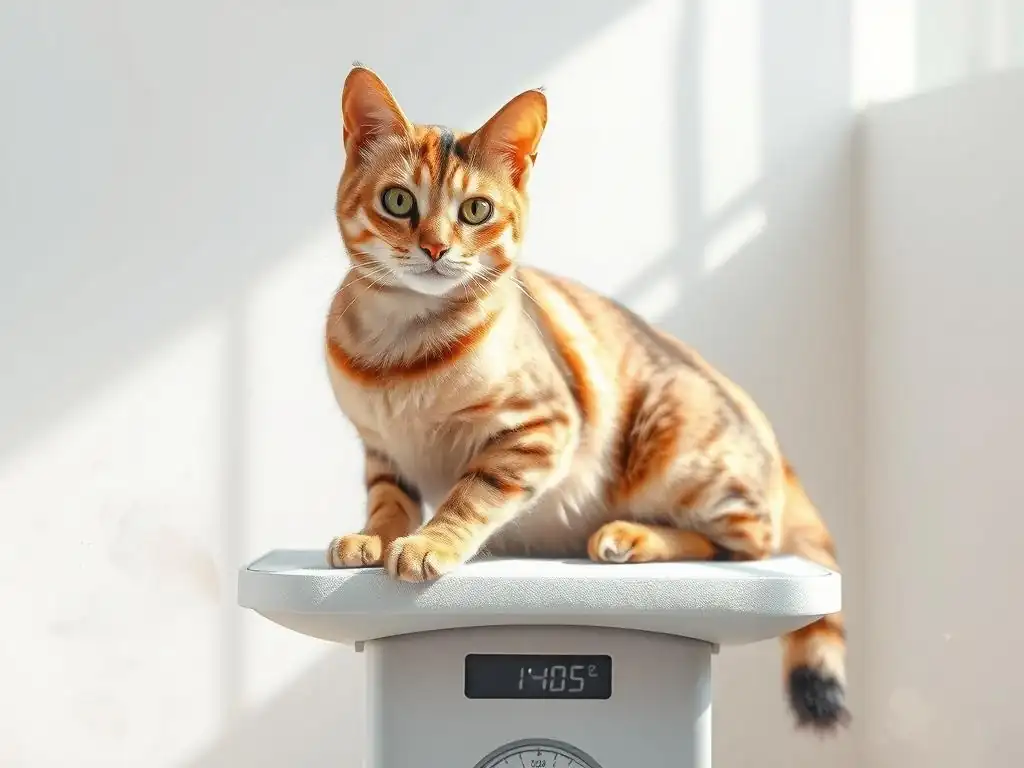
Maintaining an adult cat's healthy weight requires consistent monitoring. This involves a combination of regular at-home weigh-ins and periodic professional veterinary assessments. Ignoring weight fluctuations, whether gain or loss, can lead to serious health complications down the line, impacting your feline companion's quality of life and longevity. Early detection is key to preventing or managing obesity or weight loss in adult cats. Let's delve into the specifics of effective weight monitoring.
Regular Weigh-ins: Tracking Weight Changes Over Time
Regular weighing is the cornerstone of effective weight management for adult cats. Aim to weigh your cat at least once a week, using a pet-specific scale for accurate results. Record these measurements in a journal or spreadsheet, noting the date and weight. This allows you to easily track any changes over time. Even small, seemingly insignificant fluctuations can signal underlying health issues.
For example, a gradual increase of even 0.5 pounds per month could indicate a developing weight problem. Similarly, a consistent decrease of 0.25 pounds per week might suggest a potential health concern requiring veterinary attention. Consistent monitoring allows you to catch these trends early, facilitating timely intervention. The data you collect will be invaluable when discussing your cat's health with your veterinarian.
Consider using a digital pet scale for improved accuracy. These scales often offer features like weight tracking and data storage, simplifying the monitoring process. Remember to always weigh your cat on the same scale, at the same time of day, and ideally before feeding, for the most consistent results.
Body Condition Scoring: Assessing Your Cat's Weight Visually
While regular weigh-ins provide numerical data, body condition scoring (BCS) offers a visual assessment of your cat's weight and overall health. BCS involves evaluating your cat's body fat distribution by feeling their ribs, spine, and hip bones. A proper BCS is crucial for adult cat healthy weight tips.
A healthy adult cat should have a BCS of 5 out of 9, where 1 represents emaciation and 9 represents severe obesity. A BCS of 5 means you can easily feel the ribs but they are not prominent, and a small waist is visible when looking down at your cat. A higher score indicates excess weight, while a lower score indicates weight loss. Learning to perform BCS effectively requires practice, but it’s a valuable skill for any cat owner.
Here's a simplified guide:
| BCS Score | Description |
|---|---|
| 1-3 | Severely underweight; ribs, spine, and hip bones easily visible. |
| 4 | Underweight; ribs easily palpable. |
| 5 | Ideal; ribs palpable with slight pressure, waist visible. |
| 6 | Overweight; ribs palpable with more pressure, waist less defined. |
| 7-9 | Severely overweight; ribs difficult to palpate, significant abdominal fat. |
Regularly assessing your cat's BCS alongside weight measurements provides a comprehensive picture of their weight status and helps identify potential problems early on. This combination of methods is vital for adult cat healthy weight tips.
Veterinary Check-ups: Importance of Professional Assessment
Regular veterinary check-ups are essential for monitoring your adult cat's overall health, including their weight. Your veterinarian can accurately assess your cat's BCS, conduct a thorough physical examination, and run any necessary tests to rule out underlying medical conditions contributing to weight gain or loss.
Veterinary visits also provide an opportunity to discuss your cat's diet, exercise routine, and lifestyle choices, allowing your vet to offer personalized advice and guidance tailored to your cat's specific needs. They can also help you develop a weight management plan, if necessary, incorporating a balanced diet and appropriate exercise. Remember, your veterinarian is a valuable resource in maintaining your adult cat's healthy weight and overall well-being.
Don't hesitate to seek professional advice if you have any concerns about your cat's weight. Early intervention is crucial for preventing and managing weight-related health problems in adult cats. This holistic approach, combining home monitoring with professional veterinary care, ensures the best possible outcomes for your feline friend.
Addressing Weight Issues with Your Veterinarian: Treatment Plans
Addressing weight problems in adult cats requires a multifaceted approach, and veterinary intervention is crucial, especially if your cat is significantly overweight or underweight. Your veterinarian will conduct a thorough examination, assessing your cat's overall health and identifying any underlying medical conditions that might be contributing to the weight issue. This might involve blood tests to check for hyperthyroidism (a common cause of weight loss in older cats), diabetes, or kidney disease. They might also perform a physical exam to check for any other health problems that could be impacting your cat's weight.
Once the underlying cause, if any, is identified, your vet will work with you to develop a personalized treatment plan. This plan will likely involve dietary adjustments, tailored to your cat's specific needs and health condition. For overweight cats, this might mean switching to a lower-calorie, higher-fiber diet formulated for weight management. The vet might recommend specific brands or types of food, emphasizing portion control and regular feeding schedules. For underweight cats, the focus might be on increasing caloric intake through higher-calorie foods or supplemental feeding. This might involve adding wet food to their diet or introducing calorie-dense treats.
Beyond dietary changes, your veterinarian might also recommend lifestyle modifications. This could include increasing your cat's physical activity through interactive play sessions, using puzzle feeders to stimulate their hunting instincts, or even incorporating short walks on a harness and leash (if your cat is amenable to it). Regular exercise is vital for maintaining a healthy weight and improving overall fitness. The vet will help you determine the appropriate level of activity based on your cat's age, health, and breed.
In some cases, particularly for cats with underlying medical conditions, medication might be necessary as part of the treatment plan. For instance, if hyperthyroidism is identified, medication to manage the condition will likely be prescribed. Your vet will carefully monitor your cat's progress throughout the treatment, adjusting the plan as needed based on their response. Regular weigh-ins are essential to track progress and make sure the treatment plan is effective. Remember, patience and consistency are key to successfully managing your cat's weight, and your veterinarian is your most valuable partner in this process. They will provide guidance, support, and ongoing monitoring to ensure your cat achieves and maintains a healthy weight. Don't hesitate to contact your vet if you have any concerns or notice any changes in your cat's appetite, activity level, or weight. Early intervention is crucial for preventing serious health complications associated with obesity or malnutrition in cats.
Preventing Weight Gain in Adult Cats: Long-Term Strategies

Maintaining a healthy weight for your adult cat is crucial for their overall well-being and longevity. Preventing weight gain requires a proactive approach, focusing on lifestyle changes and consistent monitoring. Simply put, prevention is far easier, and kinder to your cat, than dealing with weight loss later. This section will explore long-term strategies to help you keep your feline friend at their ideal weight, focusing on consistent feeding, regular vet visits, and addressing potential health problems.
Maintaining a Consistent Feeding Routine
A regular feeding schedule is paramount in preventing weight gain in adult cats. Avoid free-feeding, where food is available at all times. Instead, measure out their daily food allowance according to their weight, age, and activity level, as directed by your veterinarian. This precise approach ensures your cat receives the correct caloric intake to maintain a healthy weight. Consider using a food scale for accurate portioning, especially if you're using dry kibble.
Many cat owners find success with two meals a day, one in the morning and one in the evening. This mimics a more natural feeding pattern for cats and helps prevent overeating. Remember to always provide fresh, clean water at all times. Observe your cat's eating habits; if they're constantly begging for more food, it might be a sign of an underlying issue or simply that their current portion size is insufficient for their needs – in which case, consult your vet.
You might also consider using puzzle feeders to slow down your cat's eating. These toys encourage them to work for their food, making mealtimes more engaging and stimulating, and helping to prevent them from scarfing it down too quickly. This can be particularly beneficial for cats prone to overeating. Monitoring your cat's weight regularly, ideally weekly, will help you catch any weight fluctuations early.
Regular Veterinary Check-ups and Preventative Care
Regular veterinary check-ups are essential for maintaining your adult cat's overall health, including their weight. Annual visits allow your veterinarian to monitor your cat's weight, assess their body condition score, and detect any potential health problems that might contribute to weight gain. Early detection of conditions like hypothyroidism or diabetes is crucial, as these can significantly impact your cat's metabolism and lead to weight gain.
During these visits, your veterinarian can also discuss appropriate dietary recommendations and exercise strategies to help maintain a healthy weight. They can provide personalized advice based on your cat's breed, age, activity level, and any existing health conditions. Don't hesitate to ask your vet about any concerns you may have regarding your cat's weight or appetite. Preventative care, including regular vaccinations and parasite control, contributes to your cat's overall health and helps prevent weight fluctuations caused by illness.
Addressing Underlying Health Issues Contributing to Weight Gain
Weight gain in adult cats isn't always due to overeating or lack of exercise. Several underlying health issues can contribute to weight gain, sometimes masking themselves as simple weight problems. These issues require veterinary intervention and should not be ignored. Some common health problems that can lead to weight gain include:
- Hypothyroidism: This condition affects the thyroid gland, leading to a slowed metabolism and weight gain.
- Diabetes: This metabolic disorder affects the body's ability to process sugar, often resulting in weight gain and increased thirst and urination.
- Hyperadrenocorticism (Cushing's Disease): This condition involves an overproduction of cortisol, a hormone that can lead to increased appetite and weight gain.
- Polycystic Kidney Disease (PKD): This inherited disease can cause kidney dysfunction, leading to changes in appetite and metabolism.
If you notice your cat gaining weight despite seemingly maintaining a healthy diet and exercise routine, it's crucial to consult your veterinarian. They can perform diagnostic tests to rule out or identify any underlying health problems. Early diagnosis and treatment of these conditions are essential for preventing further complications and improving your cat's quality of life. Remember, addressing the root cause of weight gain is key to achieving and maintaining a healthy weight for your beloved feline companion. Ignoring potential health issues can lead to more severe problems in the future.
Frequently Asked Questions
How can I tell if my adult cat is overweight?
You can assess your cat's body condition score by feeling their ribs. If you can't easily feel them, your cat is likely overweight. A vet check is also recommended for a professional assessment.
What are some healthy weight loss strategies for adult cats?
Gradually reduce your cat's food intake, increase daily exercise (playtime!), and switch to a lower-calorie diet formulated for weight management. Consult your veterinarian for guidance.
What types of food are best for helping my adult cat maintain a healthy weight?
Choose high-quality cat food with a high protein and moderate fat content. Look for foods specifically designed for weight management or adult cats. Avoid foods high in carbohydrates.
How much exercise does my adult cat need to maintain a healthy weight?
The amount of exercise varies depending on your cat's breed and activity level. Aim for at least two 15-minute play sessions daily, using interactive toys to engage them.
My cat is overweight. Should I put them on a diet immediately?
No, sudden dietary changes can be harmful. Consult your veterinarian before making significant changes to your cat's diet or exercise routine. They can help create a safe and effective weight loss plan.
Final Reflection: The Purrfect Weight: A Lifelong Journey
Maintaining a healthy weight for our feline companions is not merely a matter of aesthetics; it's a cornerstone of their overall well-being and longevity. A cat carrying excess weight faces a significantly increased risk of serious health problems, impacting their quality of life and potentially shortening their precious time with us. This is a reality that demands our attention and proactive care.
The journey towards a healthier weight for our adult cats is a continuous process, one that requires understanding, patience, and a deep commitment to their well-being. It's a journey that reflects our love and responsibility as pet owners. This understanding extends beyond simply providing the right food; it encompasses enriching their environment, encouraging play, and fostering a strong bond built on mutual trust and care. The best thing you can give your pet is a long and healthy life, and that starts with responsible ownership.
This quote underscores the profound impact we have on our furry friends' lives.
Now, consider your own cat. Reflect on their current weight, their activity levels, and the quality of their food. Are you providing them with the best possible environment for a healthy lifestyle? Take the information presented in this article and use it as a springboard for positive change. Small adjustments to their diet, increased playtime, and regular veterinary checkups can make a world of difference in their health and happiness. Let's work together to ensure our beloved cats live long, healthy, and fulfilling lives, filled with purrs and playful antics.
Unlock Your Cat's Purrfect Weight: Take Action Today!
Thank you for learning about maintaining a healthy weight for your feline companion! We hope you found our tips helpful in understanding your cat's nutritional needs. Now let's put that knowledge into action.
- Create a personalized weight management plan: Use the information you've learned to develop a diet and exercise plan tailored to your cat's specific needs. Consult your veterinarian for personalized recommendations.
- Share this valuable information: Discuss your cat's weight management journey with other cat lovers on PetCareWorld's community forum. Let's build a supportive network!
- Track your cat's progress and celebrate successes: Monitor your cat's weight and activity levels by keeping a detailed record of their food intake and exercise. Adjust your approach as needed, and remember to celebrate even the smallest victories!
Ready to see your cat thrive? What small step will you take today to improve their health and happiness?