
Natural Scratching Solutions: Safe and Humane Options for Your Feline Friend

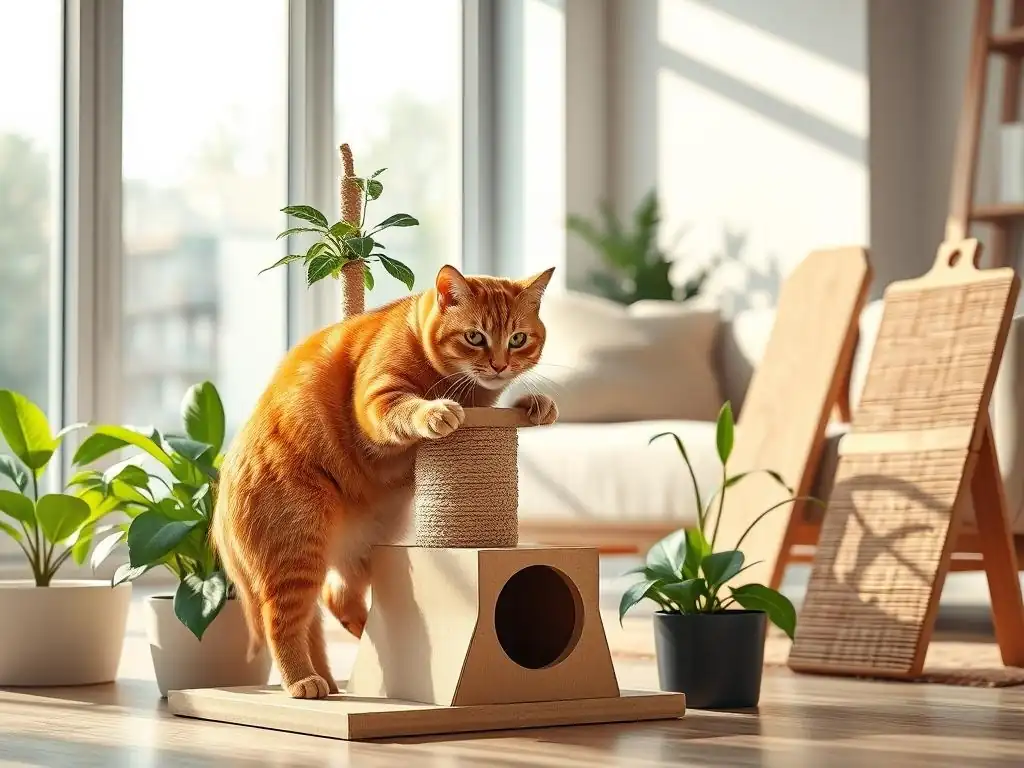
Welcome to PetCareWorld, your ultimate guide to a happier, healthier life for your beloved pets! Are you tired of ruined furniture and frustrated by your cat's incessant scratching? Discover natural scratching post alternatives that will satisfy your feline friend's instinctive needs without sacrificing your home's décor. Explore our expert guide and unlock the secrets to a harmonious co-existence with your cat – read on to learn more!
- Understanding Your Cat's Scratching Behavior
-
Cat Scratching Post Alternatives: Exploring the Options
- Cardboard Scratchers: Affordable and Eco-Friendly Choices
- Sisal Rope Scratching Posts: Durable and Textured Surfaces
- Wooden Scratching Posts: Natural and Appealing Options
- Carpet Scratching Posts: Mimicking Familiar Textures
- Creative DIY Scratching Post Ideas: Repurposed Cardboard Tower, Upcycled Wooden Pallet, Sisal-Wrapped Log
- Enhancing Scratching Post Appeal for Your Cat
- Choosing the Right Scratching Post Alternative for Your Cat
- Preventing Unwanted Scratching: Redirection and Deterrents
- Long-Term Solutions for Happy and Healthy Claws
-
Frequently Asked Questions
- What are some safe alternatives to commercial cat scratching posts?
- Why does my cat scratch furniture even with a scratching post?
- Are there any dangers associated with homemade scratching posts?
- How can I encourage my cat to use a scratching post alternative?
- My cat seems obsessed with scratching the sofa. How can I deter this behavior?
- Final Reflection: Rethinking the Scratching Post: A Pawsitive Future for Cats and Their Humans
- Unleash Your Cat's Inner Zen: Scratching Post Success!
Understanding Your Cat's Scratching Behavior
Cats scratching isn't just a quirky habit; it's a deeply ingrained instinct crucial for their physical and mental well-being. This article explores natural and humane alternatives to declawing, focusing on providing your feline friend with safe and satisfying scratching options that address their innate needs. We'll delve into the reasons behind scratching behavior, help you identify your cat's preferences, and highlight the dangers of declawing, ultimately guiding you towards a solution that benefits both you and your beloved pet.
Understanding your cat's scratching behavior is the first step towards providing them with a safe and enriching environment, minimizing furniture damage, and ensuring their happiness. This guide offers practical advice and solutions for responsible cat ownership, promoting a harmonious coexistence between cats and their human companions. We'll explore a range of "Cat scratching post alternatives" to address the issue effectively and ethically.
Why Cats Scratch: The Instinctual Need
Cats scratch for a multitude of reasons, all stemming from deeply rooted instincts. It's not simply about sharpening their claws; scratching serves several vital purposes:
- Claw Maintenance: Scratching helps cats shed the outer layers of their claws, keeping them sharp and healthy. Think of it like a natural manicure! 💅
- Scent Marking: Cats have scent glands in their paws. Scratching deposits these scents, marking their territory and providing a sense of security and ownership.
- Stretching and Exercise: Scratching provides a fantastic full-body stretch, exercising their muscles and improving flexibility. It's a crucial part of their physical activity.
- Stress Relief: Scratching can be a way for cats to relieve stress and anxiety. A good scratch session can be incredibly therapeutic for them.
Understanding these instinctual needs is key to finding suitable alternatives to traditional scratching posts. Ignoring these needs can lead to behavioral problems and frustration for both the cat and the owner. Providing appropriate scratching surfaces is a proactive and responsible approach to cat ownership, promoting a healthy and happy feline companion.
Identifying Scratching Preferences: Vertical vs. Horizontal
Not all cats are created equal; they have individual preferences when it comes to scratching. Some prefer vertical surfaces, while others favor horizontal ones. Observing your cat's scratching behavior is crucial in selecting the right alternative.
- Vertical Scratchers: These mimic the natural scratching behavior of cats against trees and other vertical objects. They are often preferred by cats who like to stretch upwards while scratching.
- Horizontal Scratchers: These are better suited for cats who prefer a more grounded scratching experience. They might be more comfortable lying down or rubbing their bodies along a horizontal surface while scratching.
Consider your cat's body language and preferred scratching positions. Do they stand tall and stretch while scratching? Or do they prefer a lower, more relaxed position? This observation will significantly help you choose the most appropriate and effective "Cat scratching post alternatives" for your feline friend. Providing a variety of scratching options can also cater to different moods and preferences.
The Dangers of Declawing: A Humane Approach
Declawing is a barbaric and inhumane procedure that should be avoided at all costs. It involves the amputation of the last bone in each toe, leaving the cat with permanent nerve damage and debilitating pain. This procedure is often compared to having the last bone of your fingers removed, highlighting its severity. The long-term consequences of declawing can include:
- Chronic Pain: Cats can experience chronic pain and discomfort throughout their lives after declawing.
- Behavioral Problems: Declawed cats may develop behavioral issues due to pain and frustration, such as aggression or litter box problems.
- Inability to Defend Themselves: Declawing leaves cats vulnerable to injury and unable to defend themselves against predators or other cats.
There is simply no justification for such a cruel procedure when effective, humane alternatives exist. Providing appropriate scratching surfaces is a responsible and ethical way to address the issue of unwanted scratching, ensuring your cat's well-being and preventing unnecessary suffering. Opting for "Cat scratching post alternatives" is a compassionate choice that prioritizes your cat's health and happiness.
Cat Scratching Post Alternatives: Exploring the Options
This section delves into effective and humane alternatives to traditional cat scratching posts, addressing the needs of cats while providing pet owners with diverse options. We explore various materials and designs that cater to different feline preferences and home aesthetics, offering solutions for the discerning cat owner seeking to prevent destructive scratching behavior while promoting their cat's well-being.
Remember, providing appropriate scratching surfaces is crucial for your cat's physical and mental health, preventing potential behavioral issues stemming from unmet instinctual needs. Finding the right alternative can transform your home from a battleground to a harmonious space for both you and your feline companion.
Cardboard Scratchers: Affordable and Eco-Friendly Choices
Cardboard scratchers represent a readily available and budget-friendly solution to satisfy your cat's scratching instincts. Their affordability makes them easily replaceable, especially crucial for cats who are particularly enthusiastic scratchers. Many commercially available options are designed with enticing textures and shapes, often incorporating catnip for added appeal.
Furthermore, cardboard scratchers offer an eco-friendly alternative to synthetic materials. Made from recycled cardboard, they are biodegradable and contribute less to environmental waste compared to plastic or other synthetic scratching posts. This aligns with the growing trend towards sustainable pet products, appealing to environmentally conscious cat owners.
Consider the thickness of the cardboard when selecting a scratcher; thicker cardboard will generally last longer. Observe your cat's scratching behavior to gauge their preference for corrugated or flat cardboard surfaces. Some cats prefer the texture of corrugated cardboard, while others might find a flatter surface more appealing. You can even experiment with different thicknesses and textures to find your cat's favorite. Regular replacement is key to maintaining their appeal, and the relatively low cost makes this a practical solution.
Sisal Rope Scratching Posts: Durable and Textured Surfaces
Sisal rope scratching posts are known for their exceptional durability and the satisfying texture they provide for cats. The coarse fibers of sisal rope effectively mimic the feel of tree bark, a natural scratching surface that appeals to a cat's innate instincts. Unlike cardboard, sisal rope posts are designed to withstand prolonged and vigorous scratching, making them a longer-lasting investment.
The robust nature of sisal rope allows for various designs, from simple upright posts to more elaborate structures incorporating tunnels or platforms. This variety ensures you can find a scratching post that complements your home décor and caters to your cat's preferences. Sisal rope is also relatively easy to clean; simply wipe down the surface with a damp cloth to remove loose fibers or dirt.
The durability of sisal rope scratching posts translates into a cost-effective solution in the long run. While the initial investment might be slightly higher than cardboard alternatives, the extended lifespan of a sisal post reduces the need for frequent replacements, making it a more economical choice over time. The textural appeal and lasting quality make sisal rope scratching posts a popular and reliable option for many cat owners.
Wooden Scratching Posts: Natural and Appealing Options
Wooden scratching posts offer a natural and aesthetically pleasing alternative to synthetic materials. The inherent durability of certain wood types, such as sturdy hardwoods, ensures longevity and resistance to wear and tear from enthusiastic scratching. The variety of wood types and finishes available allows for integration with different home styles. Some cats are particularly drawn to the natural scent and texture of wood, making this a highly appealing choice.
However, not all wood types are equally suitable. Softer woods might wear down more quickly than hardwoods. Additionally, consider the type of finish applied to the wood. Avoid finishes that contain toxic chemicals that could be harmful to your cat if ingested. Look for water-based, non-toxic finishes specifically designed for pet-friendly products.
The visual appeal of wooden scratching posts can enhance your home's décor. Many are designed with sleek and modern aesthetics, easily blending into various interior design styles. The natural look and feel can create a more harmonious environment compared to plastic scratching posts, adding a touch of elegance to your home while providing a crucial scratching surface for your cat. The natural texture and scent of the wood can be particularly appealing to cats, encouraging them to use the post rather than your furniture.
Carpet Scratching Posts: Mimicking Familiar Textures
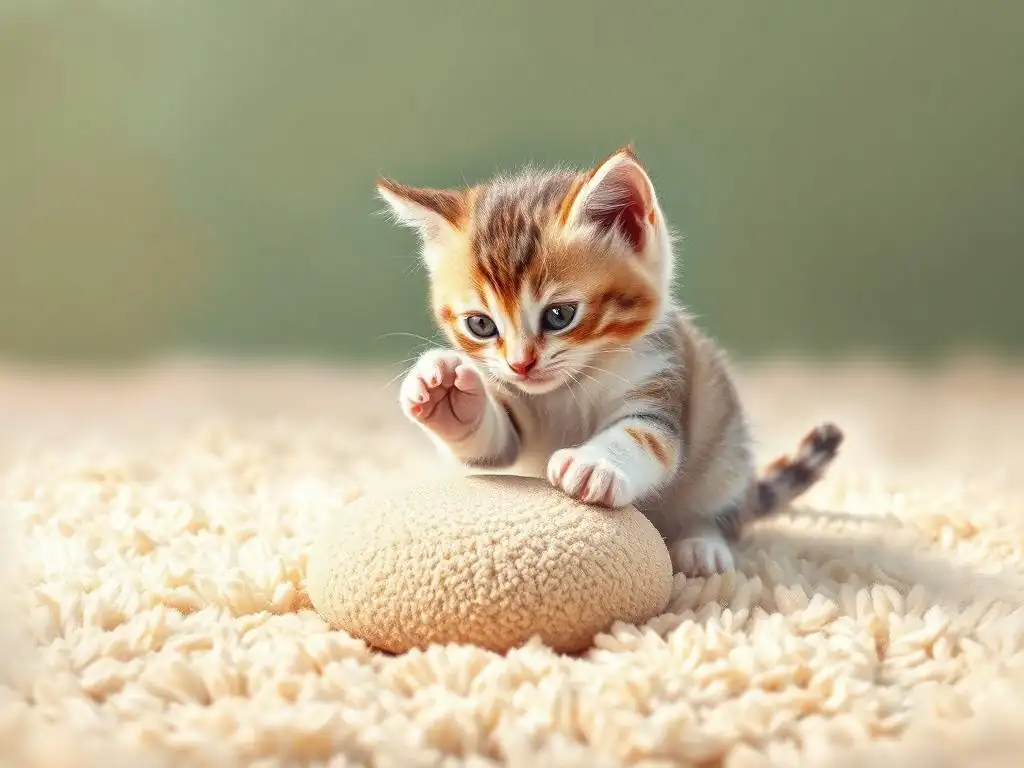
Cats often gravitate towards carpeting because of its familiar texture, mimicking the feel of their natural scratching surfaces. Carpet scratching posts offer a clever alternative to traditional posts, providing a similar tactile experience that satisfies a cat's instinctive scratching needs. The key to success with a carpet scratching post lies in choosing the right carpet type. A tightly woven, durable carpet is essential; otherwise, your cat's claws might quickly tear it apart, defeating the purpose.
Consider using remnants of carpet from home renovations or purchasing small sections from a flooring store. These can be easily attached to sturdy bases, such as a piece of plywood or even a heavy-duty cardboard box. The carpet should be securely fastened to prevent unraveling and ensure longevity. You can further enhance the appeal by slightly roughening the surface of the carpet with a stiff brush, which will provide even more stimulation for your feline friend's claws.
This simple yet effective alternative provides a familiar and enticing scratching surface while protecting your furniture. Remember to regularly inspect the carpet for wear and tear and replace it as needed to maintain its effectiveness and safety. Properly maintained, a carpet scratching post can be a cost-effective and long-lasting solution to destructive scratching behavior. Furthermore, consider strategically placing it near areas where your cat typically scratches, such as furniture legs or corners, to encourage its use.
Creative DIY Scratching Post Ideas: Repurposed Cardboard Tower, Upcycled Wooden Pallet, Sisal-Wrapped Log
For the truly creative pet owner, crafting a DIY scratching post offers a unique opportunity to personalize the solution and potentially save money. Several readily available materials can be repurposed into stimulating scratching surfaces.
A Repurposed Cardboard Tower is a surprisingly effective and inexpensive option. By layering several sturdy cardboard boxes of varying sizes, you can create a multi-level scratching structure. To reinforce the structure and prevent collapse, use strong tape or glue to secure the boxes together. Cover the exterior with sisal rope or carpet remnants to provide a textured scratching surface. This project is particularly suitable for cats who enjoy climbing and exploring. The vertical orientation mimics the natural scratching behavior of many cats, who often stretch and scratch on upright surfaces.
An Upcycled Wooden Pallet offers a more rustic and sturdy alternative. Clean and thoroughly sand a used wooden pallet to remove splinters and ensure a smooth surface. Then, wrap the pallet's slats with sisal rope or carpet, ensuring that the material is tightly wrapped and secured to prevent unraveling. The pallet's inherent strength and size make it an excellent option for larger cats or those who scratch with significant force. It also offers a broader scratching surface, catering to different scratching styles. Remember to securely attach the pallet to a stable base to prevent tipping.
Finally, a Sisal-Wrapped Log provides a natural and aesthetically pleasing option. Select a sturdy, untreated log of appropriate size and wrap it tightly with sisal rope. This option provides a firm, textured scratching surface that mimics the feel of tree bark, a natural scratching target for many cats. The natural look integrates well with various home decor styles and can be placed discreetly in a corner or other suitable location.
Ensure the log is securely fastened to a base to prevent it from rolling or moving. These DIY projects not only provide cost-effective scratching solutions but also allow for customization, enabling you to create a unique and appealing scratching post tailored to your cat's preferences and your home's aesthetic. Remember safety is paramount; ensure all materials are non-toxic and securely fastened to prevent injury to your beloved pet.
Enhancing Scratching Post Appeal for Your Cat
Cats scratch for a variety of reasons, including scent marking, stretching, and shedding their outer claw layers. While a scratching post is ideal, sometimes our feline friends are less than enthusiastic about using them. Enhancing the appeal of your scratching post can significantly increase its usage and reduce destructive scratching on furniture. This section focuses on strategies to make your cat love their scratching post, thus reducing the need for alternative scratching solutions.
Placement Strategies for Optimal Scratching Behavior
Strategic placement is crucial for scratching post success. Cats often prefer to scratch in locations that offer a sense of security and visibility. Avoid placing the post in high-traffic areas or near loud noises. Consider these placement options:
- Near resting areas: Placing the scratching post near your cat's favorite sleeping spots or lounging areas encourages frequent use. The transition from rest to scratch is natural and convenient for them.
- Along high-traffic routes: Strategically positioning the post along pathways your cat frequently uses can increase incidental scratching. They'll brush against it naturally, potentially leading to scratching.
- Vertical placement: Cats frequently prefer vertical scratching surfaces. Ensure the post is tall enough for your cat to fully stretch and scratch comfortably.
- Multiple locations: Consider placing multiple scratching posts in different areas of your home, catering to your cat's preferences and movement patterns. This can increase the likelihood of them using at least one of them.
A well-placed scratching post is more likely to be used than one shoved in a corner. Observe your cat's behavior to determine their preferred scratching locations and adjust the post's placement accordingly. Experimentation is key to finding the perfect spot.
Encouraging Use: Toys, Treats, and Positive Reinforcement
Simply placing a scratching post isn't enough; you need to actively encourage your cat to use it. Positive reinforcement techniques, coupled with enticing elements, can make a world of difference.
- Interactive play: Use toys to entice your cat to interact with the scratching post. Dangle a toy from the top, encouraging them to stretch and scratch to reach it.
- Treats and rewards: Reward your cat immediately after they use the scratching post with a tasty treat or a favorite toy. This positive association will reinforce the desired behavior.
- Catnip: Rubbing catnip on the scratching post can be highly effective, especially for cats who respond positively to this herb. It adds an irresistible allure to the otherwise mundane post.
- Different textures: Cats have varied preferences regarding textures. Experiment with different materials like sisal, carpet, cardboard, or even wood to find what your cat prefers. A variety of textures caters to individual preferences, improving the likelihood of adoption.
- Consistency is key: Be consistent with your reward system. Even occasional positive reinforcement can significantly improve your cat's engagement with the scratching post. The more consistent you are, the faster the results.
Addressing Underlying Issues: Stress, Boredom, and Medical Conditions
Sometimes, a cat's reluctance to use a scratching post stems from underlying issues. If you've tried various placement and encouragement techniques without success, consider these possibilities:
- Stress and anxiety: A stressed cat might scratch excessively as a coping mechanism. Identify and address potential stressors in their environment (e.g., new pets, changes in routine, loud noises). Providing a safe and secure space can help reduce stress.
- Boredom: A bored cat might engage in destructive scratching to alleviate boredom. Ensure your cat has enough toys, interactive play sessions, and environmental enrichment to keep them stimulated.
- Medical conditions: In some cases, medical conditions, such as arthritis or claw deformities, can make scratching painful or difficult. If you suspect a medical issue, consult your veterinarian for a proper diagnosis and treatment.
Addressing the root cause of your cat's scratching behavior is crucial for long-term success. By ruling out medical conditions and addressing environmental factors, you can significantly improve the chances of your cat adopting the scratching post as their preferred scratching surface. Remember, patience and understanding are key to a harmonious relationship with your feline companion.
Choosing the Right Scratching Post Alternative for Your Cat
Finding the perfect cat scratching post alternatives can significantly improve your feline companion's well-being and protect your furniture. The key is understanding that "one size does not fit all." Cats have individual preferences, and selecting an alternative that caters to these preferences is crucial for its success. This section will guide you through the process of choosing the ideal scratching solution for your unique cat. We’ll explore factors like personality, preferred textures, and overall lifestyle to help you make an informed decision.
Considering Your Cat's Personality and Preferences
Your cat's personality plays a significant role in determining the ideal scratching surface. Is your cat a rambunctious player, a gentle snuggler, or somewhere in between? This influences the type of scratching post alternative that will best suit them.
For instance, a highly energetic cat might appreciate a larger, more robust scratching pad or a sturdy cardboard scratching lounge that allows for vigorous scratching and play. These options offer ample space for energetic stretching and scratching sessions. Conversely, a more reserved cat might prefer a smaller, more discreet scratching pad placed in a quiet corner of the room. Observing your cat's behavior and identifying their preferred scratching styles—vertical, horizontal, or a combination—is essential for making a suitable selection.
Consider also the texture preference. Some cats are drawn to sisal, others to carpet, and some even prefer cardboard. Experimentation might be necessary to determine your cat's preferred texture. You could offer several small samples of different materials to see which one elicits the most enthusiastic scratching response. This trial-and-error approach can save you time and money in the long run. Remember, patience is key; introducing a new scratching alternative might take time before your cat fully accepts it.
Evaluating Material Durability and Longevity
The longevity of your chosen cat scratching post alternatives is directly correlated with the materials used. Durability is a paramount consideration, especially if you have a particularly enthusiastic scratcher. Some materials are simply more resistant to wear and tear than others.
For example, sisal rope is known for its resilience and durability, making it a popular choice for many cat owners. However, it can be somewhat rough on sensitive paws. Cardboard scratchers, while less durable, are often more affordable and easily replaceable. They also provide a satisfyingly textured scratching experience for many cats. Natural wood, if properly treated, can also be a long-lasting and attractive option. However, ensure the wood is non-toxic and free of harmful chemicals or finishes. Avoid using treated lumber or materials that could splinter and harm your cat.
Below is a table comparing the durability and cost of several common materials:
| Material | Durability | Cost |
|---|---|---|
| Sisal Rope | High | Medium |
| Cardboard | Medium | Low |
| Carpet | Medium-Low | Low-Medium |
| Natural Wood | High | High |
| Fabric (e.g., jute) | Low-Medium | Low-Medium |
Choosing a durable material will ultimately save you money in the long run by reducing the frequency of replacements.
Maintaining and Replacing Scratching Posts
Regular maintenance is crucial to prolong the life of your chosen cat scratching post alternative and ensure its continued appeal to your feline friend. This involves regular cleaning and, in some cases, timely replacement.
For cardboard scratchers, this might involve replacing the entire unit once it becomes excessively worn or damaged. For sisal rope or carpet-covered posts, regular brushing can help remove loose fibers and debris. Spot cleaning with a pet-safe cleaner can address any spills or accidents. Always ensure the cleaning solution is thoroughly dried before allowing your cat to use the scratching surface again.
Regular inspections for wear and tear are crucial, particularly at the base and corners of the scratching post alternative, to prevent potential injury to your cat. A damaged or unstable scratching surface should be replaced immediately. Remember, a well-maintained scratching post alternative will not only prolong its lifespan but also encourage your cat to continue using it, preserving your furniture from damage.
Regularly assess your cat’s interaction with the scratching post alternative. If you notice a decline in its usage, it might be time to consider a replacement or a different type of scratching surface. 😼
Preventing Unwanted Scratching: Redirection and Deterrents
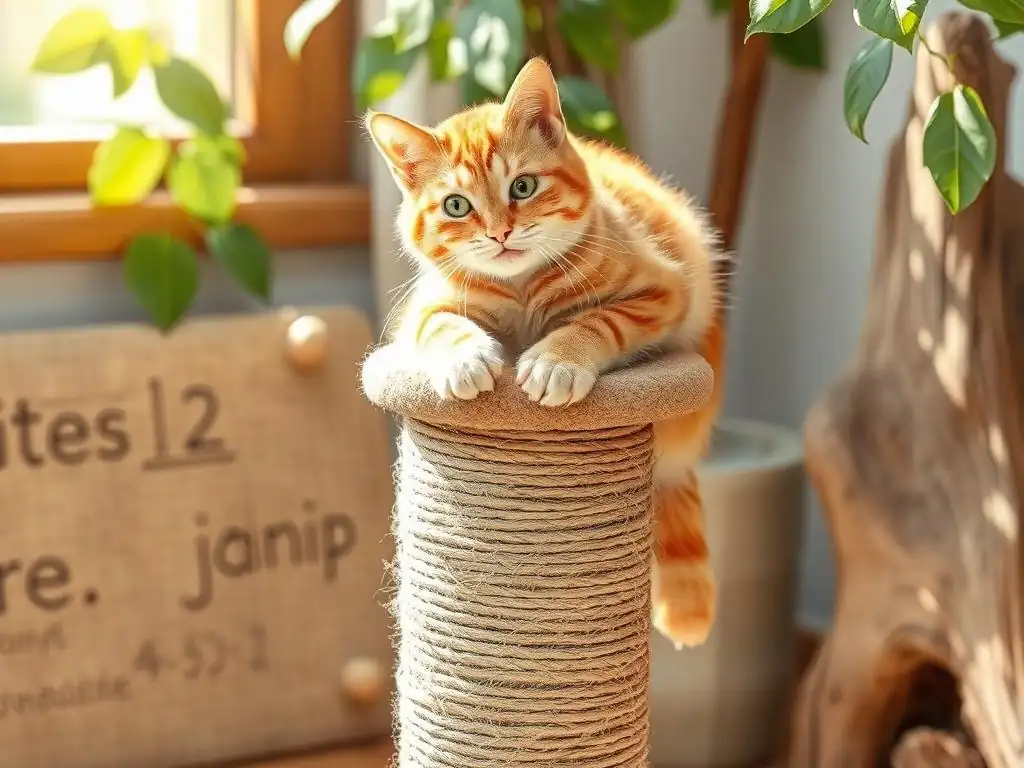
This section focuses on proactive strategies to manage your cat's scratching behavior before it becomes a significant problem. Understanding your cat's scratching motivations is key to effectively redirecting their behavior and preventing damage to your furniture. Cats scratch for several reasons: territory marking (through scent glands in their paws), stretching and sharpening claws, and simply because it feels good. By providing appealing alternatives and deterring undesirable scratching locations, you can gently guide your feline friend towards more appropriate scratching behaviors.
This approach is far more humane than declawing and promotes a positive relationship between you and your cat. Successfully managing unwanted scratching involves a combination of understanding feline behavior and implementing practical solutions. We'll explore some of these solutions in detail below.
Identifying and Addressing Scratching Hotspots
The first step in preventing unwanted scratching is identifying where your cat likes to scratch. This might involve observing your cat's behavior, noting claw marks on furniture, or even examining the carpet for tell-tale signs of wear. Common scratching hotspots include the corners of sofas, the legs of chairs, and door frames. Once you've identified these areas, you can begin to implement strategies to redirect your cat's attention. This might involve covering the affected areas with deterrent materials (discussed in the next section) or strategically placing scratching posts nearby.
Remember, providing appealing alternatives is crucial; a simple scratching post placed next to a frequently scratched sofa may be enough to redirect the behavior. Keep a detailed log of scratching incidents, noting the time, location, and any potential triggers. This data can help you pinpoint patterns and develop a more effective prevention strategy. For example, if your cat consistently scratches the sofa after dinner, it might be related to post-meal energy.
Providing extra playtime or a puzzle feeder could help alleviate this. Consistent observation and record-keeping are essential for understanding your cat's scratching habits and implementing a tailored solution. Think of it as detective work to solve your cat's scratching mystery! 🕵️♀️
Using Deterrents Safely and Effectively: Citrus Sprays, Sticky Tape, Motion-Activated Sprinklers
While redirection is the preferred method, deterrents can be helpful in conjunction with positive reinforcement techniques. However, it's crucial to use deterrents safely and humanely. Never use anything toxic or harmful to your cat. Some commonly used deterrents include:
- Citrus Sprays: Cats generally dislike the scent of citrus. You can create a simple spray by mixing water and citrus essential oils (ensure the oils are cat-safe). Lightly spray the areas your cat scratches, but avoid over-saturating, as this could damage your furniture. Remember that some cats are less sensitive to citrus scents than others.
- Sticky Tape: The unpleasant sensation of sticky tape on their paws can discourage cats from scratching certain surfaces. Double-sided tape is often effective, but ensure you use it carefully to avoid damaging your furniture. Remove the tape regularly to prevent it from becoming soiled or ineffective.
- Motion-Activated Sprinklers: These devices use a sensor to detect movement and spray a burst of water. While effective, they require careful placement to avoid startling or frightening your cat unnecessarily. They're best used as a last resort and should be combined with positive reinforcement techniques.
It's crucial to remember that deterrents should be used in conjunction with positive reinforcement, such as providing a suitable scratching post. The goal is not to punish your cat, but to gently guide them towards more appropriate scratching behaviors. Always monitor your cat's reaction to deterrents and discontinue use if they seem stressed or anxious. Remember, a happy cat is a well-adjusted cat! 😄
Providing Ample Scratching Opportunities Throughout the Home
Offering a variety of scratching surfaces is essential for preventing unwanted scratching. Cats have preferences, so providing options caters to their individual needs and encourages them to use appropriate scratching posts. Consider offering a combination of:
- Vertical Scratching Posts: These mimic trees, allowing cats to stretch and sharpen their claws effectively. Different materials, such as sisal, carpet, or cardboard, can appeal to different cats.
- Horizontal Scratching Surfaces: Some cats prefer to scratch horizontally, so providing a flat scratching board can be beneficial.
- Scratching Pads: These are portable and can be placed in various locations to provide additional scratching opportunities.
The placement of these scratching posts is also crucial. Ideally, you should place them near your cat's favorite sleeping or playing areas, or near the areas where they currently scratch inappropriately. Experiment with different placements to find what works best for your cat. Regularly rotate or replace scratching posts to maintain their appeal.
A worn-out scratching post might lose its appeal to your cat. Remember, providing ample scratching opportunities isn't just about preventing damage; it's about providing for your cat's natural instincts and promoting their overall well-being. A well-provided-for cat is a happy cat, and a happy cat is less likely to seek out inappropriate scratching spots. 😻
Long-Term Solutions for Happy and Healthy Claws
This section delves into sustainable strategies for managing your cat's scratching behavior, focusing on solutions that promote their natural instincts while protecting your furniture. We'll move beyond temporary fixes and explore methods that contribute to your cat's overall well-being. Remember, understanding your cat's scratching needs is key to finding a long-term solution. This isn't just about protecting your sofa; it's about providing a happy and healthy environment for your feline companion. Finding the right approach often involves a combination of strategies tailored to your cat's individual personality and preferences.
Regular Claw Trimming: A Necessary Maintenance Practice
Regular claw trimming is a crucial aspect of responsible cat ownership, and it's often overlooked as a way to mitigate excessive scratching. While it doesn't eliminate the need for scratching posts or alternatives, it significantly reduces the damage inflicted by your cat's claws. Aim to trim your cat's claws every 1-2 weeks, focusing on the sharp tips only.
Avoid cutting into the quick (the pink part of the claw containing nerves and blood vessels), as this can be painful and cause bleeding. If you're unsure how to trim your cat's claws, consult your veterinarian or a professional groomer for guidance. They can demonstrate the proper technique and help you feel comfortable performing this essential task.
Consistent claw trimming minimizes the damage your cat can inflict during scratching, making your furniture safer and your cat happier. Think of it as preventative maintenance for both you and your pet! Regular trimming is a simple yet effective way to manage your cat's scratching behavior and promote overall claw health.
The Importance of Play and Enrichment for Cats
Providing ample opportunities for play and environmental enrichment is paramount in redirecting scratching behavior. A bored or understimulated cat is more likely to resort to destructive scratching as a means of releasing energy and relieving boredom. Interactive play sessions using toys like wands, feathered toys, or laser pointers can help satisfy your cat's hunting instincts and burn off excess energy. These activities not only provide physical exercise but also strengthen the bond between you and your cat.
Furthermore, ensure your cat has plenty of vertical space, such as cat trees or shelves, allowing them to climb, stretch, and survey their territory. This satisfies their natural climbing instincts and provides alternative scratching surfaces. Remember, a happy, enriched cat is less likely to engage in destructive scratching behaviors.
Consider creating a stimulating environment with various textures and hiding places, allowing your cat to explore and express their natural behaviors. A well-stimulated cat is a happy cat, and a happy cat is less likely to destroy your furniture! Investing in engaging toys and creating a stimulating environment is a crucial step in finding effective cat scratching post alternatives.
Frequently Asked Questions
What are some safe alternatives to commercial cat scratching posts?
Many household items can work! Cardboard scratchers, sisal rope wrapped around sturdy posts, or even old carpet scraps glued to a piece of wood can satisfy your cat's scratching needs. Ensure they are securely fastened.
Why does my cat scratch furniture even with a scratching post?
Cats scratch for several reasons: territory marking, shedding outer claw layers, and stretching. Even with a post, they may prefer different textures or locations. Experiment with different materials and placement.
Are there any dangers associated with homemade scratching posts?
Yes, ensure all materials are non-toxic and securely attached. Avoid using anything that could easily unravel and be ingested by your cat. Supervise your cat initially with any new scratching surface.
How can I encourage my cat to use a scratching post alternative?
Positive reinforcement is key! Reward your cat with treats or praise when they use the alternative. Place the alternative near their favorite scratching spot and use catnip to entice them.
My cat seems obsessed with scratching the sofa. How can I deter this behavior?
Try covering the sofa with a deterrent spray (pheromone-based or citrus-scented). Make the scratching post more appealing by placing it near the sofa and rewarding positive scratching behavior. Trim your cat's claws regularly.
Final Reflection: Rethinking the Scratching Post: A Pawsitive Future for Cats and Their Humans
The age-old battle of shredded furniture versus a happy cat is far from over, but the solutions are evolving. Understanding our feline companions' innate need to scratch—a crucial behavior for physical and mental well-being—is key to peaceful co-existence. This isn't just about protecting our sofas; it's about respecting our cats' natural instincts.
The exploration of natural scratching solutions highlights a growing awareness of animal welfare and a shift towards more holistic approaches to pet care. We've moved beyond simply providing a scratching post; we're now considering the texture, material, and placement of these crucial feline tools. This reflects a broader societal change, a deeper understanding of animal behavior, and a commitment to creating harmonious homes for our furry friends. The bond with an animal is as powerful as any human relationship.
This sentiment underscores the importance of understanding and catering to our cats' needs, fostering a stronger and more enriching bond.
Consider the impact of your choices. Will you continue to battle the inevitable destruction, or will you embrace a proactive approach? Choose to understand your cat's needs, explore the diverse range of natural scratching alternatives, and create a home environment where both you and your feline companion can thrive. The journey towards a scratch-free, happy home begins with understanding, and the rewards are a deeper connection with your beloved pet.
Unleash Your Cat's Inner Zen: Scratching Post Success!
Thanks for exploring the world of happy, healthy scratching with us! You've learned how to understand your cat's scratching needs and discover safer, more satisfying alternatives to shredded furniture. Now, let's put that knowledge into action:
- Transform a boring scratching post into an irresistible cat haven: Experiment with different materials like sisal, carpet, or cardboard, and try various locations to find your cat's perfect scratching spot. A little catnip can add extra appeal!
- Share your successes (or challenges!) in the comments below. Let's build a supportive community of cat lovers who are dedicated to solving scratching problems!
- Get creative with scratching solutions: Instead of relying solely on store-bought scratching posts, explore DIY options or repurpose household items. You might be surprised by your ingenuity!
Ready to create a harmonious scratching experience for both you and your feline friend? What's your next step towards a scratch-free home and a happy cat?