
The Importance of Positive Reinforcement in Dog Leash Training

Welcome to PetCareWorld, your ultimate guide to a happier, healthier life for your beloved companion! Are you ready to unlock the secrets to effortless walks and a perfectly behaved pup? We delve into the world of positive dog leash training methods, offering proven techniques that build trust and understanding between you and your canine friend. Discover how to transform walks from stressful struggles into joyful adventures. Dive in and learn more!
- Understanding the Benefits of Positive Dog Leash Training Methods
- Essential Tools for Positive Dog Leash Training
-
Step-by-Step Guide to Positive Dog Leash Training
- Introducing the Leash: Positive Associations and Gradual Introduction
- Loose Leash Walking: Rewarding Calmness and Focus
- Handling Distractions: Positive Reinforcement in Challenging Environments
- Recall Training with the Leash: Building Reliable Recall Skills
- Addressing Pulling: Gentle Corrections and Positive Reinforcement
- Troubleshooting Common Leash Training Challenges
- Maintaining Positive Leash Training Long-Term
- Resources for Further Learning on Positive Dog Leash Training
- Frequently Asked Questions
- Final Reflection: Harnessing the Power of Positive Reinforcement in Dog Training
- Unlock Your Dog's Leash Training Potential!
Understanding the Benefits of Positive Dog Leash Training Methods
Leash training your dog can be a rewarding experience for both you and your canine companion, but the method you choose significantly impacts the outcome. This article delves into the crucial role of positive reinforcement in achieving successful and harmonious leash training. We'll explore why positive methods are superior to punishment-based approaches, emphasizing the importance of building a strong bond during training, and highlighting common pitfalls to avoid.
Understanding and implementing positive dog leash training methods ensures a safer, more enjoyable, and ultimately more effective training process, leading to a well-behaved dog who enjoys walks and readily responds to your commands. This approach is not just about teaching your dog to walk politely on a leash; it’s about fostering a trusting relationship based on mutual respect and positive communication, strengthening the human-animal bond, and improving the overall quality of life for both of you.
Choosing positive dog leash training methods is an investment in a happier, healthier, and more fulfilling relationship with your beloved pet. This guide will equip you with the knowledge and techniques to achieve precisely that, focusing on the keyword "Positive dog leash training methods" and its semantic variations.
Why Positive Reinforcement Trumps Punishment in Leash Training
Punishment-based training methods, often involving harsh corrections or aversive tools, can create fear and anxiety in dogs. This negatively impacts their learning process and can lead to behavioral problems such as aggression, fear biting, or avoidance. In contrast, positive reinforcement focuses on rewarding desired behaviors, such as walking calmly beside you, with treats, praise, or toys. This creates a positive association with the leash and walking, making the experience enjoyable for your dog. The benefits are numerous:
- Improved Learning: Dogs learn faster and more effectively when rewarded for good behavior.
- Reduced Stress: Positive reinforcement minimizes stress and anxiety, creating a more relaxed and enjoyable training experience.
- Stronger Bond: Rewarding good behavior strengthens the bond between you and your dog, fostering trust and cooperation.
- Better Behavior: Positive reinforcement leads to more consistent and reliable behavior, as the dog learns to associate good behavior with positive outcomes.
Consider this: a dog repeatedly punished for pulling on the leash may become fearful of the leash itself, associating it with unpleasant experiences. Conversely, a dog consistently rewarded for loose-leash walking will learn to associate the leash with positive reinforcement, making it more likely to cooperate. The difference is profound and impacts the long-term relationship you have with your dog. 🐶
Building a Strong Bond Through Positive Interactions During Leash Training
Positive reinforcement isn't just about giving treats; it's about creating a positive and engaging training environment. This involves:
- Consistent and clear communication: Use clear verbal cues and hand signals to guide your dog.
- Patience and understanding: Dogs learn at different paces. Be patient and understanding, celebrating even small successes.
- Positive reinforcement: Use high-value rewards that your dog loves, like small pieces of their favorite treats or enthusiastic praise.
- Playful interactions: Incorporate games and play into your training sessions to keep your dog engaged and motivated.
- Regular training sessions: Short, frequent training sessions are more effective than long, infrequent ones.
Building a strong bond through positive interactions during leash training translates to a more cooperative and willing dog. Think of it as a collaborative effort, not a power struggle. The more positive your interactions, the more likely your dog is to engage willingly and learn effectively. This creates a more harmonious and enjoyable experience for both of you.
Avoiding Common Mistakes in Positive Dog Leash Training
Even with positive reinforcement, some common mistakes can hinder progress. These include:
- Inconsistent training: Inconsistency confuses dogs. Ensure everyone in the household uses the same commands and rewards.
- Using punishment alongside positive reinforcement: Mixing punishment with positive reinforcement sends mixed signals and undermines the positive approach.
- Overlooking small successes: Celebrate every small victory to reinforce positive behavior.
- Training sessions that are too long or too intense: Keep training sessions short and fun to maintain your dog's motivation.
- Lack of patience: Dogs learn at their own pace. Be patient and understanding, and celebrate even small successes.
By avoiding these common pitfalls, you can maximize the effectiveness of your positive dog leash training methods. Remember, the goal isn't just to have a well-behaved dog on a leash; it's to build a strong, trusting relationship built on mutual respect and positive communication. This approach ensures a happier, healthier, and more fulfilling relationship with your furry friend for years to come.
Essential Tools for Positive Dog Leash Training
Positive dog leash training methods rely heavily on the right tools. Selecting appropriate equipment is crucial for both your dog's comfort and the success of your training sessions. The wrong tools can inadvertently cause pain or discomfort, undermining your efforts and potentially damaging your relationship with your canine companion. Let's explore the key equipment choices.
Choosing the Right Leash: Flat Leashes vs. Retractable Leashes vs. Herm Sprenger Training Leash
The leash is your primary connection to your dog during training. Different leash types offer varying levels of control and suitability for positive reinforcement training.
- Flat Leashes: These are the most common and generally recommended leashes for positive dog leash training. Their simplicity allows for better control and prevents accidental snags. A standard length of 4-6 feet is ideal for most training situations. Avoid overly long leashes, as they can make it harder to manage your dog's movements and maintain consistent pressure.
- Retractable Leashes: While convenient for walks, retractable leashes are generally not recommended for positive dog leash training. The unpredictable length and sudden jerks can be jarring and frightening for your dog, counteracting the gentle approach of positive reinforcement. The unpredictable nature of the leash also makes it difficult to maintain consistent control and provide clear cues.
- Herm Sprenger Training Leashes: These specialized leashes, often made of strong, lightweight materials like nylon or biothane, offer excellent durability and control. Their design often features a strong clip and a comfortable grip for the handler. While not strictly necessary for all dogs, they can be beneficial for larger or stronger breeds that require more secure handling during training. The key here is always to use positive reinforcement techniques; the leash is merely a tool, not a method of punishment.
Harness vs. Collar: Understanding the Differences for Positive Leash Training
The choice between a harness and a collar significantly impacts your dog's comfort and your training effectiveness.
| Equipment Type | Advantages for Positive Reinforcement Training | Disadvantages | Considerations |
|---|---|---|---|
| Harness | Distributes pressure evenly, reducing choking risk; better for dogs who pull; allows for more control without causing pain. | Can be bulky; some designs can encourage pulling if not fitted correctly. | Choose a front-clip or no-pull harness for optimal control. |
| Collar | Simple, lightweight, and readily available; allows for precise control of head movement (useful for certain commands). | Can cause choking or neck injury if used incorrectly; not suitable for all dogs (e.g., those with neck problems). | Only use a flat collar, never a choke chain or prong collar, with positive reinforcement methods. Ensure a proper fit. |
Choosing the right equipment hinges on your dog's breed, size, temperament, and any pre-existing health conditions. A properly fitted harness or collar is crucial for comfort and avoiding injury. Consult with a veterinarian or professional dog trainer if you are unsure which type is best for your dog.
High-Value Treats for Effective Positive Reinforcement: Zuke's Mini Naturals and Alternatives
Positive reinforcement relies on rewarding desired behaviors with high-value treats. The "high-value" aspect is crucial; your dog needs to find the reward irresistible to effectively associate it with the desired action (walking nicely on the leash).
Zuke's Mini Naturals are a popular choice due to their small size, making them easy to administer during training sessions. Their variety of flavors also helps cater to diverse canine palates. However, Zuke's Mini Naturals are not the only option. You can use various alternatives, depending on your dog's preferences and dietary needs.
Consider these factors when selecting treats:
- Size: Small, easily-consumed pieces are essential for quick rewards during training.
- Smell and Taste: Highly aromatic and flavorful treats are more effective motivators.
- Texture: Soft, easily chewable treats are preferable to hard biscuits.
- Ingredients: Choose high-quality treats with minimal artificial ingredients and allergens. Check for any potential sensitivities your dog may have.
- Nutritional Value: While treats should be used sparingly, they should still contribute positively to your dog's overall diet.
Experiment with different treats to find what works best for your dog. Some dogs are motivated by small pieces of cooked chicken or cheese, while others prefer commercially available training treats. Remember to adjust the treat size and quantity based on your dog's size and activity level. The goal is to reward promptly and consistently. This consistent positive reinforcement is key to successful and humane positive dog leash training methods.
Step-by-Step Guide to Positive Dog Leash Training
This section details practical, positive dog leash training methods to build a strong, positive association with the leash and harness, ultimately achieving loose-leash walking. We'll focus on rewarding calm behavior and managing distractions effectively. Remember, patience and consistency are key for successful positive dog leash training.
Introducing the Leash: Positive Associations and Gradual Introduction
The initial interaction with the leash should be overwhelmingly positive. Avoid forcing the leash onto your dog. Instead, start by letting your dog sniff and investigate the leash. Pair the leash with high-value treats, praise, and enthusiastic encouragement. This creates a positive association from the outset.
Several sessions may be necessary before your dog feels comfortable with the leash. Consider these steps:
- Day 1-3: Let your dog sniff and explore the leash in a relaxed environment. Reward any positive interaction – sniffing, licking, touching. Keep sessions short (5-10 minutes) to avoid overwhelming your canine companion.
- Day 4-7: Gently attach the leash to the harness or collar. Again, reward calm behavior. Let your dog wear the leash for short periods, gradually increasing the duration. Avoid pulling or tugging.
- Day 7 onwards: Begin short walking sessions indoors. Keep the leash loose and reward any moments where your dog walks calmly beside you. If your dog pulls, immediately stop and wait until the tension is released before continuing.
Loose Leash Walking: Rewarding Calmness and Focus
Loose-leash walking is the ultimate goal. This involves your dog walking calmly by your side, without pulling ahead or lagging behind. This requires consistent positive reinforcement.
Here's a breakdown of effective techniques:
- Reward-Based Training: Use high-value treats to reward your dog for walking calmly beside you. The moment your dog walks with a loose leash, immediately reward them. The timing is crucial – reward during the desired behavior.
- Change of Direction: If your dog pulls, change direction immediately. This redirects their attention and breaks the pulling habit. Don't pull back on the leash; instead, use the change of direction as a corrective measure.
- Frequent Rewards: Initially, reward frequently. As your dog learns, gradually decrease the frequency of rewards, maintaining intermittent reinforcement to keep them engaged and motivated.
| Training Phase | Reward Frequency | Duration | Environment |
|---|---|---|---|
| Initial Introduction | Every 2-3 seconds | 5-10 minutes | Quiet, familiar space |
| Indoor Walking | Every 5-10 seconds | 10-15 minutes | Indoors |
| Outdoor Walking (easy) | Every 10-15 seconds | 15-20 minutes | Low-distraction area |
| Outdoor Walking (challenging) | Every 15-20 seconds | 20+ minutes | More stimulating environment |
Remember, consistency is paramount. Practice loose-leash walking in various locations to help your dog generalize the learned behavior.
Handling Distractions: Positive Reinforcement in Challenging Environments
Once your dog walks well on a loose leash in quiet environments, introduce distractions gradually. This builds resilience and helps your dog maintain focus even when faced with temptations.
Strategies to manage distractions:
- Gradual Introduction: Start with minimal distractions, gradually increasing the level of stimulation. For example, begin with a quiet park and then progress to busier areas.
- High-Value Rewards: Use extra-special treats during challenging situations to maintain your dog's focus. The increased reward value compensates for the increased difficulty.
- Premack Principle: Use the Premack principle ("Grandma's rule") – allow your dog to engage in a preferred activity (like playing fetch) after successfully navigating a distracting environment. This reinforces the desired behavior.
Remember, setbacks are normal. If your dog struggles, return to a less challenging environment and gradually reintroduce distractions. Celebrate small victories and maintain a positive and patient approach. 🎉 Your dedication to positive dog leash training methods will build a strong bond with your canine companion and ensure safe, enjoyable walks together.
Recall Training with the Leash: Building Reliable Recall Skills
Recall training is crucial for safe and enjoyable walks. It's about teaching your dog to come back to you reliably when called, even with distractions. Start in a quiet, enclosed area, like your backyard. Attach the leash, but keep it loose. Use a cheerful, upbeat tone and a cue word like "Come!" or "Here!". When your dog responds, immediately reward them with enthusiastic praise, a favorite toy, or a small treat. Repeat this process multiple times, gradually increasing the distance and introducing minor distractions like a dropped toy or a gentle wave.
As your dog's recall improves, you can start incorporating more challenging distractions. This might involve walking past other dogs, or near busy streets (always ensuring safety). The key is to maintain positive reinforcement consistently. If your dog doesn't come when called, avoid punishment.
Instead, gently guide them back with the leash, and then reward them for returning. Never punish your dog for not coming the first time; this creates fear and undermines the positive reinforcement approach. Build up their confidence and association with positive experiences through consistent, patient training. Remember to keep training sessions short and fun, ending on a positive note.
A tired dog is less likely to focus, so adjust the length of training sessions accordingly. Consistency is key; practice recall training regularly, even in short bursts throughout the day, to build a strong, reliable recall. This will not only make walks safer and more enjoyable, but it will also strengthen your bond with your dog.
Addressing Pulling: Gentle Corrections and Positive Reinforcement
Pulling on the leash is a common problem, but it can be effectively addressed using positive reinforcement methods. Avoid harsh corrections, which can damage your relationship with your dog and create fear-based avoidance. Instead, focus on rewarding your dog for walking loosely beside you. When your dog starts to pull, immediately stop walking. This interruption signals to them that pulling doesn't lead to progress. Wait patiently until the leash slackens, then praise your dog and reward them. This teaches them that walking calmly beside you is the way to get moving and earn rewards.
Use a variety of techniques to keep your dog engaged and prevent pulling. Try changing directions unexpectedly, offering treats and praise for walking loosely, or incorporating short periods of free play during your walks. If your dog is consistently pulling, you might consider using a front-clip harness or a head halter.
These tools redirect the pulling force, making it more difficult for your dog to pull effectively, but they should always be used in conjunction with positive reinforcement. Never yank or jerk the leash; this can cause pain and injury and damage the trust you've built with your dog. The goal is to teach your dog that walking calmly by your side is the most rewarding way to enjoy a walk.
Remember to maintain a relaxed and calm demeanor during training; your dog is highly sensitive to your emotional state. By consistently rewarding loose-leash walking and patiently redirecting pulling behaviors, you will successfully teach your dog to walk politely alongside you.
Troubleshooting Common Leash Training Challenges
This section delves into common problems encountered during positive dog leash training and offers practical solutions to overcome them. Remember, patience and consistency are key to success. Using positive reinforcement methods consistently will yield the best results for your canine companion. This approach focuses on rewarding desired behaviors rather than punishing unwanted ones, creating a more positive and effective learning experience for your dog.
Excessive Pulling: Identifying and Addressing the Root Causes
Excessive pulling on the leash is a frequent complaint among dog owners. It's rarely a sign of disobedience; instead, it often stems from underlying issues. Let's explore some common causes and effective strategies for addressing them.
Many dogs pull because they are highly motivated by something in their environment. This could be the exciting smell of another dog, a squirrel darting across the street, or even just the sheer joy of being outside. Their excitement overrides their training, leading to pulling. To combat this, we need to manage their excitement and reward calm behavior.
Another frequent cause is a lack of clear communication. The dog might not understand what you expect. Are you providing clear cues? Is your dog even paying attention to you? This lack of clarity can lead to frustration for both you and your dog, resulting in pulling.
Finally, some dogs pull due to physical discomfort. A poorly fitting harness or collar can cause pain or restrict movement, encouraging pulling as a way to alleviate discomfort. Ensure your dog's equipment fits correctly and comfortably.
Here's a table summarizing potential causes and solutions for excessive pulling:
| Cause | Solution |
|---|---|
| High Excitement/Motivation | Use high-value rewards (e.g., small pieces of favorite treats) for loose-leash walking. Practice in low-distraction environments initially. |
| Lack of Clear Communication | Use clear verbal cues and consistent hand signals. Ensure your dog understands what "loose leash" means. |
| Physical Discomfort | Check your dog's harness or collar for proper fit. Consider alternative equipment if needed. |
To effectively address pulling, start with short, frequent training sessions in quiet areas. Gradually introduce more distractions as your dog improves. Remember to reward any attempt at loose-leash walking, no matter how small. Positive reinforcement strengthens the desired behavior.
Fear and Anxiety During Walks: Creating a Positive and Safe Walking Experience
Some dogs exhibit fear or anxiety during walks, leading to pulling, barking, or cowering. This behavior can stem from past negative experiences, sensory sensitivities, or a lack of socialization.
Creating a positive and safe walking experience is crucial for these dogs. Start by identifying the triggers that cause anxiety. Is it loud noises, other dogs, or specific locations? Once identified, you can gradually desensitize your dog to these triggers.
This involves exposing your dog to the trigger at a distance where they remain calm. Reward their calm behavior with treats and praise. Gradually decrease the distance as your dog's confidence grows. Never force your dog into a situation that causes extreme fear.
Consider using calming aids like pheromone diffusers or supplements, but always consult your veterinarian before introducing any new products. A comfortable and well-fitting harness can also make a difference. Avoid using retractable leashes, which can exacerbate anxiety by giving the dog too much freedom and creating unpredictable tension.
Remember, patience and understanding are paramount. Progress may be slow, but consistent positive reinforcement will help your dog develop confidence and overcome their anxieties. Celebrate even the smallest victories!
Ignoring Distractions: Building Focus and Concentration
Distractions are a major hurdle in leash training. Squirrels, birds, other dogs—the world is full of exciting things that can pull your dog's attention away from you. The key is to build your dog's focus and concentration on you, even amidst these distractions.
Start by practicing in low-distraction environments. Once your dog reliably walks on a loose leash in a quiet area, gradually introduce more distractions. Begin with minimal distractions, such as a single person walking by, and slowly increase the level of stimulation.
Reward your dog profusely for maintaining focus on you when distractions appear. Use high-value treats and enthusiastic praise. If your dog becomes distracted, gently redirect their attention back to you with a verbal cue or a slight tug on the leash (always gentle!). Never punish your dog for being distracted; instead, reward them for returning their focus to you.
Games like "find it" can also help improve focus. Hide treats around your training area and have your dog find them. This strengthens their ability to concentrate and follow your directions. Remember, building focus is a gradual process. Celebrate small successes and maintain a positive training environment. Consistency and patience are key to success in overcoming distractions during your positive dog leash training.
Maintaining Positive Leash Training Long-Term
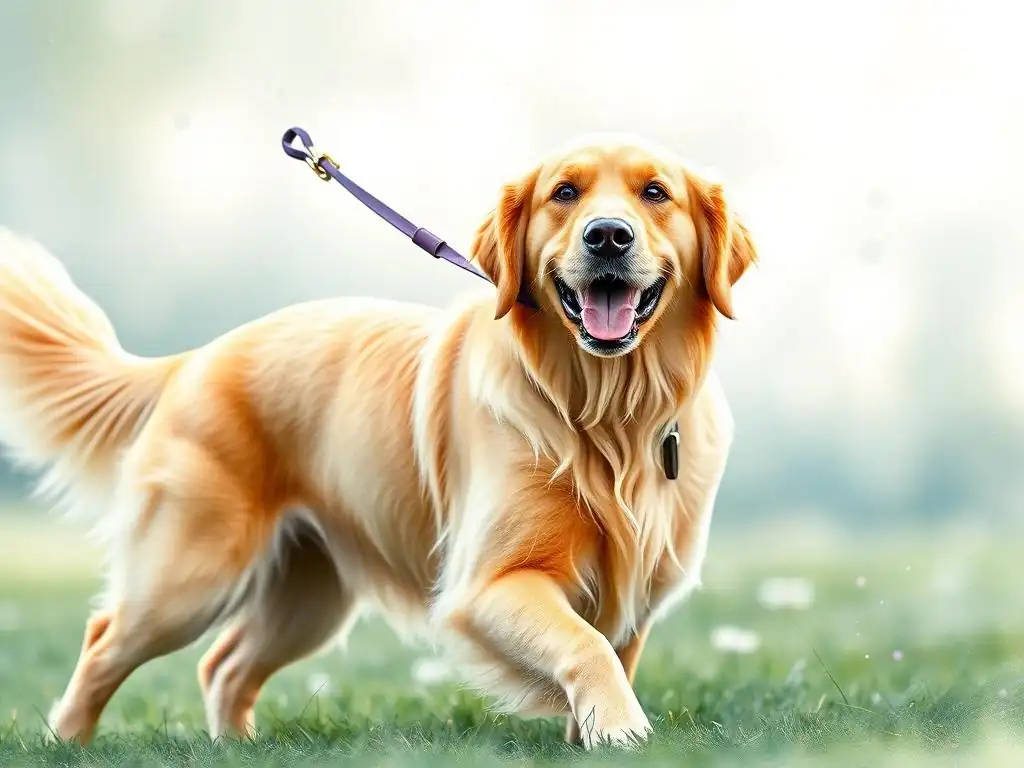
Successfully leash training your dog using positive reinforcement methods isn't a one-time achievement; it's an ongoing process. Consistency and a continued commitment to positive interactions are crucial for maintaining good leash manners and preventing regressions. This section explores strategies to ensure your dog's positive leash training remains effective over time, addressing common challenges and setbacks along the way. Remember, the goal is to build a strong, positive association between the leash and enjoyable experiences. This fosters a willing and happy canine companion, eager to walk politely by your side.
Consistency is Key: Maintaining Positive Reinforcement Techniques
Maintaining positive reinforcement techniques requires consistent effort and mindful application. Even after your dog masters basic leash walking, occasional lapses can occur. To avoid this, continue to reward good behavior regularly, even when it seems effortless. A simple "Good dog!" and a pat on the head can go a long way. It is also important to maintain a predictable routine. Walking your dog at the same time each day, for example, can help establish a sense of regularity and expectation, reinforcing the positive associations with leash time.
Consider using a variety of rewards, keeping your dog engaged. These could include verbal praise, high-value treats, a favorite toy, or even a brief game of fetch after a successful walk. Varying the rewards prevents your dog from becoming bored or desensitized to a single type of reinforcement. The key is to keep the positive reinforcement rewarding and unpredictable enough to keep your dog motivated. Remember, even small, seemingly insignificant rewards contribute to a positive learning experience. This will help sustain the positive association between the leash and positive reinforcement over time.
Continued Reward and Positive Interactions
Beyond formal training sessions, maintaining a positive relationship with your dog is vital to long-term success. This involves incorporating positive reinforcement into your daily interactions. For example, even during casual walks, reward calm behavior and loose-leash walking with praise and occasional treats. Avoid corrections or harsh words; instead, redirect unwanted behaviors gently and positively.
Consider incorporating positive reinforcement games into your daily routine. This could involve simple games like "find the treat" or "chase the toy," using the leash as part of the game. This helps solidify the positive association with the leash and prevents it from becoming a source of anxiety or stress. A relaxed and happy dog is more likely to cooperate during walks and maintain good leash manners. The more positive interactions you have with your dog, the stronger the bond will be, leading to better cooperation and a stronger, more reliable response to your cues.
Addressing Setbacks and Relapses with Positive Reinforcement
Even with consistent effort, setbacks can occur. Your dog might suddenly pull on the leash, become distracted, or exhibit other unwanted behaviors. However, this is not a reason to revert to harsh correction methods. Instead, use these setbacks as learning opportunities to reinforce positive behaviors.
If your dog pulls, gently redirect their attention back to you with a positive cue like "look at me" or "let's go," followed by an immediate reward upon compliance. If they become distracted, try using higher-value treats or changing your walking route to minimize distractions. Remember, consistency is key, even during challenging moments. Never punish your dog for pulling or other unwanted behaviors.
This will only create fear and anxiety, undermining the positive relationship you've worked hard to build. Instead, focus on rewarding the desired behavior consistently and patiently. The positive reinforcement method, despite the occasional setback, will eventually lead to a well-behaved, happy canine companion.
Resources for Further Learning on Positive Dog Leash Training
Learning about positive dog leash training methods is only the first step. Consistent application and ongoing learning are crucial for success. This section provides resources to deepen your understanding and refine your techniques. Remember, patience and consistency are key to building a strong, positive relationship with your dog during leash training.
Recommended Books and Online Courses:
Positive dog leash training relies heavily on understanding canine behavior and learning effective communication strategies. Several excellent resources can guide you on this journey. Investing in quality learning materials can significantly improve your training outcomes and strengthen the bond with your dog.
Here are a couple of examples:
- "The Art of Raising a Puppy" by the Monks of New Skete: While not solely focused on leash training, this book provides a comprehensive foundation in positive reinforcement techniques applicable to all aspects of puppy development, including leash training. Its gentle and patient approach aligns perfectly with the principles of positive reinforcement. The book emphasizes building trust and understanding between dog and owner, which is fundamental to successful leash training.
- "The Clicker Training Revolution" online course (example): Clicker training is a highly effective method using positive reinforcement, often employed in leash training. Many online courses offer detailed instruction and practical exercises. Look for courses taught by certified professionals with experience in positive reinforcement dog training. These courses often provide structured learning paths, allowing you to progress at your own pace and receive feedback on your techniques. The use of clickers provides clear and consistent communication with your dog, making training sessions more efficient and enjoyable for both of you.
Finding a Certified Positive Reinforcement Dog Trainer
While self-learning is valuable, professional guidance can be invaluable, especially if you encounter challenges or plateaus in your dog's leash training. Seeking help from a certified positive reinforcement dog trainer offers several advantages:
- Personalized Guidance: A professional trainer can assess your dog's specific needs and temperament, tailoring a training plan to address individual challenges. This personalized approach ensures optimal results and avoids generic methods that may not be effective for your dog. They can also identify underlying behavioral issues that might be hindering progress.
- Expert Feedback and Correction: A trainer provides immediate feedback on your techniques, helping you correct mistakes and refine your approach. This real-time feedback is crucial for avoiding the development of bad habits in both you and your dog. They can offer practical solutions to common problems and provide encouragement throughout the process.
- Improved Consistency: Consistency is paramount in dog training. A trainer helps you maintain consistency in your training methods, ensuring your dog receives clear and consistent signals. This consistency is essential for effective learning and minimizes confusion for your dog.
- Building Confidence: Working with a professional can boost your confidence in your ability to train your dog effectively. This confidence translates into a more positive and successful training experience for both you and your dog. Many trainers also offer support and guidance beyond the training sessions themselves.
Finding a certified trainer requires research. Look for trainers who are certified by reputable organizations specializing in positive reinforcement methods. Check online reviews and testimonials to gauge their experience and success rate. Remember, choosing the right trainer is an investment in your dog's well-being and your relationship with them. A positive and rewarding training experience is achievable with the right resources and guidance.
Frequently Asked Questions
What is positive reinforcement in dog leash training?
Positive reinforcement focuses on rewarding desired behaviors like walking calmly beside you. This motivates your dog to repeat those actions, unlike punishment-based methods. Treats, praise, and toys are effective rewards.
How do I start positive leash training with my dog?
Begin indoors with short sessions. Reward calm behavior with treats and praise. Gradually introduce the leash, rewarding relaxed responses. Slowly increase the duration and distance of your training sessions.
My dog pulls on the leash; how can positive reinforcement help?
When your dog pulls, immediately stop walking. Only resume when the leash slackens and your dog is walking calmly beside you. Reward this calm behavior consistently. Patience and consistency are key.
What if my dog ignores treats during leash training?
Try different high-value treats your dog loves. Make sure the treats are small enough for easy consumption. You might also try pairing the treat with a verbal cue like "Yes!" to associate the behavior with the reward.
How long does positive leash training typically take?
The time it takes varies depending on your dog's personality and prior experiences. Consistency is more important than speed. Some dogs learn quickly, while others may require more time and patience. Celebrate small victories along the way!
Final Reflection: Harnessing the Power of Positive Reinforcement in Dog Training
The gentle art of positive reinforcement in dog leash training isn't just a trend; it's a revolution in how we understand and connect with our canine companions. By focusing on rewarding desired behaviors rather than punishing unwanted ones, we foster a bond built on trust and mutual respect, leading to happier, better-behaved dogs and more fulfilling relationships with them.
The shift towards positive reinforcement methods has profoundly impacted the way we view animal training, moving away from outdated dominance-based approaches. It's not just about achieving a perfectly behaved dog; it's about nurturing a deeper understanding of canine communication and learning styles. The best dog training is based on building a relationship of trust and mutual respect, not on fear or intimidation.
This quote perfectly encapsulates the heart of the positive reinforcement philosophy and its lasting influence on our interactions with dogs. The impact extends beyond individual dogs and owners, shaping the entire animal welfare landscape and promoting a more compassionate approach to animal care.
You now possess the tools to embark on a journey of positive leash training with your dog. Remember, patience and consistency are key. Embrace the process, celebrate small victories, and cherish the bond you build with your furry friend through understanding and kindness. Start today, and witness the transformative power of positive reinforcement in your own dog's training journey.
Unlock Your Dog's Leash Training Potential!
Thank you for learning about the power of positive reinforcement in leash training! We hope you've gained valuable insights into strengthening your bond with your canine companion. Now, let's put this knowledge into practice.
- Start by implementing one new positive reinforcement technique from this article. Even small changes can make a big difference! Begin by rewarding calm behavior during walks.
- Share your training experiences—both successes and challenges—with other PetCareWorld community members in the comments below. Let's learn from each other!
- Consider recording a short video of your dog exhibiting positive responses; it's a rewarding way to track progress and share your journey!
Ready to see the amazing results of positive reinforcement? What small step will you take today to improve your dog's leash manners?