
The GutBrain Connection: How Digestive Health Affects Your Pet's Wellbeing


Welcome to PetCareWorld, your ultimate guide to a happier, healthier life for your beloved companion! Are you curious about the surprising link between your pet's gut and their overall wellbeing? Discover the profound impact of pet gut health on their behavior, energy levels, and even their brain function in our insightful article, "The Gut-Brain Connection: How Digestive Health Affects Your Pet's Wellbeing." Prepare to unlock the secrets to a thriving and vibrant pet, one healthy gut at a time. Let's dive in!
- Understanding the Pet Gut Microbiome and its Importance
- The Gut-Brain Axis in Pets: A Two-Way Street
- Digestive Issues and Their Impact on Overall Pet Wellbeing
- Improving Pet Gut Health for Better Wellbeing
- Recognizing Symptoms and Seeking Veterinary Care
- Preventing Digestive Problems in Pets: A Holistic Approach
- Pet Gut Health Wellbeing Impact: Long-Term Considerations
- Frequently Asked Questions
- Final Reflection: Unlocking a Happier, Healthier Pet Through Gut Wellness
- Unleash Your Pet's Inner Glow: Nurture Gut Health Today!
Understanding the Pet Gut Microbiome and its Importance
The health of your pet, regardless of species – be it a furry canine companion, a feline friend, or a scaled reptile – is intrinsically linked to the well-being of their digestive system. This isn't just about ensuring regular bowel movements; it's about understanding the intricate world of the gut microbiome and its profound impact on overall health and wellbeing. This article delves into the fascinating "gut-brain connection" in pets, exploring how digestive health directly influences their behavior, immunity, and overall quality of life.
We'll examine the complex ecosystem within your pet's digestive tract, the vital role of beneficial bacteria, and the consequences of an imbalanced gut microbiota, providing you with valuable insights into maintaining optimal pet gut health and wellbeing. Understanding this connection is crucial for proactive pet ownership and preventing numerous health issues.
This knowledge empowers you to make informed decisions about your pet's diet, lifestyle, and healthcare, ultimately contributing to a happier, healthier life for your beloved companion. The impact of a healthy gut on your pet's overall wellbeing cannot be overstated.
The Complex Ecosystem of the Pet Digestive Tract
The pet digestive tract is a bustling metropolis teeming with trillions of microorganisms, including bacteria, archaea, fungi, and viruses. This diverse community, collectively known as the gut microbiome, plays a critical role in various physiological processes. Think of it as a complex ecosystem, where different microbial populations interact with each other and with the host's immune system.
The composition of this microbiome varies depending on several factors, including species, age, diet, and environmental exposures. For example, the gut microbiome of a dog differs significantly from that of a cat, reflecting their unique dietary habits and evolutionary history. A healthy gut microbiome is characterized by a balanced representation of various microbial species, with a predominance of beneficial bacteria.
These beneficial bacteria help in nutrient absorption, synthesize essential vitamins, and protect against harmful pathogens. Maintaining this delicate balance is crucial for optimal digestive health and overall wellbeing in your pet. Disruptions to this balance can lead to various health problems, highlighting the importance of understanding and supporting this complex ecosystem.
Beneficial Bacteria and Their Role in Pet Health
Beneficial bacteria, often referred to as probiotics, are essential components of a healthy gut microbiome. These microorganisms perform a myriad of functions that are crucial for your pet's health. For instance, they aid in the digestion of food, extracting vital nutrients that would otherwise be inaccessible. This improved nutrient absorption contributes to better growth, stronger immunity, and increased energy levels in your pet.
Furthermore, beneficial bacteria produce short-chain fatty acids (SCFAs), which have anti-inflammatory properties and support the integrity of the gut lining. A strong gut lining is essential for preventing the leakage of harmful substances into the bloodstream, a condition known as leaky gut, which can trigger inflammation and allergic reactions throughout the body. Specific strains of beneficial bacteria also contribute to the production of certain vitamins, such as vitamin K and some B vitamins, further enhancing your pet's nutritional status.
The presence of sufficient numbers of these beneficial bacteria helps to crowd out harmful bacteria, preventing the overgrowth of pathogenic microorganisms and maintaining a balanced gut ecosystem. Therefore, supporting the growth of these beneficial bacteria is a cornerstone of maintaining optimal gut health and overall wellbeing in your pet. 🎉
Imbalances in Gut Microbiota: Dysbiosis and its Consequences
An imbalance in the gut microbiota, a condition known as dysbiosis, can have significant consequences for your pet's health. Dysbiosis occurs when the proportion of harmful bacteria increases relative to beneficial bacteria, disrupting the delicate balance of the gut ecosystem. This imbalance can manifest in various ways, ranging from mild digestive upset to more severe health issues. Common symptoms of dysbiosis include diarrhea, vomiting, gas, and changes in appetite.
However, the consequences can extend far beyond the digestive tract. Dysbiosis has been linked to weakened immune function, increased susceptibility to infections, and even behavioral changes. In some cases, chronic dysbiosis can contribute to the development of more serious conditions, such as inflammatory bowel disease (IBD) and allergies.
The exact mechanisms linking dysbiosis to these conditions are still being investigated, but it's clear that maintaining a balanced gut microbiome is essential for preventing various health problems. Understanding the signs of dysbiosis and taking proactive steps to restore gut balance is crucial for ensuring your pet's long-term health and wellbeing. Early intervention can often prevent the development of more serious complications.
The Gut-Brain Axis in Pets: A Two-Way Street
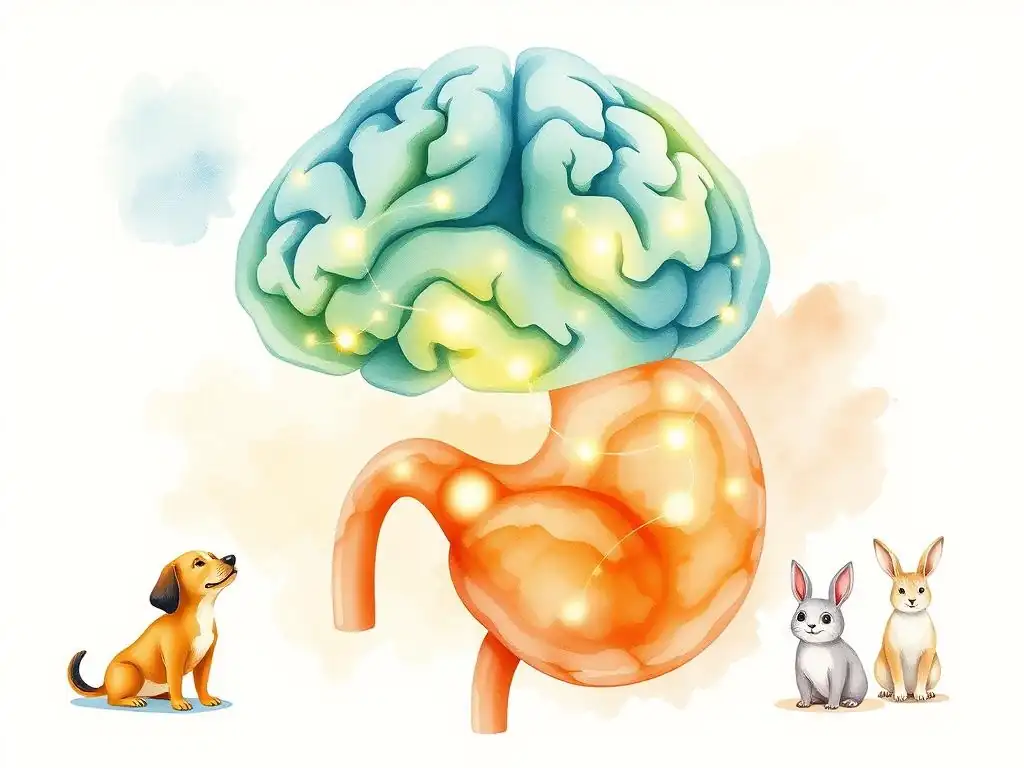
The intricate relationship between the gut and the brain, known as the gut-brain axis (GBA), is increasingly recognized as a crucial factor in overall pet wellbeing. This bidirectional communication system involves complex interactions between the gastrointestinal tract, the nervous system, and the immune system. Understanding this connection is paramount for pet owners, veterinary professionals, and anyone interested in holistic pet care and optimizing pet gut health wellbeing impact.
It's no longer sufficient to consider digestive issues as isolated problems; they often have far-reaching consequences for a pet's behavior, cognitive function, and overall quality of life. This section will delve into the specifics of the GBA in animals, exploring how imbalances can manifest and how proactive strategies can support a healthy gut-brain connection. The impact of a healthy gut on a pet's overall wellbeing is significant and undeniable.
How Gut Health Impacts Brain Function in Animals
The gut microbiome – the trillions of microorganisms residing in the digestive tract – plays a pivotal role in influencing brain function. These microorganisms produce various neurotransmitters, such as serotonin and GABA, which are crucial for regulating mood, anxiety, and cognitive processes. A diverse and balanced gut microbiome, fostered by a healthy diet rich in prebiotics and probiotics, contributes to optimal neurotransmitter production, leading to improved mental wellbeing in pets.
Conversely, dysbiosis – an imbalance in the gut microbiota – can lead to reduced neurotransmitter synthesis, potentially resulting in behavioral changes and cognitive impairment. Studies have shown a correlation between gut dysbiosis and increased anxiety, depression, and even cognitive decline in some animal models. For example, research on dogs with inflammatory bowel disease (IBD) frequently reveals associated behavioral changes, highlighting the strong link between gut health and brain function.
Maintaining a healthy gut microbiome is therefore crucial for supporting optimal brain health in our furry companions. Consider the impact of a poor diet – a diet lacking in fiber or overly processed – on the gut's ability to support neurotransmitter production. The consequences can be far-reaching.
The Role of Neurotransmitters in the Gut-Brain Connection
The gut-brain axis relies heavily on the intricate interplay of neurotransmitters. These chemical messengers transmit signals between the gut and the brain, influencing various physiological and psychological processes. Serotonin, often referred to as the "happy hormone," is predominantly produced in the gut and plays a crucial role in regulating mood, sleep, and appetite.
GABA (gamma-aminobutyric acid) is another key neurotransmitter produced in the gut, primarily responsible for inhibiting neuronal excitability and promoting relaxation. An imbalance in the production or function of these neurotransmitters can significantly impact a pet's behavior and cognitive abilities. For instance, a deficiency in serotonin can contribute to anxiety, depression, and obsessive-compulsive behaviors.
Similarly, insufficient GABA can lead to increased anxiety and irritability. Understanding the role of these neurotransmitters in the gut-brain axis is essential for developing effective strategies to address behavioral issues and improve overall pet wellbeing. Further research is needed to fully elucidate the complex interactions between specific gut bacteria and neurotransmitter production in different animal species, but the evidence strongly supports the importance of a healthy microbiome for neurotransmitter balance.
Signs of Gut-Brain Axis Imbalance in Pets: Behavioral Changes and Cognitive Function
Recognizing the signs of a compromised gut-brain axis in pets is crucial for early intervention and optimal management. Behavioral changes are often among the first indicators of an imbalance. These changes can manifest in various ways, including:
- Increased anxiety or fearfulness
- Changes in sleep patterns (insomnia or excessive sleepiness)
- Irritability and aggression
- Loss of interest in activities previously enjoyed
- Changes in appetite or eating habits
- Obsessive-compulsive behaviors (e.g., excessive licking, tail chasing)
- Cognitive dysfunction (e.g., disorientation, memory loss)
In addition to behavioral changes, pets with gut-brain axis imbalances may also experience other symptoms like chronic diarrhea, vomiting, and abdominal pain. These digestive problems, in turn, can exacerbate behavioral issues and cognitive impairment, creating a vicious cycle. It's important to note that these symptoms can overlap with other conditions, so a thorough veterinary examination is necessary for accurate diagnosis and treatment.
Early detection and intervention are vital for mitigating the long-term effects of gut-brain axis imbalances and improving the overall quality of life for our beloved pets. A proactive approach to pet gut health, focusing on nutrition, stress management, and regular veterinary checkups, is crucial for preventing and managing these imbalances, ultimately improving the pet gut health wellbeing impact.
Digestive Issues and Their Impact on Overall Pet Wellbeing

The gut-brain connection is a powerful force in pet health, significantly influencing overall wellbeing. A healthy digestive system is crucial for nutrient absorption, immune function, and even mental clarity in our animal companions. Compromised gut health, however, can manifest in a variety of ways, impacting not just digestion but also behavior, energy levels, and even cognitive function. Understanding the profound impact of digestive issues on your pet's overall wellbeing is paramount for proactive pet care and preventing serious health complications.
This section delves into common digestive problems and their broader implications, providing insights into how to recognize symptoms and support your pet's gut health for improved quality of life. Optimizing pet gut health is a key element in ensuring their overall wellbeing and longevity, contributing significantly to their happiness and vitality. The impact of neglecting digestive health can be substantial, leading to more severe health problems down the line.
Common Digestive Problems in Pets: Diarrhea, Vomiting, and Constipation
Diarrhea, vomiting, and constipation are among the most prevalent digestive issues in pets. These symptoms, while seemingly straightforward, can indicate underlying problems ranging from simple dietary indiscretions to more serious conditions. Diarrhea, characterized by loose or watery stools, often stems from infections, dietary changes, stress, or ingestion of foreign objects. Vomiting, the forceful expulsion of stomach contents, can be triggered by similar causes, as well as intestinal obstructions or inflammatory conditions. Constipation, on the other hand, presents as infrequent or difficult bowel movements, frequently linked to dehydration, dietary deficiencies, or underlying diseases.
The frequency and severity of these symptoms are crucial indicators of their underlying cause. Occasional diarrhea or vomiting might resolve on its own with simple dietary adjustments or supportive care, such as increased water intake. However, persistent or severe symptoms warrant immediate veterinary attention. For instance, persistent diarrhea can lead to dehydration and electrolyte imbalances, while chronic vomiting can cause malnutrition and weight loss.
Similarly, prolonged constipation can cause fecal impaction, requiring veterinary intervention. Recognizing the subtle differences in symptom presentation is vital in determining the appropriate course of action. Detailed observation of your pet's stool consistency, frequency of bowel movements, and any accompanying symptoms is essential for effective diagnosis and timely management. Careful monitoring of your pet's overall behavior and appetite can also provide valuable insights into the severity of the issue.
| Symptom | Potential Causes | Severity Indicators |
|---|---|---|
| Diarrhea | Infections, dietary changes, stress, foreign bodies | Frequency, duration, presence of blood or mucus |
| Vomiting | Infections, dietary indiscretions, obstructions, IBD | Frequency, severity, presence of blood |
| Constipation | Dehydration, dietary deficiencies, underlying diseases | Infrequency, straining, hard stools |
Inflammatory Bowel Disease (IBD) in Pets: Symptoms and Management
Inflammatory bowel disease (IBD) is a chronic inflammatory condition affecting the digestive tract. It's characterized by inflammation of the intestines, leading to a variety of digestive symptoms, including chronic diarrhea, vomiting, weight loss, and lethargy. While the exact cause of IBD remains unclear, it's believed to involve a complex interplay of genetic predisposition, environmental factors, and immune system dysfunction. The impact of IBD extends beyond mere digestive discomfort; it can significantly affect your pet's overall quality of life. Chronic inflammation can lead to nutrient malabsorption, anemia, and even life-threatening complications.
Diagnosing IBD requires a comprehensive veterinary examination, including blood tests, fecal analysis, and potentially endoscopic procedures. Treatment typically involves a combination of dietary management, medication to control inflammation, and supportive care. Dietary modifications are often crucial, involving elimination diets to identify potential food allergens or intolerances and the introduction of easily digestible, high-quality foods. Medications, such as corticosteroids and immunosuppressants, can help reduce inflammation and manage symptoms.
However, long-term management of IBD often requires a multifaceted approach, involving regular veterinary check-ups and ongoing monitoring of your pet's symptoms. The goal is to maintain remission and prevent flare-ups, ensuring your pet maintains a good quality of life despite the chronic nature of the disease. Careful attention to detail and a strong collaborative relationship with your veterinarian are essential for successful IBD management.
Food Allergies and Intolerances: Their Role in Digestive Upset
Food allergies and intolerances are common culprits behind digestive upset in pets. While often confused, they represent distinct mechanisms. Food allergies trigger an immune response, resulting in symptoms like itching, skin lesions, vomiting, diarrhea, and potentially life-threatening anaphylaxis. Food intolerances, on the other hand, don't involve the immune system but rather cause digestive distress due to an inability to properly digest certain ingredients. These intolerances manifest as symptoms like gas, bloating, diarrhea, and vomiting.
Identifying food allergies and intolerances requires careful observation and often involves an elimination diet trial. This involves removing suspected allergens from your pet's diet for a period of time, followed by gradual reintroduction to assess the response. This process often requires close collaboration with your veterinarian, who can guide you through the selection of appropriate foods and monitor your pet's reaction. Once identified, allergens need to be consistently avoided to prevent future problems.
Careful attention to ingredient labels and a proactive approach to dietary management are critical in preventing and managing food-related digestive issues. The long-term impact of unresolved food allergies or intolerances can be significant, impacting not only digestion but also overall health and wellbeing. Early identification and appropriate management are key to ensuring your pet's comfort and health.
Parasites and Their Effect on Gut Health in Pets
Parasites, both internal and external, significantly impact a pet's gut health and overall wellbeing. Internal parasites, such as worms (roundworms, hookworms, tapeworms) and protozoa (Giardia, Coccidia), directly inhabit the gastrointestinal tract, competing with the pet for nutrients and causing inflammation. This competition for resources leads to malnutrition, even with adequate food intake, as the parasites absorb vital nutrients before they can be processed by the pet's body. The inflammation caused by parasitic infections can damage the intestinal lining, leading to impaired nutrient absorption and increased intestinal permeability ("leaky gut").
This "leaky gut" syndrome allows harmful substances to enter the bloodstream, triggering allergic reactions and potentially more serious health issues. Symptoms of parasitic infections can vary, but often include diarrhea (sometimes bloody), vomiting, weight loss, a dull coat, and lethargy. Regular fecal examinations are crucial for early detection and treatment of internal parasites.
Treatment usually involves deworming medication prescribed by a veterinarian, tailored to the specific parasite identified. The severity of the impact on gut health depends on the type and number of parasites, the pet's overall health, and the duration of the infection. Early intervention is key to minimizing long-term consequences.
Furthermore, external parasites like fleas and ticks, while not directly inhabiting the gut, can indirectly affect gut health. The intense itching and irritation caused by these parasites can lead to excessive licking and scratching, potentially introducing bacteria into the digestive system. Additionally, some parasites transmit diseases that can affect the gut, further complicating the situation. For example, certain ticks can carry Lyme disease, which can cause gastrointestinal problems including nausea, vomiting, and diarrhea.
Therefore, maintaining a robust parasite control program, including regular preventative treatments and prompt veterinary attention to any infestations, is essential for protecting your pet's gut health and overall wellbeing. This preventative approach, combined with regular veterinary checkups, is crucial for maintaining optimal pet gut health and preventing serious health complications stemming from parasitic infections. Ignoring parasite infestations can lead to chronic digestive issues and a significantly reduced quality of life for your beloved companion.
Improving Pet Gut Health for Better Wellbeing
The gut-brain axis is a crucial pathway impacting your pet's overall health and wellbeing. A thriving gut microbiome, teeming with beneficial bacteria, is fundamental to this connection. Optimizing your pet's digestive health directly translates to improved mood, behavior, and immune function. Neglecting gut health can lead to a cascade of problems, ranging from simple digestive upset to more serious conditions.
Understanding the factors influencing your pet's gut microbiome is the first step towards proactive pet care and enhanced wellbeing. This section focuses on actionable strategies to foster a healthy gut environment and, consequently, improve your pet's quality of life. Addressing "Pet gut health wellbeing impact" requires a holistic approach, encompassing diet, supplementation, and regular veterinary care.
Dietary Changes to Support a Healthy Gut Microbiome
Dietary changes are paramount in supporting a flourishing gut microbiome. The food you provide directly influences the balance of bacteria in your pet's digestive tract. Avoid processed foods, artificial fillers, and excessive amounts of simple carbohydrates. These ingredients often disrupt the delicate ecosystem of the gut, leading to inflammation and an imbalance of beneficial and harmful bacteria.
Instead, focus on whole, unprocessed foods tailored to your pet's species and age. For example, a diet rich in fiber, such as fruits and vegetables (in appropriate quantities and types, of course! ), promotes the growth of beneficial bacteria.
High-quality protein sources are also crucial for maintaining a healthy gut lining and supporting overall digestive function. Consider consulting with a veterinary nutritionist to create a personalized dietary plan that meets your pet's specific needs and addresses any existing digestive issues. Specific dietary recommendations will vary depending on the species (e.g., dogs versus cats versus birds have different nutritional needs).
The impact of diet on gut health is significant. Studies have shown that dogs fed diets high in fiber exhibit improved fecal consistency and reduced gut inflammation. Similarly, cats fed diets rich in prebiotic fibers show a marked increase in beneficial bacteria in their gut microbiome. Remember to transition your pet to a new diet gradually to avoid digestive upset.
Here's a simplified table comparing poor versus good dietary choices for pet gut health:
| Poor Dietary Choices | Good Dietary Choices |
|---|---|
| Processed foods, artificial ingredients | Whole, unprocessed foods |
| High in simple carbohydrates | High in fiber (appropriate to species) |
| Low-quality protein sources | High-quality protein sources |
| Frequent changes in food type | Consistent, balanced diet (with gradual transitions) |
Probiotics and Prebiotics for Pet Digestive Health
Probiotics and prebiotics are powerful tools for enhancing pet gut health. Probiotics are live microorganisms that, when administered in adequate amounts, confer a health benefit to the host. Essentially, they introduce beneficial bacteria directly into the gut, helping to restore balance. Prebiotics, on the other hand, are non-digestible food ingredients that promote the growth of beneficial bacteria already present in the gut. They act as "food" for the probiotics.
Many commercially available pet foods now incorporate probiotics and prebiotics into their formulations. However, you can also supplement your pet's diet with standalone probiotic and prebiotic products. Always consult your veterinarian before introducing any supplements to your pet's diet, especially if they have pre-existing health conditions. The correct dosage and type of probiotic/prebiotic will vary greatly based on your pet's species, size, and individual needs. Improper use could be ineffective or even harmful. Some pets might experience temporary gastrointestinal upset when first introduced to probiotics; monitor your pet closely for any adverse reactions.
Choosing the right probiotic or prebiotic requires careful consideration. Look for products specifically formulated for pets and that list the strains of bacteria included, along with the guaranteed analysis. Avoid products with excessive fillers or artificial ingredients.
The Importance of Regular Veterinary Checkups for Digestive Health
Regular veterinary checkups are essential for maintaining your pet's digestive health. During these visits, your veterinarian can assess your pet's overall health, including their digestive system. They can identify any potential problems early on, when they are often easier to treat. Veterinary examinations may include a physical examination, fecal analysis, and potentially more advanced diagnostic tests depending on your pet's symptoms and history. Early detection of conditions like inflammatory bowel disease (IBD) or other digestive disorders can significantly improve the prognosis and quality of life for your pet.
Don't hesitate to contact your veterinarian if you notice any changes in your pet's bowel movements, appetite, or overall behavior. These changes could indicate an underlying digestive issue requiring professional attention. Proactive care is key to ensuring your pet's long-term health and wellbeing. A healthy gut contributes significantly to a happy and vibrant pet. Regular veterinary care is an integral part of addressing "Pet gut health wellbeing impact".
Natural Remedies and Supplements for Supporting Gut Health (Always Consult your Vet)
Supporting your pet's gut health naturally can involve a multifaceted approach, but it's crucial to remember that always consulting your veterinarian before introducing any new remedies or supplements is paramount. They can assess your pet's individual needs and potential interactions with existing medications. Improper supplementation can sometimes worsen existing conditions.
One popular natural approach focuses on dietary adjustments. Increasing the fiber content of your pet's food can significantly improve gut motility and regularity. This can be achieved by adding small amounts of cooked pumpkin puree (plain, no spices), sweet potato, or other fiber-rich vegetables to their regular meals. However, introduce these changes gradually to avoid digestive upset. The type and amount of fiber will vary depending on your pet's species and size; a veterinarian can provide tailored recommendations.
Probiotics are another frequently discussed option. These beneficial bacteria help restore the balance of the gut microbiome. Many commercially available probiotic supplements are formulated specifically for pets, offering various strains of bacteria known for their gut-supporting properties. However, the effectiveness of probiotics can vary greatly between pets, and choosing a high-quality product with guaranteed viable counts is essential. Again, your vet can guide you in selecting a suitable probiotic for your pet's specific situation and health status.
Prebiotics, often overlooked, are equally important. These are non-digestible food ingredients that act as nourishment for the beneficial bacteria already present in your pet's gut. Many prebiotic-rich foods can be incorporated into your pet's diet, such as certain fruits (apples, bananas – in moderation) and vegetables. However, be mindful of potential allergies or sensitivities before making significant dietary changes. A gradual introduction of new foods is key to monitoring your pet’s response.
Finally, certain herbal remedies have traditionally been used to support digestive health in animals. However, scientific evidence supporting their efficacy is often limited, and some herbs can be toxic to pets if not administered correctly. Never attempt to self-treat your pet with herbal remedies without explicit veterinary guidance.
Your veterinarian can assess the potential benefits and risks and determine if these are appropriate for your pet's condition. Remember, a holistic approach, including a balanced diet, regular exercise, and stress reduction, is often more effective than relying solely on supplements or remedies. The key to successful gut health management is a collaborative effort between you and your veterinarian.
Recognizing Symptoms and Seeking Veterinary Care
Digestive issues in pets can manifest in a variety of ways, making early recognition crucial for timely intervention and improved pet gut health wellbeing impact. Understanding these symptoms is paramount for responsible pet ownership. While some minor digestive upsets are self-limiting, persistent or severe symptoms warrant immediate veterinary attention. The severity and duration of symptoms should guide your decision-making process.
When to Seek Professional Veterinary Help for Digestive Issues
Several warning signs indicate a need for professional veterinary care. Don't delay seeking help if your pet exhibits any of the following:
- Persistent Vomiting or Diarrhea: More than 24 hours of vomiting or diarrhea, especially if accompanied by lethargy or dehydration, requires immediate attention. Dehydration is a serious concern and can rapidly escalate, especially in younger or older animals. Monitor your pet's hydration level closely by checking the elasticity of their skin.
- Blood in Vomit or Stool: The presence of blood, whether bright red or dark and tarry (melena), is a serious indicator and necessitates immediate veterinary examination. This could signal internal bleeding, ulcers, or other severe conditions affecting pet gut health wellbeing impact.
- Lethargy and Loss of Appetite: A significant decrease in energy levels paired with a refusal to eat can be indicative of underlying illness, including severe digestive problems. This combination warrants prompt veterinary assessment to rule out serious conditions.
- Weight Loss: Unexplained weight loss, particularly when accompanied by other digestive symptoms, points towards a potential problem. Regular weight monitoring is crucial, and any significant deviation should trigger a veterinary consultation.
- Abdominal Pain or Distension: Signs of abdominal discomfort, such as guarding the abdomen, vocalizing in pain, or a visibly distended belly, require urgent veterinary care. These could signify serious conditions like intestinal blockages or inflammation.
- Straining to Defecate: Difficulty or painful defecation could indicate constipation, anal gland problems, or more serious intestinal issues. Observe your pet's bowel movements closely for any abnormalities.
Diagnostic Tests for Assessing Pet Digestive Health
Veterinarians employ various diagnostic tests to accurately assess your pet's digestive health and determine the underlying cause of their symptoms. These tests help to achieve a precise diagnosis and tailor treatment plans for optimal pet gut health wellbeing impact. Common diagnostic methods include:
| Test | Description | Purpose |
|---|---|---|
| Physical Examination | A thorough visual and tactile examination of your pet. | To assess overall health, identify signs of dehydration, abdominal distension, and other visible abnormalities. |
| Blood Tests | Analyze blood samples to evaluate organ function, identify infections, and detect abnormalities. | To assess overall health, detect underlying diseases, and monitor organ function. |
| Fecal Examination | Microscopic examination of stool samples to detect parasites, bacteria, and other pathogens. | To identify infectious agents or other factors contributing to digestive issues. |
| Urinalysis | Analysis of urine to assess kidney function and detect infections. | To assess overall health and rule out kidney-related issues that can affect digestion. |
| Radiographs (X-rays) | Imaging technique to visualize the digestive tract and identify blockages, foreign bodies, or other abnormalities. | To visualize the internal organs and identify structural abnormalities. |
| Ultrasound | Uses sound waves to create images of internal organs, providing detailed information about organ structure. | To obtain detailed images of the digestive tract and identify inflammation, tumors, or other abnormalities. |
| Endoscopy | A procedure involving inserting a flexible tube with a camera to visualize the inside of the digestive tract. | To directly visualize the lining of the digestive tract and collect tissue samples for further analysis. |
Treatment Options for Various Digestive Disorders
Treatment strategies for digestive disorders vary greatly depending on the underlying cause. Veterinarians will tailor a treatment plan based on the specific diagnosis, aiming to address the root cause and alleviate symptoms. This personalized approach is crucial for optimal pet gut health wellbeing impact. Common treatment options include:
- Dietary Changes: Modifying your pet's diet is often a cornerstone of treatment. This may involve switching to a prescription diet formulated for sensitive stomachs, eliminating potential allergens, or adjusting the fiber content.
- Medication: Various medications might be prescribed, depending on the specific condition. These could include antacids to reduce stomach acid, anti-diarrheal medications, probiotics to restore gut flora, or antibiotics to treat bacterial infections.
- Fluid Therapy: Severe dehydration often necessitates intravenous (IV) fluid therapy to restore hydration and electrolyte balance.
- Surgery: In some cases, surgical intervention might be necessary. This could be required for the removal of foreign bodies, repair of intestinal perforations, or treatment of other surgical conditions.
- Supportive Care: Supportive care measures, such as providing bland food, managing pain, and ensuring adequate rest, play a vital role in recovery. Regular monitoring of your pet's condition is also essential.
The information provided here is for general knowledge and does not constitute veterinary advice. Always consult with a qualified veterinarian for any health concerns related to your pet. Early diagnosis and appropriate treatment are key to improving your pet's overall well-being and quality of life. Remember, proactive pet care, including attention to gut health, significantly contributes to a longer, healthier life for your beloved companion.
Preventing Digestive Problems in Pets: A Holistic Approach

Maintaining a healthy gut is crucial for your pet's overall wellbeing, impacting everything from their mood to their immune system. Proactive measures are key to preventing digestive issues and promoting a thriving gut microbiome. This section focuses on practical strategies you can implement to safeguard your pet's digestive health and, consequently, their overall pet gut health wellbeing impact.
Maintaining a Balanced Diet for Optimal Gut Health
A balanced diet forms the cornerstone of good digestive health. The right food provides the necessary nutrients to support the beneficial bacteria in your pet's gut, creating a thriving environment that discourages harmful bacteria and parasites. Avoid sudden dietary changes, as these can upset the delicate balance of the gut microbiome and lead to digestive upset. Instead, gradually introduce new foods over several days.
Consider the following points when choosing your pet's food:
- High-quality ingredients: Look for pet foods that list whole meats, fruits, and vegetables as primary ingredients, avoiding fillers and artificial additives. These additives can irritate the digestive tract and contribute to imbalances.
- Species-appropriate diet: A dog's dietary needs differ significantly from a cat's, and similarly for other species. Ensure you're feeding your pet a diet formulated specifically for their species and life stage (puppy, adult, senior).
- Fiber content: Dietary fiber is essential for healthy bowel movements and gut motility. It feeds beneficial bacteria and helps prevent constipation and diarrhea. Look for foods with a good source of soluble and insoluble fiber.
- Probiotics and prebiotics: Probiotics are live microorganisms that benefit gut health, while prebiotics are non-digestible food ingredients that feed probiotics. Many pet foods now include these beneficial additions. You can also supplement your pet's diet with probiotic and prebiotic supplements, but always consult your veterinarian first.
Remember, individual needs vary. Consult your veterinarian to determine the best diet for your pet's specific breed, age, activity level, and any pre-existing health conditions. They can help you create a personalized nutrition plan to support optimal pet gut health wellbeing impact.
Stress Management Techniques for Pets
Stress significantly impacts a pet's digestive system. Chronic stress can disrupt the gut microbiome, leading to various digestive problems. Implementing stress-reduction techniques is therefore crucial for maintaining healthy digestion.
Several methods can help manage your pet's stress levels:
- Enrichment activities: Provide ample opportunities for play, exploration, and mental stimulation. This could involve puzzle toys, interactive games, or simply spending quality time engaging with your pet. A bored pet is often a stressed pet.
- Consistent routine: Pets thrive on routine. Maintaining a predictable schedule for feeding, walking, and playtime helps reduce anxiety and promotes a sense of security.
- Positive reinforcement training: Use positive reinforcement techniques to train your pet. Avoid harsh punishments, which can increase stress and anxiety.
- Creating a safe and comfortable environment: Ensure your pet has a safe and comfortable space to retreat to when feeling overwhelmed. This could be a cozy bed, a quiet corner, or a designated safe room.
- Addressing underlying medical conditions: If your pet exhibits signs of chronic stress, consult your veterinarian to rule out any underlying medical conditions contributing to their anxiety. Untreated medical conditions can exacerbate stress and negatively impact gut health.
By actively managing your pet's stress levels, you can significantly improve their digestive health and overall wellbeing, positively influencing the pet gut health wellbeing impact.
Regular Exercise and a Healthy Lifestyle for Pets
Regular exercise and a healthy lifestyle contribute significantly to optimal digestive function. Physical activity aids in bowel regularity, preventing constipation and promoting healthy digestion. Moreover, a healthy lifestyle fosters a balanced gut microbiome, further enhancing overall digestive health.
Consider these aspects of a healthy lifestyle for your pet:
- Regular walks and playtime: Daily exercise is crucial, providing both physical and mental stimulation. The intensity and duration of exercise should be tailored to your pet's breed, age, and health condition.
- Access to fresh water: Dehydration can negatively impact digestion, so ensure your pet always has access to clean, fresh water.
- Regular veterinary check-ups: Routine veterinary check-ups are vital for early detection and management of any underlying health issues that may affect digestion.
- Appropriate grooming: Regular grooming helps maintain hygiene, preventing the ingestion of parasites or irritants that could upset the gut.
- Safe environment: Keep your pet's environment clean and free of potential toxins or hazards that could lead to digestive problems.
A holistic approach encompassing proper nutrition, stress management, and regular exercise significantly impacts your pet's digestive health and overall wellbeing. By prioritizing these elements, you contribute directly to a positive pet gut health wellbeing impact. Remember, a happy gut equals a happy pet! 🐶🐱🐭🐹🐰
Importance of Preventing Parasite Infestation
Parasites represent a significant threat to your pet's digestive health and overall wellbeing. Internal parasites, such as roundworms, hookworms, whipworms, and coccidia, can cause a range of gastrointestinal issues, including vomiting, diarrhea, weight loss, and even life-threatening anemia. Preventing parasite infestation is crucial for maintaining optimal gut health and preventing these debilitating conditions.
Regular fecal examinations are essential for early detection, allowing for prompt treatment and minimizing long-term health consequences. The earlier a parasitic infection is identified, the more effective and less invasive the treatment will likely be. Ignoring parasite prevention can lead to chronic digestive problems, impacting nutrient absorption and compromising your pet's immune system, making them more susceptible to other illnesses.
This preventative approach is a key component of proactive pet gut health management, enhancing their overall quality of life. The cost of treatment for a severe parasitic infection often far outweighs the cost of preventative measures, like regular deworming and preventative medications.
Regular preventative care, including appropriate deworming schedules tailored to your pet's species, age, and lifestyle, is paramount. For example, puppies and kittens are particularly vulnerable to parasite infections due to their immature immune systems and frequent exposure to contaminated environments. Adult pets, especially those with outdoor access, also require consistent parasite prevention. The type of parasite preventative needed will vary significantly depending on the pet's lifestyle and the prevalence of specific parasites in your geographical region.
Your veterinarian can provide personalized recommendations based on your pet's risk factors and local parasite prevalence. Remember, proactive parasite prevention is a cornerstone of holistic pet gut health management, contributing significantly to your pet's long-term wellbeing and reducing the risk of costly and stressful veterinary interventions. A healthy gut is a happy pet! 🐶🐱
Furthermore, environmental hygiene plays a crucial role in preventing parasite infestations. Regular cleaning of your pet's living areas, including bedding, food and water bowls, and toys, helps to minimize parasite exposure. Prompt and thorough cleaning of fecal matter is also vital, as it is a major source of parasite transmission.
This diligent approach to environmental hygiene significantly reduces the risk of re-infection and promotes a healthier living environment for your pet, contributing positively to their overall digestive health and reducing the potential for "pet gut health wellbeing impact" issues. Even seemingly small preventative measures can have a significant, positive effect on your pet's health and happiness. Think of it as an investment in their long-term wellbeing.
Pet Gut Health Wellbeing Impact: Long-Term Considerations
The impact of pet gut health on overall wellbeing extends far beyond immediate digestive symptoms. Neglecting gut health can lead to a cascade of negative consequences that significantly affect your pet's quality of life and longevity. Understanding this long-term impact is crucial for proactive pet care and preventing serious health issues.
The gut microbiome, a complex ecosystem of bacteria, fungi, and other microorganisms residing in the digestive tract, plays a pivotal role in numerous bodily functions, influencing everything from immunity and nutrient absorption to mental health and behavior. A disruption in this delicate balance, often referred to as gut dysbiosis, can have profound and lasting effects.
The Long-Term Effects of Poor Digestive Health on Pets
Chronic digestive problems, if left unaddressed, can lead to several serious long-term health complications in pets. These can include:
- Nutrient Deficiencies: Malabsorption, a common consequence of gut dysbiosis, prevents the body from effectively absorbing essential nutrients from food. This can result in weight loss, weakened immune systems, poor coat condition, and a variety of other deficiencies. For example, a dog with chronic diarrhea may struggle to absorb vitamin B12, leading to anemia and neurological problems.
- Weakened Immune System: 70-80% of the immune system resides in the gut. A compromised gut microbiome reduces the body's ability to fight off infections and diseases. This increased susceptibility to illness can lead to a lower quality of life and reduced lifespan.
- Chronic Inflammatory Conditions: Inflammation in the gut can trigger systemic inflammation throughout the body, contributing to conditions like arthritis, allergies, and autoimmune disorders. These inflammatory processes can cause chronic pain and discomfort, significantly impacting your pet's mobility and overall wellbeing.
- Behavioral Changes: Emerging research strongly suggests a link between gut health and behavior in pets. Gut dysbiosis can be associated with anxiety, aggression, and other behavioral problems. This connection highlights the importance of addressing digestive issues as part of a comprehensive behavioral management plan.
- Increased Risk of Certain Cancers: Studies indicate a correlation between chronic inflammation in the gut and the increased risk of certain types of cancer in animals. This further underscores the importance of maintaining a healthy gut microbiome to reduce this risk.
Improving Quality of Life Through Gut Health Management
Proactive gut health management is essential for improving and maintaining your pet's quality of life. This involves a multi-pronged approach encompassing dietary changes, supplementation, and lifestyle adjustments.
- Dietary Adjustments: Feeding your pet a high-quality diet formulated to support digestive health is paramount. This often involves choosing foods with easily digestible ingredients, prebiotics, and probiotics. [Specific dietary recommendations pending based on pet species and age]
- Supplementation: Probiotic and prebiotic supplements can help restore the balance of the gut microbiome. [Specific supplement recommendations pending based on pet species and age]. However, always consult your veterinarian before introducing any supplements into your pet's diet.
- Lifestyle Modifications: Reducing stress levels in your pet can significantly impact their digestive health. Regular exercise, mental stimulation, and a consistent routine can all contribute to a healthier gut microbiome. Furthermore, maintaining a clean environment helps prevent exposure to pathogens that can disrupt gut health.
Supporting Your Pet's Overall Wellbeing Through Gut Health Optimization
Optimizing gut health is not merely about treating digestive issues; it's about supporting your pet's overall wellbeing. A healthy gut microbiome contributes to a stronger immune system, improved nutrient absorption, better behavior, and potentially even a longer lifespan. By prioritizing gut health, you are investing in your pet's overall health and happiness. Remember that a holistic approach combining proper nutrition, appropriate supplementation (when necessary and vet-approved), and a stress-free environment is key to achieving optimal gut health and maximizing your pet's quality of life.
Regular veterinary check-ups are also crucial for early detection and management of any digestive problems. A healthy gut truly is the foundation for a happy and healthy pet. 🐶🐱🐭🐹🐰🐦🐍
Frequently Asked Questions
What is the gut-brain connection in pets?
The gut-brain connection refers to the bi-directional communication between a pet's gastrointestinal tract and its brain. This connection significantly impacts behavior, mood, and overall well-being. A healthy gut supports a healthy mind.
How does poor gut health affect my pet's behavior?
Poor gut health can manifest as anxiety, irritability, or even aggression. Inflammation in the gut can also lead to cognitive changes. Maintaining a healthy gut microbiome is crucial for stable behavior.
What are the signs of digestive issues in my pet?
Signs include diarrhea, vomiting, changes in appetite, and abdominal discomfort. Other symptoms might be lethargy, weight loss, or excessive gas. Consult your veterinarian if you notice any of these.
How can I improve my pet's gut health?
Provide a balanced diet with high-quality ingredients, probiotics, and prebiotics. Avoid processed foods and artificial additives. Regular veterinary check-ups are also essential.
What role does diet play in maintaining good gut health in pets?
Diet plays a critical role. High-fiber foods promote healthy digestion and a balanced microbiome. Avoid feeding table scraps or foods that can cause digestive upset. Choose pet food formulated for optimal gut health.
Final Reflection: Unlocking a Happier, Healthier Pet Through Gut Wellness
The intricate link between a pet's digestive health and their overall wellbeing is no longer a niche topic; it's a cornerstone of responsible pet ownership. Understanding this connection empowers us to proactively improve the lives of our beloved companions, moving beyond simply addressing symptoms to fostering genuine, lasting wellness.
The impact of gut health on pet behavior, energy levels, and even cognitive function is profound and far-reaching. It's not just about avoiding diarrhea or constipation; it's about nurturing a thriving internal ecosystem that supports every aspect of their lives. A healthy gut is the foundation of a healthy life,
a sentiment that rings true for our furry friends as much as it does for ourselves. Witnessing the transformative effect of improved gut health on a pet, from increased vitality to a calmer demeanor, underscores the importance of this often-overlooked aspect of their care.
Now, consider your own pet. What steps can you take today to nurture their gut microbiome? Are you providing a balanced diet rich in prebiotics and probiotics? Are you mindful of potential food sensitivities or allergens? Take this opportunity to delve deeper into your pet's nutritional needs and consider supplementing their diet with gut-supporting ingredients. By prioritizing their gut health, you're not just addressing potential problems; you're investing in a happier, healthier, and more vibrant life for your beloved companion. Let's work together to unlock the full potential of the gut-brain connection in our pets.
Unleash Your Pet's Inner Glow: Nurture Gut Health Today!
Thank you for learning about the incredible gut-brain connection in pets! You now understand how to significantly improve your pet's health and happiness. Ready to put this knowledge into practice?
- Prioritize Probiotics: Begin adding a high-quality probiotic supplement to your pet's food. This is a crucial step towards better digestive health.
- Share Your Success: Have you seen improvements in your pet's behavior or energy since focusing on gut health? Share your experiences and advice with other PetCareWorld community members in the comments!
- Learn More: Explore our extensive resources on pet nutrition available on the PetCareWorld site.
Ready to see a happier, healthier, and more vibrant pet? What will you do today to support their gut health?