
Early Kitten Training Mistakes: Learn from Common Errors

Welcome to PetCareWorld, your ultimate guide to a happier, healthier life for your beloved companion! Are you ready to unlock the secrets to successful kitten training? Avoid common kitten training mistakes that can hinder your bond and create lasting behavioral challenges. Discover expert advice and practical solutions within our comprehensive guide to ensure your kitten grows into a well-adjusted and loving member of your family. Dive in and learn how to avoid these pitfalls – your kitten will thank you for it!
- Understanding the Importance of Early Kitten Socialization and Training
-
Common Kitten Training Mistakes to Avoid
- Ignoring Early Signs of Problem Behaviors: Excessive Biting, Inappropriate Elimination, and Hiding
- Inconsistent Training Methods: The Importance of Consistency and Patience
- Using Harsh Punishment: Why Positive Reinforcement is Crucial for Kitten Training
- Overlooking the Importance of Play: Play as a Training Tool for Kittens
- Neglecting Environmental Enrichment: Creating a Stimulating and Safe Kitten Environment
- Forgetting the Basics: Litter Box Training, Scratching Post Training
- Positive Reinforcement Techniques for Kitten Training Success
- Addressing Specific Kitten Behavioral Challenges
- Creating a Successful Kitten Training Plan
-
Frequently Asked Questions
- What are some common mistakes new kitten owners make during training?
- How can I prevent my kitten from scratching furniture?
- My kitten bites excessively. How can I curb this behavior?
- What's the best way to litter box train a kitten?
- How do I socialize my kitten properly to avoid future behavioral issues?
- Final Reflection: Paving the Path to a Purrfect Partnership
- Unleash Your Kitten's Potential: Start Training Today!
Bringing a new kitten into your home is an exciting time, filled with playful antics and adorable purrs. However, early kitten training is crucial for their overall well-being and your future happiness together. This article focuses on common mistakes new kitten owners make and how to avoid them, ensuring a smooth transition into a happy and harmonious life with your feline friend.
Successfully navigating the early stages of kitten training lays the foundation for a well-adjusted cat, reducing potential behavioral problems later in life. We'll explore the critical developmental window for kittens, the benefits of early training, and how to set realistic expectations for your kitten's learning process. Remember, patience and positive reinforcement are key – avoid common pitfalls and enjoy the journey of raising a well-behaved and loving companion!
This guide will help you avoid common kitten training mistakes and ensure your kitten grows into a confident and well-adjusted adult cat. Successfully navigating this crucial period will significantly improve your cat's quality of life and strengthen your bond.
The Critical Window for Kitten Development: Weeks 2-7
The period between weeks 2 and 7 is absolutely vital for a kitten's development. During this time, kittens undergo rapid neurological and social development. This is often referred to as the "critical socialization period." Experiences during these crucial weeks profoundly impact their future behavior and temperament. Kittens learn to interact appropriately with humans and other animals, developing essential social skills.
Failure to provide adequate socialization during this window can lead to fear, aggression, or other behavioral problems later in life. Think of it as building the foundation of their personality – a strong foundation leads to a well-adjusted, confident cat. This period is not just about play; it's about carefully controlled exposure to different sights, sounds, textures, and experiences. Missing this window doesn't mean all hope is lost, but it makes the process significantly more challenging later.
Early kitten training offers numerous benefits extending far beyond simple obedience. Establishing good litter box habits from the start prevents potential problems down the line. Similarly, introducing your kitten to a scratching post early encourages appropriate scratching behavior, protecting your furniture. But perhaps the most significant benefit is socialization. A well-socialized kitten is more likely to be confident, friendly, and adaptable to new situations.
This involves exposing your kitten to a variety of stimuli, including different people, other animals (if appropriate and carefully introduced), and various environments. Early socialization dramatically reduces the risk of developing fear-based aggression or anxiety later in life. This translates to a more relaxed and enjoyable experience for both you and your furry friend. Remember, positive reinforcement is crucial; use treats, praise, and gentle handling to create positive associations with new experiences.
Setting Realistic Expectations for Your Kitten's Learning Curve
It's crucial to remember that kittens are still learning and developing. They don't possess the same cognitive abilities as adult cats. Setting realistic expectations is key to avoiding frustration and potential negative reinforcement. Accidents happen, especially with litter box training. Instead of punishment, focus on cleaning up messes calmly and consistently. Don't expect perfection overnight; celebrate small victories and remain patient.
Think of it as a marathon, not a sprint. Positive reinforcement methods, such as rewarding desired behaviors with treats and praise, are far more effective than punishment. Consistency is also paramount; establish a routine and stick to it as much as possible. This provides your kitten with a sense of security and predictability, making the learning process easier. Remember to tailor your training approach to your kitten's individual personality and learning style. Some kittens are quicker learners than others, and that's perfectly okay.
Common Kitten Training Mistakes to Avoid

This section delves into prevalent errors pet owners make during kitten training, hindering the development of a well-behaved feline companion. Avoiding these common pitfalls will significantly improve your kitten's training progress and strengthen your bond. Remember, early intervention is key to shaping positive behaviors. Successfully navigating these challenges will lead to a happier, healthier, and better-adjusted cat.
Ignoring Early Signs of Problem Behaviors: Excessive Biting, Inappropriate Elimination, and Hiding
Many kitten owners unintentionally exacerbate behavioral issues by overlooking subtle early warning signs. Excessive biting, for instance, often stems from teething or playful overstimulation. However, if not addressed promptly through redirection and gentle correction, it can escalate into a serious problem. Similarly, inappropriate elimination – urinating or defecating outside the litter box – might indicate stress, medical problems, or an unclean litter box. Ignoring these signals can lead to ingrained habits that are much harder to correct later. Finally, excessive hiding can be a symptom of fear, anxiety, or underlying health issues.
Addressing these issues requires a proactive approach. For excessive biting, provide plenty of appropriate chew toys and redirect the kitten's attention when biting occurs. For inappropriate elimination, rule out medical causes with a vet check-up and ensure the litter box is clean and accessible. If hiding persists, create a safe and comfortable space for your kitten, gradually introducing them to more stimulating environments. Early intervention, combined with patience and understanding, is crucial for preventing these minor issues from blossoming into major behavioral problems. Remember, a happy kitten is a well-adjusted kitten.
Inconsistent Training Methods: The Importance of Consistency and Patience
Inconsistency is a major obstacle in kitten training. Kittens thrive on routine and clear expectations. If one family member allows counter-surfing while another discourages it, the kitten will become confused and likely continue the unwanted behavior. Similarly, inconsistent responses to scratching furniture or excessive meowing will only prolong the training process. Patience is paramount; kittens learn at their own pace, and expecting immediate results can lead to frustration for both the owner and the kitten.
Consider creating a training schedule. This will help ensure consistency across all household members. Use positive reinforcement techniques, rewarding desired behaviors with treats, praise, or playtime. Avoid harsh punishments, which can instill fear and damage your bond with your kitten. Remember, consistency breeds success. A consistent approach, coupled with patience and positive reinforcement, will yield far better results than erratic training methods. This approach minimizes confusion for your kitten and fosters a positive learning environment.
Using Harsh Punishment: Why Positive Reinforcement is Crucial for Kitten Training
Harsh punishment is detrimental to kitten training and can severely damage your relationship with your pet. Physical punishment or yelling will only instill fear and anxiety, making your kitten less likely to cooperate. This can lead to aggression, avoidance, and other undesirable behaviors. Instead, focus on positive reinforcement techniques, rewarding desired behaviors and gently redirecting unwanted ones.
Positive reinforcement is far more effective than punishment. It builds trust and strengthens the bond between you and your kitten. Rewarding good behavior, such as using the scratching post or staying off counters, reinforces those behaviors and encourages their repetition. Gentle redirection, such as substituting a chew toy for a hand or moving a kitten away from a forbidden area, is a much more humane and effective approach than punishment.
Remember, a frightened kitten is a stressed kitten, and stress can negatively impact their health and behavior. Prioritize positive reinforcement for a more harmonious and successful training experience. The goal is to create a loving and supportive environment where your kitten feels safe and encouraged to learn.
Overlooking the Importance of Play: Play as a Training Tool for Kittens
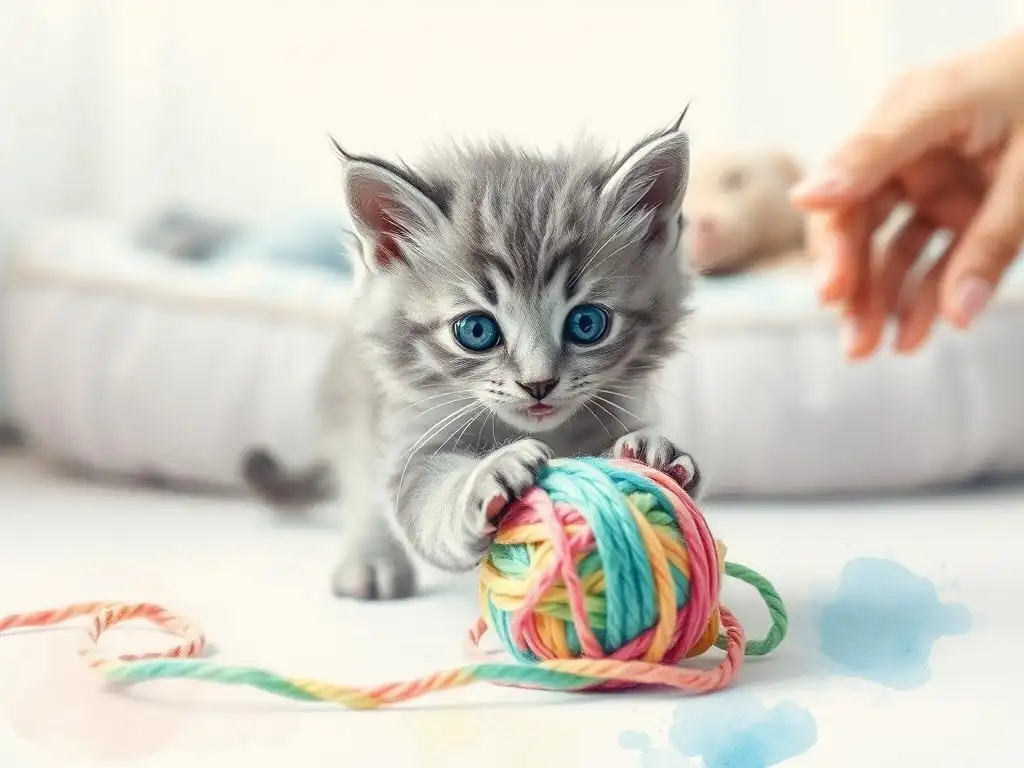
Play isn't just fun and games for kittens; it's a crucial component of their development and a powerful training tool often overlooked by new pet owners. Interactive play sessions help kittens develop essential skills like hunting instincts, problem-solving abilities, and appropriate bite inhibition. Failing to incorporate sufficient playtime can lead to behavioral issues later on, such as excessive chewing, aggression, or destructive behavior. Think of play as a form of exercise for their minds and bodies. A tired kitten is a well-behaved kitten!
Specifically, incorporating interactive play with toys that mimic prey—like feather wands or small, crinkly balls—allows kittens to practice their pouncing, chasing, and batting skills. This satisfies their natural hunting urges in a safe and controlled environment. Furthermore, using these play sessions to teach "leave it" or "drop it" commands reinforces positive training techniques early on. By associating the desired behavior with the reward of the toy, you're building a foundation for more complex training later in life.
Remember to vary the toys and play styles to keep your kitten engaged and prevent boredom. A monotonous play routine can quickly lead to a disinterested kitten, undermining the effectiveness of this valuable training tool. Finally, ending play sessions on a positive note, with the kitten successfully "catching" its prey, reinforces positive associations with training and playtime itself.
Neglecting Environmental Enrichment: Creating a Stimulating and Safe Kitten Environment
A stimulating and safe environment is paramount for a well-adjusted kitten, and its absence often contributes to behavioral problems misinterpreted as training failures. A kitten's environment significantly impacts their behavior and development. A boring, unstimulating environment can lead to boredom, frustration, and destructive behaviors such as excessive scratching, chewing, or inappropriate urination. This is often wrongly attributed to a lack of training, when in reality, the root cause lies in the kitten's unmet needs for exploration and stimulation.
Creating a safe and enriching environment involves providing a variety of vertical spaces (cat trees, shelves), hiding places (boxes, tunnels), and scratching posts. These elements cater to a kitten's natural instincts to climb, explore, and scratch. Providing a variety of toys, rotating them regularly to prevent boredom, is also crucial. This helps keep your kitten mentally stimulated and prevents them from resorting to destructive behaviors out of boredom.
Furthermore, ensuring the environment is safe is critical. Secure any potential hazards, like electrical cords or toxic substances, and supervise your kitten closely, especially during the initial adjustment period. A safe and enriched environment reduces stress and anxiety, creating a more receptive kitten that is easier to train and more likely to exhibit desirable behaviors. Remember, a happy, stimulated kitten is a much easier kitten to train.
Forgetting the Basics: Litter Box Training, Scratching Post Training
Litter box and scratching post training are foundational aspects of kitten care that often get overlooked or rushed, leading to frustrating setbacks later. These fundamental behaviors are not inherently understood by kittens; they require consistent training and positive reinforcement. Neglecting these early stages can result in frustrating and difficult-to-correct habits, such as inappropriate urination or furniture scratching.
Litter box training should begin immediately upon arrival. Place the litter box in a quiet, accessible location, away from food and water bowls. Use a litter type that's appropriate for your kitten's age and sensitivity. Consistency is key; always praise your kitten for using the litter box correctly. If accidents occur, clean them thoroughly with an enzymatic cleaner to eliminate the scent and prevent recurrence. Never punish your kitten for accidents, as this can create fear and anxiety, hindering the training process. Patience and consistency are crucial.
Similarly, scratching post training involves providing an appropriate scratching surface and rewarding your kitten for using it. Place the scratching post near areas where your kitten exhibits scratching behavior. Use positive reinforcement, such as treats or praise, when your kitten uses the scratching post correctly. If your kitten scratches furniture, gently redirect them to the scratching post.
Never punish them for scratching furniture; this can lead to fear and avoidance of the scratching post. Consider using catnip or other attractants to make the scratching post more appealing. Remember, consistent positive reinforcement is the key to success in both litter box and scratching post training. Early success in these areas sets the stage for a smoother training experience overall and a happier, healthier kitten.
Positive Reinforcement Techniques for Kitten Training Success
Positive reinforcement is the cornerstone of effective kitten training. It focuses on rewarding desired behaviors, making them more likely to be repeated. Avoiding common kitten training mistakes often hinges on understanding and skillfully applying positive reinforcement methods. This approach fosters a strong bond between you and your kitten, creating a positive learning experience. Ignoring this fundamental aspect frequently leads to frustration for both the owner and the kitten, ultimately hindering the training process.
Rewarding Desired Behaviors: Treats, Praise, and Affection
Rewarding desired behaviors is crucial for successful kitten training. The key is consistency and timing. Rewards should be delivered immediately after the kitten exhibits the desired behavior. This immediate association helps the kitten understand what action earned the reward. A variety of rewards can be used, catering to your kitten's individual preferences.
- Treats: Small, high-value treats are highly effective. Think tiny pieces of cooked chicken, tuna (ensure it's low in sodium! ), or commercially available kitten treats. Experiment to find your kitten's favorites. Avoid giving too many treats at once, to prevent digestive upset and maintain their effectiveness as rewards.
- Praise: Verbal praise, using a cheerful and encouraging tone, can be very rewarding for kittens. Pair praise with treats for even stronger reinforcement. Consistency in your tone and words helps your kitten associate the praise with positive experiences.
- Affection: Kittens respond well to physical affection, such as gentle petting or stroking. Combine this with treats and praise for a multi-sensory reward system. Remember to observe your kitten's body language; if they pull away, respect their space.
Remember, the goal is to create a positive association between the behavior and the reward. This builds confidence and encourages your kitten to repeat the desired actions. Inconsistency in rewarding can lead to confusion and hinder progress. For example, if you sometimes reward sitting and sometimes don’t, your kitten will not learn to reliably sit on command.
Using Clicker Training with Kittens: A Step-by-Step Guide
Clicker training is a highly effective method that uses a clicker to mark the exact moment a kitten performs a desired behavior. The click acts as a bridge between the action and the reward. This precise timing is crucial for successful learning. Clicker training is particularly useful for teaching complex behaviors or those requiring precise timing. Many owners find this method more efficient compared to simply using treats alone. It provides a clearer signal to the kitten, making the learning process more streamlined.
Here's a step-by-step guide:
- Introduce the Clicker: Click the clicker near your kitten, associating it with something positive, like a treat. Repeat this several times until your kitten shows no fear or negative reaction.
- Pairing Click and Treat: Immediately after clicking the clicker, give your kitten a treat. Repeat this multiple times to create a strong association between the click and the reward.
- Luring and Shaping: Use a treat to lure your kitten into performing a desired behavior, such as sitting. The moment they complete the behavior, click the clicker and immediately give them a treat.
- Gradually Fading the Lure: As your kitten begins to understand the association, gradually fade out the lure, rewarding only the desired behavior. This helps them learn to perform the behavior independently.
- Practice and Patience: Be patient and consistent. Kittens learn at different paces. Frequent short training sessions are more effective than long, infrequent ones. Remember to always end on a positive note.
Creating a Positive Training Environment: Minimizing Stress and Fear
Creating a calm and stress-free environment is crucial for successful kitten training. Kittens are sensitive creatures, and a stressful environment can negatively impact their learning ability and overall well-being. Avoiding stressful situations will significantly improve the training outcomes. This includes minimizing loud noises, unfamiliar people or animals, and overly stimulating environments.
- Safe Space: Provide your kitten with a safe and comfortable space, such as a bed or cat tree, where they can retreat when feeling overwhelmed. This is essential, as kittens will learn better when feeling safe and secure.
- Positive Associations: Associate training sessions with positive experiences. Use a calm and reassuring tone of voice, and avoid forcing your kitten to participate. If they seem stressed or unwilling, end the session and try again later.
- Short Sessions: Keep training sessions short and sweet, typically 5-10 minutes at a time. Kittens have short attention spans, and longer sessions can lead to frustration and decreased learning.
- Patience and Understanding: Remember that kittens are still learning and developing. Be patient and understanding, and celebrate even the smallest successes. Positive reinforcement will make the entire experience more enjoyable for both you and your kitten. Avoid punishment, which can create fear and anxiety, hindering the training process and damaging the bond between you and your pet. Focusing on positive reinforcement techniques will yield better, longer-lasting results.
Understanding Your Kitten's Body Language: Recognizing Signs of Stress and Anxiety
Understanding your kitten's communication is crucial for successful, positive reinforcement training. Kittens, unlike humans, can't verbally express their feelings. Instead, they rely heavily on body language to convey their emotional state. Learning to interpret these subtle cues is paramount to avoiding inadvertently stressful training sessions, which can hinder progress and damage your bond. Ignoring these signs can lead to fear-based avoidance and ultimately, training failure. Positive reinforcement hinges on a calm and confident kitten; therefore, recognizing stress signals is the first step to successful training.
One key indicator of stress or anxiety in kittens is flattened ears. While slightly flattened ears might simply indicate attentiveness, completely flattened ears pressed back against the head, often accompanied by a lowered head and tucked tail, are a clear sign of fear or discomfort. This posture signals that the training session needs to stop immediately. The kitten needs a break and a chance to regain composure. Forcing interaction in this state will only reinforce negative associations with training.
Another common sign is dilated pupils. While dilated pupils can sometimes be a normal response to excitement, in the context of a training session, especially when paired with other stress signals, they often indicate anxiety or fear. The kitten may be feeling overwhelmed by the situation or a particular training element. Remember, training should be a positive experience, not a source of fear. Observe your kitten carefully; if you notice dilated pupils along with other signs of stress, adjust your approach immediately.
Tail position is another significant indicator. A puffed-up or overly bushy tail often indicates fear or aggression. Conversely, a tail tucked tightly between the legs is a clear sign of anxiety and submission. A relaxed, gently swaying tail, however, usually signifies a calm and comfortable kitten—an ideal state for training. Pay close attention to these subtle nuances; they are essential to understanding your kitten's emotional landscape.
Finally, observe your kitten's overall posture. A hunched or crouched posture, often accompanied by a lowered head and flattened ears, is a clear indication of fear or insecurity. This signals that the kitten is feeling threatened or uncomfortable. A relaxed, upright posture, on the other hand, suggests confidence and willingness to engage. Remember, your kitten's comfort is paramount.
A stressed kitten won't learn effectively, and forcing interaction will only worsen the situation. Prioritizing your kitten's emotional well-being is essential for a positive and successful training experience. By paying attention to these subtle body language cues, you can create a safe and supportive environment for your kitten to learn and thrive. Remember, patience and understanding are key components of successful positive reinforcement training.
Addressing Specific Kitten Behavioral Challenges

This section delves into common behavioral issues faced by kitten owners and provides practical solutions to mitigate these challenges. Understanding the root causes of these behaviors is crucial for effective training and building a strong bond with your kitten. Avoiding common kitten training mistakes starts with recognizing and addressing these specific problems early on.
Excessive Scratching: Identifying Causes and Solutions
Excessive scratching is a frequent complaint among kitten owners. While kittens naturally scratch to sharpen their claws, excessive scratching often indicates underlying issues that require attention. Several factors can contribute to this behavior, including:
- Lack of appropriate scratching posts: Kittens need multiple scratching posts strategically placed throughout the house, made of various materials (sisal, cardboard, carpet) to cater to individual preferences. A lack of suitable options often leads them to resort to furniture.
- Boredom and lack of enrichment: A bored kitten is more likely to engage in destructive behaviors like scratching. Providing ample playtime, interactive toys, and climbing structures can significantly reduce this tendency.
- Underlying medical conditions: In some cases, excessive scratching can be a symptom of allergies, skin infections, or other medical problems. A veterinary check-up is recommended if scratching persists despite addressing environmental factors.
- Stress and anxiety: Changes in the household, such as new pets or family members, can trigger stress and manifest as excessive scratching. Creating a calm and predictable environment is essential.
Addressing excessive scratching involves a multi-pronged approach. First, ensure your kitten has access to multiple, appealing scratching posts. Second, provide plenty of enrichment activities to keep your kitten mentally and physically stimulated. Third, consult a veterinarian to rule out any underlying medical conditions. Finally, create a calm and stable home environment.
Positive reinforcement, such as rewarding your kitten for using the scratching post, is also highly effective. Consider using catnip or other attractants to make the scratching post more appealing. Remember, patience and consistency are key to success. Avoid punishment, as it can worsen the problem and damage your relationship with your kitten.
Litter Box Problems: Troubleshooting Common Issues
Litter box issues are another common concern among kitten owners. These problems can range from infrequent use to inappropriate urination or defecation outside the litter box. Several factors can contribute to this, including:
- Litter box cleanliness: Kittens are fastidious and prefer a clean litter box. Failing to scoop the litter box daily can lead to avoidance. The entire box should be cleaned and refreshed completely at least once a week.
- Litter type: Some kittens have preferences for certain types of litter. Experimenting with different litters (clay, clumping, crystal) might resolve the issue. Avoid scented litters, as they can be offensive to a kitten's sensitive nose.
- Litter box location: The litter box should be placed in a quiet, accessible location, away from food and water bowls. Avoid placing it in high-traffic areas or areas where your kitten might feel vulnerable.
- Number of litter boxes: The general rule is one litter box per cat, plus one extra. Multiple boxes provide more options and reduce competition, especially in multi-cat households.
- Underlying medical conditions: Urinary tract infections, kidney disease, or other medical problems can cause changes in urination habits. A veterinary checkup is crucial if litter box problems persist.
Troubleshooting litter box problems requires careful observation and systematic investigation. Start by ensuring the litter box is clean and appropriately located. Then, try different types of litter to find one your kitten prefers. Consider adding more litter boxes if needed. If the problem persists, a veterinary visit is necessary to rule out any underlying medical issues. Remember to be patient and understanding; it may take time to resolve the issue.
Biting and Nipping: Redirecting Play and Establishing Boundaries
Kittens, especially young ones, often bite and nip as part of their play. While this behavior is normal, it's crucial to teach them appropriate boundaries to prevent it from becoming a problem. Here are some key strategies:
- Redirecting play: When your kitten bites too hard, immediately stop playing and redirect their attention to an appropriate toy. This teaches them that biting ends playtime.
- Providing appropriate chew toys: Offer a variety of chew toys to satisfy your kitten's natural chewing instincts. This helps reduce their urge to bite your hands or feet.
- Teaching "gentle" bites: When your kitten gently nibbles, praise them and continue playing. This reinforces the desired behavior.
- Ignoring attention-seeking bites: Sometimes kittens bite to get attention. Ignoring the behavior (without punishment) can be effective in reducing it.
- Time-outs: If biting persists, a brief time-out in a separate, quiet location can help your kitten calm down.
Consistent training is crucial in managing biting and nipping. Remember, positive reinforcement is far more effective than punishment. By redirecting their energy, providing suitable alternatives, and reinforcing gentle behavior, you can help your kitten learn appropriate play behaviors and establish healthy boundaries. Early intervention is key to preventing this behavior from becoming ingrained. Patience and a positive approach are essential to success. 😻
Excessive Vocalization: Understanding Meows and Purrs
Kittens, unlike adult cats, are far more vocal. This is largely due to their dependence on their caregivers for everything – food, warmth, comfort, and play. However, excessive vocalization can quickly become a problem for owners. It's crucial to differentiate between normal kitten chatter and truly excessive meowing or yowling.
A kitten's vocalizations are a form of communication, and understanding their nuances is key to addressing the issue effectively. For example, a high-pitched meow might indicate hunger or a need for attention, while a low, drawn-out meow could signal discomfort or pain. Similarly, purring isn't always a sign of contentment; a kitten might purr when stressed or in pain as a self-soothing mechanism.
Understanding the context of the vocalization is paramount. Is your kitten meowing excessively at specific times of the day? Is it related to feeding times, playtime, or bedtime? Keeping a detailed log of your kitten's vocalizations, noting the time, the type of vocalization (meow, yowl, purr), and the surrounding circumstances, can provide valuable insights.
This detailed record helps identify triggers and patterns, making it easier to pinpoint the root cause of the excessive vocalization. For example, a kitten constantly meowing near the food bowl just before its scheduled feeding might simply be expressing its hunger. Addressing this is simple – adjust the feeding schedule or provide smaller, more frequent meals.
Another common mistake is inadvertently rewarding the unwanted behavior. If your kitten meows incessantly to get your attention, and you respond every time, you're reinforcing that behavior. Instead, try ignoring the meows unless they are accompanied by appropriate behavior, such as sitting calmly near you.
This method, known as positive reinforcement, will teach your kitten that quiet behavior leads to the desired outcome – your attention. However, consistency is key; if you sometimes give in to the meows, the kitten will continue the behavior. It's important to be patient and persistent in this approach; it takes time and consistent effort to change ingrained behaviors.
Finally, underlying medical conditions can also contribute to excessive vocalization. If your kitten's meowing is sudden, accompanied by other symptoms like lethargy, loss of appetite, or changes in litter box habits, it's crucial to consult a veterinarian. Conditions like hyperthyroidism or ear infections can cause discomfort and lead to increased vocalization. A veterinary checkup can rule out any medical issues and provide appropriate treatment, thereby reducing the unwanted vocalizations. Remember, a healthy kitten is a quieter kitten, generally speaking. Regular veterinary check-ups are essential for preventative care and early detection of potential problems.
Creating a Successful Kitten Training Plan
This section focuses on the foundational elements of a successful kitten training plan, crucial for avoiding common training mistakes and fostering a strong bond with your feline companion. Remember, early intervention is key to shaping positive behaviors and preventing future problems. Successfully avoiding common kitten training mistakes hinges on a well-structured approach.
Setting Clear Goals and Expectations for Your Kitten
Before you even begin training, it's vital to define realistic goals and expectations for your kitten. Avoid aiming for perfection; instead, focus on achievable milestones. For example, instead of expecting your kitten to immediately stop scratching furniture, start by teaching it to use a scratching post consistently. This requires patience and understanding of your kitten's developmental stage. A very young kitten (under 8 weeks) will have limited attention spans and less developed impulse control. Your goals should reflect this.
Here's a suggested approach to setting clear goals:
- Prioritize: Focus on a few key behaviors at a time. For instance, start with litter box training, scratching post usage, and basic commands like "come" and "sit."
- Be Specific: Instead of "be well-behaved," aim for "uses scratching post 80% of the time within a month." Measurable goals allow you to track progress.
- Age-Appropriate: Tailor expectations to your kitten's age and developmental stage. A 12-week-old kitten will learn faster and have better impulse control than a 6-week-old.
- Positive Reinforcement: Focus on rewarding desired behaviors rather than punishing unwanted ones. Positive reinforcement is far more effective in kitten training.
Remember, consistency is crucial. Inconsistency in expectations and training methods will only confuse your kitten and hinder progress. 🎉
Developing a Consistent Daily Training Routine
A consistent daily routine is the cornerstone of successful kitten training. Kittens thrive on predictability and routine; it reduces anxiety and makes learning easier. Establishing a regular training schedule provides structure and helps your kitten understand what to expect. This will significantly contribute to avoiding common kitten training mistakes.
Consider incorporating these elements into your daily routine:
- Short Sessions: Keep training sessions short (5-10 minutes) and frequent (several times a day). Kittens have short attention spans, and longer sessions can lead to frustration for both you and your kitten.
- Positive Reinforcement: Use positive reinforcement methods consistently. Reward desired behaviors with treats, praise, or playtime. Avoid punishment, which can create fear and anxiety.
- Variety: Mix up your training activities to keep your kitten engaged. Combine basic obedience training with playtime and interactive games. This will prevent boredom and maintain motivation.
- Timing: Schedule training sessions at times when your kitten is alert and receptive. Avoid training when your kitten is tired, hungry, or stressed. This is crucial for optimizing learning and avoiding frustrating experiences.
The table below illustrates a sample daily training schedule:
| Time of Day | Activity | Duration |
|---|---|---|
| 7:00 AM | Litter box training, scratching post | 5 mins |
| 12:00 PM | "Sit" command, treat reward | 5 mins |
| 6:00 PM | Playtime, "Come" command | 10 mins |
| 9:00 PM | Quiet playtime, settling down | 10 mins |
Remember to adjust this schedule based on your kitten's needs and your daily routine. The key is consistency.
Seeking Professional Help When Needed: Veterinarians and Certified Cat Behaviorists
Even with the best intentions and a well-structured plan, you may encounter challenges in kitten training. Don't hesitate to seek professional help if you're struggling. Veterinarians and certified cat behaviorists can provide valuable insights and guidance.
- Veterinarians: Rule out any underlying medical conditions that might be contributing to behavioral problems. Certain medical issues can manifest as behavioral changes.
- Certified Cat Behaviorists: These professionals specialize in feline behavior and can offer personalized training plans and address specific behavioral challenges. They can help diagnose underlying issues and develop tailored solutions. They are invaluable resources for avoiding common and more complex kitten training mistakes.
Remember, seeking professional help is not a sign of failure. It's a proactive step towards ensuring your kitten's well-being and developing a harmonious relationship. Early intervention is crucial for addressing behavioral issues before they become ingrained habits. Don't be afraid to ask for help when you need it! 🐱
Frequently Asked Questions
What are some common mistakes new kitten owners make during training?
One common mistake is starting too late. Kitten training should begin as early as possible, ideally around 7-8 weeks old. Another is inconsistent training. Regular, short sessions are key to success.
How can I prevent my kitten from scratching furniture?
Provide plenty of scratching posts in various locations and materials. Reward positive scratching behavior, and gently redirect them when they scratch furniture. Consider using deterrents like sticky tape or scent sprays.
My kitten bites excessively. How can I curb this behavior?
Kitten biting is normal, but it needs to be addressed. Use a high-pitched yelp to simulate pain when bitten. Ignore the kitten briefly if it bites. Positive reinforcement with toys is crucial.
What's the best way to litter box train a kitten?
Start with one litter box in a quiet, accessible location. Clean the box daily. Never punish your kitten for accidents. Positive reinforcement with treats when they use the box correctly is very effective.
Early socialization is critical. Expose your kitten to various sights, sounds, and people in a controlled and positive way. Positive interactions are crucial. Gradually introduce your kitten to other pets if appropriate.
Final Reflection: Paving the Path to a Purrfect Partnership
The early months of a kitten's life are crucial in shaping their behavior and building a strong bond with their human companions. Failing to recognize and address common training pitfalls can lead to frustrating challenges down the line, impacting both the cat's well-being and the owner's enjoyment of their feline friend. This isn't just about house training; it's about fostering a harmonious relationship built on mutual understanding and respect.
The impact of early kitten training extends far beyond simple obedience. It shapes the cat's personality, its confidence, and its ability to navigate the complexities of a human-dominated world. A poorly trained kitten might develop anxieties, behavioral issues, or even aggression, leading to a strained relationship with its owner. As the renowned animal behaviorist, Jackson Galaxy, wisely stated: Cats don't misbehave; they miscommunicate.
Understanding this fundamental truth is the cornerstone of successful kitten training, and avoiding common mistakes is the first step towards clear communication and a loving bond.
So, as you embark on this exciting journey of kitten ownership, remember the lessons learned. Reflect on the potential consequences of overlooking even seemingly minor training details. Take the time to understand your kitten's unique personality, needs, and communication style. By proactively addressing potential problems and creating a positive and enriching environment, you'll not only avoid common pitfalls but also build a lasting, loving relationship with your furry companion – a partnership built on trust, understanding, and mutual respect that will enrich both your lives for years to come.
Unleash Your Kitten's Potential: Start Training Today!
Thank you for learning about common kitten training mistakes! You're now equipped with valuable knowledge to build a strong bond with your furry friend. Ready to put this new understanding into practice?
- Start with positive reinforcement: Use gentle training techniques, focusing on rewarding good behavior. Even 15 minutes a day can make a huge difference!
- Share your progress (and challenges!): Connect with other PetCareWorld readers in the comments section. Let's build a supportive community of cat lovers!
- Try a new training game: Introduce a puzzle feeder to mentally stimulate your kitten while reinforcing positive behaviors.
So, what will you do today to strengthen your bond with your adorable kitten?