
The Truth About Mites: Identifying and Treating Mite Infestations in Reptiles

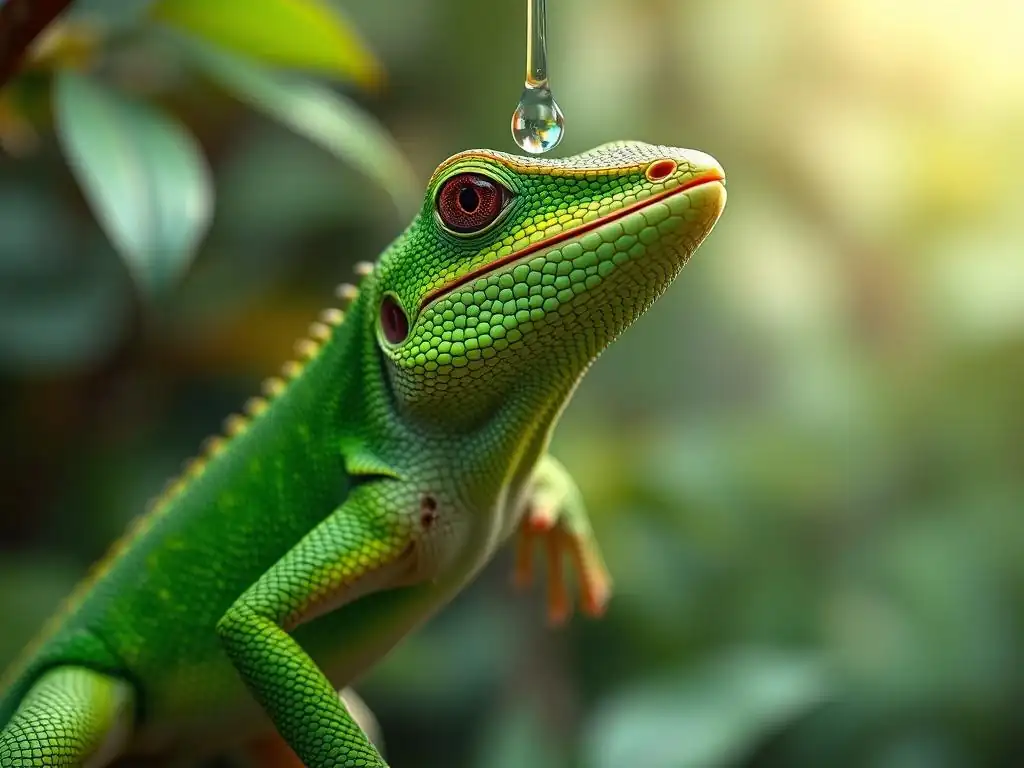
Welcome to PetCareWorld, your ultimate guide to a happier, healthier life for your beloved companion! Are you facing a challenging situation with your reptile? Discover the truth about reptile mite infestation treatment and learn how to effectively combat these tiny but troublesome parasites. We'll equip you with the knowledge and practical steps to ensure your scaly friend thrives. Dive in and explore our expert advice – your pet's well-being is our priority!
- Understanding Reptile Mite Infestations: Types and Identification
- Diagnosing Reptile Mite Infestations: A Vet's Role
- Effective Treatment Strategies for Reptile Mite Infestations
- Preventing Future Mite Infestations in Your Reptile
- Long-Term Management of Reptile Mite Infestations
- Frequently Asked Questions
- Final Reflection: Living in Harmony: Reptiles, Mites, and the Future of Responsible Ownership
- Unleash Your Reptile's Radiant Health: Take Action Now!
Understanding Reptile Mite Infestations: Types and Identification
Reptile mite infestations are a common problem faced by reptile keepers, impacting the health and well-being of their scaled companions. These tiny arachnids can cause significant discomfort, leading to skin irritation, secondary infections, and even death if left untreated. This comprehensive guide delves into the specifics of reptile mite infestations, providing essential information for identification, treatment, and prevention.
We will explore the various types of mites that commonly affect reptiles, the telltale signs of an infestation, and how to differentiate mite infestations from other potential skin conditions. Understanding these aspects is crucial for responsible reptile ownership and ensuring the longevity and happiness of your pet. Proper identification is the first step in effective treatment of this prevalent reptile health concern, ultimately contributing to a healthier and happier life for your reptile.
This guide focuses on providing practical, actionable advice to help you effectively combat reptile mite infestations and maintain the optimal health of your reptile. Effective management of reptile mite infestations requires a multifaceted approach, encompassing early detection, appropriate treatment, and preventative measures.
Common Mite Species Affecting Reptiles
Several mite species can infest reptiles, each with varying degrees of impact. The most common culprits include:
- Ophiochirus mites: These are frequently found on snakes and can cause significant irritation and skin damage. Their presence often leads to intense itching, resulting in the reptile rubbing against surfaces, potentially causing further injury.
- Cheyletiella mites (walking dandruff): These mites are visible to the naked eye and appear as tiny, moving specks on the reptile's skin. They are known to cause intense itching and scaling.
- Knemidokoptes mites: These mites burrow into the skin, causing scaly lesions, particularly around the head and limbs. Severe infestations can lead to significant skin damage and secondary infections.
- Other mite species: Various other mite species can affect reptiles, each with its unique characteristics and impact. Accurate identification often requires microscopic examination by a veterinarian specializing in reptiles. The severity of the infestation can vary greatly depending on the species of mite, the number of mites present, and the overall health of the reptile. Some mites cause only mild irritation, while others can lead to severe skin damage and even death.
The specific type of mite impacting your reptile will influence the optimal treatment strategy. Therefore, accurate identification is paramount.
Identifying the Signs of a Mite Infestation in Reptiles
Recognizing the signs of a mite infestation is crucial for timely intervention. Common symptoms include:
- Excessive scratching or rubbing: Reptiles experiencing a mite infestation will often exhibit increased scratching or rubbing against surfaces, attempting to alleviate the itching and irritation.
- Skin lesions and scaling: Mite infestations frequently result in visible skin lesions, characterized by scaling, redness, and crusting. These lesions can vary in severity depending on the mite species and the duration of the infestation.
- Weight loss and lethargy: Severe mite infestations can lead to weight loss and lethargy as the reptile struggles with the discomfort and potential secondary infections.
- Restlessness and unusual behavior: Infested reptiles might display unusual behavior, such as restlessness, hiding more than usual, or changes in appetite. These behavioral changes are often indicative of underlying discomfort and stress.
- Visible mites: In some cases, especially with Cheyletiella mites, the mites themselves might be visible to the naked eye as tiny, moving specks on the reptile's skin.
Observing these symptoms warrants a thorough examination and potential veterinary consultation to confirm the diagnosis and initiate appropriate treatment. Early detection is key to preventing severe complications.
Differentiating Mite Infestations from Other Skin Conditions
It's crucial to differentiate mite infestations from other potential skin conditions that might present similar symptoms. These conditions can include fungal infections, bacterial infections, and other parasitic infestations. Accurate diagnosis requires a professional veterinary assessment, often involving microscopic examination of skin scrapings. A veterinarian can distinguish between mite infestations and other skin conditions based on the specific characteristics of the lesions, the presence of mites, and other clinical findings.
Attempting self-diagnosis and treatment can be detrimental and delay appropriate care. Therefore, seeking professional veterinary help is always recommended when dealing with suspected skin problems in your reptile. A veterinarian can provide a definitive diagnosis and recommend the most effective treatment plan based on the specific condition and the overall health of your reptile. Early diagnosis and treatment are crucial for optimal outcomes.
Diagnosing Reptile Mite Infestations: A Vet's Role
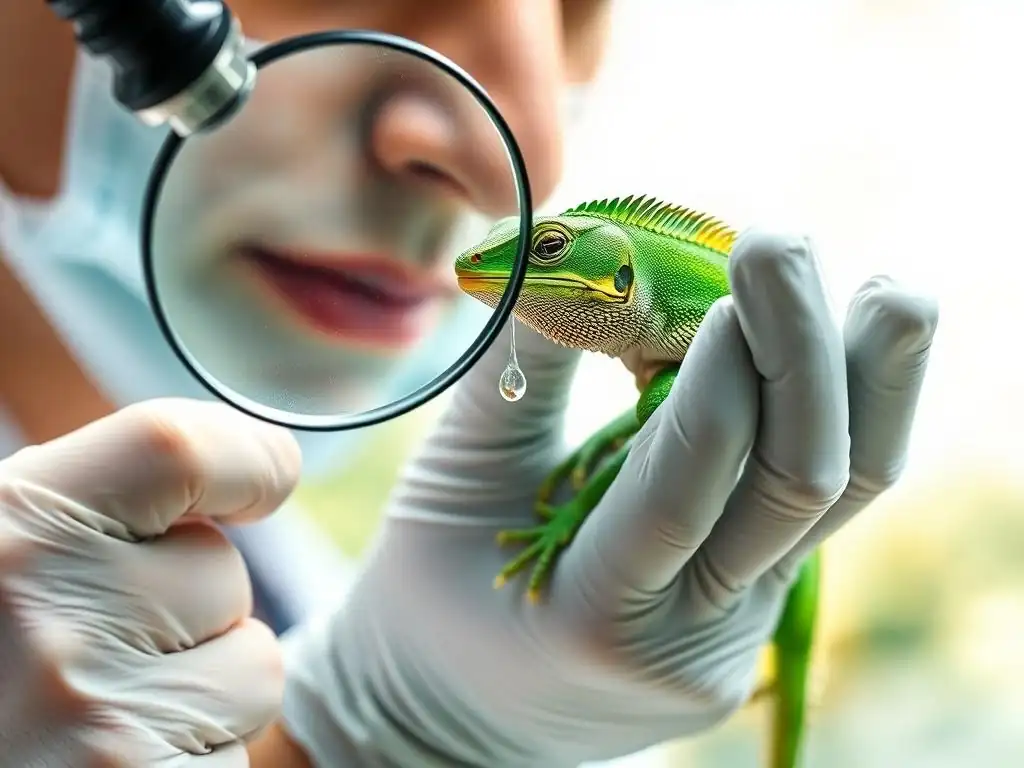
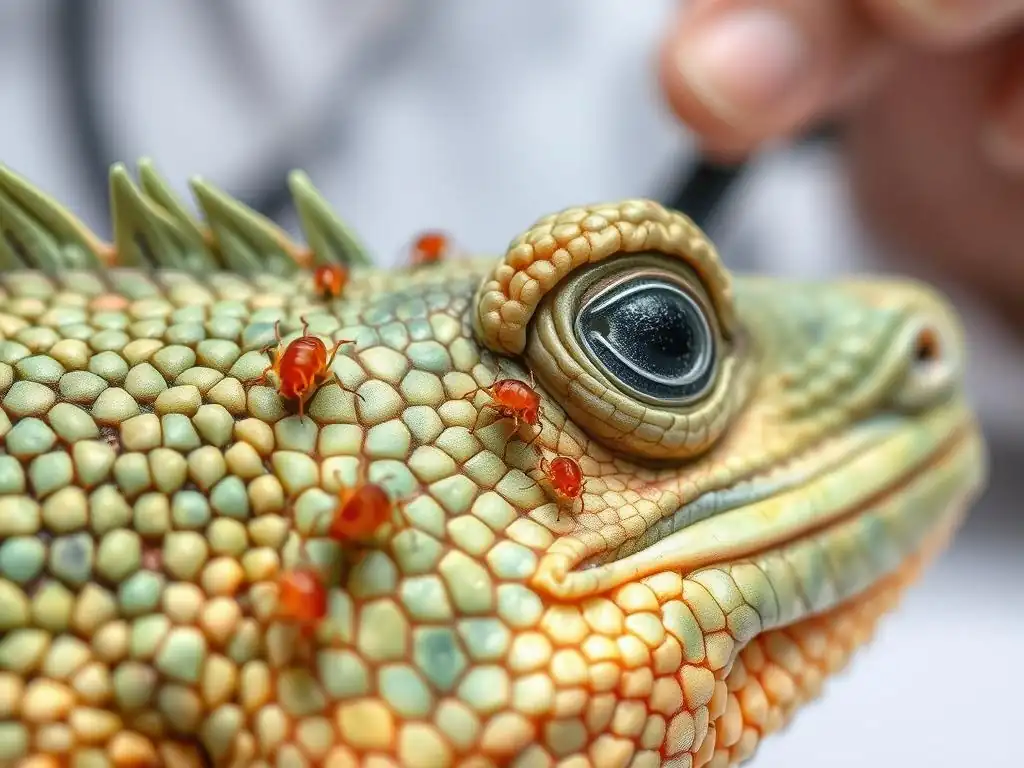
Reptile mite infestation treatment starts with accurate diagnosis. While many owners can identify a potential infestation visually, a veterinarian's expertise is crucial for confirmation and determining the severity and type of mite involved. Accurate identification is vital because different mites require different treatment strategies. Ignoring a suspected infestation or using incorrect treatments can worsen the situation, leading to significant health problems for your reptile.
When to Seek Professional Veterinary Care for Mite Infestations
Several signs should prompt immediate veterinary consultation. Don't delay if you observe:
- Severe infestation: A heavy infestation, characterized by numerous visible mites crawling on your reptile's skin, is a critical situation demanding immediate professional intervention. The reptile's health is significantly compromised, and prompt treatment is crucial.
- Secondary infections: Mite infestations often lead to secondary bacterial or fungal infections due to skin irritation and compromised immune function. These secondary infections require specific antibiotics or antifungals, prescribed and monitored by a veterinarian.
- Unusual lethargy or weakness: A significant mite infestation can weaken your reptile, leading to lethargy, loss of appetite, and overall weakness. This indicates a severe infestation needing immediate veterinary care and potentially supportive therapies.
- Weight loss or dehydration: These symptoms are often associated with prolonged mite infestations, indicating that your reptile is struggling to maintain its health. Veterinary intervention is necessary to address both the mites and the underlying health issues.
- Unusual skin lesions or scabbing: Beyond simple irritation, extensive scabbing, open wounds, or unusual skin lesions might signal a more complex infestation or a secondary infection. A veterinarian can assess the severity and prescribe appropriate treatment.
- Failure of home treatment: If you've attempted home treatments (after careful research and understanding, of course! ), and they haven't shown any improvement within a reasonable timeframe (typically a week), professional veterinary help is necessary. The mites might be resistant to over-the-counter remedies, or a different mite species may be involved.
Diagnostic Tests for Reptile Mites
Veterinarians employ several methods to diagnose reptile mite infestations:
- Direct visual examination: This is the simplest method, involving a thorough examination of your reptile's skin under magnification. The vet will look for adult mites, eggs, or mite droppings.
- Skin scraping: A small sample of skin is scraped and examined under a microscope. This allows for the identification of mites and assessment of the severity of the infestation. This is particularly useful for detecting mites that are difficult to see with the naked eye.
- Microscopic examination of fecal matter: Some mites may be found in your reptile's fecal matter. This is less common but can be a helpful diagnostic tool.
The veterinarian will also conduct a thorough physical examination of your reptile to assess its overall health and identify any secondary infections or complications resulting from the infestation. They will consider the species of reptile, its age, and its overall health status when determining the best course of action.
Understanding the Severity of Mite Infestations
The severity of a reptile mite infestation is determined by several factors:
| Severity Level | Number of Mites | Clinical Signs | Treatment Approach |
|---|---|---|---|
| Mild | Few mites visible | Minimal skin irritation, slight itching | Topical treatment may be sufficient |
| Moderate | Numerous mites visible, clustering in certain areas | Increased skin irritation, scratching, possible mild weight loss | Topical and/or systemic treatment may be necessary |
| Severe | Extremely high mite population, widespread infestation | Significant skin damage, secondary infections, lethargy, weight loss, dehydration | Intensive treatment including systemic medication and supportive care required |
Accurate assessment of the severity allows the veterinarian to tailor the treatment strategy to your reptile's specific needs. Early intervention is always recommended to prevent the infestation from becoming severe and causing irreversible damage to your pet's health. Remember, proper reptile mite infestation treatment is vital for your reptile's well-being. Don't hesitate to seek professional help when necessary. 🦎
Effective Treatment Strategies for Reptile Mite Infestations
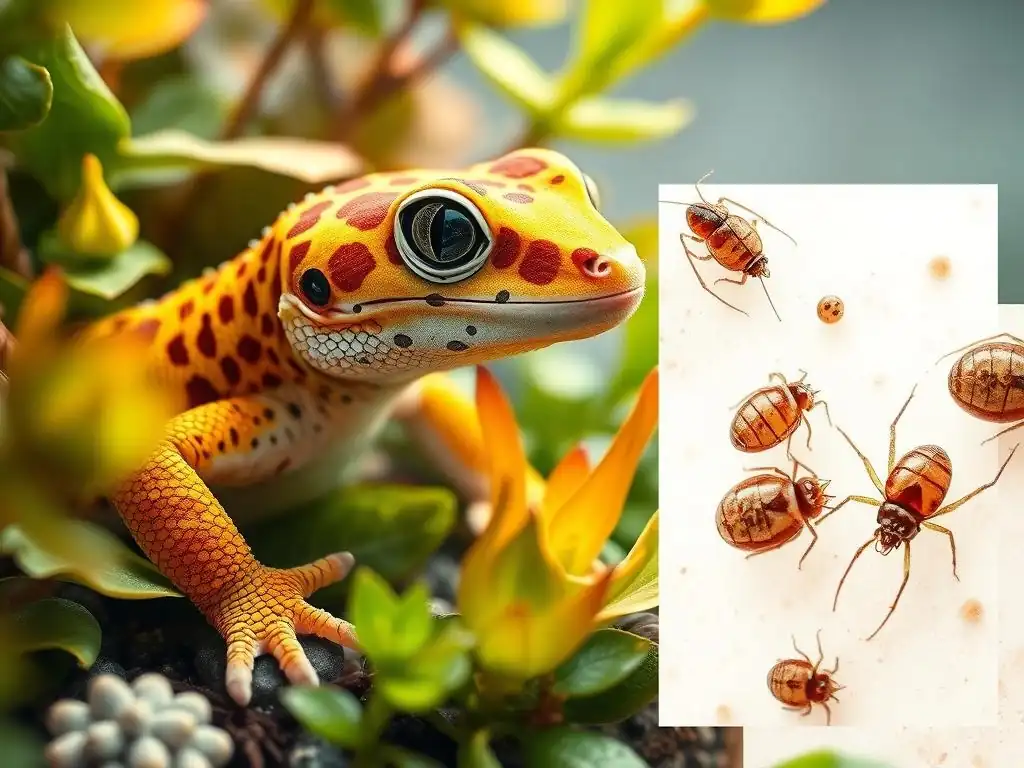
Effective reptile mite infestation treatment requires a multi-pronged approach encompassing topical medications, systemic treatments, and meticulous environmental control. Ignoring any one of these aspects significantly reduces the chances of complete eradication and may lead to re-infestation. Remember, early detection and prompt action are crucial in managing reptile mite infestations successfully. The severity of the infestation will dictate the intensity and duration of treatment.
Treating Reptile Mites with Topical Medications
Topical medications are often the first line of defense against reptile mite infestations. These treatments are applied directly to the affected areas of the reptile's skin. However, it’s crucial to choose a medication specifically formulated for reptiles, as products designed for mammals can be toxic. Always consult a veterinarian before initiating any treatment.
Several topical medications are available, each with its own strengths and weaknesses. Some are formulated as sprays, while others are creams or ointments. The choice will depend on the type of mite, the severity of the infestation, and the reptile species. For instance, a mild infestation might respond well to a simple insecticidal spray, whereas a severe infestation might require a more potent cream applied directly to the affected areas. Careful application is essential to avoid accidental ingestion by the reptile.
The effectiveness of topical treatments can be enhanced by combining them with other methods, such as environmental sanitation, to disrupt the mite life cycle. Regular monitoring of the reptile's condition is also vital to assess the treatment's success and make adjustments as needed. Persistence is key; multiple applications may be required to completely eliminate the mites. Always follow the manufacturer's instructions carefully to ensure safe and effective use.
Using Systemic Medications to Combat Mite Infestations
In cases of severe or persistent reptile mite infestations, systemic medications may be necessary. These medications are administered orally or through injection and work by targeting the mites internally. Systemic treatments are generally prescribed by a veterinarian and are often reserved for situations where topical treatments have proven ineffective. They offer a broader approach to mite control, tackling the infestation from within the reptile's system.
The choice of systemic medication will depend on various factors, including the reptile species, the type of mite, and the overall health of the reptile. Some medications may have potential side effects, so careful monitoring of the reptile's health during treatment is crucial. The veterinarian will assess the reptile's condition and recommend the appropriate dosage and treatment duration.
It's important to note that systemic medications for reptile mite infestations are not always readily available and may require a specialized veterinary prescription. Furthermore, the cost of these medications can be higher than topical treatments. The decision to use systemic medication should be made in consultation with a veterinarian, weighing the potential benefits against the risks and costs.
Environmental Control and Hygiene in Mite Treatment
Environmental control and hygiene are paramount in effectively managing and preventing reptile mite infestations. Mites thrive in unsanitary conditions, so maintaining a clean and appropriately humidified enclosure is crucial. This includes regular cleaning and disinfection of the enclosure, substrate, and all accessories.
A detailed cleaning protocol should be followed, involving the removal of all substrate and decorations, thorough scrubbing with a reptile-safe disinfectant, and complete drying before replacing the substrate and decorations. Regular spot cleaning should also be practiced to remove fecal matter and uneaten food promptly.
Maintaining appropriate humidity levels is also important, as excessively dry or humid environments can create favorable conditions for mite proliferation. Regular monitoring of temperature and humidity levels using accurate measuring instruments is recommended. Providing adequate ventilation helps to prevent the build-up of moisture, reducing the risk of mite infestation.
Furthermore, quarantine any new reptiles before introducing them to existing collections to prevent the spread of mites. This proactive approach significantly reduces the risk of future infestations and contributes to the overall health and well-being of your reptiles. Remember, diligent hygiene is the cornerstone of effective reptile mite infestation prevention and treatment.
Natural Remedies and Preventative Measures for Reptile Mites
While chemical treatments are often necessary to effectively combat severe reptile mite infestations, incorporating natural remedies and preventative measures can significantly reduce the risk and severity of future outbreaks. These methods are often best used in conjunction with, or as a follow-up to, more aggressive treatments. Remember that the effectiveness of natural remedies can vary depending on the severity of the infestation and the species of reptile involved. Always monitor your reptile closely after implementing any treatment, and consult a veterinarian if you see no improvement or if the condition worsens.
One widely discussed natural remedy is the use of diatomaceous earth (DE). Food-grade DE, which is finely ground fossilized diatoms, can be applied to the reptile's enclosure. The microscopic particles are abrasive to mites, causing dehydration and ultimately killing them. However, it's crucial to use food-grade DE, as other types can be harmful to your reptile. Apply DE sparingly and ensure proper ventilation to avoid respiratory issues for your pet. Regularly spot-clean and completely replace the substrate as part of your overall cleaning regimen.
Another approach involves improving the overall hygiene of the enclosure. Maintaining a clean and appropriately humidified environment is crucial for preventing mite infestations. Regularly disinfect the enclosure with a reptile-safe disinfectant, paying close attention to crevices and corners where mites might hide. Thorough cleaning includes removing and replacing substrate, scrubbing down surfaces, and disinfecting all accessories. This preventative approach is vital in preventing future infestations and should be a part of your routine reptile care.
Finally, focusing on preventative measures is key. Quarantine any new reptiles before introducing them to your existing collection to prevent the spread of parasites. Regularly inspect your reptiles for signs of mites, including tiny moving specks on the skin, lethargy, and excessive scratching. Early detection is vital for successful treatment and minimizes the severity of the infestation.
Implementing a proactive approach to hygiene and regular inspections significantly reduces the likelihood of a full-blown mite infestation, minimizing the need for more aggressive treatments. Remember to always prioritize the well-being of your reptile and seek professional veterinary advice when needed. A healthy environment and attentive care are the best defenses against reptile mite infestations.
Preventing Future Mite Infestations in Your Reptile
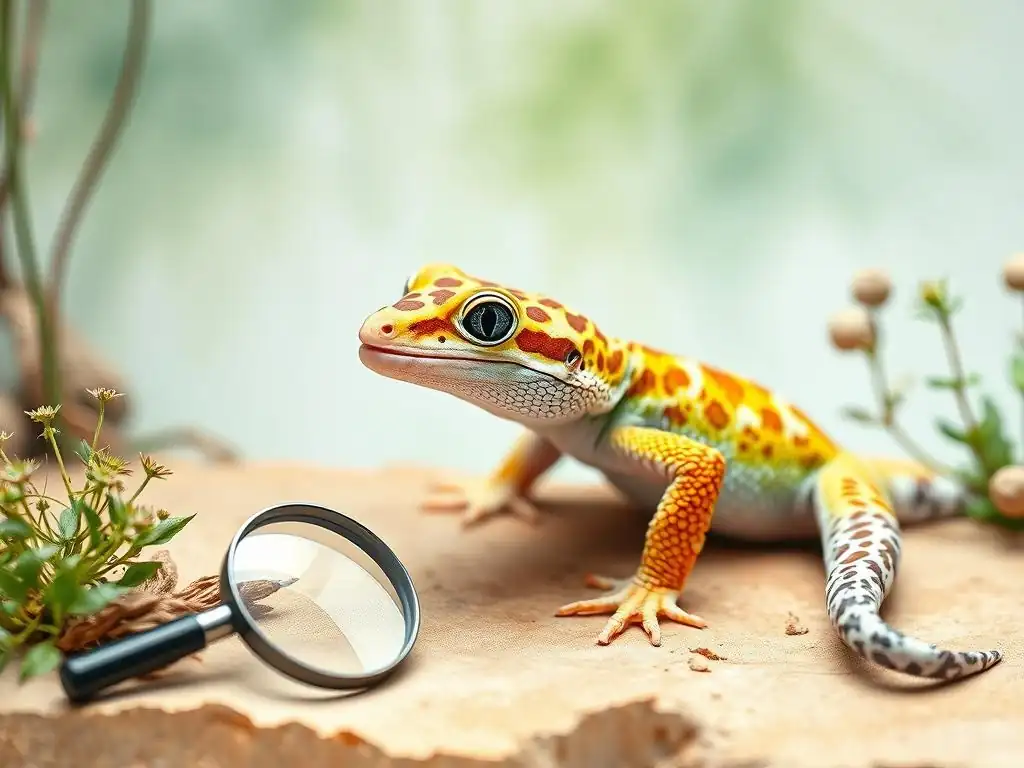
Preventing reptile mite infestations requires a proactive approach focusing on hygiene, regular health checks, and quarantine procedures. Ignoring preventative measures significantly increases the risk of future infestations, leading to unnecessary stress for your reptile and potential health complications. Effective prevention is far easier and less costly than treating a full-blown infestation. Let's explore key strategies to keep your scaly companions mite-free.
Maintaining a Clean and Hygienic Reptile Enclosure
Maintaining a spotless reptile enclosure is paramount in preventing mite infestations. Mites thrive in dirty, humid environments, so regular cleaning is crucial. This involves more than just spot cleaning; it requires a thorough, systematic approach.
Here's a step-by-step guide:
- Remove your reptile: Carefully transfer your reptile to a temporary, clean enclosure.
- Discard substrate: Dispose of the old substrate (e.g., aspen shavings, coconut fiber) properly. Do not reuse it.
- Thorough cleaning: Scrub the enclosure with a reptile-safe disinfectant, paying close attention to crevices and corners. A solution of diluted bleach (follow product instructions carefully) is effective but ensure it's completely rinsed away before reintroducing your reptile. Use a stiff brush to remove stubborn debris.
- Replace substrate: Use fresh, clean substrate.
- Clean accessories: Wash and disinfect all enclosure accessories, such as water dishes, hides, and branches. Consider replacing porous items that are difficult to fully sanitize.
- Regular spot cleaning: Between deep cleans, remove fecal matter and uneaten food daily to prevent mite breeding grounds.
This process should be repeated at least once a month, or more frequently depending on the reptile species and the size of the enclosure. A clean environment significantly reduces the likelihood of mite infestations and promotes your reptile's overall health and well-being. Remember, consistency is key!
Regular Reptile Health Checkups and Preventative Care
Regular veterinary checkups are vital for early detection of any potential parasite problems, including mite infestations. Early detection allows for prompt treatment, minimizing the severity and duration of the infestation. During these checkups, a veterinarian can assess your reptile's overall health and skin condition, identifying any signs of mites before a noticeable infestation occurs.
Beyond routine checkups, proactive preventative care includes:
- Monitoring your reptile's behavior: Observe your reptile closely for any changes in behavior, such as excessive scratching, lethargy, or loss of appetite. These could be early warning signs of a mite infestation.
- Maintaining appropriate humidity and temperature: Incorrect environmental conditions can weaken your reptile's immune system, making it more susceptible to parasites.
- Providing a balanced diet: A healthy diet boosts your reptile's immune system, enhancing its natural resistance to parasites.
Regular inspections and preventative measures can significantly reduce the risk of mite infestations, ensuring your reptile remains healthy and vibrant. Don't underestimate the importance of proactive care.
Quarantine New Reptiles to Prevent Mite Spread
Introducing a new reptile to your collection carries a significant risk of introducing mites. Even if the new reptile appears healthy, it could be harboring mites that are not yet visible. Therefore, strict quarantine procedures are essential.
Quarantine should involve:
- Isolating the new reptile: House the new reptile in a completely separate enclosure, away from your existing reptiles, for at least 30-60 days. This isolation period allows time for any potential mites to manifest.
- Careful observation: Monitor the new reptile closely for any signs of mites during the quarantine period.
- Thorough cleaning of the quarantine enclosure: Clean and disinfect the quarantine enclosure frequently using reptile-safe disinfectants.
This preventative measure protects your established reptile collection from potential mite infestations, preventing the spread of parasites and safeguarding the health of all your reptiles. Never underestimate the importance of quarantine when adding new members to your reptile family. The small investment of time and effort can save you considerable heartache and expense later.
Long-Term Management of Reptile Mite Infestations
Successfully treating a reptile mite infestation is only half the battle. Long-term management strategies are crucial to prevent recurrence and maintain the health of your reptile. Ignoring this crucial aspect can lead to repeated infestations, compromising your pet's well-being and potentially resulting in significant veterinary costs. Proactive measures are key to successful reptile mite infestation treatment and long-term prevention.
Monitoring for Recurrence After Treatment
Even after a thorough cleaning and treatment regimen, vigilance is paramount. Regularly inspect your reptile's enclosure and your pet for signs of mites. This includes carefully examining the scales, checking for excessive scratching or rubbing, and observing the substrate and décor for any signs of mite activity. A weekly inspection is recommended for at least the first month post-treatment, then gradually decreasing to a bi-weekly, then monthly check.
Early detection is vital for preventing a full-blown infestation. Pay close attention to areas where mites often congregate, such as under scales, in crevices, and within the substrate. Consider using a magnifying glass to aid in detection, particularly for smaller mite species.
Remember, early detection is key to effective reptile mite infestation treatment. A small recurrence is much easier to manage than a full-blown infestation.
Adjusting Husbandry Practices to Minimize Mite Risk
Modifying husbandry practices is crucial for preventing future reptile mite infestations. This involves several key adjustments to the reptile's environment. Improving hygiene is paramount; thoroughly disinfect all enclosure components regularly using approved reptile-safe disinfectants. This includes the terrarium, water dishes, feeding bowls, and any decorative items. Pay particular attention to the substrate; frequently replace or clean it, depending on the type used.
Some substrates are more prone to mite infestations than others. For example, paper towels are generally easier to maintain than wood shavings. Ensure proper ventilation within the enclosure to reduce humidity, as mites thrive in damp environments. Regularly inspect and clean the enclosure, removing any debris or fecal matter promptly. Maintaining a clean and dry environment significantly reduces the risk of mite infestation.
| Husbandry Practice | Recommended Action | Impact on Mite Prevention |
|---|---|---|
| Substrate Selection | Choose a substrate that is easily cleaned and less likely to harbor mites (e.g., paper towels) | Significantly Reduces Risk |
| Enclosure Cleaning | Thoroughly disinfect the enclosure weekly, replacing substrate as needed. | Reduces Mite Population |
| Humidity Control | Ensure proper ventilation to maintain optimal humidity levels. | Prevents Mite Breeding |
| Waste Removal | Remove fecal matter and uneaten food daily. | Reduces Mite Food Source |
The Importance of Ongoing Veterinary Care for Reptile Mite Control
While home treatments can effectively address mite infestations, ongoing veterinary care plays a crucial role in long-term management and prevention. Regular veterinary check-ups allow for early detection of any recurrence or other health issues that may compromise your reptile's immune system and make it more susceptible to mites. Your veterinarian can also provide guidance on appropriate husbandry practices, recommend specific treatments, and address any underlying health concerns that could contribute to mite infestations. Don't hesitate to consult your veterinarian if you have any concerns about your reptile's health or suspect a mite infestation.
Proactive veterinary care is a vital component of responsible reptile ownership and effective reptile mite infestation treatment. Remember, prevention is always better than cure. 🧐
Frequently Asked Questions
How can I tell if my reptile has a mite infestation?
Several signs indicate a mite infestation. Look for tiny moving specks on your reptile's skin, especially around the eyes, nostrils, and cloaca. You may also see skin irritation, scaling, or lethargy.
What are the most common types of mites that affect reptiles?
Reptiles can be affected by several mite species, but Cheyletiella mites (walking dandruff) and Ophionyssus natricis mites (snake mites) are among the most prevalent. Accurate identification often requires microscopic examination.
How do I treat a reptile mite infestation?
Treatment involves thorough cleaning of the enclosure, removing all substrate and decorations. Ivermectin is often used for treatment, but always consult a veterinarian before administering any medication to your reptile.
Are mite infestations contagious to other pets or humans?
While some mites are species-specific, some can spread to other reptiles. The risk of transmission to humans is generally low, but good hygiene practices are essential to minimize potential exposure.
How can I prevent future mite infestations in my reptile?
Regular cleaning and disinfection of the enclosure is crucial. Maintain proper humidity and temperature levels, and quarantine new reptiles before introducing them to your existing collection to prevent the spread of parasites.
Final Reflection: Living in Harmony: Reptiles, Mites, and the Future of Responsible Ownership
The silent threat of mite infestations in reptiles remains a pervasive issue, impacting the health and well-being of countless captive animals. Ignoring these tiny parasites can lead to significant suffering and even death for our scaly companions, highlighting the crucial need for proactive prevention and effective treatment strategies.
The journey of understanding reptile mite infestations is a testament to the evolving relationship between humans and the animals we share our lives with. Our responsibility extends beyond simply providing food and shelter; it encompasses a deep understanding of their delicate ecosystems and the potential threats they face. The greatness of a nation and its moral progress can be judged by the way its animals are treated.
- Mahatma Gandhi. This quote, while broad in scope, speaks to the ethical considerations inherent in reptile ownership and the importance of responsible care, including the prevention and treatment of mite infestations. The ongoing education and sharing of knowledge within the herpetological community are vital steps in ensuring the health and happiness of our reptile companions.
You, the reader, now possess the knowledge to identify and address mite infestations effectively. This is not just about treating a problem; it's about fostering a deeper connection with your reptile, understanding its needs, and actively participating in its well-being. Take the time to examine your reptile carefully, implement preventative measures, and remember that early detection is key to successful treatment. By acting responsibly, we can ensure a healthier future for our reptiles and contribute to a more compassionate and informed herpetological community.
Unleash Your Reptile's Radiant Health: Take Action Now!
Thank you for learning about reptile mites! We hope this article has given you the knowledge to protect your scaly friend. Now, let's put that knowledge into action.
- Thoroughly inspect your reptile and its enclosure: Carefully examine your reptile and its environment for any signs of mites. Early detection is crucial for successful treatment.
- Connect with our community: Share your observations and ask questions in our PetCareWorld forum. Get personalized advice and learn from the experiences of other reptile keepers.
- Explore natural mite treatments: Consider non-toxic options like diluted apple cider vinegar baths before using chemical treatments. Always prioritize your reptile's safety and well-being.
Ready to give your reptile the best possible care? What's your first step to ensure a mite-free environment for your beloved pet?