
Medication Options: When to Consider AntiAnxiety Aids for Vet Visits

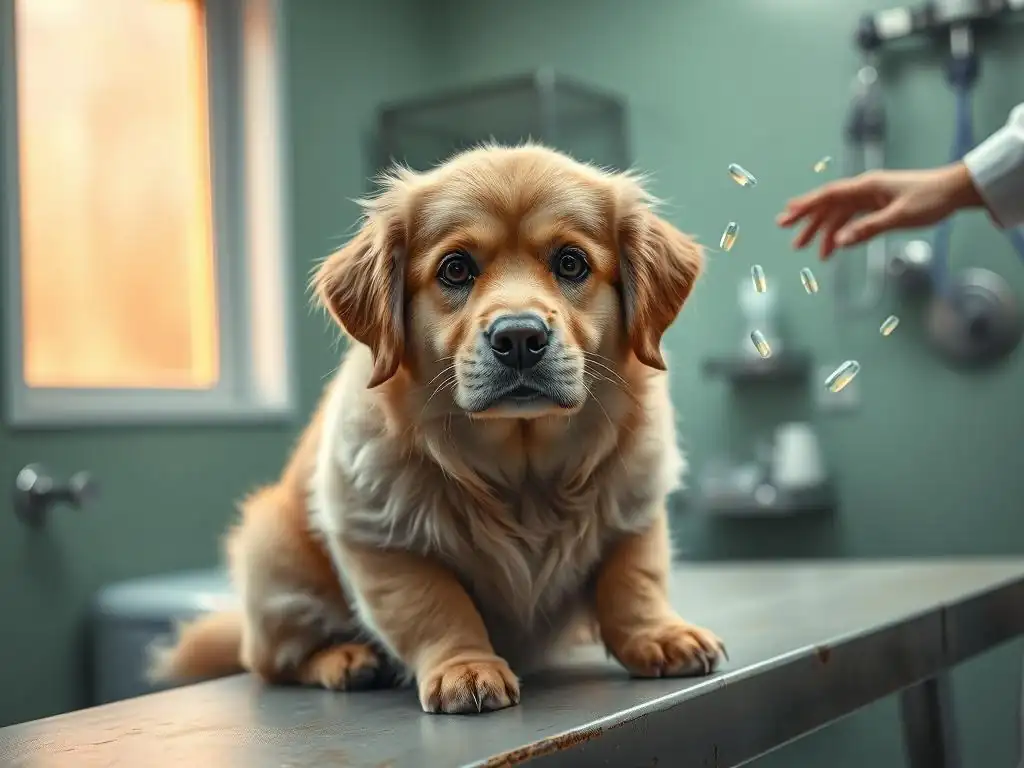
Welcome to PetCareWorld, your ultimate guide to a happier, healthier life for your beloved companion! Are you concerned about your dog's anxiety during vet visits? We understand the stress involved, and our expert guide on "Dog anxiety vet visit medication" offers invaluable insights into medication options and when they might be necessary. Discover practical solutions and empower yourself with the knowledge to ensure your furry friend's well-being, even during stressful situations. Explore our comprehensive resources on pet health, nutrition, and more – your journey to better pet care starts here!
- Understanding Dog Anxiety During Vet Visits
- When Medication Might Be Necessary for Vet Visits
- Non-Medication Strategies for Managing Dog Anxiety
- Discussing Medication Options with Your Veterinarian
- Types of Anxiety Medication for Dogs
- Common Anti-Anxiety Medications for Dogs and Their Uses
- Preparing Your Dog for Medication and the Vet Visit
- Managing Side Effects and Monitoring Your Dog's Response
- Long-Term Management of Anxiety in Dogs
-
Frequently Asked Questions
- What are some common signs of dog anxiety during vet visits?
- When should I consider medication for my dog's vet visit anxiety?
- What types of medication are commonly used to treat dog anxiety during vet visits?
- Are there any side effects associated with anti-anxiety medication for dogs?
- How can I prepare my dog for a vet visit, even if they are on medication?
- Final Reflection: Navigating Anxiety: A Pawsitive Path Forward
- Unleash Your Pet's Confidence: Next Steps for Peaceful Vet Trips
Understanding Dog Anxiety During Vet Visits
Many pet owners dread the veterinary visit, not just for themselves, but for their beloved canine companions. For some dogs, a trip to the vet is a source of significant anxiety, manifesting in various ways that can range from mild unease to full-blown panic.
This article delves into the common signs of canine anxiety during vet visits, explores the severity spectrum of this issue, and discusses the potential health consequences of leaving it unaddressed. Understanding your dog's anxiety is the first step towards mitigating it and ensuring smoother, less stressful veterinary experiences for both you and your furry friend.
We'll also explore medication options available to help manage this anxiety, focusing on safe and effective approaches to help your dog feel more comfortable and secure during necessary medical appointments. This guide is specifically designed to help you navigate the complexities of dog anxiety related to vet visits and equip you with knowledge to make informed decisions regarding your pet's well-being.
Recognizing Signs of Anxiety in Dogs at the Veterinary Clinic
Recognizing the signs of anxiety in your dog at the veterinary clinic is crucial for effective management. These signs can vary widely in intensity and presentation, but some common indicators include:
- Excessive panting or drooling: A significant increase in panting, even in a cool environment, can signal anxiety. Similarly, excessive drooling can be a tell-tale sign.
- Restlessness and pacing: Your dog may exhibit constant movement, pacing back and forth, or trying to escape the examination room.
- Tremors or shaking: Visible trembling or shaking is a clear indication of fear or anxiety.
- Hiding or cowering: Your dog may try to hide behind you, under furniture, or cower in a corner.
- Aggressive behavior: While less common, some anxious dogs may display aggression as a defense mechanism. This could include growling, snapping, or biting.
- Urination or defecation: Accidental urination or defecation is a common sign of severe anxiety.
- Whining or whimpering: Constant whining or whimpering, even in the absence of other symptoms, can signal underlying anxiety.
- Changes in posture: Your dog may tuck its tail, lower its head, flatten its ears, or exhibit other submissive postures.
It's important to note that some dogs may exhibit only a few of these signs, while others might display a combination of several. Observing your dog's behavior carefully both before, during, and after the vet visit can help you identify patterns and pinpoint potential anxieties. Keeping a detailed record of these observations can be invaluable when discussing treatment options with your veterinarian. Remember, early recognition is key to effective management.
Assessing the Severity of Your Dog's Anxiety
The severity of your dog's anxiety during vet visits can range from mild to severe. Mild anxiety might involve slight restlessness or a little panting, while severe anxiety could manifest as intense fear, aggression, or even a complete shutdown. Accurate assessment is vital for determining the appropriate course of action.
To gauge the severity, consider the following:
- Frequency of anxious responses: Does your dog exhibit anxious behavior every time you visit the vet, or only occasionally?
- Intensity of the response: How pronounced are the anxious behaviors? Are they mild or severe?
- Impact on daily life: Does your dog's anxiety extend beyond the vet visit, affecting its behavior at home or in other situations?
- Safety concerns: Does your dog's anxiety pose a safety risk to you, the veterinary staff, or itself?
A detailed assessment will help your veterinarian determine if medication is necessary and, if so, what type and dosage would be most appropriate for your dog's specific needs and the severity of its anxiety. Don't hesitate to discuss your concerns and observations with your veterinarian; they are trained to assess anxiety levels and recommend suitable interventions. Remember, open communication is essential for the best possible outcome.
The Impact of Unmanaged Anxiety on Your Dog's Health and Well-being
Unmanaged anxiety during vet visits can have several negative consequences for your dog's health and well-being. Prolonged stress weakens the immune system, making your dog more susceptible to illness. Chronic anxiety can also lead to behavioral problems, such as aggression, destructive chewing, or excessive barking. Furthermore, avoiding necessary veterinary care due to anxiety can have serious repercussions, potentially leading to untreated medical conditions that could worsen over time.
The cumulative effect of untreated anxiety can significantly impact your dog's quality of life, leading to a less happy and healthy pet. Addressing your dog's anxiety proactively is an act of responsible pet ownership, ensuring your furry friend receives the necessary medical attention without undue stress. Early intervention is crucial to mitigate the long-term negative effects of unmanaged anxiety.
When Medication Might Be Necessary for Vet Visits

Determining whether your dog needs medication for vet visit anxiety requires careful consideration of their individual behavior and the severity of their distress. While many dogs experience some level of apprehension, medication is typically reserved for cases where anxiety is significantly impacting their well-being and the safety of both the pet and veterinary staff. Several factors point towards the need for pharmaceutical intervention.
- Extreme Fear and Distress: If your dog exhibits extreme fear responses like uncontrollable shaking, panting, vocalization (howling, whining, barking), attempts to escape, or even aggression during vet visits, medication might be necessary to manage these severe reactions. This level of anxiety can be incredibly stressful for your dog and make examinations difficult or impossible.
- Inability to Manage with Behavioral Modifications: If you've diligently implemented behavioral modification techniques, such as desensitization and counter-conditioning, and haven't seen significant improvement in your dog's anxiety levels before vet visits, medication may be a valuable addition to your management plan. It's important to note that medication is often most effective when used in conjunction with behavioral therapy.
- Safety Concerns: If your dog's anxiety poses a safety risk to themselves, you, or veterinary staff, medication is crucial to ensure a safe and successful visit. This is particularly true for dogs with a history of biting or other aggressive behaviors when stressed.
- Impact on Veterinary Care: Severe anxiety can interfere with the veterinarian's ability to perform a thorough examination. Medication can help create a calmer environment, facilitating a more accurate diagnosis and treatment.
Non-Medication Strategies for Managing Dog Anxiety
Before considering medication for your dog's vet visit anxiety, explore non-pharmaceutical strategies. These methods can be incredibly effective, particularly when used in combination with medication or on their own for milder cases of anxiety.
Non-Medication Strategies for Managing Dog Anxiety
- Positive Reinforcement Training: Start associating veterinary visits with positive experiences by rewarding calm behavior with treats and praise. This can involve gradually exposing your dog to veterinary-related stimuli (sounds, smells, sights) in a controlled and safe environment.
- Desensitization and Counter-Conditioning: This technique involves gradually exposing your dog to anxiety-provoking stimuli (e.g., the veterinary clinic) at a level that doesn't trigger a fear response. Slowly increase the intensity of the stimuli while pairing it with positive reinforcement.
- Pheromone Therapy: Synthetic canine appeasing pheromones (DAP) can help calm anxious dogs. These pheromones mimic the calming scents released by mother dogs, creating a sense of security and reducing stress. DAP diffusers or sprays can be used in the home and even in the car on the way to the vet.
- Environmental Enrichment: Ensure your dog has plenty of opportunities for physical and mental stimulation at home. A tired dog is often a calmer dog. Regular exercise, puzzle toys, and social interaction can significantly reduce overall anxiety levels.
- Pre-Visit Preparation: Create a relaxed and positive pre-visit routine. This could involve a calm car ride, a favorite toy or blanket, and gentle reassurance. Avoid punishment or scolding, which will only worsen the anxiety.
Remember, consistency is key when implementing these strategies. It may take time and patience to see results, but the effort will be worth it for a less anxious pet.
Discussing Medication Options with Your Veterinarian
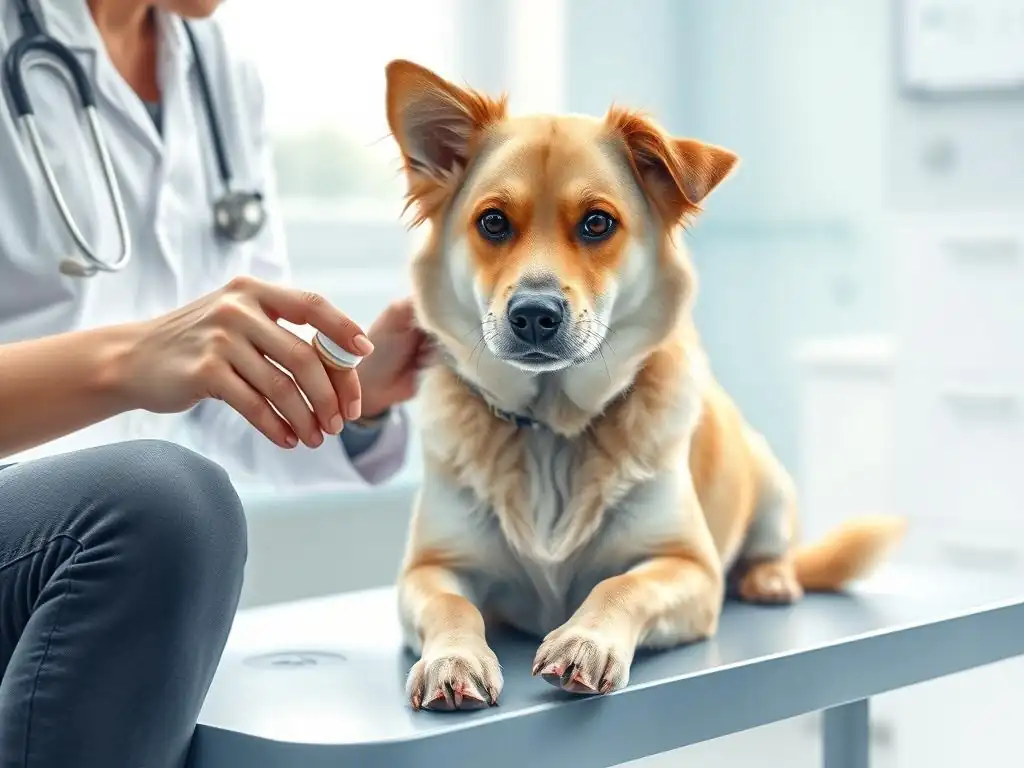
Choosing the right medication for your dog requires a comprehensive discussion with your veterinarian. They will consider your dog's breed, age, weight, health history, and the severity of their anxiety. Don't hesitate to ask questions and express your concerns. Together, you can develop a tailored plan that addresses your dog's unique needs.
Discussing Medication Options with Your Veterinarian
Your veterinarian will likely conduct a thorough assessment of your dog's anxiety, including a detailed history of their behavior during vet visits and other stressful situations. They may also ask about any other health conditions your dog has. They'll explain the risks and benefits of different medications, including potential side effects.
It's crucial to be open and honest about your dog's behavior and your expectations for the medication. It's important to remember that medication is not a quick fix; it's a tool that works best when combined with behavioral modification techniques. Regular follow-up appointments will allow your vet to monitor your dog's response to the medication and adjust the dosage or medication type as needed.
Types of Anxiety Medication for Dogs
Several types of medication can effectively manage dog anxiety related to vet visits. Your veterinarian will help you choose the most appropriate option based on your dog's specific needs and health status.
Types of Anxiety Medication for Dogs
The most commonly used medications fall into these categories:
- Benzodiazepines: These medications (e.g., diazepam, alprazolam) provide rapid relief from anxiety but are typically used on a short-term basis due to potential side effects such as sedation and dependence. They are often prescribed for single vet visits or for short periods of intense anxiety.
- Selective Serotonin Reuptake Inhibitors (SSRIs): SSRIs (e.g., fluoxetine, paroxetine) are antidepressants that work by increasing serotonin levels in the brain. They are generally well-tolerated and are often prescribed for long-term management of anxiety. However, they can take several weeks to become fully effective.
- Tricyclic Antidepressants (TCAs): TCAs (e.g., clomipramine, amitriptyline) are another class of antidepressants that can be effective for anxiety. Like SSRIs, they may take several weeks to reach their full therapeutic effect.
- Other Medications: In some cases, your veterinarian might recommend other medications, such as trazodone or gabapentin, to manage anxiety or address specific symptoms. These medications may be used alone or in combination with other drugs.
It's crucial to follow your veterinarian's instructions carefully regarding medication dosage and administration. Never change the dosage or stop the medication without consulting your veterinarian first. Regular monitoring of your dog's response to medication is essential to ensure its effectiveness and safety. Remember, a collaborative approach with your veterinarian, incorporating medication and behavioral modification, offers the best chance for managing your dog's anxiety and making vet visits a less stressful experience.
Common Anti-Anxiety Medications for Dogs and Their Uses
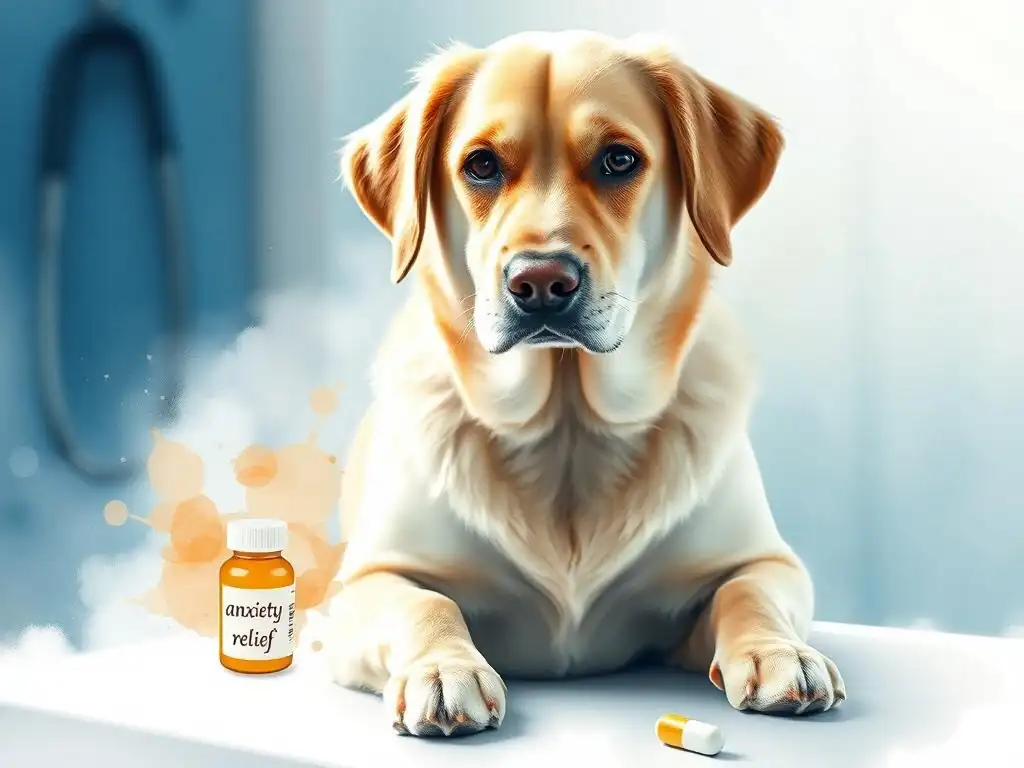
This section details common medications used to manage dog anxiety specifically related to veterinary visits. Remember, always consult your veterinarian before administering any medication to your pet. Improper use can be harmful. This information is for educational purposes only and should not be considered a substitute for professional veterinary advice. The choice of medication depends heavily on the severity and nature of your dog's anxiety, as well as their overall health. Choosing the right medication for "Dog anxiety vet visit medication" requires careful consideration.
Benzodiazepines for Short-Term Anxiety Relief During Vet Visits
Benzodiazepines are a class of drugs known for their rapid onset of action and effectiveness in reducing anxiety. They work by enhancing the effects of GABA, a neurotransmitter that inhibits brain activity, leading to a calming effect. For vet visits, they are often prescribed for short-term use, primarily to manage acute anxiety during the appointment itself.
Several benzodiazepines are used in veterinary medicine, with diazepam (Valium) being a common choice. The dosage is carefully calculated by the vet based on the dog's weight and the severity of their anxiety. It's crucial to follow the veterinarian's instructions precisely.
Important Note: Benzodiazepines can cause side effects such as drowsiness, incoordination, and decreased appetite. They are generally not recommended for long-term use due to the potential for dependence and tolerance. Their use should be strictly limited to situations where immediate anxiety relief is necessary, such as during a stressful vet visit.
Selective Serotonin Reuptake Inhibitors (SSRIs) for Long-Term Anxiety Management
SSRIs, such as fluoxetine (Prozac) and paroxetine (Paxil), are a different class of medications used for managing chronic anxiety in dogs. Unlike benzodiazepines, SSRIs work by increasing the levels of serotonin, a neurotransmitter associated with mood regulation. This leads to a more gradual but sustained reduction in anxiety levels.
Because of their mechanism of action, SSRIs are often preferred for long-term management of anxiety related to vet visits. They require a longer period to take full effect (often several weeks), but this makes them suitable for managing the overall anxiety associated with anticipating future vet appointments, not just the visit itself.
| Medication | Common Brand Name | Onset of Action | Duration of Effect | Potential Side Effects |
|---|---|---|---|---|
| Fluoxetine | Prozac | Several weeks | Long-term | Lethargy, appetite changes, vomiting |
| Paroxetine | Paxil | Several weeks | Long-term | Similar to Fluoxetine |
It's important to note that the effectiveness of SSRIs varies between dogs, and some may require adjustments in dosage or a trial of different medications. Regular monitoring by your veterinarian is essential to ensure the medication is working effectively and to manage any potential side effects.
While benzodiazepines and SSRIs are commonly used, other medications might be considered depending on the individual dog's needs and the veterinarian's assessment. These might include:
- Tricyclic antidepressants (TCAs): These medications, such as clomipramine (Clomicalm), affect multiple neurotransmitters and can be effective for severe anxiety. However, they often have a higher incidence of side effects.
- Buspirone: This medication is a serotonin partial agonist and is sometimes used as an alternative to SSRIs, particularly for dogs who don't respond well to SSRIs or experience significant side effects. It's often used in conjunction with other anxiety medications.
- Trazodone: This medication is often used as an adjunct to other medications to enhance their calming effects or to help manage specific symptoms, such as insomnia.
Remember, managing "Dog anxiety vet visit medication" requires a holistic approach. Medication is often combined with behavioral modification techniques for optimal results. Always consult your veterinarian to determine the best course of action for your dog. They will carefully consider your dog's specific needs, medical history, and overall health before recommending any medication. 🐶
Preparing Your Dog for Medication and the Vet Visit
This section focuses on the crucial steps to take before your dog's veterinary appointment, especially if anxiety medication is involved. Proper preparation significantly improves the effectiveness of the medication and reduces overall stress for both you and your canine companion. Remember, the goal is to make the experience as positive as possible, mitigating the need for stronger sedation in the future. This involves understanding your dog's specific anxieties and tailoring your approach accordingly.
Administering Medication to Your Anxious Dog
Administering medication to an already anxious dog can be challenging. The key is patience and a calm, reassuring demeanor. Never force medication; this will only exacerbate your dog's fear and distrust. Here's a step-by-step guide:
- Choose the right time: Administer medication when your dog is relatively calm and relaxed, perhaps after a walk or playtime. Avoid administering it right before a stressful event.
- Hide the pill: Many dogs are averse to the taste and texture of pills. Try hiding the pill in a high-value treat, such as a piece of cheese, peanut butter (xylitol-free! ), or a small piece of cooked meat. You can also purchase pill pockets designed specifically for this purpose.
- Positive reinforcement: Reward your dog immediately after they've swallowed the medication. Praise them enthusiastically and offer another treat. This creates a positive association with the medication.
- Patience is key: If your dog refuses the medication, don't get frustrated. Try a different hiding method or consult your veterinarian for alternative administration techniques, such as liquid medication. Remember, consistency is crucial.
- Monitor for side effects: After administering medication, carefully monitor your dog for any adverse reactions, such as vomiting, lethargy, or changes in appetite. Contact your veterinarian immediately if you notice anything unusual.
Creating a Positive Association with the Veterinary Clinic
Many dogs develop a negative association with the veterinary clinic due to past unpleasant experiences. To counteract this, proactive desensitization and counter-conditioning are vital. This involves gradually exposing your dog to veterinary-related stimuli in a safe and controlled environment.
- Start at home: Begin by associating positive experiences with objects that remind your dog of the vet. For instance, you could place a clean towel that smells faintly of the clinic in your dog's favorite resting spot. Reward calm behavior with treats and praise.
- Short, frequent visits: Arrange short, positive visits to the veterinary clinic without an examination. Let your dog explore the waiting area, receive treats, and interact with friendly staff. Keep these visits brief and rewarding.
- Car rides: Practice car rides to the clinic, rewarding your dog for calm behavior during the journey. Make car rides enjoyable by playing their favorite games or offering treats.
- Positive reinforcement: Always reinforce positive behaviors with treats, praise, and affection. The goal is to replace negative memories with positive ones. This process requires patience and consistency. The more positive experiences your dog has, the less anxious they will be during actual vet visits.
Developing a Comprehensive Anxiety Management Plan
A comprehensive anxiety management plan for your dog's vet visits requires a multifaceted approach. It's not just about medication; it's about creating a supportive and reassuring environment throughout the entire process. This should involve a collaborative effort between you and your veterinarian.
| Strategy | Description | Effectiveness (Subjective) |
|---|---|---|
| Medication (e.g., trazodone) | Prescribed by a veterinarian to reduce anxiety. | High |
| Pheromones (DAP/Feliway) | Diffusers or sprays that release calming pheromones. | Moderate |
| Desensitization/Counter-conditioning | Gradually exposing your dog to veterinary-related stimuli in a positive manner. | High |
| Relaxation techniques | Techniques like massage, gentle petting, and calming music can help reduce anxiety. | Moderate to High |
| Environmental enrichment | Providing your dog with a comfortable and stimulating environment at home can reduce overall stress levels. | Moderate |
Remember that the best approach is personalized to your dog's individual needs and anxieties. Regular communication with your veterinarian is essential to monitor your dog's progress and adjust the plan as needed. With patience, understanding, and a tailored approach, you can significantly reduce your dog's anxiety during veterinary visits. Addressing "Dog anxiety vet visit medication" proactively is key to ensuring a smoother experience for everyone involved. 🐶
Managing Side Effects and Monitoring Your Dog's Response
This section focuses on the crucial aspects of managing potential side effects and closely monitoring your dog's response to anti-anxiety medication administered before vet visits. Understanding these factors is paramount to ensuring the medication's effectiveness and your dog's safety and well-being. Remember, always consult your veterinarian before starting, stopping, or altering any medication regimen for your canine companion. Improper use can lead to serious health complications.
Common Side Effects of Anti-Anxiety Medications in Dogs
Many medications used to alleviate dog anxiety vet visit medication can produce side effects, albeit often mild and temporary. The specific side effects vary depending on the type and dosage of the medication. Some common side effects include:
- Sedation/Lethargy: This is a frequently reported side effect, ranging from mild drowsiness to significant lethargy. Your dog might sleep more than usual or appear less energetic. Monitor their activity levels and report significant changes to your veterinarian.
- Gastrointestinal Upsets: Nausea, vomiting, and diarrhea are possible. Providing small, frequent meals and bland food might help mitigate these issues. Severe or persistent gastrointestinal distress warrants immediate veterinary attention.
- Changes in Appetite: Some dogs experience increased appetite, while others may lose their appetite. Monitor food intake and report any significant changes to your vet. Weight fluctuations should also be tracked.
- Tremors or Shaking: Mild tremors are sometimes observed, particularly with certain medications. If these tremors are severe or persistent, contact your veterinarian.
- Increased Thirst or Urination: Some medications can affect kidney function, leading to increased thirst and urination (polydipsia and polyuria). This requires careful monitoring.
It's vital to note that the severity and frequency of these side effects can vary significantly between dogs and even between different medications. Keeping a detailed record of your dog's behavior and any observed side effects is crucial for your veterinarian to make informed adjustments to the treatment plan. This might involve a diary or a simple log noting the time of medication administration, dosage, and any observed symptoms.
This detailed information will assist your vet in optimizing your dog's treatment and minimizing any potential adverse effects. Remember, proactive monitoring is key to a successful outcome when using dog anxiety vet visit medication.
Monitoring Your Dog's Response to Medication
Effective monitoring extends beyond simply noting side effects. It's equally important to assess how well the medication is addressing the underlying anxiety. Before the vet visit, observe your dog's behavior:
- Pre-Visit Anxiety Levels: Note your dog's behavior in the days leading up to the appointment. Are they exhibiting signs of anxiety such as restlessness, panting, hiding, or changes in appetite?
- Travel to the Veterinary Clinic: Observe their behavior during transportation. Are they calmer than usual, or do they still show signs of significant stress?
- Behavior at the Veterinary Clinic: Monitor their demeanor at the clinic. Are they relaxed and cooperative, or are they still exhibiting fearful or anxious behaviors?
- Post-Visit Recovery: After the visit, note how quickly they return to their normal behavior. Does the medication's effect linger, or do they revert to anxiety quickly?
A comprehensive assessment encompassing these key points provides a holistic view of the medication's effectiveness. This information should be shared with your veterinarian, who can then determine whether the current medication and dosage are appropriate or if adjustments are needed. Remember, every dog is unique, and what works for one might not work for another. Close monitoring ensures a personalized and effective approach to managing your dog's anxiety. Detailed records are essential for effective communication with your veterinarian and optimizing the treatment plan. This proactive approach can significantly improve your dog's experience during veterinary visits.
Adjusting Medication Dosage and Regimen
Adjusting the dosage or regimen of dog anxiety vet visit medication should always be done under the strict guidance of your veterinarian. Never attempt to change the medication or dosage on your own. Your vet will consider various factors when making adjustments, including:
- Observed Side Effects: If side effects are significant, the dosage might be reduced or the medication changed entirely.
- Effectiveness of the Medication: If the medication isn't effectively reducing anxiety, the dosage might be increased, or a different medication may be prescribed.
- Individual Dog Characteristics: The optimal dosage varies widely depending on factors such as breed, size, age, and overall health.
- Specific Vet Visit Circumstances: If the upcoming vet visit is expected to be particularly stressful, your veterinarian might adjust the dosage accordingly.
The process of adjusting medication involves a careful balance between managing anxiety and minimizing side effects. Your veterinarian will work closely with you to find the right balance. Regular follow-up appointments are crucial to monitor your dog's progress and make any necessary adjustments. Remember, patience and close collaboration with your veterinarian are vital to ensuring a safe and effective treatment plan for your dog's anxiety. Open communication and detailed records of your dog's response to medication are essential for successful management of your dog's anxiety related to vet visits.
Long-Term Management of Anxiety in Dogs
Addressing dog anxiety related to vet visits requires a holistic approach. While medication can be a crucial component in managing acute anxiety during vet appointments, long-term management often necessitates a combination of strategies to achieve sustainable improvements in your dog's well-being. Simply relying on medication alone may not address the underlying causes of the anxiety, and it may mask symptoms without resolving the root problem.
A comprehensive plan should incorporate medication with behavioral modification and environmental enrichment. This ensures a more complete and effective solution for your canine companion. Ignoring the behavioral and environmental aspects risks the possibility of the anxiety recurring or even worsening over time.
Behavioral Modification Techniques to Complement Medication
Behavioral modification techniques are essential for long-term anxiety management in dogs. These techniques aim to gradually desensitize and counter-condition your dog to stimuli associated with vet visits. This process involves slowly exposing your dog to increasingly anxiety-provoking stimuli, while simultaneously pairing these stimuli with positive experiences like treats and praise. For example, you might start by associating the carrier with positive reinforcement: placing treats inside, feeding your dog near it, and even letting them sleep near it. Gradually increase the intensity of the stimuli: brief car rides, then longer ones, ultimately culminating in a short visit to the vet's office without any medical procedures.
Consistent, patient training is key. Consider consulting a certified professional dog trainer or veterinary behaviorist for personalized guidance and support. They can create a tailored plan to address your dog's specific anxieties and offer strategies to manage triggers effectively. Remember, consistency is vital for success.
Creating a Safe and Comfortable Environment at Home
Creating a safe and comfortable home environment is paramount to reducing overall anxiety levels in your dog. This involves identifying and minimizing stressors within the home. A safe haven, such as a dog bed or crate in a quiet area, can provide a retreat where your dog can feel secure and relaxed. This space should be free from disturbances and readily accessible to your dog.
Consider using calming pheromone diffusers or sprays, which release synthetic analogs of dog appeasing pheromones, potentially reducing anxiety. A consistent daily routine can also help, providing structure and predictability that reduces stress. Avoid sudden changes in routine or environment as much as possible. Regular exercise and playtime are also essential for releasing pent-up energy, which can contribute to anxiety.
A tired dog is often a calmer dog. Remember to adjust the intensity and duration of exercise according to your dog's breed, age, and health condition. A well-exercised dog is better equipped to handle stressful situations.
Maintaining Open Communication with Your Veterinarian
Open and honest communication with your veterinarian is crucial throughout the process of managing your dog's anxiety. Regular check-ups allow for monitoring your dog's response to medication and behavioral modification techniques. Your vet can adjust the medication dosage or suggest alternative treatments if necessary.
Detailed discussions about your dog's behavior at home and during vet visits are essential for your vet to assess the effectiveness of the treatment plan and make informed adjustments. Don't hesitate to report any changes in your dog's behavior, even seemingly minor ones. These observations can be invaluable in refining the treatment approach.
Your veterinarian can also offer valuable advice on managing specific anxiety triggers and provide referrals to qualified professionals, such as veterinary behaviorists or certified professional dog trainers. A collaborative approach between you, your veterinarian, and other professionals is often the most effective way to manage your dog's anxiety long-term. Remember, teamwork makes the dream work when it comes to your furry friend's well-being.
Frequently Asked Questions
What are some common signs of dog anxiety during vet visits?
Dogs experiencing anxiety at the vet might show shaking, panting excessively, whining or barking, trying to hide, or even aggression. These behaviors can vary in intensity.
When should I consider medication for my dog's vet visit anxiety?
Consider medication if your dog's anxiety is severe, interferes with the exam, or if behavioral modification techniques have proven ineffective. Your vet can help determine the best course of action.
What types of medication are commonly used to treat dog anxiety during vet visits?
Benzodiazepines and selective serotonin reuptake inhibitors (SSRIs) are common choices, often used short-term for specific events like vet visits. Your vet will prescribe the appropriate medication and dosage.
Are there any side effects associated with anti-anxiety medication for dogs?
Potential side effects can include drowsiness, lethargy, changes in appetite, and digestive upset. Discuss any concerns with your veterinarian. Always follow your vet's instructions precisely.
How can I prepare my dog for a vet visit, even if they are on medication?
Medication helps, but positive reinforcement training, familiar scents, and a calm, reassuring approach are crucial for a smoother experience, even when using medication. Desensitization can also be beneficial.
The emotional well-being of our canine companions is paramount, and understanding their anxieties, particularly around vet visits, is crucial for responsible pet ownership. Ignoring these anxieties not only impacts their immediate comfort but can also hinder their access to necessary medical care. The stress experienced during vet visits can escalate into serious health problems, highlighting the urgent need for informed decision-making.
The journey of understanding and managing canine anxiety around veterinary care is a continuous one, constantly evolving with new research and improved treatment options. It's a journey I've personally witnessed, both professionally and through my own experiences with my anxious dog, Leo. His initial fear transformed into a more manageable experience through careful planning and, when necessary, the thoughtful use of medication. The bond between humans and animals is one of the most profound and enriching relationships we can experience. Protecting that bond requires understanding and addressing the challenges that arise.
This quote underscores the importance of proactive approaches to managing pet anxiety.
Now, consider your own furry friend. Have you observed signs of anxiety during vet visits? Perhaps it's time to engage in a thoughtful conversation with your veterinarian, exploring the various medication options available and weighing the pros and cons. Remember, a calm and cooperative pet leads to a more effective and less stressful veterinary experience for both you and your beloved animal. Let's work together to create a more pawsitive future for our anxious companions.
Unleash Your Pet's Confidence: Next Steps for Peaceful Vet Trips
Thanks for learning how to ease your pet's anxiety during vet visits! We hope this guide provided valuable insights into medication options. Now, let's put this knowledge into practice. Here's how you can make a difference:
- Schedule a consultation: Discuss your pet's anxiety and the available medication options with your veterinarian to determine the best course of action. This is crucial for your pet's comfort and well-being.
- Create a calming home environment: Prepare your pet for future vet visits by creating a relaxing atmosphere at home. Play soothing music, offer calming treats, and consider using pheromone diffusers, as discussed in the article.
- Share your experiences: Help build a supportive community by sharing your tips and experiences in the comments section below. What strategies have worked best for you?
Will you take the first step toward smoother, less stressful vet visits for your furry friend today?