
Home Grooming for ShortHaired Dogs: Preventing Common Skin Problems

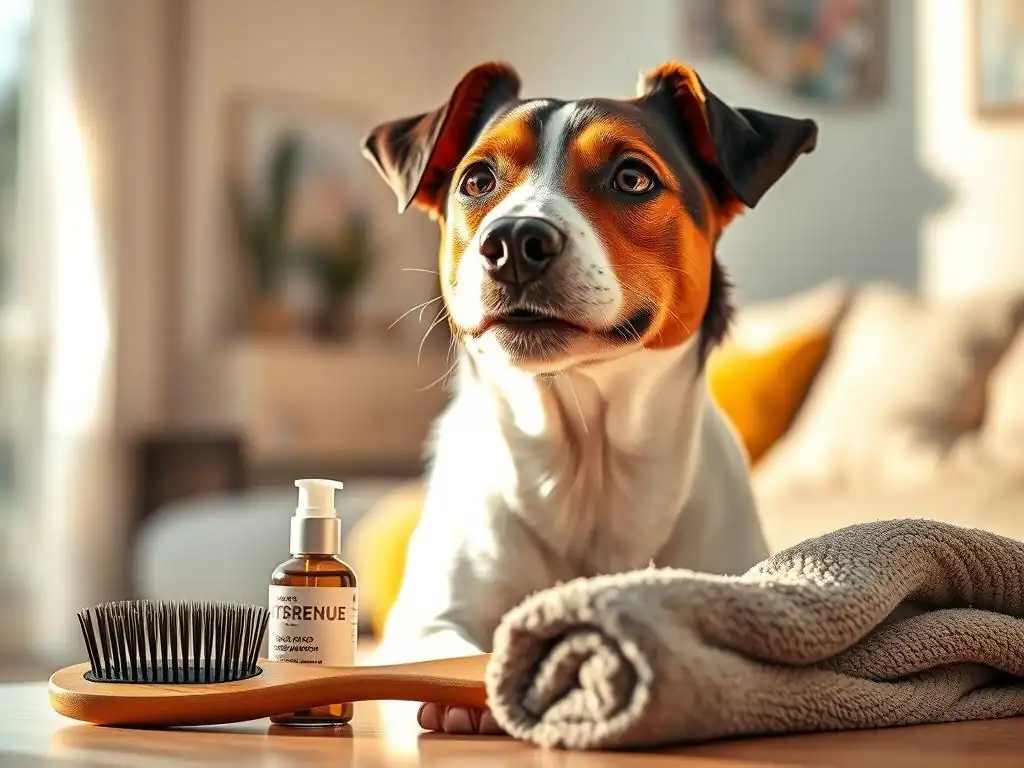
Welcome to PetCareWorld, your ultimate guide to a happier, healthier life for your beloved companion! Are you ready to unlock the secrets to keeping your short-haired friend looking and feeling their best? Our comprehensive Short Haired Dog Grooming Guide dives deep into essential techniques, revealing how proper grooming can prevent common skin problems and ensure a long, happy life for your furry friend. Discover the simple steps to a shiny coat and a healthy pet – explore now and unleash your inner pet grooming expert!
- Understanding Your Short-Haired Dog's Skin Needs
-
Step-by-Step Guide to Short Haired Dog Grooming at Home
- Brushing Techniques for Short Coats: Minimizing Shedding and Matting
- Bathing Your Short-Haired Dog: Choosing the Right Shampoo and Techniques
- Drying Your Dog Properly: Preventing Skin Irritation
- Ear Cleaning for Short-Haired Dogs: A Gentle Approach
- Nail Trimming for Short-Haired Dogs: Safety and Technique
- Dental Care: Maintaining Oral Hygiene for Healthy Skin
-
Preventing Common Skin Problems in Short-Haired Dogs
- Allergies in Short-Haired Dogs: Identification and Management
- Parasite Prevention: Fleas, Ticks, and Mites in Short-Haired Breeds
- Hot Spots and Skin Infections: Prevention and Treatment
- Dry Skin and Itchiness: Solutions for Short-Haired Dogs
- Nutritional Considerations for Healthy Skin and Coat in Short-Haired Dogs
- When to Seek Professional Veterinary Care for Your Short-Haired Dog
-
Frequently Asked Questions
- How often should I groom my shorthaired dog?
- What are the essential tools for grooming my shorthaired dog at home?
- How do I bathe my shorthaired dog without causing skin irritation?
- My shorthaired dog has dry skin. What can I do?
- What are the common skin problems in shorthaired dogs, and how can home grooming help prevent them?
- Final Reflection: The Untamed Beauty of Healthy Skin
- Unlock Your Dog's Healthy Skin: Start Grooming Now!
Understanding Your Short-Haired Dog's Skin Needs
Maintaining a healthy coat and skin is crucial for your short-haired dog's overall well-being. Unlike long-haired breeds, short-haired dogs have less natural protection against environmental irritants and parasites. This introductory section will explore the unique dermatological needs of short-haired dogs and how proper grooming can prevent common skin problems. We'll delve into identifying potential issues, selecting the right tools, and establishing a practical grooming schedule to keep your canine companion happy and healthy.
This comprehensive guide, designed to help you master home grooming for your short-haired dog, will equip you with the knowledge and techniques to prevent many common skin ailments, saving you potential veterinary visits and ensuring your furry friend remains comfortable and vibrant. This guide focuses on preventative care, empowering you to take charge of your dog's skin health. Remember, a proactive approach is key to keeping your short-haired dog's skin in top condition.
Identifying Common Skin Issues in Short-Haired Breeds
Short-haired dogs, while seemingly low-maintenance, are susceptible to a range of skin problems. Early detection is key to effective treatment. Some common issues include:
- Allergies: Environmental allergens (pollen, dust mites), food allergies, and contact allergies (flea bites, shampoos) can manifest as itching, redness, and skin lesions. Careful observation of your dog's behavior and coat condition can help pinpoint potential triggers. Symptoms often include excessive scratching, licking, or chewing.
- Parasites: Fleas, ticks, and mites are common culprits. Infestations can lead to intense itching, hair loss, and skin inflammation. Regular preventative treatments and thorough grooming are vital. You might notice small black specks (flea dirt) in your dog's fur.
- Bacterial and Fungal Infections: These can occur secondary to allergies, parasites, or other skin irritations. Infections might present as redness, scaling, crusting, or hair loss.
- Hot Spots: These are moist, inflamed areas of skin that can develop quickly. They are often caused by trauma, allergies, or infections. Hot spots require prompt attention to prevent further complications.
Recognizing these signs early allows for swift intervention, preventing minor issues from escalating into more serious health problems. Regular brushing and careful observation are your first lines of defense. If you notice any unusual changes in your dog's skin or behavior, consult your veterinarian immediately.
Essential Grooming Tools for Short-Haired Dogs
While short-haired dogs require less intensive grooming than their long-haired counterparts, having the right tools is essential for effective and comfortable grooming sessions. Investing in quality tools will make the process easier and more enjoyable for both you and your pet. Here's a list of essentials:
- A high-quality slicker brush: This is ideal for removing loose hair, dirt, and debris. Choose a brush with soft, flexible bristles to avoid irritating your dog's skin.
- A soft bristle brush: Use this for a final, gentle brushing to distribute natural oils and leave the coat shiny.
- Dog-specific shampoo and conditioner: Avoid human shampoos, as these can disrupt your dog's skin's pH balance. Opt for a gentle, hypoallergenic formula.
- Soft towels: Several absorbent towels are essential for drying your dog thoroughly after bathing.
- Nail clippers: Regular nail trimming prevents overgrowth and discomfort.
- Ear cleaning solution (optional): Use only a veterinarian-recommended solution to clean your dog's ears gently.
Frequency of Grooming for Short-Haired Dogs: A Practical Guide
The frequency of grooming for short-haired dogs depends on several factors, including their lifestyle, activity level, and coat type. However, a general guideline is to brush your dog at least once or twice a week. This helps to remove loose hair, distribute natural oils, and detect any skin abnormalities early on.
Bathing should be done as needed, typically every 4 to 8 weeks, or more frequently if your dog gets particularly dirty. Over-bathing can strip the skin of its natural oils, leading to dryness and irritation. Always use lukewarm water and a gentle, dog-specific shampoo. Thorough rinsing is crucial to remove all traces of shampoo.
Nail trimming should be performed every 2 to 4 weeks, or as needed. If you're unsure how to trim your dog's nails safely, consult your veterinarian or a professional groomer for guidance. Regular ear cleaning is also important, but only if necessary and using a veterinarian-approved solution. Remember to always prioritize your dog's comfort and well-being during grooming. A relaxed and positive experience will make grooming a smoother process for both of you. Regular grooming is an investment in your dog's health and happiness.
Step-by-Step Guide to Short Haired Dog Grooming at Home
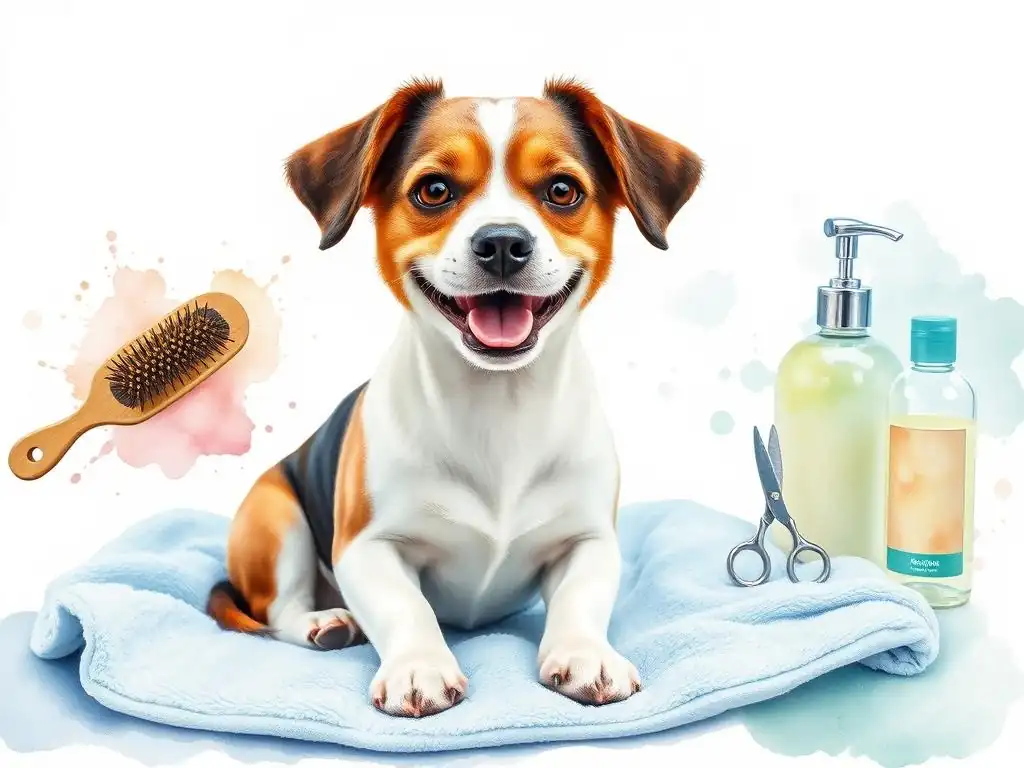
This section provides a detailed, step-by-step guide to effectively grooming your short-haired dog at home. Following these simple steps will help maintain your canine companion's coat health, minimizing shedding and preventing common skin problems often associated with improper grooming. Remember, regular grooming is crucial for a happy and healthy pet, and this guide will equip you with the knowledge and techniques to achieve this. This guide focuses on short-haired breeds, but many principles can be adapted for other coat types.
Brushing Techniques for Short Coats: Minimizing Shedding and Matting
Regular brushing is paramount for short-haired dogs, even if their coat appears low-maintenance. Brushing helps remove loose hair, preventing matting and reducing the amount of hair shed around your home. The frequency depends on your dog's breed and individual needs, but aiming for at least 2-3 times a week is generally recommended.
For short-haired breeds, a firm bristle brush or a rubber curry brush is ideal. Avoid brushes with overly soft bristles as they may not be effective in removing loose hair.
- Technique: Use gentle, firm strokes in the direction of hair growth. Pay particular attention to areas prone to matting, such as behind the ears, under the legs, and around the tail.
- Frequency: Aim for 2-3 brushing sessions per week for most short-haired breeds. Increase frequency during shedding seasons.
- Signs of Matting: Look for tangled clumps of hair. If mats form, carefully try to work them out with your fingers or a de-matting tool. Severe mats may require professional grooming.
- Benefits: Regular brushing not only minimizes shedding but also stimulates the skin, promoting healthy circulation and a shiny coat. It also allows you to check for any skin irritations, parasites, or lumps.
Bathing Your Short-Haired Dog: Choosing the Right Shampoo and Techniques
Bathing your short-haired dog shouldn't be a daunting task. However, choosing the right shampoo and employing the correct techniques are crucial for maintaining healthy skin and coat. Avoid using human shampoos, as these can disrupt your dog's skin's pH balance, leading to dryness and irritation.
- Shampoo Selection: Opt for a dog shampoo specifically formulated for short-haired coats. Look for shampoos that are gentle, moisturizing, and free of harsh chemicals and fragrances. If your dog has sensitive skin, consider a hypoallergenic option.
- Bathing Technique: Before you begin, wet your dog's coat thoroughly with lukewarm water, avoiding getting water in their ears. Apply the shampoo, lathering gently but thoroughly. Rinse completely to remove all traces of shampoo. Failure to rinse properly can lead to skin irritation.
- Frequency: How often you bathe your dog depends on its lifestyle and coat type. Generally, bathing every 4-6 weeks is sufficient for most short-haired dogs, unless they get particularly dirty.
- Drying: After bathing, thoroughly dry your dog's coat using a towel or a low-heat pet dryer. Leaving your dog damp can lead to chills and skin problems.
Drying Your Dog Properly: Preventing Skin Irritation
Improper drying can contribute to skin irritation and discomfort. Thorough drying is just as important as the bathing process itself.
- Towel Drying: Begin by gently towel-drying your dog's coat to remove excess water. Use a soft, absorbent towel and avoid rubbing aggressively, as this can irritate the skin.
- Air Drying: Allow your dog to air dry naturally, if possible. This is often the gentlest method.
- Pet Dryer: If you use a pet dryer, maintain a safe distance and use a low heat setting to avoid burning your dog's skin. Always monitor your dog's body language – if they seem uncomfortable, stop immediately.
- Importance of Complete Drying: Leaving your dog damp can create a breeding ground for bacteria and yeast, potentially leading to skin infections. Ensure your dog is completely dry before letting them off the leash. Pay close attention to areas like their paws and under their belly. These areas often retain moisture and are prone to fungal issues.
This comprehensive guide provides a solid foundation for home grooming of your short-haired dog. Remember that consistency is key. By following these steps regularly, you'll contribute significantly to your dog's overall health, well-being, and happiness. 🐶
Ear Cleaning for Short-Haired Dogs: A Gentle Approach
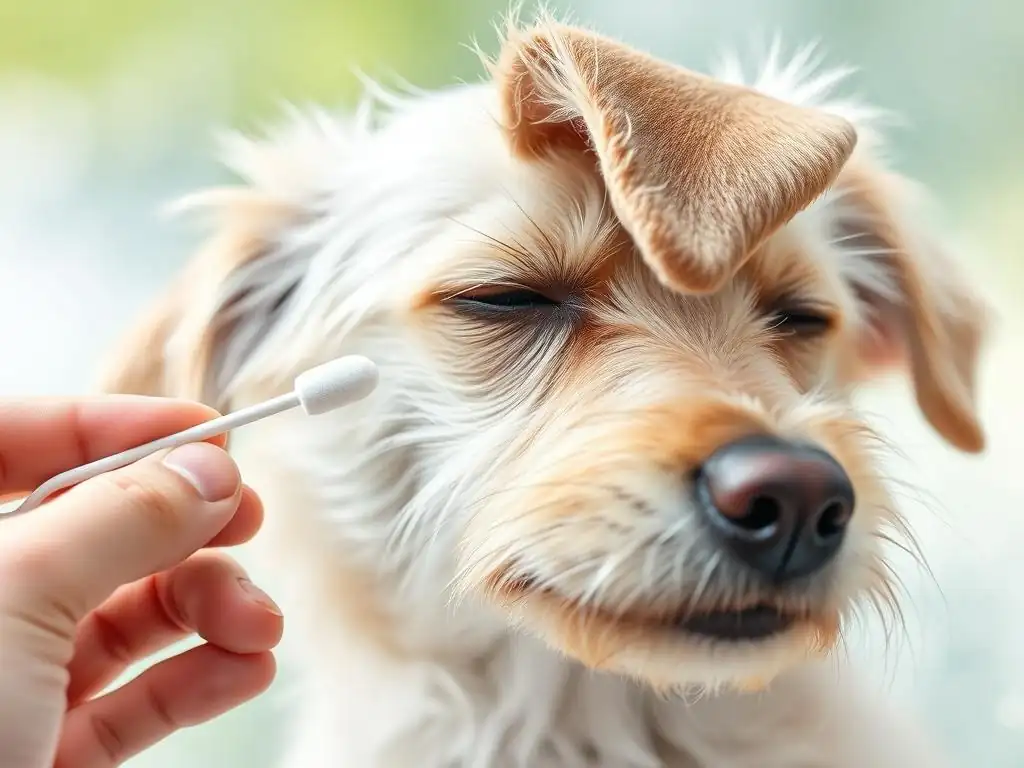
Ear infections are a common problem for dogs, especially those with floppy ears that trap moisture and debris. Regular ear cleaning is crucial for preventing these infections, and it's a simple procedure you can easily perform at home. However, gentleness is key to avoid injuring your dog's sensitive ear canal.
Begin by gathering your supplies: a veterinarian-approved ear cleaning solution, cotton balls or gauze pads, and a soft towel. Never use cotton swabs, as these can push debris further into the ear canal and potentially damage the eardrum.
Next, gently lift your dog's ear flap to expose the ear canal. Apply a few drops of the ear cleaning solution, following the instructions on the product label. Gently massage the base of the ear for about 15-30 seconds to allow the solution to loosen any dirt or wax.
Your dog might shake its head vigorously at this point – this is normal. Allow your dog to shake its head to help remove loosened debris. Then, using a clean cotton ball or gauze pad, gently wipe the visible parts of the ear canal. Avoid inserting the cotton ball deep into the ear canal. Only clean the visible areas.
Repeat this process on the other ear. If you notice any unusual odor, discharge, redness, or swelling, consult your veterinarian immediately. Regular ear cleaning, performed approximately once a week or as needed, will help keep your short-haired dog's ears clean and healthy, preventing potential infections and discomfort. Remember to always use a veterinarian-recommended ear cleaning solution, and if you are unsure about any aspect of this process, seek professional guidance from your vet.
Nail Trimming for Short-Haired Dogs: Safety and Technique
Keeping your short-haired dog's nails trimmed is essential for their comfort and overall well-being. Overgrown nails can cause discomfort, interfere with their gait, and even lead to joint problems. Regular nail trimming is a preventative measure that you can easily incorporate into your dog's grooming routine.
Before you begin, gather your supplies: a pair of sharp dog nail clippers (guillotine or scissor type, depending on your preference and your dog's nail type), styptic powder (to stop bleeding if you accidentally cut the quick), and a treat to reward your dog for good behavior.
To trim your dog's nails safely, familiarize yourself with the anatomy of the dog nail. The quick is the pink part of the nail containing blood vessels and nerves. Cutting into the quick can be painful and cause bleeding. It's crucial to avoid cutting into the quick. If your dog has dark nails, it's harder to see the quick, so it's best to trim small amounts at a time. If your dog has light-colored nails, the quick is easily visible as a pink area inside the nail.
Start by holding your dog's paw gently but firmly. Trim the nail at a slight angle, aiming to cut just below the quick. If you are unsure where to cut, start by trimming small amounts at a time, checking frequently to avoid cutting the quick. If you accidentally cut the quick, apply styptic powder immediately to stop the bleeding. Reward your dog with treats and praise throughout the process to create a positive association with nail trimming. Regular nail trims, ideally every 2-3 weeks, will help keep your dog's nails at a healthy length.
Dental Care: Maintaining Oral Hygiene for Healthy Skin
While it might seem unusual to connect dental care with skin health, the link is surprisingly strong. Poor dental hygiene in dogs can lead to bacterial infections in the mouth that can spread throughout the body, potentially affecting the skin. Gum disease, for example, can cause inflammation and irritation, leading to skin issues. Maintaining good oral hygiene is therefore a crucial part of your short-haired dog's overall health and well-being.
Regular brushing is the cornerstone of good dental care. Use a dog-specific toothbrush and toothpaste (human toothpaste is toxic to dogs). Start by gently introducing your dog to the toothbrush and toothpaste, letting them lick a small amount of the paste. Gradually increase the brushing time, aiming for at least two minutes twice a day. Focus on brushing the gum line and teeth surfaces. Dental chews and toys can also help to remove plaque and tartar buildup.
Regular veterinary checkups are also essential. Your veterinarian can perform a professional cleaning and assess your dog's dental health. They can also advise on appropriate dental products and strategies for your dog's specific needs. Addressing dental problems early can prevent serious complications that could impact your dog's skin health and overall well-being. Remember that healthy teeth contribute significantly to a healthy body, including healthy skin, in your beloved short-haired companion. A proactive approach to dental care is a valuable investment in your dog's long-term health.
Preventing Common Skin Problems in Short-Haired Dogs
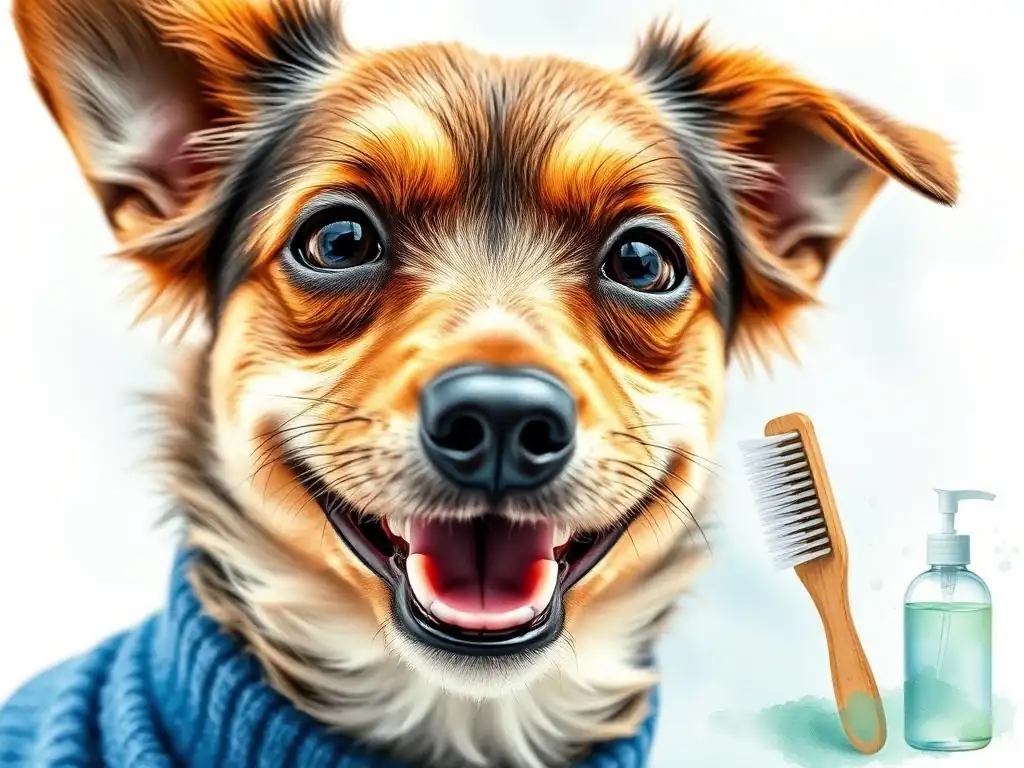
Maintaining the skin health of your short-haired dog is crucial for their overall well-being. A well-groomed coat acts as a natural barrier against environmental irritants and parasites. This section focuses on proactively preventing common skin issues, ensuring your canine companion remains happy and healthy. This guide provides essential information for your short haired dog grooming routine, helping you prevent and address potential skin problems effectively.
Allergies in Short-Haired Dogs: Identification and Management
Allergies are a prevalent skin problem affecting many short-haired dog breeds. These allergies manifest in various ways, often leading to intense itching, redness, and skin irritation. Identifying the allergen is the first step towards effective management.
Common allergens for dogs include:
- Food: Certain proteins in commercial dog food or table scraps can trigger allergic reactions. Symptoms often include chronic ear infections, digestive upset, and skin issues.
- Environmental: Pollen, dust mites, mold, and even grass can cause allergic reactions, particularly during specific seasons. These environmental allergies often present as itchy skin, paw licking, and sneezing.
- Contact: Exposure to certain materials like fabrics, chemicals (in shampoos or cleaning products), or plants can result in localized skin reactions. Symptoms are usually confined to the area of contact.
Recognizing the signs of allergies is critical. Keep a detailed record of your dog's diet, environment, and any new products introduced. This detailed log can help you and your veterinarian pinpoint the culprit. Treatment options range from dietary changes to medicated shampoos and antihistamines. In severe cases, immunotherapy might be necessary. Regular brushing, a crucial part of your short haired dog grooming guide, helps remove allergens from the coat, minimizing contact with the skin.
Parasite Prevention: Fleas, Ticks, and Mites in Short-Haired Breeds
Short-haired dogs are not immune to parasites like fleas, ticks, and mites. These tiny creatures can cause intense itching, hair loss, and even more serious health complications. Prevention is key.
Regular parasite prevention should include:
- Monthly Preventative Medications: Consult your veterinarian to determine the best preventative medication for your dog's breed, age, and weight. These medications are available in various forms, including topical applications and oral tablets.
- Regular Grooming: Brushing your dog regularly helps remove parasites and their eggs before they can establish a significant infestation. This is a vital component of any short haired dog grooming guide focused on preventative care.
- Environmental Control: Regularly treat your home and yard with flea and tick control products. Wash bedding frequently in hot water.
- Careful Outdoor Exploration: Avoid walking your dog in areas known for high parasite populations. Check your dog thoroughly for ticks after each outdoor excursion.
Early detection is crucial. Signs of infestation can include excessive scratching, redness, hair loss, and visible parasites. If you suspect your dog has parasites, contact your veterinarian immediately for diagnosis and treatment. Remember, consistent preventative measures are far more effective than treating a full-blown infestation.
Hot Spots and Skin Infections: Prevention and Treatment
Hot spots, also known as acute moist dermatitis, are areas of inflamed, infected skin. They are common in short-haired dogs, particularly those who are prone to allergies or have excessive licking or scratching. Prevention is crucial.
Key preventative measures include:
- Maintaining a Clean Coat: Regular brushing removes dirt, debris, and irritants that can contribute to hot spot development. Proper short haired dog grooming is essential.
- Addressing Underlying Issues: Treat any underlying allergies or skin conditions promptly. This prevents chronic irritation which can lead to hot spot formation.
- Careful Drying: Ensure your dog's coat is thoroughly dried after bathing or swimming to prevent moisture buildup, a breeding ground for bacteria.
- Managing Anxiety: Excessive licking or scratching, often stemming from anxiety or boredom, can trigger hot spots. Provide your dog with adequate mental stimulation and address any anxiety issues.
If a hot spot develops, prompt veterinary attention is necessary. Treatment typically involves cleaning the affected area, applying antibiotics, and possibly administering pain relief medication. In severe cases, systemic antibiotics may be required. Remember, early intervention significantly improves the chances of a quick and complete recovery. A comprehensive short haired dog grooming guide should always prioritize prevention and early intervention for skin problems.
Dry Skin and Itchiness: Solutions for Short-Haired Dogs

Dry skin and itchiness are common complaints among short-haired dogs. The lack of a thick undercoat leaves their skin more exposed to environmental factors like harsh weather and irritants. This can lead to discomfort, excessive scratching, and even secondary skin infections. Several factors contribute to dry skin in these breeds.
For instance, low humidity, especially during winter months, can significantly exacerbate the problem. Similarly, frequent bathing with harsh shampoos can strip the skin of its natural oils, leaving it dry and prone to irritation. Finally, underlying health conditions, such as allergies or hormonal imbalances, can also manifest as dry, itchy skin.
Addressing dry skin requires a multi-pronged approach. First, consider switching to a moisturizing shampoo specifically formulated for sensitive skin. Look for shampoos containing natural oils like coconut oil or oatmeal, known for their soothing and hydrating properties. Avoid frequent bathing; aim for once every 2-4 weeks, or less often if your dog's skin is particularly dry. In between baths, you can use a dog-specific leave-in conditioner to help maintain hydration.
Beyond bathing, environmental factors play a crucial role. During dry seasons, consider using a humidifier in your home to increase humidity levels. This can provide significant relief for your dog's dry skin. Additionally, regular brushing helps to distribute the dog's natural oils, promoting a healthier coat and reducing dryness. A soft-bristled brush is ideal for short-haired breeds to avoid irritating sensitive skin.
If dry skin persists despite these measures, a veterinary consultation is essential. Your vet can rule out underlying medical conditions and recommend appropriate treatment, which might include medicated shampoos or other topical treatments. Early intervention is key to preventing more serious skin problems. Remember, consistent care and attention to detail are crucial in maintaining your short-haired dog's skin health.
Nutritional Considerations for Healthy Skin and Coat in Short-Haired Dogs
Nutrition plays a pivotal role in maintaining healthy skin and a lustrous coat in short-haired dogs. Just like humans, dogs need a balanced diet rich in essential nutrients to support their skin and coat health. A diet deficient in key vitamins, minerals, and fatty acids can lead to dry, flaky skin, dull coat, and increased susceptibility to skin infections. Therefore, choosing the right food is paramount.
High-quality dog food, whether commercially produced or homemade, should contain sufficient amounts of omega-3 and omega-6 fatty acids. These essential fatty acids are vital for maintaining the skin's barrier function and reducing inflammation. Omega-3 fatty acids, in particular, have anti-inflammatory properties that can help alleviate itching and dryness. Look for dog foods that specifically list these fatty acids in their ingredient lists, or consider supplementing your dog's diet with fish oil or flaxseed oil. Always consult your veterinarian before introducing any supplements to your dog's diet.
Protein is another crucial component for healthy skin and coat. Protein provides the building blocks for skin cells and hair follicles. Ensure your dog's diet includes sufficient high-quality protein sources, such as chicken, beef, or fish. Avoid foods with excessive fillers or artificial ingredients, as these can negatively impact your dog's overall health and skin condition.
Beyond the main diet, consider incorporating nutrient-rich treats into your dog's routine. Treats containing added vitamins and minerals formulated for skin and coat health can provide an additional boost to their nutritional intake. However, remember to factor these treats into your dog's daily caloric intake to avoid weight gain. Regular veterinary check-ups are essential to monitor your dog's overall health and address any nutritional deficiencies that might be contributing to skin problems. A balanced diet, combined with proper grooming and veterinary care, is the cornerstone of healthy skin and a beautiful coat for your short-haired canine companion.
When to Seek Professional Veterinary Care for Your Short-Haired Dog
Even with diligent home grooming, certain situations require professional veterinary intervention. Knowing when to seek help is crucial for maintaining your short-haired dog's skin health and overall well-being. Ignoring potential problems can lead to more serious complications, increasing the cost and difficulty of treatment down the line. This section will help you identify those critical moments when a vet's expertise is necessary. Remember, early detection is key to effective treatment for many skin issues.
Recognizing Signs of Serious Skin Conditions
Several symptoms indicate a need for immediate veterinary attention. Don't dismiss seemingly minor issues; they could be symptoms of underlying problems. These include:
- Persistent itching or scratching: While some scratching is normal, excessive or relentless scratching that doesn't respond to home remedies warrants a vet visit. This could signal allergies, parasites, or infections.
- Redness, inflammation, or swelling: These are clear signs of irritation or infection. Pay close attention to the affected area's size and whether it's spreading.
- Hair loss or patchy bald spots: Beyond normal shedding, significant hair loss in localized areas suggests a potential problem. This could be caused by allergies, fungal infections (ringworm), or other dermatological issues.
- Lesions, sores, or wounds: Open wounds, especially those that are oozing pus or blood, require immediate veterinary care to prevent infection and promote healing. Careful observation of any changes in existing lesions is also important.
- Unusual skin odor: A foul or unpleasant odor emanating from your dog's skin might indicate an infection or bacterial overgrowth.
- Changes in behavior: Lethargy, loss of appetite, or changes in your dog's usual playful demeanor can accompany skin problems and should be investigated.
- Secondary infections: If you notice signs of a bacterial or yeast infection (e.g., crusty scabs, yellow discharge), it's crucial to seek professional help. These often require prescription medications.
A helpful tip: Keep a detailed record of your dog's grooming routine, noting any changes in their skin or behavior. This information can be invaluable when discussing your concerns with your veterinarian. Providing your vet with a timeline of events helps them accurately diagnose and treat the problem.
Importance of Regular Veterinary Check-ups for Skin Health
Proactive care is essential. Regular veterinary check-ups, even when your short-haired dog appears healthy, are crucial for preventative skin health. These check-ups allow your veterinarian to:
- Conduct a thorough skin examination: Your vet can identify early signs of potential problems, often before you notice them. This early detection is key to preventing minor issues from escalating.
- Assess your grooming techniques: Your vet can offer personalized advice on appropriate grooming practices for your dog's breed and specific needs. They can also help identify any potential issues arising from your current grooming routine.
- Perform allergy testing (if necessary): If your dog exhibits persistent itching or skin irritation, allergy testing can pinpoint environmental or food allergens. This testing is crucial for developing an effective management plan.
- Recommend preventative measures: Your vet can recommend appropriate preventative treatments, such as flea and tick preventatives, to minimize the risk of skin problems. They can also advise you on the best dietary choices to support healthy skin and coat.
- Provide early intervention: Regular check-ups allow for early diagnosis and treatment of skin conditions, minimizing discomfort and potential long-term complications.
Think of these check-ups as preventative maintenance for your dog's skin. It's far better to address potential problems early on, rather than dealing with more serious issues later. Regular visits ensure your short-haired dog enjoys a healthy, happy life, free from the discomfort of preventable skin conditions. This proactive approach is a vital part of responsible pet ownership and contributes significantly to your dog's overall well-being. Remember, a healthy coat is often a reflection of a healthy dog! 🐶
Frequently Asked Questions
How often should I groom my shorthaired dog?
While it depends on the breed and your dog's lifestyle, weekly brushing is generally sufficient for shorthaired dogs to remove loose hair and prevent mats. More frequent brushing may be needed during shedding seasons.
What are the essential tools for grooming my shorthaired dog at home?
You'll need a good quality slicker brush, a comb (to check for mats), and dog-specific shampoo and conditioner. Nail clippers and ear cleaning solution are also helpful.
How do I bathe my shorthaired dog without causing skin irritation?
Use lukewarm water and a dog-specific shampoo designed for sensitive skin. Avoid harsh chemicals and thoroughly rinse all shampoo to prevent residue buildup which can lead to skin problems.
My shorthaired dog has dry skin. What can I do?
Regular brushing helps distribute natural oils. Consider using a moisturizing shampoo and conditioner. Consult a vet if dryness persists, as it could indicate an underlying issue.
What are the common skin problems in shorthaired dogs, and how can home grooming help prevent them?
Common issues include allergies, infections, and parasites. Regular brushing removes dirt and allergens, while bathing with appropriate products helps maintain a healthy skin and coat, reducing the risk of these problems.
Final Reflection: The Untamed Beauty of Healthy Skin
Maintaining a short-haired dog's skin health isn't just about aesthetics; it's about ensuring their overall well-being. A seemingly simple grooming routine can be the difference between a happy, comfortable companion and one battling persistent irritation and discomfort. This understanding is crucial in today's world, where pet ownership is increasingly valued, and responsible care is paramount.
The journey of understanding canine skin health has been a deeply personal one for me, revealing the intricate connection between a dog's coat and their overall happiness. A dog is the only thing on earth that loves you more than he loves himself.
This quote highlights the profound responsibility we have to our furry friends, and proper grooming is a significant part of fulfilling that responsibility. The prevalence of skin allergies and irritations in short-haired breeds underscores the importance of proactive care, moving beyond simply brushing to a deeper understanding of their specific needs.
Now, consider your own short-haired companion. What steps can you take today to enhance their skin health? Perhaps it's a gentle adjustment to their diet, a more thorough brushing routine, or simply paying closer attention to any signs of irritation. Take the time to learn more about your dog's specific breed predispositions and tailor your grooming approach accordingly. By embracing this proactive approach, you'll not only enhance your dog's comfort and appearance but also strengthen the unbreakable bond you share. Remember, a healthy, happy dog is a testament to the love and care you provide.
Unlock Your Dog's Healthy Skin: Start Grooming Now!
Thank you for learning about maintaining your dog's healthy skin! You've gained valuable insights into preventing common skin problems. Now let's put that knowledge into practice.
- Prioritize regular grooming: Gentle brushing at least twice a week is crucial, paying special attention to areas prone to matting or irritation. This simple step makes a big difference!
- Find the right grooming tools: Experiment with different brushes or grooming gloves to discover what your dog prefers. A relaxed dog is a healthy dog!
- Share your grooming secrets: What's your favorite grooming tip for keeping your dog's coat healthy? Share your experience in the comments below!
Ready to see a noticeable improvement in your dog's coat and skin? We'd love to hear your thoughts and experiences!