
Diarrhea Distress: Recognizing Serious Digestive Issues in Pets

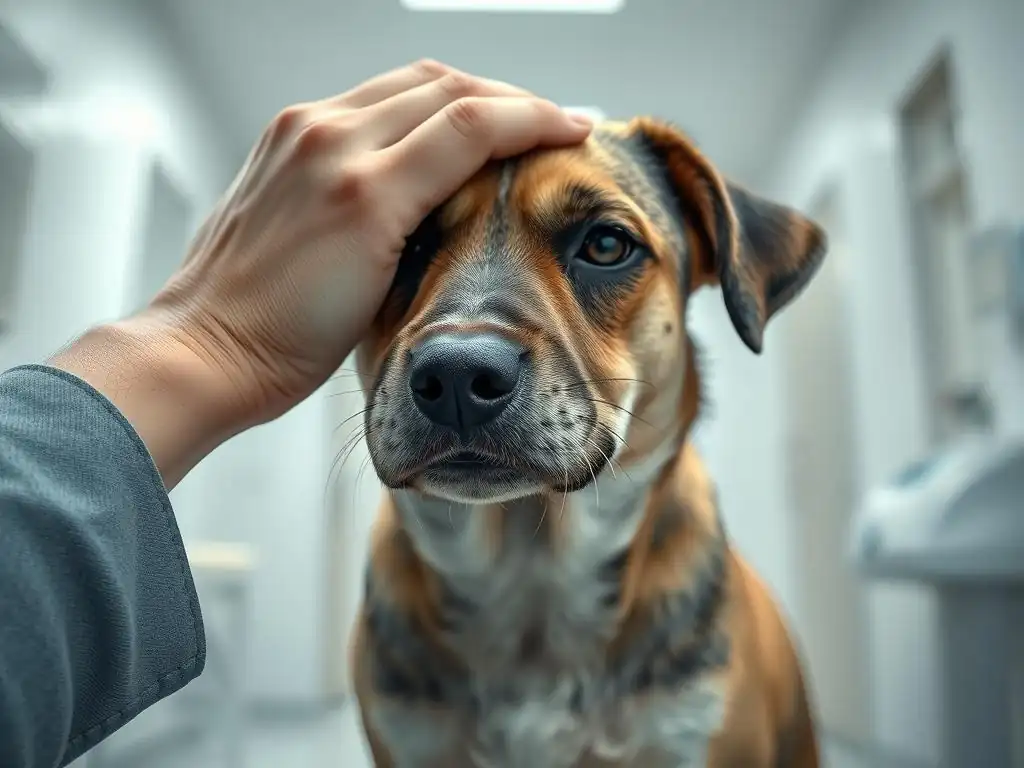
Welcome to PetCareWorld, your ultimate guide to a happier, healthier life for your beloved companion! Are you concerned about your pet's well-being? We understand that pet diarrhea can be alarming, and our in-depth guide, " Diarrhea Distress: Recognizing Serious Digestive Issues in Pets," will equip you with the knowledge to identify and address potentially serious digestive problems. Discover expert advice and practical solutions within our Pet Health & Nutrition section – let's ensure your furry, feathered, or scaled friend thrives.
- Understanding Pet Diarrhea: A Pet Owner's Guide
-
Serious Digestive Issues Manifested Through Diarrhea
- Pet Diarrhea and Dehydration: Recognizing the Signs
- Inflammatory Bowel Disease (IBD) in Pets: Symptoms and Diarrhea
- Pancreatitis in Pets: The Role of Diarrhea in Diagnosis
- Infectious Causes of Severe Pet Diarrhea: Parvovirus, Coronavirus, and More
- Food Allergies and Intolerances Leading to Chronic Diarrhea
- Parasites and Diarrhea in Pets: Identifying Common Culprits
- Diagnosing Serious Digestive Problems in Your Pet
- Treating Serious Digestive Issues Causing Pet Diarrhea
- Preventing Future Digestive Issues and Diarrhea in Pets
-
Frequently Asked Questions
- What are some common causes of diarrhea in pets?
- When should I consider pet diarrhea a serious digestive issue?
- How can I tell if my pet is dehydrated due to diarrhea?
- What are some home remedies for mild pet diarrhea?
- What diagnostic tests might my vet perform to investigate serious digestive issues?
- Final Reflection: The Silent Suffering of Our Furry Friends
- Unlock Your Pet's Digestive Wellness
Understanding Pet Diarrhea: A Pet Owner's Guide

Diarrhea in pets, characterized by loose, watery, or abnormally frequent bowel movements, can range from a minor inconvenience to a serious symptom indicating underlying health problems. This comprehensive guide will help you differentiate between mild, self-limiting diarrhea and more concerning digestive issues requiring immediate veterinary attention. Understanding the nuances of your pet's stool, its frequency, and accompanying symptoms is crucial for ensuring their well-being and providing timely intervention when necessary.
Early recognition of serious digestive issues can significantly improve your pet's prognosis and prevent potentially life-threatening complications. This article will equip you with the knowledge to effectively assess your pet's digestive health and make informed decisions about when professional veterinary care is needed.
We will explore various types of diarrhea, help you distinguish between normal and abnormal stool, and define crucial thresholds for seeking immediate veterinary help, focusing specifically on dogs and cats, the most common household pets. Ignoring potentially serious digestive issues can lead to dehydration, malnutrition, and other severe health problems, so understanding the warning signs is paramount for responsible pet ownership.
Types of Diarrhea in Pets: Frequency, Consistency, and Color
Pet diarrhea manifests in various forms, each potentially indicative of a different underlying cause. Careful observation of your pet's stool is crucial for accurate assessment. Key characteristics to note include:
- Frequency: How often is your pet having bowel movements? An increase in frequency, even if the stool appears relatively normal, can be a sign of a problem.
- Consistency: Is the stool watery, loose, pasty, or formed? Watery diarrhea often suggests more severe issues than simply loose stools.
- Color: The color of the stool can provide valuable clues. Normal stool color varies depending on diet, but significant changes (e.g., dark, tarry stools; bright red blood; pale, clay-colored stools) warrant immediate veterinary attention. The presence of mucus or undigested food can also indicate underlying problems.
| Stool Characteristic | Possible Indications | Severity Level |
|---|---|---|
| Watery, frequent | Viral or bacterial infection, inflammatory bowel disease | High |
| Loose, mucus present | Inflammatory bowel disease, parasites | Medium |
| Pale, clay-colored | Liver disease | High |
| Dark, tarry | Internal bleeding | High |
| Bright red blood | Hemorrhoids, anal gland issues, colitis | Medium to High |
For example, a dog experiencing frequent, watery, bright red diarrhea could indicate a serious issue like colitis requiring urgent veterinary care. Conversely, a cat with occasional loose stools after a dietary change might simply need a diet adjustment. Careful observation and record-keeping are essential.
Recognizing Normal vs. Abnormal Pet Stool
Understanding what constitutes "normal" stool for your pet is critical. Factors such as diet, age, and breed can influence stool consistency and frequency. However, some general guidelines apply:
- Normal Stool: Typically firm but not hard, well-formed, and a brown color. The frequency varies depending on the pet's diet and digestive system, but significant changes should be noted.
- Abnormal Stool: Watery, very loose, contains mucus or blood, is unusually pale or dark, has a foul odor, or is accompanied by other symptoms such as vomiting, lethargy, or loss of appetite.
It's crucial to establish a baseline for your pet's normal bowel habits. Keep a record of stool consistency, frequency, and color. This baseline will help you quickly identify any deviations from normal. Any significant changes should prompt a discussion with your veterinarian. For instance, a sudden shift from normal, firm stools to frequent, watery diarrhea warrants immediate attention.
When to Worry: Frequency and Duration of Diarrhea in Dogs and Cats
The duration and frequency of diarrhea are crucial indicators of severity. While occasional loose stools might be harmless, persistent diarrhea requires veterinary attention.
- Dogs: Diarrhea lasting more than 24-48 hours, accompanied by vomiting, lethargy, or blood in the stool, requires immediate veterinary care. Frequent, watery diarrhea can quickly lead to dehydration.
- Cats: Similar to dogs, persistent diarrhea (more than 24-48 hours) in cats, especially if accompanied by other symptoms like weight loss, decreased appetite, or changes in urination, needs prompt veterinary assessment. Cats are particularly prone to dehydration from diarrhea.
Remember, early intervention is key. Do not hesitate to contact your veterinarian if you're concerned about your pet's diarrhea. Ignoring potential issues can lead to serious complications, including dehydration, malnutrition, and even death in severe cases. The sooner you seek professional help, the better the chances of a positive outcome. Early diagnosis and treatment are paramount for the health and well-being of your beloved companion.
Serious Digestive Issues Manifested Through Diarrhea

Diarrhea in pets, while sometimes a minor inconvenience, can be a serious indicator of underlying digestive issues requiring immediate veterinary attention. This section focuses on recognizing the severity of diarrhea and understanding its association with several critical conditions. Understanding the nuances of pet diarrhea is crucial for responsible pet ownership, enabling swift action when faced with a potentially life-threatening situation. The severity of the diarrhea, coupled with other symptoms, often points towards the underlying cause.
Ignoring these warning signs can lead to significant health complications for your beloved pet. Prompt diagnosis and treatment are key to successful recovery. This section will explore three serious conditions frequently manifested through diarrhea: dehydration, Inflammatory Bowel Disease (IBD), and pancreatitis.
Pet Diarrhea and Dehydration: Recognizing the Signs
Pet diarrhea, especially when severe or persistent, can quickly lead to dehydration. Dehydration is a serious condition that can rapidly escalate, causing organ damage and even death. Recognizing the signs of dehydration is crucial for timely intervention. Symptoms beyond frequent, watery stools include:
- Lethargy and weakness: Your pet may appear unusually tired, sluggish, and unwilling to play.
- Sunken eyes: The eyes may appear sunken into their sockets, a clear indicator of fluid loss.
- Dry gums and mouth: Gums may feel sticky or dry to the touch. Normally moist, pink gums may appear pale or dry.
- Loss of skin elasticity: Gently pinch the skin on the back of your pet's neck. In a dehydrated animal, the skin will remain tented, slowly returning to its normal position. In a well-hydrated animal, the skin will quickly snap back.
- Decreased urination: Reduced or concentrated urine output is another critical sign.
The severity of dehydration is often graded by veterinarians based on the above symptoms. Early detection is paramount. If you suspect your pet is dehydrated due to diarrhea, immediately seek veterinary care. Intravenous fluids are often necessary to rehydrate the animal and stabilize its condition. Persistent diarrhea coupled with even mild dehydration warrants prompt veterinary attention. Don't underestimate the danger of dehydration; it can be a life-threatening complication of diarrhea in pets. Early intervention is key to a positive outcome.
Inflammatory Bowel Disease (IBD) in Pets: Symptoms and Diarrhea
Inflammatory Bowel Disease (IBD) is a chronic condition affecting the gastrointestinal tract. It's characterized by inflammation of the digestive system, leading to various symptoms, prominently including chronic diarrhea. IBD isn't a single disease but rather an umbrella term encompassing several conditions with similar clinical presentations. The exact cause of IBD remains unclear, but it's believed to involve an interplay of genetic predisposition, immune system dysfunction, and environmental factors. Diarrhea in IBD is often:
- Chronic: Persistent, lasting weeks or months, rather than a temporary episode.
- Watery or mucoid: The stool may contain mucus, giving it a slimy consistency.
- Bloody: In some cases, blood may be present in the stool.
- Often accompanied by other symptoms: These may include vomiting, weight loss, lethargy, decreased appetite, and abdominal pain.
Diagnosis of IBD requires a thorough veterinary examination, including blood tests, fecal analysis, and possibly endoscopy or biopsy. Treatment focuses on managing inflammation and alleviating symptoms. This often involves a combination of dietary changes, medication (such as corticosteroids or immunosuppressants), and supportive care. While IBD can't be cured, effective management can significantly improve a pet's quality of life. Recognizing chronic diarrhea as a potential symptom of IBD is crucial for initiating timely veterinary intervention and implementing appropriate management strategies.
Pancreatitis in Pets: The Role of Diarrhea in Diagnosis
Pancreatitis, an inflammation of the pancreas, is a serious condition that can be life-threatening. Diarrhea is a common symptom of pancreatitis, often accompanied by other significant clinical signs. The pancreas plays a vital role in digestion and blood sugar regulation, so its inflammation can have widespread effects. Diarrhea in pancreatitis is frequently:
- Severe: Often characterized by frequent, voluminous, and foul-smelling stools.
- Greasy or oily: The stool may have a greasy or oily appearance due to impaired fat digestion.
- Often accompanied by vomiting: Severe vomiting is a hallmark symptom of pancreatitis.
- Other symptoms may include: Abdominal pain, lethargy, fever, and dehydration.
Diagnosis of pancreatitis often involves blood tests (measuring pancreatic enzymes like lipase and amylase), abdominal ultrasound, and sometimes more advanced imaging techniques. Treatment aims to manage pain, control inflammation, and provide supportive care. Hospitalization is often necessary for severe cases.
The prognosis for pancreatitis varies depending on the severity and the promptness of treatment. Early recognition of diarrhea as a potential symptom, coupled with other clinical signs, is critical for timely veterinary intervention, potentially saving your pet's life. Remember, diarrhea is not a disease in itself but a symptom that can indicate a serious underlying condition requiring professional veterinary care.
Diarrhea in pets can be a symptom of several serious infectious diseases. Parvovirus, for example, is a highly contagious viral infection that affects dogs, primarily puppies. It causes severe vomiting, bloody diarrhea, and profound lethargy, often leading to life-threatening dehydration. Early detection and aggressive veterinary intervention, including intravenous fluid therapy and supportive care, are crucial for survival. The mortality rate for parvovirus can be high without prompt treatment. Prevention through vaccination is highly recommended, especially for puppies.
Another significant infectious cause of severe diarrhea is canine coronavirus. While generally less severe than parvovirus, coronavirus can still cause significant illness, particularly in young or immunocompromised dogs. Symptoms often include mild to moderate diarrhea, vomiting, and decreased appetite. While many cases resolve on their own with supportive care, severe infections may require hospitalization and fluid therapy. Effective vaccines are available to prevent infection. Feline coronavirus, though distinct from the canine version, can also cause gastrointestinal upset in cats, ranging from mild to severe diarrhea. Some strains can progress to feline infectious peritonitis (FIP), a fatal disease.
Beyond parvovirus and coronavirus, a range of other bacterial and viral infections can manifest as severe diarrhea in pets. These can include bacterial enteritis (inflammation of the intestines), caused by bacteria such as Salmonella or Campylobacter, as well as various viral gastroenteritis agents. Diagnosing the specific infectious agent often requires laboratory testing of stool samples. Treatment depends on the identified pathogen and may involve antibiotics, antivirals, or supportive care. Maintaining good hygiene practices and promptly seeking veterinary attention are essential when dealing with suspected infectious diarrhea.
Food Allergies and Intolerances Leading to Chronic Diarrhea
Chronic diarrhea in pets can often be linked to food allergies or intolerances. These conditions occur when the pet's immune system reacts negatively to certain ingredients in their food, triggering inflammation in the digestive tract. Common food allergens in dogs include beef, dairy, chicken, wheat, and soy. In cats, common allergens include fish, beef, and dairy. Food intolerances, on the other hand, involve a digestive problem rather than an immune response; the pet's body struggles to digest specific ingredients, leading to symptoms like diarrhea, gas, and vomiting.
Diagnosing food allergies and intolerances requires a careful process of elimination. Veterinarians often recommend a trial period with a hydrolyzed protein diet or a novel protein diet (one containing proteins the pet has never consumed before). This helps identify the specific allergen or irritant. Once the offending ingredient is identified, it must be completely removed from the pet's diet.
Some pets may require lifelong dietary management to prevent symptoms from recurring. Symptoms can range from mild, intermittent diarrhea to severe, chronic diarrhea, and weight loss. Careful monitoring of stool consistency and frequency is crucial in managing these conditions. Working closely with a veterinarian and a veterinary nutritionist can be extremely beneficial in developing a suitable management plan.
Parasites and Diarrhea in Pets: Identifying Common Culprits
Internal parasites, such as worms and protozoa, are frequent causes of diarrhea in pets. These parasites live within the digestive tract, competing with the pet for nutrients and causing inflammation and irritation. Common culprits include roundworms, hookworms, whipworms, and coccidia. Roundworms, for example, are large, common intestinal parasites that can cause vomiting, diarrhea, and weight loss, especially in puppies and kittens. Hookworms are blood-sucking parasites that can cause anemia and severe diarrhea. Whipworms tend to cause chronic diarrhea with mucus and blood. Coccidia are protozoa that can cause significant diarrhea and dehydration, particularly in young animals.
Diagnosis typically involves fecal examination to identify parasite eggs or larvae. Treatment involves deworming medications prescribed by a veterinarian, tailored to the specific parasite identified. Prevention strategies include regular fecal examinations, especially for puppies and kittens, and preventative deworming medications as recommended by the veterinarian. The severity of diarrhea caused by parasites can range from mild, intermittent diarrhea to severe, debilitating diarrhea with potential for dehydration and weight loss. Regular preventative care is essential to minimize the risk of parasitic infections and their associated gastrointestinal problems. Prompt treatment is crucial to prevent long-term health complications.
Diagnosing Serious Digestive Problems in Your Pet

Pet diarrhea, while sometimes a minor inconvenience, can signal serious underlying digestive issues. Understanding the nuances of pet digestion and recognizing when simple upset stomach transitions into a veterinary emergency is crucial for responsible pet ownership. Prompt diagnosis and treatment are key to preventing complications and ensuring your pet's well-being.
This section focuses on identifying the signs that indicate a need for immediate professional veterinary care. Ignoring persistent or severe diarrhea can lead to dehydration, malnutrition, and even life-threatening conditions. The severity of the diarrhea, accompanied by other symptoms, is a key indicator of whether you should seek immediate veterinary attention.
The Importance of a Veterinary Examination for Persistent Diarrhea
Persistent diarrhea, defined as diarrhea lasting more than 24-48 hours, or diarrhea accompanied by other concerning symptoms, necessitates a veterinary examination. Delaying professional care can allow potentially serious conditions to worsen, leading to more extensive treatment and a poorer prognosis. A veterinarian can accurately assess your pet's condition, differentiating between simple digestive upsets and more serious problems. For example, while mild diarrhea might respond to dietary changes and home remedies, persistent diarrhea could indicate inflammatory bowel disease (IBD), parasitic infections, or even certain types of cancer.
It's crucial to remember that every pet is different, and what might be a minor issue for one might be a serious problem for another. Factors such as age, breed, pre-existing health conditions, and the overall severity of the symptoms must be considered. A thorough veterinary examination allows for a personalized assessment, tailored to your pet's specific needs. Don't hesitate to contact your veterinarian if you have any concerns, even if the symptoms seem mild.
Early intervention is always better than waiting for the condition to worsen. The peace of mind gained from a professional assessment is invaluable. Consider the cost of delaying treatment versus the potential cost of advanced care; early intervention often results in less extensive and expensive treatments.
Diagnostic Tests for Diarrhea: Bloodwork, Stool Samples, and Imaging
Diagnosing the underlying cause of pet diarrhea often requires a combination of diagnostic tests. These tests help veterinarians pinpoint the source of the problem and develop an effective treatment plan. Common diagnostic tests include:
- Bloodwork: A complete blood count (CBC) helps assess your pet's overall health, identifying signs of infection, inflammation, or other systemic issues that may be contributing to the diarrhea. Blood chemistry panels provide further insights into organ function, detecting potential kidney or liver problems that might be linked to digestive issues.
- Stool Samples: Stool analysis is crucial for identifying parasites (like Giardia, Coccidia, or hookworms), bacteria, or viruses that could be causing the diarrhea. The vet may also test the stool for blood, which might indicate inflammation or other serious conditions. Multiple stool samples may be necessary for accurate diagnosis, as some parasites have cyclical shedding patterns.
- Imaging: In cases of persistent or severe diarrhea, imaging techniques such as X-rays or ultrasound may be used to visualize the digestive tract. These tests can help identify blockages, tumors, or other structural abnormalities that might be contributing to the problem. Advanced imaging, such as CT scans or MRI, might be necessary in complex cases.
The specific tests recommended will vary depending on your pet's individual circumstances and the veterinarian's assessment. However, a comprehensive approach using a combination of these diagnostic tools is often necessary to reach an accurate diagnosis and implement appropriate treatment. Remember, accurate diagnosis is the cornerstone of effective treatment for serious digestive issues in your pet. Don't hesitate to ask your veterinarian about the specific tests being performed and why they are necessary. Transparency and clear communication are essential for responsible pet ownership.
Treating Serious Digestive Issues Causing Pet Diarrhea
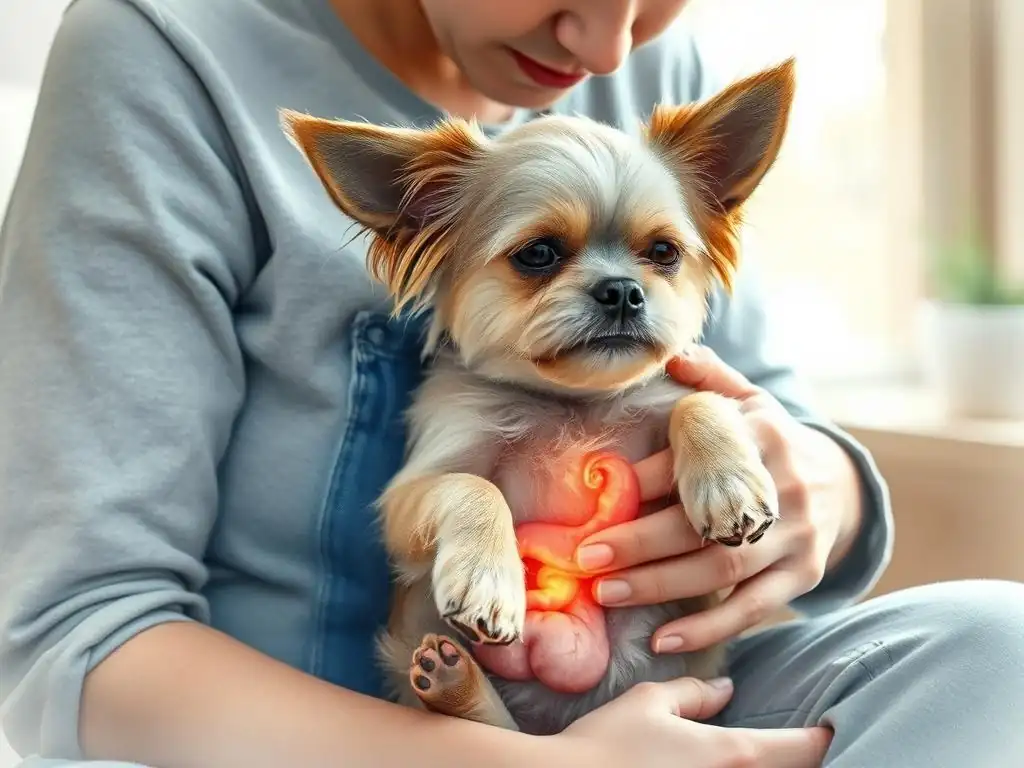
This section focuses on the crucial steps to take when your pet's diarrhea indicates a serious digestive issue. Remember, this information is for general knowledge and should not replace professional veterinary advice. Always consult your veterinarian for diagnosis and treatment plans. Early intervention is key when dealing with severe pet diarrhea, which can rapidly lead to dehydration and other life-threatening complications. Identifying the underlying cause of the diarrhea is paramount to effective treatment.
Fluid Therapy for Dehydrated Pets with Diarrhea
Dehydration is a significant risk associated with severe diarrhea in pets. The constant loss of fluids through diarrhea can quickly lead to a dangerous drop in electrolyte levels. Fluid therapy is often a critical component of treatment, especially in severe cases. The veterinarian will assess your pet's hydration status through physical examination, including checking skin turgor (elasticity) and mucous membrane moisture.
Blood tests may also be conducted to evaluate electrolyte levels and identify other potential problems. Fluid therapy can be administered intravenously (IV) in the veterinary clinic for rapid rehydration, particularly if your pet is severely dehydrated or unable to drink sufficiently. Subcutaneous (SC) fluids, injected under the skin, may be an option for less severe cases and can be administered at home under veterinary supervision. The specific fluid type and administration method will depend on your pet's individual needs and the severity of the dehydration.
Monitoring your pet's fluid intake and output is crucial during and after fluid therapy. Signs of improvement include increased urination, improved skin turgor, and increased energy levels. However, continued monitoring is essential as some pets may require ongoing fluid support. 💧
Dietary Changes to Manage Pet Diarrhea
Modifying your pet's diet is often a crucial step in managing diarrhea, especially after the acute phase has passed. The goal is to provide easily digestible food that minimizes further intestinal irritation. Your veterinarian might recommend a bland diet, often consisting of boiled chicken and white rice, for a few days. This provides easily digestible protein and carbohydrates, helping to soothe the digestive tract. Avoid rich or fatty foods, as these can exacerbate diarrhea.
Gradually reintroducing your pet's regular food is essential, usually over several days to a week. Start by mixing small amounts of the regular food with the bland diet, gradually increasing the proportion of regular food over time. Observe your pet's response closely; if diarrhea returns, revert to the bland diet and consult your veterinarian. In some cases, your vet may recommend a prescription diet specifically formulated for digestive issues.
These diets often contain prebiotics and probiotics to support gut health and promote regular bowel movements. Dietary changes alone may not resolve the underlying cause of the diarrhea, so veterinary assessment and treatment of the root cause remain crucial. 🍎
Medication for Pet Diarrhea: Anti-diarrheals, Antibiotics, and More
Medication may be necessary to treat the underlying cause of your pet's diarrhea or to manage symptoms. The choice of medication depends entirely on the underlying cause and your pet's overall health. Anti-diarrheal medications, such as loperamide (under strict veterinary supervision), can help slow down bowel movements and reduce the frequency of diarrhea. However, these should never be administered without veterinary guidance, as they can mask serious underlying conditions.
Antibiotics are necessary if bacterial infections are identified as the cause of the diarrhea. Your vet will perform appropriate tests to determine the specific bacteria and prescribe the most effective antibiotic. Probiotics can be beneficial in restoring the balance of beneficial bacteria in the gut, aiding in digestion and reducing diarrhea. These are often available as supplements or incorporated into prescription diets.
In some cases, anti-inflammatory medications may be prescribed to reduce inflammation in the digestive tract if inflammatory bowel disease (IBD) is suspected. Remember, administering any medication without veterinary consultation can be risky and potentially harmful to your pet. Always follow your veterinarian's instructions carefully regarding dosage and administration. 💊
When Surgery is Necessary for Severe Digestive Issues
Surgical intervention for severe digestive issues causing pet diarrhea is unfortunately sometimes unavoidable. This usually occurs when more conservative treatments, such as dietary changes and medication, have proven ineffective or when the underlying condition is life-threatening. Several scenarios necessitate surgical intervention. For example, a severe case of intestinal blockage, perhaps caused by the ingestion of a foreign object like a toy or bone, often requires surgery to remove the obstruction.
Delaying surgery in such cases can lead to tissue necrosis (tissue death) and potentially fatal complications. The veterinarian will perform a thorough examination, including X-rays and possibly an ultrasound, to confirm the presence and location of the blockage before proceeding with surgery. Post-operative care is crucial, involving pain management, antibiotics to prevent infection, and a carefully monitored recovery diet. The success rate of surgery for foreign body removal is generally high, provided the condition is diagnosed and treated promptly.
Another situation demanding surgical intervention is severe inflammatory bowel disease (IBD). While medication can manage IBD in many cases, some pets experience chronic, debilitating symptoms that don’t respond to medical treatments. In these instances, surgery might be considered to remove severely affected sections of the intestine or to perform a resection and anastomosis (connecting the healthy ends of the intestine).
This is a major procedure with inherent risks, but it can significantly improve the pet's quality of life when medical management fails. Post-operative care is intensive and requires close monitoring for complications such as infection or leakage at the surgical site. The long-term prognosis depends on the severity of the IBD and the pet's overall health.
Intestinal torsion (volvulus), a life-threatening condition where a portion of the intestine twists on itself, also necessitates immediate surgical intervention. This twisting cuts off the blood supply to the affected area, leading to rapid tissue damage and potentially sepsis (a life-threatening bloodstream infection). Intestinal torsion often requires emergency surgery to untwist the intestine and restore blood flow. The success rate hinges on how quickly the condition is diagnosed and treated.
Delayed treatment can result in the need for extensive intestinal resection, potentially leading to long-term digestive issues. Post-operative care involves intensive monitoring and supportive care to help the pet recover from this critical surgery. The prognosis varies depending on the extent of tissue damage before surgery.
Finally, certain types of cancer affecting the digestive tract may necessitate surgical removal of the tumor. The decision to pursue surgery depends on the type and stage of cancer, the location of the tumor, and the pet's overall health. Surgery may involve removing a portion of the intestine or other affected organs. While surgery can be curative in some cases, it's often used to improve the pet's quality of life by alleviating symptoms and extending their lifespan.
Post-operative care includes chemotherapy or radiation therapy in many cases to prevent recurrence. The prognosis depends heavily on the type of cancer and the success of the surgery and any subsequent treatments. The veterinarian will discuss all options and their associated risks and benefits with the owner before making a decision.
Preventing Future Digestive Issues and Diarrhea in Pets
Preventing diarrhea and other digestive issues in your pet requires a proactive approach focusing on diet, preventative care, and parasite control. Addressing these key areas significantly reduces the risk of future episodes and improves your pet's overall health and well-being. This section will delve into crucial preventative measures to safeguard your furry friend from digestive distress. Remember, early intervention and consistent care are key to maintaining a healthy digestive system in your pet.
Maintaining a Healthy Diet for Your Pet
A balanced and appropriate diet is the cornerstone of a healthy digestive system. Providing your pet with high-quality food formulated for their specific age, breed, and activity level is paramount. Avoid sudden dietary changes, as these can trigger digestive upset. Instead, gradually introduce new foods over a period of several days to allow your pet's system to adjust.
Consider the following when choosing your pet's food:
- Ingredient Quality: Look for foods with clearly identified, high-quality protein sources (like real meat, not meat by-products).
- Fiber Content: Adequate fiber promotes healthy digestion and regular bowel movements. However, excessive fiber can also cause problems, so balance is key.
- Additives and Preservatives: Minimize exposure to artificial colors, flavors, and preservatives, which can irritate the digestive tract.
- Allergies: Be mindful of potential food allergies that might contribute to digestive issues. Common allergens include beef, dairy, wheat, and soy. If you suspect an allergy, consult your veterinarian.
Remember, consulting with your veterinarian or a veterinary nutritionist can help you create a personalized dietary plan tailored to your pet's specific needs and health condition. They can offer guidance on appropriate portion sizes and feeding schedules to optimize your pet's digestive health. Providing clean, fresh water at all times is also crucial for proper hydration and digestion.
Regular Veterinary Checkups for Preventative Care
Regular veterinary checkups are not just for addressing existing health problems; they are crucial for preventative care. During these visits, your veterinarian can assess your pet's overall health, including their digestive system. They can detect subtle signs of digestive issues before they become serious problems, allowing for timely intervention.
Routine checkups allow your veterinarian to:
- Monitor Weight and Body Condition: Maintaining a healthy weight is essential for digestive health.
- Examine Stool Samples: Analyzing stool samples can reveal the presence of parasites, blood, or other abnormalities indicating digestive problems.
- Conduct Physical Examinations: A thorough physical exam can identify any underlying conditions contributing to digestive issues.
- Provide Vaccinations: Certain vaccinations help protect against diseases that can affect the digestive system.
- Offer Dietary Advice: Your vet can offer personalized recommendations for your pet’s diet based on their breed, age, and health status.
By scheduling regular checkups, you're actively participating in your pet's preventative care, minimizing the risk of serious digestive problems and ensuring a longer, healthier life.
Preventing Parasite Infestations
Parasites, such as intestinal worms and coccidia, are a common cause of diarrhea and other digestive problems in pets. Preventative measures are essential to minimize the risk of infestation. These measures include:
- Regular Deworming: Your veterinarian can recommend an appropriate deworming schedule based on your pet's age, breed, lifestyle, and risk factors. This often involves administering preventative medications.
- Flea and Tick Prevention: Fleas and ticks can indirectly contribute to digestive issues through their bites and the transmission of diseases. Use appropriate preventative measures such as topical treatments or oral medications.
- Proper Waste Disposal: Prompt and proper disposal of pet feces helps prevent the spread of parasites.
- Hygiene Practices: Maintain good hygiene practices, including regular cleaning of pet bedding, food and water bowls, and any areas where your pet spends time. Wash your hands after handling your pet.
By implementing these preventative measures, you significantly reduce the chances of parasite infestations and the associated digestive problems. Remember, early detection and treatment are crucial in managing parasite infections effectively. Always consult your veterinarian for advice on the best preventative measures for your pet.
Frequently Asked Questions
What are some common causes of diarrhea in pets?
Diarrhea in pets can stem from many sources, including diet changes, bacterial or viral infections, parasites, and stress. It's crucial to identify the underlying cause for effective treatment.
When should I consider pet diarrhea a serious digestive issue?
Consider it serious if diarrhea is prolonged (lasting more than 24 hours), accompanied by vomiting, lethargy, blood in the stool, or significant dehydration. Immediate veterinary attention is needed in such cases.
How can I tell if my pet is dehydrated due to diarrhea?
Signs of dehydration include sunken eyes, dry gums, loss of skin elasticity, and lethargy. If you suspect dehydration, contact your veterinarian immediately.
What are some home remedies for mild pet diarrhea?
For mild cases, consider giving your pet boiled chicken and rice for a day or two. However, always consult your veterinarian before attempting home remedies. They can help determine the cause and appropriate treatment.
What diagnostic tests might my vet perform to investigate serious digestive issues?
Your vet might perform blood tests, fecal exams, ultrasounds, or x-rays to diagnose the underlying cause of your pet's diarrhea. These tests help identify parasites, infections, or other internal problems.
Final Reflection: The Silent Suffering of Our Furry Friends
Understanding the complexities of pet diarrhea is not merely about managing a messy situation; it's about recognizing a potential gateway to serious digestive issues that can profoundly impact our beloved companions' well-being. Ignoring the subtle signs can lead to irreversible damage, highlighting the urgent need for pet owners to be vigilant and proactive in addressing digestive distress.
The emotional toll of witnessing a pet suffer is immeasurable. The worry, the helplessness, the frantic search for answers – these are experiences shared by countless pet owners worldwide. A pet is the only thing on earth that loves you more than it loves itself.
This quote speaks volumes about the bond we share, a bond that demands we become informed advocates for their health. The prevalence of digestive problems in pets underscores the importance of continuous learning and a proactive approach to veterinary care, ensuring we provide the best possible support for our furry family members.
Now, consider your own pet. Have you noticed any changes in their bowel movements? Do you understand the subtle signs that might indicate something more serious than a simple upset stomach? Take the time to learn the warning signs, to build a strong relationship with your veterinarian, and to prioritize preventative care. Your vigilance could be the difference between a temporary inconvenience and a life-threatening situation. Empower yourself with knowledge, and empower your pet with the best possible chance at a long, healthy, and happy life.
Unlock Your Pet's Digestive Wellness
Thank you for learning about recognizing serious digestive issues in your pet. We hope this article provided valuable insights into protecting their health. Now, let's put that knowledge into action!
- Schedule a wellness checkup: This is the most crucial step. Contact your veterinarian to discuss your pet's digestive health; early intervention can provide peace of mind and address potential problems.
- Connect with other pet owners: Share your experiences and learn from others facing similar challenges in our supportive online community. Ask questions and exchange advice with fellow pet owners.
- Download our free Digestive Health Checklist: This handy resource helps you track your pet's bowel movements and identify potential problems early.
Ready to take the next step towards a happier, healthier pet? What will you do first to proactively manage their digestive wellness?