
Substrates for Reptiles: How to Pick the Right One for Their Species

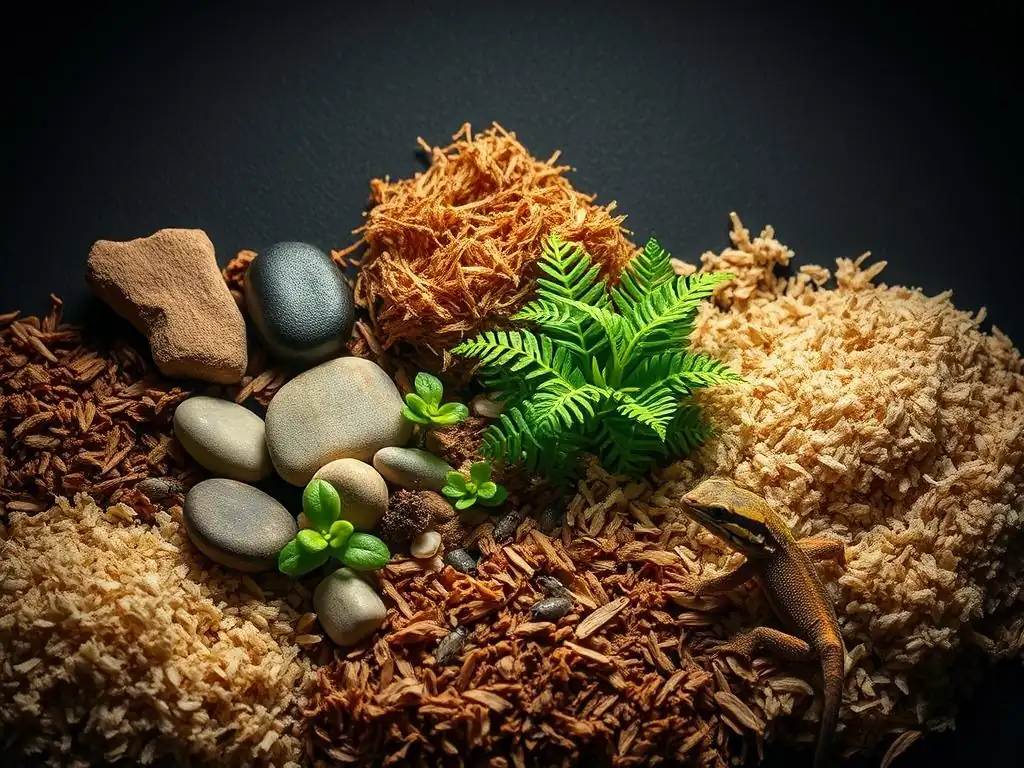
Welcome to PetCareWorld, your ultimate guide to a happier, healthier life for your beloved companions! Are you ready to unlock the secrets to creating the perfect environment for your scaly friend? Our Top Picks for Pet Owners section dives deep into the crucial topic of reptile care, starting with our comprehensive guide on choosing the Best reptile substrate species guide. Discover how selecting the right substrate can significantly impact your reptile's well-being and thrive. Dive in and learn what makes the perfect bedding for your reptile!
- Understanding Reptile Substrate Needs: A Comprehensive Guide
- Top 5 Best Reptile Substrates in 2024: A Comparative Analysis
- Avoiding Dangerous Reptile Substrates: Common Mistakes to Avoid
- Setting Up the Perfect Terrarium with the Right Substrate: A Step-by-Step Guide
- Best Reptile Substrate Species Guide: Frequently Asked Questions (FAQ)
- Conclusion: Making Informed Decisions for Your Reptile's Well-being
-
Frequently Asked Questions
- What is the most important factor when choosing a reptile substrate?
- Can I use just any soil or sand for my reptile's enclosure?
- What are some popular and safe substrate choices for reptiles?
- How often should I change my reptile's substrate?
- Where can I find more detailed information on reptile substrate choices?
- Final Reflection: Nurturing Life: The Enduring Importance of Choosing the Right Reptile Substrate
- Unleash Your Reptile's Potential: Create Their Perfect Habitat!
Understanding Reptile Substrate Needs: A Comprehensive Guide
Choosing the right substrate for your reptile is crucial for their health, well-being, and overall quality of life. A reptile's environment needs to mimic its natural habitat as closely as possible, and the substrate plays a vital role in this. The wrong substrate can lead to a variety of health problems, including respiratory issues, impaction, and even skin infections.
This comprehensive guide will walk you through the essential factors to consider when selecting a substrate, helping you make an informed decision that prioritizes the specific needs of your reptile species. We'll explore different substrate types, their pros and cons, and provide species-specific recommendations to ensure your scaled companion thrives in a safe and stimulating environment. This guide aims to be your ultimate resource for finding the best reptile substrate, earning its place as your go-to "Best reptile substrate species guide."
We’ll cover everything you need to know to make the best choice for your pet reptile, ensuring a healthy and happy life for your scaly friend. Let's dive in! 🦎
Choosing the Best Reptile Substrate: Species-Specific Considerations
Selecting the appropriate substrate isn't a one-size-fits-all process. Different reptile species have unique needs and preferences regarding substrate type, particle size, and humidity levels. Choosing incorrectly can have serious consequences for your pet's health. The following sections will delve into the best substrate choices for several popular reptile species, providing detailed information to help you make the right decision. Remember that even within a species, individual needs may vary based on age and health. Always consult with a veterinarian or reptile specialist if you have any concerns.
Substrate Selection for Bearded Dragons
Bearded dragons, popular pets known for their docile nature, thrive in a semi-arid environment. Therefore, their substrate needs to retain some moisture while preventing excessive humidity. Suitable options include:
- Tile: Offers excellent hygiene and prevents impaction. Easy to clean and maintain.
- Paper towels: A temporary or quarantine option, easily disposable and sanitary. Not ideal for long-term use due to lack of enrichment.
- Reptile carpet: Provides a softer surface, but requires frequent cleaning to prevent bacterial buildup. Not suitable for burrowing species.
- Sand (fine-grained, calcium-sand mix): While some keepers use it, it carries a higher risk of impaction if ingested. Requires careful monitoring and consideration of the dragon's age and eating habits. Avoid using play sand or other sands not specifically designed for reptiles.
Ideal Substrates for Corn Snakes
Corn snakes, known for their docile temperament and relatively easy care, are semi-arboreal (partially tree-dwelling) snakes. Their substrate should provide enough moisture to maintain humidity but also allow for proper drainage. Good choices include:
- Aspen shavings: Readily available, absorbent, and relatively inexpensive. Provides good drainage and humidity control.
- Cypress mulch: Similar to aspen shavings, but often retains moisture better. Provides a natural look and feel.
- Paper towels (temporary): Suitable for quarantine or temporary housing.
- Avoid: Loose substrates like sand or loose soil which can lead to impaction if swallowed.
Best Reptile Substrate for Leopard Geckos
Leopard geckos are popular desert-dwelling lizards that require a substrate that retains minimal moisture. The best choices are:
- Paper towels: Simple, hygienic, and readily available. Ideal for young geckos or during quarantine.
- Tile: Easy to clean and prevents impaction.
- Reptile carpet: Provides a softer surface, but regular cleaning is crucial.
- Avoid: Loose substrates like sand, which can cause impaction if ingested.
Selecting the Right Substrate for Ball Pythons
Ball pythons, known for their relatively docile nature, require a substrate that retains moisture to maintain adequate humidity levels. Suitable options include:
- Coconut fiber: Retains moisture well, providing a humid environment. It's also relatively easy to clean.
- Cypress mulch: Provides good drainage and humidity control.
- Aspen shavings: A good alternative, though it may not retain moisture as well as coconut fiber.
- Avoid: Loose substrates that pose a risk of impaction.
Substrate Choices for Green Iguanas
Green iguanas are large arboreal lizards requiring a substrate that allows for burrowing and maintains adequate humidity. Consider these options:
- Paper towels (temporary): Suitable for cleaning and quarantine situations.
- Coconut fiber: Retains moisture well, providing a humid environment.
- Cypress mulch: A good alternative to coconut fiber.
- Avoid: Sand and other substrates that could lead to impaction. The substrate should also be large enough to prevent ingestion and offer a natural feel.
Remember to always research the specific needs of your reptile species before selecting a substrate. Consulting with a veterinarian or experienced reptile keeper can also be beneficial in making the best choice for your pet's health and happiness. The information provided here is a starting point, and individual needs may vary.
Top 5 Best Reptile Substrates in 2024: A Comparative Analysis
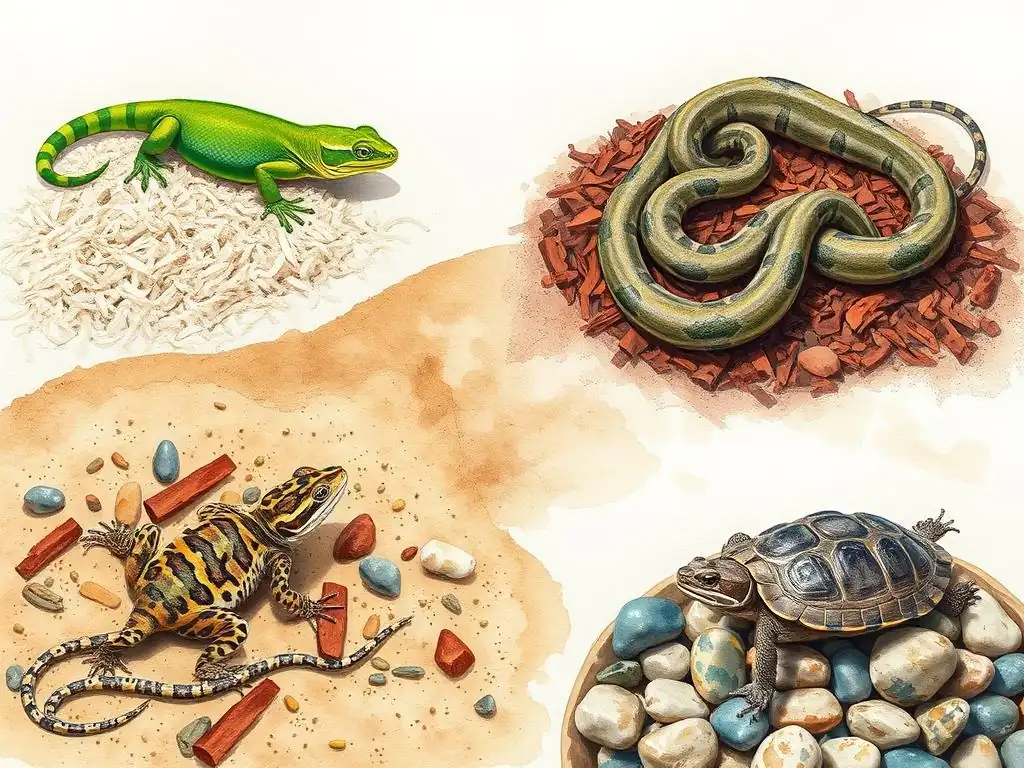
This section provides a detailed comparative analysis of five leading reptile substrates available in 2024. We'll examine their pros and cons, suitability for different reptile species, and overall value, helping you choose the best reptile substrate for your specific needs. Remember, selecting the appropriate substrate is crucial for maintaining your reptile's health and well-being. The wrong substrate can lead to issues like respiratory problems, impaction, and even injury.
This guide aims to equip you with the knowledge to make an informed decision. Choosing the right substrate is a critical part of responsible reptile ownership and contributes significantly to a thriving terrarium environment. This analysis focuses on providing you with the best reptile substrate species guide possible.
ReptiBark: Pros, Cons, and Best Reptile Species for ReptiBark
ReptiBark, a popular choice among reptile keepers, is a type of cypress mulch substrate. It offers a natural look and feel, mimicking the reptiles' natural environment.
- Pros:
- Excellent drainage: Prevents overly moist conditions that can lead to bacterial growth and fungal infections.
- Good ventilation: Promotes healthy air circulation within the terrarium.
- Relatively affordable: Offers good value for money compared to some other substrates.
- Readily available: Easily found at most pet stores and online retailers.
- Cons:
- Can be dusty: Some reptiles are sensitive to dust, potentially causing respiratory problems. Thorough rinsing before use is recommended.
- May not retain moisture well: Requires more frequent misting or supplemental watering, depending on the reptile species and terrarium setup.
- Sharp edges: Potentially harmful to some reptiles if ingested, especially smaller species. Opt for finer grades for delicate reptiles.
ReptiBark Pricing and Availability
Pricing for ReptiBark varies depending on the quantity and retailer. Generally, a large bag (e.g., 8 quarts) can range from $[Price range pending] to $[Price range pending]. Availability is generally high, with most pet supply stores carrying it in stock. Online retailers also offer a wide selection, often with competitive pricing and convenient delivery options. Checking multiple sources before purchasing can help you find the best deal.
ReptiBark for Bearded Dragons: A Case Study
Bearded dragons are a popular reptile species frequently housed on ReptiBark. Its excellent drainage is beneficial for preventing bacterial growth and keeping the substrate relatively dry, which is generally preferred for bearded dragons. However, it's crucial to monitor moisture levels carefully to prevent dehydration. Furthermore, the slightly larger pieces of ReptiBark can pose a risk of impaction if ingested, so supervision is vital, especially with younger dragons. Supplementation with calcium and other essential nutrients, alongside regular cleaning and monitoring of the enclosure, is essential for a healthy bearded dragon.
Eco Earth Coconut Fiber: A Natural and Versatile Option
Eco Earth Coconut Fiber is a widely used substrate made from the husks of coconuts. It's a natural, renewable resource that offers several advantages. Its versatility makes it suitable for a wide range of reptile species. The substrate retains moisture well, creating a humid environment which is favored by some species.
- Advantages:
- Excellent moisture retention: Ideal for species requiring higher humidity levels.
- Biodegradable and sustainable: An environmentally friendly choice.
- Holds heat well: Helps maintain consistent temperatures within the terrarium.
- Soft texture: Gentle on sensitive reptile skin.
Eco Earth Coconut Fiber: Moisture Retention and Ideal Humidity Levels
One of the key advantages of Eco Earth Coconut Fiber is its exceptional moisture retention. This is crucial for maintaining the appropriate humidity levels essential for the health and well-being of many reptile species. However, over-watering can lead to problems, so careful monitoring is crucial.
The ideal moisture level will vary depending on the specific reptile species; some may prefer a slightly drier environment, while others need higher humidity. Regularly checking the moisture content and adjusting watering accordingly is vital for preventing issues such as fungal infections or respiratory problems. A hygrometer is a helpful tool for monitoring humidity levels.
Eco Earth Coconut Fiber for Leopard Geckos and other species
Leopard geckos thrive in environments with moderate humidity, making Eco Earth Coconut Fiber a suitable substrate. The substrate's ability to retain moisture helps maintain the necessary humidity levels without becoming overly soggy. Furthermore, its soft texture is gentle on their delicate skin. However, it's important to ensure proper ventilation to prevent the build-up of excess moisture.
Other species that often do well with Eco Earth Coconut Fiber include various species of geckos, snakes, and some smaller lizards. Always research the specific humidity requirements of your reptile species before selecting a substrate. Remember, responsible pet ownership involves careful research and attention to detail.
Aspen Shavings: A Budget-Friendly Choice (with Cautions)
Aspen shavings are a popular choice among reptile keepers due to their affordability and readily available nature. They offer good moisture retention, allowing for a slightly humid environment, beneficial for some species. The loose nature of the shavings allows for easy burrowing for many reptiles, satisfying their natural instincts. However, it's crucial to understand that not all aspen shavings are created equal.
The quality varies significantly between brands, with some containing dust or splinters that can pose a respiratory hazard to your reptile. Always opt for dust-extracted aspen shavings from reputable suppliers to minimize risks. Furthermore, while aspen shavings provide a suitable substrate for many species, their absorption capacity can be a double-edged sword. While helpful for humidity control, it also means they can quickly become foul-smelling and harbor bacteria if not changed regularly.
Regular, thorough cleaning is paramount to prevent the build-up of harmful microorganisms and maintain a healthy environment for your reptile. Failing to maintain cleanliness can lead to skin irritation, respiratory problems, and even bacterial infections. Therefore, while budget-friendly, aspen shavings require diligent care and monitoring to ensure your reptile's well-being.
Aspen Shavings: Potential Dangers and Appropriate Reptile Species
The biggest danger associated with aspen shavings is the potential for dust inhalation. Fine particles can irritate a reptile's respiratory system, leading to respiratory infections, especially in species with sensitive lungs like bearded dragons or certain geckos. Ingestion is another concern; some reptiles may accidentally ingest shavings, potentially leading to digestive issues. Furthermore, the potential for bacterial growth necessitates frequent changes and thorough cleaning. Improperly maintained aspen shavings can become breeding grounds for harmful bacteria, fungi, and parasites.
Appropriate reptile species for aspen shavings include those that are relatively robust and do not require extremely high humidity. Species like certain species of snakes, some larger lizards (with caveats regarding dust), and some tortoises might tolerate aspen shavings, provided they are dust-extracted and the enclosure is meticulously cleaned. However, it's always best to research the specific needs of your reptile species before making a decision. For example, while some tortoises might thrive in aspen, others might require a substrate with higher moisture retention. Always prioritize the specific needs of your reptile over the convenience of a particular substrate.
Aspen Shavings Alternatives: Safer Options for Sensitive Reptiles
For sensitive reptiles, several safer alternatives exist. Paper towels offer a sterile and easily cleanable option, particularly useful during quarantine or for hatchlings. Reptile-specific carpet provides a softer, less dusty alternative, though it requires careful cleaning to prevent bacterial growth. Coco coir, a coconut fiber substrate, offers excellent moisture retention and is generally considered safe for many species, provided it's properly prepared and maintained.
These alternatives may cost slightly more than aspen shavings, but the reduced risk to your reptile’s health often justifies the higher price. When choosing an alternative, always prioritize a substrate that matches the humidity and burrowing needs of your specific reptile species. For example, a species requiring high humidity would benefit from coco coir, while a species that doesn't burrow might be fine with paper towels.
Paper Towels: A Simple and Clean Substrate Solution
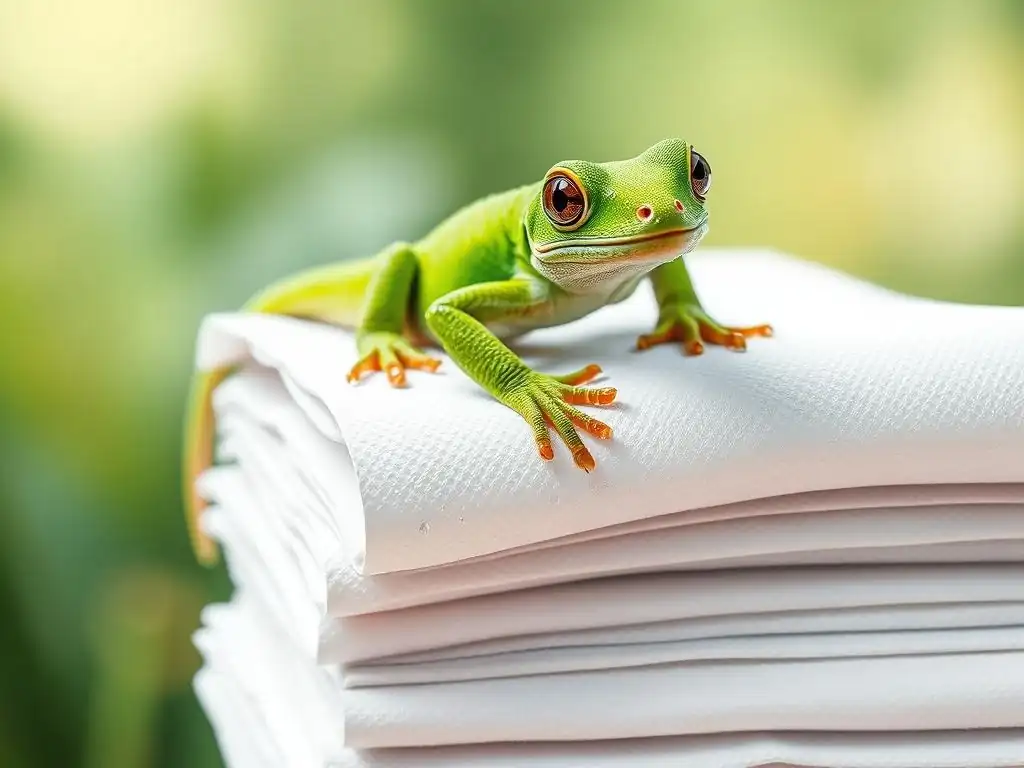
Paper towels represent a simple, readily available, and easily disposable substrate choice for reptiles. Their absorbent nature makes them ideal for maintaining a clean and hygienic environment, especially crucial for young reptiles or those recovering from illness. The lack of dust and potential for impaction makes them a safe bet for species prone to respiratory issues or accidental ingestion.
Their ease of cleaning and replacement also significantly reduces the risk of bacterial or fungal growth, contributing to a healthier environment for your reptile. However, they do have limitations. The lack of texture and burrowing capabilities might not suit all species, and the frequent replacement can be less cost-effective in the long run.
Paper Towels: Pros and Cons for Different Reptile Species
The suitability of paper towels varies depending on the reptile species. For hatchlings and juveniles of many species, paper towels offer a sterile, easily monitored environment minimizing the risk of infection. Species with sensitive respiratory systems or those prone to impaction benefit greatly from this clean, dust-free option. However, adult reptiles, especially those that naturally burrow or require specific humidity levels, may find paper towels insufficient.
The lack of enrichment can lead to behavioral issues, and the inability to regulate humidity might negatively impact their health. Therefore, while paper towels are an excellent temporary solution or for specific needs, they are not a long-term solution for all reptiles. Consider the specific needs of your reptile—size, burrowing habits, humidity requirements—before making a decision.
When to Use Paper Towels: Quarantine, Hatchlings, and Specific Needs
Paper towels are particularly valuable in specific situations. During quarantine, they provide a sterile environment, preventing the spread of potential pathogens. For newly hatched reptiles or those recovering from illness, the clean and easily manageable nature of paper towels promotes a faster recovery. Paper towels are also beneficial for reptiles with specific health concerns, such as those prone to respiratory infections or impaction.
The lack of dust and ease of cleaning minimize the risk of complications. However, remember that this is a temporary solution. Once the reptile is healthy and stable, a more enriching and species-appropriate substrate should be introduced. For long-term use, consider the enrichment and environmental needs of your reptile and choose a substrate that better caters to those needs.
Tile Substrates: Clean, Durable, and Easy to Maintain
Tile substrates offer a clean, durable, and easy-to-maintain option for reptile enclosures. Their smooth, non-porous surface prevents the buildup of bacteria and parasites, making them a hygienic choice for your reptile's habitat. This is especially beneficial for species prone to bacterial or fungal infections. Cleaning is a breeze; a simple wipe-down with a reptile-safe disinfectant is often sufficient.
Furthermore, tile is incredibly durable and resistant to scratching and damage, unlike many organic substrates. This longevity translates to cost savings in the long run, as replacement is infrequent. The smooth surface also minimizes the risk of accidental ingestion, a common concern with loose substrates. However, the lack of moisture retention can be a drawback for certain species.
Tile Substrates: Pros and Cons, Species Suitability and Considerations
Let's delve into the specifics of using tile substrates, weighing the advantages and disadvantages to determine their suitability for your reptile.
Pros:
- Hygiene: Tile's non-porous nature prevents bacterial and fungal growth, crucial for maintaining a sanitary environment. This is particularly important for reptiles with sensitive immune systems or those prone to infections. Regular cleaning is simple and effective, minimizing the risk of disease.
- Durability: Tile substrates are exceptionally durable, resisting scratches, tears, and general wear and tear. Unlike paper towels or wood shavings, tiles won't need frequent replacement, saving you money and time.
- Easy Cleaning: A quick wipe-down with a suitable disinfectant is all it takes to keep tile substrates spotless. This ease of cleaning makes them an excellent choice for busy pet owners.
- Ingestion Risk Reduction: The smooth surface minimizes the risk of your reptile accidentally ingesting substrate particles, a common problem with loose substrates that can lead to impaction.
- Variety: Tile comes in various colors, sizes, and textures, allowing you to customize your reptile's enclosure to enhance its visual appeal.
Cons:
- Lack of Moisture Retention: Tile doesn't retain moisture, making it unsuitable for species requiring high humidity levels. You'll need to employ other methods, such as misting or a humid hide, to maintain appropriate humidity. This requires extra effort and monitoring.
- Cold Surface: Tile can be a cold surface, especially in cooler environments. This may require supplemental heating to ensure your reptile's thermal comfort, potentially increasing energy costs.
- Lack of Natural Feel: Some reptiles prefer a more natural substrate to burrow or hide in. Tile provides a smooth, unnatural surface that might not meet the behavioral needs of all species.
- Potential for Slipping: Some reptiles may find it difficult to grip the smooth tile surface, potentially increasing the risk of falls, especially for arboreal species. This can be mitigated by providing textured climbing structures.
Species Suitability:
Tile substrates are best suited for reptiles that don't require high humidity and prefer a dry, clean environment. Species like Leopard Geckos, some species of snakes (depending on their specific humidity needs), and certain lizards might tolerate tile substrates well, provided their humidity requirements are met through other means. However, it's crucial to research the specific needs of your reptile species before making a decision. Always prioritize the species' specific environmental needs over convenience. For species requiring high humidity, such as many tropical frogs, tile would be completely unsuitable.
Considerations:
Before using tile, ensure the tiles are non-toxic and safe for reptiles. Avoid using tiles with sharp edges or cracks that could injure your reptile. Proper heating and humidity control are essential when using tile substrates to ensure the health and well-being of your pet. Always monitor your reptile's behavior and adjust the environment as needed. Consider providing additional enrichment, such as climbing structures or hiding places, to compensate for the lack of burrowing opportunities offered by tile.
Avoiding Dangerous Reptile Substrates: Common Mistakes to Avoid
Choosing the right substrate is crucial for your reptile's health and well-being. A seemingly insignificant detail like substrate can significantly impact your pet's digestion, respiratory system, and overall quality of life. Many well-intentioned pet owners make mistakes that can have serious consequences. This section highlights common pitfalls and offers solutions for creating a safe and enriching environment for your scaled companion. Selecting the best reptile substrate requires careful consideration of species-specific needs and potential hazards.
The Dangers of Sand Substrates for Reptiles: Impaction Risks
Sand, while visually appealing in some terrariums, presents a significant risk of impaction for many reptile species. Impaction occurs when ingested sand accumulates in the digestive tract, causing blockages and potentially fatal complications. This is particularly dangerous for reptiles that are naturally inclined to ingest substrate while eating or exploring their environment. Young reptiles and those with pre-existing digestive issues are at even greater risk.
The fine particles of sand can easily become lodged, leading to chronic constipation, dehydration, and ultimately, death. The severity of sand impaction can vary greatly depending on the amount ingested, the reptile's size, and its overall health. Symptoms can include lethargy, loss of appetite, and abdominal distension.
Sand Impaction: Prevention and Treatment
Prevention is paramount. Avoid using sand substrates entirely, especially for species known to be prone to impaction. Instead, opt for substrates with larger particles that are less likely to be ingested accidentally. Regular monitoring of your reptile's bowel movements is crucial. Changes in frequency or consistency can be an early warning sign of potential problems. If you suspect impaction, immediate veterinary attention is necessary. Treatment may involve supportive care such as fluid therapy, medication to stimulate bowel movements, and in severe cases, surgical intervention. Early detection and prompt veterinary care significantly improve the chances of a successful outcome.
Safe Alternatives to Sand for Burrowing Reptiles
Many reptiles, such as certain species of snakes and lizards, enjoy burrowing. Denying them this natural behavior can lead to stress and behavioral problems. If you're keeping a burrowing species, avoid sand. Instead, consider substrates like:
- Reptile Carpet: A soft, non-abrasive, and easily cleaned option.
- Paper Towels: A temporary solution for quarantine or during cleaning.
- Aspen Shavings: A popular choice, providing good drainage and burrowing capabilities. Choose dust-extracted aspen to minimize respiratory irritation.
- Coconut Fiber: A natural, moisture-retentive substrate ideal for humid environments.
Choosing the best reptile substrate for burrowing species involves carefully balancing the need for burrowing opportunities with the avoidance of impaction hazards.
Harmful Chemicals in Substrates: Choosing Non-Toxic Options
Many commercially available substrates contain chemicals that can be harmful to reptiles. These chemicals can be absorbed through the skin or ingested, leading to various health problems. Always check the labels carefully and choose substrates specifically designed for reptile use. Avoid substrates treated with pesticides, herbicides, or other potentially toxic substances. The wrong substrate can lead to a variety of health problems, including skin irritation, respiratory issues, and even organ damage. Remember, your reptile’s environment is directly impacting their well-being.
Identifying Toxic Substrates: Reading Labels Carefully
Reading labels is not enough. Some manufacturers might not fully disclose all ingredients. Look for substrates that are clearly labeled as "non-toxic" and "safe for reptiles." If in doubt, contact the manufacturer directly to inquire about the specific ingredients and any potential risks. Research the specific needs of your reptile species before selecting a substrate.
Some species require specific levels of humidity, and certain substrates may be better suited for maintaining optimal environmental conditions. Prioritize substrates made from natural, inert materials whenever possible. Avoid anything with artificial colors or fragrances. This meticulous approach to choosing reptile substrate is crucial for maintaining the health and well-being of your pet.
Reputable Brands for Safe Reptile Substrates
Several reputable brands specialize in producing safe and high-quality reptile substrates. These brands often conduct thorough testing to ensure their products are free from harmful chemicals and meet the needs of various reptile species. Researching reviews and comparing different options can help you find the best fit for your specific reptile and its habitat requirements. Always prioritize quality over price when selecting a substrate.
A high-quality, safe substrate is a worthwhile investment in your reptile's long-term health and happiness. The best reptile substrate is the one that's safe, appropriate for your reptile's species, and contributes to a thriving, healthy environment. Remember, selecting the best reptile substrate is a crucial aspect of responsible reptile ownership.
Setting Up the Perfect Terrarium with the Right Substrate: A Step-by-Step Guide
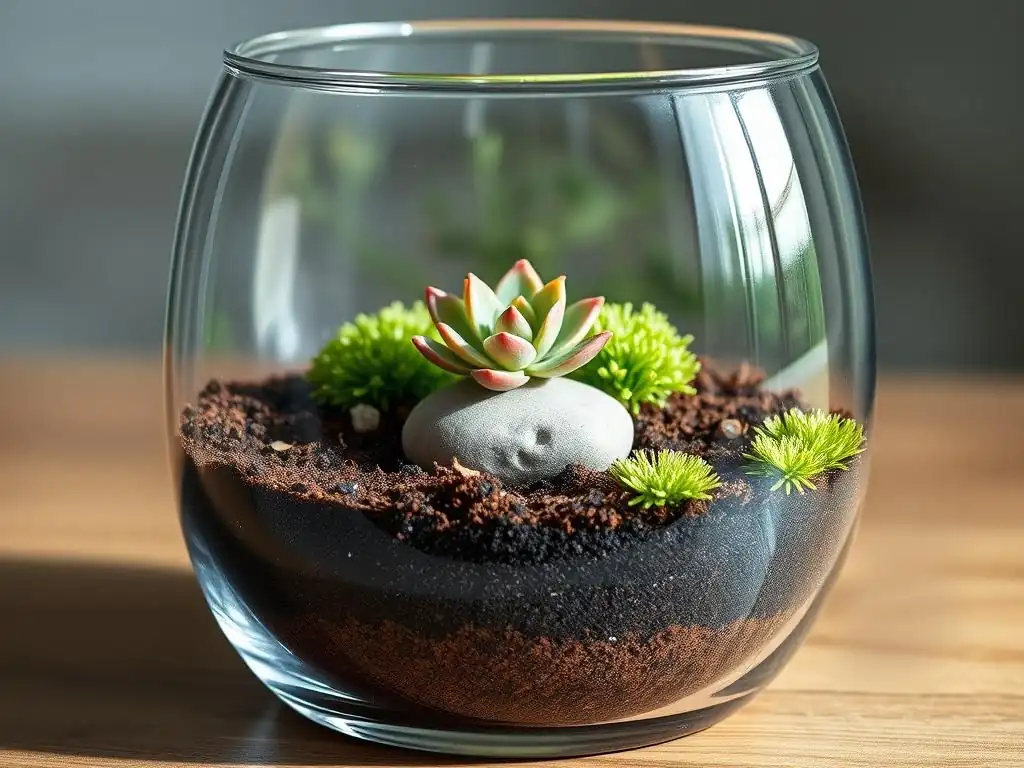
This section focuses on the practical application of choosing and using the best reptile substrate, ensuring a healthy and thriving environment for your scaled companion. Selecting the right substrate is crucial for maintaining proper humidity, preventing injury, and promoting natural behaviors. This guide will walk you through the process, ensuring you create the ideal habitat for your reptile. Remember, the "best" reptile substrate is highly species-dependent; this guide provides general best practices, but always research the specific needs of your reptile.
Preparing Your Terrarium for Substrate Placement
Before introducing any substrate, thoroughly clean your terrarium. This prevents the introduction of harmful bacteria or parasites that could compromise your reptile's health. A thorough cleaning involves:
- Disassembly: If possible, disassemble the terrarium completely. This allows for easier cleaning of all surfaces.
- Washing: Wash all components (glass, plastic, wood, etc.) with warm, soapy water. Avoid harsh chemicals, as these can be toxic to reptiles.
- Rinsing: Rinse thoroughly to remove all soap residue.
- Drying: Allow all components to dry completely before reassembly and substrate addition. Dampness can promote mold growth.
- Disinfection (Optional): For particularly stubborn bacteria or if you're setting up a terrarium for a new reptile, consider using a reptile-safe disinfectant. Always follow the manufacturer's instructions carefully.
Remember to check for any cracks or damage in the terrarium before adding substrate. A compromised terrarium can lead to escapes or create hiding places for unwanted pests. This step is crucial for maintaining a safe and hygienic environment, a key element in any "best reptile substrate species guide".
Adding Substrate to Your Terrarium: Proper Depth and Distribution
The depth and distribution of your substrate are crucial aspects of terrarium setup. Incorrect depth can lead to impaction, while uneven distribution can create unsuitable microclimates. Consider these factors:
- Species-Specific Needs: Research the specific substrate depth requirements for your reptile species. For example, burrowing species like bearded dragons require a significantly deeper substrate layer than arboreal species like geckos.
- Substrate Type: The type of substrate also influences the ideal depth. Loose substrates like sand require a greater depth for burrowing, while tighter substrates like cypress mulch may require less.
- Even Distribution: Ensure the substrate is evenly distributed across the terrarium floor. Avoid creating pockets of excessively deep or shallow substrate.
- Hiding Places: Consider incorporating rocks, branches, or other decor to create hiding places within the substrate. This provides your reptile with a sense of security and allows for thermoregulation.
Here's a table illustrating the approximate substrate depths for some common reptile species:
| Reptile Species | Substrate Depth (Inches) | Substrate Type Suggestions |
|---|---|---|
| Bearded Dragon | 4-6 | Sand, topsoil mix, reptile carpet |
| Leopard Gecko | 2-3 | Paper towels, reptile carpet, calcium sand |
| Corn Snake | 2-3 | Aspen shavings, cypress mulch, coconut fiber |
| Crested Gecko | 1-2 | Coconut fiber, sphagnum moss |
This detailed approach to substrate depth and distribution is key to creating a habitat that meets your reptile's specific needs, a vital component of a comprehensive "best reptile substrate species guide".
Maintaining Substrate Hygiene: Cleaning and Replacing Your Substrate
Regular cleaning and replacement of your reptile's substrate is essential for preventing disease and maintaining a healthy environment. The frequency of cleaning depends on the type of substrate and the cleanliness habits of your reptile:
- Spot Cleaning: Daily spot cleaning is recommended to remove feces and uneaten food. This prevents the build-up of harmful bacteria and keeps the terrarium smelling fresh.
- Partial Replacement: Partially replace the substrate every few weeks, depending on the type and how soiled it becomes. This involves removing the top layer of substrate and replacing it with fresh material.
- Complete Replacement: Complete substrate replacement should be performed every 2-3 months, or more frequently if necessary. This involves removing all of the old substrate and thoroughly cleaning the terrarium before adding fresh substrate.
Remember to always use reptile-safe cleaning products and avoid using strong chemicals that could harm your reptile. A clean and properly maintained terrarium contributes significantly to your reptile's overall health and well-being, reinforcing the importance of selecting and managing the best reptile substrate for your specific species – a cornerstone of any effective "best reptile substrate species guide".
Choosing the Right Substrate Depth for Different Species
Substrate depth isn't a one-size-fits-all proposition; it significantly impacts your reptile's well-being and natural behaviors. Burrowing species, for instance, require a considerably deeper substrate layer than surface dwellers. Insufficient depth can lead to stress, injury, and even hinder natural behaviors like brumation (a period of dormancy). Conversely, excessive depth can create unsanitary conditions, promoting mold and bacterial growth.
Consider the specific needs of your reptile. For example, a bearded dragon, a semi-burrowing species, benefits from a substrate depth of 4-6 inches. This allows them to bury themselves partially for thermoregulation and to create comfortable basking spots. However, a corn snake, a primarily burrowing species, may need a substrate depth of 8-12 inches to facilitate its natural burrowing behaviors and provide a sense of security.
Smaller species, such as geckos, may only require 1-2 inches, as deeper substrate may be unnecessarily cumbersome and difficult to maintain hygienically. Failing to provide appropriate depth can lead to stress, impacting their appetite, activity levels, and overall health. Always research the specific needs of your reptile species before selecting a substrate depth.
A good rule of thumb is to observe your reptile's behavior; if it seems constantly digging or attempting to burrow deeper, it might indicate a need for a thicker substrate layer. Regular monitoring and adjustments might be necessary, particularly as your reptile grows. Remember, the goal is to mimic their natural habitat as closely as possible to ensure their comfort and health.
Accurate depth is crucial for maintaining proper humidity levels as well. Certain species thrive in more humid environments, and the substrate plays a role in retaining moisture. A deeper substrate layer might be necessary for species that require higher humidity, helping maintain a consistent and healthy environment. However, excessively deep substrate in a humid environment can quickly become a breeding ground for harmful bacteria and fungus, requiring more frequent cleaning and substrate changes.
Finding the right balance is key to a healthy and thriving reptile. Remember to always consult reliable sources and reptile-specific care guides for precise substrate depth recommendations for your particular species. This careful consideration ensures a successful and enriching terrarium environment for your pet.
Best Reptile Substrate Species Guide: Frequently Asked Questions (FAQ)
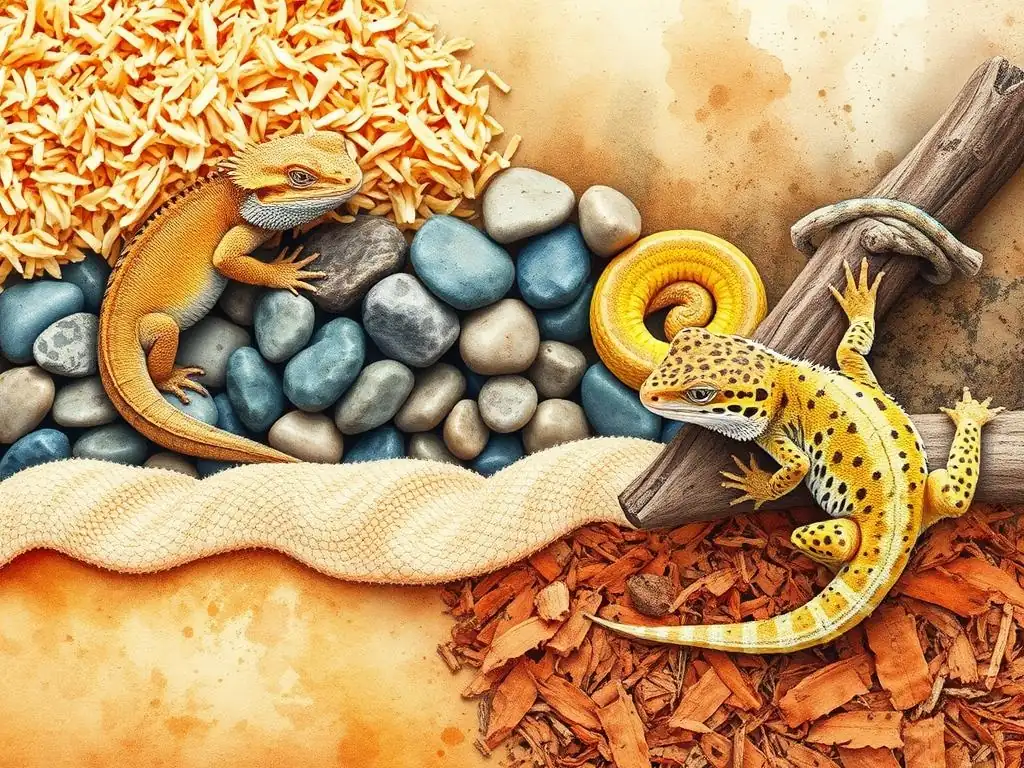
This section addresses common queries regarding reptile substrate selection and maintenance, helping you create a healthy and thriving environment for your scaled companion. Choosing the right substrate is crucial for maintaining proper humidity, hygiene, and overall well-being. This guide will help you navigate the complexities of substrate selection and ensure you're providing optimal care.
How Often Should I Change My Reptile's Substrate?
The frequency of substrate changes depends heavily on several factors: the species of reptile, the type of substrate used, and the cleanliness habits of your pet. There's no one-size-fits-all answer, but here's a breakdown to guide your decisions:
- Frequent Changes (Weekly or Bi-weekly): Highly absorbent substrates like paper towels or newspaper require more frequent changes, especially if your reptile is prone to accidents or has a messy eating habit. This is crucial for maintaining hygiene and preventing the build-up of harmful bacteria and ammonia. Baby reptiles, in particular, often benefit from more frequent changes.
- Moderate Changes (Monthly): Substrates like aspen shavings or cypress mulch typically need monthly changes, or more often if heavily soiled. Regular spot cleaning – removing feces and urates daily – is essential to prolong the time between full substrate changes.
- Infrequent Changes (Every 2-3 Months): Some substrates, like bioactive setups with a proper drainage layer, may only require changes every two to three months or even less frequently. This type of setup promotes a self-cleaning environment, reducing the need for frequent substrate changes. However, regular monitoring and spot cleaning are still necessary.
Remember to always thoroughly clean the terrarium before adding fresh substrate. Use a reptile-safe disinfectant and allow it to dry completely before introducing your reptile back into its enclosure. Failing to properly clean the enclosure can lead to the build-up of harmful bacteria and parasites. The health and happiness of your reptile depend on maintaining a clean and appropriate environment.
What is the Best Substrate for a Specific Reptile Species?
Choosing the correct substrate depends heavily on the specific needs of your reptile species. Different reptiles require different levels of humidity and have different burrowing behaviors. Here's a table outlining suitable substrate options for some common reptile species:
| Reptile Species | Suitable Substrates | Considerations |
|---|---|---|
| Leopard Gecko | Paper towels, tile, reptile carpet, bioactive soil | Avoid loose substrates that could be ingested. |
| Bearded Dragon | Sand (fine, not calcium sand), tile, bioactive soil | Avoid loose substrates for young or prone-to-impaction dragons. Monitor humidity. |
| Corn Snake | Aspen shavings, cypress mulch, reptile carpet | Avoid cedar or pine shavings. |
| Crested Gecko | Paper towels, coconut fiber, bioactive soil | Maintain high humidity. |
| Ball Python | Aspen shavings, cypress mulch, coconut fiber | Avoid substrates that retain too much moisture. |
This table offers a starting point. Always conduct thorough research specific to your reptile species before making a substrate choice. Consider factors such as humidity requirements, burrowing behavior, and the reptile's age and health. Consult with a reptile veterinarian or experienced reptile keeper for personalized advice. Remember, providing the correct substrate is crucial for preventing health problems, such as impaction.
Can I Mix Different Substrates for My Reptile?
Mixing substrates can sometimes be beneficial, particularly in bioactive setups. However, it's crucial to ensure compatibility. Mixing incompatible substrates can lead to issues such as uneven moisture retention, poor drainage, and potential ingestion hazards.
For example, mixing a highly absorbent substrate like coconut fiber with a less absorbent substrate like sand can create pockets of excessive moisture, potentially leading to fungal or bacterial growth. Similarly, mixing large and small substrates might create areas where your reptile could get stuck or accidentally ingest unsuitable particles.
Before mixing substrates, carefully consider the properties of each component. Ensure the mixture provides appropriate drainage, moisture retention, and a safe environment for your reptile. Always prioritize the safety and well-being of your pet. If you're unsure about mixing substrates, it's best to consult with a reptile veterinarian or experienced reptile keeper. A well-researched substrate choice is a crucial aspect of responsible reptile care.
Where Can I Buy High-Quality Reptile Substrates?
Finding the right reptile substrate is crucial for your pet's health and well-being. But where do you find high-quality options that meet the specific needs of your reptile species? Several avenues offer reliable sources for purchasing reptile substrates, each with its own advantages and disadvantages.
Firstly, specialized pet stores are often your best bet. These stores typically carry a wider variety of substrates than general pet stores, and knowledgeable staff can guide you toward the best choice for your specific reptile. They can offer advice on substrate depth, appropriate moisture levels, and even suggest complementary products like humidity gauges or thermometers.
The prices might be slightly higher than online retailers, but the personalized service and assurance of quality can be invaluable, especially for beginner reptile keepers. Look for stores with a strong reputation and positive customer reviews. Don't hesitate to ask questions about the source and processing of the substrates they sell.
Secondly, online retailers offer a vast selection and often competitive pricing. However, careful research is crucial. Read reviews thoroughly to ensure the supplier is reputable and provides substrates of consistent quality. Pay close attention to customer feedback regarding substrate cleanliness, consistency, and any potential issues like dust or mold. While online shopping offers convenience, it's vital to prioritize suppliers with transparent information about their products' origin and processing methods. Check for certifications or guarantees of quality to minimize the risk of purchasing subpar substrates.
Finally, you can sometimes find suitable substrates at garden centers or landscaping supply stores. However, exercise extreme caution. Not all materials suitable for landscaping are safe for reptiles. Some may contain pesticides, herbicides, or other harmful chemicals.
Thoroughly research any material you consider purchasing from these sources, ensuring it's free from contaminants and appropriate for your reptile's species. Always prioritize safety and thoroughly clean any substrate obtained from these sources before introducing it to your reptile's enclosure. This often involves washing and rinsing the material multiple times, followed by baking in an oven at a low temperature to eliminate any potential pathogens.
Choosing a reliable source for your reptile substrate is a significant step in providing optimal care for your pet. Prioritizing quality and conducting thorough research will ensure your reptile thrives in a safe and healthy environment. Remember, a seemingly small detail like substrate choice can significantly impact your reptile's overall health and happiness.
Conclusion: Making Informed Decisions for Your Reptile's Well-being
Choosing the right reptile substrate is a crucial aspect of responsible reptile ownership. It's not simply about aesthetics; the substrate significantly impacts your reptile's health, comfort, and overall well-being. A poorly chosen substrate can lead to a range of problems, from impacted fecal matter and respiratory issues to burns and injuries. Conversely, selecting an appropriate substrate contributes to a thriving environment, promoting natural behaviors and reducing stress. This decision should be based on a thorough understanding of your reptile's species-specific needs, including their natural habitat and burrowing habits.
Remember, a happy reptile is a healthy reptile, and the right substrate is a key component of that equation. Always prioritize research and consult with herpetological experts when unsure. Don't hesitate to seek advice from experienced reptile keepers or veterinarians specializing in exotic animals. Your reptile's health depends on your informed decisions.
Prioritizing Reptile Health and Happiness: The Importance of Substrate Choice
The selection of a suitable substrate goes beyond merely providing a surface for your reptile. It impacts various aspects of their health and happiness. For instance, certain substrates, like loose sand, can be ingested accidentally, leading to impaction – a life-threatening condition requiring veterinary intervention.
Other substrates might not provide adequate drainage, resulting in a perpetually damp environment that breeds bacteria and fungi, increasing the risk of respiratory infections and skin diseases. Conversely, a properly chosen substrate helps maintain humidity levels, allows for proper burrowing (for species that require it), and provides a naturalistic environment that reduces stress and encourages natural behaviors. Consider, for example, the difference between keeping a desert tortoise on loose sand versus cypress mulch.
The sand, while seemingly natural, presents a higher impaction risk, while the cypress mulch provides better drainage and prevents the development of harmful bacteria. The appropriate substrate choice is a cornerstone of preventative healthcare for your reptile. A well-maintained enclosure with the right substrate can significantly reduce vet visits and ensure a longer, healthier life for your pet.
Further Resources for Reptile Care
While this guide provides a comprehensive overview of choosing the best reptile substrate, continued learning is vital for responsible reptile ownership. Several resources are available to deepen your understanding of reptile care. Reptile-specific veterinary clinics offer consultations and advice on enclosure setup and maintenance. Herpetological societies often host educational events and workshops, providing practical hands-on experience. Numerous books and online forums dedicated to reptile keeping offer valuable insights and allow you to connect with experienced keepers.
Remember to always cross-reference information from multiple reliable sources to ensure accuracy and avoid potentially harmful misinformation. Staying informed is essential to providing the best possible care for your reptile companion. Continuous learning ensures you're equipped to address any challenges and make informed decisions throughout your reptile's life. This proactive approach is paramount to ensuring their health, happiness, and longevity.
Frequently Asked Questions
What is the most important factor when choosing a reptile substrate?
The most important factor is species-specific needs. Different reptiles require different substrates for proper humidity, temperature regulation, and burrowing behaviors. Ignoring this can lead to health problems.
Can I use just any soil or sand for my reptile's enclosure?
No, using improper substrates can be extremely dangerous. Many common soils and sands can cause impaction or respiratory problems. Always research the specific needs of your reptile species.
What are some popular and safe substrate choices for reptiles?
Popular and safe options include paper towels, coconut fiber, reptile carpet, and specific reptile-safe sands. The best choice will depend on your reptile's species and its needs.
How often should I change my reptile's substrate?
Substrate changes depend on the type used and the reptile's habits. Frequent spot cleaning is essential. Complete substrate changes should occur every few months or more often if it becomes soiled or contaminated.
Where can I find more detailed information on reptile substrate choices?
PetCareWorld offers a comprehensive guide to choosing the right substrate for your reptile species. We provide species-specific recommendations and explain the importance of substrate selection for your pet's health and well-being. Check out our "Best reptile substrate species guide" for more details!
Final Reflection: Nurturing Life: The Enduring Importance of Choosing the Right Reptile Substrate
The health and well-being of our reptile companions hinge directly on the seemingly small detail of substrate selection. A seemingly insignificant choice can dramatically impact their quality of life, influencing everything from their respiratory health to their ability to thrive and exhibit natural behaviors. Ignoring this crucial aspect can have devastating consequences.
The impact of proper substrate selection extends beyond the individual reptile; it speaks to our responsibility as keepers. We are entrusted with the care of these fascinating creatures, and providing a suitable environment is paramount to their welfare. This responsibility extends to understanding the nuances of different substrates, their pros and cons, and the specific needs of each species. The greatness of a nation and its moral progress can be judged by the way its animals are treated.
– Mahatma Gandhi. This quote, while broad, highlights the interconnectedness of our actions and the well-being of all living creatures under our care. Understanding and acting upon this responsibility is crucial for ethical reptile keeping.
Now, consider your own reptile, or the reptiles you may encounter in the future. Take a moment to reflect on the environment you provide. Is it truly the best you can offer? Does your choice of substrate align with the specific needs of your reptile's species? Researching and selecting the appropriate substrate isn't just a task; it's an act of compassion and a commitment to providing the highest quality of life for your scaled friend. Let this guide serve as a springboard for ongoing learning and responsible reptile keeping.
Unleash Your Reptile's Potential: Create Their Perfect Habitat!
Thanks for exploring the world of reptile care with us! You've learned how crucial the right substrate is to your reptile's health and well-being. Now let's put that knowledge into practice.
Here's how to create the perfect environment for your scaly friend:
- Choose the ideal substrate: Select a substrate appropriate for your reptile's species and its specific needs. Consider factors like humidity, temperature, and the reptile's natural habitat. For example, a desert species will require a different substrate than a tropical rainforest dweller.
- Share your setup: Show off your improved reptile habitat! Post a picture on our PetCareWorld social media pages and inspire other reptile owners! Use #ReptileHabitatHeaven.
- Explore further: Discover more helpful resources and expert advice on reptile care by browsing other articles on PetCareWorld.org.
Ready to transform your reptile's living space into a thriving paradise? What's the first improvement you'll make to your reptile's enclosure based on what you've learned today?