
Jumping on People: A Comprehensive Guide to Redirecting Your Dog's Energy

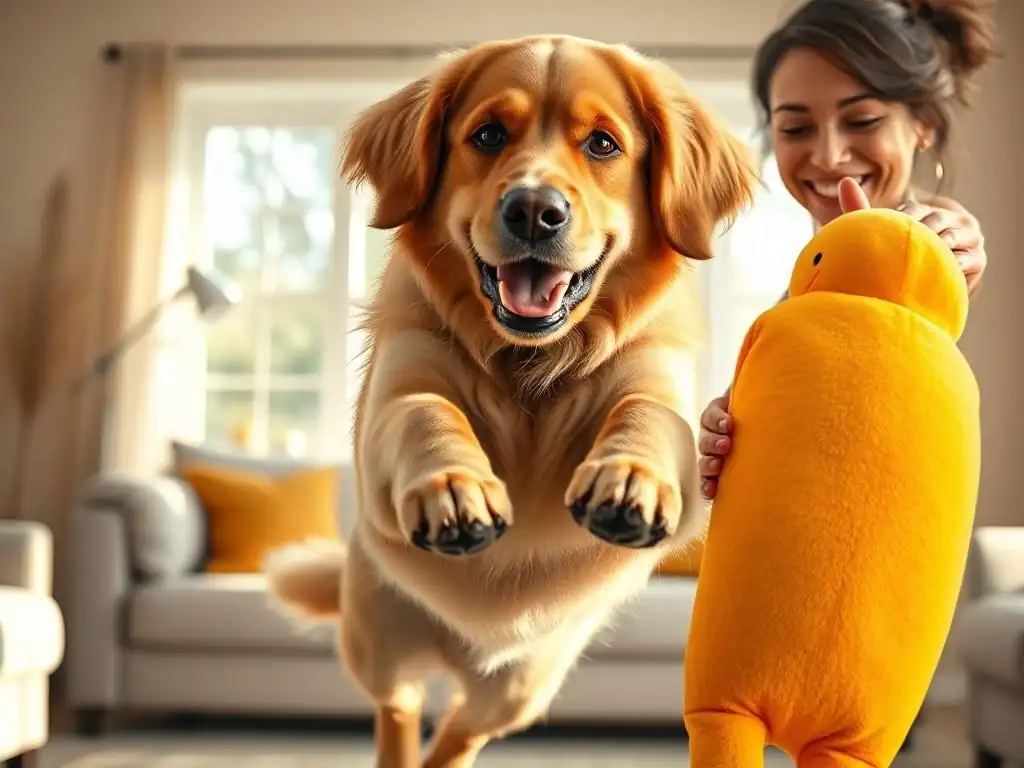
Welcome to PetCareWorld, your ultimate guide to a happier, healthier life with your beloved pets! Are you tired of your dog's enthusiastic, yet slightly destructive, greetings? Our Dog jumping redirecting training guide offers practical, proven solutions to redirect that exuberant energy into positive behaviors. Discover how to effectively curb jumping and build a stronger, more harmonious relationship with your canine companion. Dive in and unlock the secrets to a well-behaved, joyful pet!
- Understanding Why Dogs Jump: Decoding Canine Behavior
- Effective Strategies for Redirecting Your Dog's Jumping Habit
- Dog Jumping: Alternative Behaviors and Redirection Techniques
- Advanced Techniques for Persistent Jumping Issues
- Maintaining a Jump-Free Environment: Long-Term Strategies for Success
- Case Studies: Real-Life Examples of Successful Dog Jumping Redirection
- Frequently Asked Questions about Dog Jumping Training (FAQ)
- Frequently Asked Questions
- Final Reflection: Beyond the Jump: Cultivating a Harmonious Human-Canine Bond
- Unleash Your Dog's Inner Zen: Redirect That Energy!
Understanding Why Dogs Jump: Decoding Canine Behavior
Jumping is a common canine behavior, often misinterpreted as a simple nuisance. However, understanding the underlying reasons behind a dog's jumping is crucial for effectively redirecting this behavior. This comprehensive guide will delve into the psychology of canine jumping, exploring the various triggers and motivations, and ultimately provide you with practical, effective training techniques to curb this unwanted habit.
We'll move beyond simple solutions and provide a nuanced understanding of your dog's behavior, enabling you to address the root cause and build a stronger, more harmonious relationship. This guide is specifically designed to help you navigate the complexities of dog jumping, offering a structured approach to training your dog to stop jumping on people, ultimately leading to a more positive and enjoyable experience for both you and your furry friend.
Learning to redirect your dog's energy effectively is key to resolving this common behavioral issue. This isn't just about stopping the jumping; it's about understanding your dog's communication and building a better bond.
Identifying the Root Cause of Jumping Behavior in Dogs
Understanding why your dog jumps is the first step towards successfully redirecting this behavior. Jumping isn't inherently bad; it's often a form of communication. Several factors can contribute to a dog's jumping, including:
- Breed predisposition: Certain breeds, known for their high energy levels or excitement, may be more prone to jumping. For example, certain sporting breeds might exhibit more exuberant greetings.
- Lack of socialization: Inadequate early socialization can lead to dogs exhibiting inappropriate behaviors like jumping, as they haven't learned appropriate greeting rituals.
- Underlying anxiety or fear: Sometimes, jumping can be a manifestation of anxiety or fear. A dog might jump to escape an uncomfortable situation or to seek reassurance.
- Poor training: Inconsistent training or a lack of clear boundaries can reinforce jumping behavior. If a dog learns that jumping gets them attention (even negative attention), they're more likely to continue.
- Excitement and energy levels: High energy levels, particularly in younger dogs, often manifest as jumping, especially during greetings.
It's crucial to observe your dog's behavior carefully to pinpoint the specific triggers and motivations behind their jumping. Keeping a detailed record of when and why your dog jumps can be incredibly helpful in identifying patterns and developing a targeted training plan. Consider factors like the context of the jump (greeting, excitement, attention-seeking), the dog's body language (tail wagging, tense muscles, bared teeth), and your reaction to the jump.
Common Triggers for Jumping: Excitement, Attention-Seeking, and Greetings
Dogs jump for a variety of reasons, and understanding these triggers is key to effective redirection. Let's explore some of the most common triggers:
- Excitement: The most common reason for jumping is pure excitement. When your dog sees you, a visitor, or another dog, their excitement can overwhelm them, leading to enthusiastic (and sometimes unwanted) jumping. This is particularly common in young, energetic dogs. Think of it as their exuberant way of saying "hello!"
- Attention-Seeking: Dogs are social animals and crave attention. If a dog learns that jumping gets them attention, even negative attention like scolding, they may continue the behavior. This is a classic case of accidental reinforcement.
- Greetings: Jumping is often part of a dog's greeting ritual. They might jump to sniff faces, lick, or simply express their joy at seeing you. However, this behavior can be problematic, especially for children or those who are uncomfortable with being jumped on.
Understanding these triggers allows you to anticipate situations where jumping is more likely and proactively implement strategies to redirect your dog's energy. For example, if you know your dog jumps when excited, you can practice calm greetings before visitors arrive.
Differentiating Between Playful Jumps and Aggressive Jumps
While most jumping is simply exuberant or attention-seeking, it's important to differentiate between playful jumps and aggressive jumps. Playful jumps are usually accompanied by a wagging tail, relaxed body posture, and soft playful nips. Aggressive jumps, on the other hand, might involve stiff body language, bared teeth, growling, or snapping. Aggressive jumping is a serious behavior problem that requires professional help.
It's crucial to be able to distinguish between these two types of jumping to ensure you address the issue appropriately. If you suspect your dog's jumping is aggressive, consult a certified professional dog trainer or veterinary behaviorist immediately. Ignoring aggressive jumping can be dangerous and could escalate the problem. 🐶
Effective Strategies for Redirecting Your Dog's Jumping Habit
This section delves into practical, effective strategies for redirecting your dog's jumping behavior. We'll move beyond simply understanding why your dog jumps and focus on actionable steps to achieve lasting behavioral change. Remember, consistency and patience are key to success in dog training, and redirecting jumping is no exception. This guide provides a roadmap to help you achieve a harmonious relationship with your canine companion, free from unwanted jumping. We'll explore various techniques, emphasizing positive reinforcement to build a strong bond based on mutual understanding and respect.
Training Techniques for Curbing Jumping Behavior in Dogs
Several training techniques can effectively curb jumping. The most successful approaches combine consistent training with positive reinforcement. Let's explore some of these techniques:
- Ignoring the Jump: When your dog jumps, completely ignore them. Turn your back, avoid eye contact, and remain silent. This removes the reward (your attention) they are seeking. Only when all four paws are on the ground should you offer attention, praise, or a treat. This method requires patience, as dogs are often persistent. The key is to remain absolutely consistent. Even a momentary lapse in ignoring can reinforce the jumping behavior.
- The "Turn Away" Technique: This is a variation of ignoring. When your dog jumps, calmly turn your back and walk away for a few seconds. Return only when they have all four paws on the ground. This teaches your dog that jumping results in the loss of your attention and interaction, a powerful deterrent.
- Controlled Greetings: Teach your dog an alternative behavior to jumping when greeting you or others. For example, have them sit or lie down before you interact with them. Reward them immediately for performing the desired behavior. This replaces the unwanted behavior (jumping) with a desirable one (sitting or lying down).
- Physical Barriers: In some cases, physical barriers can be helpful, especially during initial training. For instance, a baby gate can prevent your dog from jumping on guests. This isn't a long-term solution, but it can provide a safe and controlled environment to practice alternative behaviors.
The Importance of Consistency in Dog Jumping Training
Consistency is paramount in dog jumping training. Inconsistent application of training methods sends mixed signals to your dog, hindering progress and potentially worsening the problem. Think of it like this: if you sometimes ignore the jumping and sometimes reward it (even unintentionally), your dog will struggle to understand what behavior is acceptable.
Consider this example: If you sometimes pet your dog when they jump, even if you try to ignore them most of the time, they'll continue jumping because they've learned that sometimes jumping gets them what they want. The reward, even if infrequent, reinforces the behavior.
Therefore, ensure everyone in the household applies the chosen training methods consistently. This includes family members, guests, and even children. A unified approach creates a clear and predictable environment for your dog, facilitating faster learning and more sustainable behavior modification. This is particularly crucial for multi-dog households or homes with frequent visitors.
Positive Reinforcement Methods: Rewarding Desired Behaviors
Positive reinforcement focuses on rewarding desired behaviors rather than punishing unwanted ones. This creates a positive learning experience for your dog, strengthening the bond between you. In the context of jumping, this means rewarding your dog profusely when they keep their paws on the floor.
Here's how to effectively use positive reinforcement:
- High-Value Rewards: Use treats your dog finds incredibly appealing. Small, easily consumed treats are ideal. The reward should be immediate, delivered the second all four paws are on the ground.
- Verbal Praise: Combine treats with enthusiastic verbal praise ("Good dog! ", "Yes!"). Your tone of voice should be upbeat and encouraging.
- Timing is Crucial: The reward must be given immediately following the desired behavior. Any delay weakens the association between the behavior and the reward.
- Varying Rewards: To keep your dog engaged, vary the rewards. Sometimes offer a treat, sometimes verbal praise, and sometimes a favorite toy. This prevents the training from becoming monotonous.
| Reward Type | Frequency | Example |
|---|---|---|
| High-Value Treats | Several times/day | Small pieces of cooked chicken, cheese |
| Verbal Praise | Every successful attempt | "Good dog! ", "Yes! ", enthusiastic tone |
| Favorite Toy | Occasionally | A squeaky toy, rope toy |
Remember, patience and consistency are key to success. Celebrate small victories along the way, and don't get discouraged by setbacks. With consistent effort and positive reinforcement, you can successfully redirect your dog's jumping habit and enjoy a more harmonious relationship.
Using Negative Reinforcement Effectively: Ignoring Jumps and Rewarding Calmness
Ignoring jumps might seem counterintuitive, but it's a cornerstone of effective negative reinforcement in dog training. The key is to consistently withhold any positive reinforcement—attention, praise, petting—when your dog jumps. This doesn't mean ignoring your dog entirely; it means ignoring the jumping behavior specifically. If your dog jumps up, completely turn your back, avert your gaze, and remain silent.
Avoid making eye contact, as this can inadvertently reinforce the behavior. Think of it as a temporary "time out" for the unwanted action. The goal is to make jumping unproductive for your dog; they learn that jumping doesn't get them what they want—your attention.
This technique requires patience and consistency. It's crucial to ensure everyone in the household adheres to the same strategy. Inconsistency will confuse your dog and undermine the training process. For example, if one family member ignores the jumps while another pets the dog when it jumps, the dog will likely continue jumping, as it has learned that sometimes it works to get attention. Therefore, clear communication and a unified approach are essential for success.
Rewarding calm behavior is equally important. When your dog is standing calmly on all four paws, immediately offer positive reinforcement. This could be verbal praise ("Good dog! "), a treat, or a gentle pat. The timing is critical; reward the calm behavior immediately before your dog has a chance to jump. This creates a positive association in your dog's mind, teaching them that calm behavior yields desirable rewards. Gradually increase the duration of calm behavior required for a reward, slowly increasing the time before offering the reward to reinforce the desired behavior.
Consider using a cue word like "settle" or "down" to signal the desired calm behavior. This helps your dog understand what you're expecting and makes the training process more efficient. For instance, if you notice your dog starting to get excited near visitors, you can preemptively give the cue "settle," rewarding them immediately if they comply. This proactive approach prevents jumping from occurring in the first place.
Remember, consistency and patience are key to success with this method. It may take time and repetition, but with persistent effort, your dog will learn to associate calm behavior with positive outcomes. This method, combined with other strategies, is a powerful tool in redirecting your dog's jumping habits and fostering a calmer, more well-behaved companion.
Dog Jumping: Alternative Behaviors and Redirection Techniques
This section delves into the core strategies for managing and redirecting your dog's jumping behavior. Successfully redirecting jumping requires teaching your dog alternative behaviors they can perform instead of jumping. Simply punishing the jump is often ineffective; you need to provide a positive alternative. This approach focuses on replacing the unwanted behavior with desirable actions, creating a more positive and effective training experience. Remember, consistency is key to success in dog training. The more consistently you apply these techniques, the faster your dog will learn.
Teaching Alternative Behaviors: Sit, Stay, and Down Commands
Teaching your dog basic obedience commands like "sit," "stay," and "down" is crucial for redirecting their jumping. These commands provide alternative actions when someone approaches. Instead of jumping, your dog will learn to perform these commands, earning praise and rewards.
The process involves positive reinforcement:
- Start with short training sessions: Begin with 5-10 minute sessions to maintain your dog's focus and prevent frustration. Frequent, short sessions are more effective than infrequent, long ones.
- Use high-value rewards: Employ treats your dog loves, such as small pieces of cooked chicken or cheese. The reward should be immediately given after the desired behavior.
- Clear cues and consistent commands: Use a clear, concise command ("sit," "stay," "down") each time you want your dog to perform the action. Consistency is vital for your dog to understand.
- Gradual progression: Start training in a quiet environment, gradually introducing distractions as your dog masters the command. For example, begin training at home, then move to your backyard, and finally to more public places.
- Practice, practice, practice: Consistent practice is essential for reinforcing the learned behavior. Practice these commands multiple times a day, even for just a few minutes.
Here's a sample training schedule:
| Day | Command | Sessions per day | Duration per session | Rewards | Notes |
|---|---|---|---|---|---|
| 1-3 | Sit | 3 | 5 minutes | Small pieces of cooked chicken | Focus on lure training initially |
| 4-7 | Stay (2 seconds) | 3 | 7 minutes | Small pieces of cheese | Gradually increase hold time |
| 8-14 | Down | 3 | 10 minutes | Small pieces of cooked chicken | Combine with sit and stay practice |
| 15+ | All commands with distractions | 2 | 15 minutes | Variety of high-value treats | Introduce gentle distractions gradually |
Remember, patience and positive reinforcement are key. Celebrate even small successes! 🎉
Redirecting Energy: Engaging Your Dog in Play and Exercise
A dog that is bored or has pent-up energy is more likely to jump. Redirecting this energy through appropriate play and exercise is vital. This not only tires them physically but also mentally stimulates them, reducing the likelihood of unwanted behaviors.
Consider these activities:
- Daily walks: Aim for at least two brisk walks a day, varying the routes to keep things interesting.
- Play sessions: Engage in interactive games like fetch, tug-of-war, or hide-and-seek. These games provide both physical and mental stimulation.
- Training sessions: Training is mentally stimulating and can help tire out your dog. Incorporate training into your daily routine.
- Puzzle toys: Provide puzzle toys that challenge your dog mentally and keep them occupied.
Regular exercise and mental stimulation are essential for a well-adjusted dog. A tired dog is a well-behaved dog! 🐾
Creating a Calm Environment: Minimizing Jumping Triggers
Identifying and minimizing situations that trigger your dog's jumping behavior is crucial for success. This involves understanding your dog's triggers and proactively managing the environment.
Common triggers include:
- Excitement when guests arrive: Teach your dog to greet people calmly. Practice "sit" or "down" commands when guests arrive.
- Attention-seeking behavior: Ignoring jumping and rewarding calm behavior is very effective.
- Lack of routine: A structured daily routine provides stability and reduces anxiety.
- Unpredictable interactions: Create a predictable environment to reduce stress.
By minimizing these triggers and consistently practicing alternative behaviors, you can effectively manage and redirect your dog's jumping, creating a more harmonious relationship. Remember, consistency and patience are key to success in dog training. 🐕
Advanced Techniques for Persistent Jumping Issues
This section delves into more advanced strategies for managing persistent dog jumping, particularly when simpler training methods haven't yielded sufficient results. We'll explore addressing underlying emotional issues, leveraging professional expertise, and considering medication as a last resort for severe cases. Remember, consistency and patience are key throughout all training endeavors. Even with advanced techniques, a gradual approach is vital for success. The goal isn't to punish the dog, but to redirect unwanted behaviors and build a stronger, more positive relationship.
Addressing Underlying Anxiety or Fear: Consulting a Veterinarian or Behaviorist
Jumping can stem from underlying anxiety or fear in some dogs. A dog exhibiting excessive jumping might be trying to escape a perceived threat, or exhibiting displacement behavior due to stress. Before resorting to further training, it's crucial to rule out any medical or behavioral conditions contributing to the problem.
A veterinary checkup is the first step. Your veterinarian can assess your dog's physical health, ruling out any medical issues that might be causing anxiety or discomfort, such as pain, illness, or hormonal imbalances. They can also advise on any potential medication to help manage underlying anxiety if deemed necessary.
If the vet finds no medical reason for the jumping, consulting a certified veterinary behaviorist or a professional dog behaviorist is highly recommended. These specialists can conduct a thorough behavioral assessment, identify the root cause of the jumping, and develop a tailored behavior modification plan. This plan might involve techniques like desensitization and counter-conditioning to help your dog associate people with positive experiences rather than the opportunity to jump.
They may also teach you specific techniques to manage your dog's anxiety in various situations. Remember that a professional diagnosis is vital for effective treatment and to ensure the well-being of your canine companion.
Utilizing Professional Help: Dog Trainers and Behavior Modification Specialists
Even with diligent application of training techniques, some dogs require professional guidance to overcome persistent jumping. Certified dog trainers specializing in behavior modification offer valuable expertise and can provide personalized training plans.
These specialists can observe your dog's behavior firsthand, identifying triggers and patterns you might have missed. They can then teach you effective techniques tailored to your dog's specific needs and personality. This might include:
- Positive reinforcement training: Focusing on rewarding desired behaviors (e.g., sitting calmly) rather than punishing jumping.
- Counter-conditioning: Gradually associating people with positive experiences to reduce anxiety and the urge to jump.
- Desensitization: Slowly exposing your dog to triggering situations (e.g., approaching people) at a distance and gradually decreasing the distance as the dog remains calm.
- Impulse control training: Teaching your dog to inhibit impulsive behaviors through exercises that require self-control.
Choosing a certified professional ensures you're working with someone knowledgeable and ethical, who prioritizes positive reinforcement methods and the well-being of your dog. Seek recommendations from your veterinarian or other pet professionals. Remember to thoroughly research potential trainers and observe their training methods before committing.
Medication Options for Severe Jumping Cases: When to Seek Veterinary Advice
In severe cases where other methods have been unsuccessful, medication might be considered under the guidance of a veterinarian. Medication should never be the first line of defense, but it can be a helpful adjunct to behavioral modification in some cases.
Medications used to address anxiety in dogs are typically prescribed by veterinarians and should only be administered under their strict supervision. These medications can help manage underlying anxiety or fear that contributes to the jumping behavior, making training more effective. However, medication alone is rarely sufficient; it’s most effective when combined with a comprehensive behavior modification program designed by a veterinarian or certified professional dog trainer.
It's crucial to understand that medication is not a quick fix. It takes time to see results, and the effectiveness of medication varies from dog to dog. Close monitoring by your veterinarian is essential to adjust dosages and assess the medication's impact on your dog's behavior and overall well-being. Remember to always prioritize your dog's health and well-being and consult with a veterinarian before introducing any medication into their routine. The goal is to address the root cause of the jumping, not just mask the symptom. 🐶
Maintaining a Jump-Free Environment: Long-Term Strategies for Success
This section focuses on establishing a consistent environment that minimizes opportunities for your dog to practice jumping. Remember, preventing the behavior is far easier than correcting it. We'll explore proactive strategies to ensure your dog's jumping behavior remains under control.
Preventing Future Jumping Incidents: Consistent Training and Management
Consistent training and management are crucial for long-term success in redirecting your dog's jumping. It's not enough to address jumping incidents reactively; you must actively prevent them. This involves:
- Controlled Greetings: Teach your dog an alternative greeting behavior, such as sitting politely before receiving attention. Reward calm behavior immediately upon arrival home or when guests enter. Practice this consistently in low-distraction environments before progressing to more challenging scenarios.
- Strategic Placement of Furniture: Rearrange your furniture to minimize tempting jumping surfaces. For example, keeping sofas and chairs against walls can reduce the appeal of jumping onto them. This simple adjustment can significantly impact your dog's behavior.
- Designated "Jump Zones": If you have a specific area where jumping is acceptable (e.g., a dog bed), clearly define it and reward your dog for using it. This provides a safe outlet for their energy while discouraging jumping in other areas.
- Consistent Reinforcement: Even small improvements deserve praise and rewards. Positive reinforcement is key to maintaining desired behaviors. Use high-value treats and verbal praise to reinforce calm behavior. Remember, consistency is key – every time your dog avoids jumping, reward the good behavior!
- Utilizing Cues and Signals: Train your dog to respond to specific cues that signal "no jumping," such as a hand signal or a verbal command. This can help you proactively manage their behavior in various situations. For instance, a simple "paws down" command, followed by a reward for complying, can be incredibly effective.
Proper socialization plays a vital role in preventing future jumping incidents. A well-socialized dog is more likely to exhibit calm and confident behavior in new situations, reducing the likelihood of resorting to jumping out of anxiety or excitement.
This involves:
- Gradual Introduction to New People: Introduce your dog to new people gradually, starting with calm and controlled interactions in a familiar environment. Avoid overwhelming your dog with too much stimulation at once.
- Controlled Exposure to New Environments: Similarly, introduce your dog to new environments gradually. Start with short visits to quiet, less stimulating locations before progressing to busier areas. This helps build their confidence and reduces the likelihood of anxiety-driven jumping.
- Positive Reinforcement During Socialization: Always reinforce calm behavior during socialization. Reward your dog for remaining calm and well-behaved around new people and in new environments. This positive reinforcement strengthens desired behaviors and helps prevent unwanted behaviors like jumping.
- Professional Guidance if Needed: If your dog displays significant anxiety or fear, consider seeking professional guidance from a certified dog trainer or behaviorist. They can provide tailored strategies to address underlying issues contributing to jumping. A professional assessment can sometimes uncover the root cause of the problem, providing a more effective solution.
Ongoing Monitoring and Reinforcement: Maintaining Desired Behaviors
Maintaining a jump-free environment requires ongoing monitoring and reinforcement. Even after successfully redirecting your dog's jumping behavior, consistency is paramount to prevent regression.
- Regular Practice: Continue practicing the alternative greeting behavior and other trained commands regularly. Even short, consistent practice sessions are more effective than infrequent, lengthy ones.
- Continued Positive Reinforcement: Never underestimate the power of positive reinforcement. Continue rewarding your dog for calm behavior and avoiding jumping, even after the initial training phase.
- Addressing Setbacks: Setbacks are normal. If your dog occasionally reverts to jumping, calmly redirect them back to the desired behavior and reinforce the correct response. Avoid punishment; focus on positive reinforcement. Consistency is key to preventing regression and maintaining the desired behavior.
- Adaptability and Flexibility: Be prepared to adapt your strategies as your dog matures and encounters new situations. What works today may not work tomorrow, so flexibility in your approach is essential for long-term success. Regularly assess your training methods and make adjustments as needed. This ongoing evaluation is crucial for maintaining a jump-free environment.
Case Studies: Real-Life Examples of Successful Dog Jumping Redirection

This section presents real-world scenarios where dog owners successfully redirected their dogs' jumping behavior using the techniques outlined in this guide. These case studies highlight the diverse nature of jumping behavior and the adaptable nature of redirection training. Remember, consistency and positive reinforcement are key to success in dog training, regardless of the specific jumping trigger.
Case Study 1: Addressing Excitement Jumping
Barnaby, a young Labrador Retriever, displayed enthusiastic jumping whenever his owner, Sarah, returned home. His excitement, while adorable, resulted in muddy paws on Sarah's clothes and the occasional knock-over. Sarah initially tried to ignore Barnaby, but this only seemed to increase his jumping. Applying the redirection techniques, Sarah began to consistently turn her back to Barnaby upon entering, ignoring his jumps.
She then offered him a high-value chew toy before kneeling down to greet him. Over several weeks, she progressively decreased the time she waited before interacting, rewarding him with calm praise and gentle petting once he remained all four paws on the floor. Now, Barnaby greets Sarah with enthusiastic tail wags and calm behavior, demonstrating the effectiveness of consistent redirection and positive reinforcement in managing excitement-related jumping. This case study illustrates the importance of rewarding calm behavior over punishing jumping.
Case Study 2: Tackling Attention-Seeking Jumps
Luna, a clever Border Collie, jumped on visitors to gain attention. Her owner, Mark, initially scolded her, which only seemed to escalate the problem. He realized that Luna was using jumping as a way to initiate interaction. Applying the principles of redirection, Mark implemented a new greeting protocol.
Whenever a visitor arrived, Mark would instruct them to ignore Luna’s jumps completely and instead, offer a high-value treat to Luna only when she was sitting calmly. Visitors were instructed to remain calm and avoid eye contact during the jumping. Over time, Luna learned that calm behavior resulted in rewards, while jumping produced no positive outcome.
This resulted in a significant decrease in her attention-seeking jumping. This demonstrates the success of a consistent approach involving both the owner and visitors in redirecting the dog's behavior and rewarding the desired behavior. The key here was to make the desired behavior (sitting calmly) more rewarding than the undesired behavior (jumping).
The following table summarizes the key differences in the approaches used for Barnaby and Luna, highlighting the adaptable nature of redirection techniques:
| Dog | Jumping Trigger | Redirection Strategy | Outcome |
|---|---|---|---|
| Barnaby | Excitement upon arrival | Ignore jumps, offer chew toy, reward calm greeting | Reduced jumping, calm greetings |
| Luna | Attention-seeking | Ignore jumps, reward calm sitting with treats | Reduced jumping, calm interactions with visitors |
This highlights the importance of identifying the root cause of the jumping behavior before implementing a redirection strategy. Each dog's situation requires a tailored approach, emphasizing the flexibility and effectiveness of this training method for managing dog jumping. Remember, patience and consistency are key to successful redirection training, turning unwanted behavior into a positive learning experience for both you and your furry friend. 🐶
Frequently Asked Questions about Dog Jumping Training (FAQ)
This section addresses common concerns pet owners have regarding redirecting their dog's jumping behavior. We'll delve into realistic timelines, troubleshooting setbacks, and breed predispositions. Remember, consistency and patience are key to successful dog training. Understanding the nuances of your dog's behavior will significantly improve your chances of success in curbing unwanted jumping.
How long does it take to stop a dog from jumping?
There's no magic number when it comes to eliminating jumping behavior. The timeframe varies considerably depending on several factors:
- Dog's age: Puppies are generally more easily trained than adult dogs, as their habits are still forming. Expect a quicker resolution with a young pup.
- Dog's personality: Some dogs are more stubborn or sensitive than others. A highly excitable dog might require more time and patience.
- Consistency of training: Inconsistent training methods will prolong the process significantly. Everyone in the household must employ the same techniques.
- Severity of the jumping: A dog that only jumps occasionally will be easier to correct than one that jumps constantly and aggressively.
While some dogs might show improvement within a few weeks with consistent training, others may take several months. Don't get discouraged if you don't see immediate results. Celebrate small victories and maintain a positive reinforcement approach. Think of it as a marathon, not a sprint! Remember to remain patient and consistent. The average timeframe for significant improvement is between 4-8 weeks with dedicated training.
What if my dog jumps even after training?
Even with diligent training, setbacks can occur. Several reasons might explain why your dog continues jumping despite your efforts:
- Inconsistency: Are all family members using the same training methods? Inconsistent cues confuse your dog.
- Excitement Overload: High-energy situations (visitors, walks) can trigger jumping even in well-trained dogs. Practice controlled greetings and desensitization techniques.
- Underlying anxieties: Jumping may stem from anxiety or insecurity. Consider consulting a veterinary behaviorist to rule out underlying medical or behavioral issues.
- Lack of sufficient exercise: An over-energized dog might jump out of pent-up energy. Ensure your dog gets adequate daily exercise, both physical and mental.
- Reinforcement of the behavior: If jumping is accidentally rewarded (e.g., you pet your dog when they jump), the behavior will persist. Strictly avoid rewarding unwanted actions.
If your dog's jumping persists despite your best efforts, reassess your training methods and consider seeking professional guidance from a certified dog trainer or veterinary behaviorist. They can provide personalized advice and address any underlying issues contributing to the problem. It's crucial to rule out any underlying medical conditions that might be influencing the behavior.
Are there any specific breeds more prone to jumping?
While any dog breed can exhibit jumping behavior, some breeds are statistically more prone due to their inherent traits:
| Breed | Predisposition Reason |
|---|---|
| Labrador Retriever | High energy levels, eagerness to please, friendly nature |
| Golden Retriever | Similar to Labradors, enthusiastic and affectionate |
| Jack Russell Terrier | High energy, independent, playful |
| Beagle | Friendly, curious, prone to excitement |
| Poodle | Intelligent but can be excitable, especially smaller sizes |
These breeds often display exuberant greetings, making jumping a more frequent occurrence. However, proper training and socialization can mitigate this tendency in all breeds. Early socialization and consistent training are crucial, regardless of your dog’s breed. Early intervention is key to preventing this behavior from becoming deeply ingrained. 🐶
Can punishment stop a dog from jumping?
No, punishment is generally ineffective and often counterproductive in stopping a dog from jumping. While it might temporarily suppress the behavior, it doesn't address the underlying reasons why your dog is jumping. Punishment can create fear and anxiety, leading to a deterioration in your relationship with your dog and potentially causing other behavioral problems. Instead of learning why they shouldn't jump, they may learn to fear you or associate unpleasant experiences with your presence. This can severely damage the bond of trust you have with your pet.
A fearful or anxious dog may exhibit other unwanted behaviors, such as aggression or excessive barking. Effective dog training focuses on positive reinforcement, rewarding desired behaviors (like staying on all four paws) and redirecting unwanted behaviors using gentle guidance and clear communication. Think of it like this: if you scold your dog for jumping, they might stop jumping around you, but they'll likely jump on someone else. The root cause of the behavior remains unaddressed.
A more effective approach involves teaching alternative behaviors and creating a positive training experience for your canine companion. This builds a stronger bond and results in long-term behavioral changes. Remember, a happy, well-trained dog is a well-adjusted dog! 🐶
Frequently Asked Questions
What is the most effective way to stop my dog from jumping?
The most effective method involves consistent training and redirecting your dog's energy. Use positive reinforcement techniques like rewarding calm behavior and ignoring jumping. Consider using a redirection method like offering a toy when your dog jumps.
How long does it typically take to train a dog to stop jumping?
The time it takes varies depending on your dog's age, breed, and personality. Consistency is key; you can expect to see noticeable improvement within a few weeks, but it might take longer for complete success. Patience is crucial.
What should I do if my dog jumps on visitors?
Teach your guests to ignore the jumping and turn their backs until the dog calms down. Reward calm behavior with praise or treats. Pre-training your dog with "leave it" or "off" commands can be beneficial.
My dog only jumps on certain people. Why is that?
Dogs often jump on people they perceive as less assertive or who reward jumping unintentionally. Some dogs might jump on those they feel more comfortable with or excited to see. Consistent training is crucial with everyone who interacts with your dog.
Are there any physical tools I can use to help stop my dog from jumping?
While not recommended as a primary method, some owners use tools like gentle leash corrections to interrupt jumping. Focus on positive reinforcement, however, as physical corrections can damage your relationship with your dog. Consult a professional trainer for guidance.
Final Reflection: Beyond the Jump: Cultivating a Harmonious Human-Canine Bond
The persistent problem of dog jumping isn't merely a matter of manners; it's a reflection of our understanding (or misunderstanding) of canine communication and energy. Untangling this behavior requires more than just a quick fix; it necessitates a deeper connection with our furry friends, built on mutual respect and understanding. Ignoring the underlying causes only perpetuates the cycle, leading to frustration for both dog and owner.
This journey of redirecting jumping behavior has profoundly impacted my own relationship with my dog, teaching me patience, consistency, and the importance of truly listening to my canine companion. A dog is the only thing on earth that loves you more than he loves himself.
This quote rings truer than ever as I've witnessed firsthand the transformative power of positive reinforcement and clear communication. The process isn't just about stopping the jumps; it's about fostering a deeper bond based on trust and understanding. It's about recognizing the dog's inherent energy and finding healthy outlets for it, rather than simply suppressing unwanted behaviors.
Now, it's your turn. Consider the energy your dog expresses – is it channeled constructively? Are you providing sufficient mental and physical stimulation? Take the lessons learned here – the importance of consistent training, positive reinforcement, and understanding your dog's individual needs – and apply them to your own relationship. Embrace the opportunity to build a stronger, more harmonious bond with your canine companion, one that transcends simple obedience and blossoms into a true partnership built on mutual love and respect. Start today, and watch your connection flourish.
Unleash Your Dog's Inner Zen: Redirect That Energy!
Thanks for exploring canine energy redirection! We hope you gained valuable insights into understanding and managing your dog's playful exuberance. Now, let's put that knowledge into practice.
Here are a few ways to build on your progress:
- Introduce a new training game: Start with a simple game, such as "hide-and-seek" with treats or a gentle game of tug, and practice consistently for a week. Observe how it affects your dog's behavior.
- Share your experiences with our community: Engage with other PetCareWorld readers in the comments below; let's learn from each other.
- Explore more resources: Visit our dedicated dog training section on PetCareWorld.org for even more helpful articles and videos.
Ready to see a calmer, happier pup? Which training game will you try first?