
Decoding Deworming: A Comprehensive Guide to Protecting Your Cat from Intestinal Parasites


Welcome to PetCareWorld, your ultimate guide to a happier, healthier life for your beloved pets! Are you concerned about intestinal parasites threatening your feline friend? Our comprehensive Cat Deworming Guide dives deep into identifying, preventing, and treating these common threats, providing you with the knowledge and tools to ensure your cat thrives. Discover the secrets to safeguarding your cat's well-being and unlock a world of expert advice – explore our insightful articles and resources today!
- Understanding Intestinal Parasites in Cats
- Cat Deworming Guide: Prevention and Treatment Strategies
- A Step-by-Step Guide to Deworming Your Cat
- Natural and Holistic Approaches to Cat Deworming (with Vet Consultation)
- Long-Term Cat Deworming Plan: Maintaining a Healthy Gut
- Frequently Asked Questions about Cat Deworming
- Frequently Asked Questions
- Final Reflection: The Enduring Importance of Protecting Our Feline Companions
- Unleash Your Cat's Inner Vitality: Protect Against Parasites Now!
Understanding Intestinal Parasites in Cats

Intestinal parasites are a significant concern for cat owners worldwide. These microscopic invaders can cause a range of health problems, from mild discomfort to severe illness, even death in some cases. This comprehensive guide will delve into the world of feline intestinal parasites, equipping you with the knowledge to identify, diagnose, and effectively manage these infestations.
We will explore common parasites, their symptoms, diagnostic methods, and ultimately, how to protect your beloved cat from the detrimental effects of these unwelcome guests. Understanding the lifecycle and transmission of these parasites is crucial for effective prevention and treatment, allowing you to provide optimal care and ensure your cat enjoys a long and healthy life, free from the discomfort and danger of intestinal parasites. This guide focuses specifically on providing a complete "Cat deworming guide intestinal parasites" to help you navigate this important aspect of cat health.
Common Intestinal Parasites Affecting Cats
Cats, despite their meticulous grooming habits, are susceptible to several types of intestinal parasites. These parasites can be broadly categorized into worms and protozoa. The most common culprits include:
- Roundworms (Toxocara cati): These are among the most prevalent intestinal parasites in cats, often acquired from the mother's milk or through ingestion of infected prey. Roundworm infestations can lead to vomiting, diarrhea, and stunted growth, especially in kittens. Adult roundworms can even be visible in the cat's feces.
- Hookworms (Ancylostoma tubaeforme): Hookworms attach to the intestinal wall, feeding on blood and causing anemia. Symptoms can include pale gums, lethargy, and bloody diarrhea. Kittens are particularly vulnerable to severe hookworm infections.
- Tapeworms (Dipylidium caninum): These segmented worms are often acquired through ingestion of infected fleas. Visible segments, resembling grains of rice, might be seen in the cat's feces or around their anal area. While generally less severe than roundworms or hookworms, tapeworm infestations still warrant treatment.
- Coccidia (Isospora spp. and Cystoisospora spp.): These single-celled parasites cause coccidiosis, characterized by watery diarrhea, often containing blood or mucus. Kittens and young cats are most susceptible.
- Giardia: This microscopic parasite can cause significant diarrhea and weight loss. It's often contracted through contaminated water or food.
Identifying Symptoms of Intestinal Parasite Infestation in Cats
Recognizing the signs of intestinal parasites is crucial for early intervention. While some infestations are asymptomatic, many exhibit telltale symptoms. These can include:
- Diarrhea: This is a common symptom, varying in consistency and frequency depending on the parasite. Bloody or mucous-filled diarrhea is a particular cause for concern.
- Vomiting: Vomiting, sometimes containing worms, is another frequent indicator.
- Weight loss: Despite a normal appetite, cats with intestinal parasites may experience unexplained weight loss due to malabsorption of nutrients.
- Lethargy and weakness: Infestations can lead to anemia and general debilitation, resulting in lethargy and weakness.
- Pot-bellied appearance: Heavy worm burdens can cause a distended abdomen, giving the cat a pot-bellied appearance.
- Dull coat: Parasites can impact the cat's overall health, leading to a dull and unkempt coat.
- Anal itching/scooting: Tapeworm infestations can cause anal itching, leading to scooting behavior.
Diagnosing Intestinal Parasites in Cats
A definitive diagnosis of intestinal parasites requires veterinary examination. Your veterinarian will likely perform a fecal examination, which involves microscopic analysis of a stool sample to identify parasite eggs or larvae. In some cases, blood tests may be necessary to assess for anemia or other health complications. Prompt diagnosis is essential for effective treatment and to prevent further complications.
Early detection significantly improves the chances of successful treatment and minimizes the risk of long-term health issues for your cat. Don't hesitate to consult your veterinarian if you suspect your cat may have intestinal parasites; they can provide the necessary diagnosis and treatment plan. 😻
Cat Deworming Guide: Prevention and Treatment Strategies
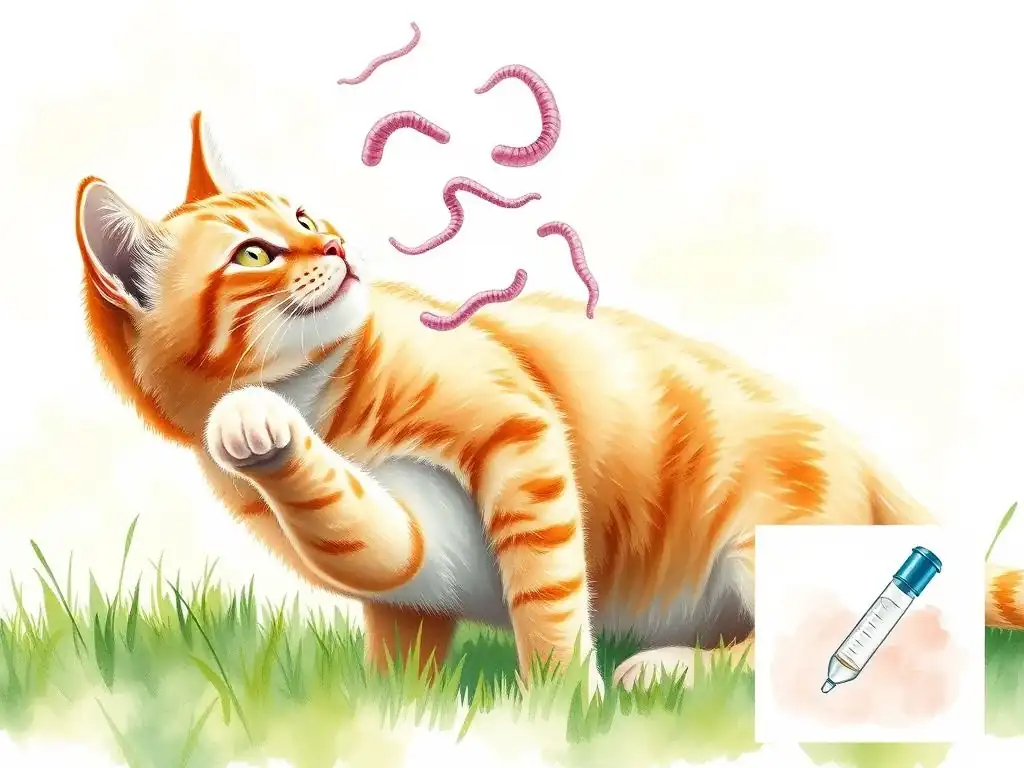
This section delves into proactive strategies and treatment options for effectively managing intestinal parasites in cats. Understanding the lifecycle of these parasites and implementing preventative measures is crucial for maintaining your feline companion's health and well-being. Regular deworming, coupled with a hygienic environment, significantly reduces the risk of infestation.
This comprehensive guide will equip you with the knowledge to make informed decisions regarding your cat's parasite control. We will explore various preventative measures, available deworming medications, and factors to consider when selecting the optimal dewormer for your cat's specific needs. Remember, consistent vigilance is key in the fight against intestinal parasites in cats.
Preventative Measures
Preventing intestinal parasites in cats is significantly easier and more cost-effective than treating them. A multi-pronged approach focusing on hygiene, environmental control, and regular preventative medication is highly recommended. Let's examine some key strategies:
- Regular Fecal Examinations: Schedule routine fecal exams with your veterinarian. These tests detect the presence of parasite eggs even before clinical symptoms appear, allowing for early intervention. The frequency of these exams depends on your cat's lifestyle and risk factors (e.g., outdoor access, hunting behavior). Aim for at least once a year, and more often if your cat exhibits any signs of parasitic infection.
- Hygiene Practices: Maintaining a clean environment is paramount. Regularly scoop and dispose of cat litter, ensuring proper sanitation of the litter box. Thoroughly clean and disinfect areas where your cat spends the most time, such as food and water bowls, bedding, and scratching posts. Wash your hands after handling your cat's litter or cleaning its surroundings.
- Controlled Diet: Feeding your cat a high-quality, balanced diet contributes to a strong immune system, making it better equipped to fight off parasites. Avoid feeding raw or undercooked meat, as these can be significant sources of parasite transmission.
- Preventative Medications: Consult your veterinarian about preventative deworming medication. Many effective and safe medications are available, tailored to different parasite types and cat life stages. These medications can significantly reduce the risk of infestation and minimize the need for more intensive treatments later. The choice of medication will depend on your cat's age, health status, and lifestyle.
- Environmental Control: If your cat has access to the outdoors, limit its exposure to areas where parasite transmission is likely, such as areas with rodent or wildlife activity. Regularly inspect your cat's fur for fleas and ticks, as these can be intermediate hosts for certain parasites.
Deworming Medications for Cats
Several deworming medications are available for cats, each targeting specific types of intestinal parasites. The choice of medication depends on the identified parasite and your cat's overall health. Your veterinarian will conduct a thorough examination and fecal analysis to determine the most appropriate treatment. Commonly used deworming medications include:
- Broad-spectrum dewormers: These medications are effective against a wide range of parasites, including roundworms, hookworms, and tapeworms. They are often prescribed as preventative medication or for treating mixed infections.
- Specific dewormers: Certain medications target specific parasites. For example, some are highly effective against tapeworms, while others are specifically designed to eliminate hookworms.
- Topical medications: These are applied directly to the skin and are often convenient for administering preventative doses. However, their effectiveness against certain parasites may be lower compared to oral medications.
- Oral medications: Oral medications are typically more effective against a wider range of parasites and are often preferred for treating established infections. They may come in various forms, such as tablets, capsules, or palatable liquids.
It's crucial to remember that self-medicating your cat can be dangerous. Always consult your veterinarian before administering any deworming medication to your cat. Improper use can lead to adverse effects and may not effectively eliminate the parasites. Accurate diagnosis and appropriate treatment are essential for successful parasite control.
Choosing the Right Dewormer for Your Cat
Selecting the appropriate dewormer for your cat requires careful consideration of various factors. This process should always be done in consultation with your veterinarian. Here are some key aspects to discuss with your vet:
| Factor | Description | Importance |
|---|---|---|
| Type of Parasite | Identify the specific parasite infecting your cat (roundworms, hookworms, tapeworms, etc. ). | Different dewormers target different parasites. Using the incorrect one will be ineffective. |
| Cat's Age and Health | Consider your cat's age, weight, and overall health status. Some dewormers are not suitable for kittens or senior cats. | Certain medications may have contraindications or require dosage adjustments based on the cat's health status. |
| Lifestyle | Does your cat have indoor or outdoor access? Does it hunt? These factors influence parasite exposure risk. | Outdoor cats are at a higher risk of infection and may require more frequent deworming. |
| Medication Type | Oral, topical, or injectable options are available. Consider your cat's temperament and ease of administration. | Choose a method that is both effective and feasible given your cat's personality and your ability to administer it. |
| Potential Side Effects | Discuss potential side effects with your veterinarian. | Early recognition and management of side effects are essential for your cat's safety. |
Remember, proactive parasite control is crucial for maintaining your cat's health and well-being. Regular veterinary checkups, preventative medications, and diligent hygiene practices are essential components of a comprehensive deworming strategy. This approach will help protect your beloved feline friend from the detrimental effects of intestinal parasites. 😻
Over-the-Counter vs. Prescription Dewormers for Cats
Choosing between over-the-counter (OTC) and prescription dewormers for your cat requires careful consideration of several factors. OTC dewormers, readily available at pet stores, typically target common intestinal parasites like roundworms and hookworms. These products often contain broad-spectrum medications like pyrantel pamoate, effective against a range of worm infestations. However, their effectiveness against less common or more resistant parasites might be limited.
Moreover, incorrect dosage or administration can lead to ineffective treatment or even adverse reactions in your feline companion. Always carefully follow the instructions provided on the packaging, and consult your veterinarian if you have any doubts. Remember, OTC dewormers are not a substitute for professional veterinary care; they are best suited for routine preventative measures in cats with no known parasite history and a low risk of exposure.
The use of prescription dewormers, on the other hand, offers a more targeted and potent approach. Your veterinarian can diagnose the specific type of intestinal parasite affecting your cat through fecal examination and prescribe the most appropriate medication. Prescription dewormers are often more effective against resistant parasites and offer a higher success rate in eliminating the infestation.
They may also be formulated to address specific parasite types or combinations, minimizing the risk of adverse effects. Furthermore, your vet can monitor your cat's response to treatment, ensuring optimal results and addressing any potential complications promptly. While prescription dewormers might incur higher costs, the precision and effectiveness they offer often outweigh the expense, especially in cases of severe or recurrent infestations.
This approach is particularly crucial for cats with compromised immune systems or those living in environments with a high risk of parasite exposure. Regular veterinary check-ups are essential for the effective management of intestinal parasites in cats and the responsible use of deworming medications. The veterinarian's expertise is paramount in determining the best course of action for your individual cat's needs.
A Step-by-Step Guide to Deworming Your Cat
This section provides a practical, step-by-step guide to effectively deworm your cat, minimizing stress for both you and your feline companion. Remember, always consult your veterinarian before starting any deworming regimen, as they can assess your cat's specific needs and recommend the most appropriate medication and dosage. This guide offers general advice and should not replace professional veterinary counsel. Effective cat deworming requires a proactive and informed approach to protect your pet from intestinal parasites.
Preparing Your Cat for Deworming
Before administering any deworming medication, proper preparation is crucial for a smooth and safe process. This involves several key steps:
- Consult your veterinarian: This is the most important step. Discuss your cat's age, breed, weight, overall health, and any existing medical conditions. Your vet will determine the best type and dosage of deworming medication, considering potential drug interactions. They can also advise on the frequency of deworming based on your cat's lifestyle and risk factors.
- Fasting (if necessary): Some deworming medications require your cat to fast for a short period before administration. Your veterinarian will specify if fasting is necessary and for how long. This is to minimize the risk of vomiting or digestive upset.
- Gathering supplies: Have all necessary supplies readily available before you begin. This typically includes the prescribed deworming medication (in its correct dosage), a syringe (if liquid medication), a small amount of palatable food (as a reward), and potentially some gloves.
- Creating a calm environment: Cats can be sensitive to stress. Prepare a quiet and comfortable space for the process. Minimize distractions and ensure your cat feels secure. A gentle approach is key to a successful deworming experience. Consider using positive reinforcement techniques, such as offering treats or petting, to help calm your cat.
Administering Deworming Medication
Administering deworming medication correctly is essential for its effectiveness. The method will vary depending on the type of medication prescribed by your vet.
- Oral Medications (Tablets/Capsules): For tablets or capsules, you may need to hide them in a small amount of palatable food. Ensure your cat consumes the entire dose. If your cat is reluctant, your vet might suggest alternative administration methods.
- Oral Medications (Liquid): Liquid dewormers are often administered using a syringe. Gently restrain your cat, holding them securely but comfortably. Place the syringe tip between the cheek and gums, slowly dispensing the medication. Avoid squirting it directly into the throat to prevent choking. Reward your cat with a treat afterward.
- Topical Medications: Some dewormers are topical applications. Carefully follow the instructions provided by your veterinarian regarding application site and technique. Ensure the medication is applied correctly to achieve optimal effectiveness.
Important Note on Dosage
Never exceed the recommended dosage prescribed by your veterinarian. Overdosing can be harmful to your cat. Always double-check the dosage before administering the medication.
Monitoring Your Cat After Deworming
Post-deworming monitoring is crucial to ensure the medication is working effectively and to detect any adverse reactions.
| Observation Period | Potential Side Effects | Actions to Take |
|---|---|---|
| Immediately After | Vomiting, diarrhea, lethargy, loss of appetite | Contact your veterinarian immediately. |
| 1-2 Days After | Mild gastrointestinal upset (e.g., loose stools) | Observe closely. If symptoms worsen or persist, contact your veterinarian. |
| Following Days | Improvement in clinical signs (e.g., increased energy) | Continue monitoring. If any concerning symptoms reappear, contact your veterinarian. |
Following the prescribed deworming regimen is vital for the long-term health of your cat. Regular deworming, guided by your veterinarian's recommendations, is a cornerstone of preventative pet care, helping to safeguard your feline friend from the detrimental effects of intestinal parasites. Remember, proactive parasite control is key to ensuring your cat enjoys a long, healthy, and happy life. 😻
Natural and Holistic Approaches to Cat Deworming (with Vet Consultation)

This section explores natural and holistic approaches to managing intestinal parasites in cats. It's crucial to understand that while these methods can be supportive to conventional deworming, they should never replace veterinary guidance and prescribed medication, especially in cases of severe infestation. Always consult your veterinarian before implementing any alternative deworming strategy for your cat. Ignoring professional advice can severely compromise your cat's health. This section focuses on providing information for educational purposes only and should not be interpreted as a substitute for professional veterinary care.
Natural Deworming Remedies for Cats
Several natural remedies are believed to possess anthelmintic properties, meaning they can help expel intestinal parasites. However, scientific evidence supporting their efficacy in cats is often limited or inconclusive. It's vital to approach these remedies with caution and under veterinary supervision.
Some commonly discussed options include:
- Pumpkin Seeds: These contain cucurbitacins, compounds that can paralyze some intestinal parasites, making them easier to pass. However, the dosage and effectiveness vary greatly, and overconsumption can cause digestive upset. Always consult your vet for the correct dosage for your cat's weight and specific parasite.
- Papaya Seeds: Similar to pumpkin seeds, papaya seeds contain compounds that may have anthelmintic effects. Again, scientific evidence is limited, and the dosage requires careful consideration to avoid potential side effects.
- Garlic: Garlic has been used traditionally as a natural remedy for various ailments, including parasite control. However, garlic can be toxic to cats in large quantities, so its use should be strictly avoided unless specifically recommended and monitored by a veterinarian. Even small amounts can cause anemia in sensitive cats.
- Wormwood: This herb has a long history of use in traditional medicine for parasite control. However, its safety and effectiveness in cats require further research, and it should only be considered under strict veterinary guidance due to potential toxicity.
The table below summarizes the potential benefits and risks associated with these natural remedies:
| Remedy | Potential Benefits | Potential Risks | Veterinary Supervision |
|---|---|---|---|
| Pumpkin Seeds | May paralyze some parasites | Digestive upset if overconsumed | Essential |
| Papaya Seeds | May have anthelmintic effects | Limited scientific evidence, potential side effects | Essential |
| Garlic | Traditionally used for parasite control | Toxic to cats in large quantities, can cause anemia | Strictly Prohibited |
| Wormwood | Traditionally used for parasite control | Potential toxicity, limited scientific evidence | Strictly Prohibited unless specifically advised |
Remember: The effectiveness of these remedies varies greatly depending on the type and severity of the infestation. They are not a cure-all and should never replace veterinary-prescribed medication.
Importance of Veterinary Consultation
A veterinary consultation is absolutely crucial before, during, and after attempting any natural deworming method. Your veterinarian can:
- Diagnose the specific parasite: Different parasites require different treatments. A proper diagnosis is essential for effective treatment.
- Determine the severity of the infestation: Mild infestations might respond to supportive natural remedies, but severe infestations require immediate veterinary intervention and medication.
- Recommend appropriate dosages: Incorrect dosages of natural remedies can be ineffective or even harmful to your cat.
- Monitor your cat's response: Your vet will monitor your cat's health and adjust the treatment plan as needed.
- Rule out underlying health conditions: Intestinal parasites can be a symptom of a larger health problem. Your vet will ensure there are no underlying issues.
- Provide safe and effective treatment options: Your vet will provide the most effective deworming strategy for your cat’s specific needs.
Ignoring professional veterinary advice when dealing with intestinal parasites in cats can lead to serious health complications, including malnutrition, anemia, and even death. Always prioritize your cat's well-being by seeking professional veterinary care. A proactive approach to parasite control, which includes regular veterinary check-ups and appropriate deworming, is the best way to ensure your cat remains healthy and happy. 😻
Long-Term Cat Deworming Plan: Maintaining a Healthy Gut

Maintaining your cat's intestinal health requires a proactive, long-term deworming strategy. Simply deworming when symptoms appear is insufficient; a preventative approach is crucial to minimize the risk of parasitic infections and their associated complications. This involves a combination of preventative medication, regular veterinary check-ups, and a diet tailored to support gut health. Remember, consistent effort is key to safeguarding your feline companion from the debilitating effects of intestinal parasites. This section will delve into the specifics of creating a robust and effective long-term plan.
Creating a Parasite Prevention Strategy
Developing a comprehensive parasite prevention strategy for your cat requires understanding the lifecycle of common intestinal parasites and adapting your approach accordingly. Many parasites have complex life cycles, involving stages in the environment and within the cat's body. Therefore, a multifaceted approach is necessary.
This involves:
- Regular deworming: The frequency of deworming depends on your cat's lifestyle (indoor vs. outdoor), age, and exposure to other animals. Your veterinarian can recommend an appropriate schedule based on your cat's individual needs. They might suggest monthly preventative medication, especially for outdoor cats. For indoor cats, less frequent deworming might suffice, perhaps every three months. Always follow your vet's instructions carefully.
- Environmental control: Regular cleaning of your cat's litter box, along with thorough cleaning and disinfection of their eating and sleeping areas, is crucial in preventing parasite re-infection. Removing feces promptly is paramount, as many parasite eggs are shed in feces.
- Careful handling of prey: If your cat hunts, carefully monitoring and managing their access to potential sources of parasites (like rodents) is vital. This could involve restricting outdoor access during high-risk periods.
- Monitoring for signs of infection: Regularly check your cat's feces for signs of parasites (worms, segments of tapeworms). While not a definitive diagnostic tool, it can provide early warning signs prompting a veterinary visit. Changes in appetite, weight loss, vomiting, diarrhea, or lethargy can all be indicators of parasitic infection.
Remember, a proactive approach is always better than reactive treatment. Early detection and prevention are far more effective and less stressful for both you and your cat. Consistent vigilance and close collaboration with your veterinarian are essential for long-term success.
Regular Veterinary Check-ups
Regular veterinary check-ups are an integral part of any effective long-term cat deworming plan. These visits aren't just for vaccinations; they offer a crucial opportunity for parasite screening and early detection. During these appointments, your veterinarian can perform fecal examinations to detect the presence of intestinal parasites, even in asymptomatic cats.
The frequency of these check-ups depends on your cat's age, lifestyle, and overall health. Kittens, for instance, may require more frequent check-ups due to their developing immune systems and greater susceptibility to parasites. Senior cats may also benefit from more frequent monitoring due to age-related health issues. Your vet will guide you on the appropriate schedule. Early detection through regular check-ups allows for prompt and effective treatment, minimizing the risk of complications and improving your cat's overall health. Don't underestimate the importance of these preventative measures!
Dietary Considerations for Intestinal Health in Cats
Nutrition plays a significant role in supporting your cat's intestinal health and resilience against parasites. A balanced diet rich in essential nutrients helps maintain a healthy gut microbiome, which is crucial for effective digestion and immunity.
Here's how diet can contribute to effective parasite control:
- High-quality protein: A diet with a high percentage of high-quality animal protein is essential for building and maintaining a strong immune system. This helps your cat fight off infections more effectively.
- Balanced fatty acids: Essential fatty acids, like omega-3 and omega-6 fatty acids, support gut health and reduce inflammation. These can be found in fish oils and certain plant-based sources.
- Fiber: Dietary fiber helps maintain healthy bowel movements and promotes regularity, which is crucial for expelling parasite eggs and preventing buildup.
- Avoidance of table scraps: Avoid giving your cat table scraps, as these can contain harmful ingredients and potentially introduce parasites. Stick to a high-quality commercially available cat food formulated to meet their nutritional needs.
- Probiotics: Consider supplementing your cat's diet with probiotics, which support the growth of beneficial bacteria in the gut, improving digestion and immune function. Always consult your veterinarian before introducing any supplements to your cat's diet. They can advise on the appropriate dosage and type of probiotic for your cat.
By carefully considering your cat's diet, you contribute significantly to their overall health and resilience against intestinal parasites. A balanced and nutritious diet is a cornerstone of a comprehensive parasite prevention strategy. Remember, a healthy gut is a happy cat!
Frequently Asked Questions about Cat Deworming
This section addresses common queries regarding cat deworming, offering clarity and practical advice for pet owners concerned about intestinal parasites in their feline companions. Understanding these frequently asked questions is crucial for effective parasite control and maintaining your cat's overall health. Effective cat deworming relies on a proactive approach, combining preventative measures with timely interventions when necessary.
Deworming Frequency for Cats
The frequency of cat deworming varies significantly depending on several factors, including the cat's lifestyle, age, and exposure to parasites. There's no one-size-fits-all answer, emphasizing the importance of consulting your veterinarian for a personalized deworming schedule.
Indoor cats generally require less frequent deworming than outdoor cats. Outdoor cats, particularly those who hunt, are at a much higher risk of contracting intestinal parasites. Kittens, due to their developing immune systems, may need more frequent deworming, potentially every 2-4 weeks until they reach adulthood. Adult cats, living primarily indoors and with limited exposure, might only need deworming once or twice a year. However, regular fecal examinations are recommended to monitor parasite loads and adjust the deworming schedule accordingly.
Here's a simplified table to illustrate the potential variability:
| Cat Category | Deworming Frequency (Approximate) | Considerations |
|---|---|---|
| Indoor Kitten | Every 2-4 weeks (until adulthood) | Developing immune system, lower risk but still possible |
| Indoor Adult Cat | 1-2 times per year | Low exposure, preventative measures |
| Outdoor Kitten | Every 2-4 weeks (until adulthood) | High exposure, crucial for health |
| Outdoor Adult Cat | Every 3-6 months | High exposure, regular fecal exams recommended |
Remember, this is a general guideline. Always follow your veterinarian's recommendations based on your cat's individual needs and risk factors. Regular veterinary check-ups are essential for early detection and prevention of parasitic infections. Ignoring this crucial aspect of cat care can lead to serious health complications.
Side Effects of Cat Dewormers
While cat dewormers are generally safe and effective when used correctly, potential side effects can occur. These are usually mild and temporary, but it's crucial to be aware of them. The severity of side effects can vary depending on the type of dewormer, the dosage, and the cat's individual sensitivity.
Common side effects may include:
- Mild gastrointestinal upset (vomiting, diarrhea)
- Lethargy or decreased appetite
- Temporary hair loss at the application site (for topical dewormers)
Less common, but more serious, side effects are rare but possible and require immediate veterinary attention. These might include:
- Severe vomiting or diarrhea
- Neurological signs (tremors, seizures)
- Allergic reactions (rash, swelling)
It's essential to closely monitor your cat after administering any dewormer. If you observe any unusual or concerning symptoms, contact your veterinarian immediately. Providing your vet with details about the dewormer used, the dosage, and the timing of symptom onset will aid in accurate diagnosis and treatment. Always follow the instructions provided by your veterinarian or on the dewormer packaging carefully. Never exceed the recommended dosage.
Deworming Pregnant/Nursing Cats
Deworming pregnant or nursing cats requires extra caution. Some dewormers are considered safe during pregnancy and lactation, while others may pose risks to the mother or kittens. This highlights the absolute necessity of consulting your veterinarian before administering any deworming medication to a pregnant or nursing cat.
Your veterinarian will assess the risks and benefits of deworming based on the specific parasitic infection, the stage of pregnancy or lactation, and the overall health of the cat and her kittens. They will recommend the safest and most effective dewormer, ensuring both the mother's and kittens' well-being. Delaying treatment until after weaning may be an option in some cases, but this decision should be made in consultation with your veterinarian.
The health of the mother and her kittens is paramount, making professional guidance indispensable in this scenario. Never attempt to self-treat a pregnant or nursing cat for intestinal parasites. Ignoring this crucial advice could have severe consequences.
Suspected Intestinal Parasites in Cats
Suspecting intestinal parasites in your cat can be distressing, but recognizing the signs is crucial for timely intervention. Several symptoms can indicate a parasitic infection. These aren't always definitive, as some can mimic other illnesses, but warrant a veterinary check-up. Common signs include: diarrhea (often with mucus or blood), vomiting, weight loss despite a normal appetite, a dull or rough coat, lethargy, and a pot-bellied appearance.
Worms, or segments of worms, may even be visible in your cat's feces. Some parasites, like Toxoplasma gondii, can cause more systemic symptoms, such as fever and neurological signs. It's vital to remember that these symptoms aren't exclusive to parasitic infections; other underlying health issues could be at play. Therefore, a thorough veterinary examination is paramount for accurate diagnosis and appropriate treatment.
Don't attempt self-diagnosis or treatment; your veterinarian can perform fecal examinations to identify the specific parasite and recommend the most effective deworming medication tailored to your cat's needs and the identified parasite. Early detection and treatment are key to preventing serious complications and ensuring your cat's health and well-being. Regular preventative deworming, as advised by your veterinarian, is also crucial in minimizing the risk of infection.
The severity of symptoms can vary greatly depending on the type and number of parasites present, as well as your cat's overall health and immune system. For example, a kitten with a heavy infestation of roundworms might show severe weight loss and lethargy, while an adult cat with a lighter infestation might only exhibit intermittent diarrhea. This highlights the importance of regular veterinary check-ups, even if your cat seems healthy.
These check-ups allow for early detection of potential problems, including parasitic infections, before they become serious. Don't hesitate to contact your veterinarian if you notice any of these symptoms, even if you're unsure of the cause. They can provide the necessary guidance and treatment to ensure your feline companion remains healthy and happy.
A proactive approach to parasite control significantly improves your cat’s chances of a long and healthy life. Remember that prevention is always better than cure when it comes to intestinal parasites in cats.
Frequently Asked Questions
What are the common intestinal parasites affecting cats?
Cats can be infected by various intestinal parasites, including roundworms, hookworms, tapeworms, and coccidia. These parasites can cause a range of health problems.
How do cats contract intestinal parasites?
Cats typically acquire intestinal parasites through ingestion of infected prey, such as rodents or birds, or by contact with contaminated feces. Good hygiene practices are crucial in prevention.
What are the signs of intestinal parasites in cats?
Symptoms can vary but may include diarrhea, vomiting, weight loss, a dull coat, and lethargy. Some infections might show no visible signs.
How often should I deworm my cat?
The frequency of deworming depends on your cat's lifestyle and risk factors. Consult your veterinarian for a personalized deworming schedule; regular deworming is often recommended, especially for kittens and cats with exposure to infected environments.
What type of deworming medication is best for my cat?
The best deworming medication will depend on the specific parasite infecting your cat. Your veterinarian will diagnose the parasite and recommend the most effective and safe medication for your pet. Never self-medicate your cat.
Final Reflection: The Enduring Importance of Protecting Our Feline Companions
The fight against intestinal parasites in cats remains a crucial aspect of responsible pet ownership, impacting not only the health of individual animals but also the broader ecosystem of our homes and communities. Ignoring this silent threat can lead to significant suffering for our beloved companions, highlighting the urgent need for informed and proactive care.
The pervasive nature of intestinal parasites underscores the ongoing importance of education and preventative measures. Understanding the lifecycle of these parasites, recognizing the subtle signs of infection, and implementing regular deworming strategies are not merely veterinary procedures; they are acts of love and responsibility. The bond with an animal is as powerful as any human relationship. It is a bond that transcends words, a bond that heals and strengthens the human spirit.
This quote speaks to the deep connection we share with our pets, making their well-being a paramount concern.
Now, consider your own feline friend. Have you reviewed their deworming schedule recently? Are you familiar with the specific parasites prevalent in your region? Take this opportunity to empower yourself with knowledge, to become a more informed and proactive guardian of your cat's health. By actively engaging in preventative care, you are not only safeguarding your pet's well-being but also contributing to a healthier environment for all. Let's work together to ensure that our feline companions thrive, free from the silent threat of intestinal parasites.
Unleash Your Cat's Inner Vitality: Protect Against Parasites Now!
Thank you for learning about protecting your feline companion from intestinal parasites. We hope this guide has provided you with the knowledge to keep your cat healthy and happy. Now, let's put that knowledge into action!
- Schedule a Veterinary Check-up: This is the most crucial step! Contact your veterinarian today to schedule a comprehensive parasite check and discuss the best preventative plan for your cat. Don't delay – proactive care is the best defense.
- Support Your Cat's Gut Health Naturally: Explore ways to support your cat's intestinal health through diet and beneficial supplements. This can complement your veterinarian's recommendations for a holistic approach. For example, you might consider adding pumpkin puree or a specific probiotic to their food. Always discuss dietary changes with your vet first.
- Join Our PetCareWorld Community: Share your experiences and learn from other cat owners in our supportive online community. Let's champion preventative care together!
What's the first step you'll take today to ensure your cat's intestinal health?