
From Simple to Sophisticated: A Range of Bird Enrichment Activities for All Levels

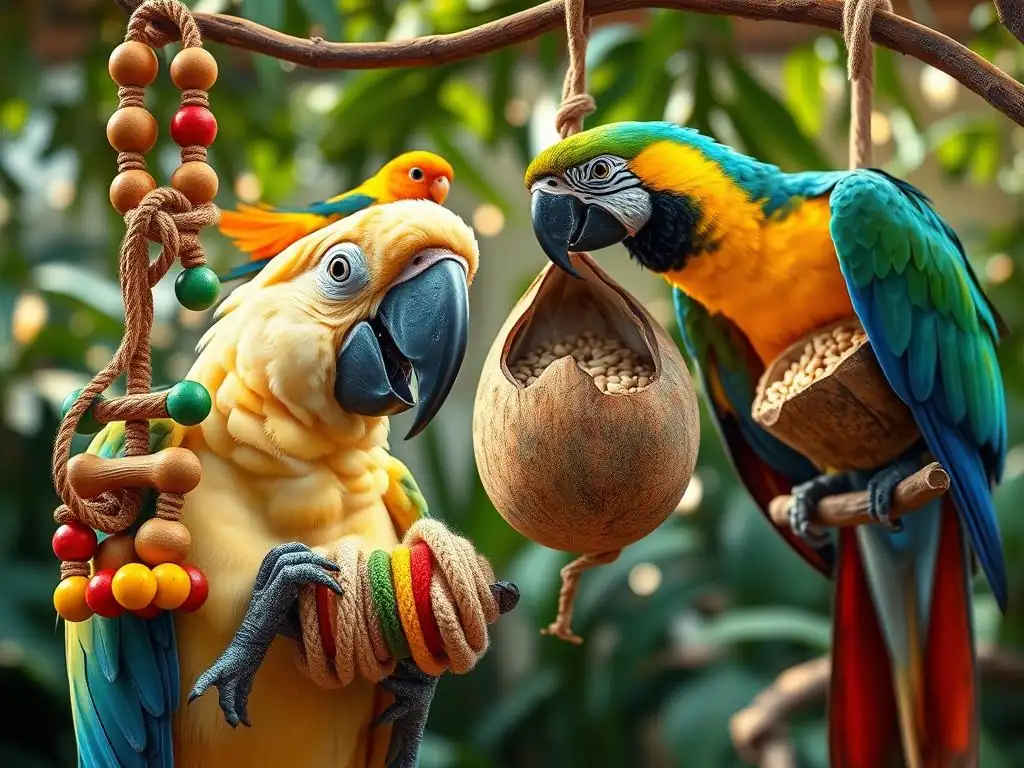
Welcome to PetCareWorld, your ultimate guide to a happier, healthier life for your beloved companion! Are you ready to unlock a world of joy and engagement for your feathered friend? Dive into our expert guide on Bird enrichment activities ideas – discover a range of stimulating activities, from simple DIY projects to sophisticated setups, designed to enrich your bird's life and strengthen your bond. Explore the fascinating world of avian enrichment and uncover the secrets to a thriving, playful companion. Let's get started!
- Understanding the Importance of Bird Enrichment Activities
- Simple Bird Enrichment Activities for Beginners
- Intermediate Bird Enrichment Activities: Increasing Complexity
-
Advanced Bird Enrichment Activities: Creative and Engaging Challenges
- Training and Trick Training: Building a Bond and Providing Mental Stimulation
- Social Interaction and Play: Promoting Healthy Social Behavior in Companion Birds
- Creating a Multi-Sensory Environment: Combining Different Stimuli for Maximum Enrichment
- Advanced Foraging Puzzles: Designing Complex Foraging Puzzles
- Out-of-Cage Playtime and Exploration: Supervised Exploration of a Bird-Safe Room
- Choosing the Right Enrichment Activities for Your Bird Species
- Considering Your Bird's Age and Personality: Adapting Activities for Different Stages of Life
- Common Mistakes to Avoid When Providing Enrichment
- Maintaining a Stimulating Bird Environment: Long-Term Strategies
- Frequently Asked Questions about Bird Enrichment Activities (FAQ)
-
Frequently Asked Questions
- What are some simple bird enrichment activities I can do at home?
- How can I create more complex enrichment for my bird?
- What types of toys are best for bird enrichment?
- How often should I change my bird's enrichment activities?
- My bird seems disinterested in new enrichment activities. What should I do?
- Final Reflection: Nurturing Avian Minds: The Enduring Power of Enrichment
- Unleash Your Bird's Inner Explorer: Enrichment Adventures Await!
Understanding the Importance of Bird Enrichment Activities
Providing a stimulating and engaging environment for your feathered friend is crucial for their overall well-being. Bird enrichment activities go far beyond simply providing food and water; they are essential for preventing boredom, promoting physical and mental health, and fostering a strong bond between you and your bird. This comprehensive guide explores a range of bird enrichment activities, categorized by complexity, to help you create a vibrant and fulfilling life for your avian companion. We'll cover everything from simple, readily-available options to more sophisticated activities that challenge your bird's intelligence and problem-solving skills.
Ultimately, understanding and implementing bird enrichment is an investment in your bird's happiness and longevity, ensuring they thrive both physically and mentally. This article will help you discover creative and effective ways to enrich your bird's life, addressing the key aspects of environmental stimulation and behavioral needs. Remember, a happy bird is a healthy bird! 🦜
Why Enrichment Matters for Your Feathered Friend: Preventing Boredom and Behavioral Issues
Boredom in birds can manifest in various undesirable behaviors, significantly impacting their quality of life. A lack of stimulation can lead to feather plucking, excessive screaming, aggression, and destructive chewing. These behaviors are often stress-related and are a direct consequence of an unstimulating environment. Providing enrichment activities helps to alleviate boredom by engaging your bird mentally and physically, preventing these negative behaviors from developing.
Consider the following: A bird confined to a small cage with limited interaction will likely experience heightened stress levels. This stress can manifest in self-destructive behaviors like feather plucking. Conversely, a bird provided with a variety of toys, foraging opportunities, and social interaction is far less likely to exhibit these problems. The key is proactive enrichment; anticipating your bird's needs before boredom sets in.
The Benefits of Stimulating Environments: Physical and Mental Well-being for Birds
Enrichment isn't just about preventing bad behavior; it actively promotes your bird's physical and mental health. Providing opportunities for foraging, climbing, and exploring stimulates their natural instincts and keeps them physically active. This, in turn, contributes to a healthier weight and improved cardiovascular health. Furthermore, mentally stimulating activities, such as puzzle feeders and interactive toys, challenge their problem-solving skills, keeping their minds sharp and engaged.
This mental stimulation is crucial for preventing cognitive decline and promoting overall cognitive well-being. Think of it like a gym for their brains! 🧠 The benefits extend beyond the physical and cognitive; enriching your bird's life fosters a stronger bond between you and your pet. The time spent interacting with your bird during enrichment activities strengthens your relationship and provides opportunities for positive reinforcement and training.
Recognizing Signs of Boredom in Birds: Clues to Improve Your Bird's Life
Recognizing the signs of boredom in your bird is the first step towards improving their well-being. These signs can be subtle or overt, and understanding them is crucial for providing appropriate enrichment. Common indicators include: listlessness, decreased vocalizations (or conversely, excessive screaming), repetitive behaviors (like swaying or rocking), feather plucking or chewing, decreased appetite, and aggression. A significant change in your bird's behavior should always prompt a closer examination of their environment and routine.
For example, if your normally playful bird suddenly becomes withdrawn and quiet, it could indicate boredom or underlying health issues. A detailed observation of your bird's behavior, coupled with an assessment of their environment, will help you identify areas where enrichment is needed. Keep a journal to track your bird’s behavior and note any changes that might indicate boredom or stress. This will help you tailor your enrichment strategies to their specific needs.
Simple Bird Enrichment Activities for Beginners
This section focuses on straightforward bird enrichment activities ideal for novice bird owners. These activities require minimal materials and effort, yet provide significant mental and physical stimulation for your feathered friend. Remember, even small changes can make a big difference in your bird's overall well-being and happiness. Implementing these simple enrichment ideas can significantly improve your bird's quality of life, reducing boredom and promoting natural behaviors.
Easy DIY Bird Toys: Foraging and Puzzle Toys from Household Items
Creating stimulating toys from household items is both economical and rewarding. It allows you to tailor the toy to your bird's specific preferences and abilities. Here are a few ideas:
- Paper Towel Roll Puzzles: Simply stuff a paper towel roll with small, safe treats like seeds or pellets. Your bird will have to work to extract the goodies, engaging their problem-solving skills. You can increase the difficulty by partially tearing the roll or adding small holes.
- Cardboard Box Foraging: A clean cardboard box (ensure it's free from staples, glue, and ink) can be a fantastic foraging ground. Hide treats within the folds, or create small openings for your bird to explore. You can even create tunnels or mazes by cutting carefully into the box.
- Wooden Spoon Puzzles: Attach small pieces of fruit or vegetables to a wooden spoon with safe, non-toxic glue. Your bird will have fun pecking and pulling the treats off.
Remember to always supervise your bird while they are playing with any new toy, and remove any items that become damaged or pose a potential hazard. The key is to provide a variety of textures and challenges to keep your bird mentally engaged. Consider introducing new "household" toys regularly to prevent boredom. Always ensure the materials used are bird-safe and non-toxic.
Natural Branch Perches: Sourcing and Preparing Safe Branches for Your Bird's Cage
Providing natural perches offers significant enrichment benefits. Birds instinctively prefer varied textures and diameters, mimicking their natural environment. However, it's crucial to select and prepare branches carefully to ensure they are safe for your bird.
- Safe Wood Selection: Avoid treated lumber, cedar, redwood, and pine. Suitable options include apple, oak, birch, and willow branches. Always thoroughly research the safety of any wood before introducing it to your bird's cage.
- Proper Preparation: Before placing branches in the cage, thoroughly scrub them with a stiff brush and hot, soapy water. Rinse them well and allow them to air dry completely in the sun for several days to kill any potential bacteria or parasites. Avoid using harsh chemicals or detergents.
- Branch Variety: Offer a variety of branch sizes and textures. Thicker branches provide better foot support, while thinner branches encourage more gripping and climbing. Varying the perch diameters also helps prevent foot problems. This variety mirrors the natural diversity your bird would experience in the wild, promoting natural behaviors.
Rotating Toys: Keeping Your Bird Engaged with Variety
Just like humans, birds can get bored with the same old toys. Rotating toys is essential to maintaining your bird's interest and preventing repetitive behaviors.
- The Rotation System: Have a collection of 3-5 toys. Keep 2-3 toys in the cage at any given time, and rotate them regularly. Store the other toys in a clean, safe place.
- Frequency of Rotation: Aim to rotate toys at least once a week, or even more frequently if you notice your bird losing interest. This keeps them mentally stimulated and prevents boredom.
- Toy Variety: Offer a range of toy types, including foraging toys, puzzle toys, chew toys, and swing toys. This ensures your bird has a diverse selection of activities to engage with. Experiment to find out what your bird enjoys the most! This variety helps to stimulate different senses and encourage a wider range of natural behaviors. Observe your bird's preferences and adjust accordingly. A happy bird is an enriched bird!
Affordable Enrichment Enrichment Options: Budget-Friendly Enrichment Ideas
Bird enrichment doesn't have to break the bank! Many stimulating activities can be created using readily available household items. Repurposing common objects is a fantastic way to provide mental and physical stimulation for your feathered friend without significant expense. For example, a simple cardboard box, after thorough cleaning and removal of any staples or tape, can become a fascinating exploration zone. Birds love to investigate enclosed spaces, and the box offers a safe haven for hiding and exploring. You can add further complexity by cutting small holes in the box for peeking and creating new entry and exit points.
Another inexpensive option is foraging toys. Instead of buying expensive commercial foraging toys, you can create your own using readily available materials. Stuffing small, healthy treats like seeds or chopped nuts into toilet paper rolls (ensure they are thoroughly cleaned and free of any chemicals) provides a fun and engaging challenge. Similarly, you can use paper bags (again, thoroughly cleaned and checked for staples) or even empty egg cartons, filling the compartments with treats. This encourages your bird to use its beak and claws to extract the rewards, mimicking natural foraging behaviors.
Remember to supervise your bird during foraging activities to ensure they don't ingest any harmful materials. Always select safe, non-toxic materials and thoroughly clean any recycled items before introducing them to your bird's environment. The key is to provide a variety of textures and challenges to keep your bird engaged and mentally stimulated. Even something as simple as a wooden spoon or a clean, natural branch can offer hours of entertainment.
The possibilities are endless, and the creativity is limited only by your imagination! Observe your bird's behavior and adjust the complexity of the foraging toy accordingly to maintain its interest and avoid frustration. Remember, the goal is to provide enjoyable, mentally stimulating challenges, not stressful ones.
Intermediate Bird Enrichment Activities: Increasing Complexity
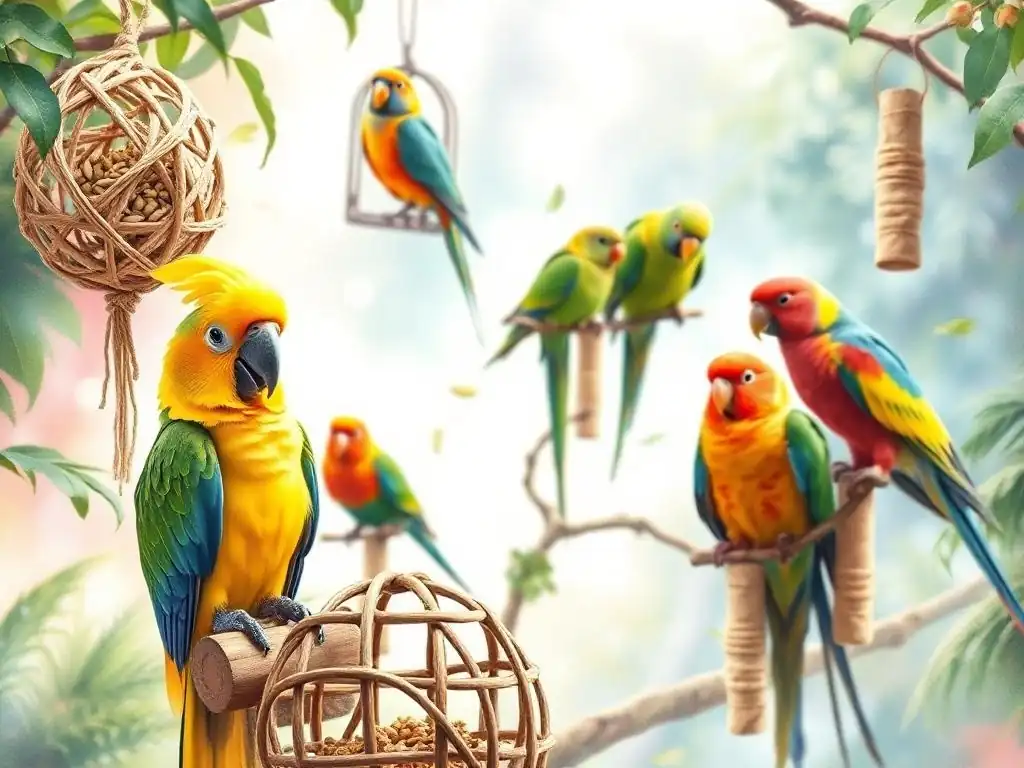
This section delves into bird enrichment activities that build upon basic enrichment techniques, challenging your feathered friend with more complex puzzles and interactive scenarios. These activities aim to stimulate problem-solving skills, enhance foraging behaviors, and prevent boredom, promoting a happier and healthier bird. Remember to always supervise your bird during enrichment activities and adjust the difficulty based on their individual abilities and preferences. The goal is to provide a stimulating challenge, not frustration. Consistent positive reinforcement will ensure your bird associates these activities with positive experiences, encouraging engagement. This is crucial for successful implementation of bird enrichment activities ideas.
Interactive Foraging Games: Creating Challenges to Stimulate Natural Instincts
Interactive foraging games tap into your bird's natural instincts to search for and obtain food. Moving beyond simple scattering of seeds, these games require your bird to actively work for their reward. This mental stimulation combats boredom and promotes a more natural, fulfilling life.
One simple yet effective game involves hiding food items within a variety of containers. Start with easily accessible locations and gradually increase the difficulty. You can use paper bags (ensure they are bird-safe and non-toxic), toilet paper rolls (again, ensuring no harmful inks or dyes are present), small cardboard boxes, or even hollowed-out vegetables like pumpkins (ensure they are thoroughly cleaned and free of pesticides). Vary the types of containers and hiding spots to maintain interest and challenge your bird.
Another engaging activity involves using shredded paper or crinkled newspaper. Scatter small pieces of food within the paper, forcing your bird to forage through the material to find their meal. This mimics their natural environment, requiring them to use their beaks and claws to uncover their reward. Observe your bird's progress and adjust the amount of paper and the size of the food pieces to maintain the appropriate level of challenge. This provides excellent bird enrichment activities ideas for intermediate levels.
Remember to always monitor your bird during these activities and ensure they are not becoming overly frustrated. If your bird seems to be struggling, simplify the game or provide additional easily accessible food to prevent stress.
Puzzle Feeders: Utilizing Commercially Available Puzzle Feeders
Commercially available puzzle feeders offer a wide range of complexity and design, providing a convenient and effective way to engage your bird in challenging foraging activities. These feeders require your bird to manipulate the device to access the food reward, stimulating their problem-solving skills and preventing boredom.
When selecting a puzzle feeder, consider your bird's size, beak shape, and problem-solving abilities. Start with simpler puzzles and gradually introduce more complex options as your bird masters each challenge. Observe your bird's interaction with the feeder, noting any signs of frustration or difficulty. If your bird struggles, consider simplifying the challenge or providing additional easily accessible food.
Different puzzle feeders offer unique challenges. Some require your bird to twist, turn, or lift components to access the food, while others involve navigating mazes or solving intricate mechanisms. The variety available ensures you can find the perfect puzzle to suit your bird's individual needs and preferences. Regularly rotate puzzle feeders to maintain your bird's interest and prevent them from becoming too familiar with a single type of challenge. This variety contributes significantly to creative bird enrichment activities ideas.
Environmental Enrichment: Rearranging the Cage and Adding New Textures
Environmental enrichment focuses on modifying your bird's cage environment to provide a more stimulating and engaging space. This goes beyond simply providing toys; it's about creating a dynamic and ever-changing habitat that encourages exploration and natural behaviors.
Simple rearrangements, such as shifting perches to different locations or adding new climbing structures, can significantly enhance your bird's environment. Introduce different textures by incorporating natural branches of various sizes and thicknesses, providing opportunities for your bird to grip, climb, and perch in diverse ways. These natural materials offer added stimulation compared to smooth, artificial perches.
Adding new textures also extends to incorporating safe, chewable materials like untreated wood blocks or sisal ropes. These provide opportunities for your bird to engage in natural behaviors like chewing and shredding, satisfying their instinctual needs and preventing destructive behaviors directed towards unsuitable items. This constant variation in their environment provides a constant flow of novel bird enrichment activities ideas. Remember to regularly inspect and replace any damaged or worn materials to ensure safety. Avoid toxic materials and always prioritize your bird's safety. A stimulating and ever-changing cage environment is a key component of intermediate bird enrichment.
Introducing New Sounds and Sights: Auditory and Visual Stimulation for Birds
Introducing novel sounds and sights is a crucial aspect of intermediate bird enrichment. This level moves beyond simple toy rotation and delves into stimulating your bird's senses in more complex ways. The goal is to engage their natural curiosity and problem-solving abilities, preventing boredom and promoting mental stimulation. Remember, gradual introduction is key; sudden changes can be stressful for your feathered friend.
One effective method is to introduce new sounds gradually. Start with recordings of natural bird songs from different species, playing them softly at first and increasing the volume only after your bird shows no signs of distress. You can then progress to other natural sounds like rain, wind, or flowing water. Observe your bird's reaction closely. If they seem agitated or fearful, reduce the volume or temporarily stop the playback. Positive responses, such as increased vocalization or head-bobbing, indicate enjoyment and encourage you to continue, slowly increasing the complexity and variety of sounds.
Visual stimulation can be equally enriching. Instead of simply changing toy placement, try rotating different types of visual stimuli. This could include colorful streamers, mirrors (used cautiously to avoid territorial behaviors), or even a small, safe television playing nature documentaries. Remember to monitor your bird closely when using mirrors, as excessive interaction can lead to frustration or aggression. Nature documentaries, however, can provide a fascinating and enriching visual experience, mimicking their natural environment. Consider using a variety of colors and textures in your visual stimulation, always keeping an eye on your bird's response.
Furthermore, consider creating a “sensory box” with various safe, non-toxic objects of different textures, colors, and shapes. This could include small, natural items like smooth stones, pieces of wood, or safe pine cones. Always supervise your bird during this activity and ensure all items are thoroughly cleaned and bird-safe. This encourages exploration and tactile stimulation, adding another dimension to their enrichment experience.
The key is to observe and adapt – what works for one bird might not work for another, so tailor your approach to your individual companion’s preferences and personality. Remember, the goal is to challenge and delight, not to overwhelm or stress your bird. Consistent monitoring and a gradual introduction of new stimuli are crucial for success.
Advanced Bird Enrichment Activities: Creative and Engaging Challenges
This section explores bird enrichment activities that go beyond the basics, offering stimulating challenges designed to tap into your feathered friend's intelligence and natural instincts. These activities require more preparation and engagement from you, but the rewards – a happier, healthier, and more mentally stimulated bird – are well worth the effort. Remember that the key to successful enrichment is observing your bird's responses and adapting activities accordingly.
Always prioritize safety and ensure all materials are bird-safe. Consider your bird's species and individual personality when selecting activities; a challenging puzzle for one bird might be frustrating for another. Finding the right balance is key to effective bird enrichment.
Training and Trick Training: Building a Bond and Providing Mental Stimulation
Training your bird isn't just about teaching tricks; it's a powerful enrichment activity that strengthens your bond and provides significant mental stimulation. The process of learning and mastering new behaviors engages your bird's cognitive abilities, preventing boredom and promoting a sense of accomplishment. Start with simple commands like "step up" and "come here," using positive reinforcement techniques such as treats and praise.
Gradually introduce more complex tricks, such as retrieving objects, mimicking sounds, or performing acrobatic feats. Remember to keep training sessions short, fun, and rewarding. Consider using a clicker for precise timing of reinforcement, enhancing the learning process.
A well-trained bird is a confident bird, and this confidence translates into improved overall well-being. For example, teaching a cockatoo to retrieve specific toys from a designated area provides both physical and mental exercise, strengthening their problem-solving skills and reducing the likelihood of destructive behaviors resulting from boredom. The process itself fosters a closer bond between you and your bird, enriching your relationship as much as it enriches your bird's life.
Social interaction is crucial for many bird species, particularly those that are naturally gregarious. Providing opportunities for appropriate social interaction can significantly enhance their well-being. If you have multiple birds, ensure they have ample space and resources to avoid competition. Observe their interactions closely to identify any signs of aggression or stress, and adjust their environment accordingly.
Introducing new toys or play opportunities can also encourage social interaction. For instance, providing a large foraging toy that requires two birds to work together to access the reward can promote cooperative behavior and strengthen their bond. For birds living alone, regular interaction with their human companions is essential. This might involve engaging in play sessions with bird-safe toys, talking to them, or simply spending quiet time together.
Remember, social interaction isn't just about physical contact; it also includes vocalizations, body language, and shared activities. Providing opportunities for all aspects of social interaction is vital for maintaining a healthy and happy flock, whether that flock consists of multiple birds or just one bird and a loving human companion. Consider the specific social needs of your bird's species; some species are more social than others and require different levels of interaction.
Creating a Multi-Sensory Environment: Combining Different Stimuli for Maximum Enrichment
A truly enriching environment engages multiple senses. Think beyond just visual stimulation; incorporate sounds, textures, smells, and even tastes (with bird-safe options, of course). Experiment with different materials to create a variety of textures for your bird to explore. Natural branches, sisal ropes, and even soft cloths can provide stimulating tactile experiences.
Introduce different sounds – calming music, nature sounds, or even your own voice – to create a more dynamic soundscape. Use bird-safe essential oils (diluted appropriately) to introduce subtle scents. Foraging opportunities can involve hiding treats amongst various materials, requiring your bird to use its sense of smell and touch to locate the reward. Remember to rotate toys and enrichments regularly to prevent boredom and maintain stimulation.
The key is to create a constantly evolving environment that keeps your bird engaged and mentally challenged. The use of diverse textures, sounds, and scents can significantly enhance the overall enriching experience, creating a dynamic and stimulating habitat that promotes both physical and cognitive well-being. This multi-sensory approach goes beyond simply providing toys; it's about crafting a truly immersive and engaging environment for your bird. Consider creating a dedicated "foraging station" with different textures and hidden treats to provide a focused enrichment experience.
Advanced Foraging Puzzles: Designing Complex Foraging Puzzles
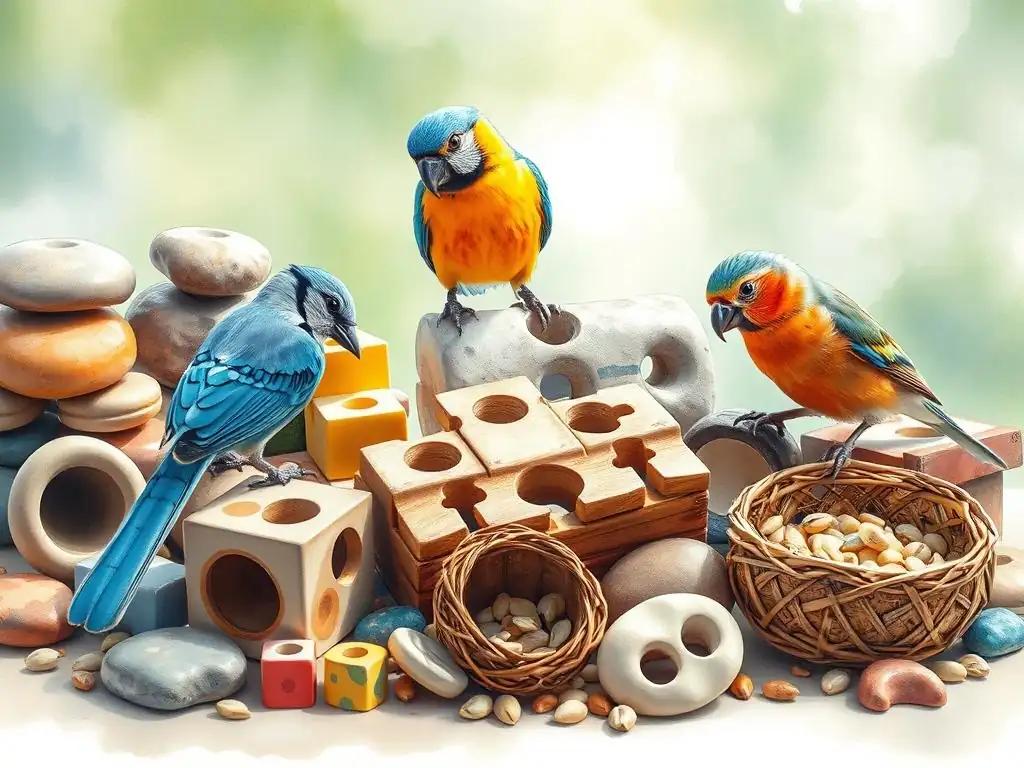
Creating advanced foraging puzzles for your bird goes beyond simply scattering seeds. The goal is to stimulate their problem-solving skills and provide a mentally enriching experience that mimics their natural foraging behaviors. This involves designing puzzles with varying levels of difficulty, incorporating different materials, and regularly changing the puzzle's structure to prevent boredom. A truly advanced puzzle might involve a series of interconnected containers, requiring your bird to manipulate multiple latches, levers, or even small puzzles within puzzles to access their reward.
For example, you could build a multi-stage puzzle using cardboard boxes of varying sizes, each with progressively more challenging openings. The first box might have a simple flap to lift, revealing a smaller box with a slightly more difficult opening mechanism, such as a sliding door or a small hole requiring precise pecking. The final box could contain the desired treat. Another option is to utilize PVC pipes, connecting them in various ways and inserting treats inside.
Different sized pipes and bends can create a varied degree of difficulty in accessing the reward. Remember to always supervise your bird during playtime with these puzzles to ensure their safety and avoid any potential choking hazards. The use of natural materials like wood and safe nutshells also adds a tactile element and further enhances the foraging experience.
The key is to observe your bird's progress and adjust the complexity accordingly, making the puzzle challenging but not frustrating. Regularly introducing new puzzles and variations keeps your feathered friend engaged and prevents them from becoming too accustomed to a single method of obtaining their food. This constant challenge is crucial for maintaining their cognitive stimulation and overall well-being.
Out-of-Cage Playtime and Exploration: Supervised Exploration of a Bird-Safe Room
Out-of-cage playtime offers invaluable opportunities for physical and mental enrichment. However, simply letting your bird loose in a room isn't enough; it needs to be a safe and enriched environment. This requires careful preparation, focusing on bird-proofing the space and providing stimulating objects and activities. A bird-safe room is one where all potential hazards have been removed. This includes securing electrical cords, removing toxic plants, covering mirrors and windows (to prevent collisions), and locking away anything that could be chewed or ingested.
Before allowing your bird to explore, carefully inspect the room to ensure its safety. Once the space is secure, introduce a variety of stimulating objects. This could include toys designed for climbing and exploring, such as rope ladders, wooden blocks, or even small, bird-safe branches from trees. You can also add foraging opportunities by scattering small, safe treats around the room.
Supervision is paramount during this out-of-cage time. While your bird is exploring, remain present to guide them, prevent them from accessing dangerous areas, and ensure their safety. This supervised playtime allows you to observe their behavior and identify potential enrichment needs. The duration of out-of-cage playtime should be gradually increased as your bird demonstrates comfort and confidence in the environment.
Remember that the goal is to create a positive and enjoyable experience, fostering a sense of exploration and independence. Regularly rotating the toys and objects within the room keeps the experience fresh and prevents boredom. Consider creating different "exploration zones" within the room, each with its own set of toys and challenges, to maximize the enrichment opportunities. This holistic approach to out-of-cage playtime ensures a stimulating and enriching experience for your bird, promoting both physical and mental well-being.
Choosing the Right Enrichment Activities for Your Bird Species
Providing enriching activities for your feathered friend is crucial for their physical and mental well-being. However, the type of enrichment that works wonders for a cockatoo might be entirely unsuitable for a finch. Understanding your bird's species-specific needs is paramount to crafting a stimulating and safe environment. Different species have varying levels of intelligence, natural behaviors, and physical capabilities. Ignoring these differences can lead to frustration for both you and your bird.
Species-Specific Enrichment: Tailoring Activities to Your Bird's Needs
The key to successful bird enrichment lies in understanding your bird's natural instincts and behaviors. For instance:
- Parrots: These intelligent birds thrive on complex puzzles and foraging opportunities. Activities involving manipulating toys to access treats, dismantling natural materials like branches and pinecones, and interactive play sessions with their owners are highly beneficial. Consider puzzles that require problem-solving skills, such as those with hidden compartments or intricate locking mechanisms. Remember to supervise these interactions to ensure safety.
- Canaries and Finches: These smaller birds appreciate simpler forms of enrichment. Providing a variety of perches of different textures and sizes, along with seed-filled foraging toys, can stimulate their natural foraging behaviors. Swinging toys and mirrors can also provide visual stimulation. Avoid overly complex puzzles that may overwhelm these smaller birds.
- Cockatoos: Known for their intelligence and playful nature, cockatoos require highly stimulating enrichment. They benefit from puzzles that challenge their problem-solving skills, opportunities for destructive chewing (providing safe wood toys), and social interaction with their owners. Lack of adequate enrichment can lead to behavioral issues in this species.
- Lovebirds: These social birds need plenty of opportunities for interaction, both with their human companions and other lovebirds (if housed in pairs). Providing nesting materials, even if they aren't breeding, can satisfy their natural instincts. Simple foraging toys and interactive play are also essential.
Remember, observation is key. Monitor your bird's response to different enrichment activities and adjust accordingly. What works well for one bird might not be suitable for another, even within the same species. The goal is to provide a variety of stimulating options that cater to your bird's individual preferences and needs. This approach helps prevent boredom and promotes a happy, healthy bird. Always prioritize safety and supervise your bird during playtime to avoid accidents.
Considering Your Bird's Age and Personality: Adapting Activities for Different Stages of Life
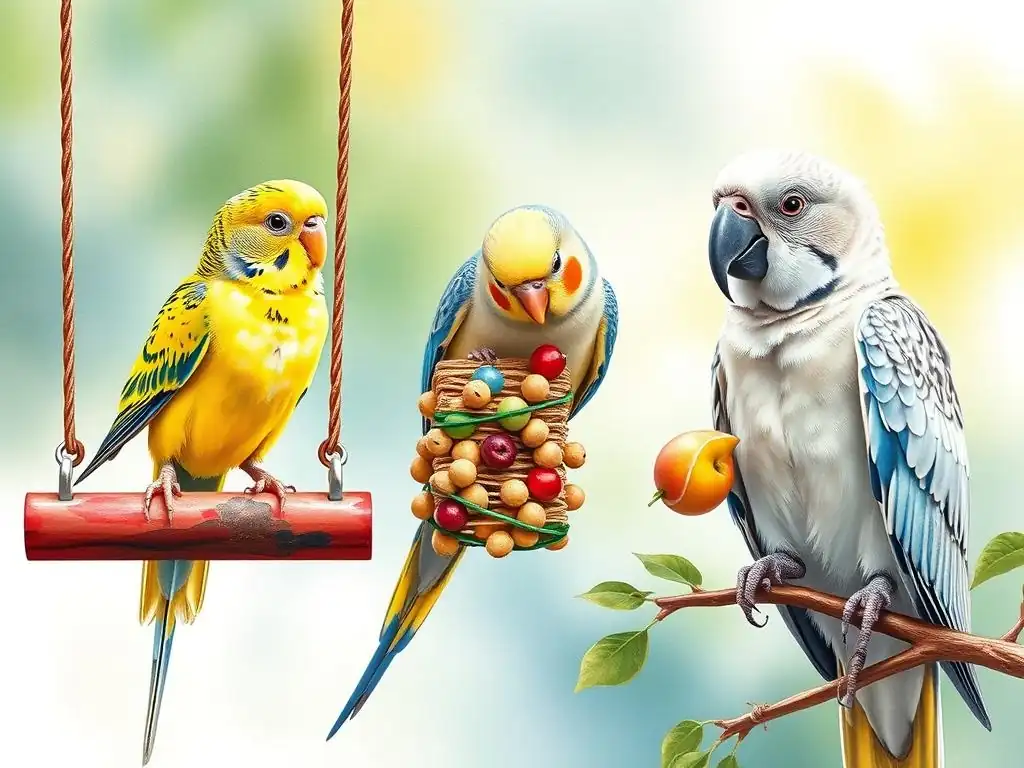
Just as human children need age-appropriate toys and activities, so do birds. A playful young cockatoo will require different enrichment than an aging amazon parrot. Personality also plays a significant role. Some birds are naturally more adventurous and curious, while others are more cautious and reserved. Tailoring enrichment to your bird's individual characteristics is crucial for success.
Considering Your Bird's Age and Personality: Adapting Activities for Different Stages of Life
- Young Birds: Young birds are full of energy and curiosity. They need plenty of opportunities for physical activity and exploration. Provide a variety of toys that encourage climbing, chewing, and foraging. Introduce new toys gradually to prevent overwhelming them. Simple puzzles and foraging toys are ideal for this age group.
- Adult Birds: Adult birds generally have more established personalities and preferences. Continue to offer a variety of enrichment activities, but pay attention to your bird's individual preferences. Some adult birds might prefer more complex puzzles, while others might prefer simpler toys and social interaction.
- Senior Birds: As birds age, their physical abilities may decline. Adjust enrichment activities to accommodate any physical limitations. Provide easier-to-manipulate toys and limit activities that require excessive physical exertion. Focus on providing comfort and mental stimulation through gentle interaction and simple puzzles. Remember that senior birds may also need more frequent interaction and attention.
Remember to observe your bird's behavior carefully. If they seem stressed or overwhelmed by a particular activity, remove it and try something different. The goal is to provide a stimulating and enjoyable experience, not to challenge them beyond their capabilities. A variety of enrichment options, tailored to your bird's age and personality, will ensure a happy, healthy, and enriched life for your feathered companion.
Common Mistakes to Avoid When Providing Enrichment
Even with the best intentions, some common pitfalls can hinder the effectiveness of bird enrichment. Avoiding these mistakes will significantly improve your bird's overall well-being and prevent potential problems. Understanding these common errors will allow you to better cater to your pet's needs.
Common Mistakes to Avoid When Providing Enrichment
- Lack of Variety: Offering the same toys repeatedly leads to boredom. Rotate toys regularly and introduce new ones to keep your bird engaged. A diverse range of textures, shapes, and functions will stimulate their curiosity and prevent monotony. Think of it as a rotating menu for your bird's entertainment!
- Overly Complex Puzzles: While challenging puzzles are beneficial for intelligent birds, overly complex ones can lead to frustration and stress, especially for less intelligent species or younger birds. Start with simpler puzzles and gradually increase the difficulty as your bird's skills improve.
- Ignoring Safety: Always supervise your bird during playtime and ensure that all toys are safe and non-toxic. Avoid toys with small parts that could be swallowed or that contain harmful materials. Regularly inspect toys for damage and replace them as needed. Safety should always be the top priority.
- Insufficient Foraging Opportunities: Many birds have a natural instinct to forage for food. Providing foraging toys that require your bird to work for their treats stimulates their natural behaviors and prevents boredom. This also helps prevent obesity by encouraging activity.
- Neglecting Social Interaction: Many bird species are social animals and require interaction with their owners and, in some cases, other birds. Dedicate time each day to interact with your bird through play, talking, or simply spending quiet time together. Social interaction is vital for their emotional well-being. Remember, a happy bird is a healthy bird! 🐦
Resources and Further Reading: Links to Relevant Articles/Websites
While I cannot provide actual links here, this section would ideally contain a curated list of resources to further a bird owner's understanding of species-specific enrichment. These resources could include links to reputable avian veterinary websites offering advice on bird health and behavior, articles from ornithological societies detailing natural behaviors of different bird species, and perhaps even links to online forums or communities where bird owners can share experiences and enrichment ideas. The focus would be on ensuring that the linked resources are credible, evidence-based, and aligned with best practices in avian welfare. For example, one resource could be a veterinary website detailing the nutritional needs of various parrot species, which directly informs the types of foraging toys or food puzzles that are appropriate.
Another could be an article discussing the importance of environmental enrichment for preventing feather plucking in cockatoos, offering specific examples of enrichment activities that address this behavioral problem. The goal is to provide a comprehensive and reliable pathway for pet owners to continue their learning and find additional support in creating a stimulating and enriching environment for their feathered companions. Ideally, these links would be categorized by bird species or type of enrichment for easy navigation.
This section would be regularly updated to ensure the links remain current and relevant. The inclusion of diverse resources catering to different bird types and enrichment approaches would significantly enhance the value of this article for "bird enrichment activities ideas" searches. [Specific links pending].
Maintaining a Stimulating Bird Environment: Long-Term Strategies
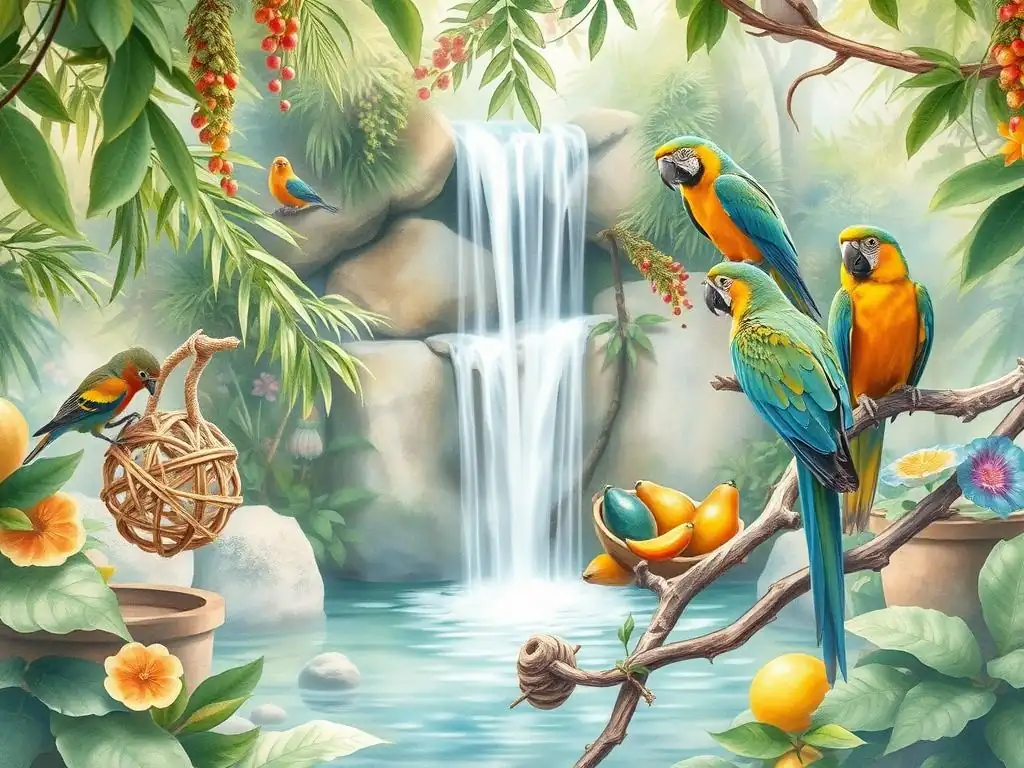
Creating a stimulating environment for your feathered friend isn't a one-time task; it's an ongoing process requiring consistent effort and observation. Think of bird enrichment as a dynamic puzzle, constantly evolving to meet your bird's changing needs and preferences. Providing a consistently enriching environment significantly contributes to your bird's physical and mental well-being, preventing boredom and promoting a happy, healthy life.
This involves more than just throwing in a new toy every now and then; it necessitates a comprehensive approach that considers various aspects of your bird's life. Failing to maintain a stimulating environment can lead to behavioral problems such as feather plucking, excessive screaming, or aggression. Remember, a bored bird is often a troubled bird.
Rotating Toys and Activities Regularly: Keeping Your Bird Engaged
Regular rotation of toys and activities is crucial for maintaining your bird's interest. Birds, like humans, can become bored with repetitive stimuli. Introducing new toys and activities on a regular schedule prevents this boredom and keeps your bird mentally stimulated. Aim to rotate toys at least once a week, perhaps even more frequently for highly intelligent species like African Greys or Amazons. This doesn't mean discarding old toys; simply put them away for a few weeks and bring them back later. This "new toy" effect can reignite your bird's interest in familiar items.
Consider creating a "toy rotation system." You could have three sets of toys: Set A, Set B, and Set C. Use Set A for one week, Set B for the next, and then Set C. After three weeks, start again with Set A. This ensures a constant stream of novel stimuli without overwhelming your bird with too many changes at once.
This systematic approach to bird enrichment activities ideas ensures a consistently engaging environment. Remember to observe your bird’s interaction with each toy to gauge its effectiveness and adjust your rotation strategy accordingly. Foraging toys, puzzle feeders, and interactive games should be rotated frequently to maximize their impact.
Observing Your Bird's Behavior: Adjusting Enrichment Based on Response
Careful observation is the cornerstone of successful bird enrichment. Pay close attention to how your bird interacts with its environment. Does it show a strong preference for certain types of toys or activities? Does it ignore some completely? This information is invaluable in tailoring your enrichment strategy to meet your bird's specific needs and preferences. For example, if your bird consistently ignores a particular type of puzzle feeder, it might indicate a lack of interest or difficulty with the puzzle's complexity. In such cases, consider adjusting the difficulty level or replacing it with a different type of foraging toy.
Documenting your bird's behavior can be incredibly helpful. Keep a simple journal or use a digital app to record your observations. Note down which toys your bird enjoys, how long it spends engaging with them, and any noticeable behavioral changes. This detailed record will allow you to identify patterns and refine your enrichment approach over time.
This attentive observation is key to understanding your bird's individual needs and ensuring that your enrichment efforts are truly effective. Remember, the goal is to provide a stimulating and engaging environment that caters to your bird's unique personality and preferences. This personalized approach to bird enrichment activities ideas is paramount.
The Role of a Veterinarian in Bird Enrichment: Expert Advice for Specific Needs
While much of bird enrichment involves observation and experimentation, it’s crucial to remember the importance of veterinary guidance. A veterinarian can offer valuable insights based on your bird's species, age, health status, and any specific behavioral issues. They can identify potential health problems that might impact your bird's engagement with enrichment activities. For example, a bird suffering from arthritis might struggle with toys requiring intricate manipulation, while a bird with vision problems might benefit from toys with strong tactile elements.
Furthermore, your avian veterinarian can provide tailored recommendations for enrichment based on your bird's individual needs. They can advise on appropriate toy materials, safe foraging options, and suitable levels of stimulation to avoid overstimulation or stress. Regular veterinary check-ups are essential for maintaining your bird's overall health and well-being, and this includes discussing enrichment strategies.
Don't hesitate to discuss your bird's behavior and enrichment program with your veterinarian; they are an invaluable resource in ensuring your bird thrives in a stimulating and safe environment. Consulting a veterinarian is a crucial aspect of responsible bird ownership and contributes significantly to the success of your bird enrichment activities ideas.
Sustaining Enrichment: Strategies for Ongoing Enrichment
Maintaining a stimulating environment for your feathered friend isn't a one-time task; it's an ongoing commitment. The key to successful bird enrichment lies in variety and rotation. Think of it like a carefully curated menu for your bird's mental and physical well-being. Just as we humans tire of eating the same meal every day, birds need a diverse range of activities to prevent boredom and encourage natural behaviors.
This means regularly introducing new toys, foraging opportunities, and interactive games. Don't just buy a new toy and leave it; observe your bird's interaction with it. If they lose interest quickly, rotate it out for something different. This keeps things fresh and exciting, preventing the toys from becoming mere fixtures in the cage.
One effective strategy is to create a "toy rotation schedule." This could be as simple as having three sets of toys and swapping them out weekly. This allows your bird to rediscover "old" favorites with renewed interest, while also experiencing the novelty of new items.
Consider labeling your toys or keeping a simple log to track which toys are in use and when they were last rotated. This simple system ensures that all toys get a chance to shine and prevents any single toy from becoming overly familiar and uninteresting. Remember to clean toys regularly to maintain hygiene and prevent the spread of bacteria.
Another crucial aspect of sustaining enrichment is adapting to your bird's preferences. Observe your bird closely. What toys do they engage with the most? What types of activities seem to stimulate them the most? Tailor your enrichment efforts to their individual needs and interests. If your bird shows a strong preference for foraging toys, focus on providing a variety of these.
If they enjoy puzzles, introduce increasingly challenging ones to keep them mentally engaged. This personalized approach ensures that your enrichment efforts are truly effective and rewarding for your bird. Remember, the goal isn't just to provide enrichment; it's to provide meaningful enrichment that caters to your bird's unique personality and capabilities. This personalized approach is crucial to the long-term success of your bird enrichment program. It's a journey of discovery, learning your bird's preferences, and adjusting your strategies accordingly. 🎉
Frequently Asked Questions about Bird Enrichment Activities (FAQ)
This section addresses common queries regarding bird enrichment activities, providing practical advice and solutions for pet owners. Understanding these FAQs will help you create a stimulating and safe environment for your feathered friend. Remember, the goal is to provide mental and physical stimulation, mimicking their natural behaviors as closely as possible. This contributes significantly to their overall well-being and happiness. Let's dive into some frequently asked questions about enriching your bird's life.
How much time should I dedicate to bird enrichment daily?
The amount of time dedicated to bird enrichment activities should vary depending on several factors: the species of bird, its age, its personality, and its current level of stimulation. There's no one-size-fits-all answer, but a good starting point is to aim for at least one to two hours of dedicated enrichment time per day. This doesn't necessarily mean constant interaction; it can be spread throughout the day.
For example, you might incorporate a foraging toy in the morning, offer a new chew toy in the afternoon, and engage in interactive play in the evening. Observe your bird's behavior. If they seem consistently bored or restless, you might need to increase the duration or variety of enrichment activities. Conversely, if they seem overwhelmed or stressed, you might need to reduce the intensity or frequency.
A useful strategy is to rotate toys and activities regularly to prevent boredom. This keeps things fresh and exciting for your bird, preventing them from losing interest. Consider using a schedule to keep track of what you've offered, ensuring a balanced approach to physical and mental stimulation. Think of it as creating a balanced “menu” of enrichment activities.
What if my bird doesn't seem interested in the enrichment activities?
If your bird initially shows disinterest in a new enrichment activity, don't immediately give up. Birds, like any other pet, can be picky! It might take time for them to become accustomed to something new. Try the following:
- Introduce new activities gradually: Start with simple activities and gradually introduce more complex ones. Don't overwhelm your bird with too many changes at once.
- Positive reinforcement: Reward your bird with treats or praise when they interact with the enrichment activity. This positive reinforcement can help them associate the activity with positive experiences.
- Vary the type of enrichment: If foraging toys aren't working, try puzzle toys, or vice versa. Experiment with different textures, materials, and challenges. Perhaps your bird prefers interactive play over independent activities.
- Observe your bird's natural behaviors: Pay close attention to what your bird already enjoys doing. Use these clues to design enrichment activities that cater specifically to their preferences. For example, if your bird loves to shred paper, provide them with safe materials for shredding.
Remember, patience is key. It might take several attempts before your bird develops an interest in a particular activity. Persistence and observation are crucial in understanding your bird's individual needs and preferences when designing effective bird enrichment activities ideas.
Are there any safety concerns I should be aware of when providing enrichment?
Yes, ensuring the safety of your bird is paramount when providing enrichment activities. Always supervise your bird during playtime, especially when introducing new toys or activities. Here are some crucial safety considerations:
- Material safety: Avoid toys made from toxic materials, such as lead-based paints or small, easily swallowed parts. Opt for natural materials like wood, cotton rope, or stainless steel whenever possible. Always check for loose threads or parts that could become choking hazards.
- Size appropriateness: Ensure that toys and enrichment items are appropriately sized for your bird. Avoid anything too small that could be swallowed or too large that could injure your bird.
- Sharp edges: Inspect all toys carefully for sharp edges or points that could injure your bird's feet or beak. Smooth any rough surfaces to prevent injury.
- Toxicity: Be mindful of the toxicity of any plants or materials used in enrichment activities. Many common household plants are toxic to birds, so research thoroughly before incorporating them into your bird's environment. Avoid using essential oils or scented candles near your bird.
- Supervision: Always supervise your bird, especially during playtime with new toys or activities, to ensure their safety and prevent potential accidents.
By carefully selecting and supervising enrichment activities, you can minimize safety risks and create a stimulating and enjoyable environment for your bird. Prioritizing safety while providing engaging enrichment is vital for your bird's health and happiness. Remember that responsible enrichment is a continuous process of learning and adaptation based on your bird's individual needs and responses.
Frequently Asked Questions
What are some simple bird enrichment activities I can do at home?
Simple enrichment focuses on sensory stimulation. Try rotating toys, offering foraging opportunities with puzzle feeders, or providing a variety of perches of different textures and sizes.
How can I create more complex enrichment for my bird?
Advanced enrichment involves problem-solving and exploration. Consider creating a foraging trail around the room, hiding treats in puzzle toys, or introducing new textures like natural wood or paper.
What types of toys are best for bird enrichment?
The best toys are interactive and stimulating, encouraging natural behaviors like chewing, foraging, and climbing. Look for toys made of safe, non-toxic materials and rotate them regularly to prevent boredom.
How often should I change my bird's enrichment activities?
To keep your bird engaged, rotate toys and activities weekly, or even more frequently for highly intelligent birds. Variety is key to preventing boredom and promoting mental stimulation.
My bird seems disinterested in new enrichment activities. What should I do?
Start with smaller, simpler changes, gradually introducing new items. Observe your bird's preferences and focus on activities that seem to capture their interest. Positive reinforcement with treats can also help.
Final Reflection: Nurturing Avian Minds: The Enduring Power of Enrichment
The simple act of enriching a bird's environment is not merely a pastime; it's a fundamental necessity for their physical and mental well-being. Ignoring this crucial aspect of avian care can lead to behavioral problems, stress, and ultimately, a diminished quality of life for our feathered companions. This is a truth that resonates deeply today, as more and more people recognize the intelligence and emotional complexity of birds.
The journey from providing basic necessities to crafting truly stimulating environments for our birds has been a fascinating one, both personally and professionally. I've witnessed firsthand the transformative power of enrichment, seeing shy, withdrawn birds blossom into confident, curious individuals. A bird doesn't sing because it has an answer, it sings because it has a song.
– Maya Angelou. This quote beautifully encapsulates the inherent joy and expression that enrichment unlocks in our avian friends. The impact extends beyond the individual bird, influencing our understanding of animal welfare and prompting a broader conversation about responsible pet ownership.
Consider the activities outlined in this article – from the simplest foraging toys to the most complex puzzle feeders. Each represents a step towards a deeper connection with your bird, a chance to understand their unique personality and needs. I urge you to take this knowledge and apply it to your own avian companion's life. Start small, observe your bird's reactions, and gradually introduce more complex challenges. The rewards – a happier, healthier, and more vibrant bird – are immeasurable.
Unleash Your Bird's Inner Explorer: Enrichment Adventures Await!
Thank you for learning how to enrich your feathered friend's life! We hope you found inspiring ideas to keep your bird happy, healthy, and engaged. Now, let's put that knowledge into action.
- Start with one new enrichment activity this week: Begin with a single activity from this article that suits your bird's personality and your schedule. Observe your bird's reaction and adapt as needed.
- Share your bird's favorite enrichment activities on our PetCareWorld forum! Connect with other bird lovers, share your successes and challenges, and build a supportive community.
- Create a monthly enrichment calendar: Plan engaging activities in advance to ensure consistent and varied stimulation for your bird. This can become a fun, rewarding routine for both of you!
What new activity are you most excited to try with your bird today?