
Irish Setter Grooming Guide: Preventing Mats & Tangles


Welcome to PetCareWorld, your ultimate guide to happy and healthy pets! Are you ready to unlock the secrets to a flawlessly groomed Irish Setter? Our comprehensive Irish Setter grooming tips guide will teach you how to prevent frustrating mats and tangles, keeping your beloved companion looking and feeling their best. Dive in and discover the expert advice you need to master the art of Irish Setter care – your furry friend will thank you!
- Understanding the Irish Setter Coat: Key Grooming Needs
- Essential Irish Setter Grooming Tools: A Comprehensive List
-
Step-by-Step Irish Setter Grooming Routine: Preventing Mats & Tangles
- Preparing Your Irish Setter for Grooming: Creating a Calm Environment
- Step 1: Brushing Your Irish Setter's Coat Thoroughly
- Step 2: Addressing Tangled and Matted Areas
- Step 3: Bathing Your Irish Setter: Choosing the Right Shampoo and Conditioner
- Step 4: Drying Your Irish Setter's Coat Properly
- Step 5: Nail Trimming and Ear Cleaning for Irish Setters
- Post-Grooming Care for Your Irish Setter
- Advanced Irish Setter Grooming Techniques: For a Show-Ready Look
- Nutrition and Diet for a Healthy Irish Setter Coat
- Recognizing and Addressing Common Irish Setter Coat Problems
- Maintaining Your Irish Setter's Grooming Routine: Tips and Tricks
- Frequently Asked Questions
- Final Reflection: The Enduring Elegance of the Irish Setter
- Unlock Your Irish Setter's Stunning Coat: A Grooming Revolution
Understanding the Irish Setter Coat: Key Grooming Needs
The Irish Setter, with its stunning mahogany coat, is a captivating breed known for its energetic personality and athletic build. However, this beautiful coat requires dedicated grooming to maintain its health and luster. This comprehensive guide provides essential Irish Setter grooming tips, focusing on preventing mats and tangles, a common issue for this breed.
We'll delve into the specifics of the Irish Setter's coat, exploring its unique characteristics and how to best care for it throughout the year. Proper grooming is not just about aesthetics; it's crucial for preventing skin problems, detecting potential health issues early, and maintaining a strong bond with your canine companion.
This guide will equip you with the knowledge and techniques to keep your Irish Setter looking and feeling its best, addressing the specific needs of their coat type and shedding patterns. Mastering these techniques will help you avoid costly professional grooming visits and ensure your beloved pet remains healthy and happy.
The Unique Characteristics of Irish Setter Fur
The Irish Setter's coat is characterized by its medium length, silky texture, and a rich, vibrant color. It's a double coat, meaning it consists of a dense undercoat and a longer, smoother outer coat. This undercoat provides insulation, protecting the dog from both cold and heat. However, this density also contributes to matting and tangling, especially if not properly groomed. The silky texture of the outer coat is prone to snagging on objects, leading to knots and further complications.
Understanding these inherent characteristics is the first step in effective grooming. Regular brushing is vital to prevent the undercoat from becoming felted and the outer coat from becoming tangled. Failing to do so can lead to discomfort for your dog and even skin irritations. The specific characteristics of the coat necessitate a tailored grooming routine, which we will detail further below.
Irish Setter Coat Types and Their Grooming Requirements
While generally described as having a medium-length coat, there can be slight variations in coat density and length among individual Irish Setters. These variations can influence the frequency and intensity of required grooming. Some dogs may have a slightly thicker undercoat, requiring more frequent brushing, especially during shedding seasons.
Others might have a slightly longer outer coat, necessitating more careful attention to prevent matting. Regardless of these individual variations, all Irish Setters benefit from regular brushing to maintain coat health. A systematic approach, focusing on thorough brushing of the entire body, including the legs, belly, and tail, is essential.
Using the appropriate tools, as discussed later, is crucial for effectively removing dead hair and preventing mat formation. Ignoring these variations can lead to uneven grooming and potentially missed areas prone to matting. Therefore, a careful assessment of your individual dog's coat is a crucial first step in establishing an effective grooming routine.
Frequency of Brushing for Irish Setters: A Seasonal Approach
The frequency of brushing your Irish Setter should be adjusted according to the season. During the spring and autumn shedding seasons, daily brushing is recommended to manage the significant amount of hair they shed. This helps prevent mats from forming and keeps your home cleaner.
During the summer and winter months, brushing two to three times a week is usually sufficient for maintaining coat health. However, even during these periods, daily brushing is beneficial, especially for dogs that spend a lot of time outdoors playing or engaging in other activities that can lead to tangles. Remember that consistent grooming is key to preventing serious matting.
A well-maintained coat is healthier and more comfortable for your dog. Adjusting the brushing frequency based on seasonal changes and your dog's activity level ensures you are proactively addressing their grooming needs and preventing any potential problems. Ignoring seasonal changes and brushing habits can lead to increased matting and potential skin problems.
Essential Irish Setter Grooming Tools: A Comprehensive List
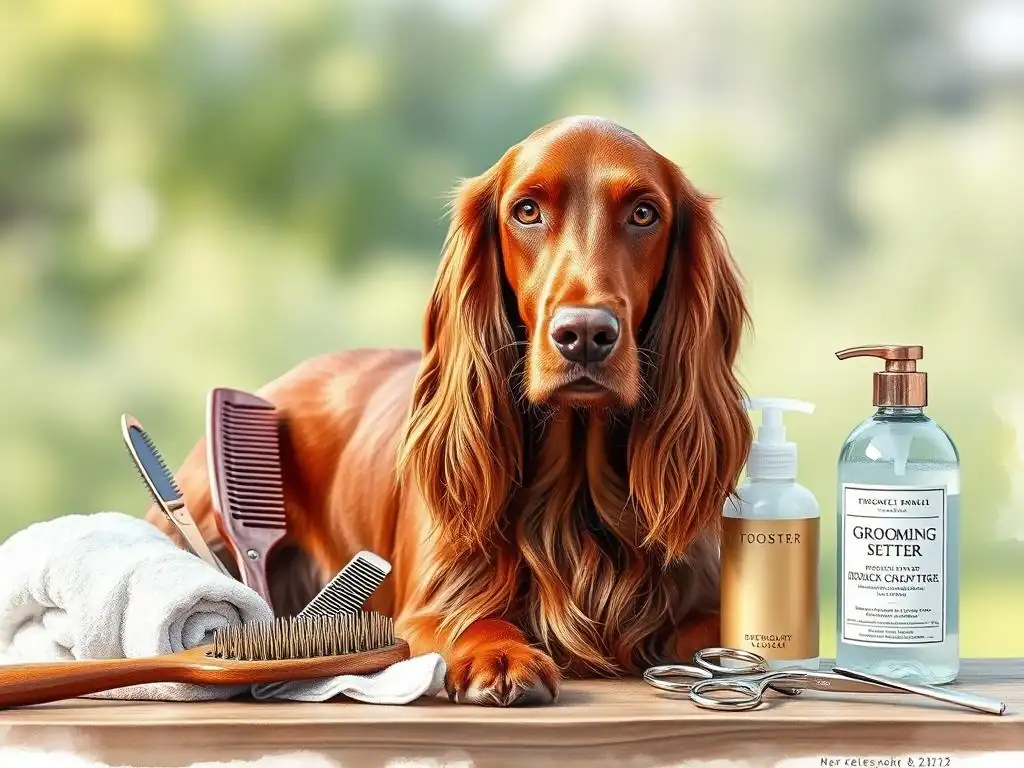
Owning an Irish Setter means embracing their stunning, luxurious coat. However, this beautiful coat requires diligent grooming to prevent matting and tangles, a common issue for this breed. The right tools are crucial for maintaining your Irish Setter's coat health and preventing discomfort.
This section details the essential tools you'll need for effective Irish Setter grooming, focusing on those specifically designed to address matting and tangling. Mastering these tools will help you confidently manage your dog's grooming needs and keep them looking their best. Remember, regular grooming is key to preventing major issues and keeping your Irish Setter happy and healthy.
Brushes for Irish Setters: From Slicker to Undercoat Rake
Choosing the right brush for your Irish Setter is paramount. Their double coat—a dense undercoat and a longer, silky topcoat—requires a multi-pronged approach to brushing. You'll need different brushes for different tasks.
- Slicker Brush: This is your workhorse brush. The fine, closely-spaced wires penetrate the topcoat, removing loose hair, dirt, and debris. Regular use with a slicker brush helps prevent mat formation by distributing natural oils and keeping the coat smooth. Look for a brush with comfortable ergonomic handle to reduce hand fatigue during longer grooming sessions. Pay close attention to the wire tips; ensure they are rounded to avoid scratching your dog's skin.
- Undercoat Rake: The Irish Setter's dense undercoat requires special attention. An undercoat rake, with its long, thin teeth, effectively removes dead and loose undercoat hair. This is particularly important during shedding seasons (spring and fall) to reduce the amount of hair shed around your home. Using this tool prevents matting in the undercoat, a common area for knot formation. Remember to use gentle strokes, avoiding excessive pressure that could irritate your dog's skin.
- Pin Brush: While not as crucial as the slicker and undercoat rake, a pin brush with widely spaced, ball-tipped pins can be beneficial for smoothing the topcoat and adding shine after using the other brushes. It helps to remove any remaining loose hair and distribute natural oils, leaving the coat looking healthy and lustrous. It's a great finishing touch to your grooming routine.
Combs for Detangling and Removing Loose Hair
Combs play a vital role in detangling and removing loose hair, especially in areas prone to matting, such as behind the ears, on the legs, and around the tail. Different types of combs serve different purposes.
- Greyhound Comb: This wide-toothed comb is excellent for initial detangling and removing larger mats. Its wide spacing prevents snagging and pulling on the coat, making it ideal for gently separating tangled sections before moving on to finer tools. Use it carefully and patiently, working through mats slowly to avoid causing discomfort to your dog.
- Fine-Toothed Comb: Once the larger mats have been addressed with the Greyhound comb, a fine-toothed comb can be used to remove smaller tangles and thoroughly check for any remaining knots. Its close teeth effectively remove loose hair, leaving the coat sleek and smooth. However, use caution and gentle strokes to prevent pulling or discomfort.
The combination of a Greyhound comb followed by a fine-toothed comb ensures thorough removal of mats and tangles, promoting a healthy and comfortable coat. Regular combing, in addition to brushing, is crucial for preventative Irish Setter grooming.
Other Essential Grooming Supplies
Beyond brushes and combs, several other supplies enhance your Irish Setter grooming experience and contribute to maintaining their coat's health.
- High-Quality Shampoo and Conditioner: Choose a shampoo and conditioner specifically formulated for dogs with long coats. These products are designed to gently cleanse and condition the coat without stripping away essential oils, leaving it soft, shiny, and healthy. Using the wrong products can dry out your dog's coat, leading to increased matting.
- Nail Clippers: Regular nail trimming is essential for preventing overgrowth and potential discomfort. Use sharp, high-quality clippers to ensure a clean and precise cut. If unsure how to trim your dog's nails, consult a professional groomer for guidance.
- Ear Cleaning Solution: Keep your Irish Setter's ears clean and free from debris to prevent infections. Use a veterinarian-recommended ear cleaning solution and cotton balls to gently clean the visible parts of the ear canal. Never insert anything into the ear canal.
- Grooming Table (Optional but Recommended): A grooming table provides a stable and comfortable workspace, making grooming easier and safer for both you and your dog. It elevates your dog to a comfortable height, reducing back strain and making it easier to reach all areas of their body. Consider this a valuable investment for efficient and comfortable grooming sessions.
Regular and thorough grooming using these essential tools will significantly reduce matting and tangling in your Irish Setter's beautiful coat, keeping them comfortable and looking their best. Remember that consistency is key!
Step-by-Step Irish Setter Grooming Routine: Preventing Mats & Tangles
This section details a practical, step-by-step approach to grooming your Irish Setter, focusing on preventing matting and tangles. Regular grooming is crucial for maintaining your dog's coat health and overall well-being. Remember, consistent brushing is key to preventing larger problems down the line, saving you time and potential vet bills. These Irish Setter grooming tips will help you keep your beautiful dog looking and feeling their best.
Preparing Your Irish Setter for Grooming: Creating a Calm Environment
Before you even begin brushing, setting the right mood is paramount. A stressed Irish Setter is less likely to cooperate, making grooming a chore for both of you. Here's how to create a calm and positive grooming environment:
- Choose the right location: Select a quiet, well-lit area where your dog feels safe and comfortable. Avoid areas with high traffic or loud noises. A bathroom often works well, providing easy access to water for cleanup.
- Gather your supplies: Have all your grooming tools ready before you start. This includes a slicker brush, a wide-tooth comb, a de-shedding tool (optional but helpful), and potentially some detangling spray. Having everything readily available minimizes interruptions and keeps your dog focused.
- Positive reinforcement: Make the experience positive! Use treats, praise, and gentle words throughout the process. Associate grooming with positive feelings. Even a simple "good boy/girl" can make a big difference.
- Introduce the tools gradually: If your dog is new to grooming, introduce the brushes and combs slowly. Let them sniff and investigate the tools before you start brushing. This helps them get used to the sensations.
- Short sessions: Start with short grooming sessions, especially if your dog is not used to it. Gradually increase the duration as your dog becomes more comfortable. Several short sessions are better than one long, stressful one.
Step 1: Brushing Your Irish Setter's Coat Thoroughly
This is the cornerstone of preventing mats and tangles in an Irish Setter's luxurious coat. Regular brushing distributes natural oils, removes dead hair, and prevents knots from forming. Aim for daily brushing, or at least every other day, to maintain a healthy and tangle-free coat.
The process should be systematic:
- Start from the head: Begin by gently brushing the head and neck area, working your way down the body. Pay close attention to areas prone to matting, such as behind the ears and under the legs.
- Use the right tools: A slicker brush is excellent for removing loose undercoat and preventing mats. Follow up with a wide-tooth comb to remove any remaining tangles or knots. Use gentle strokes, avoiding harsh pulling.
- Work in sections: Divide the coat into sections to ensure thorough brushing. This prevents you from missing any areas and helps to maintain a consistent brushing pattern.
- Be patient and gentle: Irish Setters can be sensitive, so use gentle strokes and avoid pulling on the coat. If you encounter a stubborn tangle, use a detangling spray to loosen it before carefully combing it out.
- Check for skin irritation: Regularly check your dog's skin for any signs of irritation, redness, or parasites. Address any issues promptly.
Step 2: Addressing Tangled and Matted Areas
Even with regular brushing, some mats and tangles might appear. Addressing these promptly is crucial to prevent them from becoming larger and more difficult to remove.
Here's how to tackle matted areas:
- Identify the mats: Carefully examine your Irish Setter's coat for any matted areas. These will feel tight and may be difficult to comb through.
- Use a detangling spray: Apply a pet-specific detangling spray to the matted area. This will help to loosen the hairs and make it easier to comb them out. Allow the spray to sit for a few minutes before attempting to comb it out.
- Use your fingers to gently separate the mat: If the mat is small, you may be able to gently separate it with your fingers. Work slowly and carefully to avoid pulling or hurting your dog.
- Use a wide-tooth comb: Once the mat is loosened, use a wide-tooth comb to carefully work through the area. Start from the ends of the mat and work your way towards the roots. Avoid pulling or yanking.
- Consider professional help: If a mat is particularly large, tight, or difficult to remove, consider seeking professional help from a groomer. They have the expertise and tools to safely remove stubborn mats without causing your dog any discomfort. This is especially important to prevent potential skin irritation or injury. Remember, prevention is always better than cure! 🐕
Step 3: Bathing Your Irish Setter: Choosing the Right Shampoo and Conditioner
Bathing your Irish Setter shouldn't be a weekly event; over-bathing can strip their coat of its natural oils, leading to dryness and irritation. Aim for bathing every 6-8 weeks, or as needed if your dog gets particularly muddy or dirty. The key to a successful bath lies in choosing the right shampoo and conditioner.
Avoid human shampoos and opt for a dog shampoo specifically formulated for a dog's pH balance. Human shampoos are often too harsh and can cause skin problems like dryness, itching, and even infections. Look for shampoos designed for long-haired breeds, as these often contain ingredients that help detangle and minimize matting.
When selecting a shampoo, consider your dog's specific needs. Does your Irish Setter have sensitive skin? Choose a hypoallergenic and fragrance-free option. Is their coat particularly prone to tangles? Look for a shampoo with detangling properties. Many high-quality dog shampoos contain natural ingredients like oatmeal or aloe vera, which can soothe irritated skin and improve coat health.
Similarly, a good conditioner is essential. It helps to soften the coat, making brushing easier and reducing the risk of breakage and matting. Apply the conditioner after shampooing, leaving it on for a few minutes before rinsing thoroughly. Remember to always rinse completely to avoid residue buildup, which can lead to skin irritation. Thorough rinsing is crucial for preventing any shampoo or conditioner residue that could irritate your dog's skin.
Step 4: Drying Your Irish Setter's Coat Properly

After bathing, thorough drying is crucial for preventing matting. Simply towel-drying an Irish Setter's long coat won't suffice. Leaving your dog to air dry can also lead to matting, especially in their thicker undercoat. The best approach is to use a high-velocity dryer, specifically designed for pets. These dryers are gentler on your dog's skin and coat than a standard human hairdryer. However, always use a low heat setting to prevent burning your dog's skin.
Maintain a safe distance between the dryer nozzle and your dog's coat, and move the dryer constantly to avoid overheating any one area. Pay particular attention to areas prone to matting, such as the legs, under the belly, and around the tail. While drying, gently brush sections of the coat to help separate the hairs and prevent matting.
If you don't have a high-velocity dryer, a combination of towel drying and careful, patient air drying is acceptable, but it will require significantly more time and effort. Never leave your Irish Setter to air dry completely unsupervised, as this increases the risk of them developing chills or catching a cold.
Step 5: Nail Trimming and Ear Cleaning for Irish Setters
Regular nail trimming and ear cleaning are integral parts of Irish Setter grooming and overall health maintenance. Overgrown nails can cause discomfort and even lead to joint problems. Ideally, you should trim your dog's nails every 2-3 weeks, or more frequently if needed. If you're unsure how to trim your dog's nails safely, consult a veterinarian or professional groomer for guidance. They can show you the correct technique and help you avoid cutting into the quick (the pink part of the nail containing blood vessels and nerves).
Ear cleaning is equally important. Irish Setters, with their floppy ears, are prone to ear infections. Regularly inspect your dog's ears for any signs of redness, swelling, discharge, or unpleasant odor. If you notice any of these symptoms, consult your veterinarian immediately.
For routine cleaning, use a dog-specific ear cleaner and a cotton ball or soft cloth to gently wipe the inside of the ear. Avoid using cotton swabs, as these can push debris further into the ear canal and potentially damage the eardrum. Always be gentle during ear cleaning to avoid causing injury or discomfort to your pet. Remember, consistency is key – regular nail trimming and ear cleaning are preventative measures that can save you significant veterinary bills down the line.
Post-Grooming Care for Your Irish Setter
After a thorough grooming session, providing proper aftercare is crucial for maintaining your Irish Setter's coat health and preventing future matting. This involves more than just letting your dog shake off and run free. Careful attention to detail in this final stage ensures the longevity of your grooming efforts and contributes to your dog's overall well-being.
One critical aspect of post-grooming care is thorough drying. While a quick shake will remove excess water, a damp coat is a breeding ground for bacteria and can lead to skin irritations. For a long-haired breed like the Irish Setter, completely drying the coat is essential.
This can be achieved using a high-velocity dryer specifically designed for pets – these dryers are much gentler than human hair dryers and help to avoid overheating your dog's skin. Alternatively, you can use absorbent towels to gently pat the coat dry, though this method takes significantly longer. Remember to be gentle to avoid causing stress or discomfort to your pet.
Following the drying process, brushing is recommended one more time. This final brushing helps to remove any remaining loose hair and ensures that the coat lies smoothly. It also allows you to check for any missed tangles or mats that might have formed during the drying process. This final brushing session should be quick and gentle, focusing on areas prone to matting.
Finally, consider applying a leave-in conditioner or detangling spray. These products help to hydrate the coat, add shine, and prevent future matting. Choose a product specifically formulated for dogs and apply it sparingly, avoiding direct contact with the eyes. Many products offer additional benefits such as UV protection or insect repellent, which can be beneficial depending on your climate and lifestyle.
Always check the ingredients list to ensure it's safe for your dog. Regular use of a high-quality leave-in conditioner can significantly reduce the frequency of future grooming sessions and improve your Irish Setter's coat health dramatically. The benefits extend beyond just aesthetics; a healthy coat is less susceptible to skin problems and parasites.
Remember, consistency is key. By incorporating these post-grooming steps into your routine, you'll not only maintain your Irish Setter's beautiful coat but also strengthen the bond between you and your furry friend through regular, positive interaction. This consistent care will pay dividends in the long run, reducing the time and effort needed for future grooming sessions and keeping your dog looking and feeling their best. 🐾
Advanced Irish Setter Grooming Techniques: For a Show-Ready Look
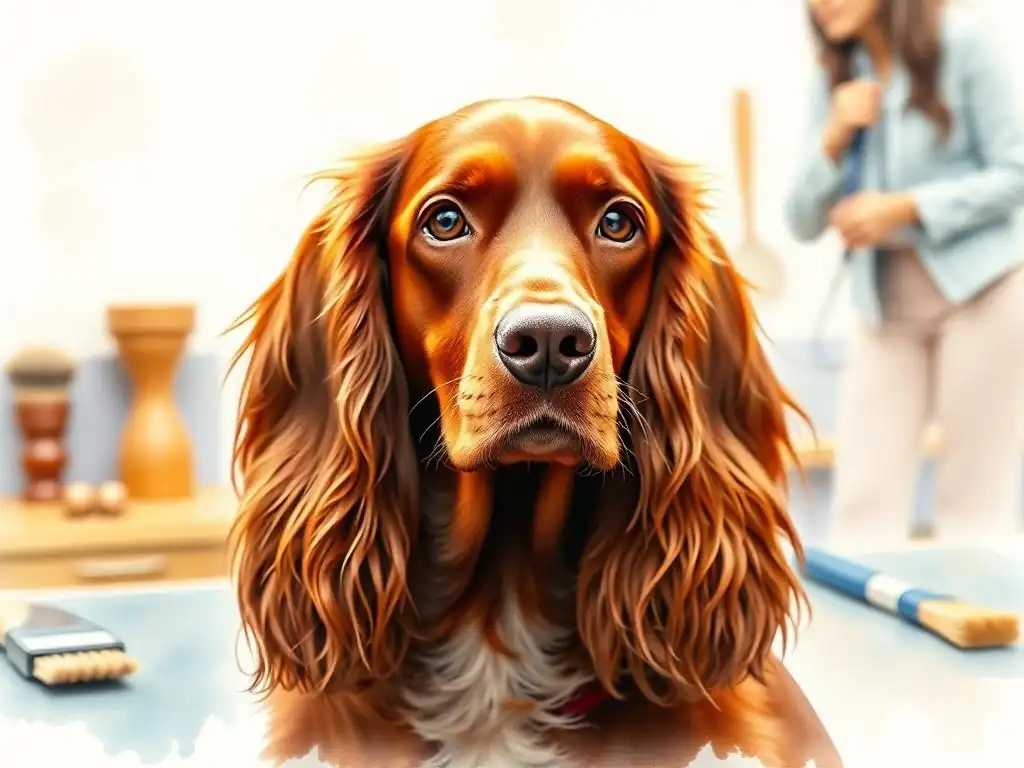
This section delves into advanced grooming techniques specifically for Irish Setters aiming for a show-ready appearance. Remember, regular brushing is crucial, even for show dogs, to prevent matting and tangles before they become major problems. These techniques build upon the fundamental brushing and combing covered in previous sections.
Dealing with Difficult Mats and Tangles in Irish Setters
Matted fur on an Irish Setter is not only unsightly but can also cause discomfort and skin irritation. Addressing mats requires patience and the right tools. Avoid pulling at mats, as this can damage the hair and skin. Instead, use a de-matting tool, working slowly and carefully from the outside of the mat towards the skin. If the mat is particularly stubborn, you might need to carefully use sharp grooming scissors to trim away the matted section.
Always work with the grain of the hair to minimize pulling and damage. For extremely severe matting, professional grooming is recommended. Regular, consistent brushing is the best preventative measure against difficult mats. This minimizes the likelihood of such issues and saves considerable time and effort later.
Consider these additional tips for dealing with mats:
- Use a detangling spray: A high-quality detangling spray can help loosen mats, making them easier to remove. Apply the spray generously to the matted area and allow it to sit for a few minutes before attempting to work through the mat.
- Work in sections: Don't try to tackle a large mat all at once. Divide the mat into smaller sections and work on each section individually. This makes the process less overwhelming and prevents accidental pulling or damage.
- Be patient: Removing mats takes time and patience. Don't rush the process, as this can lead to injury to your dog. Take breaks if you need to. A stressed dog will only make the process more difficult.
Maintaining Your Irish Setter's Coat Between Grooming Sessions
Maintaining your Irish Setter's coat between professional grooming appointments is essential for preventing matting, tangles, and overall coat health. Daily brushing is ideal, but even a few times a week can make a significant difference. Focus on areas prone to matting, such as behind the ears, under the legs, and around the tail. Use a slicker brush for removing loose hair and a comb to detangle any small knots before they become larger mats.
Regular brushing also distributes natural oils throughout the coat, leading to a healthier, shinier coat. Consider using a high-quality dog shampoo and conditioner specifically formulated for Irish Setters to maintain coat health between grooming sessions. Always thoroughly rinse all shampoo and conditioner to prevent skin irritation.
Here's a weekly maintenance schedule suggestion:
| Day | Activity | Notes |
|---|---|---|
| Monday | Full body brush with slicker brush | Focus on areas prone to matting |
| Wednesday | Comb through the coat | Pay close attention to areas around the ears, legs and tail |
| Friday | Spot check for any new mats or tangles | Address immediately to prevent larger problems |
| Weekend | Optional bath with Irish Setter shampoo | Only if necessary; too frequent bathing can dry out the coat |
Trimming and Shaping Your Irish Setter's Coat (Optional)
While not strictly necessary for all Irish Setters, trimming and shaping the coat can enhance its appearance, particularly for show dogs. This involves carefully trimming the feathering on the legs, ears, and tail to create a more refined and balanced look. This should only be done with sharp, professional-grade grooming scissors and a steady hand. If you lack experience, it's best to seek the help of a professional groomer familiar with the Irish Setter breed standard.
Improper trimming can ruin the overall look and feel of the coat. Remember that even minor trimming requires precision and attention to detail. Before attempting any trimming, ensure you have a firm understanding of the breed standard and the desired look.
Incorrect trimming can lead to an uneven and unprofessional appearance. Professional grooming is always the safest and most effective option for achieving a precise, show-ready look. Consider practicing on small, less noticeable areas before attempting to trim larger sections.
Nutrition and Diet for a Healthy Irish Setter Coat
A significant factor influencing the health and condition of an Irish Setter's coat, and thus the likelihood of matting and tangles, is nutrition. Providing your Irish Setter with a balanced and nutritious diet is crucial for preventing skin problems and promoting a glossy, manageable coat. This section delves into the specifics of dietary requirements for maintaining optimal coat health in this breed.
The Role of Diet in Maintaining a Healthy Coat
The adage "you are what you eat" holds particularly true for our canine companions. An Irish Setter's coat, known for its rich, mahogany color and luxurious texture, requires specific nutrients to thrive. Dietary deficiencies can manifest in dull, brittle fur, increased shedding, and a predisposition to matting and tangles.
A well-balanced diet, rich in essential fatty acids, proteins, and vitamins, provides the building blocks for a healthy, vibrant coat, reducing the need for frequent detangling and grooming. Think of it like this: just as a well-nourished human has healthy hair and skin, a well-nourished Irish Setter will boast a similarly stunning coat. This directly impacts the frequency of needed grooming and helps prevent mat formation.
Essential Nutrients for a Shiny and Healthy Irish Setter Coat
Several key nutrients are vital for maintaining a healthy Irish Setter coat. These include:
- Omega-3 and Omega-6 Fatty Acids: These essential fatty acids are crucial for skin and coat health. They reduce inflammation, improve skin barrier function, and promote a shiny, healthy coat. Sources include fish oil, flaxseed oil, and certain commercially available dog foods formulated for sensitive skin. Many dog owners supplement their Irish Setters' diets with these oils to combat dry skin and improve coat quality.
- Protein: Protein is the fundamental building block of hair. High-quality protein sources, such as chicken, lamb, or fish, are essential for coat growth and repair. Insufficient protein can lead to dull, dry, and easily matted fur.
- Biotin: This B vitamin plays a vital role in keratin production, a key component of hair. Biotin deficiency can result in brittle, dull hair and increased shedding. It's often found in commercially available dog foods but can also be supplemented if needed.
- Zinc: Zinc is another essential mineral that supports healthy skin and coat growth. It aids in the production of keratin and helps maintain the skin's barrier function.
Foods to Avoid for Optimal Coat Health
Just as some foods promote coat health, others can hinder it. To minimize the risk of matting and tangles, avoid feeding your Irish Setter:
- Low-quality commercial dog foods: These often contain fillers and inadequate levels of essential nutrients, leading to poor coat quality.
- Foods high in saturated and trans fats: These fats can contribute to inflammation and dry skin, making the coat more prone to matting.
- Certain grains: While not inherently harmful for all dogs, some Irish Setters may exhibit sensitivities to certain grains, leading to skin irritation and poor coat condition. This requires careful observation and may necessitate a grain-free diet.
- Processed foods and table scraps: These often lack essential nutrients and can contribute to digestive upset, potentially affecting coat health indirectly. A consistent, high-quality diet is key for a healthy coat and overall well-being.
Remember to consult with your veterinarian before making significant changes to your Irish Setter's diet, especially if they have any pre-existing health conditions. They can help you determine the optimal diet to support your dog's specific needs and promote a healthy, manageable coat, minimizing the risk of matting and tangles. A balanced approach to nutrition is a crucial part of your Irish Setter grooming routine.
Recognizing and Addressing Common Irish Setter Coat Problems

The Irish Setter's glorious, rich coat, while undeniably beautiful, requires diligent care to prevent common problems. Understanding these issues is crucial for maintaining your dog's comfort and overall well-being. Neglecting proper grooming can lead to matting, tangling, skin irritation, and even more serious health concerns. This section focuses on identifying and addressing some of the most frequently encountered coat problems in Irish Setters, providing you with practical "Irish Setter grooming tips" to keep your canine companion looking and feeling their best.
Shedding in Irish Setters: Managing Excessive Hair Loss
Irish Setters are known for their moderate to heavy shedding, particularly during spring and autumn. This seasonal shedding is a natural process, but the volume of hair can be overwhelming for many owners. Effective management involves regular brushing, ideally daily during peak shedding seasons. A slicker brush is excellent for removing loose undercoat, while a bristle brush helps smooth the outer coat and distribute natural oils. Consider using a de-shedding tool designed to remove undercoat efficiently. 🐾
Regular bathing can also assist in managing shedding by removing loose hairs. However, avoid over-bathing, as this can strip the coat of its natural oils, leading to dryness and irritation. Aim for a bath every 4-6 weeks, or as needed, using a dog-specific shampoo and conditioner formulated for their coat type. Remember to thoroughly rinse all shampoo from the coat to prevent skin irritation. A healthy diet also plays a significant role in minimizing shedding. A diet rich in omega-3 fatty acids can improve coat health and reduce hair loss.
Dealing with Skin Irritation and Allergies in Irish Setters
Skin irritation and allergies are relatively common in Irish Setters. These can manifest as redness, itching, scratching, hot spots, and hair loss in localized areas. Several factors can contribute to these issues, including environmental allergens (pollen, dust mites), food allergies, and parasites (fleas, ticks). Careful observation is key to identifying the cause.
If you suspect an allergy, keeping a detailed diary of your dog's diet, exposure to potential allergens, and the onset of symptoms can be invaluable for your veterinarian. Regular flea and tick prevention is essential. Your vet can recommend appropriate preventative measures based on your location and lifestyle. For mild skin irritation, you might consider using a gentle, oatmeal-based shampoo to soothe the skin. However, for persistent or severe skin problems, veterinary intervention is crucial for proper diagnosis and treatment. Early detection and treatment can prevent more serious complications.
When to Seek Professional Grooming for Your Irish Setter
While regular home grooming is essential, professional grooming services offer significant benefits, especially for managing the Irish Setter's coat. Consider professional grooming every 4-6 weeks, or more frequently if needed. Professional groomers possess the expertise and tools to handle complex matting, perform thorough deshedding, and trim your dog's coat to maintain its shape and prevent excessive tangling. They can also identify potential skin problems early on, alerting you to any issues that may require veterinary attention.
Professional grooming can significantly reduce the time and effort required for home grooming, making it a worthwhile investment for busy pet owners. It also ensures that your Irish Setter receives expert care and attention, contributing to its overall health and well-being. Look for a groomer experienced with long-haired breeds to ensure your dog receives the best possible care. Consider asking for recommendations from your veterinarian or other trusted pet owners. Remember, regular professional grooming is a vital component of a comprehensive "Irish Setter grooming tips" plan.
Maintaining Your Irish Setter's Grooming Routine: Tips and Tricks
This section focuses on practical strategies for maintaining your Irish Setter's coat health and preventing matting and tangles. Regular grooming isn't just about aesthetics; it's crucial for your dog's comfort and overall well-being. Neglecting grooming can lead to skin irritations, infections, and even painful matting that requires professional intervention. Let's dive into the specifics of establishing an effective grooming routine for your beautiful Irish Setter.
Creating a Consistent Grooming Schedule
Consistency is key when it comes to Irish Setter grooming. Their long, luxurious coats require regular attention to prevent matting. Aim for a weekly grooming session, even if it's just a quick brush-through. This prevents small tangles from escalating into larger, more difficult-to-manage mats. Think of it like this: a little bit of regular maintenance is far less work than tackling a major matting problem later.
Consider breaking down your weekly grooming session into manageable tasks. For example, Monday could be dedicated to brushing, Wednesday to nail trimming, and Friday to ear cleaning. This approach makes the process less daunting and easier to fit into your busy schedule. A consistent schedule minimizes stress for both you and your dog, making grooming a positive experience rather than a chore. Remember, the goal is to integrate grooming into your routine seamlessly. You might even consider setting a reminder on your phone or calendar to ensure you don't miss a session.
Making Grooming a Positive Experience for Your Irish Setter
Many dogs, including Irish Setters, can be apprehensive about grooming. Turning grooming into a positive experience is paramount. Start by associating grooming with positive reinforcement. Use treats, praise, and gentle encouragement throughout the process. Never force your dog into a position they don't like, as this will only create negative associations.
Introduce grooming tools slowly and gently. Let your Irish Setter sniff and investigate the brush before you start brushing. Keep sessions short, especially in the beginning. Gradually increase the duration as your dog becomes more comfortable. Remember to always end each session on a positive note, even if it's a short one. This way, your dog will begin to associate grooming with good things and look forward to the interaction. Consider using high-value treats specifically during grooming sessions to further enhance the positive experience.
Signs Your Irish Setter Needs Professional Grooming Attention
Even with diligent home grooming, there might be times when professional help is necessary. Recognizing the signs that your Irish Setter needs a professional groomer is crucial for maintaining their coat health and preventing further complications.
Here's a table summarizing some key indicators:
| Sign | Description | Action |
|---|---|---|
| Severe Matting | Large, tightly bound mats that are difficult to remove with home tools. | Schedule an appointment with a professional groomer immediately. |
| Skin Irritation/Hot Spots | Redness, inflammation, or excessive scratching, often indicating an underlying skin condition. | Consult a veterinarian; professional grooming might be necessary after treatment. |
| Inability to Manage the Coat | You struggle to effectively brush or comb your dog's coat, even with proper tools and techniques. | Seek professional assistance for grooming and advice on coat management. |
| Excessive Shedding | More shedding than usual, potentially indicating underlying health issues or a need for specialized grooming. | Consult a veterinarian; professional grooming might help manage shedding. |
Ignoring these signs can lead to discomfort for your dog and potential health problems. Regular check-ups with a professional groomer can help identify and address these issues before they become major concerns. Remember, proactive care is always better than reactive treatment. Professional groomers possess the expertise and tools to manage even the most challenging grooming situations. They can also provide valuable tips and advice on maintaining your Irish Setter's coat between appointments.
Frequently Asked Questions
How often should I brush my Irish Setter?
You should brush your Irish Setter at least every other day, ideally daily, to prevent matting and tangles. Their long coat requires regular maintenance.
What type of brush is best for an Irish Setter?
A slicker brush is excellent for removing loose hair and undercoat, while a comb helps to detangle. Using both is recommended.
My Irish Setter has mats. How can I remove them?
For small mats, carefully work them out with your fingers and a de-matting tool. Larger mats may require professional grooming. Never pull at a mat.
How often should I bathe my Irish Setter?
Bathing too frequently can strip their coat of natural oils. Aim for every 4-6 weeks, or as needed if they get particularly dirty.
What kind of shampoo should I use for my Irish Setter?
Use a dog-specific shampoo that's formulated for their coat type. Avoid human shampoos, as they can be harsh and drying.
Final Reflection: The Enduring Elegance of the Irish Setter
The art of Irish Setter grooming is more than just aesthetics; it's a testament to the deep bond between human and canine companion. Proper grooming, as detailed in this guide, isn't merely about preventing unsightly mats and tangles; it's about ensuring the health, comfort, and overall well-being of this magnificent breed. This translates to a happier, healthier dog, strengthening the human-animal connection that lies at the heart of responsible pet ownership.
The enduring legacy of the Irish Setter, with its vibrant coat and spirited nature, is inextricably linked to the care it receives. Maintaining that stunning coat requires dedication and understanding, but the rewards are immeasurable. The joy of running your hands through a healthy, silky coat, free from painful knots, is a privilege only earned through consistent effort. A dog is the only thing on earth that loves you more than he loves himself.
– Josh Billings. This quote speaks volumes about the responsibility we bear towards our canine companions, and proper grooming is a vital part of that responsibility.
Now, consider your own Irish Setter. What steps can you take today to improve their grooming routine? Perhaps it's investing in better brushes, dedicating more time to regular brushing, or simply learning more about their specific coat needs. Remember, every brush stroke is an act of love, a testament to the bond you share. Embrace the journey of responsible pet ownership, and watch as your Irish Setter thrives, radiating health, beauty, and unwavering affection.
Unlock Your Irish Setter's Stunning Coat: A Grooming Revolution
Thank you for taking the time to learn how to keep your Irish Setter's coat healthy and tangle-free! You now have the knowledge to prevent those frustrating mats. Let's put that knowledge into action.
- Master the Art of Brushing: Dedicate just 15 minutes a day to brushing your Irish Setter—you'll see a huge difference in coat health and significantly reduce shedding. This is the most important step for a stunning, healthy coat.
- Share Your Success: Post a picture of your beautifully groomed Irish Setter on PetCareWorld's community forum—let's inspire other owners!
- Experiment with Different Tools: Try a slicker brush or grooming mitt—discover what works best for your dog and their coat type.
Ready to transform your Irish Setter's coat? What's your biggest grooming challenge, and how will you overcome it today?