
Professional Dog Grooming for Puppies: Starting Early for a Lifetime of Comfort

Welcome to PetCareWorld, your ultimate guide to a happier, healthier life for your beloved companion! Are you ready to unlock the secrets to a lifetime of blissful grooming for your furry friend? Then dive into our expert advice on puppy grooming tips for owners, discovering essential techniques that will make bath time a breeze and set the stage for a comfortable, confident pup. Learn how early grooming establishes healthy habits and prevents future problems – your puppy will thank you for it!
- The Importance of Early Puppy Grooming: Establishing Good Habits
- First Grooming Appointment: What to Expect
- Essential Puppy Grooming Techniques at Home
- Maintaining Your Puppy's Hygiene Between Professional Appointments
- Recognizing Potential Grooming Problems in Puppies
- Creating a Positive Grooming Experience for Your Puppy
- Puppy Grooming FAQs and Expert Advice
- Frequently Asked Questions
- Final Reflection: Nurturing a Bond Through Puppy Grooming
- Unlock Your Puppy's Grooming Potential!
The Importance of Early Puppy Grooming: Establishing Good Habits
Starting your puppy's grooming journey early is crucial for their overall well-being and establishes positive associations that will last a lifetime. This isn't just about keeping your furry friend looking their best; it's about fostering a comfortable and cooperative relationship with grooming practices, preventing future anxieties, and ensuring their health and hygiene. Regular grooming from a young age helps you detect potential skin problems or parasites early, allowing for prompt veterinary attention. Furthermore, early positive experiences with handling and grooming will make future vet visits and professional grooming sessions significantly less stressful for both you and your pup. This comprehensive guide will delve into the benefits of early socialization, provide practical tips for owners, and address common concerns associated with puppy grooming, empowering you to make grooming a positive and enriching experience for your canine companion. This article focuses on providing Puppy grooming tips for owners, covering everything from initial preparation to addressing common anxieties. Remember, a well-groomed puppy is a happy and healthy puppy!
Introducing your puppy to the sights, sounds, and sensations of a grooming environment early on is invaluable. This socialization process isn't just about getting them used to the grooming tools; it's about building trust and confidence. A positive first experience can significantly reduce the likelihood of future fear or anxiety related to grooming. Consider these benefits:
- Reduced Stress: Puppies who are gradually introduced to grooming are less likely to develop anxiety or fear associated with the process. Early positive experiences create a foundation of trust.
- Improved Handling: Gentle handling during early grooming sessions helps your puppy become comfortable with being touched and manipulated, making future vet visits and examinations easier.
- Enhanced Bond: Grooming sessions provide an opportunity for bonding and positive interaction between you and your puppy, strengthening your relationship.
- Early Detection of Problems: Regular grooming allows you to identify potential skin issues, ear infections, or parasite infestations early on, enabling prompt treatment. This proactive approach can prevent more serious health problems down the line.
- Positive Associations: By associating grooming with positive reinforcement (treats, praise, playtime), you create a positive link in your puppy's mind, making future sessions more enjoyable.
Think of it as investing time now to reap the rewards of a calm and cooperative dog throughout their life. Early socialization is key to making grooming a stress-free experience for both of you.
Puppy Grooming Tips for Owners: Setting the Stage for Success
Successfully grooming your puppy begins with preparation. Creating a comfortable and safe environment is crucial for a positive experience. Here's a step-by-step guide:
- Choose the Right Time: Select a time when your puppy is relaxed and not overly tired or hungry. A calm environment is essential.
- Gather Your Supplies: Prepare all your grooming tools beforehand, including a soft brush, puppy-safe shampoo, towels, and treats.
- Introduce Tools Gradually: Don't overwhelm your puppy. Introduce each tool individually, allowing them to sniff and investigate before using it. Reward calm behavior with treats and praise.
- Start with Short Sessions: Keep initial grooming sessions short, maybe 5-10 minutes, to avoid overwhelming your puppy. Gradually increase the duration as they become more comfortable.
- Positive Reinforcement: Use positive reinforcement techniques throughout the grooming process. Reward good behavior with treats, praise, and gentle petting. Never punish or scold your puppy.
- Make it a Game: Turn grooming into a fun game by incorporating toys or interactive play. This helps to create positive associations with the process.
Remember, patience and consistency are key. Be gentle and understanding, and celebrate even the smallest successes.
Addressing Common Puppy Grooming Fears and Anxieties
Some puppies may exhibit fear or anxiety during grooming. Understanding and addressing these concerns is crucial for a positive experience.
- Signs of Anxiety: Watch for signs of anxiety, such as excessive panting, trembling, whining, or trying to escape. If you notice any of these signs, immediately stop the grooming session and try again later.
- Desensitization and Counter-Conditioning: Gradually expose your puppy to the grooming tools and process, associating them with positive experiences (treats, praise). This technique helps to desensitize them to the stimuli causing anxiety.
- Professional Help: If your puppy's anxiety is severe or persistent, consider seeking professional help from a certified dog trainer or veterinary behaviorist. They can provide guidance and support to help you manage your puppy's fears.
- Creating a Safe Space: Ensure your puppy has a safe and comfortable space where they can retreat if they feel overwhelmed. This could be a crate, a bed, or a quiet corner.
- Never Force it: Never force your puppy to endure grooming if they are visibly distressed. This will only worsen their anxiety and create negative associations.
By following these tips and being patient and understanding, you can help your puppy develop a positive attitude towards grooming, setting the stage for a lifetime of comfortable and healthy care. Remember, a calm and relaxed puppy makes for a much easier grooming experience for everyone involved!
First Grooming Appointment: What to Expect
The first grooming appointment for your puppy is a significant milestone, laying the foundation for a positive grooming experience throughout their life. Many puppy owners feel anxious about this initial visit, but with proper preparation and a reputable groomer, it can be a wonderfully positive experience for both you and your furry friend. This section will guide you through what to expect, ensuring your puppy's first encounter with professional grooming is stress-free and sets the stage for future successful sessions.
Understanding the process will alleviate your concerns and help build your puppy’s confidence. Remember, positive reinforcement is key to establishing a lifetime of comfortable grooming.
Choosing the Right Professional Groomer for Your Puppy
Selecting a groomer for your puppy requires careful consideration. You’re entrusting your beloved companion to a professional, so thorough research is essential. Look for groomers with experience specifically handling puppies. A gentle and patient approach is crucial, as puppies can be easily overwhelmed.
Read online reviews, ask for recommendations from other pet owners, and consider visiting potential groomers in person to observe their facilities and interaction with animals. Inquire about their experience with different breeds, their grooming techniques, and their approach to handling anxious or fearful puppies. Ask about their sanitation practices to ensure a clean and hygienic environment for your puppy. Don't hesitate to ask to see certifications or proof of continuing education.
Finding the right groomer is paramount for a positive first grooming experience and contributes to your puppy’s overall well-being. Consider factors like location, cost, and availability when making your final decision. Remember, a good groomer will prioritize your puppy's comfort and safety above all else.
Preparing Your Puppy for Their First Grooming Session
Before your puppy's first grooming appointment, several preparatory steps can significantly reduce anxiety and ensure a smoother experience. Start by gradually introducing your puppy to grooming tools at home. Let them sniff and investigate a soft brush, a comb, and even the clippers (turned off, of course!). Reward them with treats and praise for positive interactions.
This desensitization process helps them associate grooming with positive experiences. Additionally, get your puppy used to being handled all over their body. Gently touch their paws, ears, and tail, rewarding calm behavior. This familiarization will make the professional grooming process less daunting.
On the day of the appointment, feed your puppy a light meal beforehand to avoid any digestive upset. Ensure your puppy has had a chance to eliminate before arriving at the groomer's. Bringing a favorite toy or blanket can provide comfort and a sense of security during the appointment. Remember, a calm and prepared puppy will be much more receptive to the grooming process.
The Initial Grooming Process: A Step-by-Step Guide
The first grooming session will likely be shorter than subsequent appointments, focusing on a gentle introduction to the process. The groomer will likely start with a thorough brushing to remove mats and tangles, paying particular attention to delicate areas. This is an excellent opportunity to observe how the groomer interacts with your puppy and to address any concerns. A bath will likely follow, using a puppy-specific shampoo to avoid skin irritation.
The groomer will carefully dry your puppy, ensuring they are completely comfortable throughout the process. Nail trimming will be done cautiously, as this can be a sensitive area for puppies. Ear cleaning might also be included, but only if necessary and done with utmost care. The final step typically involves a light styling, depending on your puppy's breed and your preferences.
Throughout the entire process, positive reinforcement and gentle handling are paramount. The groomer should communicate regularly with you, updating you on your puppy's progress and addressing any questions or concerns you may have. This initial session lays the groundwork for future grooming visits, establishing a positive association and ensuring your puppy develops a comfortable and stress-free grooming routine. Remember to ask your groomer for tips on maintaining your puppy's coat at home between appointments.
Essential Puppy Grooming Techniques at Home
This section focuses on providing practical, at-home puppy grooming tips for owners, crucial for establishing positive grooming habits early in a puppy's life. Early and consistent grooming not only keeps your puppy looking their best but also contributes significantly to their overall health and well-being. Remember, gentle handling and positive reinforcement are key to a successful grooming experience. These techniques are designed to supplement, not replace, professional grooming appointments.
Nail Trimming for Puppies: A Gentle Approach
Trimming your puppy's nails is a vital part of their grooming routine. Overgrown nails can cause discomfort, affect their gait, and even lead to joint problems. However, many puppies are initially resistant to nail trimming. The key is to make it a positive experience from the start.
Start by gently handling your puppy's paws frequently, getting them used to the touch. Introduce the nail clippers gradually, letting them sniff and investigate. Reward them with treats and praise throughout the process. Initially, you might only trim a single nail or two per session.
It’s crucial to only trim the quick, the pink part of the nail containing nerves and blood vessels. Cutting into the quick is painful and can cause bleeding. If your puppy's nails are dark, it can be difficult to see the quick. Trim small amounts at a time, and if you're unsure, consult a professional groomer for guidance. Consider using a specialized nail grinder for more control, especially with dark nails.
Here's a helpful table summarizing the process:
| Step | Description | Important Note |
|---|---|---|
| Preparation | Gather your supplies: nail clippers or grinder, treats, and a towel. | Ensure your puppy is calm and comfortable. |
| Handling | Gently hold your puppy's paw, applying gentle but firm pressure. | Avoid squeezing too tightly. |
| Trimming | Trim small amounts at a time, avoiding the quick. | Stop if your puppy shows signs of discomfort. |
| Reward | Immediately reward your puppy with treats and praise. | Positive reinforcement is key. |
Remember, patience and consistency are key. With regular, positive reinforcement, nail trimming will become a less stressful experience for both you and your puppy. Regular trimming, even just a little bit, will prevent overgrown nails and keep your furry friend comfortable.
Ear Cleaning for Puppies: Preventing Infections
Clean ears are essential for preventing infections. Puppy ears are particularly susceptible to infection due to their delicate structure and tendency to accumulate debris. However, improper ear cleaning can also lead to irritation and injury. Therefore, a gentle approach is vital.
Use a veterinarian-recommended ear cleaning solution. Never use cotton swabs, as these can push debris further into the ear canal. Instead, use a soft, damp cloth to gently wipe the outer ear. Fold the ear flap slightly to allow for better access. Only clean the visible portion of the ear; avoid inserting anything into the ear canal.
Observe your puppy's ears regularly for any signs of infection, such as redness, swelling, discharge, or unpleasant odor. If you notice any abnormalities, consult your veterinarian immediately. Regular cleaning, combined with careful observation, is crucial for maintaining your puppy's ear health.
Here's what to avoid:
- Using cotton swabs
- Using harsh chemicals or homemade solutions
- Inserting anything into the ear canal
- Ignoring signs of infection
Remember, preventing infections is far easier than treating them. Regular, gentle ear cleaning is a simple yet effective preventative measure.
Puppy Teeth Cleaning: Establishing a Routine
Dental care is often overlooked but is crucial for your puppy's long-term health. Periodontal disease, a common problem in dogs, can lead to pain, tooth loss, and even systemic health issues. Starting a dental care routine early will help prevent these problems.
Start by gently handling your puppy's mouth, allowing them to get used to the sensation. Introduce a finger toothbrush or a small, soft-bristled toothbrush. Use a pet-specific toothpaste – never use human toothpaste, as it can be toxic to dogs.
Initially, focus on getting your puppy accustomed to the process. Short, frequent sessions are more effective than long, infrequent ones. Reward your puppy with treats and praise throughout the process. As they become more comfortable, gradually increase the duration and thoroughness of the cleaning.
You can also incorporate dental chews and toys into their routine to help keep their teeth clean. Regular professional dental cleanings are also recommended, especially as your puppy gets older. Early intervention in dental care is key to maintaining your puppy's oral health and overall well-being. Remember, a healthy mouth contributes to a healthy puppy! 🐶
Puppy Coat Care: Brushing and De-shedding Techniques
Regular brushing is crucial for maintaining your puppy's coat health and preventing matting, regardless of their breed. The frequency of brushing depends heavily on the coat type. Long-haired breeds like Yorkshire Terriers or Shih Tzus might require daily brushing, whereas short-haired breeds like Labradors or Boxers may only need a few times a week. However, even short-haired puppies benefit from regular brushing to remove loose hair and stimulate the skin.
This helps distribute natural oils, keeping their coat shiny and healthy. Introducing your puppy to brushing early is vital; make it a positive experience with gentle strokes and treats. This will help them associate brushing with positive reinforcement, making grooming sessions much easier in the long run.
Choosing the right brush is also important. For puppies with long hair, a slicker brush is ideal for removing tangles and mats, followed by a wide-tooth comb to ensure complete detangling. Short-haired puppies can benefit from a soft bristle brush, which is gentle on their skin and effective at removing loose hair.
Always start with gentle strokes and gradually increase the pressure as your puppy becomes more comfortable. Pay close attention to areas prone to matting, such as behind the ears, under the legs, and around the tail. Remember to be patient and gentle; forcing the process will only scare your puppy and make future grooming sessions more challenging.
De-shedding is particularly important for breeds that shed heavily. Using a de-shedding tool, such as an undercoat rake, can effectively remove loose undercoat hair, minimizing shedding around your home. This is best done during shedding seasons, typically spring and autumn. However, even if your puppy doesn't shed excessively, regular brushing helps to manage loose hair and prevent the formation of mats. Remember to always check your puppy's skin for any irritations, redness, or parasites during brushing.
If you notice anything unusual, consult your veterinarian immediately. Regular grooming not only keeps your puppy looking their best but also allows you to detect potential skin problems early on, preventing more serious issues later. Consistent, positive brushing experiences will build trust and make grooming a comfortable routine for both you and your furry friend. This preventative care contributes significantly to their overall well-being.
Maintaining Your Puppy's Hygiene Between Professional Appointments
Regular professional grooming is crucial for your puppy's well-being, but maintaining hygiene between appointments is equally important. This section provides essential puppy grooming tips for owners to ensure your furry friend stays clean, comfortable, and healthy. Consistent home care complements professional services, contributing to a lifetime of healthy grooming habits. Remember, early socialization with grooming practices will make future appointments smoother and less stressful for both you and your puppy.
Bathing Your Puppy at Home: Products and Techniques
Bathing your puppy at home shouldn't be a daunting task. With the right products and techniques, you can make bath time a positive experience. Avoid over-bathing, as this can strip your puppy's coat of its natural oils, leading to dryness and irritation. Aim for once every 4-6 weeks, or as needed depending on your puppy's breed and activity level.
- Choosing the Right Shampoo: Use a puppy-specific shampoo formulated for sensitive skin. Avoid human shampoos, as these can be too harsh and disrupt the pH balance of your puppy's skin. Look for shampoos that are tearless and hypoallergenic. Many pet stores offer a wide variety of options.
- Setting the Stage: Gather all your supplies beforehand: a non-slip mat for the tub, lukewarm water, several towels, the puppy shampoo, and a cup or jug for rinsing. Make the environment calm and reassuring. Consider using positive reinforcement techniques like treats or praise.
- The Bathing Process: Gently wet your puppy's coat with lukewarm water, avoiding getting water in their ears or eyes. Apply a small amount of shampoo, lathering thoroughly. Rinse completely to remove all traces of shampoo. Thorough rinsing is crucial to prevent skin irritation. Dry your puppy thoroughly with a towel, paying special attention to areas prone to moisture retention.
- Frequency and Considerations: The frequency of bathing depends on your puppy's breed and lifestyle. Short-haired breeds generally require less frequent baths than long-haired breeds. Always monitor your puppy's skin for any signs of irritation or dryness after bathing.
Dealing with Puppy Accidents and Cleaning Up
Accidents happen, especially with puppies. Quick and efficient cleanup is essential not only for hygiene but also for preventing your puppy from associating the accident location with elimination.
- Immediate Action: Use paper towels or a clean cloth to blot up as much urine or feces as possible. Avoid rubbing, which can spread the mess.
- Enzyme Cleaners: For urine, use an enzymatic cleaner specifically designed to break down the odor-causing components. Regular cleaning products only mask the smell, which can encourage your puppy to repeat the accident in the same spot.
- Solid Waste Disposal: Dispose of solid waste properly in a sealed bag.
- Prevention: Consistent crate training, frequent potty breaks, and positive reinforcement training can significantly reduce the frequency of accidents. Remember to praise your puppy when they eliminate outdoors. Consistency is key in house training. This is a crucial element of responsible puppy ownership and contributes to a cleaner home environment.
Preventing Matting and Tangles in Your Puppy's Coat
Matting and tangles are common issues, especially in long-haired breeds. Regular brushing helps prevent these problems and keeps your puppy's coat healthy and shiny.
- Brushing Schedule: Brush your puppy's coat daily, or at least several times a week, using a brush appropriate for their coat type. Regular brushing removes loose hair, distributes natural oils, and prevents matting.
- Brush Types: Different brushes are designed for different coat types. Consult your veterinarian or a professional groomer to determine the best brush for your puppy's breed.
- Detangling: If you encounter matting, use a de-matting tool to carefully separate the tangled fur. Avoid pulling or yanking, which can hurt your puppy and damage their coat. For severe matting, seek professional help.
- Coat Type Considerations: Long-haired breeds require more frequent brushing than short-haired breeds. Regular attention to their coat will minimize the risk of matting and tangles. Regular grooming is a key aspect of responsible pet ownership. The frequency of brushing should be tailored to the specific needs of your puppy's breed and coat type. This is another important "puppy grooming tips for owners" to consider.
Recognizing Potential Grooming Problems in Puppies
This section focuses on early detection of common grooming issues in puppies, crucial for preventing more serious problems later. Early intervention is key to maintaining your puppy's comfort and health. Proactive puppy grooming tips for owners are essential in this regard. Understanding potential issues allows for timely action, minimizing discomfort and potential long-term health complications.
Identifying Skin Irritations and Allergies
Puppy skin is delicate and susceptible to various irritations and allergies. Recognizing the signs early is vital for effective treatment. Common symptoms include excessive scratching, licking, chewing, redness, bumps, and hot spots. These can be caused by a number of factors including:
- Contact allergies: Reactions to certain substances like detergents, shampoos, grass, or pollen. Symptoms often appear localized to areas of contact.
- Food allergies: These can manifest as skin problems, alongside digestive issues. Common allergens include beef, dairy, chicken, and wheat. Careful monitoring of diet is crucial.
- Fungal infections: Ringworm is a common fungal infection that causes circular, scaly patches on the skin. It's highly contagious, so prompt veterinary attention is crucial.
- Parasites: Fleas, ticks, and mites can cause intense itching and skin inflammation. Regular parasite prevention is essential.
Many owners mistakenly attribute these symptoms to simple discomfort, delaying treatment. However, untreated skin issues can lead to secondary bacterial infections, hair loss, and chronic discomfort for your puppy. Careful observation and prompt veterinary assessment are key aspects of responsible puppy grooming tips for owners. Remember, a healthy coat reflects a healthy pup!
Dealing with Fleas and Ticks in Puppies
Fleas and ticks are common external parasites that can infest puppies, causing intense itching, skin irritation, and even disease transmission. Early detection and treatment are essential. Signs of flea infestation include excessive scratching, flea dirt (dark specks in the fur), and small, biting insects visible on the skin. Ticks, on the other hand, are larger and can be easily spotted attached to the skin. They are often found in areas with high grass and brush.
Effective flea and tick control involves a multi-pronged approach:
- Regular brushing: This helps to remove fleas and ticks and allows you to monitor your puppy's skin for any abnormalities.
- Flea and tick preventative medications: Consult your veterinarian to select an appropriate preventative medication for your puppy's age and breed. These can be topical, oral, or collar-based.
- Environmental control: Regularly cleaning your puppy's bedding, toys, and living areas can help to reduce flea and tick populations. Vacuuming frequently is crucial.
- Professional grooming: Professional groomers can help to remove fleas and ticks and can provide advice on flea and tick prevention.
Ignoring flea and tick infestations can lead to anemia, skin infections, and the transmission of serious diseases. Implementing these preventative measures is a vital part of responsible puppy grooming tips for owners, ensuring your puppy's wellbeing and comfort. 🐕
When to Seek Veterinary Attention for Grooming Issues
While many minor grooming issues can be managed at home, some situations require professional veterinary attention. It's crucial to understand when to seek help. Here are some warning signs:
| Symptom | Severity | Action |
|---|---|---|
| Severe itching/scratching | High | Consult a veterinarian immediately. |
| Large, open sores/wounds | High | Seek immediate veterinary attention. |
| Hair loss in large patches | High | Requires veterinary examination to determine the underlying cause. |
| Persistent limping/lameness | High, potentially indicating an injury | Requires veterinary examination and potentially x-rays or other imaging. |
| Lethargy, loss of appetite | High, may indicate a systemic illness | Immediate veterinary attention is essential. |
| Unexplained weight loss | High | Requires veterinary examination to rule out underlying medical conditions. |
Ignoring these signs can lead to more serious health problems and prolonged discomfort for your puppy. Responsible puppy grooming tips for owners include knowing when to seek professional help. Your veterinarian can accurately diagnose the problem and recommend the appropriate treatment plan, ensuring your furry friend's health and happiness.
Creating a Positive Grooming Experience for Your Puppy
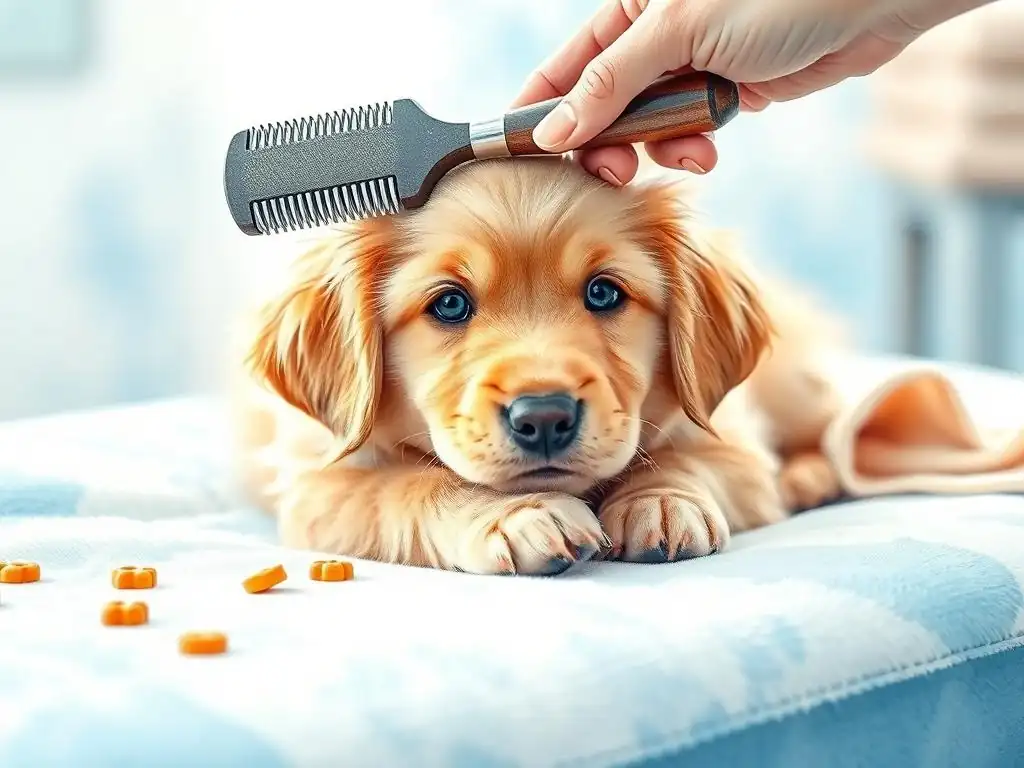
Introducing grooming to your puppy early is crucial for establishing a positive association and ensuring smooth sailing throughout their life. Many puppy grooming tips for owners focus on the mechanics, but the emotional aspect is equally vital. A frightened or stressed puppy will likely resist grooming, making the experience unpleasant for both of you. This section focuses on building a foundation of trust and comfort.
Reward-Based Training for Grooming
Reward-based training is the cornerstone of positive puppy grooming. Instead of forcing your puppy through the process, make it a game! Start with short, frequent sessions – think five to ten minutes, several times a day. Begin by simply touching your puppy all over – paws, ears, tail, belly – gently praising them and offering high-value treats like small pieces of cooked chicken or their favorite kibble. Gradually introduce grooming tools, like a soft brush or a comb, always associating them with positive reinforcement.
The key is to keep it playful and rewarding. If your puppy shows signs of stress (whining, lip licking, yawning), immediately stop and try again later. Never punish your puppy for being fearful. This will only worsen the situation. The goal is to create a positive association with grooming, not a negative one. Consistency is paramount. The more frequently you practice these short sessions, the faster your puppy will learn to associate grooming with positive experiences.
Consider using a clicker for more precise training. Click the clicker immediately before giving the treat, marking the exact behavior you want to reinforce. This helps your puppy understand exactly what action earned the reward. Remember, patience is key; some puppies may take longer than others to become comfortable.
Making Grooming Time Enjoyable for Both You and Your Puppy
Transforming grooming time from a chore into a bonding experience is essential for both you and your puppy. Think of it as a special playtime, not a task to be endured. Use a comfortable and safe space, possibly a non-slip mat to prevent your puppy from slipping during the process. Play calming music or have your puppy’s favorite toy nearby to help reduce anxiety. Consider using calming aids like pheromone diffusers or sprays, available at most pet stores, to create a relaxing atmosphere.
Remember to focus on your puppy's body language. Observe their cues. If they seem tense or uncomfortable, take a break. Positive interactions and rewards should always outweigh any potential stress. Make the experience fun! Incorporate games into the process: a quick game of fetch before and after grooming or using a puzzle feeder to keep your puppy occupied while you work on more sensitive areas. This way, your puppy will associate grooming with fun and treats, not with fear or discomfort.
Maintain a calm and reassuring demeanor. Your puppy can sense your emotions, so a relaxed and patient approach will greatly influence their behavior. Speak softly and use praise generously to build confidence and encourage cooperation. This approach works wonders for building a positive relationship with your puppy and making grooming a pleasant part of their routine. Remember, a happy puppy is a well-groomed puppy!
Long-Term Grooming Strategies for a Happy, Healthy Pet
Consistency is the magic word for long-term grooming success. Regular grooming sessions, even if short, will prevent matting, reduce shedding, and help you detect any potential skin or coat problems early on. Regular nail trims are crucial to prevent overgrown nails, which can lead to discomfort and even injury. Ear cleaning should also be a part of your routine, using a veterinarian-approved ear cleaner. Dental care is another important aspect, starting with gentle tooth brushing from a young age.
As your puppy grows, you'll gradually introduce more complex grooming techniques. This might include using different brushes, learning to trim their fur, or even introducing them to a professional groomer. However, the foundation you build early on will make these transitions much smoother. Remember to always prioritize your puppy's comfort and well-being.
If you encounter any challenges or are unsure about any aspect of grooming, always consult with a veterinarian or a professional groomer. They can provide tailored advice and guidance specific to your puppy's breed and needs, ensuring a lifetime of happy and healthy grooming experiences. Remember, these puppy grooming tips for owners are meant to guide you, but professional advice is always valuable.
Puppy Grooming FAQs and Expert Advice
This section addresses common questions and concerns regarding puppy grooming, providing practical tips and expert advice for pet owners. Remember, early socialization and positive reinforcement are key to making grooming a pleasant experience for your puppy. Consistent grooming contributes significantly to your puppy's overall health and well-being, preventing various issues and fostering a strong bond between you and your furry friend. This is crucial for establishing good "Puppy grooming tips for owners".
How often should I brush my puppy's teeth?
Dental hygiene is often overlooked, but it's a cornerstone of overall puppy health. Ideally, you should brush your puppy's teeth daily. This helps prevent plaque and tartar buildup, reducing the risk of gum disease, bad breath, and even more serious health problems later in life. Start with a puppy-specific toothbrush and toothpaste (human toothpaste is toxic to dogs!).
Make it a fun, positive experience by using gentle strokes and rewarding your puppy with treats. Even a quick 30-second brushing is beneficial. If daily brushing seems daunting, aim for at least three times a week to maintain good oral hygiene. Consider dental chews or enzymatic toothpaste as supplementary tools to support your brushing routine.
Regular veterinary checkups, including dental examinations, are also vital. These checkups allow your vet to identify and address any potential dental issues early on, preventing more extensive and costly procedures down the line. Remember, proactive dental care is an investment in your puppy's long-term health and happiness.
What are the signs of a skin allergy in puppies?
Skin allergies in puppies manifest in various ways, often causing significant discomfort. Keep a close eye out for these common symptoms: Excessive itching and scratching, leading to irritated or raw skin; Redness, swelling, or inflammation of the skin; Hair loss or patchy fur; Hot spots (areas of inflamed, infected skin); A persistent foul odor emanating from the skin; Ear infections (often a secondary issue to skin allergies). If you notice any of these signs, it's crucial to consult your veterinarian immediately.
They can help determine the underlying cause of the allergy (flea bites, food allergies, environmental allergens, etc.) and recommend an appropriate treatment plan. This might include medicated shampoos, topical creams, or even allergy shots.
Early intervention is crucial to prevent the allergy from becoming chronic and severely impacting your puppy's quality of life. Ignoring symptoms can lead to secondary infections and further complications. Remember, a healthy skin coat is a reflection of your puppy's overall health.
When should my puppy have their first professional grooming appointment?
The optimal time for a puppy's first professional grooming appointment is generally between 12 and 16 weeks of age. By this age, most puppies have completed their core vaccinations, minimizing the risk of exposure to infectious diseases in a salon environment. However, always confirm with your veterinarian that your puppy is healthy enough for a salon visit. The initial appointment is primarily about socialization and getting your puppy accustomed to the grooming process.
The groomer will gently introduce your puppy to the tools and sounds, focusing on positive reinforcement. This early introduction lays the foundation for a positive grooming experience throughout their life. This first visit usually involves a basic bath, nail trim, and a gentle brush-out.
It's an opportunity to establish a relationship with a groomer who understands your puppy's temperament and can provide tailored care. Remember, choosing a reputable groomer with experience in handling puppies is paramount to ensuring a safe and positive experience for your furry friend. A comfortable first grooming experience will set the stage for a lifetime of happy and healthy grooming appointments.
Frequently Asked Questions
When should I start grooming my puppy?
You should begin grooming your puppy from a young age, ideally around 8 weeks old, to help them get used to the process and prevent fear or anxiety later on. Start with short sessions to build positive associations.
What grooming tools do I need for my puppy?
Essential tools include a soft-bristled brush, a puppy-specific shampoo, and towels. You may also want nail clippers and ear cleaning solution, depending on your puppy's breed and needs.
How often should I bathe my puppy?
Over-bathing can dry out your puppy's skin. Aim for bathing every 4-6 weeks, or as needed if your puppy gets particularly dirty. Focus on thorough drying to prevent skin issues.
How do I safely trim my puppy's nails?
Only trim the tips of the nails, avoiding the quick (pink part). If you're unsure, ask your veterinarian or a professional groomer to demonstrate the correct technique. Use sharp, pet-specific nail clippers.
How can I make grooming a positive experience for my puppy?
Make grooming sessions short and rewarding, using treats and praise. Create a calm and comfortable environment, and always finish on a positive note. Patience and consistency are key.
Final Reflection: Nurturing a Bond Through Puppy Grooming
The early socialization and gentle handling involved in puppy grooming are not merely about aesthetics; they are foundational to a lifetime of happy, healthy interactions between you and your furry friend. This seemingly simple act profoundly impacts your dog's well-being, shaping its behavior and strengthening your bond in ways that extend far beyond a shiny coat.
The ongoing influence of positive early grooming experiences cannot be overstated. It's about more than just preventing matting or keeping your puppy clean; it's about building trust and establishing a routine that reduces stress during vet visits and other potentially anxiety-inducing situations. A well-groomed dog is a happy dog, and a happy dog is a reflection of a happy owner.
This simple truth highlights the interconnectedness of our pets' well-being and our own. The patience and care invested in those early grooming sessions pay dividends in a stronger, more trusting relationship that lasts a lifetime.
Now, consider your own puppy. Think about the gentle touch, the calming words, and the positive reinforcement you'll use during grooming sessions. Will you make these moments opportunities to build a deeper connection, turning a necessary chore into a cherished ritual? Embrace the journey of puppy grooming, not just as a task to be completed, but as a pathway to a richer, more fulfilling relationship with your beloved canine companion. The time you invest now will create a legacy of comfort, trust, and mutual affection that will enrich both your lives for years to come.
Unlock Your Puppy's Grooming Potential!
Thank you for learning about the importance of early grooming for your puppy! We hope you feel confident starting this crucial process. Ready to put your new knowledge into action?
- Begin your puppy's grooming routine today! Start with short, positive sessions focusing on gentle brushing and nail trimming. Consistency is key to success.
- Share your puppy's grooming progress with our community on PetCareWorld's social media – we'd love to see photos and offer support!
- Consider trying a new, puppy-friendly shampoo or conditioner – choose one with a scent you and your pup will love!
What grooming technique are you most excited to try with your new furry friend?