
Exotic Shorthair: The Calm Temperament and Lovable Features of This Breed Revealed

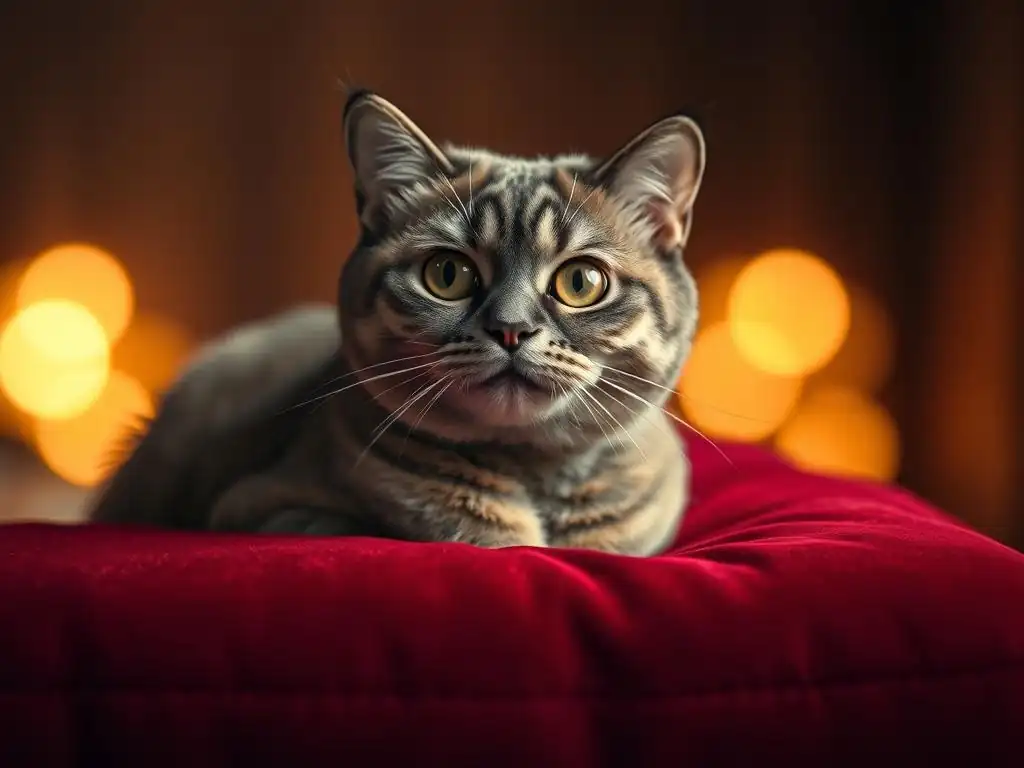
Welcome to PetCareWorld, your ultimate guide to the wonderful world of pet care! Are you curious about the captivating personality of a feline friend? Then prepare to be charmed by the Exotic Shorthair cat temperament. Discover why this breed is known for its remarkably calm and lovable nature, and unlock the secrets to understanding and cherishing this unique companion. Dive in and explore the fascinating world of Exotic Shorthairs – your perfect pet adventure awaits!
- Understanding the Exotic Shorthair Cat Temperament
- Physical Characteristics of the Exotic Shorthair Cat
- Exotic Shorthair Cat Health and Care
- Exotic Shorthair Kittens: Things to Consider
- Exotic Shorthair Cat: The Perfect Companion?
- Finding an Exotic Shorthair Cat
- Frequently Asked Questions
- Final Reflection: Unveiling the Gentle Soul of the Exotic Shorthair
- Unleash the Charm: Embrace the Exotic Shorthair
Understanding the Exotic Shorthair Cat Temperament
The Exotic Shorthair cat, often mistaken for a Persian due to its similar facial features, possesses a unique charm that extends far beyond its stunning appearance. This breed is celebrated not only for its luxurious, short coat but also for its remarkably calm and affectionate temperament. This article delves deep into the personality of the Exotic Shorthair, exploring its gentle nature, playful tendencies, and overall suitability as a companion animal.
Understanding the Exotic Shorthair's temperament is crucial for potential owners, ensuring a harmonious and fulfilling relationship with this captivating feline breed. We'll examine various aspects of their personality, providing insights into what makes them such beloved pets and addressing common questions surrounding their behavior. This comprehensive guide will equip you with the knowledge needed to determine if an Exotic Shorthair is the purrfect addition to your family.
The Exotic Shorthair's Calm and Docile Nature
The Exotic Shorthair is renowned for its remarkably calm and docile nature. Unlike some more energetic breeds, these cats tend to be laid-back and easygoing. They are often described as quiet and gentle, making them ideal companions for individuals seeking a relaxed and peaceful feline friend.
Their placid temperament translates to a generally low-maintenance lifestyle, requiring less intense playtime and activity than some other breeds. This doesn't mean they're inactive; rather, their energy is often expressed in quieter, more subtle ways, such as gentle purring or slow, deliberate exploration. Many owners describe their Exotic Shorthairs as being exceptionally tolerant, even with children or other pets in the household.
Their patient disposition contributes to their overall suitability as family pets. This inherent calmness is a defining characteristic of the breed, contributing significantly to its popularity among cat lovers seeking a more serene and less demanding companion. Anecdotal evidence from numerous cat owners consistently points to their peaceful and adaptable nature.
Affectionate and Playful: Balancing Calmness with Energy
While known for their calm demeanor, Exotic Shorthairs are not devoid of energy. They possess a playful side, although it's often expressed in a more gentle and less boisterous manner than some other breeds. They enjoy interactive play sessions, but these typically involve quieter activities such as batting at toys or chasing feather wands.
Their affection is often expressed through gentle nudges, slow blinks (a cat's way of showing love), and quiet purring. They are generally happy to cuddle and spend time close to their human companions, displaying a strong bond and attachment. This balance of calmness and playfulness is a significant part of their appeal, offering a rewarding companionship that caters to a variety of lifestyles.
The level of playfulness can vary slightly between individuals, but generally, they are not overly demanding of constant attention or vigorous playtime. Many owners find their affectionate nature to be a significant highlight of owning an Exotic Shorthair.
Exotic Shorthair Personality: A Gentle Giant?
While not physically large, the Exotic Shorthair's gentle and tolerant nature often leads to them being described as "gentle giants." Their calm temperament makes them adaptable to various living situations, including apartments or houses with other pets. Their quiet nature makes them suitable for individuals living in quieter environments, or those who prefer a less demanding pet.
However, it’s important to remember that every cat is an individual, and while the breed is generally known for its calm disposition, individual personalities can vary. Socialization from a young age is crucial in shaping a well-adjusted cat, regardless of breed. Early exposure to different people, environments, and other animals can help ensure a confident and friendly Exotic Shorthair.
While generally docile, proper training and enrichment are still important to prevent behavioral issues and ensure a happy and healthy cat. Providing appropriate toys, scratching posts, and mental stimulation can contribute to their overall well-being.
The Exotic Shorthair's calm and docile nature extends to their interactions with other pets and family members. Generally, they are incredibly adaptable creatures, making them suitable for a variety of home environments. Their laid-back personality means they're less likely to be territorial or aggressive towards other animals, especially if properly socialized from a young age. This doesn't mean that every Exotic Shorthair will be best friends with every dog or cat they meet; careful introductions are still crucial.
Introducing a new Exotic Shorthair to an existing pet requires patience and a gradual approach. Start by allowing them to smell each other under the door, then supervised short interactions in a neutral space. Positive reinforcement, using treats and praise, can help foster a positive association between the animals. Never force interaction; let the pets dictate the pace. If one pet shows signs of aggression or stress, separate them immediately and try again later. With careful management and positive reinforcement, most Exotic Shorthairs will happily coexist with other pets, enriching the household dynamic.
Their adaptability extends beyond other animals; they readily adjust to different family sizes and lifestyles. Whether it's a bustling home with children or a quieter household with adults, the Exotic Shorthair's even temperament allows them to thrive in diverse environments. However, it's important to remember that even the most adaptable cat appreciates a consistent routine. Providing a safe and comfortable space, such as a cat tree or a quiet corner, allows them to retreat when needed, ensuring they feel secure and in control of their environment.
This predictability contributes significantly to their overall well-being and harmonious integration into the family. Their relaxed nature makes them particularly suitable companions for families with older children who understand how to interact respectfully with cats. Younger children, however, may need supervision to avoid unintentionally stressing or upsetting the cat.
The key to successful socialization with both pets and humans lies in early exposure and positive reinforcement. A well-socialized Exotic Shorthair will be a confident, friendly, and adaptable companion, enriching the lives of all family members, both furry and human. Remember, patience and understanding are key to ensuring a smooth transition and a harmonious household. 😻
Physical Characteristics of the Exotic Shorthair Cat
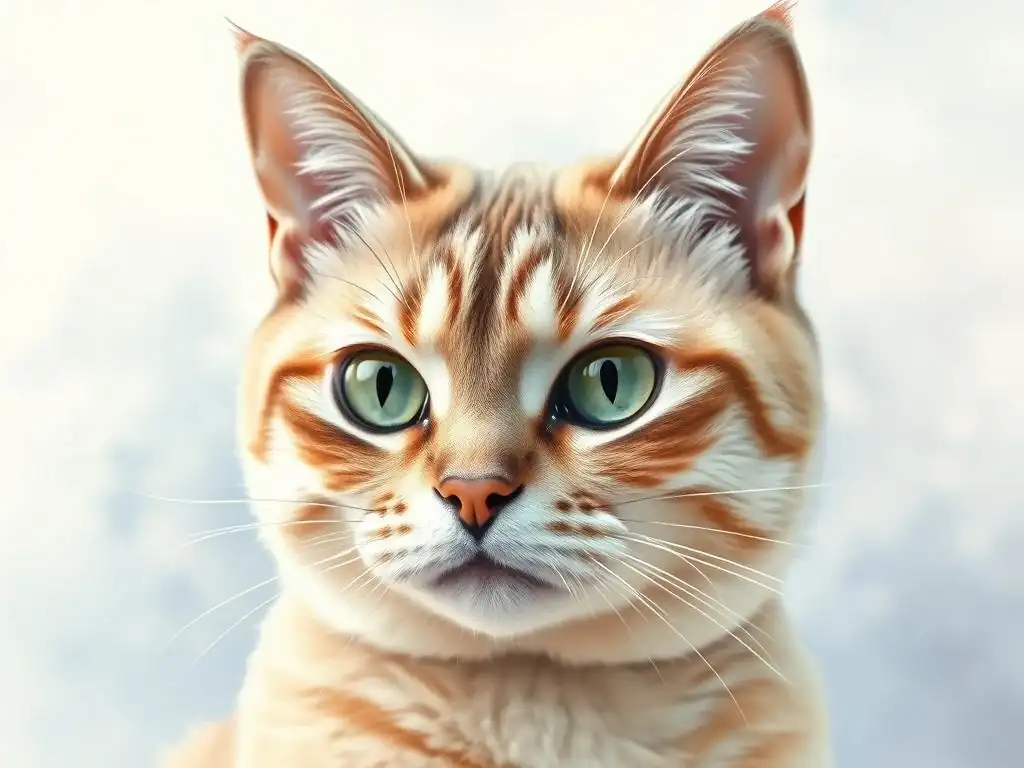
The Exotic Shorthair, a delightful breed often mistaken for a Persian, possesses a unique blend of features that contribute to its charming appearance and endearing personality. Understanding these physical characteristics is crucial for prospective owners, helping them appreciate the breed's inherent beauty and potential health considerations. This section delves into the specifics of the Exotic Shorthair's coat, facial features, and overall body structure, providing a comprehensive overview of this captivating feline.
Coat and Color Variations: A Diverse Palette
The Exotic Shorthair's coat is perhaps its most striking feature, a dense, plush, and surprisingly short coat that sets it apart from other shorthair breeds. Unlike the sleek, smooth coats of many shorthairs, the Exotic Shorthair boasts a dense undercoat giving it a soft, velvety texture. This dense coat requires regular grooming to prevent matting, particularly around the neck and behind the ears. The coat's density contributes to the breed's characteristic round appearance.
The color variations within the Exotic Shorthair breed are remarkably diverse. While many associate the breed with solid colors like silver, cream, and white, they actually come in a wide array of patterns and colors including:
- Solid colors (e.g., black, blue, red, cream, white)
- Tabby patterns (classic, mackerel, ticked)
- Bicolor patterns
- Calico and tortoiseshell patterns
The rich variety in coat color and pattern ensures that there's an Exotic Shorthair to suit every preference. Regular brushing, approximately 2-3 times a week, is recommended to maintain the coat's health and prevent matting, especially during shedding seasons. This simple grooming routine contributes significantly to the overall health and well-being of your Exotic Shorthair.
Unique Facial Features: The Persian Influence
The Exotic Shorthair's face is undeniably its most distinctive feature, reflecting its heritage from the Persian cat. The breed showcases a broad, round face with large, expressive eyes widely spaced apart. These eyes, often described as "saucer-like," can come in various colors, adding to the breed's overall charm. The short, broad muzzle is another key characteristic, contributing to the overall roundness of the head.
The short nose and wide-set eyes are not just aesthetically pleasing; they also contribute to the breed's overall health. However, this facial structure can predispose the breed to certain health issues, such as brachycephalic obstructive airway syndrome (BOAS). Responsible breeders carefully screen their breeding cats to minimize the risk of such conditions. Prospective owners should be aware of these potential health concerns and choose reputable breeders who prioritize the health and well-being of their cats. Careful attention to their breathing and overall respiratory health is crucial.
Body Structure and Size: A Compact and Sturdy Build
The Exotic Shorthair boasts a cobby, or compact, body type. They are medium-sized cats, typically weighing between 8 and 11 pounds. Their bodies are sturdy and muscular, giving them a well-proportioned appearance. They are not overly large or excessively small, maintaining a balance between robustness and elegance. Their short, thick legs further contribute to their sturdy build.
This compact build contributes to their overall calm and relaxed demeanor. The Exotic Shorthair is not known for its energetic, playful antics; instead, it tends towards a more laid-back and affectionate disposition. This makes them ideal companions for individuals seeking a low-maintenance, yet loving, feline friend. Their sturdy build also makes them relatively resistant to injury, although, like all cats, they should be protected from potential hazards. The overall robust health of the breed, when bred responsibly, contributes to a longer lifespan and a higher quality of life for these delightful companions.
Grooming Needs: Maintaining that Luxurious Coat
The Exotic Shorthair's dense, plush coat, while undeniably charming, requires regular grooming to prevent matting and keep it looking its best. Unlike some longhaired breeds, the Exotic Shorthair's coat doesn't require daily brushing, but weekly sessions are highly recommended. This helps remove dead hair, distributes natural oils, and prevents the formation of mats, particularly around the neck and behind the ears where the fur tends to be thicker. Using a firm-bristled brush or a grooming glove is ideal for this breed. Gentle, methodical strokes are key; aggressive brushing can irritate the cat's skin.
Beyond weekly brushing, occasional baths might be necessary, especially if your Exotic Shorthair enjoys outdoor adventures or gets particularly messy. However, over-bathing can strip the coat of its natural oils, leading to dryness and irritation. Aim for a bath every few months, or as needed, using a cat-specific shampoo designed for sensitive skin. Always thoroughly rinse all shampoo residue to prevent skin irritation. After bathing, gently towel-dry your cat or allow them to air dry in a warm, draft-free area.
Regular nail trimming is another crucial aspect of Exotic Shorthair grooming. Overgrown nails can cause discomfort, interfere with walking, and even lead to injuries. Trim your cat's nails every few weeks, using appropriate cat nail clippers. Be cautious not to cut into the quick (the pink part of the nail containing nerves and blood vessels), as this can be painful and cause bleeding. If you're unsure how to trim your cat's nails, consult a veterinarian or a professional groomer for guidance. Regular nail maintenance will also help prevent scratching damage to furniture.
Finally, don't forget regular ear cleaning. Use a cat-specific ear cleaner and a cotton ball or soft cloth to gently wipe the inside of the ear, removing any visible dirt or wax. Avoid using cotton swabs, as these can push debris further into the ear canal. If you notice any unusual discharge, redness, or odor in your cat's ears, consult your veterinarian immediately, as this could indicate an infection.
Consistent grooming practices will contribute significantly to your Exotic Shorthair's overall health and well-being, ensuring their luxurious coat remains healthy and beautiful. Remember, a happy, well-groomed cat is a healthy cat! 😻
Exotic Shorthair Cat Health and Care
The Exotic Shorthair, with its charmingly round face and plush coat, requires attentive care to maintain its health and well-being. Understanding their predispositions to certain health issues and providing proper nutrition and enrichment are crucial for a long and happy life with your feline companion. This section delves into the key aspects of Exotic Shorthair health and care, focusing on preventative measures and proactive approaches to ensuring your cat thrives.
Proper care is paramount for maintaining the vibrant and playful nature of this beloved breed. Remember, preventative care is significantly more cost-effective and less stressful than dealing with health problems later on.
Common Health Concerns in Exotic Shorthairs
Exotic Shorthairs, due to their brachycephalic (short-nosed) features, share some health concerns with other similar breeds like Persians. These concerns often stem from their facial structure and genetic predispositions. Some common issues include:
- Polycystic kidney disease (PKD): This inherited condition affects the kidneys and can lead to kidney failure. Regular veterinary checkups, including blood work, are crucial for early detection. Early diagnosis allows for management strategies to prolong the cat's life and quality of life.
- Hypertrophic cardiomyopathy (HCM): This is a thickening of the heart muscle, potentially leading to heart failure. Regular veterinary checkups and echocardiograms can help detect HCM early. While there's no cure, management can help extend the cat's lifespan.
- Respiratory problems: Their short noses can lead to breathing difficulties, especially in hot or humid weather. Keeping your Exotic Shorthair in a cool environment and monitoring their breathing are essential. Signs of respiratory distress, such as labored breathing or excessive panting, should be addressed immediately by a veterinarian.
- Eye problems: Their flat faces can sometimes result in increased tear production and eye infections. Regular cleaning of the eyes with a veterinarian-approved solution can help prevent these issues. Early intervention is key to preventing more serious complications.
- Dental issues: Like many cats, Exotic Shorthairs are prone to dental problems. Regular dental care, including brushing and professional cleanings, is vital. Poor dental hygiene can lead to serious health problems and discomfort for your cat.
The table below summarizes these common health concerns:
| Health Concern | Description | Prevention/Management |
|---|---|---|
| Polycystic Kidney Disease (PKD) | Inherited kidney disease | Regular veterinary checkups, blood work |
| Hypertrophic Cardiomyopathy (HCM) | Thickening of the heart muscle | Regular veterinary checkups, echocardiograms |
| Respiratory Problems | Breathing difficulties due to brachycephalic features | Cool environment, monitor breathing, immediate vet attention if needed |
| Eye Problems | Increased tear production, eye infections | Regular eye cleaning with vet-approved solution |
| Dental Issues | Tooth decay, gum disease | Regular brushing, professional dental cleanings |
Remember, proactive veterinary care is your best defense against these potential health issues. Regular checkups and early detection significantly improve the chances of successful management and a longer, healthier life for your Exotic Shorthair.
Nutritional Requirements: A Balanced Diet for a Healthy Exotic Shorthair
Providing your Exotic Shorthair with a balanced and nutritious diet is fundamental to its overall health and well-being. Their dietary needs are similar to other cats, but careful consideration of certain aspects is crucial. A high-quality, commercially available cat food that meets the Association of American Feed Control Officials (AAFCO) standards is a good starting point. Look for food specifically formulated for adult cats, and consider factors like age, activity level, and any pre-existing health conditions when making your selection.
Choosing between dry and wet food depends on your cat's preferences and any specific dietary needs. Wet food often has a higher moisture content, which can be beneficial for hydration, especially for cats prone to urinary tract issues. However, dry food can help maintain dental health by assisting in plaque removal. A balanced combination of both might be ideal.
Avoid feeding your Exotic Shorthair table scraps, as many human foods are toxic to cats. Chocolate, onions, garlic, grapes, and raisins are particularly dangerous. Always check the ingredient list of any treats you give your cat to ensure they are safe and appropriate. Overfeeding can lead to obesity, which can exacerbate existing health problems. Monitor your cat's weight and adjust food portions accordingly. Consult your veterinarian for personalized dietary advice, especially if your cat has specific health concerns. A healthy weight is crucial for a happy and energetic Exotic Shorthair.
Exercise and Enrichment: Keeping Your Cat Active and Engaged
While known for their calm temperament, Exotic Shorthairs still require regular exercise and mental stimulation to prevent boredom and maintain a healthy weight. Although they may not be as energetic as some other breeds, they still need opportunities for play and exploration.
Interactive play sessions using toys like feather wands, laser pointers (used responsibly to avoid frustration), and puzzle toys are excellent ways to engage your cat physically and mentally. These activities not only provide exercise but also strengthen the bond between you and your pet. A variety of toys keeps things interesting and prevents your cat from becoming bored with the same old routine.
Providing vertical space, such as cat trees or shelves, allows your Exotic Shorthair to climb and explore, mimicking their natural instincts. This also helps prevent obesity and provides a safe space for rest and observation. Scratching posts are also essential for satisfying their natural scratching urges, protecting your furniture, and promoting healthy claws.
Enrichment activities, such as puzzle feeders that dispense treats, offer mental stimulation and prevent boredom. These activities can also help to reduce stress and anxiety. Rotating toys and providing new challenges ensures that your cat remains engaged and stimulated, contributing to their overall well-being. A happy and enriched Exotic Shorthair is a healthy and content companion. Remember, even small amounts of daily interaction and play can make a big difference.
Veterinary Care: Regular Check-ups and Preventative Measures
Regular veterinary check-ups are crucial for maintaining the health and well-being of your Exotic Shorthair cat. These visits shouldn't be limited to instances of illness; preventative care is key to catching potential problems early. A yearly comprehensive examination allows your veterinarian to assess your cat's overall health, monitor weight, check for any lumps or bumps, and evaluate their dental health. Early detection of issues like kidney disease, hyperthyroidism, or dental problems can significantly improve treatment outcomes and your cat's quality of life. Remember, many diseases are asymptomatic in their early stages, making regular check-ups indispensable.
Beyond annual check-ups, consider the importance of preventative measures. Vaccinations protect your Exotic Shorthair from common feline illnesses such as feline leukemia virus (FeLV) and feline infectious peritonitis (FIP). These vaccinations, administered by your veterinarian, significantly reduce the risk of contracting these potentially fatal diseases. Furthermore, parasite prevention is essential.
Regular flea and tick treatments, as well as deworming, are vital steps in protecting your cat from external and internal parasites that can cause discomfort, illness, and even death. Your vet can recommend the most appropriate preventative medications based on your cat's individual needs and your geographic location. Discuss the various options available and choose a plan that best suits your Exotic Shorthair's lifestyle and your family's budget. Remember, a proactive approach to veterinary care is an investment in your cat's long-term health and happiness.
A healthy Exotic Shorthair is a happy Exotic Shorthair, and regular vet visits are a cornerstone of that happiness. Don't hesitate to contact your veterinarian if you notice any changes in your cat's behavior, appetite, or elimination habits, even if it falls outside of your scheduled check-up. Early intervention is often the key to successful treatment.
Exotic Shorthair Kittens: Things to Consider
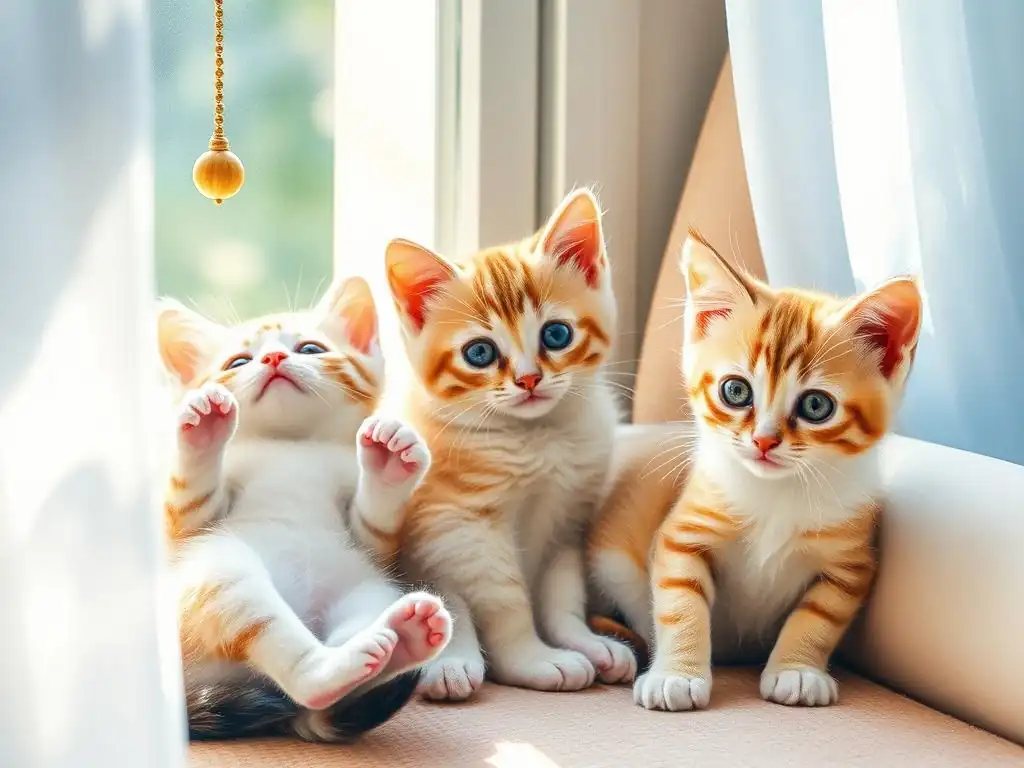
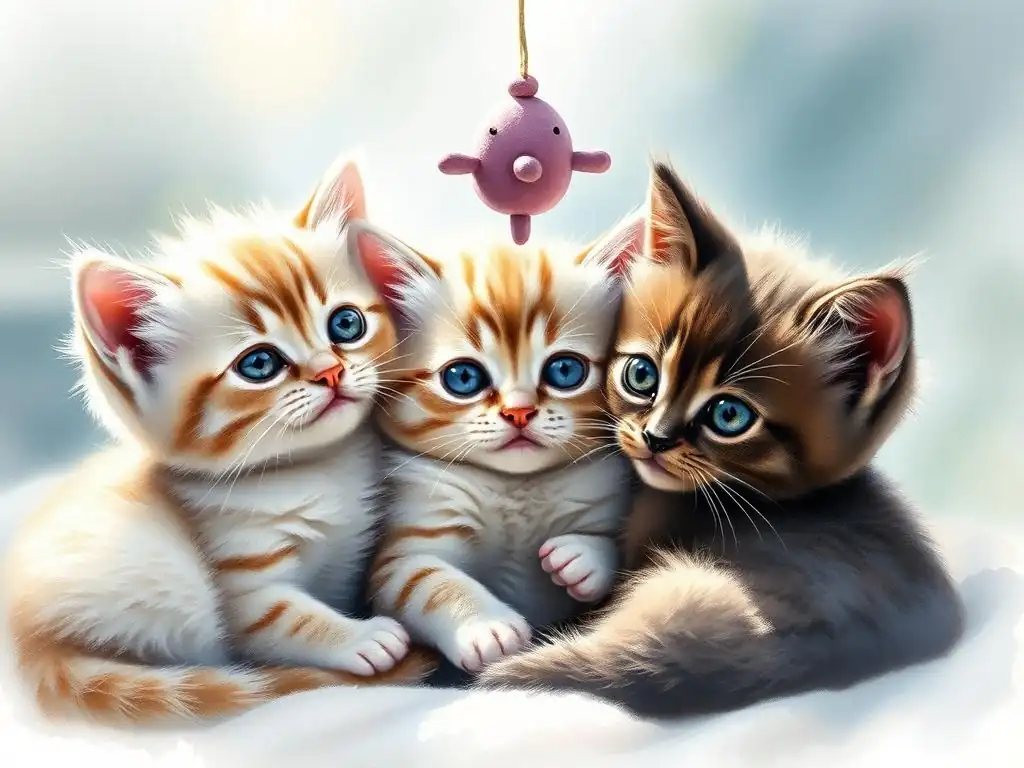
Bringing an Exotic Shorthair kitten into your home is a rewarding experience, but it's crucial to understand the responsibilities involved. These charming felines, known for their sweet Exotic shorthair cat temperament, require careful consideration before you welcome one into your family. This section will guide you through the essential steps to ensure a smooth transition and a happy, healthy life for your new companion. The unique needs of this breed demand a proactive approach to kitten care, focusing on responsible breeding, early socialization, and a well-prepared home environment.
Choosing a Responsible Breeder: Ensuring a Healthy Start
Selecting a responsible breeder is paramount for obtaining a healthy and well-adjusted Exotic Shorthair kitten. A reputable breeder prioritizes the well-being of their cats, conducting health screenings, providing proper socialization, and carefully matching kittens with suitable homes. Avoid breeders who prioritize profit over the health and temperament of their animals. Look for breeders who:
- Are knowledgeable about the breed standard and its inherent characteristics, including the typical Exotic shorthair cat temperament.
- Can provide documentation of health testing for genetic conditions common in the breed (e.g., polycystic kidney disease).
- Allow you to meet the parents and see the kittens interacting in a clean and comfortable environment.
- Are transparent about their breeding practices and are willing to answer your questions thoroughly.
- Offer a health guarantee and are available for support after you bring your kitten home.
Choosing a responsible breeder significantly reduces the risk of inheriting health problems and behavioral issues, setting the stage for a happy and healthy cat. Remember, the initial investment in a healthy kitten from a reputable source pays dividends in reduced veterinary bills and a well-adjusted pet. A healthy start is crucial for a positive Exotic shorthair cat temperament throughout its life.
Proper socialization during the kitten's critical development period (typically between 2 and 7 weeks of age) is vital for shaping a well-adjusted adult cat. An Exotic Shorthair's calm demeanor is, in part, a result of careful socialization. This involves exposing the kitten to a variety of sights, sounds, smells, and experiences in a safe and controlled manner. This includes:
- Gentle handling by different people, including children and adults.
- Exposure to other animals, if appropriate (under supervision).
- Introduction to household noises (vacuum cleaner, doorbell, etc. ).
- Positive reinforcement training using treats and praise.
Early training establishes a positive relationship between you and your kitten, enhancing its Exotic shorthair cat temperament. This foundation is essential for a well-behaved cat that is comfortable in various situations. A well-socialized kitten is more likely to be confident, adaptable, and friendly, creating a stronger bond with its human companions. Ignoring socialization can lead to fearfulness, aggression, or other behavioral problems later in life.
Preparing Your Home for a New Kitten: Creating a Safe and Stimulating Environment
Before your Exotic Shorthair kitten arrives, prepare your home to create a safe, stimulating, and enriching environment. This minimizes stress and allows your kitten to adjust more easily. This includes:
- Creating a dedicated safe space: A comfortable, enclosed area such as a cat bed or a small room where your kitten can retreat when feeling overwhelmed.
- Kitten-proofing your home: Securing any potential hazards, such as electrical cords, toxic substances, and small objects that could be swallowed.
- Providing appropriate resources: Food and water bowls, a litter box (with unscented litter), scratching posts, and plenty of toys for play and exploration.
- Introducing your kitten gradually to other pets in your household, ensuring a controlled and supervised interaction.
A well-prepared environment reduces stress and allows your kitten to explore its new home at its own pace. This careful preparation fosters a sense of security and contributes to a positive Exotic shorthair cat temperament from the outset. Remember, a happy and secure environment is key to raising a well-adjusted and loving Exotic Shorthair companion. 😻
Exotic Shorthair Cat: The Perfect Companion?
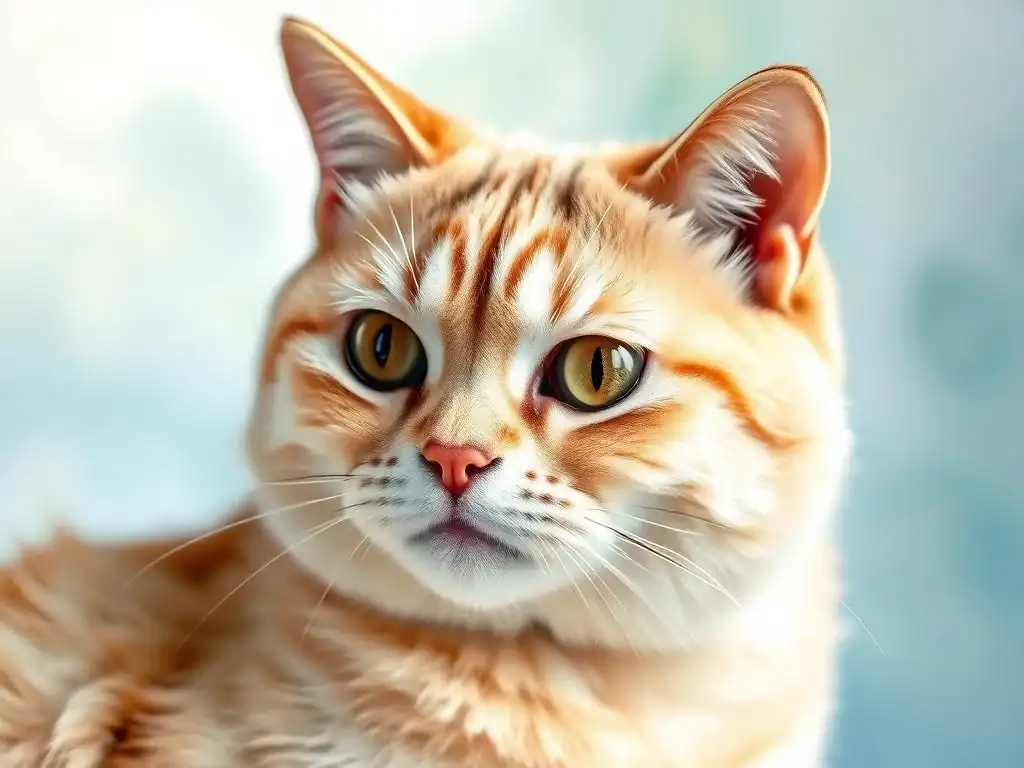
The Exotic Shorthair, often affectionately called an "Exotics," is a captivating breed known for its sweet disposition and striking resemblance to the Persian cat. Understanding their temperament is crucial for potential owners. This breed isn't just about looks; their calm and gentle nature contributes significantly to their popularity as beloved companions. The "Exotic shorthair cat temperament" is characterized by a quiet, docile personality, making them suitable for a variety of lifestyles.
However, like any breed, individual personalities can vary. Some might be more playful than others, while some might prefer a quieter existence. This section will delve deeper into the nuances of their personalities, helping you determine if an Exotic Shorthair is the right fit for your home.
Comparing the Exotic Shorthair to Similar Breeds
The Exotic Shorthair's temperament is often compared to its close relative, the Persian. While both breeds share a similar physical appearance—a round face, short muzzle, and large, expressive eyes—their temperaments present subtle differences. Persian cats, while also generally docile, can sometimes be more aloof and independent. Exotic Shorthairs, on the other hand, tend to be more outgoing and affectionate, often seeking out human interaction.
Here's a comparison table highlighting key differences:
| Feature | Persian Cat | Exotic Shorthair Cat |
|---|---|---|
| Temperament | More reserved, independent | Affectionate, playful, sociable |
| Activity Level | Lower | Moderately active |
| Grooming Needs | High | Moderate |
| Vocalization | Relatively quiet | Moderately vocal |
The American Shorthair is another breed often compared to the Exotic Shorthair. While both are relatively low-maintenance, the American Shorthair tends to be more energetic and playful than the Exotic Shorthair. The American Shorthair's temperament is described as friendly and adaptable, but they possess a more independent streak compared to the Exotics' more cuddly nature. Choosing between these breeds depends heavily on your lifestyle and desired level of interaction with your feline companion.
Is an Exotic Shorthair Right for You? Considering Your Lifestyle and Preferences
Deciding whether an Exotic Shorthair aligns with your lifestyle requires careful consideration. Their relatively low-maintenance grooming needs make them suitable for busy individuals or families. However, they still require daily attention and interaction to thrive. An Exotic Shorthair's quiet nature makes them ideal for apartment living, provided they receive adequate playtime and enrichment.
Consider these questions:
- Do you have enough time for daily interaction and playtime?
- Are you prepared for the moderate grooming requirements?
- Do you have a quiet or active household?
- Do you have children or other pets? (Exotics generally do well with children and other pets, but proper introductions are crucial.)
- Are you prepared for potential veterinary expenses? (Like all pets, Exotic Shorthairs can be prone to certain health issues.)
Answering these questions honestly will help you determine if an Exotic Shorthair's "Exotic shorthair cat temperament" is compatible with your lifestyle and expectations. Remember, adopting a pet is a long-term commitment requiring responsibility and dedication.
Living with an Exotic Shorthair: A Rewarding Experience
Living with an Exotic Shorthair is often described as a rewarding experience. Their gentle and affectionate nature makes them wonderful companions for individuals of all ages. Their quiet demeanor makes them ideal for those seeking a calmer, more relaxed pet. Their playful side, while not as boisterous as some other breeds, ensures plenty of entertaining moments.
However, it's essential to provide them with proper enrichment to prevent boredom and behavioral issues. This can include interactive toys, scratching posts, and plenty of opportunities for exploration and play. Regular grooming is also crucial to maintain their coat's health and prevent matting. Providing a safe and stimulating environment will ensure your Exotic Shorthair thrives and becomes a cherished member of your family.
The bond you form with your Exotic Shorthair will be characterized by mutual affection and a peaceful coexistence, making them a truly delightful addition to any home. Remember, responsible pet ownership is key to ensuring a happy and healthy life for your feline friend. 😻
Finding an Exotic Shorthair Cat
Finding a healthy and well-adjusted Exotic Shorthair cat requires careful planning and research. The temperament of this breed, known for its calm and affectionate nature, is a significant factor to consider throughout the adoption process. Remember, a well-socialized Exotic Shorthair kitten will exhibit a playful yet gentle disposition, readily approaching humans and enjoying interaction. Conversely, a cat with a negative experience may show signs of fear or aggression. Therefore, understanding where to find these cats and how to assess their well-being is crucial.
Adopting an Exotic Shorthair: Giving a Loving Home to a Rescue Cat
Many Exotic Shorthairs find themselves in need of loving homes through no fault of their own. Rescuing an Exotic Shorthair is a rewarding experience, offering a second chance to a deserving cat. Rescue organizations often have detailed profiles of their cats, including information on their temperament and history, allowing potential adopters to make informed choices.
Before adopting, it's crucial to assess your lifestyle and living situation to ensure you can provide the appropriate care and attention. Consider factors such as your living space, your activity level, and your experience with cats. A calm and quiet home environment is ideal for an Exotic Shorthair, allowing them to thrive in their characteristically relaxed demeanor.
Many rescues conduct thorough screening processes to ensure a good match between the cat and the adopter, focusing on the unique needs of the Exotic Shorthair breed and its specific temperament requirements. Remember, adopting a rescue cat can be a truly fulfilling experience, offering a loving home to a deserving pet and contributing to a vital cause. Adopting an Exotic Shorthair from a rescue organization is a fantastic way to give a loving home to a cat in need while experiencing the joy of this affectionate breed.
Finding Reputable Breeders: Resources and Tips for Finding a Healthy Kitten
If you're looking to acquire an Exotic Shorthair kitten from a breeder, thorough research is essential to ensure you're selecting a reputable source. Reputable breeders prioritize the health and well-being of their cats, conducting genetic testing and health screenings to minimize the risk of inherited diseases. They'll also be knowledgeable about the breed standard and the typical Exotic Shorthair cat temperament, being able to provide insights into the individual personalities of their kittens. Look for breeders who are transparent about their breeding practices, allowing you to visit their cattery and meet the parents of the kittens.
A good breeder will be happy to answer your questions and provide references. Avoid breeders who prioritize profit over the welfare of their animals. Red flags include breeders who are unwilling to provide health information, those who sell kittens online without meeting potential adopters, and those with unsanitary or overcrowded catteries. The health and temperament of the kitten are paramount.
A healthy kitten will be playful, alert, and have a shiny coat. Choosing a reputable breeder significantly increases the chances of acquiring a healthy and well-adjusted Exotic Shorthair with the characteristic calm and affectionate temperament of the breed. Remember, investing time in finding the right breeder is an investment in your future companion's well-being and happiness.
Preparing for the Arrival of Your New Pet: Essential Supplies and Preparations
Bringing a new Exotic Shorthair cat into your home requires careful preparation. Before your new companion arrives, ensure you have all the necessary supplies. This includes a comfortable bed, food and water bowls, a litter box with appropriate litter, scratching posts, and interactive toys. Consider purchasing a carrier for safe transport and vet visits. Cat trees can provide vertical space and opportunities for climbing and play, enriching the environment for your new pet.
Familiarizing yourself with the cat's needs beforehand, such as the type of food they are used to and their litter preferences, will ease the transition. Creating a quiet, safe space for your cat, such as a spare room or a designated area, can help them adjust to their new surroundings. This safe space should include their bed, food and water, and litter box. The Exotic Shorthair's calm temperament can be supported by a structured and predictable environment.
A gradual introduction to other pets in the household is crucial, allowing for a slow and positive acclimation process. Remember, patience and a calm approach are essential during the initial adjustment period. Providing a safe, stimulating, and loving environment will help your Exotic Shorthair thrive and develop its characteristically affectionate and calm temperament. 😻
Frequently Asked Questions
What is the typical temperament of an Exotic Shorthair cat?
Exotic Shorthairs are known for their calm and docile personalities. They are often described as affectionate and gentle, making them wonderful companions for many people. They are generally easy-going and adaptable.
Are Exotic Shorthairs good with children and other pets?
Generally, yes. Their laid-back nature makes them tolerant of children and other animals. However, early socialization is crucial for a positive interaction with everyone in the household.
How active is the typical Exotic Shorthair?
Exotic Shorthairs have a moderate activity level. While they enjoy playtime, they are also content to relax and cuddle. They are not known for being overly demanding of attention or prone to excessive energy.
Do Exotic Shorthairs require a lot of grooming?
Their short coat requires minimal grooming. Regular brushing a few times a week is usually sufficient to prevent mats and keep their coat healthy. Occasional baths might be needed, depending on the cat's lifestyle.
Are Exotic Shorthairs prone to any specific health problems?
Like many breeds, Exotic Shorthairs can be prone to certain health issues, including polycystic kidney disease (PKD) and hypertrophic cardiomyopathy (HCM). Reputable breeders screen their cats for these conditions.
Final Reflection: Unveiling the Gentle Soul of the Exotic Shorthair
The Exotic Shorthair's calm demeanor and affectionate nature are not merely charming traits; they represent a powerful testament to the enduring bond between humans and animals. Their gentle spirit offers a soothing balm in our increasingly fast-paced world, reminding us of the simple joys found in companionship and quiet moments. This breed's popularity continues to grow, a clear indication of their ability to enrich our lives.
The Exotic Shorthair's influence extends beyond the simple pleasure of pet ownership; they embody a deeper connection to the natural world and the importance of responsible breeding. Their placid temperament, a result of careful selective breeding, speaks volumes about the power of human intervention to shape animal characteristics for the better. The best mirror is an old friend.
This quote, while not directly about cats, perfectly encapsulates the unwavering loyalty and companionship offered by these remarkable creatures, reflecting back to us our own best qualities. Their quiet presence offers a constant source of comfort and unconditional love.
Consider the gentle purr of your Exotic Shorthair, the soft brush of their fur against your hand. Embrace the opportunity to experience the unique joy this breed offers. Let their calm temperament inspire you to find moments of peace in your own life, to appreciate the simple pleasures, and to connect with the quiet strength found in the companionship of a loving animal. Open your heart and home to the possibility of sharing your life with an Exotic Shorthair; you might just discover a lifelong friend.
Unleash the Charm: Embrace the Exotic Shorthair
Thank you for exploring the world of Exotic Shorthairs with us! We hope you've discovered the unique charm and gentle nature of this captivating breed. Ready to learn more?
- Find your purrfect companion: Begin your search for reputable Exotic Shorthair breeders in your area. Consider factors such as temperament and health testing.
- Spread the word: Share your enthusiasm for Exotic Shorthairs with friends and family—they might discover their new best friend!
- Join our community: Share photos of your Exotic Shorthair (if you're already an owner! ), or ask any questions you may have about this wonderful breed in the comments below.
Now, tell us: What do you find most appealing about the Exotic Shorthair, and why?