
Understanding Pet Grooming Shears: Precision Cuts for a Perfect Look

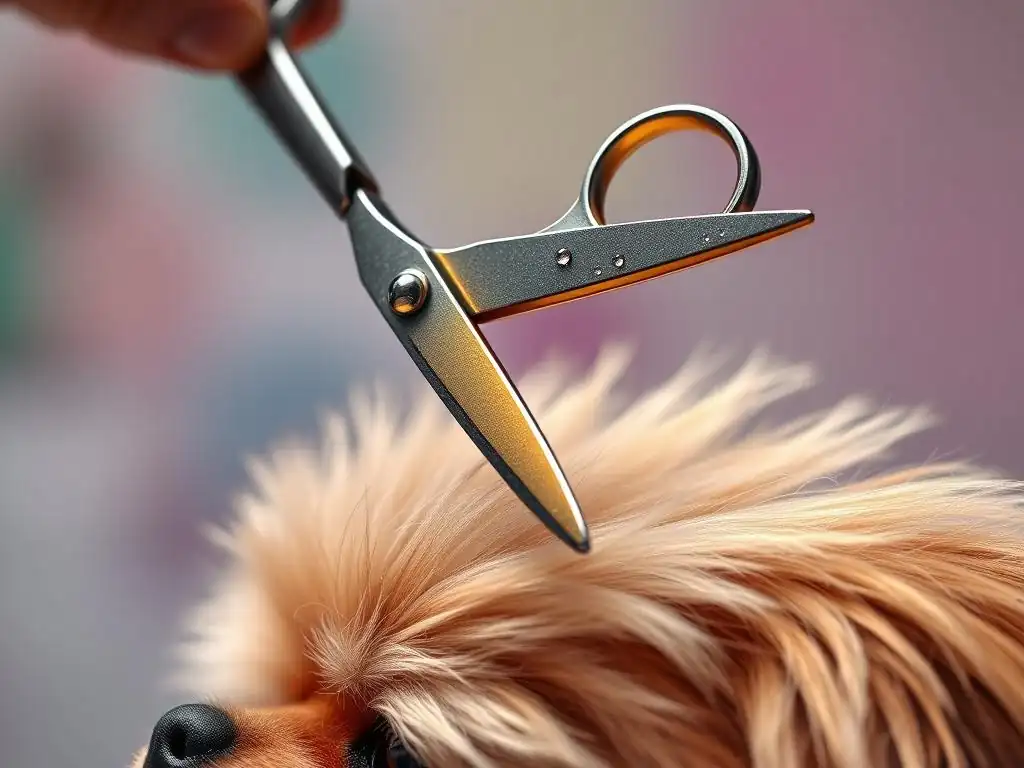
Welcome to PetCareWorld, your ultimate guide to a happier, healthier life for your beloved companion! Are you ready to elevate your pet's grooming game? Then discover the secrets to achieving perfect results with our comprehensive Best Pet Grooming Shears Guide. Inside, you'll find expert recommendations and insightful tips to help you choose the ideal shears for your pet's unique needs. Dive in and unlock the precision you need for a truly stunning look!
- Choosing the Best Pet Grooming Shears: A Comprehensive Guide
- How to Use Pet Grooming Shears Effectively
- Maintaining and Caring for Your Pet Grooming Shears
-
Frequently Asked Questions
- What makes a pair of pet grooming shears superior to regular scissors?
- What types of pet grooming shears are available?
- How do I maintain my pet grooming shears to extend their lifespan?
- Where can I find the best pet grooming shears?
- Are there any safety precautions I should take when using pet grooming shears?
- Final Reflection: The Art and Science of Pet Grooming Shears
- Unlock Your Pet's Inner Supermodel: Master Grooming at Home!
Choosing the Best Pet Grooming Shears: A Comprehensive Guide
Pet grooming is an essential aspect of responsible pet ownership, contributing significantly to your pet's overall health and well-being. A crucial tool in achieving a perfect groom is a high-quality pair of pet grooming shears. This comprehensive guide will delve into the nuances of selecting the best pet grooming shears, empowering you to make informed decisions and achieve professional-looking results at home.
We'll explore various shear types, essential features, and factors to consider when making your purchase, ensuring you find the perfect tools for your pet's unique needs and your grooming style. This guide aims to be your ultimate resource for finding the best pet grooming shears, helping you confidently navigate the market and achieve the perfect look for your furry friend.
We'll cover everything from blade material to ergonomic design, providing you with the knowledge to choose the shears that best suit both you and your pet. Consider this your definitive "Best pet grooming shears guide."
Understanding Different Types of Pet Grooming Shears
The world of pet grooming shears offers a diverse range of options, each designed for specific tasks and grooming styles. Understanding these differences is crucial for selecting the right tools for your needs. Choosing the wrong shears can lead to inefficient grooming, potential injury to your pet, and ultimately, unsatisfactory results. Let's explore the most common types:
Straight Shears for Precise Cuts
Straight shears are the workhorse of pet grooming. Their straight blades allow for precise cuts and clean lines, making them ideal for creating sharp, defined styles. They are versatile and suitable for various coat types and lengths. These shears are essential for creating clean lines around the face, paws, and body. Many groomers consider straight shears the foundation of their grooming kit. The sharpness of the blades is paramount for a clean cut and to avoid pulling or tugging on the pet's fur.
Thinning Shears for Blending and Texturizing
Unlike straight shears, thinning shears have teeth along one or both blades. These teeth remove only a portion of the hair with each cut, creating a more blended and textured look. They are perfect for softening harsh lines, blending different coat lengths, and reducing bulk without significantly shortening the overall length. Thinning shears are particularly useful for creating a natural, less structured look, and are especially valuable for pets with thicker coats.
Curved Shears for Detail Work and Shaping
Curved shears, also known as curved scissors, are specifically designed for detail work and shaping. Their curved blades allow for greater control and precision, making them ideal for trimming around the eyes, ears, and other delicate areas. The curved design allows for a more natural flow of the cut, making it easier to follow the contours of your pet's body. This is particularly useful for sculpting and shaping styles that require more intricate detailing.
Left-Handed Pet Grooming Shears: Considerations for Southpaws
Left-handed individuals often find that standard right-handed shears are uncomfortable and inefficient to use. Specifically designed left-handed pet grooming shears are available, offering the same precision and quality as right-handed versions but with a reversed blade orientation for optimal comfort and control. Choosing left-handed shears significantly improves the grooming experience for southpaws, resulting in greater precision and reduced fatigue.
Essential Features of High-Quality Pet Grooming Shears
Investing in high-quality pet grooming shears is an investment in your pet's comfort and the longevity of your grooming tools. Several key features distinguish high-quality shears from inferior ones. Paying attention to these details ensures you select shears that are durable, comfortable, and safe to use.
Blade Material: Stainless Steel vs. Ceramic
The blade material is a critical factor affecting the shear's sharpness, durability, and overall performance. Stainless steel blades are a popular choice due to their durability and resistance to corrosion. Ceramic blades, on the other hand, are known for their exceptional sharpness and smooth cutting action, minimizing pulling and snagging. Both materials offer excellent performance; the choice often comes down to personal preference and budget.
Blade Length and Size: Selecting the Right Tool for the Job
Different blade lengths are suitable for various grooming tasks. Smaller blades are ideal for detail work and trimming delicate areas, while longer blades are better suited for larger areas and quicker cuts. Consider the size and breed of your pet when choosing the appropriate blade length. A larger pet might require longer blades for efficient grooming, while a smaller pet might benefit from smaller blades for greater control.
Ergonomic Handles for Comfortable Grooming
Ergonomic handles are designed to fit comfortably in your hand, reducing fatigue during extended grooming sessions. Features like finger rests, cushioned grips, and balanced weight distribution contribute to a more comfortable and controlled grooming experience. Choosing shears with ergonomic handles is crucial for preventing hand strain and ensuring a smooth grooming process.
Safety Features: Preventing Accidental Cuts
Safety features are paramount when working with sharp instruments around pets. Rounded tips, for instance, help prevent accidental scratches or cuts. Some shears also incorporate safety mechanisms to prevent accidental closure. Prioritizing safety features protects both you and your pet during the grooming process, ensuring a safe and enjoyable experience for everyone involved.
How to Use Pet Grooming Shears Effectively
This section delves into the practical application of pet grooming shears, providing a step-by-step guide to achieve safe and effective grooming. Mastering the use of these tools is crucial for maintaining your pet's hygiene and overall well-being, contributing to their happiness and health. This guide focuses on achieving precision cuts for a perfect look, making your pet feel and look their best. Remember, patience and gentle handling are key to a successful grooming session.
Preparing Your Pet for Grooming
Before you even pick up the shears, proper preparation is paramount. A stressed or anxious pet is more likely to move unexpectedly, leading to accidental cuts. This phase sets the stage for a smooth and safe grooming experience.
A calm and relaxed pet is essential for a successful grooming session. Start by creating a comfortable and familiar environment. Use positive reinforcement techniques, such as treats and praise, to associate grooming with positive experiences. Ensure your workspace is well-lit and has all necessary tools within easy reach to avoid interruptions. Consider playing calming music to further reduce anxiety. If your pet is particularly anxious, consult with a veterinarian or professional groomer for advice on managing their anxiety.
Brushing and Detangling the Coat
Thorough brushing before using shears is crucial, especially for pets with long or matted coats. Brushing removes loose hair, dirt, and debris, preventing these from interfering with the shears and potentially causing damage to the coat. It also helps to identify any mats or tangles that need to be carefully addressed before trimming. Using the appropriate brush for your pet's coat type is essential. For example, a slicker brush is ideal for removing mats from long-haired breeds, while a bristle brush is suitable for short-haired breeds. Consistent brushing will contribute to a healthier, shinier coat and easier grooming sessions.
Proper Restraint Techniques for Safe Grooming
Safe restraint is crucial to prevent accidental injury to both you and your pet. Avoid using force; instead, opt for gentle but firm control. For smaller pets, you can use a grooming table or even your lap. Larger pets might require a harness or a gentle hold. Always maintain eye contact and speak calmly to reassure your pet throughout the process. If your pet becomes agitated, take a break and resume later. Remember, safety should always be your top priority. Improper restraint can lead to accidents and injuries.
Techniques for Different Coat Types
The approach to grooming varies significantly depending on your pet's coat type. Understanding the nuances of different coats is essential for achieving a polished and healthy look while avoiding damage to the fur. Different shears may also be better suited to different coat types.
Grooming Long-Haired Pets
Long-haired pets require more frequent grooming to prevent matting and tangles. Use thinning shears to remove bulk and reduce matting. Work in small sections, holding the coat taut to avoid cutting the skin. Pay close attention to areas prone to matting, such as behind the ears and under the legs. Regular brushing is crucial for maintaining a healthy and manageable coat. Consider using a detangling spray to ease the process. Remember, patience is key when grooming long-haired pets, as the process can be time-consuming.
Grooming Short-Haired Pets
While short-haired pets generally require less frequent grooming, regular trimming can still help to maintain a neat and tidy appearance. Use sharp, high-quality shears designed for short hair. Focus on trimming around the paws, face, and sanitary areas. Avoid over-trimming, as this can damage the coat and expose the skin. Short, quick strokes are generally preferred for short-haired breeds.
Trimming Specific Areas (e.g., Paws, Face)
Trimming specific areas like paws and faces requires extra care and precision. Use smaller shears for better control and visibility. When trimming paws, be mindful of the pads and avoid cutting the nails. Around the face, be extra cautious to avoid the eyes, nose, and mouth. Use a comb to guide the shears and ensure an even trim. If you are unsure about trimming these delicate areas, it's always best to consult a professional groomer. Remember, safety and precision are paramount when working on these sensitive areas.
Maintaining and Caring for Your Pet Grooming Shears
Maintaining your pet grooming shears is crucial for ensuring their longevity, performance, and, most importantly, the safety and comfort of your pet. Neglecting proper care can lead to dull blades, which can pull and tug at your pet's fur, causing discomfort and potentially injuring them. This section details the essential steps for keeping your shears in top condition, maximizing their lifespan, and providing the best possible grooming experience for your furry friend.
This guide will help you become a pro at maintaining your grooming tools, making you a confident pet groomer. Following these simple steps will ensure your shears remain a valuable part of your pet grooming arsenal. Investing time in proper shear maintenance is an investment in your pet's well-being and your grooming success.
Cleaning and Disinfecting Your Shears
After each grooming session, cleaning and disinfecting your pet grooming shears is paramount. This prevents the spread of bacteria, fungi, and other microorganisms that could be harmful to your pet. Follow these steps for a thorough cleaning:
- Wipe Down: Begin by wiping down the blades with a clean, damp cloth to remove loose hair and debris. A soft, lint-free cloth is ideal to avoid scratching the surface.
- Deep Clean: For a more thorough cleaning, use a specialized pet grooming shear cleaner or a mild solution of warm soapy water. Gently scrub the blades and handles with a soft-bristled brush, paying attention to crevices. Rinse thoroughly with clean water and dry completely with a clean towel.
- Disinfection: Disinfection is crucial for eliminating harmful pathogens. Use a pet-safe disinfectant spray or solution, following the manufacturer's instructions carefully. Allow the shears to air dry completely before storing. Consider using disposable wipes saturated with disinfectant for a quick and convenient cleaning method. Remember to always check the compatibility of the disinfectant with your specific shear material. Some materials may be susceptible to damage from certain chemicals.
Regular cleaning and disinfection not only maintain hygiene but also extend the lifespan of your shears by preventing the buildup of residue that can dull the blades. This is a critical step in your grooming routine, ensuring a safe and hygienic environment for your pet. 🧼
Even with careful use, your pet grooming shears will eventually require sharpening and honing. Dull shears are inefficient, making grooming difficult and potentially uncomfortable for your pet. Regular honing helps to maintain the sharpness between professional sharpenings.
- Honing: Honing is a regular maintenance task that can be performed at home using a honing steel or honing rod. Gently draw the blades across the steel, maintaining a consistent angle. This process aligns the blade's edge, restoring sharpness and improving cutting efficiency. [Specific honing techniques and angles pending]. It is crucial to use the correct technique to avoid damaging the shears.
- Sharpening: Professional sharpening is necessary periodically, depending on usage. A professional sharpener can restore the blades to their original sharpness, ensuring clean, precise cuts. [Frequency of professional sharpening pending, dependent on usage and shear type]. This is a more involved process best left to experts. Improper sharpening can permanently damage your shears.
Regular honing and professional sharpening are essential investments, ensuring your shears remain efficient and safe for your pet. This translates to a smoother, more comfortable grooming experience. ✂️
Storing Your Shears Properly
Proper storage protects your investment and ensures your shears remain in optimal condition. Avoid storing your shears in damp or humid environments, as this can lead to rust and corrosion.
- Sheath or Case: Always store your shears in a protective sheath or case when not in use. This protects the blades from damage and keeps them clean.
- Clean and Dry: Before storing, ensure your shears are thoroughly cleaned and completely dry. Any remaining moisture can lead to rust or damage.
- Upright Position: Store your shears in an upright position, either in a dedicated stand or a case designed to keep them upright. This prevents the blades from becoming dull due to pressure or accidental contact.
Proper storage is a simple yet effective way to extend the life of your pet grooming shears. This small step contributes significantly to maintaining their sharpness and ensuring their longevity. Consider the type of storage solution most suitable for your grooming space and the number of shears you own. A well-organized storage system will keep your tools protected and easily accessible. 🧰
Frequently Asked Questions
What makes a pair of pet grooming shears superior to regular scissors?
Pet grooming shears are designed with specialized blades that are sharper and more durable than regular scissors. This ensures precise cuts and prevents pulling or snagging the pet's fur. They also often feature ergonomic designs for comfortable handling.
What types of pet grooming shears are available?
There are several types including straight shears, curved shears, thinning shears, and blending shears. Each type serves a specific purpose in grooming, from creating clean lines to blending fur. Choosing the right type depends on your pet's coat and your grooming needs.
How do I maintain my pet grooming shears to extend their lifespan?
Proper maintenance is crucial. Always clean and lubricate your shears after each use. Store them in a protective case to prevent damage. Regular professional sharpening is also recommended for optimal performance.
Where can I find the best pet grooming shears?
PetCareWorld's Best Pet Grooming Shears Guide provides detailed reviews and comparisons of top-rated shears. We evaluate various factors, such as blade quality, ergonomics, and overall value, to help you find the perfect pair.
Are there any safety precautions I should take when using pet grooming shears?
Always handle shears with care and keep them out of reach of children. Use caution to avoid cutting your pet's skin. If you are unsure about any aspect of grooming, consult with a professional pet groomer.
Final Reflection: The Art and Science of Pet Grooming Shears
The pursuit of the perfect pet groom is not merely aesthetic; it's a testament to the bond we share with our animal companions. Understanding the nuances of pet grooming shears, as explored throughout this guide, is crucial for ensuring their comfort and well-being, while simultaneously achieving a polished and healthy look. The right tools, wielded with skill and care, transform a simple grooming session into an act of love and respect.
The impact of proper grooming extends far beyond a neat appearance. It's about preventative healthcare, early detection of skin issues, and the overall comfort of our furry friends. A well-groomed pet is a happy pet,
a common saying among groomers, encapsulates this truth perfectly. This article has hopefully illuminated the importance of choosing the right shears, not just for the visual outcome, but for the positive impact on the pet's health and happiness. The ongoing evolution of grooming techniques and tools underscores the dedication and passion within the pet care community.
Now, consider your own relationship with your pet. What tools do you currently use? Are they serving your pet's needs effectively? Take this opportunity to reflect on your grooming practices and consider upgrading to shears that prioritize both precision and comfort. Invest in the best tools you can afford, learn the proper techniques, and experience the joy of creating a truly exceptional grooming experience for your beloved animal companion. The journey towards mastering pet grooming is a rewarding one, filled with the love and connection that defines the human-animal bond.
Unlock Your Pet's Inner Supermodel: Master Grooming at Home!
Thank you for learning about pet grooming! You now have the skills to achieve professional-looking results. Ready to try them out?
- Master precision: Practice your new techniques on your pet, focusing on the areas discussed in this article. You'll both feel more comfortable and confident!
- Share your success: Post a picture of your perfectly groomed pet on social media using #PetCareWorldGrooming—we'd love to see it!
- Refine your skills: Explore grooming styles specific to your pet's breed. Consider online tutorials or a local pet grooming workshop to further enhance your abilities.
What stunning transformation awaits your pet?