
Jumping and Safety: How to Protect Your Dog and Others

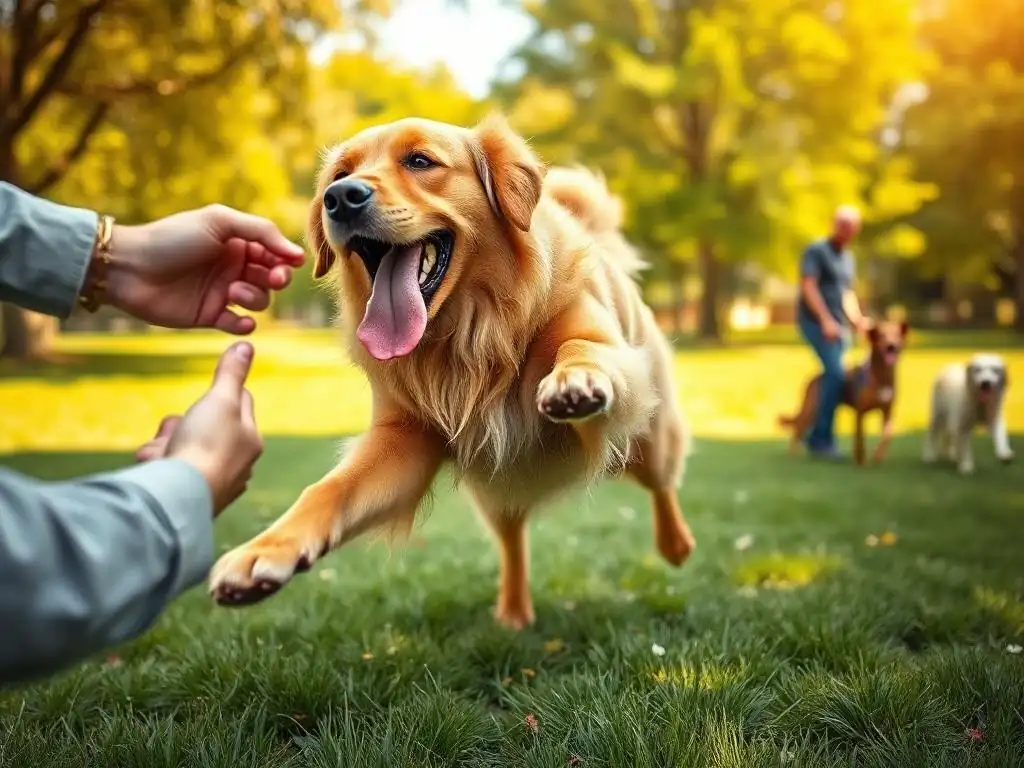
Welcome to PetCareWorld, your ultimate guide to a happier, healthier life for your beloved pets! Are you tired of unexpected leaps and bounds? Discover how to effectively address the common problem of dog jumping safety training and create a harmonious environment for both your canine companion and those around them. Learn essential techniques and preventative measures in our in-depth guide, "Jumping and Safety: How to Protect Your Dog and Others," and unlock the secrets to a well-behaved, safe, and joyful pet. Start exploring now!
- Understanding Why Dogs Jump: Unpacking the Root Causes of Jumping Behavior
- Dog Jumping Safety Training: Effective Strategies and Techniques
- Preventing Injuries from Dog Jumping: Safety Measures for Your Dog and Others
-
Addressing Aggressive Jumping: When Jumping Becomes a Problem Behavior
- Identifying Aggressive Jumps: Distinguishing from Playful Jumping
- Strategies for Addressing Aggressive Jumping: Professional Guidance and Training
- Managing Aggressive Jumping in Public: Safety and Social Responsibility
- When to Seek Professional Help for Aggressive Jumping: Recognizing the Need for Intervention
- Advanced Dog Jumping Training: Refining Your Techniques
- Frequently Asked Questions
- Final Reflection: Leaping Towards a Safer Future with Our Canine Companions
- Unlock Your Dog's Safe Jumping Potential!
Understanding Why Dogs Jump: Unpacking the Root Causes of Jumping Behavior
Jumping is a common canine behavior, often perceived as playful or even affectionate. However, an exuberant jump from a large dog can be quite alarming, even causing injury to children or the elderly. This article delves into the reasons behind canine jumping, exploring the various triggers, breed predispositions, and the nuances of excited greetings. Understanding why your dog jumps is the crucial first step in implementing effective and humane "Dog jumping safety training" strategies.
We'll cover techniques to modify this behavior, ensuring both your dog's well-being and the safety of those around them. This guide will provide you with the knowledge and tools to address jumping effectively, transforming potentially hazardous behavior into a manageable and even endearing trait. We'll explore solutions that are kind, respectful of your dog's natural instincts, and ultimately successful in creating a safer and more harmonious environment for everyone.
Identifying the Triggers: Situational Jumping in Dogs
Dogs jump for a multitude of reasons, often linked to specific situations. These "situational jumps" can be triggered by various stimuli. For instance, a dog might jump when visitors arrive, not necessarily out of aggression or dominance, but simply because they're incredibly excited. Other triggers include:
- The arrival of family members: The familiar scent and excitement of seeing loved ones can lead to enthusiastic jumping.
- Walking a new dog: Dogs that are not properly socialized may resort to jumping to assert dominance or express anxiety.
- Playing fetch: The intensity of the game can lead to exuberant jumping.
- Accessing food or treats: Anticipation can cause some dogs to jump to reach something desirable.
Understanding the specific context in which your dog jumps is vital for tailoring effective training strategies. Keep a detailed log for a week, noting the time of day, location, and the immediate events preceding each jumping incident. This will reveal patterns and help you pinpoint the most frequent triggers. For example, if your dog jumps primarily when the mail carrier arrives, you can begin training sessions focused on those specific situations.
Breed Predisposition and Jumping: Certain Breeds and Jumping Tendencies
While all dogs can jump, certain breeds exhibit a higher predisposition towards this behavior. This isn't due to inherent naughtiness, but rather a combination of factors including breed-specific energy levels, size, and historical roles. For example, breeds originally bred for herding, such as Border Collies, often exhibit higher energy levels and may jump as a way to express excitement or attempt to direct activity. Larger breeds, due to their size and reach, can pose a greater safety risk when jumping. However, even small breeds can cause discomfort through persistent jumping.
It's crucial to remember that breed predisposition is not a determinant; it's a contributing factor. With consistent and positive training, you can effectively manage jumping behavior in any breed. The key is to understand your dog's breed characteristics and adapt your training methods accordingly. For instance, high-energy breeds might benefit from increased exercise before interactions with visitors to reduce pent-up energy.
Excitement and Greeting Jumps: Differentiating Types of Jumping Behavior
A significant portion of dog jumping stems from excitement and greetings. This isn't necessarily an act of aggression or dominance, but rather an enthusiastic expression of happiness and anticipation. However, it's crucial to differentiate between enthusiastic greetings and dominance-based jumping. Dominance jumping usually involves a dog jumping on someone to assert themselves, often accompanied by other assertive behaviors. Excitement jumping, on the other hand, is often characterized by a more playful and less forceful demeanor.
Understanding this distinction is key to choosing appropriate training techniques. While both types of jumping need to be addressed, the approach should be tailored to the underlying motivation. For excitement jumping, focusing on teaching alternative greetings, such as sitting or lying down, is often highly effective. For dominance-based jumping, a more structured approach that addresses assertiveness is necessary. Observing your dog's body language during the jump is crucial in making this distinction. Look for signs of relaxed body posture (excitement) versus a stiff, tense body posture (dominance).
Attention-Seeking Jumps: How Jumping Can Be a Learned Behavior
Dogs, much like children, learn to associate certain behaviors with positive reinforcement. If a dog jumps on a person and that person, whether consciously or unconsciously, gives the dog attention—a pat, a smile, even a scolding—the dog learns that jumping achieves its goal: interaction. This is particularly true if the attention is positive.
A joyful greeting with enthusiastic petting reinforces the jumping behavior, making it more likely to occur in the future. The dog isn't necessarily being malicious; it's simply learned an effective (from its perspective) way to get what it wants. This is a crucial aspect of dog jumping safety training, as it highlights the importance of consistent and controlled responses to jumping.
Consider this scenario: a child excitedly greets their dog with hugs and kisses every time they come home. The dog, naturally exuberant, jumps up in anticipation of this affection. The child's enthusiastic reaction unintentionally reinforces the jumping, creating a cycle that's difficult to break without consistent training. The key is to teach the dog alternative behaviors that result in the desired attention, such as sitting calmly for a pet or offering a paw.
Furthermore, the intensity of the attention-seeking can vary. Some dogs might only jump on certain individuals they know will react positively, while others might jump on anyone in an attempt to garner any form of attention. This selective jumping can be a valuable piece of information when devising a training plan. Understanding which individuals elicit the jumping behavior can help pinpoint the specific triggers and tailor the training accordingly. Ignoring a jump from one person while inadvertently rewarding it from another will only confuse the dog and hinder progress in your dog jumping safety training. Consistency is paramount.
The learned behavior aspect of attention-seeking jumps is often overlooked. Many owners mistakenly believe that a dog's jumping is simply inherent, ignoring the powerful role of environmental conditioning. By understanding this learning process, owners can proactively modify their interactions with their dogs and effectively eliminate unwanted jumping behavior through consistent and positive reinforcement of alternative behaviors. This approach is far more effective than punishment, which can often lead to fear and anxiety, exacerbating the problem rather than solving it. Effective dog jumping safety training focuses on rewarding good behavior rather than punishing bad behavior.
Dog Jumping Safety Training: Effective Strategies and Techniques
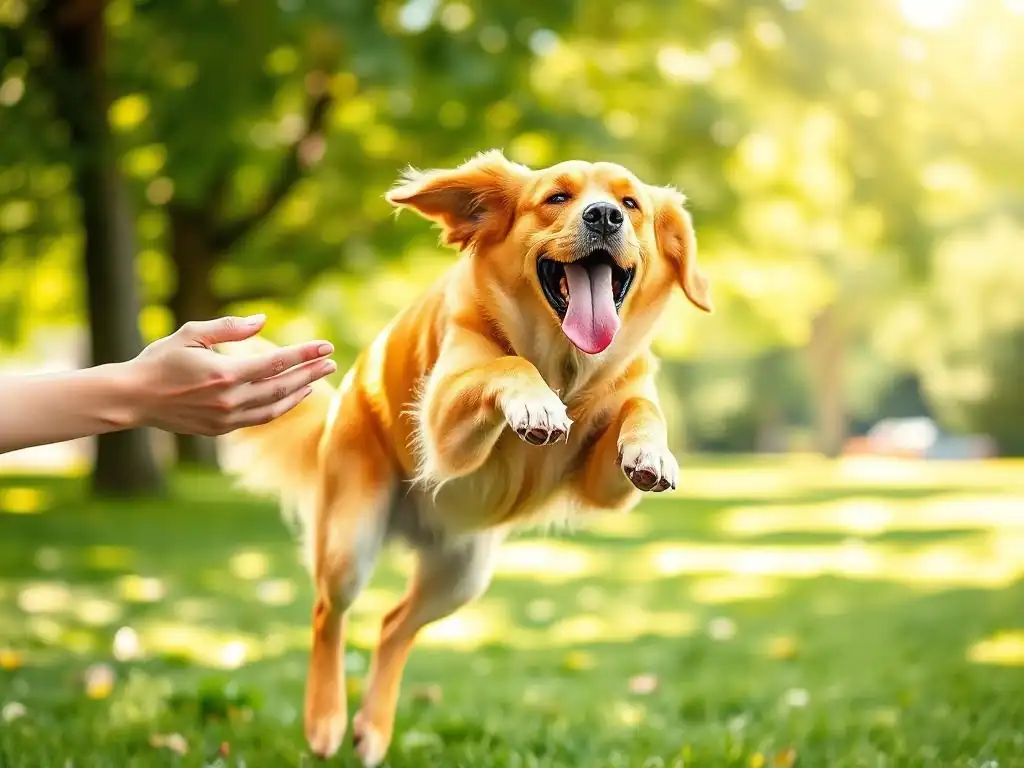
This section delves into practical strategies and techniques for effective dog jumping safety training. Successfully addressing unwanted jumping behavior requires a multifaceted approach, combining positive reinforcement, consistent management, and the teaching of alternative behaviors. Ignoring the problem rarely works; consistent training is key to a well-behaved canine companion. Remember, the goal isn't just to stop the jumping, but to replace it with desirable behaviors. This improves your dog's overall well-being and ensures the safety of both your dog and those around them.
Safe and Effective Dog Jumping Training Methods: Positive Reinforcement Techniques
Positive reinforcement is the cornerstone of effective dog jumping safety training. It focuses on rewarding desired behaviors rather than punishing unwanted ones. This creates a positive learning experience for your dog, fostering a stronger bond between you and promoting better cooperation. Instead of yelling or pushing your dog away when they jump, reward them for keeping all four paws on the ground.
Here's a step-by-step guide:
- Identify Triggers: Observe your dog to pinpoint situations that trigger jumping (e.g., greeting guests, excitement at the door).
- Preemptive Management: Before the trigger occurs, prepare your dog. This might involve having them sit or lie down. Reward calm behavior before the jumping starts.
- Reward Calm Behavior: When your dog greets someone calmly (without jumping), immediately reward them with a high-value treat, praise, or a favorite toy. The timing of the reward is crucial; it needs to be immediate to reinforce the desired behavior.
- Ignore the Jumping: When your dog jumps, completely ignore them. Turn your back, avoid eye contact, and don't speak to them. This removes the positive reinforcement they might be seeking through attention.
- Consistency is Key: The success of this method hinges on consistency. Everyone interacting with your dog must follow the same rules. Inconsistency can confuse your dog and undermine your progress.
Consider using a clicker for more precise timing of rewards. A clicker signals the exact moment the dog performs the desired behavior, followed immediately by a treat. This strengthens the association between the action and the reward.
Consistently Managing Jumps: Importance of Routine and Training Consistency
Consistent management of your dog's jumping is as important as the training itself. A structured routine and unwavering consistency are essential for success. This means practicing the training techniques regularly, even when you're not actively working on the "no jump" command.
Think of it like this: You wouldn't expect your dog to learn a complex trick after only one session. Similarly, eliminating jumping takes time, patience, and ongoing reinforcement. Incorporate these strategies into your daily interactions with your dog.
- Controlled Environments: Start training in low-distraction environments. Gradually introduce more stimulating situations as your dog progresses.
- Scheduled Training: Set aside short, regular training sessions (5-10 minutes) throughout the day. Short, frequent sessions are more effective than one long session.
- Positive Reinforcement Reinforcement: Remember to continue rewarding calm behavior even when your dog is consistently successful. Maintain the positive reinforcement to prevent regression.
- Family Involvement: Ensure everyone in the household understands and implements the training plan consistently. This prevents mixed signals and ensures a unified approach.
Failing to maintain consistency can lead to setbacks. Your dog may revert to jumping if they receive inconsistent feedback. Therefore, consistent effort is paramount.
Teaching Alternative Behaviors: Redirecting Energy Through Commands
Instead of simply suppressing jumping, actively teach your dog alternative, acceptable behaviors. This redirects their energy and provides them with a positive outlet for their excitement. This is particularly useful when dealing with dogs that jump out of excitement or anticipation.
Here are some effective alternative behaviors to teach:
- "Sit" Command: Teach your dog a solid "sit" command. When someone approaches, ask your dog to sit before allowing interaction. Reward them for sitting calmly.
- "Down" Command: Similar to the "sit" command, a "down" command can be very effective. This position is generally less likely to lead to jumping.
- "Leave it" Command: This command is useful for preventing your dog from jumping up to grab things. Teach your dog to leave objects alone on command.
- "Touch" Command: Teach your dog to touch your hand with their nose. This can be a great way to redirect their attention and energy.
Remember to use positive reinforcement for each of these commands. Pair each command with a high-value reward to encourage your dog's compliance. By providing alternative behaviors, you're not just stopping unwanted jumping; you're actively building a repertoire of positive commands and enhancing communication with your canine companion. This holistic approach to dog jumping safety training will lead to a happier, safer, and better-behaved dog.
Puppy Jumping Prevention: Early Training and Habit Formation
Preventing jumping behavior in puppies is significantly easier than correcting it in adult dogs. Early intervention focuses on establishing good habits from the start, preventing the behavior from becoming ingrained. This involves consistent training and positive reinforcement from the moment you bring your puppy home. The key is to teach your puppy alternative behaviors and reward them for those instead of jumping.
One effective technique is to teach your puppy to sit on command. When someone approaches, instead of allowing the puppy to jump, you should give the "sit" command. If the puppy sits, immediately reward them with praise, a treat, or a favorite toy. This positive reinforcement creates a strong association between sitting and receiving a reward, making it a more desirable behavior than jumping. Consistency is crucial; every time someone approaches, repeat the process. Don't reward jumping, even accidentally, by giving attention when the puppy jumps up. Ignoring the jump is a key component of this method.
Another important aspect of puppy jumping prevention is managing interactions with visitors. Before allowing anyone to interact with your puppy, ensure they understand the importance of not rewarding jumping behavior. Instruct visitors to turn their backs or simply ignore the puppy if it jumps. Once the puppy stops jumping and exhibits calm behavior, such as sitting or lying down, then interaction can commence. This teaches the puppy that jumping doesn't get them attention, while calm behavior does. This approach requires patience and consistent effort from everyone who interacts with your puppy.
Furthermore, consider using a crate or pen to provide your puppy with a safe and comfortable space when they need a break from training or when visitors are present. This gives them a place to calm down and prevents overwhelming situations that might trigger jumping. It's important to make the crate or pen a positive experience, not a punishment, by associating it with treats, toys, and comfortable bedding. Remember, consistency is key to success in preventing jumping behavior in puppies.
The more consistent you are, the quicker your puppy will learn the desired behaviors and associate them with positive reinforcement. Early training sets the foundation for a well-behaved adult dog, making both your life and your puppy's life much more enjoyable. Implementing these strategies early will save you considerable effort in the long run and prevent the development of a potentially problematic behavior.
Preventing Injuries from Dog Jumping: Safety Measures for Your Dog and Others

Jumping, a common canine behavior, can unfortunately lead to injuries for both the dog and the people they interact with. Effective dog jumping safety training focuses not just on curbing the behavior, but also on mitigating the potential consequences. This involves a multi-pronged approach encompassing proactive safety measures and reactive handling techniques. Understanding the risks and implementing preventative strategies is crucial for responsible pet ownership.
Protecting Children from Dog Jumps: Supervision and Safety Precautions
Children are particularly vulnerable to injuries from exuberant canine greetings. Their smaller size and less developed sense of balance make them more susceptible to being knocked over or injured by a jumping dog, regardless of the dog's size or breed. Therefore, constant and vigilant supervision is paramount. Never leave young children unsupervised with a dog, especially one with a history of jumping.
Even well-trained dogs can have moments of excitement, leading to unintentional jumps. Teaching children appropriate interaction techniques, such as avoiding direct eye contact and reaching out to pet a dog's chest instead of the face, can significantly reduce the risk. Furthermore, establishing clear rules about approaching and interacting with dogs – like always asking the dog's owner before approaching – is a vital step in dog jumping safety training for both the children and the dog.
Consider using physical barriers, such as baby gates, to create safe zones where children can play without the risk of unexpected canine encounters. These barriers offer a layer of protection, preventing accidental interactions that could result in a jump. Regularly reinforcing these safety measures with children helps establish safe habits and reduces the likelihood of injuries. Remember, proactive prevention is far more effective than reactive treatment.
Preventing Injuries to Elderly Individuals: Managing Interactions Carefully
Elderly individuals, like children, are at increased risk of injury from a jumping dog. Their reduced mobility and potentially weaker bones make them more susceptible to falls and fractures. Careful management of interactions is therefore essential. This includes:
- Controlled introductions: Never allow a dog to approach an elderly person suddenly. Always supervise interactions and ensure the dog is calm before allowing them to meet.
- Stable surfaces: Ensure interactions take place on stable, even surfaces to minimize the risk of falls. Avoid uneven ground or slippery floors.
- Harness and leash: Using a harness and leash allows for better control over the dog, minimizing the chance of unexpected jumps.
- Training and socialization: Proper dog jumping safety training should include teaching the dog to be gentle around elderly people, and socializing them to a variety of individuals at different ages and abilities.
These precautions, combined with careful observation and immediate intervention if necessary, are crucial components of responsible pet ownership and dog jumping safety training.
Safe Handling Techniques When Dogs Jump: Minimizing Risk of Injury
Even with preventative measures, a dog might still jump unexpectedly. Knowing how to react safely is crucial in minimizing the risk of injury. Instead of pushing or pulling the dog away, which can exacerbate the situation, try these techniques:
| Technique | Description | Effectiveness | Safety Precautions |
|---|---|---|---|
| Turning your body | Subtly shift your weight and turn your body to redirect the dog's momentum away from vulnerable individuals. | High | Be mindful of your balance and avoid sudden movements that might startle the dog. |
| Using a barrier | If possible, use a nearby object (e.g., a chair, table) to create a physical barrier between the dog and others. | Moderate | Ensure the barrier is stable and won't cause further harm if the dog bumps into it. |
| Gentle redirection | Calmly guide the dog away from the person using your hands or a leash, without causing any sudden jerking. | Moderate | Use gentle, firm guidance; avoid harsh corrections that might scare the dog. |
Remember, consistent and positive dog jumping safety training is essential. Combining preventative measures with safe handling techniques creates a safer environment for everyone, minimizing the risk of injuries from exuberant canine greetings. 🐶
Protecting Yourself from Dog Jumps: Body Positioning and Safety Tips
Protecting yourself from an enthusiastic, jumping dog requires a proactive approach. It's not about punishing the dog; it's about safeguarding yourself and teaching your canine companion more appropriate greeting behaviors. A simple shift in body language can make a significant difference.
Firstly, avoid directly facing a dog that's prone to jumping. This presents a tempting target. Instead, turn your body slightly sideways, minimizing the available surface area for the dog to launch onto. This subtle adjustment reduces the impact and likelihood of injury. Think of it as presenting a smaller, less appealing "landing strip." The less inviting you make yourself, the less likely the dog is to jump.
Secondly, maintain a low center of gravity. Instead of standing tall and straight, slightly bend your knees. This lowers your center of gravity, making you more stable and less likely to be knocked off balance by a jumping dog. If you are knocked over, the lower your center of gravity, the less likely you are to suffer a serious fall. This is especially crucial when dealing with larger breeds.
Thirdly, keep your arms close to your body. Don't offer your arms as inviting handles or perches. A dog might instinctively grab your arms, adding to the force of the jump and potentially causing scratches or more serious injuries. Keeping your arms close to your sides reduces this risk significantly.
Finally, consider using a simple verbal cue, such as "No jumping," or "All fours," consistently and calmly. This isn't about yelling or punishment; it's about providing clear communication. Combine the verbal cue with ignoring the dog until all four paws are on the ground. This reinforces the desired behavior. Remember, consistency is key in training. Positive reinforcement, such as rewarding the dog when they greet calmly, works far better than punishment. The goal is to replace the jumping behavior with an alternative, appropriate greeting. This approach is fundamental to effective dog jumping safety training.
Addressing Aggressive Jumping: When Jumping Becomes a Problem Behavior
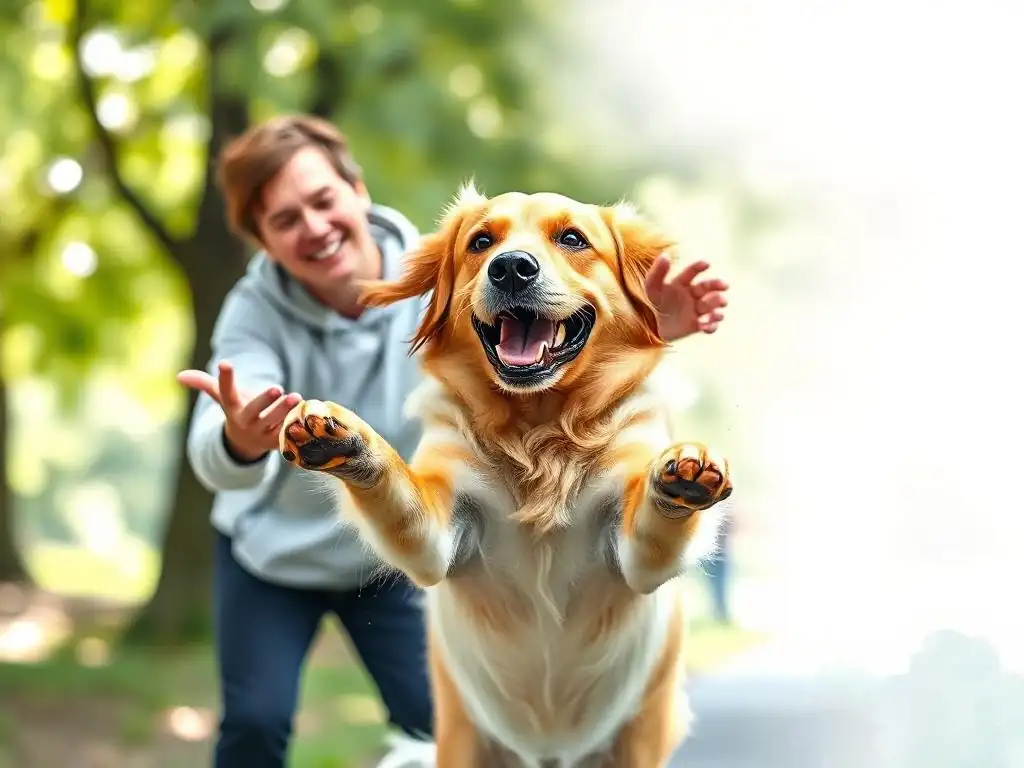
Jumping, while often a playful behavior in puppies and even some adult dogs, can quickly escalate into a serious problem. Aggressive jumping, unlike enthusiastic greetings, involves a dog launching itself onto a person with forceful intent, potentially causing injury and fear. This section focuses on recognizing and managing this dangerous behavior, emphasizing the importance of proactive training and responsible pet ownership for both your dog's well-being and the safety of others.
Understanding the nuances between playful and aggressive jumping is crucial for effective intervention. Ignoring aggressive jumping can lead to escalating incidents and negatively impact your dog's socialization and overall behavior. Effective "Dog jumping safety training" requires a multifaceted approach.
Identifying Aggressive Jumps: Distinguishing from Playful Jumping
Differentiating between playful and aggressive jumping is paramount. Playful jumps usually involve a lighter, less forceful approach, often accompanied by tail wags, relaxed body posture, and playful vocalizations. The dog may quickly disengage and redirect its energy to other activities. Conversely, aggressive jumps are characterized by:
- Forceful impact: The dog leaps with considerable force, aiming to knock the person off balance.
- Rigid body posture: The dog's body is tense and stiff, lacking the relaxed demeanor of playful behavior.
- Growling or snapping: Aggressive vocalizations often accompany the jump.
- Lack of disengagement: The dog persists in jumping even after being told to stop.
- Target-specific behavior: The jumping may be directed solely at certain individuals, suggesting underlying issues like fear or dominance.
Consider this example: A playful jump might involve a light bounce with a happy bark, while an aggressive jump might include a forceful launch with bared teeth and a growl. Observing these subtle yet crucial differences is key to determining the appropriate response and training strategy for your dog. Consistent observation and accurate identification are the foundation of effective "Dog jumping safety training."
Strategies for Addressing Aggressive Jumping: Professional Guidance and Training
Addressing aggressive jumping requires a structured approach combining positive reinforcement training methods with consistent management strategies. Ignoring the behavior or resorting to punishment is rarely effective and can exacerbate the problem, potentially leading to increased fear and aggression. The following strategies are crucial:
- Professional guidance: Consulting a certified dog trainer or veterinary behaviorist is highly recommended. They can assess your dog's behavior, identify underlying causes, and develop a personalized training plan.
- Positive reinforcement: Reward your dog for calm behavior near people, such as sitting or lying down when approached. Use high-value treats and praise to reinforce desired actions.
- Consequence-based training: Avoid physical punishment. Instead, implement consistent consequences for jumping, such as calmly turning your back and ignoring the dog until it calms down.
- Management techniques: Prevent opportunities for jumping by using physical barriers like baby gates or teaching your dog to stay in a designated area when guests are present.
- Socialization: Gradually expose your dog to different people and environments in a controlled and positive manner to help desensitize them to triggers that might provoke jumping.
Effective "Dog jumping safety training" is a journey, not a sprint. Patience, consistency, and positive reinforcement are key to success.
Aggressive jumping in public settings poses a significant safety risk to others and can lead to negative consequences for your dog, such as being banned from certain places. Responsible pet ownership demands proactive measures to prevent this behavior:
- Leash training: Always keep your dog on a leash in public areas to prevent uncontrolled jumping.
- Predictive management: Anticipate situations that might trigger jumping (e.g., approaching people) and proactively manage your dog's behavior using verbal cues, treats, and physical guidance.
- Public awareness: Be mindful of your surroundings and other people’s comfort levels. Apologize immediately if your dog jumps on someone, even if it's unintentional.
- Socialization: Continue to socialize your dog in a controlled environment to reduce anxiety and improve their behavior around strangers.
Remember, proactive "Dog jumping safety training" is essential for the well-being of your dog and the safety of those around them. Responsible ownership includes addressing problem behaviors promptly and effectively. Ignoring the issue can lead to escalated problems and negatively impact your dog's quality of life and your ability to enjoy public spaces with your canine companion.
When to Seek Professional Help for Aggressive Jumping: Recognizing the Need for Intervention
Aggressive jumping, beyond simple exuberance, can escalate into a serious behavioral problem posing risks to both your dog and others. It's crucial to recognize when your dog's jumping transitions from playful enthusiasm to a potentially harmful behavior requiring professional intervention. Several warning signs indicate the need for expert help. For example, if your dog's jumps are forceful enough to knock over small children or elderly individuals, causing injury, professional guidance is essential. This isn't just about managing the behavior; it's about ensuring the safety and well-being of everyone involved.
Furthermore, consider the intensity and frequency of the jumping. Occasional enthusiastic leaps are different from repeated, forceful jumps directed at specific individuals or in specific situations. If your dog consistently targets certain people, displaying aggression alongside the jumping (growling, snapping, baring teeth), it's a serious sign requiring professional assessment. This aggressive jumping might indicate underlying anxieties, fear, or dominance issues that need addressing through behavior modification techniques. Ignoring these signs can lead to escalating problems, potentially making the behavior more difficult to correct in the long run.
Another critical factor is your ability to manage the behavior. If despite consistent training and attempts at positive reinforcement, your dog’s jumping remains unmanageable, it’s time to seek professional help. A certified dog trainer or veterinary behaviorist can accurately diagnose the underlying cause of the aggressive jumping and create a tailored behavior modification plan. They can provide tools and techniques beyond basic training, helping you effectively address the root of the problem rather than just treating the surface-level symptom.
Remember, persistence is key, but sometimes, professional expertise is necessary to break the cycle of aggressive jumping. Don't hesitate to seek help when you feel overwhelmed or unsure of how to proceed. Early intervention often leads to better outcomes and prevents the behavior from becoming ingrained. The safety and well-being of your dog and those around them should always be your top priority.
Advanced Dog Jumping Training: Refining Your Techniques
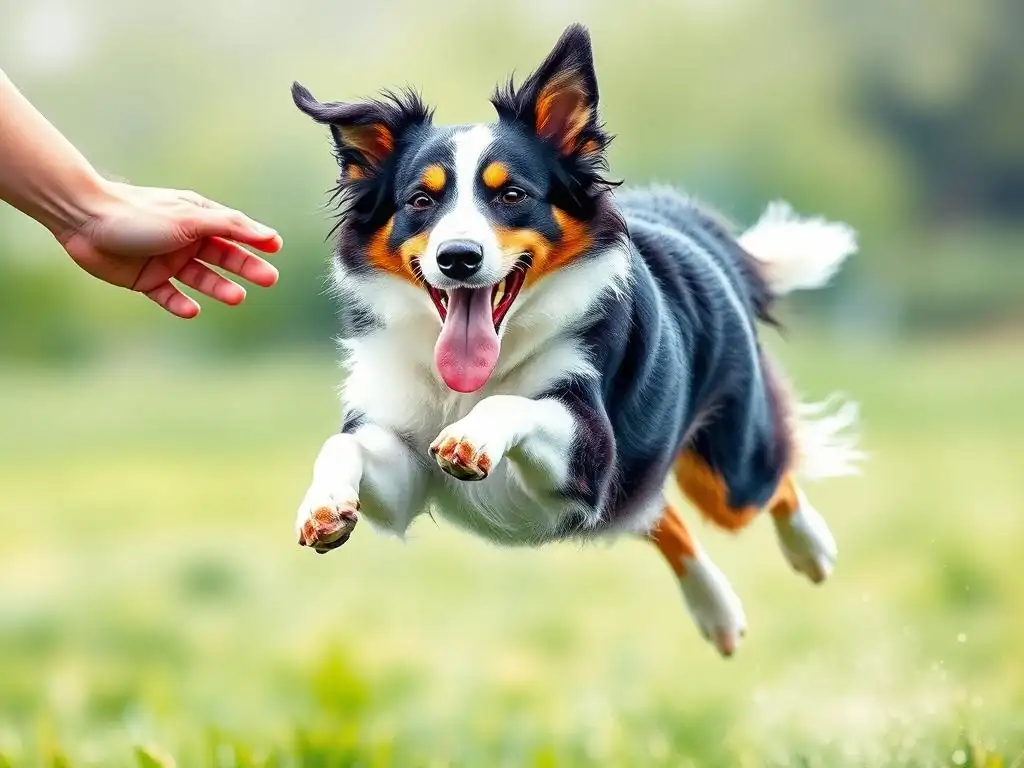
This section delves into advanced strategies for refining your dog's "no jump" training beyond the basics. We'll move past the initial stages of teaching your dog to refrain from jumping and focus on solidifying the behavior and preventing future relapses. Remember, consistency is key throughout this process. Effective dog jumping safety training requires patience and a positive approach.
Fine-Tuning Your Training: Consistency and Positive Reinforcement
Consistency is paramount in advanced dog jumping safety training. Even after your dog shows significant improvement, maintaining regular training sessions is crucial to prevent regression. Short, frequent sessions (5-10 minutes, 2-3 times a day) are more effective than long, infrequent ones. This helps avoid overwhelming your dog and maintains their focus.
Positive reinforcement remains the cornerstone of this refined training. Continue using high-value rewards – treats, praise, or favorite toys – immediately after your dog displays the desired behavior (remaining on all four paws when greeted). Vary your rewards to keep your dog engaged and prevent them from becoming bored.
Consider incorporating different cues. Instead of simply saying "no jump," introduce a specific command like "paws down" or "sit." This provides a clearer instruction for your dog and improves communication. Remember to pair the command with the positive reinforcement.
Let's illustrate with an example: Imagine you are teaching your dog, Max, to remain seated when meeting a new person. Initially, you might have used treats and praise to reinforce his sitting behavior. Now, you can enhance the training by introducing a verbal cue, "Sit pretty, Max!" Every time Max sits calmly upon meeting someone new, reward him immediately with enthusiastic praise and a small, high-value treat. Over time, the "Sit pretty, Max!" cue will become associated with the desired behavior.
Maintaining Control in Different Environments: Generalizing Training
Once your dog reliably avoids jumping in familiar environments, it's vital to generalize the training to new situations. This is where your dog's true understanding of the command will be tested. Gradually introduce new environments, starting with slightly different locations within your home (e.g., different rooms) and then progressing to external locations.
Begin with low-distraction environments and slowly increase the level of stimulation. For example, start with a quiet park and then move to a busier area. Always maintain a consistent approach, using the same cues and rewards. If your dog begins to jump, immediately redirect their attention back to the "paws down" or "sit" command and reward them promptly for complying.
The following table summarizes a generalization training plan:
| Week | Environment | Level of Distraction | Notes |
|---|---|---|---|
| 1 | Home (different rooms) | Low | Focus on consistent cue and reward system. |
| 2 | Backyard | Low to Moderate | Introduce some controlled external stimuli. |
| 3 | Quiet park | Moderate | Monitor dog's behavior closely. |
| 4 | Busier park/street | High | Practice frequent short training sessions. |
This phased approach ensures a smooth transition and helps your dog adapt to various scenarios, ultimately enhancing their overall jumping safety training.
Dealing with Setbacks and Relapses: Troubleshooting and Adjustment
Even with consistent training, setbacks can occur. If your dog starts jumping again, don't panic. Analyze the situation to identify the potential triggers. Was the environment overly stimulating? Were you inconsistent with your training? Did you introduce a new trigger too quickly?
Understanding the cause of the relapse is crucial for adjusting your training approach. If your dog jumps excitedly when meeting new people, you might need to focus more on controlled introductions. You could ask the person to ignore your dog initially, then slowly introduce themselves while your dog remains seated.
If the problem persists, consider seeking professional help from a certified dog trainer or behaviorist. They can assess your dog's behavior, identify underlying issues, and develop a customized training plan to address the specific challenges. Remember that patience and persistence are key to successful dog jumping safety training. Even minor setbacks shouldn't discourage you; view them as learning opportunities to refine your techniques and achieve long-term success. 🐶
Long-Term Management of Jumping: Maintaining Desired Behavior
Maintaining your dog's newly acquired "no jump" behavior requires consistent effort and reinforcement, even after significant progress. It's not a one-time fix; it's an ongoing process of positive reinforcement and gentle correction. Think of it as a lifestyle change for both you and your canine companion. The key is to continue practicing the techniques you've learned, even in situations where your dog is less likely to jump. This consistent reinforcement prevents regression and solidifies the desired behavior.
One effective strategy is to regularly practice the "no jump" cue in various environments. Start with familiar settings and gradually introduce new ones, such as different rooms in your house, your backyard, or even short trips to the park. This helps your dog generalize the learned behavior to different contexts, ensuring they don't revert to jumping when faced with unfamiliar stimuli. The more diverse the training environment, the more robust the behavior becomes.
Remember to always reward calm behavior. If your dog approaches you calmly and sits or lies down instead of jumping, immediately praise them and offer a treat. This positive reinforcement strengthens the desired behavior and makes it more likely to be repeated. Consistency in rewarding calm behavior is crucial for long-term success. Avoid rewarding jumping behavior, even unintentionally. For instance, if your dog jumps and you inadvertently make eye contact or talk to them, this could be misinterpreted as a reward.
It's also vital to involve all members of your household in the training process. Everyone should be consistent in their application of the "no jump" cue and in rewarding calm behavior. Inconsistent training can confuse your dog and hinder progress. A family meeting to discuss the training plan and ensure everyone understands and follows the same rules is highly recommended. This unified approach creates a predictable environment for your dog, making it easier for them to learn and maintain the desired behavior.
Finally, consider periodically reviewing the training exercises. Even after months of consistent effort, occasional refresher sessions can help maintain your dog's good behavior. These sessions can be short and fun, reinforcing the positive associations they have with the "no jump" cue and rewarding calm behavior. This proactive approach will help prevent any potential regression and ensure your dog continues to greet people politely. Regular maintenance is key to long-term success in dog jumping safety training.
Frequently Asked Questions
What is the biggest danger associated with a dog that jumps?
The biggest danger is injury, both to your dog and to others. Dogs can injure themselves jumping from heights, and jumping on people can cause falls and broken bones. Proper training is crucial.
How can I teach my dog not to jump on people?
Use positive reinforcement. Reward your dog when all four paws are on the ground when greeting people. Use a command like "off" and consistently redirect unwanted jumping behavior. Consistency is key.
What if my dog jumps up on furniture?
This is a separate behavior issue, but similar training applies. Use positive reinforcement and redirect the dog to an appropriate spot, like a dog bed. Ensure the furniture is less accessible if needed.
At what age should I start dog jumping safety training?
Ideally, start puppy socialization and basic obedience as early as possible, around 8 weeks old. This establishes good habits and makes training easier later on. Early intervention prevents bad habits.
Are there any specific commands useful for dog jumping safety training?
Yes, "Off" is essential to tell your dog to get down. You can also use "Sit" or "Down" before greetings to discourage jumping. Combine these with positive reinforcement for best results.
Final Reflection: Leaping Towards a Safer Future with Our Canine Companions
The unchecked exuberance of a jumping dog, while often endearing, can quickly become a safety hazard for both the dog and those around them. This seemingly simple act, if left unaddressed, can lead to injuries, anxieties, and strained relationships. Understanding the underlying reasons for jumping and implementing effective training techniques is crucial for fostering a harmonious and safe environment for everyone.
The impact of responsible dog ownership extends far beyond our individual homes; it shapes the perception of dogs within our communities. It influences how others interact with dogs, fostering either trust or fear. A well-trained dog is a happy dog, and a happy dog contributes to a happier society.
This simple truth underscores the importance of investing time and effort into training our canine companions, not just for their well-being, but for the well-being of everyone they encounter. The ripple effect of responsible dog ownership is profound, shaping public perception and promoting a more inclusive and safe space for both humans and dogs.
Now, consider your own dog, or perhaps a dog you've encountered. What steps can you take to ensure their jumping is managed safely and effectively? Perhaps it's enrolling in a training class, dedicating time to consistent practice, or simply being more mindful of your dog's body language and triggers. Remember, every small act of responsible dog ownership contributes to a larger movement towards a safer and more harmonious coexistence between humans and our beloved canine companions. Let's leap towards a future where joy and safety go hand in paw.
Unlock Your Dog's Safe Jumping Potential!
Thank you for learning about safe jumping practices for your canine companion! We hope you feel more confident in keeping your dog – and others – safe. Ready to put this knowledge into action?
- Prioritize proper training: Begin by practicing gentle jumping exercises using positive reinforcement. Focus on controlled movements and reward calm behavior. Start with short, low jumps and gradually increase the height and distance as your dog progresses.
- Share your knowledge: Educate your friends and family about responsible dog jumping and encourage them to prioritize safety. This simple act can create a safer environment for all dogs.
- Continue learning: Explore local dog training classes or reputable online resources for advanced techniques and further guidance.
So, which training technique will you try first to improve your dog's jumping safety? Let's discuss in the comments below!