
Cat Sitter Emergencies: How to Ensure Your Pet's Safety in Unexpected Situations


Welcome to PetCareWorld, your ultimate guide to a happier, healthier life for your beloved pets! Are you prepared for the unexpected? Our expert advice on Cat Sitter Emergency Preparedness will equip you with the knowledge and strategies to ensure your feline friend's safety, no matter what life throws your way. Discover essential tips and practical solutions to navigate potential crises and keep your cat safe and secure. Dive in and explore the world of responsible pet ownership!
- Understanding Cat Sitter Emergency Preparedness: Proactive Steps for Peace of Mind
- Essential Supplies for Cat Sitter Emergency Preparedness
- Choosing a Reliable and Responsible Cat Sitter: Minimizing Risks
- Handling Specific Cat Sitter Emergency Scenarios
- Technology for Enhanced Cat Sitter Emergency Response
- Post-Emergency Procedures: Review and Improvement
- Frequently Asked Questions
- Final Reflection: Navigating the Unexpected: Ensuring Feline Safety
- Unlock Your Cat's Safety: Proactive Steps for Peace of Mind
Understanding Cat Sitter Emergency Preparedness: Proactive Steps for Peace of Mind
Leaving your beloved feline friend in the care of a cat sitter, even for a short period, can understandably cause anxiety. While you trust your chosen sitter implicitly, unforeseen circumstances can arise. This article focuses on cat sitter emergency preparedness, equipping you with the knowledge and tools to ensure your cat's safety and well-being, even in unexpected situations.
We'll explore potential emergencies, guide you through creating a comprehensive emergency plan, and highlight the importance of clear communication and preparedness. By taking proactive steps, you can significantly reduce stress and ensure your cat remains safe and comfortable while under the care of a cat sitter. This proactive approach to cat sitter emergency preparedness contributes to a more relaxed and enjoyable experience for both you and your furry companion.
Remember, a well-prepared plan offers peace of mind, allowing you to focus on your trip or other commitments knowing your cat is in capable hands, even in the face of unexpected events. 😻
Identifying Potential Cat Sitting Emergencies: Illness, Injury, and Escape
Accidents and illnesses can happen at any time. Understanding potential cat sitting emergencies is the first step towards effective preparedness. Common scenarios include:
- Illness: Sudden onset of vomiting, diarrhea, lethargy, loss of appetite, or changes in behavior can indicate illness requiring immediate veterinary attention. Respiratory issues and urinary tract infections are also possibilities.
- Injury: Cats are naturally curious and can injure themselves by falling from heights, getting into fights with other animals, or ingesting harmful substances. Cuts, broken bones, and internal injuries are potential concerns.
- Escape: Even the most secure home can present escape opportunities. A momentarily open door or a broken window can lead to a frightened and lost cat.
The severity of these emergencies varies, but prompt action is crucial in each case. Having a pre-planned strategy significantly improves your cat's chances of a positive outcome. Knowing what to do before an emergency occurs will help you stay calm and make informed decisions in a stressful situation. Remember, early intervention is key in mitigating any potential long-term health consequences.
Creating a Comprehensive Emergency Plan for Your Cat: Essential Steps & Checklists
A well-structured emergency plan is your best defense against unforeseen circumstances. This plan should cover various scenarios and provide clear instructions for your cat sitter. It's highly recommended to create a written document, readily accessible to your sitter, outlining the following crucial steps:
Developing a Detailed Cat Health Profile for Your Sitter: Allergies, Medications, and Veterinary Contact Information
This section should include:
- Complete Veterinary Contact Information: Name, address, phone number, and emergency contact number of your veterinarian.
- Allergies: List any known allergies your cat has, including food allergies and environmental allergies.
- Medications: A detailed list of all medications your cat is currently taking, including dosage, frequency, and administration instructions. Include photos of the medications to avoid confusion.
- Microchip Information: Provide the microchip number and the relevant registration details.
- Recent Medical History: A brief summary of any recent illnesses, surgeries, or significant medical events.
This comprehensive profile empowers your cat sitter to make informed decisions and seek appropriate veterinary care if needed.
Establishing Clear Communication Protocols with Your Cat Sitter: Regular Check-ins and Emergency Contact Procedures
- Regular Check-ins: Establish a schedule for regular communication, including daily updates or photos. This helps you stay connected and monitor your cat's well-being.
- Emergency Contact Procedures: Clearly define how your sitter should contact you or your emergency contact in case of an emergency. Include multiple contact methods (phone, email, text). Provide the contact information for a backup person in case you are unreachable.
- Designated Emergency Contact: Identify a trusted friend or family member who can assist your cat sitter if you're unavailable.
Preparing a Pet First-Aid Kit for Cat Emergencies: Essential Supplies and Medications
Your cat sitter should have easy access to a well-stocked first-aid kit. This kit should include:
| Item | Quantity | Notes |
|---|---|---|
| Gauze pads | 5-10 | Sterile gauze for cleaning wounds |
| Adhesive tape | 1 roll | Medical tape for securing bandages |
| Scissors | 1 pair | Small, sharp scissors for cutting bandages |
| Tweezers | 1 pair | For removing splinters or foreign objects |
| Thermometer | 1 | Rectal thermometer for checking your cat's temperature |
| Saline solution | 1 bottle | For cleaning wounds |
| Antiseptic wipes | 1 pack | For disinfecting minor wounds |
| Emergency contact list | 1 copy | Including vet, emergency contact, and your contact information. |
Having a comprehensive emergency plan and providing your cat sitter with the necessary tools and information are crucial steps in ensuring your cat's safety and well-being while you are away. Remember, proactive planning brings peace of mind!
Essential Supplies for Cat Sitter Emergency Preparedness
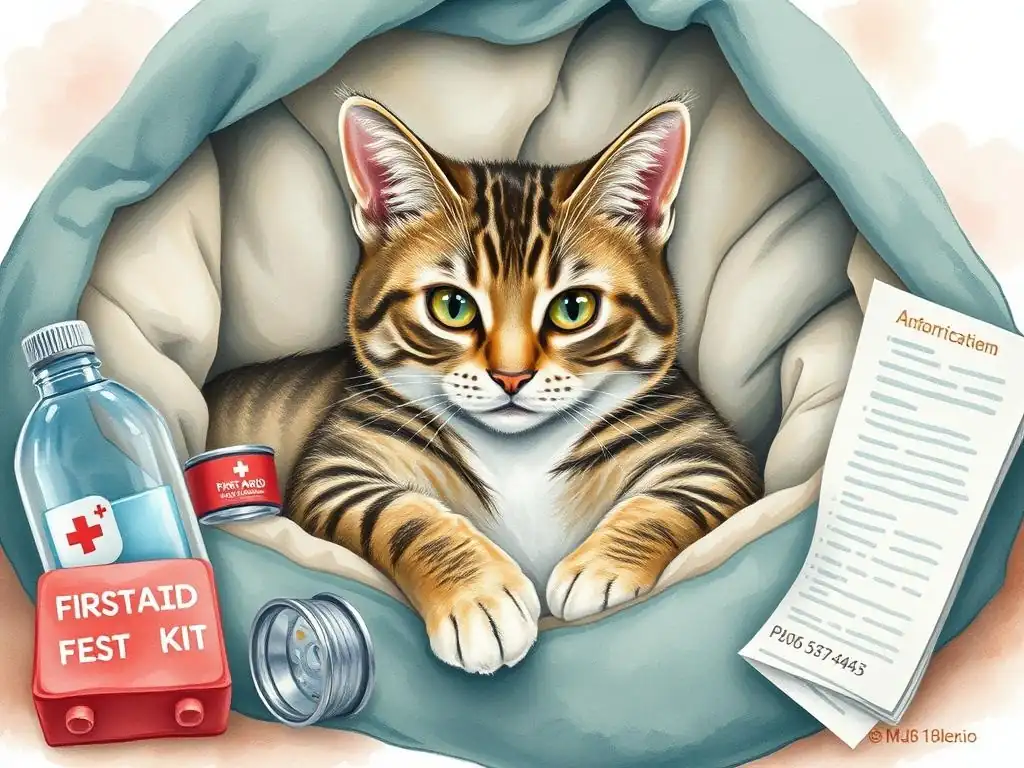
This section focuses on proactive measures to ensure your feline companion's well-being during unforeseen circumstances while under the care of a cat sitter. Proper preparation is key to mitigating potential problems and guaranteeing your cat's safety and comfort. Thorough emergency preparedness is crucial for effective cat sitter emergency preparedness.
Backup Cat Food and Water Sources: Ensuring Continuous Access to Nourishment
Unexpected events, such as severe weather or supply chain disruptions, can impact the availability of your cat's regular food and water. To prevent disruption to your cat's routine and health, having backup supplies is paramount. This isn't just about having an extra bag of kibble; it's about creating a resilient system.
Consider these points:
- Multiple Food Sources: Don't rely solely on one type of food. Have a backup brand or type of food on hand, especially if your cat has specific dietary needs or sensitivities. A sudden change in food can upset their digestive system. This is vital for cat sitter emergency preparedness.
- Sufficient Quantity: Calculate the amount of food and water needed for an extended period, considering a timeframe beyond your sitter's anticipated visit duration. A week's worth of food and water is a reasonable minimum.
- Water Storage: Have multiple water sources available. This includes a large bowl of fresh water, as well as sealed containers of bottled water in case of tap water contamination or outages.
- Easy Access: Ensure both food and water are easily accessible for your cat sitter, clearly labeled and located in a convenient spot. Consider an automatic feeder and water fountain for added convenience and peace of mind.
Emergency Vet Locator and Contact Information: Quick Access to Veterinary Care
Rapid access to veterinary care is critical in any emergency. A simple vet's number isn't enough; you need a comprehensive plan.
Here's how to establish a robust veterinary emergency response system:
- Multiple Veterinary Options: Identify at least two veterinary clinics or emergency animal hospitals within a reasonable driving distance from your home. Include their addresses, phone numbers, and after-hours contact information. Note their specialties; some clinics may have better resources for specific emergencies. This is a core component of cat sitter emergency preparedness.
- Detailed Medical History: Prepare a document summarizing your cat's medical history, including allergies, current medications, vaccination records, and any pre-existing conditions. This information should be easily accessible to your cat sitter and any veterinarian they may contact. Consider giving your sitter a copy and keeping an updated version with your vet’s records.
- Pre-Authorization for Treatment: Discuss with your veterinarian the possibility of pre-authorizing certain treatments or procedures to streamline the process in case of an emergency. This can save valuable time and reduce stress during a crisis.
- Emergency Contact List: Provide your cat sitter with a comprehensive contact list, including your phone number, emergency contacts, and a neighbor or friend who can assist if needed.
Extra Litter Boxes and Litter: Maintaining Hygiene in Unexpected Circumstances
Maintaining cleanliness is crucial for your cat's well-being and for preventing potential health issues. Unexpected events can disrupt your cat's usual litter box routine, leading to stress and potential problems.
Consider these aspects:
- Multiple Litter Boxes: Having multiple litter boxes is always recommended, even without emergencies. However, for cat sitter emergency preparedness, having extra litter boxes readily available is essential. This allows for immediate replacement if one gets soiled or inaccessible.
- Sufficient Litter Supply: Ensure you have a large supply of litter on hand. Different types of litter have different absorbency rates, so choose a litter that works well for your cat and the environment.
- Easy Cleanup Supplies: Keep cleaning supplies readily available for your cat sitter, including disposable gloves, disinfectant wipes, and trash bags.
- Litter Box Placement: Consider the placement of extra litter boxes; if a power outage affects the location of the primary box, ensure a backup is available in a location unaffected by the outage.
This detailed preparation, encompassing food, veterinary access, and litter management, forms the bedrock of effective cat sitter emergency preparedness. By taking these steps, you significantly enhance your cat's safety and reduce stress for both your pet and your cat sitter.
Backup Cat Carrier: Safe Transport in Emergency Situations
A backup cat carrier is a crucial element of cat sitter emergency preparedness. While your primary carrier might be in use for routine vet visits or travel, having a second one readily available is essential for unexpected situations. Imagine a scenario where your primary carrier is damaged, soiled beyond repair, or simply unavailable when an emergency arises. A backup carrier ensures your cat can be safely transported to the veterinarian or an emergency shelter without delay.
Consider the type of carrier you choose for your backup. A rigid carrier offers superior protection in accidents, shielding your cat from impacts better than a soft-sided carrier. However, a soft-sided carrier, while offering less protection, might be more easily stored and more portable if space is at a premium. The most important factor is that it's appropriately sized for your cat, allowing them to stand, turn around, and lie down comfortably. Remember to include familiar bedding or a favorite toy to help reduce your cat's stress during transport.
The backup carrier should be stored in a readily accessible location, ideally somewhere safe and dry, away from potential hazards. Don't keep it in the garage or basement where it might be damaged or difficult to retrieve quickly. Keeping it in a closet or even a designated area in a utility room is preferable. Regularly check your backup carrier to ensure it's in good condition, free of rips, tears, or broken clasps.
Consider performing a "practice run" occasionally, placing your cat in the backup carrier for a short period to acclimate them and ensure it's comfortable and secure. This proactive approach can significantly reduce stress for both you and your cat during a true emergency. Proper cat sitter emergency preparedness extends to every detail, and a reliable backup carrier is paramount.
Choosing a Reliable and Responsible Cat Sitter: Minimizing Risks

Selecting the right cat sitter is crucial for ensuring your feline friend's safety and well-being. A responsible sitter will not only provide excellent care but also possess the foresight and preparedness to handle unexpected situations. Proactive measures in the selection process significantly reduce the likelihood of a cat sitter emergency. This involves going beyond simply finding someone available; it requires a thorough assessment of their capabilities and commitment to your pet's needs.
Failing to do so can lead to avoidable stress for both you and your cat, potentially resulting in costly veterinary bills or even worse. Remember, your peace of mind is just as important as your cat's comfort. This section focuses on practical steps to minimize risks before an emergency even arises.
Thorough Background Checks and References: Verifying Experience and Reliability
Before entrusting your beloved cat to a stranger, performing a thorough background check is paramount. This isn't just about ensuring they have experience; it's about verifying the quality of that experience. Don't hesitate to ask for multiple references and contact them directly. Inquire about the sitter's history with cats, specifically focusing on their handling of various cat personalities and potential behavioral challenges. Ask detailed questions like:
- "Have you ever dealt with a cat experiencing a sudden illness or injury? How did you handle the situation?"
- "Can you describe your experience with administering medication to cats?"
- "What is your approach to handling anxious or aggressive cats?"
- "How do you ensure the cat's safety in your care?"
Don't be afraid to delve into specifics. The more detail you gather, the better equipped you'll be to assess their suitability. Look for consistent positive feedback and a demonstrated ability to handle unexpected situations calmly and effectively. Consider requesting copies of their insurance and certifications related to pet care. A responsible sitter will be happy to provide this information, demonstrating their commitment to professionalism and safety. This proactive approach to verification is a vital step in cat sitter emergency preparedness.
Interviewing Potential Sitters: Assessing Their Preparedness for Emergencies
The interview process is your opportunity to directly assess the sitter's preparedness for potential emergencies. Go beyond discussing daily routines and focus on their contingency plans. Ask specific questions related to cat sitter emergency preparedness, such as:
- "What is your plan if my cat becomes ill or injured while in your care?" (Expect a detailed response outlining steps like immediate contact with you, veterinary transportation, and emergency contact information).
- "Do you have a backup plan if you become unexpectedly unavailable?" (A reliable sitter will have a trusted colleague or emergency contact in place).
- "Are you familiar with common cat emergencies, such as urinary tract infections, or ingestion of toxic substances?" (A knowledgeable sitter will demonstrate awareness of these issues and their potential signs).
- "Do you have a first-aid kit specifically for cats? What does it contain?" (This shows preparedness and attention to detail).
Beyond these questions, observe their demeanor and communication style. A calm and confident response indicates a sitter who is likely to handle stressful situations effectively. A disorganized or hesitant response, however, might signal a lack of preparedness for unexpected events. Remember, your goal is to find a sitter who prioritizes your cat's safety and well-being, demonstrating a proactive approach to cat sitter emergency preparedness. Thorough preparation during this stage will greatly reduce the risk of future problems. The more information you gather, the more confident you will be in your choice, minimizing the chances of a cat sitter emergency.
Handling Specific Cat Sitter Emergency Scenarios

This section delves into specific emergency scenarios that a cat sitter might encounter, providing practical advice and actionable steps for pet owners to include in their emergency preparedness plans. Effective cat sitter emergency preparedness involves anticipating potential problems and having a clear plan in place to mitigate risks and ensure your feline companion's safety and well-being. Remember, proactive planning is key to minimizing stress during unexpected events.
Dealing with Cat Illness or Injury: Recognizing Symptoms and Seeking Immediate Veterinary Care
Recognizing the signs of illness or injury in your cat is crucial for timely intervention. While your cat sitter will likely have some basic pet first aid knowledge, prompt veterinary care is paramount. Before you leave your cat with a sitter, ensure you've discussed your cat's medical history, including any pre-existing conditions, allergies, or medications.
Your emergency preparedness plan should include:
- A list of noticeable symptoms: These could include lethargy, loss of appetite, vomiting, diarrhea, difficulty breathing, unusual vocalizations, limping, changes in litter box habits (straining, blood in urine), and changes in behavior (hiding, aggression). Provide your sitter with clear photographs of your cat in its normal state for comparison.
- Your veterinarian's contact information: Make sure this is readily accessible, including after-hours emergency contact numbers. Consider providing a secondary vet option as well.
- Authorization for veterinary care: A signed document authorizing your cat sitter to seek immediate veterinary attention on your behalf, including details about your preferred level of care (e.g., prioritize life-saving measures).
- Emergency fund details: Inform your sitter about how veterinary bills will be handled. This could involve pre-authorization for a specific amount or a clear plan for reimbursement.
Consider creating a visual aid for your cat sitter, such as a laminated card with key symptoms and emergency contact information. This ensures quick access to crucial details in a stressful situation. Regularly review and update this information to reflect your cat's current health status and any changes in your veterinary care arrangements. This proactive approach to cat sitter emergency preparedness is invaluable in ensuring the best possible outcome for your beloved pet.
Managing a Cat Escape: Effective Search and Rescue Strategies
A cat escaping from its home or the cat sitter's care is a frightening possibility. Your preparedness should include strategies to minimize the risk and maximize the chances of a successful recovery.
Here's what you should discuss with your cat sitter:
- Cat-proofing the environment: This includes ensuring all windows and doors are securely closed and latched, identifying and securing potential escape routes (e.g., gaps under doors, open vents), and preventing access to potentially dangerous areas.
- A secure carrier or enclosure: Having a secure carrier readily available is vital for safe transport to and from veterinary appointments or in the event of an escape.
- Identification: Your cat should always wear a collar with appropriate identification tags, including your contact information and the sitter's contact information while under their care. Consider microchipping your cat as an additional layer of security.
- Neighborhood familiarity: If your cat escapes, your sitter needs to know the immediate neighborhood and any potential hiding spots. A map highlighting safe areas and potential dangers can be helpful.
- Search and rescue plan: Establish a step-by-step plan that involves a systematic search of the immediate area, utilizing tools like cat traps or enticing your cat with familiar scents or treats. Contacting local animal shelters and lost pet networks should also be part of the plan.
Remember that the quicker the response, the higher the chances of safe recovery. A well-defined search and rescue plan, coupled with clear communication, significantly improves the odds of bringing your feline friend back home safely. This is a critical aspect of cat sitter emergency preparedness.
Addressing Unexpected Emergencies During Your Absence: Communication and Problem-Solving
Effective communication is the cornerstone of successful cat sitting during unexpected events. Clear and consistent communication channels are essential for both you and your cat sitter.
Key communication strategies include:
- Regular check-ins: Establish a schedule for regular updates from your cat sitter, including photos or short videos to reassure you of your cat's well-being.
- Multiple contact methods: Provide multiple ways to contact you and your cat sitter – phone, text, email. Consider a dedicated communication app for updates.
- Designated emergency contact: Designate a trusted friend or family member as a secondary contact person who can assist if you are unreachable.
- Pre-agreed procedures: Clearly outline procedures for handling various situations, such as power outages, unexpected illness, or severe weather.
- Documentation: Keep a record of all communications and any decisions made during an emergency. This proves invaluable if any disputes arise.
Open and honest communication builds trust and confidence, allowing for swift and effective problem-solving during unexpected emergencies. This proactive approach to communication is a fundamental element of comprehensive cat sitter emergency preparedness. By establishing clear communication protocols beforehand, you minimize stress and ensure the best possible outcome for your cat.
Technology for Enhanced Cat Sitter Emergency Response

This section explores how technology can significantly improve cat sitter emergency preparedness, providing pet owners with enhanced security and peace of mind. Leveraging readily available smart devices and systems can transform how you manage potential crises, ensuring your feline friend's safety even when you're not physically present. Effective cat sitter emergency preparedness hinges on proactive measures, and technology plays a vital role in bolstering these efforts. We'll examine several key technological tools that can be incorporated into your cat sitter emergency plan.
Pet Monitoring Cameras: Remote Observation and Peace of Mind
Pet monitoring cameras offer a significant upgrade to traditional cat sitter oversight. Instead of relying solely on periodic check-ins, these cameras allow for continuous, remote observation of your cat and its environment. Many models offer features like night vision, two-way audio, and motion detection. This allows you to remotely check on your cat's well-being, ensuring it's eating, drinking, using its litter box, and generally behaving as expected.
Imagine this scenario: You receive a motion alert on your phone at 3 AM. The camera feed shows your cat attempting to climb a bookshelf, potentially risking injury. With a pet monitoring camera, you can immediately contact your cat sitter, alert them to the situation, and collaboratively develop a solution to prevent further incidents. This proactive approach significantly mitigates potential emergencies.
The benefits extend beyond just observing potential dangers. You can also use the camera to check on your cat sitter's performance, ensuring they're fulfilling their duties responsibly. This level of transparency fosters trust and accountability, enhancing the overall security of your cat's care. Choosing a camera with cloud storage ensures that even if the camera itself is damaged, footage remains accessible.
This is crucial for documenting incidents and resolving any disputes that may arise. Consider features such as wide-angle lenses to capture a larger area and high-resolution video for clear image quality. Investing in a reliable, high-quality pet monitoring camera is a crucial step towards comprehensive cat sitter emergency preparedness.
GPS Pet Trackers: Locating Your Cat in Case of Escape
Even the most cautious cat can sometimes find a way to escape. A GPS pet tracker offers a vital safety net in such situations. These devices, typically attached to a collar, use GPS technology to pinpoint your cat's location in real-time. This is particularly crucial if your cat escapes while under the care of a cat sitter. Instead of a frantic, potentially fruitless search, you can quickly locate your cat using the tracker's app, significantly increasing the chances of a swift and safe reunion.
Some trackers also offer features like geofencing, which sends you an alert if your cat leaves a predetermined area. This proactive alert system enables immediate action, minimizing the time your cat spends lost and vulnerable. The accuracy of GPS trackers varies depending on the model and the surrounding environment. Urban areas with tall buildings may experience reduced accuracy compared to open spaces.
It’s important to research different models and read reviews to find one that consistently provides reliable location data. Remember to test the tracker thoroughly before relying on it during an emergency. This ensures you're familiar with its functionality and any limitations it may have. A GPS pet tracker is a valuable addition to any cat sitter emergency preparedness plan, significantly reducing the stress and anxiety associated with a missing cat.
Smart Home Technology Integration: Automated Feeding and Monitoring Systems
Smart home technology offers several features that enhance cat sitter emergency preparedness beyond simple monitoring. Automated feeders, for example, can dispense food at predetermined times, ensuring your cat receives regular meals even if your cat sitter experiences an unforeseen delay. This is particularly useful for multi-cat households or for cats with specific dietary requirements.
Coupled with smart home hubs and other sensors, these systems can create a comprehensive monitoring network. For instance, a smart water fountain connected to a smart hub can monitor water intake. Unusual deviations from the norm could trigger an alert, indicating a potential problem. Similarly, smart litter boxes can track litter box usage, providing insights into your cat's health and potential issues.
These data points, when combined, can provide a holistic view of your cat's well-being, allowing for proactive intervention before a minor issue escalates into a major emergency. While implementing a fully integrated smart home system may require a significant upfront investment, the peace of mind and proactive monitoring capabilities it provides are invaluable for cat sitter emergency preparedness. The continuous data collection allows for early detection of potential problems, potentially preventing more serious health issues.
Post-Emergency Procedures: Review and Improvement
After any emergency involving your cat and their sitter, a thorough review and improvement process is crucial for future preparedness. This isn't just about reacting to what happened; it's about proactively preventing similar incidents from occurring again. Proactive cat sitter emergency preparedness is key to ensuring your feline friend's safety and wellbeing. Let's explore the key steps involved in this vital process.
Debriefing with Your Cat Sitter: Learning from Experience
A calm and constructive conversation with your cat sitter immediately following an emergency is paramount. The goal isn't to assign blame, but to understand what transpired and identify areas for improvement in your emergency plan and the sitter's handling of the situation. Ask open-ended questions, such as:
- "Can you describe the events leading up to the emergency in detail?"
- "What were your initial thoughts and actions upon realizing the emergency?"
- "What resources did you utilize (e.g., emergency contact list, veterinary clinic information)?"
- "What aspects of the situation were most challenging to manage?"
- "What would you do differently if a similar situation arose in the future?"
Documenting this conversation is highly recommended. This detailed record will be invaluable in refining your cat sitter emergency preparedness strategy. Consider creating a shared digital document for both you and your sitter to contribute to. This collaborative approach fosters a stronger working relationship and a shared commitment to your cat's safety. Remember, effective communication is the cornerstone of successful cat care, especially during unexpected events.
Reviewing and Updating Your Emergency Plan: Continuous Improvement and Adaptation
Following the debriefing, thoroughly review your existing emergency plan. Did it adequately address the situation? Were there any gaps in information or procedures? Perhaps the emergency contact list was incomplete, or the instructions for administering medication were unclear. Updating your plan is not a one-time task; it's an ongoing process that requires regular review and adaptation.
Consider these points when updating your plan:
- Expand your emergency contact list: Include multiple veterinary clinics, emergency animal hospitals, and trusted neighbors or friends who can assist in case of emergency.
- Provide detailed instructions: Clearly outline procedures for specific situations, such as escape attempts, illness, or injury. Include photos of your cat and any relevant medical information.
- Clarify medication protocols: If your cat requires medication, provide precise instructions including dosage, frequency, and administration method.
- Specify alternative care arrangements: Designate a backup cat sitter or a trusted friend or family member who can step in if your primary sitter is unavailable.
Regularly updating your plan, perhaps annually or even semi-annually, ensures that it remains relevant and effective in mitigating potential risks. This proactive approach minimizes the likelihood of future cat sitter emergencies. Think of it as a living document, constantly evolving to meet your cat's specific needs and potential unforeseen circumstances.
Seeking Professional Guidance: Consulting with Veterinarians and Pet Behaviorists
In some cases, a cat sitter emergency might highlight underlying behavioral issues or health concerns requiring professional expertise. Don't hesitate to consult with your veterinarian or a certified pet behaviorist to address any questions or concerns that arise.
For instance, if your cat exhibited unusually aggressive behavior during the emergency, a behaviorist can help you understand the root cause and develop strategies to prevent future incidents. Similarly, if the emergency involved a health issue, your veterinarian can provide guidance on preventative measures and appropriate care.
Seeking professional advice is not an admission of failure; rather, it demonstrates a commitment to providing the best possible care for your beloved feline companion. It allows you to address underlying problems and enhance your overall cat sitter emergency preparedness strategy for a safer and more secure future for your pet. Remember, proactive planning and expert guidance are your best allies in ensuring your cat's wellbeing.
Frequently Asked Questions
What should I do if my cat sitter cancels at the last minute?
Finding a replacement cat sitter is crucial. Utilize your network (friends, family, neighbors), or explore online platforms like Rover or Care.com for emergency pet sitting services. Act quickly to avoid leaving your cat unattended.
How can I prepare my cat for a cat sitter's visit?
Introduce your cat to the sitter gradually before your departure. Leave out familiar items like toys and bedding. Provide clear instructions on feeding routines, litter box cleaning, and medication (if applicable). Consider a trial run before your actual trip.
What emergency information should I leave for my cat sitter?
Provide detailed contact information for yourself, an emergency contact, and your veterinarian. Include your cat's medical history, any allergies or specific needs, and instructions for administering medication. Clearly state your preferred method of communication.
What are some common cat sitter emergencies?
Unexpected illnesses, injuries, or behavioral changes are common concerns. Sudden changes in appetite, litter box habits, or energy levels should be reported immediately. Consider purchasing pet insurance to cover unforeseen medical expenses.
How can I ensure my cat's safety during a cat sitter emergency?
Establish a clear communication plan with your sitter. Provide multiple ways to reach you, including phone numbers and email addresses. Consider installing a pet camera for remote monitoring and peace of mind.
The unexpected can strike at any moment, and for our beloved feline companions, preparedness is paramount. A sudden illness, a house fire, or even a simple escape can quickly escalate into a crisis. This article has highlighted the crucial steps cat owners can take to mitigate these risks, ensuring their furry friends remain safe and secure, even when unforeseen circumstances arise.
The responsibility we bear for our cats extends beyond daily care; it encompasses anticipating and planning for the unpredictable. The peace of mind that comes from knowing you've taken proactive measures is invaluable. The best way to predict the future is to create it,
a quote often attributed to Abraham Lincoln, rings true here. By creating a safety net of preparedness, we actively shape a more secure future for our feline companions. This proactive approach not only protects our cats but also fosters a deeper bond built on trust and security.
Consider the steps outlined in this article – from creating a detailed emergency kit to establishing a network of reliable contacts – and integrate them into your own cat care routine. You are your cat's advocate, their protector, and their lifeline in times of need. Take the time to review your preparedness plan, update contact information, and ensure your emergency kit is fully stocked. Your cat's well-being depends on it, and the peace of mind you'll gain is a reward in itself.
Unlock Your Cat's Safety: Proactive Steps for Peace of Mind
Thank you for taking the time to learn how to keep your feline friend safe! You've gained valuable knowledge to handle unexpected situations. Now let's put that knowledge into action.
- Develop a comprehensive emergency plan: This should include your veterinarian's contact information, a list of your cat's medications and any allergies, and the contact details of a trusted friend or family member who can care for your cat in an emergency. This is the first step to feeling more secure.
- Share this vital information with your primary caregiver and at least one trusted neighbor. This ensures your cat will receive proper care even if unforeseen circumstances arise.
- Prepare a "cat emergency kit" containing essential supplies—extra food and water, litter, a cat-specific first-aid kit, and any other items your cat might need. This simple precaution provides a significant layer of security.
Ready to take control of your cat's safety? What other proactive measures can you implement to create the safest and most secure environment for your beloved furry companion?