
Is Your Dog Scared? Identifying the Signs of Fear in Dogs

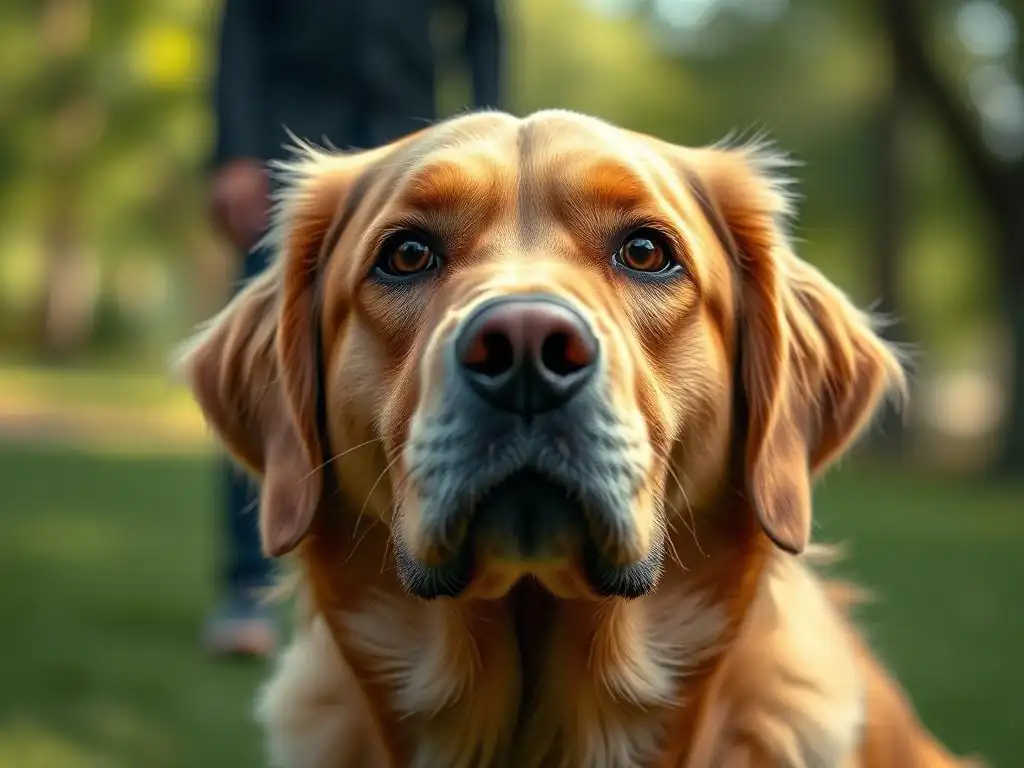
Welcome to PetCareWorld, your ultimate guide to happy and healthy pets! Are you concerned about your canine companion? Learning to recognize dog fear signs is crucial for ensuring their well-being. Discover how to identify subtle and overt signs of fear in your dog and learn practical steps to help alleviate their anxieties. Dive into our expert guide on "Is Your Dog Scared? Identifying the Signs of Fear in Dogs" and unlock the secrets to a calmer, more confident pet.
- Understanding Canine Fear: A Comprehensive Guide to Recognizing Fearful Behaviors in Dogs
- Common Signs of Fear in Dogs: Body Language and Vocalizations
- Identifying the Triggers: What Scares Your Dog?
- Helping Your Fearful Dog: Strategies and Solutions
- Preventing Fear in Dogs: Early Socialization and Desensitization
- Living with a Fearful Dog: Managing Anxiety and Promoting Well-being
- Frequently Asked Questions
- Final Reflection: Understanding Canine Fear: A Path to Compassionate Care
- Unlock Your Dog's Confidence: Next Steps to a Happier Pup
Understanding Canine Fear: A Comprehensive Guide to Recognizing Fearful Behaviors in Dogs
Canine fear is a significant behavioral issue impacting millions of dogs globally. Understanding the subtle and overt signs of fear in your dog is crucial for their well-being and your relationship with them. This comprehensive guide will equip you with the knowledge to identify fear in your canine companion, differentiating it from other behaviors like aggression, and providing you with the tools to address and manage this common problem.
Early identification and appropriate intervention can prevent fear from escalating into more serious behavioral challenges, ultimately creating a happier and healthier life for both you and your furry friend. This guide focuses on providing a practical and detailed understanding of dog fear signs identification, empowering you to become a more informed and supportive pet owner. We will explore the nuances of canine fear, providing clear examples and distinctions to help you accurately assess your dog's emotional state.
What is Fear in Dogs? Defining Fear vs. Other Behaviors
Fear, in dogs, is a natural survival instinct triggered by perceived threats. Unlike aggression, which is an outward expression of dominance or protection, fear is a response to perceived danger, aiming to avoid unpleasant or potentially harmful situations. A fearful dog may exhibit a wide range of behaviors, from subtle cues like tucked tail and lowered ears to more pronounced displays such as trembling, panting, and hiding.
It's important to distinguish fear from other behaviors such as anxiety, which is a more generalized state of unease, or stress, which is a response to overwhelming demands. Fear, however, is specifically focused on a perceived threat and is often accompanied by a strong avoidance response.
For example, a dog exhibiting fear might cower at the sight of a vacuum cleaner, while a dog exhibiting anxiety might be generally restless and uneasy throughout the day, regardless of specific stimuli. Understanding these subtle differences is key to providing appropriate support and training. The intensity of a dog's fear response can vary greatly depending on the individual dog's temperament, past experiences, and the nature of the perceived threat.
Some dogs might exhibit mild avoidance, while others might show extreme panic and distress. This variability highlights the importance of careful observation and accurate interpretation of your dog's behavior. Accurate identification of fear is the first step towards effective management and mitigation.
Differentiating Fear from Aggression: Key Distinctions
While fear and aggression can sometimes appear similar, they are fundamentally different behavioral responses. A fearful dog might exhibit behaviors that resemble aggression, such as snapping or growling, but these actions are driven by fear, not by dominance or intent to harm. A key distinction lies in the context of the behavior.
A fearful dog will typically display signs of fear before resorting to defensive aggression. These signs might include whale eye (showing the whites of their eyes), lip licking, yawning, tucked tail, flattened ears, and a lowered posture. These are appeasement signals, attempts to de-escalate the situation and avoid confrontation.
In contrast, an aggressive dog usually displays more assertive body language, such as a raised tail, stiff posture, direct stare, and piloerection (hair standing on end). They may initiate the aggressive behavior without prior signs of fear. Consider this scenario: A dog growls at a stranger approaching it. If the dog shows signs of fear beforehand (whale eye, tucked tail, etc. ), the growl is likely a defensive response stemming from fear.
However, if the dog approaches the stranger with a stiff posture, direct stare, and a raised tail, then the growl is more indicative of aggression. Understanding these subtle yet crucial differences is vital for appropriate intervention. Mistaking fear for aggression can lead to inappropriate training methods, potentially exacerbating the problem and damaging the dog's trust. Accurate identification is paramount for effective management and creating a positive and safe environment for your dog.
Common Signs of Fear in Dogs: Body Language and Vocalizations

This section focuses on identifying the common signs of fear in dogs, encompassing both their body language and vocalizations. Accurate dog fear signs identification is crucial for addressing underlying anxieties and ensuring your canine companion's well-being. Understanding these signals allows for proactive intervention and prevents the escalation of fear into more serious behavioral problems. We'll explore both subtle and overt indicators, equipping you with the knowledge to effectively interpret your dog's emotional state. Remember, early recognition is key to effective management and treatment of canine fear.
Recognizing Subtle Signs of Canine Fear: The Telltale Body Language
Subtle signs of fear are often missed by untrained eyes, yet they're crucial indicators of a dog's discomfort. These subtle cues often precede more obvious displays of fear and can help you intervene early. Observe your dog carefully for these nuanced signals:
- Lip Licking: Frequent lip licking, even without apparent drool, can signal anxiety or apprehension. It's a displacement behavior – a way the dog attempts to self-soothe.
- Yawning: Yawning isn't always a sign of tiredness. In stressful situations, yawning can be a subtle sign of fear or stress.
- Whale Eye: This refers to the whites of the dog's eyes becoming visible. It indicates a heightened state of anxiety and unease. The dog is trying to monitor their surroundings without direct eye contact.
- Pinned Ears: While some breeds naturally have dropped ears, a sudden flattening or pinning of the ears, particularly in dogs with erect ears, can indicate fear.
- Tail Tucking: A tucked tail, especially when combined with other signs, is a clear sign of fear or submission. It's the dog's way of making themselves appear smaller and less threatening.
- Stiff Posture: A rigid, tense body posture, with muscles slightly contracted, can indicate fear or apprehension. The dog is bracing itself for a potential threat.
Understanding Vocalizations: Whining, Barking, and Other Sounds of Fear
Vocalizations provide another important avenue for dog fear signs identification. While barking can sometimes indicate excitement, it can also signal fear, depending on the context and accompanying body language. Pay close attention to:
- Whining: High-pitched, anxious whining is a common vocalization associated with fear. The pitch and intensity can vary depending on the severity of the fear.
- Barking: A high-pitched, rapid-fire bark is often a sign of fear or alarm. It's different from the confident, assertive barking often used in play or territorial defense.
- Growling: While growling is often associated with aggression, it can also be a warning sign of fear. A fearful growl is often accompanied by other signs of fear, such as a tucked tail or whale eye.
- Panting: Excessive panting, even in cool environments, can be a sign of stress and anxiety. It's the dog's attempt to regulate their body temperature under duress. This is especially important to note in breeds prone to overheating.
- Silence: Sometimes, the absence of sound can be just as telling. A usually vocal dog that becomes unusually quiet might be experiencing intense fear or anxiety. This is often overlooked but can be a significant indicator.
Fear-Induced Behaviors: Hiding, Trembling, and Other Reactions
Beyond body language and vocalizations, certain behaviors clearly manifest a dog's fear. These behaviors can range from subtle avoidance to more extreme reactions. Recognizing these patterns is crucial for effective management:
- Hiding: Seeking refuge under furniture, in closets, or other concealed areas is a common response to fear. The dog is attempting to remove themselves from the perceived threat.
- Trembling or Shaking: Visible trembling or shaking is a clear indication of fear or anxiety. The dog's body is exhibiting a physical response to the stress.
- Destructive Chewing: Excessive chewing or destruction of household items can sometimes stem from anxiety or fear. This is a displacement behavior – the dog is trying to relieve stress through physical activity.
- House Soiling Accidents: Urination or defecation in the house, particularly in a dog that is usually house-trained, can be a sign of severe anxiety or fear. It's an involuntary response to stress.
- Pacing or Restlessness: Constant pacing, restlessness, or inability to settle down can be a symptom of underlying anxiety or fear. The dog is unable to relax due to their heightened emotional state.
Understanding these diverse manifestations of fear allows for a more holistic approach to dog fear signs identification. Remember, consistent observation and a keen understanding of your dog's individual personality are essential for recognizing even the subtlest signs of fear. Early intervention and appropriate management strategies can significantly improve your dog's quality of life and help them overcome their fear.
Identifying the Triggers: What Scares Your Dog?

Understanding the root cause of your dog's fear is crucial for effective management and training. Simply knowing your dog is afraid isn't enough; you need to pinpoint what specifically triggers their fear response. This allows for targeted interventions and prevents inadvertently exposing your dog to situations that exacerbate their anxiety. This section delves into identifying these triggers, offering practical strategies for observation and record-keeping. Accurate identification of the triggers is paramount for successful dog fear signs identification.
Common Fear Triggers in Dogs: Noises, People, and Situations
Many dogs exhibit fear responses to a variety of stimuli. Some common triggers include loud noises, unfamiliar people, specific situations, and even certain objects. Let's examine these in more detail:
- Loud Noises: Fireworks, thunderstorms, construction work, and even sudden loud sounds within the home (e.g., slamming doors) are frequent fear inducers for many canines. The intensity of the reaction varies greatly depending on the individual dog's sensitivity and past experiences. Some dogs may merely show mild anxiety, while others may exhibit extreme fear, exhibiting behaviors like panting, trembling, hiding, or even destructive behaviors.
- Unfamiliar People: Not all dogs are naturally friendly towards strangers. Some may display apprehension or fear when encountering new people, especially children or individuals who approach them aggressively or unpredictably. This fear can manifest as barking, growling, cowering, or attempting to escape. Body language is key here; observe their posture, tail position, and ear movement for subtle signs.
- Specific Situations: Certain situations can trigger fear in dogs. This could range from vet visits (a common source of anxiety) to being left alone (separation anxiety), being groomed, or even car rides. These situations often involve perceived threats or negative past experiences, leading to anticipatory anxiety even before the event occurs. For example, a dog who has had a negative experience at the groomer may exhibit fear even just upon entering the car on the way there.
- Objects: Surprisingly, certain objects can also trigger fear. This could include specific types of toys, unusual textures, or even everyday items if negatively associated with a past experience. For instance, a dog that has been accidentally injured by a vacuum cleaner might show a fear response whenever it's turned on.
Identifying Specific Triggers Through Observation and Note-Taking
Systematic observation is key to identifying your dog's specific fear triggers. Don't rely on memory alone; keep detailed notes of your dog's behavior in various situations. Consider these points:
- Contextual Analysis: When does your dog display fearful behavior? What is happening immediately before the fear response? Pinpointing the exact trigger requires meticulous observation and careful consideration of the surrounding environment. Was it a specific sound, a particular person, or a combination of factors?
- Body Language Decoding: Learn to interpret your dog's body language. Subtle signs of fear, such as tucked tail, lowered ears, yawning (a stress response), lip licking, whale eye (showing the whites of their eyes), and changes in posture, can indicate underlying anxiety even before overt fear behaviors appear.
- Intensity Level: Document the severity of your dog's fear response. Does it range from mild anxiety (e.g., slight panting) to extreme panic (e.g., uncontrollable shaking, hiding, escaping)? This helps gauge the intensity of the trigger and the level of intervention required.
- Frequency of Occurrence: How often does this fear response occur? Is it a consistent reaction to a specific trigger, or does it seem random? This aids in identifying patterns and predicting potential triggers.
Creating a Fear Diary: Tracking Your Dog's Reactions
A detailed fear diary is an invaluable tool for monitoring your dog's progress and refining your understanding of their fears. Here's how to create one:
| Date | Time | Location | Situation/Trigger | Dog's Reaction | Severity (1-5, 5 being most severe) | Notes |
|---|---|---|---|---|---|---|
| 2024-10-27 | 7:00 PM | Backyard | Fireworks | Hiding under the porch, trembling, whining | 4 | Seemed particularly afraid of the loud booms |
| 2024-10-28 | 3:00 PM | Dog Park | Large dog barking | Stiffened body, tucked tail, ears back | 3 | Avoided eye contact with the other dog |
| 2024-10-29 | 10:00 AM | Vet's Office | Vet examination | Panting heavily, trying to escape the table | 5 | Significant fear of the vet environment |
Remember to be consistent with your observations and record-keeping. This detailed approach will provide valuable insights into your dog's fears, enabling you to develop a tailored plan to help them overcome their anxieties. This comprehensive approach to dog fear signs identification is crucial for positive outcomes.
Helping Your Fearful Dog: Strategies and Solutions
Understanding your dog's fear is the first step; addressing it effectively requires a multifaceted approach. This section details practical strategies and solutions to help your fearful canine companion. Remember, patience and consistency are key to success in managing canine fear. Successful management of dog fear signs requires a personalized approach tailored to your dog's specific triggers and anxieties.
Creating a Safe and Secure Environment for a Fearful Dog
A safe haven is paramount for a fearful dog. This doesn't just mean a comfortable bed; it's about creating a space where your dog feels completely protected from perceived threats. This involves careful environmental modification and proactive management of potential stressors.
Consider these steps:
- Identify and Eliminate Triggers: Keep a detailed journal noting situations, sounds, or places that trigger fear responses. This could range from loud noises (thunder, fireworks) to specific objects (vacuum cleaners, umbrellas) or even other animals. Once identified, eliminate or minimize exposure to these triggers as much as possible.
- Create a "Den": Designate a quiet, enclosed space where your dog can retreat when feeling overwhelmed. This could be a crate, a dog bed in a quiet corner, or even a specially designed den. Ensure it's comfortable, dark, and provides a sense of security.
- Gradual Desensitization: Once you've identified triggers, you can start a gradual desensitization process. Begin by exposing your dog to the trigger at a very low intensity and distance, rewarding calm behavior with treats and praise. Slowly increase the intensity and proximity over time, always ensuring your dog remains comfortable and doesn't show signs of excessive fear. For example, if your dog fears loud noises, you might start by playing recordings of quiet thunder at a low volume, gradually increasing the volume over several sessions.
- Safe Spaces Outside: If your dog exhibits fear outside, create safe spaces in your yard. This might involve a fenced-in area with plenty of shade and cover, away from busy streets or potential sources of stress.
Positive Reinforcement Training Techniques for Fearful Dogs
Positive reinforcement training is crucial for helping fearful dogs overcome their anxieties. It focuses on rewarding desired behaviors rather than punishing unwanted ones. This method builds confidence and reduces fear responses over time. Remember, avoid punishment-based training methods, which can worsen fear and anxiety in dogs.
Here are some effective techniques:
- Counter-Conditioning: This involves pairing a fearful stimulus with a positive experience. For instance, if your dog fears the vacuum cleaner, start by turning it on at a low setting while giving your dog high-value treats. Gradually increase the vacuum's volume and duration while continuing to reward calm behavior.
- Desensitization: This technique gradually exposes your dog to the fearful stimulus at a low intensity, increasing the intensity only when your dog remains calm. This process requires patience and consistency. For example, if your dog fears strangers, start by having someone stand far away and gradually decrease the distance while rewarding your dog for remaining relaxed.
- Clicker Training: A clicker serves as a marker to signal the precise moment your dog performs the desired behavior. This provides immediate feedback and makes training more effective. Pair the clicker sound with a high-value reward.
- Rewarding Calmness: Actively reward your dog for exhibiting calm behavior, especially in situations that might normally trigger fear. This reinforces the desired response and helps to build confidence.
Professional Help: When to Seek Veterinary or Behavioral Consultation
While many fear-related issues can be addressed at home, some situations warrant professional help. If your dog's fear is severe, significantly impacts their quality of life, or involves aggression, seeking professional guidance is essential.
Here are some indicators that suggest you should consult a veterinarian or certified dog behaviorist:
- Severe Anxiety or Panic Attacks: If your dog experiences intense anxiety or panic attacks, it's crucial to seek professional help to rule out any underlying medical conditions and develop a tailored treatment plan.
- Self-Mutilation: Excessive licking, chewing, or scratching, particularly in response to fear, could indicate a deeper underlying problem.
- Aggression: Fear can sometimes manifest as aggression. If your dog exhibits aggression towards people or other animals, it's vital to seek professional help to manage the behavior safely and effectively.
- Unresponsiveness to Home Training: If home-based training techniques haven't yielded significant improvement after a reasonable period, consulting a professional may be necessary to diagnose the issue and develop a more effective plan.
Remember, addressing dog fear requires a holistic approach combining environmental modifications, positive reinforcement training, and when necessary, professional consultation. The journey may require patience and persistence, but with the right strategies, you can help your fearful dog live a happier, healthier life. The successful identification and management of dog fear signs significantly improves the dog's overall well-being.
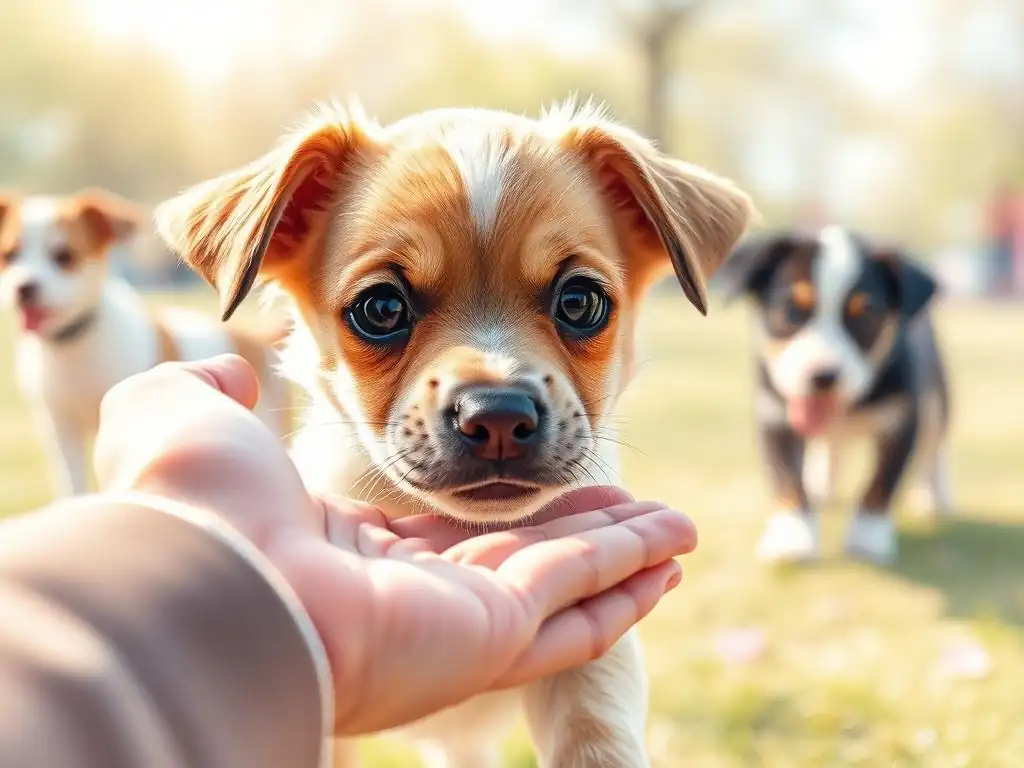
Effective management of canine fear often begins long before any fearful behaviors manifest. Proactive measures, focusing on early socialization and desensitization, are crucial in building a confident and well-adjusted dog. Understanding and implementing these preventative strategies significantly reduces the likelihood of developing severe fear-based anxieties later in life. This proactive approach is key to successful "Dog fear signs identification" and subsequent management.
Early socialization is paramount. Ideally, this process should begin between 3 and 12 weeks of age – the critical socialization period. During this time, a puppy's brain is highly receptive to new experiences, making it the optimal window for positive imprinting. Exposure to a wide variety of sights, sounds, smells, people, and other animals is essential. This doesn't mean throwing your puppy into chaotic situations; instead, it involves carefully controlled and positive interactions.
Think about creating a structured socialization plan. This might include:
- Controlled visits to different environments: Parks (avoiding overly crowded areas initially), pet-friendly stores, and quiet streets.
- Gentle introductions to various people: Different ages, genders, and ethnicities. Ensure positive interactions with calm and patient individuals.
- Safe encounters with other well-socialized dogs: Supervised playdates with dogs of similar size and temperament.
- Exposure to different sounds: Gradually introduce your puppy to everyday noises like vacuum cleaners, traffic sounds, and thunderstorms (using recordings at low volumes initially).
Remember, positive reinforcement is key. Reward your puppy with treats and praise for calm behavior during these exposures. Avoid pushing your puppy beyond its comfort level; signs of stress (such as tucked tail, yawning, or lip licking) should be heeded as signals to back off and try again later with less intense stimuli. The goal is to create positive associations with these new experiences, preventing the development of fear responses.
Desensitization and Counter-Conditioning: Gradual Exposure Techniques
Desensitization and counter-conditioning are powerful tools for addressing existing mild fears or preventing the development of more severe anxieties. Desensitization involves gradually exposing your dog to a feared stimulus at a distance and intensity that doesn't trigger a fear response. Counter-conditioning involves pairing the feared stimulus with something highly positive, such as a favorite treat or toy, to create a new, positive association.
Let's illustrate with an example: Suppose your dog is fearful of loud noises. You wouldn't immediately blast it with a loud sound. Instead:
- Identify the trigger: Pinpoint the specific sound (e.g., fireworks, thunderstorms).
- Start far away: Begin by playing a recording of the sound at a very low volume, barely audible to your dog.
- Reward calm behavior: Reward your dog liberally with high-value treats for remaining calm.
- Gradually increase intensity: Over several sessions, gradually increase the volume, always maintaining a distance that prevents a fear response.
- Pair with positive reinforcement: Continue pairing the sound with positive reinforcement, ensuring your dog associates the sound with pleasant experiences.
This process requires patience and consistency. It's crucial to proceed slowly and observe your dog carefully for signs of stress. If your dog shows signs of fear, immediately decrease the intensity or distance of the stimulus and resume once calmness is restored. Professional guidance from a certified dog trainer or veterinary behaviorist can be invaluable in developing a tailored desensitization and counter-conditioning plan, especially for dogs with significant fear issues. Consistent application of these techniques is vital for the successful management of dog fear and contributes significantly to accurate "Dog fear signs identification" in the future.
Living with a Fearful Dog: Managing Anxiety and Promoting Well-being

Living with a fearful dog requires patience, understanding, and a proactive approach to managing their anxiety. Successfully navigating this challenge involves creating a safe and predictable environment, employing positive reinforcement training techniques, and recognizing when professional intervention is needed. Remember, consistent and gentle handling is paramount to building trust and reducing fear. The goal is not to eliminate fear entirely – that's often unrealistic – but to help your dog manage their fear response effectively and live a happier, more fulfilling life. This involves careful observation and a tailored approach to meet your dog's specific needs.
Medication for Severe Anxiety: When Professional Intervention is Necessary
Some dogs experience such intense fear that it significantly impacts their quality of life. In these cases, medication can be a valuable tool, but only under the guidance of a veterinarian. Never self-medicate your dog. A vet can assess the severity of the anxiety, rule out underlying medical conditions that might be contributing to the fear, and prescribe appropriate medication, such as selective serotonin reuptake inhibitors (SSRIs) or other anxiolytics.
These medications can help reduce the intensity of fear responses, making it easier to implement behavioral modification techniques. The vet will work with you to develop a comprehensive management plan that combines medication with other strategies. Remember, medication is often a part of a larger treatment plan, not a standalone solution.
Regular monitoring and follow-up appointments are crucial to ensure the medication is effective and safe for your dog. It's important to be patient and understand that it might take some time to find the right medication and dosage for your dog's specific needs. The process requires collaboration between you, your veterinarian, and potentially a certified professional dog trainer or veterinary behaviorist.
Long-Term Management Strategies for Canine Fear
Successfully managing canine fear is a long-term commitment. It's not a quick fix; it requires consistent effort and patience. Creating a safe haven for your dog is crucial. This could be a quiet crate, a specific room, or a comfortable bed in a low-traffic area. This space should be associated with positive experiences, offering your dog a place to retreat when feeling overwhelmed. Desensitization and counter-conditioning are highly effective behavioral modification techniques.
This involves gradually exposing your dog to their fear triggers at a distance and intensity they can handle, while simultaneously pairing the trigger with positive reinforcement (treats, praise, toys). The goal is to slowly change their association with the trigger from negative to positive. This process requires careful planning and often the guidance of a professional. Regular, consistent training sessions focused on building confidence and obedience are essential. Positive reinforcement methods are key – rewarding calm behavior and avoiding punishment. Enrichment activities, such as puzzle feeders, interactive toys, and regular walks in safe, controlled environments, can help reduce anxiety and provide mental stimulation.
Remember, consistency is key. A structured routine and predictable environment can significantly reduce anxiety in fearful dogs. Finally, monitoring your dog's body language is crucial. Learning to recognize subtle signs of fear allows you to intervene before the anxiety escalates. By implementing these strategies, you can help your fearful dog live a happier and healthier life, significantly improving their overall well-being and strengthening your bond.
Remember to consult with a veterinarian or certified professional dog trainer for personalized advice and support in managing your dog's fear. They can provide tailored strategies and address any specific concerns. Early intervention is key to preventing fear from becoming a debilitating problem. 🐾
Frequently Asked Questions
How can I tell if my dog is afraid?
Dogs display fear in various ways, from subtle signs like yawning or lip licking to more obvious ones like whining, shaking, or trying to hide. Changes in posture, like tucked tail or lowered head, are also key indicators.
What are some subtle signs of fear in dogs?
Subtle signs often go unnoticed. Look for avoidance behavior, increased panting, rigid body posture, or changes in their normal behavior. Even a seemingly small change can be a sign of underlying fear.
My dog is fearful of other dogs. What should I do?
Positive reinforcement training is crucial. Gradually expose your dog to other dogs at a safe distance, rewarding calm behavior. Professional help from a certified dog trainer or behaviorist may be beneficial for severe cases.
How can I help my fearful dog feel more secure?
Create a safe space for your dog, a quiet area where they can retreat when feeling overwhelmed. Consistent routines, gentle handling, and avoiding stressful situations will help build their confidence.
Is it normal for dogs to show fear?
Yes, fear is a normal emotion in dogs. However, excessive fear or fear that interferes with their quality of life requires attention. Understanding the signs and seeking help when needed is crucial for your dog's well-being.
Final Reflection: Understanding Canine Fear: A Path to Compassionate Care
Recognizing the subtle signs of fear in our canine companions is not merely an act of observation; it's a crucial step towards building a stronger, more compassionate bond. Failure to understand these signs can lead to misinterpretations of behavior, potentially exacerbating anxieties and damaging the human-animal relationship. The consequences of ignoring canine fear can be significant, impacting both the dog's well-being and the owner's ability to provide effective care.
The pervasive nature of canine fear, stemming from various sources like past trauma, genetics, and environmental stressors, underscores the importance of ongoing education and awareness. Understanding these nuances allows us to move beyond simple obedience training and into a realm of genuine empathy and understanding. The greatness of a nation and its moral progress can be judged by the way its animals are treated.
- Mahatma Gandhi. This quote, while broad, highlights the interconnectedness of our compassion for animals and our overall societal progress. It emphasizes the responsibility we bear in ensuring the well-being of our animal companions.
Now, consider your own relationship with your dog. Have you taken the time to truly understand their body language? Do you recognize the subtle cues that might indicate fear or anxiety? I urge you to actively engage in learning more about canine communication, to observe your dog with a keen eye, and to respond to their needs with patience and understanding. By fostering a deeper connection built on empathy and respect, you can create a richer, more fulfilling relationship with your beloved canine friend, transforming fear into trust and anxiety into security.
Unlock Your Dog's Confidence: Next Steps to a Happier Pup
Thank you for learning how to recognize fear in your dog! Understanding your canine companion's anxieties is the first step toward building a stronger, more trusting bond. Now, let's put that knowledge into practice.
- Prioritize a Fear-Free Environment: Carefully assess your dog's environment and remove anything that causes them distress. This might involve adjusting your daily routine, creating safe spaces, or seeking professional help from a certified dog trainer or veterinary behaviorist. Addressing your dog's triggers is vital for reducing their fear.
- Share Your Experiences: Discuss your observations and the changes you're making with other dog owners. Sharing your experiences can help others and provide valuable support for you.
- Explore Enrichment Activities: Introduce new and engaging activities to boost your dog's confidence and distract them from fearful situations. This could include puzzle toys, scent work, or exploring a new walking route.
Ready to create a more secure and joyful life for your furry friend? What small step will you take today to build your dog's confidence?