
Japanese Chin Care: Health, Grooming & Training Tips


Welcome to PetCareWorld, your ultimate guide to a happier, healthier life for your beloved companion! Are you ready to unlock the secrets to providing the best possible care for your furry friend? Then dive into our comprehensive Japanese Chin dog care guide, packed with expert advice on health, grooming, and training – everything you need to ensure your Japanese Chin thrives. Discover the surprisingly simple steps to a stronger bond and a longer, more fulfilling life together. Let's get started!
- Understanding Your Japanese Chin: Breed Overview and Temperament
- Japanese Chin Health Concerns and Preventative Care
- Grooming Your Japanese Chin: A Comprehensive Guide
- Training Your Japanese Chin: Tips and Techniques
- Japanese Chin Nutrition: Diet and Feeding Guidelines
- Finding the Right Japanese Chin: Adoption vs. Breeder
- Japanese Chin and Children: A Safe and Harmonious Coexistence
- Frequently Asked Questions
- Final Reflection: A Lifetime of Joy with Your Japanese Chin
- Unleash Your Japanese Chin's Inner Champion!
Understanding Your Japanese Chin: Breed Overview and Temperament
The Japanese Chin, a captivating toy breed with a rich history, is known for its elegant appearance and affectionate nature. This comprehensive guide will delve into all aspects of Japanese Chin care, providing you with the knowledge and tools to ensure your furry companion lives a long, healthy, and happy life. From understanding their unique temperament and historical background to mastering grooming techniques and effective training methods, we'll cover everything you need to know to become the best possible caregiver for your Japanese Chin.
This guide serves as your ultimate resource for navigating the joys and responsibilities of owning this charming breed, empowering you to provide optimal care and address any challenges that may arise. We'll explore topics crucial for their well-being, ensuring your Japanese Chin thrives under your care. Consider this your go-to resource for all things related to "Japanese Chin dog care guide."
Japanese Chin History and Origin
The Japanese Chin, despite its name, didn't actually originate in Japan. Their ancestry traces back to China, where they were prized companions of royalty and nobility for centuries. These dogs were highly valued for their beauty and gentle temperament, often gifted as symbols of friendship and high status. Their journey to Japan likely occurred sometime during the 10th century, where they continued to be cherished by the elite.
Early depictions of the Japanese Chin reveal striking similarities to the breed we know today, showcasing their enduring elegance and distinct features. Their small size and luxurious coat made them ideal lapdogs, cementing their place as beloved companions within the imperial courts of both China and Japan. [Specific details on the exact route and timing of their introduction to Japan pending]. Their history reveals a lineage of pampered pets, influencing their gentle and adaptable nature.
Typical Japanese Chin Personality Traits
Japanese Chins are renowned for their sweet and affectionate personalities. They are typically playful and intelligent, forming strong bonds with their families. Their small size doesn't diminish their spirit; they are often described as confident and curious, enjoying exploring their surroundings.
However, like many small breeds, they can be prone to certain behavioral traits that require understanding and gentle guidance. For example, some Japanese Chins can be prone to barking, especially if they sense a threat or feel insecure. Early socialization is crucial to mitigate this tendency and ensure they develop into well-adjusted companions.
Early training and consistent positive reinforcement are key to managing potential behavioral challenges and fostering a harmonious relationship. Many owners describe their Chins as being remarkably adaptable to different living situations, making them suitable for a range of lifestyles. They are often described as being very loyal and devoted to their owners, often following them around the house and seeking attention.
Ideal Home Environment for a Japanese Chin
Providing a suitable home environment for your Japanese Chin is paramount to their overall well-being. Because of their small size and delicate nature, they thrive in calm and stable households. While they can adapt to apartment living, regular walks and playtime are essential to prevent boredom and maintain their physical and mental health.
A secure and comfortable space, perhaps a dog bed or a quiet corner, should be provided for your Chin to retreat to when they need some rest. Japanese Chins are not particularly high-energy dogs, but they do require regular exercise, even if it's just a short walk or some playtime in a secure area. They are also sensitive to extreme temperatures, so providing a climate-controlled environment, especially during hot summers and cold winters, is crucial.
Their luxurious coat requires regular grooming, so access to brushes and other grooming supplies is also vital. Creating a safe and enriching environment will contribute significantly to your Japanese Chin's happiness and overall health. Providing a stimulating environment with toys and opportunities for interaction will help keep your dog happy and engaged.
Japanese Chin Health Concerns and Preventative Care
The Japanese Chin, with its charming appearance and gentle nature, is a beloved companion. However, like all breeds, they are prone to certain health issues. Understanding these potential problems and implementing preventative measures is crucial for ensuring a long and healthy life for your furry friend.
This section will delve into common health concerns, preventative strategies through diet and exercise, and the importance of regular veterinary care. This comprehensive approach to Japanese Chin dog care is key to maximizing their lifespan and quality of life. A proactive approach to their health is a vital part of any good Japanese Chin dog care guide.
Common Health Problems in Japanese Chin Dogs
Japanese Chins, while generally hardy, are susceptible to several health conditions. Some of the most common include:
- Patellar Luxation: This is a common problem in small dog breeds, where the kneecap dislocates from its normal position. Symptoms can range from intermittent limping to severe lameness. Early diagnosis and sometimes surgical intervention can be necessary. Breeders are working to reduce this issue, but careful selection of a reputable breeder is crucial.
- Intervertebral Disc Disease (IVDD): This condition affects the discs between the vertebrae in the spine, leading to pain and potential paralysis. Maintaining a healthy weight and avoiding strenuous activities can help mitigate the risk.
- Eye Problems: Japanese Chins can be prone to various eye issues, including dry eye (keratoconjunctivitis sicca), cataracts, and progressive retinal atrophy (PRA). Regular eye examinations by a veterinarian are essential for early detection and management.
- Dental Disease: Small breeds are particularly susceptible to dental problems like periodontal disease. Regular brushing and professional dental cleanings are crucial to prevent tooth loss and infection. Many owners underestimate the importance of dental hygiene in their Japanese Chin dog care routine.
- Allergies: Skin allergies and food allergies are relatively common in Japanese Chins. Identifying and managing allergens is key to improving their comfort and well-being. This often requires careful collaboration with a veterinarian.
The frequency and severity of these conditions can vary significantly between individual dogs. Genetic predisposition plays a role, highlighting the importance of choosing a responsible breeder who screens their breeding dogs for these health issues. A comprehensive Japanese Chin dog care guide should always emphasize responsible breeding practices.
Preventing Health Issues Through Diet and Exercise
A balanced diet and appropriate exercise are fundamental to preventative healthcare in Japanese Chins. Providing high-quality dog food formulated for small breeds is crucial. Avoid overfeeding, as obesity significantly increases the risk of several health problems, including IVDD and patellar luxation. The food should contain the right balance of proteins, fats, and carbohydrates, tailored to their age and activity level. Some Japanese Chins may also have specific dietary needs based on allergies or other health concerns.
Regular exercise is equally important. While they are not high-energy dogs, Japanese Chins still need daily walks and playtime to stay healthy and maintain a healthy weight. Avoid overexertion, especially in younger or older dogs, to minimize the risk of injuries. Interactive play sessions can be a great way to engage them mentally and physically. Remember, a happy and active Japanese Chin is a healthier Japanese Chin.
Importance of Regular Veterinary Checkups for Japanese Chins
Regular veterinary checkups are a cornerstone of responsible Japanese Chin dog care. These visits allow for early detection of potential health problems, often before they become serious. A veterinarian can assess your dog's overall health, monitor their weight, and address any concerns. They can also provide vaccinations, parasite prevention, and recommend appropriate dental care. Furthermore, regular checkups allow you to build a strong relationship with your vet, who can provide personalized advice and guidance on your dog's specific needs.
Don't underestimate the value of proactive veterinary care in your comprehensive Japanese Chin dog care guide. Early intervention can often make a significant difference in the outcome of many health issues. Schedule regular checkups, at least annually, or more frequently if advised by your veterinarian. This preventative care is an investment in your dog’s health and longevity.
Dental Care for Japanese Chins
Dental disease is a prevalent issue in small breed dogs like the Japanese Chin, often manifesting as periodontal disease. Periodontal disease is an infection of the gums and supporting structures of the teeth, leading to tooth loss if left untreated. Early intervention is key to preventing serious complications. Regular brushing is crucial, ideally starting from puppyhood. Use a pet-specific toothpaste—human toothpaste is toxic to dogs—and a soft-bristled toothbrush designed for small mouths.
Many Japanese Chins find the process challenging initially, so patience and positive reinforcement are vital. Start with short brushing sessions and gradually increase the duration as your dog becomes more comfortable. Dental chews and toys can help remove plaque and tartar buildup between brushings, but they are not a replacement for regular brushing. Professional dental cleanings by a veterinarian are also recommended at least once a year, or more frequently depending on your dog's individual needs. During these cleanings, your vet can assess your Chin's oral health, remove tartar and plaque, and address any existing dental problems.
Ignoring dental health can lead to painful infections, tooth loss, and even more serious health complications, impacting overall well-being. Therefore, proactive dental care is an essential aspect of responsible Japanese Chin ownership, contributing significantly to their long-term health and happiness. Early detection of any dental issues through regular veterinary checkups can significantly improve the outcome and prevent costly procedures down the line. Remember, a healthy mouth contributes to a healthy dog! 🐶
Grooming Your Japanese Chin: A Comprehensive Guide
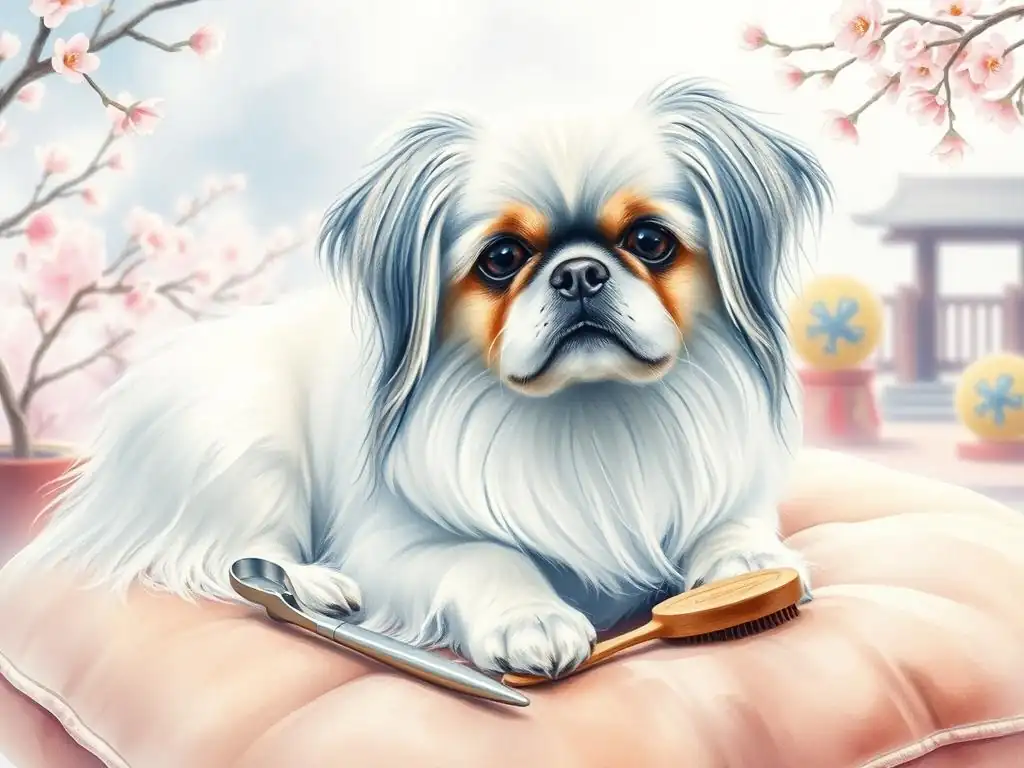
Regular grooming is crucial for maintaining the health and well-being of your Japanese Chin. Their long, flowing coat requires dedicated attention to prevent matting, tangles, and skin problems. This section delves into the specifics of grooming your Japanese Chin, providing a detailed care guide to keep your canine companion looking and feeling their best. Proper grooming is an essential part of responsible Japanese Chin dog care.
Japanese Chin Coat Care: Brushing and Bathing
The Japanese Chin's luxurious coat needs regular brushing to prevent matting. Aim for daily brushing, using a slicker brush to remove loose hair and prevent tangles. For longer-haired Japanese Chins, consider using a wide-toothed comb to gently detangle any knots. Pay special attention to areas prone to matting, such as behind the ears and around the legs. A thorough brushing session also helps distribute natural oils, keeping the coat shiny and healthy.
Bathing your Japanese Chin should be done as needed, typically every 4-6 weeks, or more frequently if they get particularly dirty. Use a dog-specific shampoo and conditioner to avoid irritating their delicate skin. Always rinse thoroughly to remove all traces of shampoo, as residue can lead to skin problems. After bathing, gently towel dry your dog and allow them to air dry completely to prevent chilling. Remember to always check the water temperature before bathing to ensure it's comfortably warm, not hot. This regular bath routine contributes significantly to optimal Japanese Chin dog care.
Trimming Your Japanese Chin's Nails
Keeping your Japanese Chin's nails trimmed is essential for their comfort and mobility. Overgrown nails can cause discomfort, affect their gait, and even lead to joint problems. Trim your dog's nails regularly, ideally every 2-3 weeks, using a sharp pair of dog nail clippers. Be careful not to cut into the quick (the pink part of the nail containing nerves and blood vessels), as this can be painful and cause bleeding.
If you're unsure how to trim your dog's nails, consult a veterinarian or a professional groomer for guidance. Regular nail trimming is a vital aspect of responsible Japanese Chin dog care. Consider using a nail grinder as an alternative to clippers for a less stressful experience.
Ear Cleaning for Japanese Chins
Japanese Chins, with their floppy ears, are prone to ear infections. Regular ear cleaning is therefore crucial in preventing these issues. Use a dog-specific ear cleaner and a cotton ball or soft cloth to gently wipe the inside of your dog's ears. Avoid using cotton swabs, as these can push debris further into the ear canal and potentially damage the eardrum.
Only clean the visible part of the ear; do not attempt to clean deep inside the ear canal. If you notice any redness, swelling, discharge, or unusual odor in your dog's ears, consult your veterinarian immediately. Proactive ear cleaning is a key component of comprehensive Japanese Chin dog care and helps prevent costly and potentially painful ear infections. Regular checks for excessive wax or debris are also recommended, even without cleaning.
Eye Care for Japanese Chins
Japanese Chins, with their charmingly expressive eyes, are prone to certain eye conditions. Regular and careful eye care is crucial to maintain their ocular health and prevent potential problems. Many eye issues, if caught early, are easily treatable, minimizing discomfort for your beloved pet and preventing long-term complications. Neglecting eye care, however, can lead to serious problems requiring extensive veterinary intervention.
One common issue is excessive tearing, often manifesting as staining around the eyes. This can be caused by several factors, including allergies, blocked tear ducts, or even an improperly fitting collar that irritates the eye area. Regularly wiping away tear stains with a soft, damp cloth is essential. Use a gentle, pet-safe cleaner specifically designed for eye care – avoid harsh chemicals that could irritate sensitive tissues. If the tearing persists or worsens, a veterinary examination is necessary to rule out underlying medical conditions.
Another concern is the potential for eye infections, which can present as redness, swelling, discharge (possibly cloudy or pus-like), and squinting. Early detection is key. Symptoms should be reported to your veterinarian immediately. Treatment may involve antibiotic eye drops or ointments, depending on the severity and type of infection. Never attempt to self-treat an eye infection; improper treatment can worsen the condition and potentially lead to permanent vision impairment.
Beyond infections, Japanese Chins can also be susceptible to dry eye (keratoconjunctivitis sicca or KCS), a condition where the eyes don't produce enough tears to lubricate properly. Symptoms include excessive blinking, redness, and a thickened, cloudy discharge. KCS requires veterinary diagnosis and treatment, often involving artificial tear supplements or other medications. Early intervention is vital to prevent corneal damage.
Finally, regular examination of your Japanese Chin's eyes is vital. Look for any abnormalities, such as cloudiness in the cornea, changes in pupil size or reactivity to light, or the presence of any foreign bodies. If you notice anything unusual, don't hesitate to consult your veterinarian. Proactive eye care is an investment in your dog's long-term health and well-being, ensuring those beautiful eyes remain bright and healthy for years to come. Remember, a healthy pet is a happy pet! 🐶
Training Your Japanese Chin: Tips and Techniques
Training a Japanese Chin requires patience, consistency, and positive reinforcement. Their intelligent and sensitive nature means they respond well to gentle guidance, but firm boundaries are also essential. Remember, early socialization and consistent training are key to a well-behaved and happy companion.
This section focuses on key training aspects crucial for your Japanese Chin's development, addressing common challenges and offering practical solutions. This guide will help you navigate the process of training your Japanese Chin and establishing a strong bond built on mutual understanding and respect. This comprehensive approach will equip you with the knowledge and skills needed to successfully train your Japanese Chin and ensure a harmonious relationship.
Basic Obedience Training for Japanese Chins
Japanese Chins, while intelligent, can be a little stubborn at times. Basic obedience training should begin early, ideally from 8 weeks old. Start with simple commands like "sit," "stay," "come," and "down." Use positive reinforcement methods, rewarding desired behavior with treats, praise, and petting. Avoid harsh punishment, as this can damage your dog's confidence and hinder the training process.
It's crucial to keep training sessions short and engaging, ideally no more than 10-15 minutes at a time, especially for younger dogs. Frequent, shorter sessions are far more effective than long, infrequent ones. Consistency is key; everyone in the household should use the same commands and training methods.
Here's a sample training schedule you might consider:
| Day | Command Focus | Duration | Reward | Notes |
|---|---|---|---|---|
| Monday | Sit, Stay | 10 minutes | Small treats, praise | Focus on positive reinforcement |
| Tuesday | Come | 15 minutes | Favorite toy, petting | Use a happy, encouraging tone |
| Wednesday | Down | 10 minutes | Treats, verbal praise | Practice in different locations |
| Thursday | Review all commands | 15 minutes | Variety of rewards | Ensure consistent responses |
| Friday | Sit, Stay, Come | 10 minutes | Treats, praise | Reinforce learned commands |
| Weekend | Relax and play! | - | - | Bonding time is crucial for training success |
Remember to be patient and celebrate even the smallest successes. With consistent effort and positive reinforcement, your Japanese Chin will quickly master these basic commands. 🎉
Housebreaking Your Japanese Chin
Housebreaking a Japanese Chin requires diligence and a structured approach. Establish a regular potty schedule, taking your puppy out frequently, especially after waking up, eating, and playing. Choose a designated spot in your yard for elimination. When your dog eliminates successfully, immediately praise and reward them.
Accidents will happen. If you catch your dog in the act, interrupt them with a firm "No!" and immediately take them outside to their designated spot. Never rub their nose in the accident; this is counterproductive and can damage your relationship. Clean up accidents thoroughly using an enzymatic cleaner to eliminate odors that may attract your dog back to the same spot.
Consistency is vital. A structured routine and consistent reinforcement will significantly expedite the housebreaking process. Remember, patience and understanding are key. It may take several weeks or even months before your Japanese Chin is fully housebroken. 🐕🦺
Proper socialization is crucial for a well-adjusted Japanese Chin. Expose your dog to various sights, sounds, people, and other animals from a young age. This will help them develop into confident and well-behaved adults. Start with controlled introductions, gradually increasing the intensity and duration of exposure as your dog becomes more comfortable.
Early socialization can prevent the development of fear-based aggression or anxiety. Positive experiences during these formative months will shape your dog's behavior throughout their life. Enroll your dog in puppy classes to provide structured socialization opportunities and learn helpful training techniques.
Remember, socialization is an ongoing process. Continue to expose your Japanese Chin to new experiences throughout their life to maintain their confidence and adaptability. A well-socialized Japanese Chin will be a more relaxed and enjoyable companion. 🐶
Addressing Common Behavioral Issues in Japanese Chins
Japanese Chins, despite their charming personalities, can exhibit certain behavioral issues that require understanding and patient handling. One common problem is excessive barking. This can stem from several sources, including boredom, anxiety, or a desire for attention. To address excessive barking, ensure your Chin receives ample mental and physical stimulation through regular playtime, interactive games, and training sessions.
Consider puzzle toys to keep them occupied and mentally challenged. Ignoring the barking (if it's attention-seeking) and rewarding quiet behavior are crucial components of behavior modification. In severe cases, professional help from a certified dog trainer or veterinary behaviorist may be necessary. They can assess the root cause and provide tailored solutions.
Another prevalent issue is possessiveness over toys or food. This is often rooted in insecurity or a lack of early socialization. To mitigate this, introduce your Chin to new toys and food items gradually. Practice "trade" exercises, where you exchange an item the dog is guarding for a more desirable treat. Positive reinforcement is key; never punish your dog for guarding, as this can worsen the behavior. Instead, focus on rewarding calm and relaxed behavior around their possessions. The goal is to build trust and confidence, reducing their need to guard resources.
Some Japanese Chins may display separation anxiety, becoming distressed when left alone. This can manifest as excessive barking, destructive chewing, or house soiling. Gradual desensitization is effective. Start by leaving your Chin alone for short periods, gradually increasing the duration. Providing a safe and comfortable space, like a crate with a familiar blanket, can also help.
Puzzle toys and calming music can also alleviate anxiety. If separation anxiety is severe, consulting a veterinarian or behaviorist is recommended, as they may prescribe medication or suggest other therapies. Remember, patience and consistency are paramount in addressing all behavioral issues. A structured and predictable environment can significantly reduce anxiety and unwanted behaviors. Positive reinforcement training methods are far more effective than punishment-based approaches and contribute to a stronger bond between you and your beloved Japanese Chin.
Japanese Chin Nutrition: Diet and Feeding Guidelines
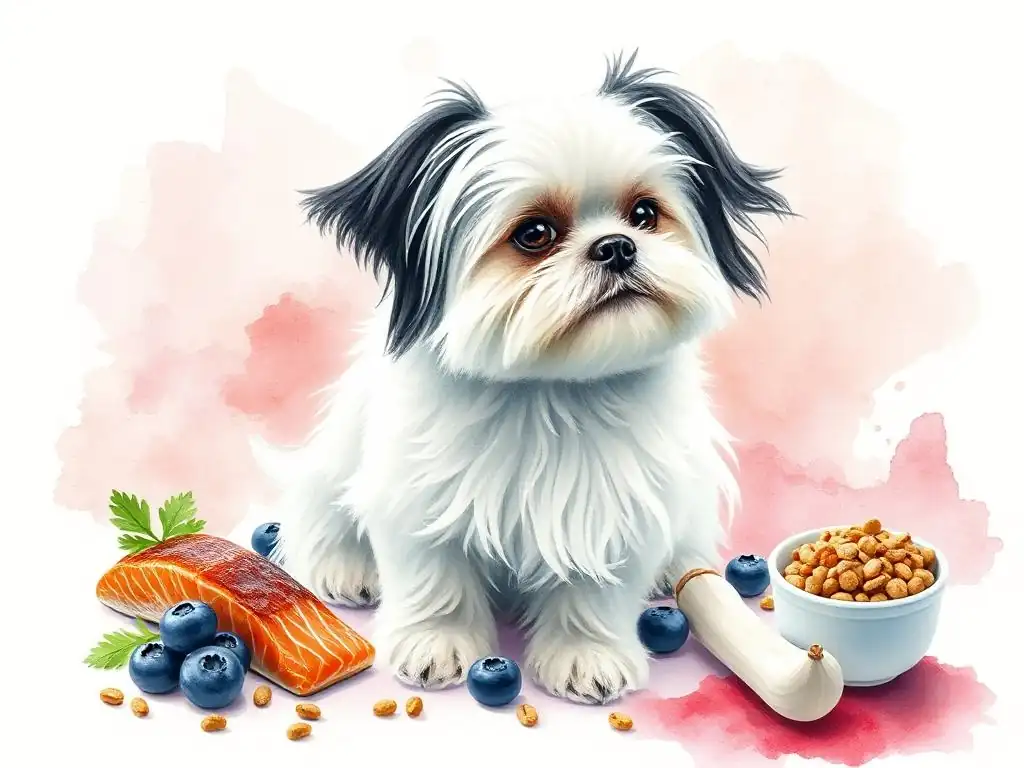
This section delves into the crucial aspect of providing optimal nutrition for your Japanese Chin. Proper diet directly impacts their health, energy levels, and lifespan. Understanding their nutritional needs is paramount for responsible ownership and contributes to a happy and healthy life for your beloved companion. This guide will cover choosing the right food, establishing a feeding schedule, and addressing supplemental needs. Remember, always consult your veterinarian before making significant changes to your dog's diet, especially if they have pre-existing health conditions.
Choosing the Right Food for Your Japanese Chin
Selecting the appropriate food for your Japanese Chin requires careful consideration. Toy breeds, like the Japanese Chin, have unique dietary requirements differing from larger breeds. Their smaller size means they need a higher calorie density to maintain energy levels, but overfeeding can easily lead to obesity. Look for dog food specifically formulated for small breeds or toy breeds. These formulas often contain smaller kibble sizes, making it easier for your Chin to chew and digest.
Key factors to consider when choosing food include:
- High-quality protein: Protein is essential for muscle development and overall health. Look for foods with named meat sources (e.g., chicken, lamb, beef) listed as the primary ingredients, not just "meat by-products."
- Healthy fats: Fats provide energy and support healthy skin and coat. Look for sources like chicken fat or fish oil, which are beneficial for their coat's luster.
- Limited carbohydrates: Japanese Chins don't require high carbohydrate levels. Excessive carbohydrates can contribute to weight gain. Opt for foods with moderate carbohydrate content from sources like sweet potatoes or brown rice.
- Fiber: Adequate fiber promotes healthy digestion. Look for foods containing ingredients like beet pulp or oat fiber.
- Avoid artificial fillers, colors, and preservatives: These additives offer no nutritional value and can potentially cause adverse reactions.
Consider the life stage of your Japanese Chin: puppies require different nutritional needs than adult dogs, and senior dogs have different requirements again. Choosing age-appropriate food ensures they receive the necessary nutrients for each stage of life. Always check the ingredient list and nutritional information on the packaging.
Feeding Schedule and Portion Control for Japanese Chins
Establishing a regular feeding schedule and practicing portion control are crucial for maintaining your Japanese Chin's ideal weight. Overfeeding is a common problem in small breeds, leading to obesity and associated health issues like diabetes and joint problems. Avoid free-feeding (leaving food out all day); instead, feed your Chin measured meals at set times.
The amount of food your Japanese Chin needs depends on several factors, including their age, weight, activity level, and metabolism. The food packaging usually provides feeding guidelines based on weight, but these are just estimates. Monitor your dog's weight regularly and adjust portion sizes as needed to maintain a healthy body condition. A slightly tucked waist is a good indicator of a healthy weight. If you are unsure about the correct portion size, consult your veterinarian.
A typical feeding schedule could involve two meals a day, one in the morning and one in the evening. This helps regulate their blood sugar levels and prevents begging between meals. Consistency is key; stick to the schedule as much as possible to establish a routine. Remember to always provide fresh, clean water throughout the day.
Supplements and Nutritional Considerations for Japanese Chins
While a high-quality commercial dog food should provide most of the nutrients your Japanese Chin needs, some supplements might be beneficial depending on their individual needs and health status. Always consult your veterinarian before introducing any supplements to your dog's diet.
Some potential supplements to consider (after veterinary consultation):
- Joint supplements: Toy breeds are prone to joint issues. Supplements like glucosamine and chondroitin may help support joint health and mobility, especially as your Chin ages.
- Omega-3 fatty acids: These essential fatty acids are beneficial for skin and coat health, reducing inflammation, and supporting overall well-being. Fish oil is a good source.
- Probiotics: Probiotics can promote healthy gut bacteria and improve digestion. They can be particularly helpful if your Chin experiences digestive upset.
Remember, supplements should be considered additions to a balanced diet, not replacements. Over-supplementation can be harmful, so always follow the recommended dosages and consult your veterinarian. Monitoring your Japanese Chin's overall health, including weight, energy levels, and coat condition, is crucial for assessing the effectiveness of their diet and any supplements you may be using. Regular veterinary check-ups are essential for early detection of any potential health problems.
Finding the Right Japanese Chin: Adoption vs. Breeder
Choosing between adopting a Japanese Chin from a shelter or rescue versus purchasing from a breeder is a crucial first step in responsible Japanese Chin dog care. Both options offer unique advantages and disadvantages, and the best choice depends heavily on your individual circumstances and priorities. This section will explore the pros and cons of each approach, helping you make an informed decision.
Adopting a Japanese Chin from a Shelter or Rescue
Adopting a Japanese Chin offers a rewarding experience, giving a loving home to a dog in need. Many shelters and rescues house purebred Japanese Chins, sometimes surrendered due to unforeseen circumstances. The advantages include:
- Saving a Life: You directly contribute to reducing pet overpopulation and give a deserving dog a second chance.
- Lower Costs: Adoption fees are generally significantly lower than the cost of purchasing from a breeder. This can be a considerable advantage for budget-conscious pet owners.
- Mature Temperament (Often): Adult adopted dogs often have established personalities, allowing you to better assess their compatibility with your lifestyle.
However, there are also potential drawbacks:
- Unknown History: You may have limited information about the dog's past health, behavior, and training. This requires careful assessment and potentially higher veterinary costs initially.
- Potential Behavioral Issues: Some adopted dogs may have behavioral challenges due to previous trauma or neglect. Patience and professional training might be necessary.
- Limited Breed-Specific Knowledge: Shelter staff may not have extensive knowledge of the specific needs of Japanese Chins.
Choosing a Reputable Japanese Chin Breeder
Selecting a reputable Japanese Chin breeder is vital for ensuring the health and temperament of your new companion. Responsible breeders prioritize the well-being of their dogs, conducting health screenings and carefully matching puppies with suitable homes. The benefits include:
- Health Guarantees: Reputable breeders often provide health guarantees, covering potential genetic issues that might arise later in the dog's life. This can significantly reduce future veterinary expenses. This proactive approach is a cornerstone of excellent Japanese Chin dog care.
- Known Lineage: You'll have access to the puppy's pedigree, providing insight into its ancestry and potential health predispositions.
- Socialization and Early Training: Reputable breeders typically start socializing and training puppies from a young age, contributing to a well-adjusted adult dog.
- Breed Standard Adherence: Breeders committed to the breed standard are more likely to produce dogs that closely match the expected characteristics of a Japanese Chin.
The disadvantages include:
- Higher Costs: Purchasing from a reputable breeder is considerably more expensive than adopting.
- Waiting Lists: Popular breeds like the Japanese Chin often have long waiting lists.
- Finding a Reputable Breeder: Requires thorough research and due diligence to avoid puppy mills or unethical breeders.
Questions to Ask Before Getting a Japanese Chin
Regardless of whether you adopt or buy from a breeder, asking pertinent questions is crucial for making an informed decision. Prepare a list of questions to ask the shelter/rescue or breeder, including:
- Health History: Inquire about any known health issues, vaccinations, and previous medical treatments.
- Temperament and Personality: Seek detailed information about the dog's personality, energy level, and socialization experiences.
- Training and Behavior: Ask about any training the dog has received and any behavioral quirks or challenges.
- Diet and Exercise: Find out about the dog's current diet and exercise routine to ensure a smooth transition into your home.
- References: Request references from previous adopters or puppy buyers, if possible. This provides valuable insight into the organization's reputation.
Thoroughly researching and asking these questions will help you make a well-informed decision, setting the stage for a fulfilling relationship with your new Japanese Chin companion. Remember, responsible ownership is paramount in providing optimal Japanese Chin dog care. Careful consideration of these factors will help ensure a happy and healthy life for your new pet.
Japanese Chin and Children: A Safe and Harmonious Coexistence
The Japanese Chin, with its delicate features and gentle nature, might seem like the perfect companion for families with children. However, like any breed, careful introduction and ongoing supervision are crucial to ensure a safe and harmonious coexistence. This section delves into the key aspects of integrating a Japanese Chin into a family environment with children, providing practical tips and strategies for a positive experience for both pet and child.
Understanding the breed's temperament and implementing appropriate safety measures will contribute significantly to a successful and loving relationship. This guide focuses on building a strong bond between children and your Japanese Chin, minimizing potential risks, and fostering responsible pet ownership. Remember, even the most gentle dog needs proper training and socialization to thrive in a multi-generational household.
Introducing Your Japanese Chin to Children
Introducing your Japanese Chin to children requires a gradual and controlled approach. Avoid overwhelming the dog by having a large group of children approach at once. Instead, start with one or two calm, supervised children. Let the children sit on the floor, avoiding any sudden movements or loud noises that might frighten the dog.
Allow the dog to approach the children at its own pace; never force an interaction. Positive reinforcement is key – reward the dog with treats and praise for calm behavior around the children. Start with short, supervised interactions, gradually increasing the duration as the dog becomes more comfortable.
It's also vital to teach children the importance of gentle handling. Never allow children to pull the dog's tail, ears, or fur. Explain that the dog needs space and quiet time, and that respecting its boundaries is essential for a happy relationship. Use visual aids, like age-appropriate books or videos, to help children understand how to interact properly with dogs. Remember, patience and consistency are crucial during this introduction phase, allowing both the dog and the children to adjust to each other comfortably. Monitoring interactions closely during the initial meetings will help prevent any misunderstandings or accidental injuries.
Teaching Children How to Interact with a Japanese Chin
Once your Japanese Chin shows signs of comfort around the children, it’s time to teach the children appropriate interaction techniques. This involves more than just supervision; it requires active instruction and consistent reinforcement. Teach children to approach the dog calmly, kneeling down rather than towering over it. Emphasize the importance of gentle petting, stroking the dog along its back and sides rather than its head or belly. Children should be taught to avoid sudden movements or loud noises, which can easily startle a small dog like the Japanese Chin.
Reinforce the concept of personal space. Teach children to recognize and respect the dog's cues, such as yawning, lip licking, or turning its head away, which indicate discomfort or stress. Encourage children to offer the dog treats gently from an open palm, rather than throwing them, to avoid any accidental injury.
Regular, supervised play sessions can further strengthen the bond between the dog and children, but always ensure these activities are calm and controlled, avoiding roughhousing or games that could overwhelm or injure the dog. Consistent positive reinforcement will encourage children to interact appropriately and respectfully with their canine companion.
Ensuring a Safe Environment for Both Pet and Child
Creating a safe environment for both your Japanese Chin and your children is paramount. This involves both preventative measures and ongoing supervision. Ensure that the dog has its own safe space, such as a comfortable bed or crate, where it can retreat when feeling overwhelmed or needing quiet time. Keep small objects, such as toys or food scraps, out of the dog’s reach to prevent accidental ingestion. Never leave the dog unsupervised with young children, especially infants or toddlers.
Childproofing your home is crucial, removing any potential hazards like loose electrical cords or toxic substances that the dog could access. Secure any fragile items that could be knocked over or broken during playtime. Regularly check the dog's toys for damage and replace any that are worn or broken to prevent the dog from ingesting small pieces.
Consider providing age-appropriate educational materials for the children to enhance their understanding of responsible pet ownership. Consistent monitoring and preventative measures will create a secure and enjoyable environment for everyone in the household. This proactive approach will minimize risks and foster a loving and lasting relationship between your Japanese Chin and your children.
Frequently Asked Questions
What are the key health concerns for Japanese Chins?
Japanese Chins are prone to certain health issues, including patellar luxation, eye problems (like dry eye), and brachycephalic airway syndrome. Regular vet checkups are crucial for early detection and management.
How often should I groom my Japanese Chin?
Regular grooming is essential. You should brush your Japanese Chin's long coat at least every other day to prevent matting and tangles. Bathing should be done as needed, typically every 4-6 weeks.
What's the best way to train a Japanese Chin?
Japanese Chins respond well to positive reinforcement training methods. Use treats, praise, and consistent commands. Be patient and avoid harsh punishment, as this can damage your bond.
What kind of diet is suitable for a Japanese Chin?
Feed your Japanese Chin a high-quality dog food formulated for small breeds. The food should meet their nutritional needs and avoid ingredients that could cause allergies. Always provide fresh water.
Are Japanese Chins good family pets?
Yes, Japanese Chins are generally affectionate and playful dogs that can make wonderful companions for families. However, early socialization is key to ensure they are comfortable around children and other pets.
Final Reflection: A Lifetime of Joy with Your Japanese Chin
The enduring bond between humans and their canine companions is a testament to the power of unconditional love, and caring for a Japanese Chin is no exception. These elegant and spirited dogs offer a unique blend of affection and independent charm, demanding a thoughtful approach to their care that ensures a long and happy life together. Understanding their specific needs, from dietary considerations to grooming routines, is key to unlocking the full potential of this remarkable breed.
The impact of responsible pet ownership extends far beyond the individual dog; it shapes our communities and influences how we view animal welfare. The dedication required to properly care for a Japanese Chin – from regular vet visits to consistent training – fosters a deeper appreciation for the responsibilities inherent in pet ownership. This commitment, in turn, contributes to a more compassionate and informed society. The greatness of a nation and its moral progress can be judged by the way its animals are treated.
- Mahatma Gandhi. This quote resonates deeply when considering the holistic care required for a breed as delicate and sensitive as the Japanese Chin.
Now, consider your own relationship with animals, and specifically, what you've learned about caring for a Japanese Chin. Take a moment to reflect on how you can apply the knowledge gained from this guide to enhance the life of your beloved pet, or to inform your future decisions about pet ownership. Remember, every small act of care, every mindful decision, contributes to a richer and more fulfilling life for your furry friend, creating a legacy of love and responsibility that extends far beyond the lifespan of a single dog. Embrace the journey, and cherish the unique bond you share.
Unleash Your Japanese Chin's Inner Champion!
Thank you for exploring the fascinating world of Japanese Chins! We hope you've gained valuable insights into their unique needs. Now let's put that knowledge into practice.
- Prioritize your Chin's health: Schedule a wellness checkup with your veterinarian. They can provide personalized advice to ensure your dog enjoys a long and healthy life. This is the most crucial step you can take for your furry friend's well-being.
- Become a more informed pet owner: Explore our extensive library of articles on dog breeds; you might find some surprising similarities between Japanese Chins and other small breeds. Our search bar can help you find relevant articles quickly.
- Share your Chin's joy: Post a picture of your beloved companion on our PetCareWorld social media pages – let's celebrate these delightful dogs together!
Ready to become a Japanese Chin expert? What's the first step you'll take to improve your Chin's well-being today?