
OneonOne Care: Questions to Ask About Individual Dog Walks

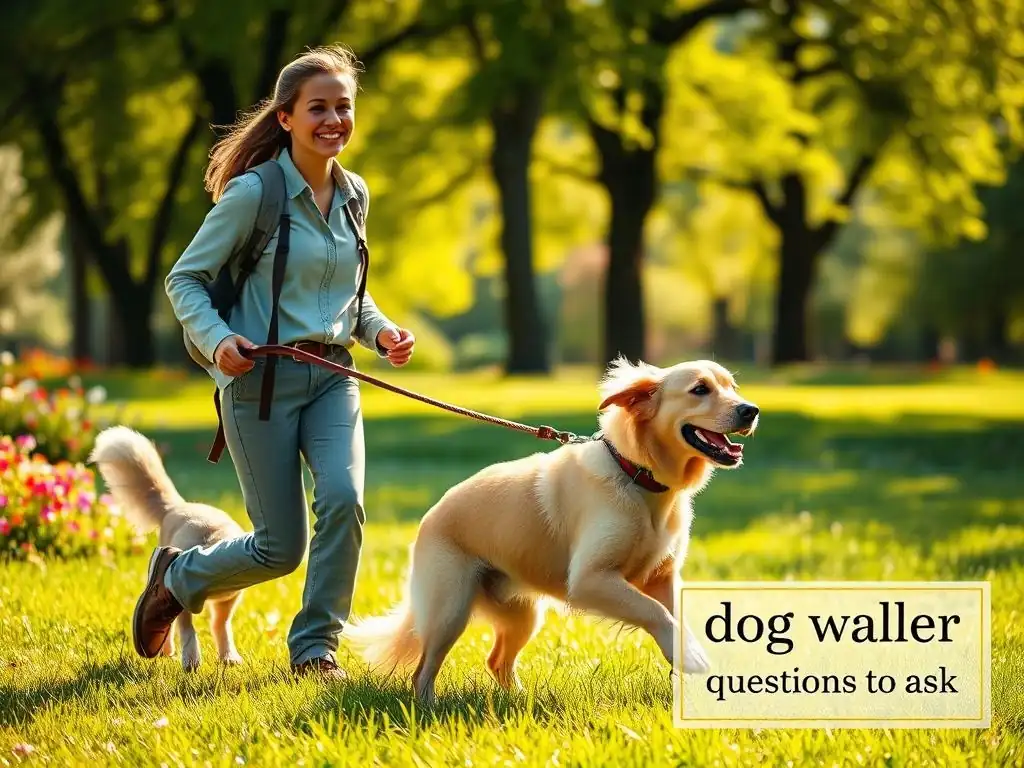
Welcome to PetCareWorld, your ultimate guide to a happier, healthier life for your beloved pets! Are you considering hiring a dog walker but unsure what to ask? Navigating the world of pet services can be tricky, which is why we've compiled the essential Dog Walker Questions to Ask, ensuring your furry friend receives the one-on-one care they deserve. Discover the crucial questions that will provide peace of mind and help you choose the perfect walker for your canine companion. Let's embark on this journey together!
- Finding the Right Dog Walker: Key Questions to Ask Before Hiring
- Understanding the Dog Walking Service: What to Expect from Individual Walks
- Communicating Effectively with Your Dog Walker: Building Trust and Rapport
- Evaluating the Cost and Value of Individual Dog Walks: Pricing and Package Options
- Vetting Potential Dog Walkers: Background Checks and Recommendations
- Choosing the Perfect Dog Walker for Your Pet's Needs: Making an Informed Decision
-
Frequently Asked Questions
- What should I ask a potential dog walker about their experience?
- How can I assess the dog walker's safety procedures?
- What questions should I ask about the actual walk itself?
- How can I verify the dog walker's references and background?
- What should I ask about the communication process during the walk?
- Final Reflection: The Pawsitive Impact of Informed Dog Walking Choices
- Unleash the Perfect Walk: Find Your Dog's Ideal Walking Companion
Finding the Right Dog Walker: Key Questions to Ask Before Hiring
Choosing the right dog walker is crucial for your canine companion's safety and well-being. This isn't just about finding someone to take your dog for a stroll; it's about entrusting a vital aspect of your pet's care to a responsible and qualified individual. This guide provides essential questions to ask potential dog walkers, helping you make an informed decision and ensure your furry friend receives the best possible one-on-one care. We'll cover everything from experience and qualifications to safety protocols and insurance, empowering you to find a dog walker you can truly trust.
Remember, your dog's happiness and safety are paramount, and asking the right questions is the first step towards achieving that. Finding a reliable dog walker can ease your mind, knowing your beloved pet is in capable hands while you're away. Let's delve into the key questions to ensure you choose wisely.
Assessing Dog Walker Experience and Qualifications
Before handing over the leash, thoroughly investigate the dog walker's experience and qualifications. Don't hesitate to ask detailed questions; a responsible dog walker will be happy to provide comprehensive answers. Consider these points:
- How long have you been a professional dog walker? Years of experience often translate to a deeper understanding of canine behavior and needs. Look for someone with a proven track record.
- What types of dogs have you walked in the past? This reveals their experience with different breeds, sizes, and temperaments. If your dog has specific needs (e.g., reactivity, medical conditions), ensure the walker has handled similar cases successfully.
- Do you have any certifications or training in dog handling or pet first aid? Certifications demonstrate a commitment to professional development and competence. Pet first aid knowledge is especially important in case of emergencies.
- Can you provide references from previous clients? Speaking with previous clients offers invaluable insights into the dog walker's reliability, professionalism, and the quality of their service. Their feedback can reveal aspects that might not be evident otherwise.
- What is your approach to dog walking? Understanding their methods—individual vs. group walks, leash handling techniques, etc.—is key to ensuring a compatible approach for your dog. This ensures a safe and comfortable experience for your pet.
Insurance and Bonding for Dog Walkers
Protecting your dog and yourself from potential liabilities is crucial. Ask about insurance and bonding coverage:
- Do you carry liability insurance? Liability insurance protects you financially if your dog is injured or causes damage while under the walker's care. This is a non-negotiable aspect of responsible dog walking.
- Are you bonded? Bonding provides additional financial protection in case of theft or other mishaps involving your dog. It's another layer of security that ensures you're covered in unexpected situations.
- What is your procedure for handling emergencies? Knowing their emergency protocol—including contact information, veterinary arrangements, and crisis response—is essential for peace of mind. A detailed plan demonstrates preparedness and responsibility.
- What happens if my dog gets lost or injured? A well-defined emergency plan outlines clear steps to be taken, mitigating potential risks and providing a sense of security. This includes contact information and veterinary details.
Dog Walking Safety Procedures
Safety should be the top priority. Inquire about their safety procedures:
- What is your approach to handling reactive or aggressive dogs? If your dog has behavioral issues, ensure the walker has experience and strategies to manage them safely and effectively. A responsible walker will prioritize the safety of your dog and others.
- How do you handle dogs that are not well-socialized? The walker should be equipped to handle dogs with varying levels of socialization, ensuring a safe and positive experience for all involved.
- What is your procedure for administering medications (if applicable)? If your dog requires medication, confirm the walker's ability and willingness to administer it correctly and safely. A clear protocol minimizes risks and ensures your dog's well-being.
- How do you ensure the safety of your clients' dogs during walks? This question allows the dog walker to outline their safety measures, revealing their commitment to responsible pet care. This includes leash handling, traffic awareness, and emergency preparedness.
- What is your policy regarding inclement weather? A responsible dog walker should have a plan for handling walks in different weather conditions, ensuring the safety and comfort of your dog. This may involve adjusting walk times or canceling walks altogether.
Remember, asking these questions empowers you to make an informed decision and choose a dog walker who prioritizes the safety, well-being, and happiness of your beloved pet. A thorough interview process ensures peace of mind and a positive experience for both you and your furry friend. 🐶
Understanding the Dog Walking Service: What to Expect from Individual Walks
This section delves into the specifics of individual dog walking services, focusing on what discerning pet owners should expect to receive for their investment. Choosing the right dog walker is crucial for your canine companion's well-being and happiness. Understanding the nuances of individual walks versus group walks, scheduling flexibility, and the level of communication you can expect will help you make an informed decision. Remember, asking the right "dog walker questions to ask" is key to finding the perfect fit.
Individual Dog Walking vs. Group Walks
The primary difference between individual and group dog walks lies in the level of personalized attention your dog receives. Individual walks offer a one-on-one experience, allowing the walker to focus entirely on your dog's needs and preferences. This is particularly beneficial for dogs with specific behavioral issues, health concerns, or a timid temperament. Group walks, on the other hand, offer socialization opportunities but may not cater to individual pacing, energy levels, or potential anxieties.
Consider this scenario: Your dog, a senior Labrador Retriever named Max, has arthritis and requires a slower, gentler pace. In a group walk, Max might struggle to keep up, leading to frustration and potential injury. An individual walk ensures Max's comfort and safety, allowing the walker to adjust the pace and duration to his specific needs.
Conversely, a young, energetic Border Collie might thrive in a group setting, enjoying the social interaction and playful energy of other dogs. The key is identifying which type of walk best suits your dog's personality and physical capabilities. Understanding this distinction is paramount when considering your "dog walker questions to ask".
Customizable Dog Walking Schedules and Duration
Flexibility is a crucial aspect of a reliable dog walking service. A reputable walker will offer customizable schedules tailored to your dog's needs and your lifestyle. This might involve daily walks, multiple walks per day, or walks on specific days of the week. The duration of each walk should also be adjustable, accounting for your dog's breed, age, and energy levels.
For example, a small, elderly Chihuahua might only require a short 15-minute walk, whereas a large, energetic German Shepherd might need a longer, more strenuous 45-minute walk. A good dog walker will understand this and offer options to accommodate these variations. Don't hesitate to inquire about scheduling options and walk durations as part of your "dog walker questions to ask". A detailed discussion about scheduling will ensure a comfortable and safe experience for your canine companion. This adaptability is a key indicator of a professional and caring service.
Detailed Dog Walking Reports and Updates
Transparency and communication are vital when entrusting your dog to a walker. A reputable service will provide detailed reports and updates after each walk. This could include a brief summary of the walk's duration, location, and any noteworthy observations about your dog's behavior or health. Some walkers even use apps to provide real-time updates and photos.
Imagine receiving a message after your dog's walk saying: "Max enjoyed his walk today! He was a little slower than usual, but seemed happy and relaxed. He had a good sniff around the park and greeted a few friendly dogs from a distance." This level of detail offers peace of mind and ensures you're kept informed about your dog's well-being.
In contrast, a lack of communication or vague reports should raise a red flag. Incorporating this consideration into your list of "dog walker questions to ask" is crucial for building trust and ensuring your dog's safety and happiness. The level of detail in these reports reflects the walker's professionalism and dedication to their clients.
Communicating Effectively with Your Dog Walker: Building Trust and Rapport
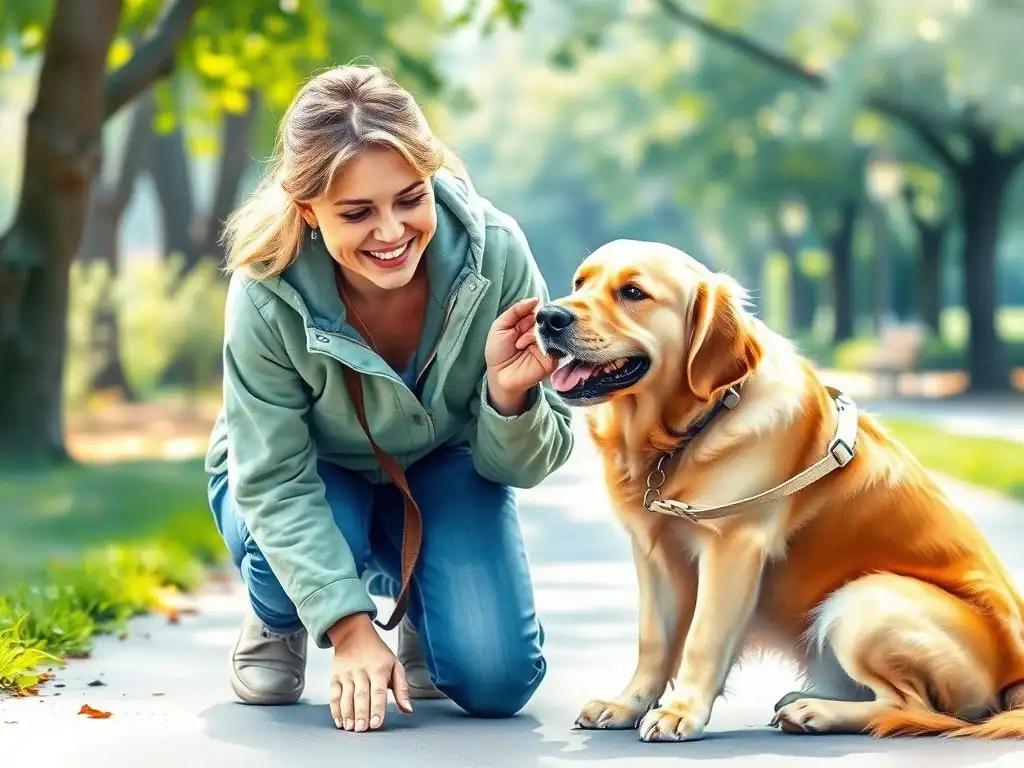
Effective communication is the cornerstone of a successful dog walking arrangement. Open and honest dialogue with your chosen dog walker fosters trust and ensures your canine companion receives the best possible care. Building a strong rapport from the outset minimizes misunderstandings and maximizes the positive experience for both you and your pet. This section focuses on establishing clear communication channels, addressing specific needs, and handling potential emergencies. Remember, clear communication is paramount when entrusting your beloved pet to someone else's care – it's about peace of mind for you and a safe, happy experience for your dog.
Clear Communication Channels
Establishing clear and consistent communication channels is vital. This goes beyond a simple initial consultation. Consider the following methods to maintain open communication:
- Preferred Contact Method: Discuss your preferred method of communication – phone calls, text messages, or email. Establish response times for urgent matters. For example, agree on a response time of within 30 minutes for urgent issues, such as your dog escaping or becoming injured.
- Regular Updates: Ask about the frequency of updates you'll receive. Daily reports, including photos or short videos of your dog during their walk, can provide reassurance and peace of mind. This allows you to track your dog's progress and identify any potential issues early on.
- Detailed Scheduling and Confirmation: Confirm the date, time, and duration of each walk. Use a shared calendar or app to maintain accurate scheduling. Confirm each walk's completion with a short message or update.
- Feedback Mechanisms: Establish a system for providing feedback. This could be a brief weekly check-in, a post-walk questionnaire, or an opportunity to discuss any observations or concerns. This two-way communication ensures both parties are satisfied.
Remember, proactive communication builds trust and transparency. Don't hesitate to ask questions, voice concerns, or request clarification at any time.
Addressing Specific Needs and Concerns
Your dog is unique, with individual needs and quirks. Ensure your dog walker understands and addresses these specifics. This involves more than just basic information like feeding schedules.
- Behavioral Issues: Openly discuss any behavioral issues your dog might have, such as reactivity towards other dogs, fear of loud noises, or anxiety in new environments. Provide specific strategies or commands that have worked in the past. For example: "My dog, Max, is reactive to other dogs on leash. He responds well to the 'leave it' command and a gentle redirection."
- Medical Conditions: If your dog has any medical conditions, allergies, or requires medication, provide detailed information, including dosage, administration instructions, and potential side effects. Ensure your dog walker is comfortable administering medication, if necessary.
- Dietary Restrictions: Discuss any dietary restrictions or allergies your dog might have. Provide specific details about their food, treats, and any prohibited items. For instance, "Buddy is allergic to chicken and needs to avoid all treats containing chicken."
- Exercise Limits: Inform your dog walker about any physical limitations or exercise restrictions your dog might have due to age, injury, or breed-specific considerations. For example, "Daisy is a senior dog and shouldn't be walked for more than 30 minutes at a time."
Thoroughly addressing these concerns ensures your dog's safety and well-being throughout their walks.
Handling Emergencies
Preparation for unexpected situations is crucial. Discuss emergency procedures with your dog walker to ensure your dog's safety in unforeseen circumstances.
- Emergency Contact Information: Provide your dog walker with comprehensive emergency contact information, including your phone number, a secondary contact number, and the contact information of your veterinarian.
- Emergency Plan: Develop a detailed emergency plan that outlines procedures for handling various situations, such as your dog getting lost, injured, or becoming ill during a walk. This plan should include specific instructions on how to contact you and your veterinarian, and what actions to take in the interim.
- Veterinary Authorization: Obtain written authorization from your veterinarian allowing the dog walker to seek immediate veterinary care for your dog in an emergency. This simplifies the process and ensures your dog receives timely treatment.
- Transportation: Discuss transportation arrangements in case of an emergency. Will the dog walker have access to a vehicle to transport your dog to the vet? Knowing this beforehand prevents delays in critical situations.
A well-defined emergency plan provides a sense of security and ensures your dog receives prompt and appropriate care in unexpected situations. This proactive approach minimizes stress and maximizes the chances of a positive outcome.
Evaluating the Cost and Value of Individual Dog Walks: Pricing and Package Options
Finding the right dog walker is crucial for your canine companion's well-being, but the financial aspect is equally important. Understanding pricing structures and comparing services helps ensure you get the best value for your money. This section delves into the nuances of dog walking costs, helping you make an informed decision.
Pricing Structures
Dog walking services employ various pricing models. The most common include:
- Per-walk pricing: This is a straightforward approach, charging a fixed fee for each individual walk. The price often varies based on the duration of the walk (e.g., 30 minutes, 60 minutes) and potentially the size or number of dogs. Expect prices to range from [price range pending] depending on your location and the walker's experience.
- Package deals: Many walkers offer discounted rates for purchasing multiple walks upfront. For example, a package of 10 walks might cost less per walk than buying them individually. This option can be financially beneficial if you need regular dog walking services.
- Hourly rates: Some walkers charge by the hour, particularly if they offer additional services like playtime or basic training alongside the walk. This model provides flexibility but requires careful calculation to ensure it fits your budget.
It's important to obtain a clear, itemized price list from any potential dog walker. Don't hesitate to ask for clarification on any aspects of the pricing that are unclear.
Comparing Dog Walking Services
Before committing to a service, compare several options. Consider the following factors when comparing pricing:
| Feature | Factor to Consider | Example |
|---|---|---|
| Price per walk | Cost for a single walk of a standard duration | $20 for a 30-minute walk |
| Package deals | Discounted rates for multiple walks; value for money | 10 walks for $180 ($18/walk) |
| Hourly rates | Cost per hour, including additional services | $30/hour including playtime and potty breaks |
| Travel fees | Charges for distance traveled beyond a certain radius | $5 for locations exceeding 5 miles |
| Insurance | Confirmation of liability insurance and bonded services | Proof of general liability insurance |
| Experience | Years of experience and relevant certifications | Certified professional dog walker with 5+ years experience |
Remember, the cheapest option isn't always the best. Prioritize experience, reliability, and a strong track record of responsible pet care. A slightly higher price might be justified by superior service quality. 🐶
While initial quotes may seem reasonable, be aware of potential hidden costs. These can include:
- Extra fees for additional dogs: If you have multiple dogs, confirm if there’s an additional charge per dog beyond the first.
- Holiday surcharges: Some walkers charge extra for walks on holidays or weekends.
- Late cancellation fees: Understand the policy regarding cancellations, as late cancellations might incur penalties.
- Emergency situations: Inquire about the handling of unexpected situations, such as a dog getting injured during a walk. Are there additional fees associated with vet visits or other emergencies?
- Add-on services: Many walkers offer additional services like administering medication, providing basic training, or fetching your dog's mail. These add-ons can increase the overall cost. Clarify the pricing structure for each additional service beforehand.
By thoroughly investigating pricing and potential extra costs, you can choose a dog walking service that provides excellent care for your furry friend without breaking the bank. Careful planning and comparison shopping will help you find the perfect balance between affordability and quality.
Vetting Potential Dog Walkers: Background Checks and Recommendations
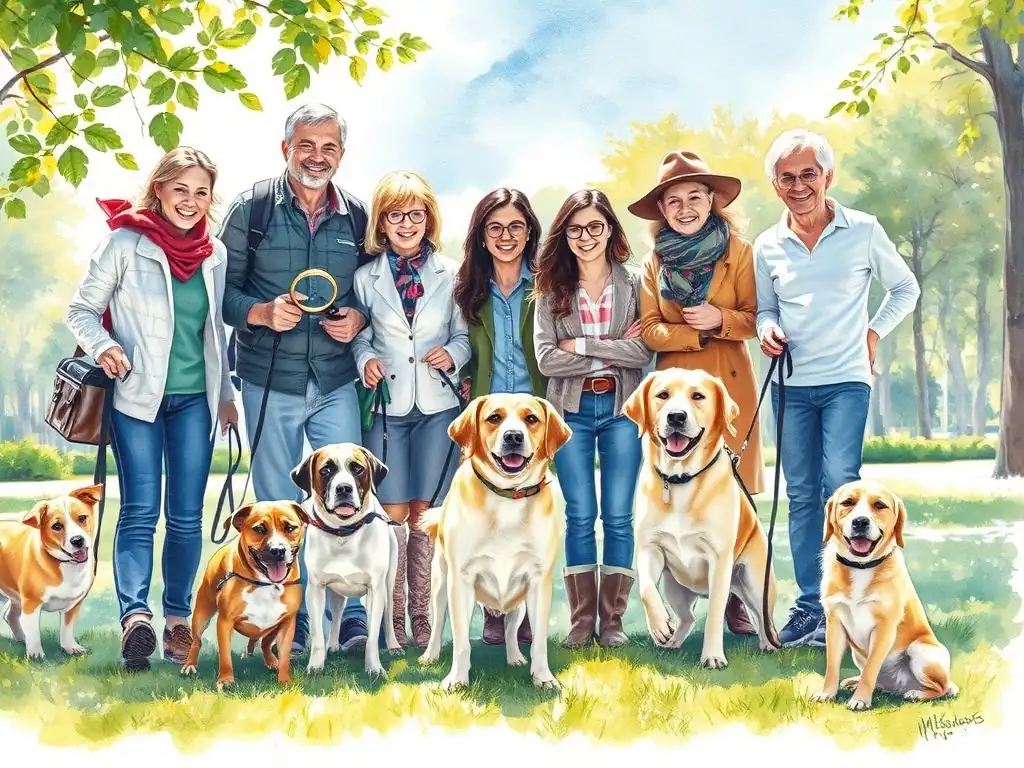
Finding a trustworthy dog walker is paramount to your canine companion's safety and well-being. A thorough vetting process goes beyond simply checking their availability and rates. It involves a diligent investigation into their background and a careful assessment of their qualifications. This section focuses on the crucial steps you should take to ensure the person you entrust with your dog is reliable and responsible. Ignoring these steps could put your pet at risk.
Background Checks and Criminal Records
Before inviting a dog walker into your home and entrusting them with your beloved pet, consider requesting a background check. While not all dog walkers will readily provide this information, it's a critical piece of the puzzle. A comprehensive background check can reveal any criminal history, including offenses related to animal cruelty or violence. Even seemingly minor offenses can be indicative of a potential problem. Remember, you're inviting someone into your private space and entrusting them with a vulnerable member of your family. Don't hesitate to prioritize safety.
The process of obtaining a background check can vary. Some companies specialize in providing background checks specifically for pet care professionals. These services often go beyond simple criminal record checks and may include things like driving records, verifying employment history, and even conducting reference checks. Remember to be aware of your local data protection laws and ensure the background check is conducted legally and ethically. [Specific information on legal requirements for background checks pending].
Consider the implications of not conducting a background check. Without this due diligence, you are essentially taking a gamble with your pet's safety and well-being. The potential consequences of overlooking this crucial step could be devastating.
Online Reviews and Testimonials
Online reviews and testimonials offer valuable insights into a dog walker's reliability and professionalism. Websites and apps dedicated to pet services often allow clients to leave reviews, providing a glimpse into their experiences. Pay close attention to recurring themes in the reviews. Positive feedback consistently mentioning punctuality, responsible handling of dogs, and excellent communication is a good sign. Conversely, negative reviews highlighting unreliability, lack of communication, or incidents involving pet injuries should raise serious concerns.
Remember that not all reviews are created equal. Look for reviews that provide specific details and avoid overly generic or overly positive comments that may be fake. Try to identify patterns and look for a consistent narrative across multiple reviews. A few negative reviews don't automatically disqualify a candidate, but a preponderance of negative feedback should be a significant red flag. Consider the sheer volume of reviews as well; a dog walker with hundreds of positive reviews likely has a stronger track record than one with only a handful.
Consider using multiple sources for your research. Don't rely solely on one platform. Checking reviews across several different websites and apps will give you a more holistic view of the dog walker's reputation. This broader perspective will help you filter out potential biases and get a more accurate picture of their service quality.
Utilizing Pet Sitting Apps for Dog Walker Screening
Many pet sitting apps incorporate features designed to help pet owners screen potential dog walkers. These features can range from background check verification to community ratings and reviews. Before using such apps, carefully review their screening processes and ensure they meet your standards for safety and reliability. Understand the app's policies regarding liability and insurance, as these are crucial aspects of protecting both your pet and yourself.
Different apps offer varying levels of screening. Some may simply rely on user reviews, while others may conduct more rigorous background checks. Compare the features of different apps to find one that aligns with your needs and priorities. Remember to read the fine print and understand the terms and conditions before signing up for any service. Choosing an app with robust screening mechanisms significantly reduces the risk associated with hiring an unknown dog walker. The convenience of an app should never compromise the safety and well-being of your pet. Always prioritize thorough screening, regardless of the method used.
Choosing the Perfect Dog Walker for Your Pet's Needs: Making an Informed Decision
Finding the right dog walker is crucial for your canine companion's well-being. It's not just about someone who can take your dog for a walk; it's about finding a professional who understands your dog's unique personality and needs, ensuring a safe and enriching experience. This involves careful consideration and asking the right questions.
Remember, a good dog walker is an investment in your dog's happiness and health. This section will help you navigate the process of finding the perfect match, ensuring you're making an informed decision that prioritizes your dog's safety and enjoyment. The right questions, asked strategically, can reveal a wealth of information about a potential dog walker's suitability.
Matching Your Dog's Personality and Needs with the Right Walker
Before even contacting potential dog walkers, take some time to reflect on your dog's individual characteristics. Is your dog a shy, timid creature, or an exuberant, energetic pup? Does your dog have any behavioral quirks or specific needs, such as anxieties around other dogs or a tendency to pull on the leash? Understanding these aspects is paramount. For example, a highly energetic Border Collie will require a different type of walk than a senior, arthritic Golden Retriever.
Consider these questions:
- Does the walker have experience with dogs of similar breeds or temperaments? Experience with specific breeds or behavioral profiles is invaluable.
- How does the walker handle different levels of energy and activity? A walker should be able to adapt their approach to various energy levels.
- What is their approach to handling reactive or anxious dogs? A clear and safe strategy for handling dogs with behavioral issues is essential.
- What is the walker's experience with dogs with health conditions? (e.g., arthritis, diabetes, epilepsy). If your dog has specific health needs, this is a critical consideration.
- What size groups does the walker typically handle? Smaller groups may be preferable for anxious or easily overwhelmed dogs, while a larger group might be suitable for highly social and well-socialized dogs.
This careful assessment allows you to find a walker whose experience and approach align perfectly with your dog's needs, ensuring a positive and safe walking experience. Don't hesitate to be detailed in describing your dog's personality; the more information you provide, the better equipped the walker will be to meet your dog's needs.
Trial Walks and Introductory Meetings
A trial walk is invaluable. It allows both you and your dog to assess the compatibility with the walker. During this trial, observe the interaction between your dog and the walker. Does your dog seem comfortable and relaxed? Does the walker handle your dog calmly and confidently? Pay close attention to the dog walker's communication skills and overall handling of your dog.
Here's what to look for during the trial walk:
- Observe the walker's handling techniques: Are they gentle and respectful? Do they use positive reinforcement methods?
- Assess your dog's body language: Is your dog relaxed and happy, or anxious and stressed?
- Pay attention to safety: Does the walker maintain proper control of the dog, especially in busy areas? Do they use appropriate equipment, such as leashes and harnesses?
- Consider the walking route: Is it appropriate for your dog's physical capabilities?
The introductory meeting should also include a thorough discussion about your dog's specific needs and any potential issues. This meeting allows you to ask clarifying questions and verify information obtained during earlier communication.
Contractual Agreements and Service Terms
A well-defined contract is essential to protect both you and the dog walker. It should clearly outline the services provided, payment terms, cancellation policies, and emergency contact information. Don't hesitate to negotiate terms that align with your needs and expectations. A professional dog walker will readily provide a detailed contract.
Key aspects to consider in a contract:
| Aspect | Description |
|---|---|
| Services Provided | Specific services (e.g., duration of walks, frequency, additional services like feeding or medication administration) |
| Payment Terms | Method of payment, frequency of payments, late payment policies |
| Cancellation Policy | Procedures for cancellations by both parties, including potential fees |
| Liability & Insurance | Coverage for injuries or damages to the dog or third parties during walks; proof of liability insurance should be provided. |
| Emergency Procedures | Clear protocol for handling emergencies, including contact information for the vet and other relevant contacts. |
| Communication Protocol | How and when the walker will communicate with you (e.g., daily updates, reporting of any issues during the walk) |
Remember, a detailed and comprehensive contract is a sign of professionalism and provides peace of mind. Don't rush through this process – thorough preparation ensures a positive experience for both you and your beloved canine companion. The right dog walker will be transparent and happy to address all your questions and concerns, ensuring a mutually beneficial arrangement.
Frequently Asked Questions
What should I ask a potential dog walker about their experience?
Inquire about their years of experience walking dogs, their training and certifications, and their experience with dogs of similar size, breed, and temperament to your own. Look for evidence of professionalism and passion.
How can I assess the dog walker's safety procedures?
Ask about their emergency procedures, how they handle reactive dogs, and their approach to leash handling and dog safety. Check if they carry a first-aid kit and have appropriate insurance.
What questions should I ask about the actual walk itself?
Find out about the duration and location of the walks, the number of dogs they walk at once, and their approach to individualized attention for each dog. Consider if their style aligns with your dog's needs.
How can I verify the dog walker's references and background?
Request references from previous clients and verify their legitimacy. A thorough background check, including asking about their bonding and insurance, is also crucial for peace of mind.
What should I ask about the communication process during the walk?
Ask how often they'll update you on the walk, how you can easily contact them, and what methods they use for reporting any incidents or concerns. Clear communication is key.
Final Reflection: The Pawsitive Impact of Informed Dog Walking Choices
The quality of your dog's individual walk directly impacts their physical and mental well-being, a fact increasingly recognized by responsible pet owners. Choosing the right dog walker isn't just about convenience; it's about ensuring your furry friend receives the care and attention they deserve, enriching their lives and strengthening your bond.
The shift towards personalized pet care is undeniable, reflecting a growing understanding of our canine companions' complex needs. We've moved beyond simply ensuring a dog gets exercise; now, we're seeking enriching experiences that cater to individual temperaments and health requirements. A dog is the only thing on earth that loves you more than he loves himself.
– Josh Billings. This quote highlights the profound responsibility we have to understand and meet our dogs' needs, and choosing the right dog walker is a crucial step in fulfilling that responsibility. The questions explored in this article are not just about finding a service; they're about building a trusting relationship built on mutual respect and understanding.
Consider the questions raised within this article. Reflect on your own dog's personality and needs. Are you actively seeking a dog walker who truly understands and prioritizes these individual requirements? Don't settle for the bare minimum; empower yourself to make informed decisions that will enrich your dog's life and strengthen the bond you share. Take the time to find the perfect match, and watch your dog thrive under the care of a truly dedicated professional.
Unleash the Perfect Walk: Find Your Dog's Ideal Walking Companion
Thank you for learning more about finding the perfect dog walking service! You're now well-equipped to make an informed decision for your furry friend. Ready to take the next step?
- Schedule a consultation: Contact several dog walkers to discuss your dog's specific needs and their experience. This crucial step ensures a safe and happy walking experience.
- Check online reviews and references: Don't stop at initial contact! Thoroughly research potential walkers and read reviews from other pet owners.
- Share your knowledge: Discuss this information with other pet owners to help them find the perfect walker for their dogs.
What's the most important quality you seek in a dog walker, and why?