
Limited Ingredient Diets and the Gut Microbiome in Pets: A Closer Look


Welcome to PetCareWorld, your ultimate guide to a happier, healthier life for your beloved companion! Are you struggling to find the perfect nutrition for your furry, feathered, or scaled friend? Discover the secrets to a thriving gut microbiome and unlock the potential benefits of a best pet limited ingredient diet in our in-depth article, "Limited Ingredient Diets and the Gut Microbiome in Pets: A Closer Look." Prepare to embark on a journey of knowledge that will transform your understanding of pet health and nutrition. Read on to learn more!
- Understanding the Best Pet Limited Ingredient Diets: A Comprehensive Guide
- The Gut Microbiome: A Key Player in Pet Health
- Selecting the Optimal Food for Your Pet's Needs
- Long-Term Benefits of Limited Ingredient Diets for Gut Health
- Limited Ingredient Diets vs. Other Dietary Approaches for Sensitive Pets
- Frequently Asked Questions
- Final Reflection: Nourishing the Core: Limited Ingredient Diets and Your Pet's Wellbeing
- Unlock Your Pet's Digestive Potential!
Understanding the Best Pet Limited Ingredient Diets: A Comprehensive Guide
Choosing the right food for your beloved pet is crucial for their overall health and well-being. This comprehensive guide delves into the world of limited ingredient diets (LID), exploring their benefits, how they work, and how to identify the best option for your furry, feathered, or scaled friend. We'll examine the connection between limited ingredient diets and the gut microbiome, a critical factor in digestion and overall health.
Understanding these factors is key to making informed decisions about your pet's nutrition and potentially alleviating common digestive issues and allergies. Finding the best pet limited ingredient diet involves careful consideration of ingredients, your pet's specific needs, and a deeper understanding of the science behind these specialized pet foods. This guide aims to equip you with the knowledge to navigate this important aspect of pet ownership and ultimately contribute to a happier, healthier life for your companion animal.
What are Limited Ingredient Diets (LID)?
Limited ingredient diets, often abbreviated as LID, are specially formulated pet foods designed to minimize the risk of allergic reactions and digestive upset. Unlike traditional pet foods containing numerous ingredients and fillers, LIDs typically feature a small number of easily identifiable protein and carbohydrate sources. This streamlined approach allows pet owners to pinpoint potential allergens more easily.
A typical LID might consist of a single protein source (like salmon or lamb), a single carbohydrate source (like brown rice or sweet potato), and a limited number of added vitamins and minerals. The limited number of ingredients helps to reduce the chances of adverse reactions in pets with sensitive stomachs or known allergies. This simplicity also makes it easier to trace the source of any potential problems, allowing for quicker diagnosis and treatment.
Many pet owners find that switching to a LID significantly improves their pet's digestion and overall health. The reduction in potential allergens translates to fewer symptoms like itching, vomiting, diarrhea, and skin issues.
Identifying Common Pet Food Allergens and Sensitivities
Identifying the root cause of your pet's digestive problems or skin allergies is the first step toward finding the best limited ingredient diet. Common allergens in pet food include:
- Proteins: Beef, chicken, dairy, soy, wheat, fish (certain types), lamb, pork, and eggs are frequent culprits.
- Grains: Corn, wheat, soy, and rice (although some LIDs use rice as a single carbohydrate source) can trigger reactions.
- Additives: Artificial colors, flavors, and preservatives are often implicated in sensitivities.
It's important to note that sensitivities can vary greatly between pets. What triggers a reaction in one animal might not affect another. Careful observation of your pet's reactions to different foods is crucial. Keeping a detailed food diary, noting any changes in diet and corresponding symptoms, can be invaluable for identifying potential allergens. Consult with your veterinarian; they can perform allergy tests and provide guidance based on your pet's specific needs and history. A veterinarian can also help distinguish between allergies and intolerances. This distinction is vital in choosing the right LID, ensuring effective management of your pet's condition.
Benefits of LID for Sensitive Pets: Improved Digestion and Reduced Inflammation
Switching to a limited ingredient diet can offer numerous benefits for pets with sensitive systems. The most significant advantages include:
- Improved Digestion: The simplified ingredient list reduces the likelihood of digestive upset and promotes better nutrient absorption. Many pet owners report improvements in stool consistency and frequency after switching to an LID.
- Reduced Inflammation: Eliminating potential allergens can significantly decrease inflammation throughout the body, particularly in the gastrointestinal tract and skin. This can lead to a reduction in symptoms such as itching, redness, and hot spots.
- Improved Coat and Skin Health: A healthier gut often translates to a shinier coat and healthier skin. Many pets experiencing chronic skin problems see a dramatic improvement in their coat and skin condition when placed on an appropriate LID.
- Increased Energy Levels: Better digestion and reduced inflammation can lead to increased energy and a more playful attitude in your pet.
Remember, choosing the right LID is a personalized process. Consult your veterinarian to determine the best option for your pet's specific needs and any pre-existing health conditions. While LIDs offer significant benefits, they are not a one-size-fits-all solution, and professional guidance is always recommended.
Choosing the Right LID: Protein Sources and Considerations
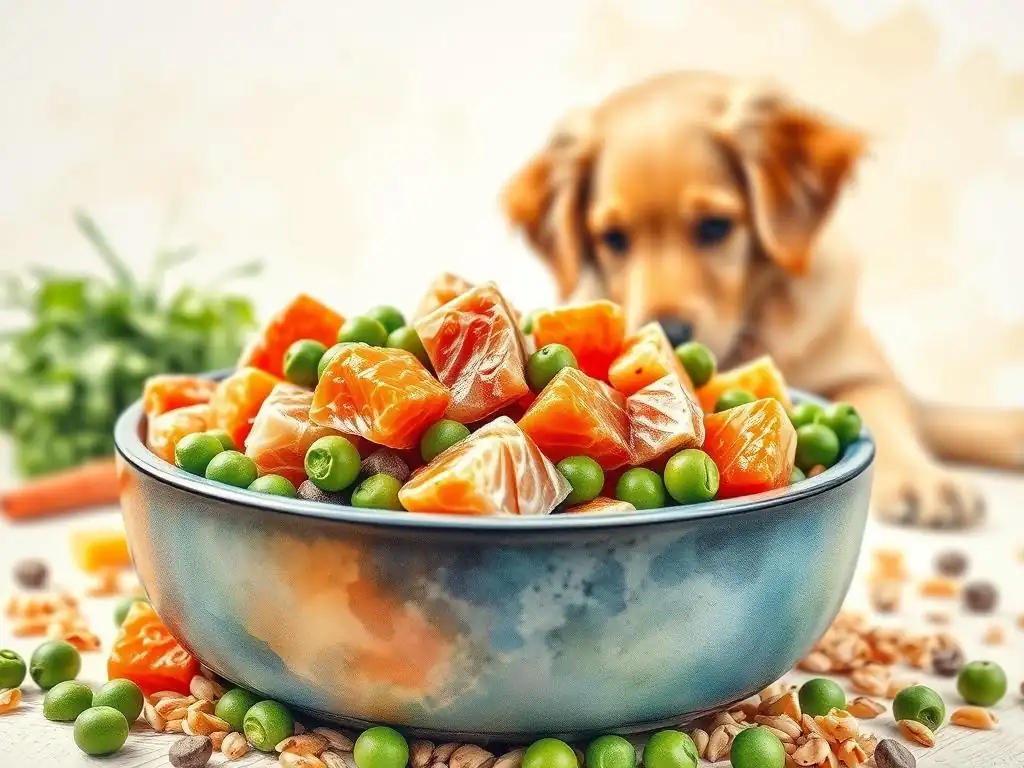
Selecting the best pet limited ingredient diet (LID) involves careful consideration of the protein source. The ideal protein source should be novel, meaning your pet hasn't been exposed to it before, and highly digestible. This minimizes the risk of allergic reactions and ensures optimal nutrient absorption.
Common novel protein sources include venison, rabbit, duck, kangaroo, and even certain types of fish like salmon (though always check for potential fish-based allergies). However, the "novelty" of a protein is relative to your pet's history; what's novel for one pet might not be for another. A thorough discussion with your veterinarian is crucial to determine the best protein source for your individual pet's needs and history.
Beyond the protein source itself, the quality of the ingredients is paramount when choosing a LID. Look for diets that specify the source of the protein (e.g., "human-grade New Zealand lamb"). Avoid vague terms like "meat by-products" or "meat meal," which can be less digestible and potentially contain lower-quality ingredients. The fat source is also important; consider options like chicken fat or fish oil, known for their beneficial fatty acids.
Always check the ingredient list for fillers and additives—a truly high-quality LID will prioritize whole, recognizable ingredients. Remember, the goal is to provide a highly digestible and easily tolerated diet that supports a healthy gut microbiome. For pets with known allergies, even seemingly innocuous ingredients like certain vegetables or grains might trigger adverse reactions, emphasizing the need for close vet collaboration. Careful ingredient scrutiny is essential in your quest for the best pet limited ingredient diet.
LID Brand Ingredient Profiles
Different LID brands offer varying ingredient profiles, making it essential to compare them carefully. Some brands may focus on single-protein sources, while others may include a small number of carefully selected carbohydrates and vegetables. Analyzing the ingredient list reveals crucial information about a diet's composition and potential suitability for your pet. For example, a brand focusing on novel proteins might offer venison and sweet potato recipes, whereas another may specialize in fish-based options.
Understanding these differences allows you to choose a diet that directly addresses your pet's specific needs. Pay close attention to the order of ingredients; those listed first are present in the highest concentrations. This helps you understand the diet's primary protein and carbohydrate sources.
Furthermore, consider the brand's manufacturing practices and transparency. Reputable brands often provide detailed information about their sourcing and production methods, ensuring ingredient quality and safety. Look for brands that conduct rigorous testing to guarantee the purity and nutritional value of their products. Some brands even offer detailed nutritional analyses on their websites, allowing you to compare the macronutrient and micronutrient profiles of different diets.
This level of transparency is invaluable in making an informed decision about the best pet limited ingredient diet for your furry friend. By carefully examining ingredient profiles and considering the brand's overall commitment to quality, you can significantly increase the chances of finding a diet that promotes your pet's gut health and overall well-being. Remember, a comprehensive understanding of LID brand differences is key to selecting the optimal diet for your pet.
The Gut Microbiome: A Key Player in Pet Health
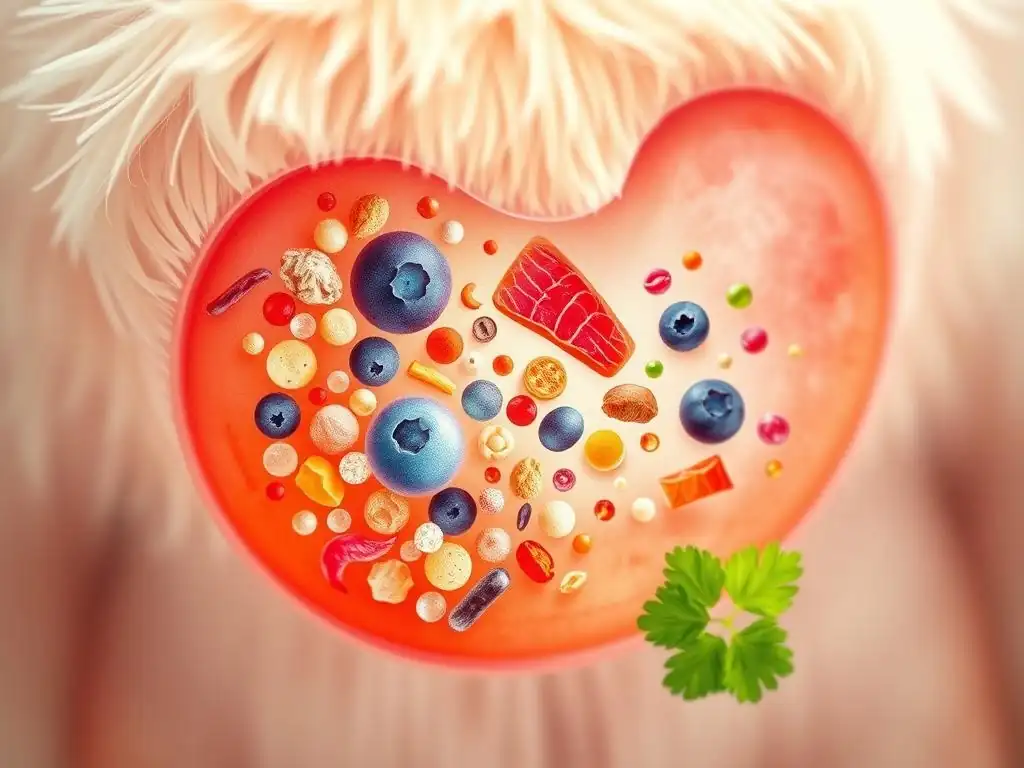
The gut microbiome—the complex community of bacteria, fungi, viruses, and other microorganisms residing in your pet's digestive tract—plays a surprisingly significant role in overall health and well-being. Think of it as a miniature ecosystem, intricately connected to your pet's immune system, digestive processes, and even behavior. A balanced and diverse microbiome is crucial for optimal digestion, nutrient absorption, and immune function.
An imbalance, often referred to as dysbiosis, can lead to various health problems, ranging from mild digestive upset to more serious conditions. Understanding this intricate ecosystem is key to selecting the best pet food choices, especially when considering a limited ingredient diet. Finding the best pet limited ingredient diet often involves carefully considering its impact on this delicate balance.
The Importance of Gut Health in Pets
Maintaining a healthy gut microbiome in pets is paramount for several reasons. Firstly, a diverse and thriving microbiome aids in efficient digestion and nutrient absorption. Beneficial bacteria help break down complex food components, making essential nutrients readily available for your pet's body. This is particularly important for growing animals or those with specific dietary needs.
Secondly, the gut microbiome plays a critical role in immune system development and function. A significant portion of your pet's immune cells reside in the gut, interacting constantly with the gut microbiome. A balanced microbiome helps train the immune system to distinguish between harmful and beneficial microorganisms, preventing overreactions and promoting a robust immune response. Finally, emerging research suggests a link between the gut microbiome and behavior in pets.
While still an area of ongoing study, evidence indicates that gut health can influence mood, anxiety levels, and even cognitive function. Therefore, supporting a healthy gut microbiome is vital for your pet's overall health, from physical well-being to mental and emotional stability. Choosing a diet that supports a thriving microbiome is a crucial step in proactive pet care.
How Limited Ingredient Diets Impact the Gut Microbiome
Limited ingredient diets (LID), characterized by their reduced number of protein and carbohydrate sources, are often chosen for pets with food sensitivities or allergies. These diets aim to minimize potential triggers, allowing the gut to heal and promoting better digestion. The impact on the gut microbiome is largely positive. By removing potential allergens or irritants, LID's can reduce inflammation in the gut lining, allowing beneficial bacteria to flourish.
This reduction in inflammation is crucial because chronic inflammation can disrupt the delicate balance of the microbiome, leading to dysbiosis. However, it’s important to note that not all limited ingredient diets are created equal. The quality of ingredients, the presence of prebiotics and probiotics, and the overall nutritional balance can significantly influence the diet's effect on the gut microbiome.
A well-formulated LID can promote a more diverse and stable microbiome, leading to improved digestion, better nutrient absorption, and a stronger immune system. Conversely, a poorly formulated LID might lack essential nutrients or contain ingredients that could still trigger adverse reactions, potentially disrupting the microbiome. Therefore, careful consideration and consultation with a veterinarian are vital when selecting a LID for your pet.
Beneficial Gut Bacteria and Their Role in Digestion
Several beneficial bacterial strains play a critical role in maintaining a healthy gut microbiome in pets. These include Lactobacillus and Bifidobacterium species, known for their probiotic properties. These bacteria produce short-chain fatty acids (SCFAs), such as butyrate, propionate, and acetate, which are crucial for maintaining gut health. SCFAs nourish the cells lining the gut, strengthening the gut barrier and preventing the leakage of harmful substances into the bloodstream.
They also contribute to the overall health of the gut lining. Furthermore, these beneficial bacteria compete with harmful bacteria for resources and space, preventing the overgrowth of potentially pathogenic microorganisms. A healthy gut microbiome, rich in these beneficial bacteria, is essential for efficient digestion. It ensures the proper breakdown of food, maximizing nutrient absorption and minimizing the risk of digestive upset.
Choosing a limited ingredient diet that supports the growth of these beneficial bacteria is a vital step in maintaining optimal gut health for your pet. The presence of prebiotics—non-digestible food ingredients that promote the growth of beneficial bacteria—in a limited ingredient diet can further enhance its positive impact on the gut microbiome. Therefore, a holistic approach that considers both the reduction of potential allergens and the promotion of beneficial bacteria is critical when selecting the best pet limited ingredient diet.
Signs of an Unhealthy Gut Microbiome in Pets
An unhealthy gut microbiome in pets can manifest in various ways, often subtly at first. Recognizing these signs early is crucial for timely intervention and preventing more serious health issues. While some symptoms might overlap with other conditions, a persistent pattern of these issues warrants a veterinary checkup to assess gut health.
One common indicator is digestive upset. This can range from mild diarrhea or constipation to more severe bouts of vomiting and abdominal pain. The frequency and consistency of bowel movements should be carefully monitored. Changes in stool characteristics, such as increased gas, mucus, or a foul odor, are also significant warning signs. For example, a dog consistently experiencing soft, foul-smelling stools might be exhibiting a sign of gut dysbiosis.
Beyond digestive issues, an imbalanced gut microbiome can impact a pet's overall energy levels and behavior. Lethargy, unusual fatigue, or a noticeable decrease in activity levels could be linked to gut problems. Similarly, behavioral changes, such as increased anxiety or irritability, can sometimes be a consequence of an unhealthy gut. For instance, a usually playful cat becoming withdrawn and less interactive could be a subtle indicator.
Skin conditions are another area where gut health plays a significant role. Many pets with gut imbalances experience recurring skin issues, such as itching, inflammation, or recurrent infections. The gut-skin axis is well-established, meaning that the health of the gut directly influences the skin's health. A dog with persistent hot spots or a cat with chronic allergies might benefit from a veterinary assessment of their gut microbiome.
Finally, a compromised immune system is a serious consequence of gut dysbiosis. Pets with an unhealthy gut are often more susceptible to infections and illnesses. This can manifest as frequent infections, slow wound healing, or a generally weakened immune response. Repeated ear infections, for example, could be a symptom of a deeper underlying issue related to gut health. Therefore, a holistic approach considering the gut microbiome is crucial for comprehensive pet healthcare. A comprehensive evaluation by a veterinarian will help determine the best course of action, which may include dietary changes or other interventions to restore gut balance.
Selecting the Optimal Food for Your Pet's Needs

Finding the best pet limited ingredient diet (LID) requires careful consideration of several factors beyond just the ingredient list. While a short list of recognizable ingredients is a good starting point, you must also consider your pet's specific needs, age, breed predispositions, and current health status. Choosing the right LID isn't just about avoiding allergens; it's about providing complete and balanced nutrition tailored to your furry friend.
Assessing Your Pet's Specific Dietary Needs
Before diving into specific LID options, a thorough understanding of your pet's individual needs is crucial. This involves more than just checking for allergies. Consider these key aspects:
- Age: Puppies and kittens have different nutritional requirements than adult animals, requiring higher calorie and protein content for growth. Senior pets might need adjustments for joint health and digestive support. For example, a senior dog with arthritis might benefit from a LID formulated with glucosamine and chondroitin.
- Breed: Certain breeds are predisposed to specific health issues. For instance, Golden Retrievers are prone to allergies, while German Shepherds can be susceptible to hip dysplasia. A LID designed to address these breed-specific concerns might be beneficial.
- Activity Level: An active dog needs a higher calorie diet than a sedentary cat. Consider your pet's lifestyle when choosing a LID to ensure it provides the appropriate energy levels.
- Underlying Health Conditions: Existing conditions like diabetes, kidney disease, or pancreatitis necessitate a LID tailored to manage those specific health concerns. Always consult your veterinarian before making dietary changes for pets with pre-existing health problems. A veterinarian can help you find the best pet limited ingredient diet for your pet's condition.
- Current Diet: A gradual transition to a LID is essential to avoid digestive upset. A sudden switch can disrupt the gut microbiome, leading to vomiting, diarrhea, and other issues.
Transitioning to a LID: A Step-by-Step Guide
Switching your pet to a limited ingredient diet shouldn't be abrupt. A gradual transition minimizes the risk of digestive problems and allows your pet's gut microbiome to adapt smoothly. Here's a recommended approach:
- Initial Mixing: Begin by mixing a small amount (approximately 25%) of the new LID with your pet's current food. Feed this mixture for 3-5 days.
- Gradual Increase: Gradually increase the proportion of the new LID over the next 7-10 days, slowly decreasing the amount of the old food. By the end of this period, your pet should be consuming 100% of the new LID.
- Close Monitoring: Throughout the transition, carefully monitor your pet for any signs of digestive upset, such as vomiting, diarrhea, or changes in stool consistency. If any issues arise, slow down the transition process or consult your veterinarian.
- Patience is Key: The transition period can take a few weeks, depending on your pet's sensitivity. Be patient and consistent to ensure a smooth and successful change. Remember, the goal is to support a healthy gut microbiome, which takes time.
Monitoring Your Pet's Response to a LID: What to Look For
After transitioning your pet to a LID, continued monitoring is vital to assess its effectiveness. Pay close attention to the following:
- Digestive Health: Observe your pet's stool consistency, frequency, and any signs of gas or bloating. Healthy stools should be firm and well-formed.
- Skin and Coat Condition: A LID can improve skin and coat health by reducing inflammation and addressing food allergies. Look for improvements in shine, softness, and a reduction in itching or scratching.
- Energy Levels: A well-balanced LID should provide your pet with the necessary energy to maintain a healthy activity level.
- Overall Well-being: Monitor your pet's behavior, appetite, and overall mood. A healthy pet will be active, playful, and have a good appetite.
Remember, every pet is unique. What works for one might not work for another. If you notice any adverse reactions or lack of improvement after several weeks on a LID, consult your veterinarian to discuss alternative options or further diagnostic testing. They can help determine the best course of action for your pet's specific needs and help you find the best pet limited ingredient diet for optimal health. They may also recommend fecal testing to assess the gut microbiome's response to the dietary change.
Potential Side Effects of LID and How to Address Them
While limited ingredient diets (LID) are often beneficial for pets with sensitivities or allergies, it's crucial to be aware of potential side effects and how to manage them. Some pets might experience a temporary period of adjustment, manifesting as mild digestive upset. This can include loose stools, increased gas, or even mild vomiting in the initial days or weeks of transitioning to a new LID. This is often due to the change in the gut microbiome as the pet's digestive system adapts to the new food's ingredients. The transition should be gradual, ideally over 7-10 days, mixing the new food with the old food in progressively increasing proportions. This slow introduction allows the gut flora to adjust more smoothly, minimizing the likelihood of digestive upset. 1
Another potential concern is nutritional deficiencies. If a LID is not properly formulated, it might lack essential vitamins, minerals, or other nutrients vital for your pet's health. This is why choosing a high-quality, veterinary-formulated LID is paramount. These diets undergo rigorous testing to ensure they meet all the nutritional needs of your pet, regardless of their age, breed, or health condition. Look for diets that clearly state their AAFCO (Association of American Feed Control Officials) statement, guaranteeing that the food meets the nutritional requirements for a particular life stage. 2 Always consult with your veterinarian to ensure the chosen LID is appropriate for your pet's individual needs and to monitor for any potential deficiencies.
In some cases, even with a well-formulated LID, pets might not show improvement in their symptoms. This could indicate that the suspected allergen isn't included in the LID, or that the pet has a more complex condition requiring further investigation. If your pet continues to exhibit symptoms like itching, vomiting, or diarrhea despite being on a LID, a thorough veterinary examination is necessary to rule out other underlying health issues.
This might involve allergy testing, further dietary trials, or other diagnostic procedures to determine the best course of action. Remember that patience is key; finding the right diet for your pet might require some trial and error.
1 [Specific study on gradual food transitions pending]
2 [Specific information on AAFCO standards and their relevance pending]
Long-Term Benefits of Limited Ingredient Diets for Gut Health

Limited Ingredient Diets (LID), characterized by their short list of easily identifiable ingredients, offer numerous long-term advantages for maintaining a thriving gut microbiome in pets. Understanding these benefits is crucial for pet owners seeking the best pet limited ingredient diet for their furry companions. The reduction in potential allergens and irritants directly impacts the delicate balance of gut bacteria, leading to sustained improvements in digestive health and overall well-being. This section delves into the specifics of how LID contributes to long-term gut health.
Sustaining a Healthy Gut Microbiome with LID
A healthy gut microbiome is vital for optimal pet health. It plays a crucial role in nutrient absorption, immune system function, and overall digestive well-being. Many commercially available pet foods contain a multitude of ingredients, including fillers, artificial colors, and preservatives, which can disrupt the delicate equilibrium of the gut microbiome. These ingredients can act as irritants, leading to inflammation and dysbiosis (an imbalance of gut bacteria).
In contrast, LID formulations minimize this risk. By using a limited number of easily digestible protein sources (like chicken, lamb, or fish) and simple carbohydrates, LID promotes a stable and diverse gut microbiome. This fosters the growth of beneficial bacteria, improving digestion and nutrient absorption. Studies have shown that switching to a LID can significantly reduce instances of diarrhea, vomiting, and other gastrointestinal issues often linked to food sensitivities and imbalances in the gut flora. 1 The simplified composition allows for easier identification of potential food allergens, crucial for managing allergies and sensitivities.
Potential Long-Term Improvements in Pet Health from LID
The positive effects of LID extend beyond immediate digestive relief. Maintaining a healthy gut microbiome through a LID can lead to several long-term health improvements. These include:
- Improved Coat and Skin Health: A balanced gut microbiome contributes to healthier skin and a shinier coat. Reduced inflammation and improved nutrient absorption often translate to visibly improved skin and fur condition.
- Enhanced Immune System Function: The gut microbiome plays a critical role in immune system development and function. A healthy gut, fostered by a LID, can strengthen the immune response, making pets more resilient to infections and illnesses.
- Increased Energy Levels: Improved digestion and nutrient absorption lead to better energy utilization, resulting in increased vitality and activity levels in pets.
- Weight Management: Some pets struggle with weight management due to poor digestion and nutrient absorption. LID can assist in optimizing nutrient intake, leading to healthier weight management.
- Reduced Allergic Reactions: By eliminating common allergens present in many commercial pet foods, LID can significantly alleviate allergic symptoms such as itching, skin rashes, and digestive upset.
Addressing Misconceptions About LID
Despite the numerous benefits, some misconceptions surround LID. It's important to address these to ensure pet owners make informed decisions.
- Myth: LID is only for pets with allergies. Reality: While LID is highly effective for managing allergies, it also offers significant advantages for pets with sensitive stomachs, digestive issues, or those simply seeking better overall gut health and improved nutrient absorption. It can be a preventative measure as well as a treatment.
- Myth: LID is more expensive than other pet foods. Reality: While some LID options may be pricier, many affordable and high-quality LID options are available. The long-term cost savings from reduced veterinary bills due to fewer digestive issues can often offset the initial higher price.
- Myth: All LID are created equal. Reality: It is crucial to carefully examine ingredient lists. Some LID may still contain ingredients that could trigger sensitivities in certain pets. Opt for diets with clearly identified, limited ingredients and minimal additives. Look for transparency in sourcing and manufacturing processes.
1 [Specific study data pending]
Choosing the best pet limited ingredient diet requires careful consideration of your pet's individual needs and sensitivities. Consulting with a veterinarian is always recommended to determine the most appropriate dietary plan for your companion. By understanding the long-term benefits of LID and addressing common misconceptions, pet owners can make informed decisions that contribute to their pet's optimal health and well-being.
Limited Ingredient Diets vs. Other Dietary Approaches for Sensitive Pets
This section delves into the specifics of limited ingredient diets (LID) and how they compare to other dietary approaches often used for pets with sensitivities. Understanding these distinctions is crucial for pet owners seeking the best pet limited ingredient diet for their furry friends.
Comparing LID to Hypoallergenic Diets
Limited ingredient diets and hypoallergenic diets are frequently confused, yet they serve different purposes. While both aim to address dietary sensitivities, their approaches differ significantly. A LID typically contains a limited number of easily digestible protein and carbohydrate sources, often featuring novel ingredients not commonly found in commercial pet foods. This helps identify potential allergens or sensitivities through a process of elimination. The goal is to minimize potential triggers for digestive upset or allergic reactions.
Hypoallergenic diets, on the other hand, are formulated to minimize allergenic proteins. They often use hydrolyzed proteins—proteins broken down into smaller peptides—or utilize novel protein sources that are less likely to trigger an immune response. The difference lies in the mechanism of action. LIDs work by simplification, while hypoallergenic diets focus on reducing allergenicity itself.
Consider this example: a dog with suspected chicken allergy. A LID might use lamb and rice, eliminating chicken entirely. A hypoallergenic diet might use extensively hydrolyzed chicken protein, making it less likely to trigger an allergic reaction. Choosing between the two depends on the severity and nature of the pet's sensitivity. Some pets might benefit from the simpler approach of a LID, while others require the more specialized formulation of a hypoallergenic diet.
Comparison of LID, Hypoallergenic Diets, and Other Options
Let's broaden the comparison to include other dietary options for sensitive pets. The table below summarizes the key differences:
| Diet Type | Protein Source | Carbohydrate Source | Aim | Suitability |
|---|---|---|---|---|
| Limited Ingredient | Single or few novel | Single or few simple | Identify and eliminate allergens/sensitivities | Mild to moderate sensitivities, digestive issues |
| Hypoallergenic | Hydrolyzed or novel | Carefully selected | Minimize allergic reactions | Moderate to severe allergies |
| Grain-Free | Varies | No grains | Reduce potential grain sensitivities | Pets with grain sensitivities |
| Novel Protein | Uncommon protein source | Varies | Introduce a new protein to test for allergies | Suspected allergies, elimination diet approach |
It's crucial to note that "grain-free" diets aren't inherently hypoallergenic or limited ingredient. They simply exclude grains. Similarly, a "novel protein" diet introduces a new protein source to test for allergies, but doesn't necessarily limit the overall ingredient count. The best pet limited ingredient diet will depend heavily on the individual pet's needs and veterinary recommendations.
When to Consult a Veterinarian About Dietary Changes
Switching your pet's diet, especially to a LID or hypoallergenic option, requires careful consideration and veterinary guidance. Consulting a vet is crucial in several scenarios:
- Persistent digestive issues: If your pet continues to experience vomiting, diarrhea, or other gastrointestinal problems despite dietary changes, veterinary intervention is essential. Underlying medical conditions may be the cause.
- Suspected allergies: A veterinarian can perform allergy testing to pinpoint specific allergens and guide dietary choices accordingly. Self-diagnosing and treating allergies can be risky.
- Weight management concerns: Significant weight loss or gain can indicate dietary imbalances or underlying health issues. A veterinarian can help develop a nutrition plan tailored to your pet's specific needs.
- Pre-existing health conditions: Pets with kidney disease, diabetes, or other conditions require specialized diets. Your veterinarian can recommend appropriate options.
- Sudden dietary changes: Abrupt transitions can upset the gut microbiome and lead to digestive problems. A gradual transition, guided by your veterinarian, is recommended.
Remember, a veterinarian can help determine the most appropriate dietary approach for your pet, ensuring that you choose the best pet limited ingredient diet or alternative, leading to optimal health and well-being. Don't hesitate to seek professional advice—it's an investment in your pet's health.
Frequently Asked Questions
What is a limited ingredient diet?
A limited ingredient diet uses a small number of easily identifiable ingredients, minimizing the risk of allergic reactions. These diets typically feature a single protein source and a single carbohydrate source. This helps pinpoint potential allergens.
How do limited ingredient diets benefit the gut microbiome?
By reducing exposure to potential allergens, limited ingredient diets can help stabilize the gut microbiome. This can lead to improved digestion and a stronger immune system. A balanced microbiome is crucial for overall health.
Are all limited ingredient diets created equal?
No, the quality of ingredients and the manufacturing process vary significantly between brands. Look for diets with high-quality protein sources and minimal fillers. Check PetCareWorld for detailed reviews and comparisons.
What are the signs my pet needs a limited ingredient diet?
Signs can include digestive upset, such as vomiting, diarrhea, or gas, as well as skin issues like itching or rashes. If you suspect allergies, consult your veterinarian before switching diets.
Where can I find the best limited ingredient diet for my pet?
PetCareWorld provides comprehensive guides and reviews to help you find the best limited ingredient diet for your pet's specific needs and sensitivities. Consider factors like age, breed, and existing health conditions when making your selection.
Final Reflection: Nourishing the Core: Limited Ingredient Diets and Your Pet's Wellbeing
The rising tide of pet allergies and digestive issues highlights the critical need for a deeper understanding of our companion animals' nutritional needs. A carefully selected diet can be the key to unlocking vibrant health and a happier life for our furry friends, and limited ingredient diets are increasingly proving their worth in this pursuit.
The impact of diet on the gut microbiome is profound, shaping not only digestion but also impacting overall immunity and even behavior. The gut is the second brain,
a phrase often used in the human health context, holds equally true for our pets. Understanding this connection allows us to move beyond simply feeding our pets and towards truly nourishing them from the inside out. This shift in perspective, from simply providing sustenance to actively promoting gut health, is a significant cultural change in pet ownership, reflecting a growing awareness of the holistic well-being of our animal companions.
Consider the implications of this knowledge. What steps can you take to ensure your pet receives the optimal nutrition for their unique needs? Are you proactively monitoring their digestive health and considering the potential benefits of a limited ingredient diet? Take the time to research, consult with your veterinarian, and make informed choices that prioritize your pet's long-term health and happiness. The journey to a healthier, happier pet begins with a conscious and informed approach to nutrition.
Unlock Your Pet's Digestive Potential!
Thank you for exploring the fascinating world of limited ingredient diets and their impact on your pet's gut health! We hope you gained valuable insights into supporting your furry friend's digestive well-being. Now, let's put that knowledge into action.
- Prioritize a tailored diet: Carefully consider switching to a diet formulated for your pet's specific needs and any sensitivities they may have. This is the most impactful step you can take to improve their digestive health.
- Document and share your observations: Keep a food journal to track your pet's response to dietary changes – note any improvements in digestion, energy levels, or coat condition. Share your findings with your veterinarian for professional guidance and support, or connect with other pet owners in our PetCareWorld community forum to exchange experiences.
- Explore complementary gut support: Consider adding natural supplements, like probiotics or prebiotics, to further optimize your pet's digestive system. Always consult your veterinarian first before introducing any new supplements to your pet's routine.
What simple change will you make today to support your pet's digestive health and overall well-being?