
Age and Pet Dental Cleanings: When is the Right Time to Start?


Welcome to PetCareWorld, your ultimate guide to a happier, healthier life for your beloved companion! Are you wondering about the best pet dental cleaning schedule for your furry, feathered, or scaled friend? We understand that maintaining optimal oral hygiene is crucial, and our expert advice on the Age and Pet Dental Cleanings will help you navigate this essential aspect of pet care. Discover the secrets to a sparkling smile and a longer, healthier life for your pet – explore our comprehensive guide now!
- Establishing a Pet Dental Cleaning Schedule: A Comprehensive Guide
- Understanding the Importance of Preventative Pet Dental Care
- Choosing the Right Veterinarian for Pet Dental Cleanings
- Home Dental Care Between Professional Cleanings
- Recognizing the Signs of Dental Problems in Your Pet
- Frequently Asked Questions
- Final Reflection: The Unspoken Truth About Pet Dental Health
- Unlock Your Pet's Sparkling Smile: Take Action Today!
Establishing a Pet Dental Cleaning Schedule: A Comprehensive Guide
Dental health is a crucial aspect of overall pet well-being, often overlooked until problems arise. Maintaining good oral hygiene for your furry, feathered, or scaled friend is vital for preventing painful infections, gum disease, and even systemic health issues. This comprehensive guide will help you understand the importance of regular dental care and establish a personalized cleaning schedule for your pet, tailored to their age and specific needs.
We'll explore the ideal times to start professional cleanings, home care routines, and factors influencing the frequency of veterinary visits, ensuring your pet enjoys a lifetime of healthy smiles. Understanding your pet's dental cleaning schedule is key to proactive pet care, helping you avoid costly and potentially painful treatments down the line. This guide focuses on establishing a preventative approach to pet dental health, ultimately contributing to a longer, happier life for your beloved companion.
Early Stages: Puppy and Kitten Dental Care
The foundation for a lifetime of healthy teeth and gums is laid during your pet's early years. Proactive dental care from the start significantly reduces the risk of future problems.
First Veterinary Visit and Initial Dental Assessment
The first veterinary visit, ideally around 8 weeks of age for puppies and kittens, is crucial. During this visit, a thorough dental examination should be performed. The veterinarian will assess your pet's teeth and gums for any abnormalities, such as malocclusion (misaligned teeth), overcrowding, or existing infections. This initial assessment sets the baseline for future dental health monitoring and allows for early intervention if necessary. Early detection of dental issues is key to less invasive and more affordable treatment.
Home Dental Care Routine for Young Pets: Brushing and Chews
Establishing a consistent home dental care routine early on is essential. Gentle brushing with pet-specific toothpaste should begin as soon as your pet is comfortable enough. Start with short sessions and gradually increase the duration as your pet gets used to the process. Dental chews and toys designed to help clean teeth can also be incorporated into their daily routine. Remember to supervise your pet closely during playtime with chews to prevent choking or swallowing large pieces.
Identifying Early Signs of Dental Problems in Puppies and Kittens
Even in young pets, early signs of dental problems can emerge. Be vigilant and look out for:
- Bad breath: Persistent bad breath, beyond the occasional doggy odor, can indicate an underlying dental issue.
- Red or swollen gums: Inflammation of the gums (gingivitis) is a common early sign of periodontal disease.
- Loose teeth: Loose or wobbly teeth require immediate veterinary attention.
- Excessive drooling: Unexplained increased salivation can be a sign of oral discomfort.
- Difficulty eating: If your pet seems to be struggling to eat or shows signs of pain while chewing, consult your veterinarian immediately.
Adult Pet Dental Cleaning Schedule: Regular Check-ups
Once your pet reaches adulthood, maintaining a consistent dental care schedule becomes even more crucial. Regular professional cleanings are essential for preventing and managing dental disease.
Recommended Frequency of Professional Dental Cleanings for Dogs
The recommended frequency of professional dental cleanings for dogs varies depending on breed, diet, and overall health. However, a general guideline suggests professional cleanings at least once a year, with more frequent cleanings potentially necessary for breeds prone to dental issues or those with existing periodontal disease. Always follow your veterinarian's recommendations.
Recommended Frequency of Professional Dental Cleanings for Cats
Cats, notoriously less tolerant of dental procedures, often require more frequent professional cleanings. A general recommendation is once a year, but your veterinarian might advise more frequent cleanings based on your cat's individual needs and dental health. Early intervention is crucial for cats, as they often hide signs of discomfort until the problem is advanced.
Factors Influencing Cleaning Frequency: Breed, Diet, and Lifestyle
Several factors influence the frequency of professional dental cleanings:
| Factor | Influence |
|---|---|
| Breed | Certain breeds are genetically predisposed to dental problems (e.g., brachycephalic breeds). |
| Diet | Dry kibble generally helps clean teeth, while soft foods can increase plaque buildup. |
| Lifestyle | Chewing toys and regular brushing can reduce the need for frequent professional cleanings. |
| Underlying Health Conditions | Certain medical conditions can impact oral health and necessitate more frequent cleanings. |
Remember, regular veterinary check-ups are essential for maintaining your pet's dental health. A proactive approach will not only improve their quality of life but also save you money in the long run by preventing more serious and costly dental problems. 😻🐕🦜🐍
Senior pets, much like senior humans, experience a decline in overall health, and their oral health is no exception. Age-related changes in their mouths can make them more susceptible to dental problems, requiring a more tailored approach to dental care. Understanding these changes and adapting your routine is crucial for maintaining their comfort and well-being. Ignoring dental health in older pets can lead to significant complications, impacting their appetite, general health, and even lifespan.
Regular veterinary checkups become even more vital as your pet ages, allowing for early detection and treatment of potential dental issues. Many senior pets experience decreased mobility, making it challenging for them to properly groom themselves, further increasing the risk of dental problems. Therefore, proactive dental care is paramount in this life stage.
Dental Changes in Aging Pets: What to Expect
As pets age, several dental changes become increasingly common. Gingivitis, the inflammation of the gums, often progresses to periodontitis, a more severe infection affecting the tissues supporting the teeth. This can lead to tooth loss and significant discomfort.
Additionally, receding gums expose the roots of the teeth, making them more vulnerable to decay and infection. The accumulation of plaque and tartar also accelerates with age, creating a breeding ground for harmful bacteria. Some senior pets may also experience changes in their saliva production, impacting their natural ability to clean their teeth.
These changes emphasize the need for more frequent professional cleanings and at-home care tailored to the specific needs of your aging companion. The texture and consistency of their food may also need adjustment to accommodate any age-related changes in their jaw strength or chewing ability. Early detection of these issues can significantly improve the outcome and quality of life for your senior pet.
Adapting Your Dental Care Routine for Senior Pets
Adapting your dental care routine for senior pets involves a delicate balance of consistency and sensitivity. While regular brushing remains essential, the technique may need modification. Gentle brushing with a soft-bristled toothbrush and pet-specific toothpaste is crucial to avoid causing discomfort or injury. For pets with limited mobility or sensitivity, finger brushes can be a helpful alternative.
The frequency of brushing may need to be adjusted based on your pet's individual needs and tolerance. Some senior pets may benefit from more frequent professional cleanings, potentially every six months instead of annually. Dental chews and toys designed for senior pets can help maintain oral hygiene and provide gentle stimulation.
However, always supervise your pet when using dental chews to prevent choking hazards. Remember to consult your veterinarian about the best approach for your individual pet, considering their specific health conditions and age-related changes. A tailored approach ensures you provide the best possible oral care without causing unnecessary stress or discomfort.
Managing Periodontal Disease in Older Animals
Periodontal disease is a common and serious concern in senior pets. Characterized by inflammation and infection of the gums and supporting structures of the teeth, it can lead to tooth loss, pain, and even systemic health problems. Early detection is key to effective management. Regular veterinary checkups, including dental examinations, are crucial for identifying periodontal disease in its early stages.
Treatment options range from professional cleaning to extractions, depending on the severity of the disease. In some cases, antibiotics may be necessary to control infection. Home care plays a vital role in managing periodontal disease. Regular brushing, appropriate dental chews, and veterinary-approved oral rinses can help slow the progression of the disease and prevent further complications.
Maintaining a healthy diet and providing fresh water can also contribute to better oral health. In advanced cases, surgical intervention may be required to address severe periodontal issues. Remember, early intervention and consistent care can significantly improve the prognosis and quality of life for your senior pet battling periodontal disease. Ignoring the issue can lead to significant pain and discomfort, potentially impacting other aspects of their health.
Understanding the Importance of Preventative Pet Dental Care

Preventative pet dental care is crucial for maintaining your pet's overall health and well-being. Just like humans, pets are susceptible to a range of oral health issues that can significantly impact their quality of life. Ignoring dental hygiene can lead to serious and costly problems down the line. A proactive approach, however, can help prevent many of these complications and save you money in the long run.
Regular brushing, professional cleanings, and a healthy diet are cornerstones of a comprehensive dental care plan. The frequency of these activities will vary depending on your pet's breed, age, and overall health, as we'll explore further in this section. This proactive strategy ensures your furry friend enjoys a happier, healthier life, free from the pain and discomfort associated with neglected dental health. Remember, a healthy mouth contributes to a healthy body!
The Link Between Oral Health and Overall Pet Wellbeing
The connection between oral health and systemic health in pets is undeniable. Dental disease isn't just about bad breath; it's a gateway to more serious health complications. Bacteria from infected gums can enter the bloodstream, potentially affecting the heart, kidneys, and liver. Studies have shown a strong correlation between periodontal disease in dogs and cats and conditions like endocarditis (heart valve inflammation) and glomerulonephritis (kidney inflammation).
Furthermore, pain from dental issues can lead to decreased appetite, weight loss, and behavioral changes, impacting your pet's overall quality of life. Early detection and intervention are key to preventing these serious health consequences. Therefore, scheduling regular veterinary dental checkups is not just about clean teeth; it’s a vital component of comprehensive preventative care. A healthy mouth contributes significantly to a longer, healthier life for your beloved companion.
Common Dental Problems in Pets and Their Prevention
Several common dental problems plague our pets. Periodontal disease, characterized by gum inflammation and infection, is extremely prevalent. Plaque and tartar buildup lead to gingivitis, which, if left untreated, progresses to periodontitis, causing tooth loss and bone damage. Other issues include fractured teeth (often from chewing on hard objects), dental abscesses (pus-filled pockets of infection), and oral tumors.
Prevention is key. Regular brushing with pet-specific toothpaste (avoid human toothpaste!) is crucial. Providing appropriate chew toys can help remove plaque and stimulate gums.
A balanced diet can also play a role, minimizing the formation of plaque and tartar. Regular professional cleanings, as recommended by your veterinarian, are essential to remove stubborn tartar and plaque that home care alone can't tackle. Early detection of any dental problems through routine checkups allows for prompt treatment and helps prevent these conditions from escalating. A proactive approach to dental care reduces the risk and severity of these common problems, ensuring your pet enjoys optimal oral health.
The Cost of Neglecting Pet Dental Health: Long-Term Implications
Neglecting your pet's dental health can lead to significant financial burdens. While preventative care requires some investment (professional cleanings, dental treats, etc. ), the cost of treating advanced dental disease is exponentially higher.
Extractions, surgery to address abscesses, and treatment for systemic complications stemming from periodontal disease can quickly become very expensive. The cost isn't solely monetary; it also includes the emotional distress of seeing your pet suffer from pain and discomfort. Moreover, advanced dental problems can necessitate long-term medication and specialized care, adding to the overall financial strain.
A proactive, preventative approach, including regular dental checkups and professional cleanings, is a cost-effective strategy in the long run, safeguarding both your pet's well-being and your finances. Investing in preventative pet dental care is an investment in your pet’s health and happiness – and ultimately, your peace of mind. A stitch in time saves nine, as the saying goes, and this holds especially true for pet dental care.
Choosing the Right Veterinarian for Pet Dental Cleanings
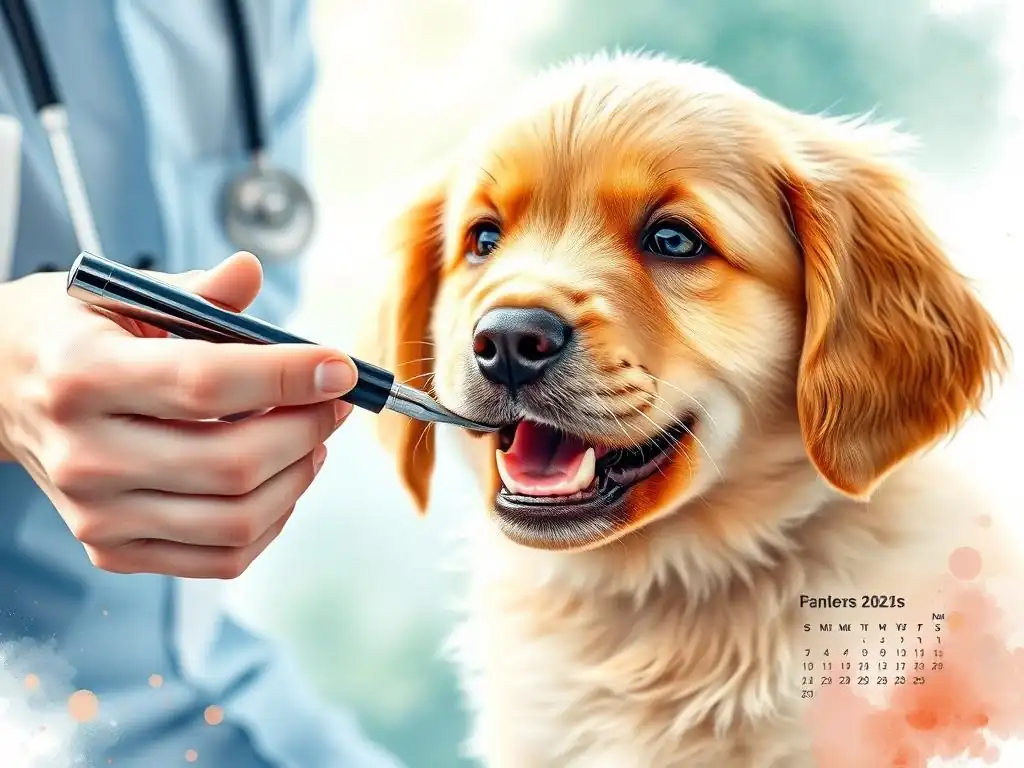
Finding the right veterinarian for your pet's dental care is crucial for maintaining their oral health and overall well-being. A comprehensive pet dental cleaning schedule relies heavily on selecting a vet with the necessary skills and equipment. Don't just settle for the closest clinic; invest time in researching and choosing a professional who prioritizes preventative pet dentistry.
Finding a Vet with Expertise in Pet Dentistry
Not all veterinarians are equally experienced in pet dentistry. Some may perform basic cleanings, while others offer specialized services like advanced diagnostics and periodontal treatment. Look for veterinarians who have completed additional training or certifications in veterinary dentistry. This often involves extensive coursework and practical experience in managing complex dental issues in various animal species.
Consider whether your pet has any pre-existing conditions that might necessitate a veterinarian with specialized expertise. For example, a geriatric pet with compromised immune function will require a more delicate approach than a young, healthy animal. Check online reviews and testimonials to gauge the experiences of other pet owners.
Positive feedback regarding the veterinarian's gentleness and thoroughness is a good indication of their competence in handling anxious or sensitive pets. Also, inquire about the clinic's equipment. A well-equipped practice will have access to advanced tools such as dental X-ray machines, ultrasonic scalers, and polishing tools, all crucial for a thorough and effective cleaning.
Questions to Ask Your Veterinarian Before Scheduling a Cleaning
Before scheduling your pet's dental cleaning, it's essential to ask your veterinarian several key questions to ensure you're making an informed decision. This proactive approach will help you understand the procedure, costs, and potential risks involved. Remember, effective communication is paramount in building a trusting relationship with your veterinarian.
- What is your experience with [pet breed]? Different breeds have varying predispositions to dental problems. For example, brachycephalic breeds often require specialized care.
- What anesthesia protocol do you use? Discuss the type of anesthesia, pre-operative checks, and monitoring during the procedure to minimize risks. Ask about the recovery process and potential side effects.
- What are the potential risks and complications associated with the procedure? A transparent veterinarian will openly discuss potential issues, such as bleeding, infection, or damage to teeth.
- What is included in the cost of the dental cleaning? Clarify what services are included (e.g., X-rays, extractions, polishing) and any additional charges. Obtain a detailed breakdown of the costs beforehand.
- What is your post-operative care plan? Understand the instructions for home care, follow-up appointments, and signs of potential complications to watch out for.
- Do you have before-and-after photos of previous patients? Visual examples can help you understand the expected outcome of the dental cleaning.
What to Expect During a Professional Pet Dental Cleaning Procedure
A professional pet dental cleaning is more than just a simple brushing. It's a comprehensive procedure designed to remove plaque and tartar buildup, identify and address underlying dental issues, and promote your pet's long-term oral health. The process typically involves several stages.
The procedure usually begins with a thorough oral examination, including a visual inspection and, in many cases, dental X-rays to detect problems not visible to the naked eye such as cavities or abscesses below the gum line. Next, your pet will likely receive anesthesia to ensure their comfort and safety during the cleaning. Once anesthetized, the veterinarian will use specialized tools, such as ultrasonic scalers, to remove plaque and tartar buildup. Any damaged or diseased teeth may require extraction.
After the cleaning, the teeth are polished to prevent future buildup. Finally, your pet will be monitored during recovery until they are fully awake and stable. The entire procedure, including pre- and post-operative care, may take several hours.
Post-operative care instructions from your veterinarian are vital for ensuring the long-term success of the cleaning and preventing future dental problems. Following a proper pet dental cleaning schedule, including regular brushing at home, is key to maintaining your pet's oral health between professional cleanings. Remember, a healthy mouth contributes to your pet's overall health and well-being.
Home Dental Care Between Professional Cleanings
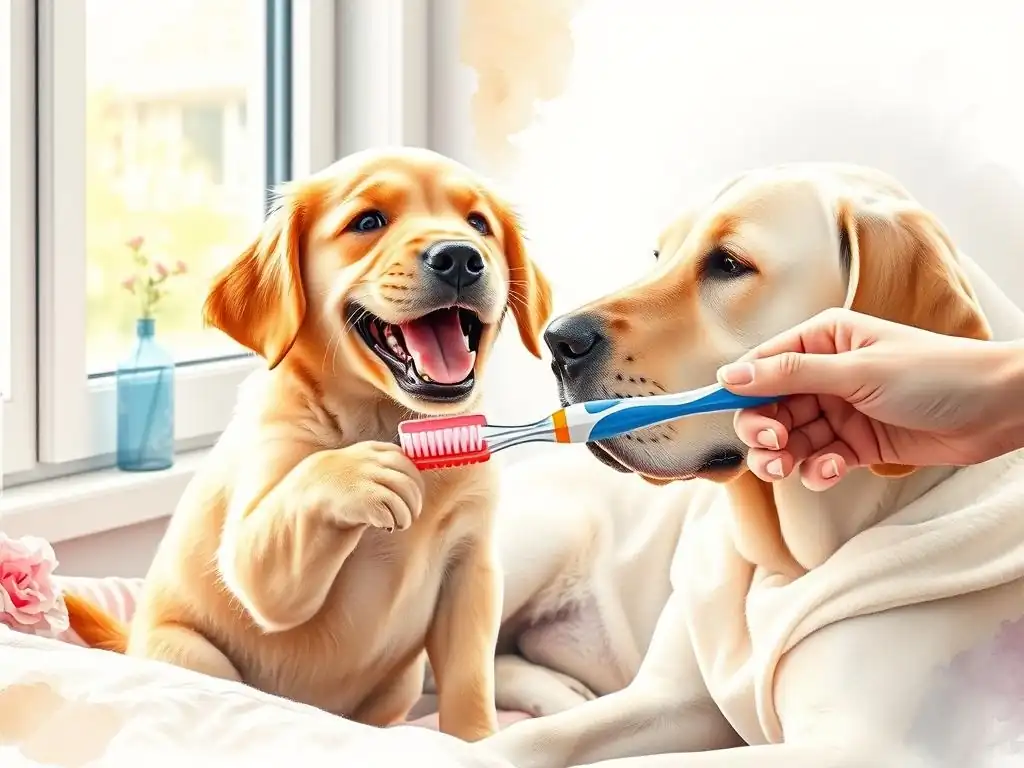
Regular professional dental cleanings are crucial for maintaining your pet's oral health, but home care is equally important. Think of professional cleanings as the deep clean, while home care is the daily maintenance that prevents major issues between appointments. A consistent home dental care routine significantly reduces plaque and tartar buildup, minimizing the frequency and severity of dental problems.
This proactive approach contributes to a longer, healthier life for your furry friend, and can even save you money in the long run by reducing the need for extensive veterinary dental procedures. A well-maintained oral hygiene routine is a key component of a comprehensive pet dental cleaning schedule.
Effective Brushing Techniques for Different Pet Types
Brushing your pet's teeth is the cornerstone of effective home dental care. However, the technique varies depending on the animal. For example, brushing a cat's teeth requires a gentler approach than brushing a large dog's.
- Dogs: Start by introducing your dog to the toothbrush gradually. Let them sniff and lick it before attempting to brush their teeth. Use a dog-specific toothbrush with soft bristles. Apply a pet-safe toothpaste (never use human toothpaste) and gently brush in small, circular motions, focusing on the gum line. Aim for at least twice-daily brushing for optimal results. Larger breeds may require more time and effort.
- Cats: Cats are notoriously difficult to brush. Start with short sessions (15-30 seconds) and gradually increase the duration. Use a tiny toothbrush or finger brush designed for cats. Apply a cat-friendly toothpaste with a palatable flavor. Focus on the outer surfaces of the teeth, as cats are less tolerant of having their inner teeth brushed. Positive reinforcement with treats is crucial for success. Many cats will only tolerate daily brushing once they are comfortable with the process.
- Other Pets: Smaller animals like rabbits, guinea pigs, and birds require specialized approaches. Consult your veterinarian for advice on appropriate brushing techniques and products for your specific pet. The frequency and technique will vary greatly depending on the species and size of your pet.
Choosing the Right Dental Chews and Toys
Dental chews and toys are valuable additions to your pet's dental cleaning schedule, but choosing the right ones is essential. Not all chews are created equal. Some offer minimal benefit, while others can even pose choking hazards.
Look for chews that are specifically designed for dental health. These often have a textured surface that helps to scrape away plaque and tartar. Avoid hard, brittle chews that can chip or break teeth. Consider the size and breed of your pet when selecting chews to ensure they are appropriate for their jaw strength. Always supervise your pet while they are chewing to prevent choking.
| Chew Type | Pros | Cons |
|---|---|---|
| Nylon Chews | Durable, long-lasting | Can cause damage if chewed aggressively |
| Rubber Toys | Textured surface for cleaning | Can be destroyed by powerful chewers |
| Rawhide Alternatives | Often more digestible than traditional rawhide | Can vary greatly in quality and composition |
| Dental Treats | Specifically formulated for dental health | May contain added sugars or artificial ingredients |
Remember to rotate different types of chews to keep your pet engaged and prevent them from developing a preference for only one type. This variety in texture and material will enhance the effectiveness of plaque removal.
Dental Diets and Treats for Improved Oral Hygiene
Incorporating dental diets and treats into your pet’s routine can significantly aid in maintaining good oral hygiene. These specially formulated products contain ingredients that help to reduce plaque and tartar buildup.
Dental diets often have larger kibble sizes and a unique texture that encourages chewing, promoting natural cleaning of the teeth. They may also contain ingredients like polyphosphates that help inhibit tartar formation. However, always transition gradually to a new diet to avoid digestive upset.
Dental treats are available in a variety of forms, including biscuits, chews, and pastes. Look for treats that are low in sugar and specifically designed to promote oral health. Read labels carefully and choose products that are veterinarian-approved. The efficacy of dental diets and treats varies, so consistent brushing remains essential.
Consider these options as supplementary tools in your pet's overall dental care strategy. A balanced approach combining professional cleanings, brushing, chews, and a dental diet provides the most comprehensive protection against dental disease. Remember to consult your veterinarian to determine the best dental care plan for your individual pet.
Recognizing the Signs of Dental Problems in Your Pet

Pet dental cleaning schedule adherence is crucial, but recognizing early warning signs is equally important. Many pet owners mistakenly believe that bad breath is the only indicator of dental problems. While halitosis (bad breath) is a common symptom, several other subtle and sometimes overt signs warrant attention and professional veterinary assessment. Ignoring these signals can lead to more serious and costly issues later. Early detection significantly improves the prognosis and reduces the need for extensive, potentially painful, procedures.
Common Symptoms of Dental Disease in Dogs and Cats
Dental disease in dogs and cats manifests in a variety of ways, and early detection is key to effective treatment. Some common symptoms to watch out for include:
- Bad Breath (Halitosis): A persistent unpleasant odor from your pet's mouth is a strong indicator of dental disease. This is often caused by the buildup of bacteria and plaque.
- Red or Swollen Gums: Inflamed gums (gingivitis) are a clear sign of infection and periodontal disease. Look for redness, swelling, and bleeding.
- Loose or Missing Teeth: Tooth loss is a late-stage symptom of dental disease, indicating significant bone loss and infection. Early intervention can help prevent this.
- Excessive Drooling: More saliva than usual can be a sign of discomfort or pain in the mouth.
- Changes in Eating Habits: Difficulty chewing, refusing to eat hard food, or dropping food from the mouth can indicate dental pain.
- Pawing at the Mouth: Your pet may try to alleviate discomfort by pawing at their mouth or face.
- Facial Swelling: Swelling around the jaw or face can indicate an abscess or infection.
- Lethargy and Loss of Appetite: Severe dental disease can lead to systemic infections, causing lethargy, weight loss, and a lack of appetite.
It's crucial to remember that these symptoms can overlap with other health issues. Therefore, regular veterinary check-ups, including dental examinations, are essential for proactive pet dental care. A comprehensive oral examination by a veterinarian is the best way to diagnose and address dental problems early. This allows for a more effective and less invasive treatment plan, ultimately improving your pet's quality of life and longevity.
When to Schedule an Emergency Veterinary Visit for Dental Issues
While regular checkups are vital for maintaining your pet's dental health and following a proper pet dental cleaning schedule, some situations necessitate an immediate veterinary visit. These emergency scenarios often involve significant pain and potential life-threatening complications:
- Severe Swelling of the Face or Jaw: This indicates a serious infection that requires immediate attention and potentially antibiotics or surgery.
- Bleeding from the Mouth: Unexplained bleeding from the mouth is an emergency and could signify a serious injury or infection.
- Inability to Eat or Drink: Prolonged refusal to eat or drink due to dental pain can quickly lead to dehydration and malnutrition.
- Excessive Drooling accompanied by Lethargy: This combination suggests a severe underlying problem requiring immediate veterinary care.
- Sudden and Unexplained Weight Loss: Significant weight loss, especially coupled with other dental symptoms, requires prompt veterinary assessment.
Remember that early intervention is key when dealing with dental emergencies. Delaying treatment can worsen the condition, leading to increased pain, more extensive procedures, and higher veterinary bills. Don’t hesitate to contact your veterinarian immediately if you observe any of these emergency signs. Your prompt action can save your pet from significant suffering and potentially life-threatening complications. Following a consistent pet dental cleaning schedule alongside vigilant monitoring can significantly reduce the risk of dental emergencies.
The Importance of Early Intervention in Pet Dental Health
Early intervention in pet dental health is paramount. The cumulative effects of neglecting dental hygiene can lead to a cascade of health problems. Plaque and tartar buildup are not just cosmetic concerns; they create breeding grounds for bacteria that can enter the bloodstream, causing serious systemic infections. These infections can affect the heart, kidneys, and liver. Moreover, untreated dental disease leads to pain, discomfort, and reduced quality of life for your beloved pet.
A proactive approach to pet dental care, including regular brushing, dental chews, and professional cleanings according to a well-defined pet dental cleaning schedule, is crucial. Professional cleanings remove tartar buildup that brushing alone cannot achieve. Veterinarians can also assess the overall health of your pet's mouth, identifying potential problems early on.
This preventative care not only improves your pet's oral health but also contributes to their overall well-being and longevity. Regular veterinary check-ups are a cornerstone of responsible pet ownership and a key element in adhering to a successful pet dental cleaning schedule. The earlier you address dental issues, the less invasive and costly the treatment will be.
Frequently Asked Questions
How often should I brush my pet's teeth?
Ideally, you should brush your pet's teeth daily. However, even brushing 2-3 times a week significantly improves oral health. Start slowly and gradually increase frequency.
At what age should I start cleaning my pet's teeth?
You can begin gentle tooth brushing as early as puppyhood or kittenhood, using pet-friendly toothpaste. Professional cleanings usually start around 1-3 years old, depending on the breed and pet's oral health.
What are the signs of dental problems in pets?
Look for signs like bad breath, red or swollen gums, loose teeth, excessive drooling, and difficulty eating. Addressing these issues promptly is crucial.
How much does a professional pet dental cleaning cost?
The cost of a professional cleaning varies depending on your pet's size, the complexity of the procedure, and your geographic location. Expect to pay several hundred dollars.
What's the difference between brushing and professional dental cleaning?
Brushing at home helps maintain daily oral hygiene, while professional cleanings involve removing tartar and plaque buildup under anesthesia, addressing more serious issues. Both are important for optimal oral health.
Final Reflection: The Unspoken Truth About Pet Dental Health
The health of our beloved companions is inextricably linked to their oral hygiene, and yet, so often, preventative dental care is overlooked. Ignoring this crucial aspect of pet wellness can lead to significant health problems down the line, impacting not only their teeth but their overall well-being. This is a truth that needs to be shouted from the rooftops.
The impact of consistent dental care on a pet's quality of life is profound, extending far beyond simply preventing bad breath. It's about ensuring they enjoy their golden years pain-free and with the ability to eat and play without discomfort. As a pet owner myself, I've witnessed firsthand the transformative effect of regular dental checkups – the renewed energy, the playful spirit, the simple joy of a happy, healthy pet. The best gift you can give your pet is a long, healthy life, and dental care plays a vital role in making that a reality.
Now, it’s your turn. Consider your own pet, their age, and their current dental habits. Are you proactively scheduling those crucial checkups and cleanings? Take a moment to reflect on the information presented in this article and make a conscious decision to prioritize your pet's dental health. Schedule that appointment today – it's an investment in years of happy, healthy companionship. Your pet will thank you for it.
Unlock Your Pet's Sparkling Smile: Take Action Today!
Thank you for learning about the importance of pet dental hygiene! We hope you feel empowered to keep your furry friend's teeth healthy and happy for years to come. Ready to put this knowledge into practice?
- Schedule a dental checkup: This is the most crucial step. Contact your veterinarian or a local pet dental specialist to book an appointment. Don't delay; proactive care is essential for maintaining your pet's oral health.
- Incorporate dental chews or toys: Explore different options to find ones your pet enjoys, helping maintain good oral health between professional cleanings.
- Share this information: Spread the word about the importance of pet dental care! Let's help every pet achieve a healthy smile.
What simple dental care steps will you take for your pet this week? Let's start a conversation in the comments below!