
Exotic Pet Skin Problems? How a Specialized Vet Can Diagnose and Treat


Welcome to PetCareWorld, your ultimate guide to a happier, healthier life for your beloved companion! Are you facing a perplexing skin problem with your exotic pet? Discover how specialized veterinary care can make all the difference in diagnosing and treating conditions like exotic pet skin disease. Dive into our expert advice and learn how to provide the best possible care for your unique animal friend. Let's explore the path to a vibrant and healthy life together!
-
Recognizing Skin Issues in Exotic Pets: Early Detection is Key
- Common Skin Problems in Reptiles: Scales, Shedding, and Infections
- Amphibian Skin Diseases: Fungal and Bacterial Infections
- Avian Skin Conditions: Feather Plucking, Parasites, and Allergies
- Mammalian Exotic Pet Skin Issues: Rodents, Rabbits, and More
- Identifying Unusual Skin Lesions: Signs of Underlying Issues
- The Importance of Specialized Veterinary Care for Exotic Pet Skin Diseases
- Exotic Pet Skin Disease Treatment: Options and Approaches
- Managing Exotic Pet Skin Diseases at Home: Post-Treatment Care
- Prognosis and Long-Term Management of Exotic Pet Skin Diseases
- Preventing Future Skin Problems in Exotic Pets
- The Role of Preventative Care in Exotic Pet Skin Health
- Case Study: Successful Treatment of a Bearded Dragon with Metabolic Bone Disease
- Frequently Asked Questions
- Final Reflection: The Untamed Heart: Caring for Exotic Skin
- Unlock Your Exotic Pet's Healthy Skin Today!
Recognizing Skin Issues in Exotic Pets: Early Detection is Key
Exotic pet ownership brings immense joy, but it also requires a commitment to understanding their unique healthcare needs. Skin health is a crucial indicator of overall well-being in exotic pets, and recognizing early signs of disease is paramount for effective treatment. Unlike common household pets like cats and dogs, exotic animals often exhibit subtle symptoms, making early detection challenging but incredibly important.
This article delves into common skin problems affecting reptiles, amphibians, and birds, highlighting the critical role of specialized veterinary care in diagnosis and treatment of exotic pet skin disease. Ignoring skin issues can lead to severe complications, sometimes even proving fatal. Therefore, understanding the typical signs of skin problems and knowing when to seek professional help is vital for responsible exotic pet ownership.
The earlier you address a skin condition, the better the prognosis for your beloved companion. This guide will equip you with the knowledge to better monitor your pet's skin health and understand the importance of seeking specialized veterinary care when necessary. Remember, proactive care is the best defense against serious health issues.
Common Skin Problems in Reptiles: Scales, Shedding, and Infections
Reptiles, with their unique scaly skin, are prone to a variety of dermatological issues. Proper husbandry is crucial in preventing many of these problems. Improper temperature and humidity levels can significantly impact shedding, leading to retained scutes (scales), which can become infected. Bacterial and fungal infections are also common, often manifesting as discoloration, swelling, or lesions on the skin. Parasites, such as mites, can cause intense itching and skin irritation. Specific examples include:
- Metabolic Bone Disease (MBD): Caused by nutritional deficiencies (lack of calcium and/or vitamin D3), MBD can weaken bones and lead to deformities, impacting the overall structure and health of the skin and scales. Symptoms can include soft or rubbery bones, difficulty shedding, and skeletal deformities.
- Dysecdysis (Shedding Problems): This can stem from various factors, including improper humidity, dehydration, and underlying health conditions. Symptoms include retained scutes, difficulty shedding, and potential secondary infections.
- Bacterial Infections: These often appear as localized abscesses, ulcers, or widespread inflammation. Symptoms can vary depending on the bacteria involved but often include redness, swelling, pus, and lethargy.
- Fungal Infections: These are frequently seen in humid environments and can present as discoloration, scaling, and crusting of the skin. Some fungal infections can be quite severe and difficult to treat.
Careful observation of your reptile's skin, including regular checks for shedding difficulties, unusual discoloration, or any open wounds, is crucial for early detection. Immediate veterinary attention is necessary if you suspect any infection or prolonged shedding problems.
Amphibian Skin Diseases: Fungal and Bacterial Infections
Amphibians, with their permeable skin, are particularly susceptible to environmental factors and infections. Their skin plays a vital role in respiration and hydration, making skin diseases especially serious. Fungal and bacterial infections are common, often linked to poor water quality or unsanitary environments. These infections can lead to lethargy, loss of appetite, and even death if left untreated. Here are some key considerations:
- Chytridiomycosis: A devastating fungal disease caused by Batrachochytrium dendrobatidis (Bd) and Batrachochytrium salamandrivorans (Bsal), leading to skin thickening, lesions, and ultimately death. This is a serious concern for many amphibian species.
- Bacterial Infections: These can manifest as redness, swelling, or ulceration on the skin. Poor water quality is often a contributing factor.
- Red Leg Disease: A bacterial infection, often caused by Aeromonas hydrophila, characterized by redness and swelling of the limbs and abdomen.
Maintaining pristine water quality, appropriate temperature and humidity, and a clean environment are essential preventative measures. Any signs of skin abnormalities in amphibians warrant immediate veterinary assessment. The delicate nature of amphibian skin means even minor infections can quickly escalate.
Avian Skin Conditions: Feather Plucking, Parasites, and Allergies
Avian skin problems often manifest through feather abnormalities. Feather plucking, a common behavioral issue, can be related to stress, boredom, or underlying medical conditions. Parasites, such as mites and lice, can cause intense itching and feather damage. Allergies, to food or environmental irritants, can also lead to skin irritation and feather loss. Examples include:
- Feather Plucking: This can range from mild to severe and often requires behavioral modification and veterinary intervention to address any underlying medical issues.
- Mite Infestations: These microscopic parasites can cause intense itching and feather loss, leading to skin irritation and potential secondary infections.
- Bacterial and Fungal Infections: Similar to reptiles and amphibians, birds are susceptible to these infections, which can affect their skin and feathers.
- Allergies: Food allergies or sensitivities to environmental substances can trigger skin inflammation and feather loss.
Regular monitoring of your bird's plumage, including checking for any feather loss, unusual feather appearance, or signs of irritation, is critical. Prompt veterinary care is essential if you suspect any parasitic infestation or allergic reaction. Careful attention to diet and environmental enrichment can help reduce the risk of many avian skin problems.
Mammalian Exotic Pet Skin Issues: Rodents, Rabbits, and More

Rodents and rabbits, while seemingly simple creatures, can suffer from a variety of skin problems requiring specialized veterinary care. These issues often manifest differently than in common household pets like cats and dogs, making early diagnosis crucial for successful treatment. For example, ringworm, a common fungal infection, presents with circular, hairless patches in rodents and rabbits, often accompanied by scaling and inflammation. 1 Unlike in cats and dogs, where it might be easily visible, in smaller animals, it can be subtle and easily missed. Early detection is key, as untreated ringworm can spread and become severe. Another frequently encountered problem is mites, particularly in rabbits. Mite infestations can cause intense itching, leading to excessive scratching, hair loss, and even secondary bacterial infections. 2 The symptoms can vary depending on the specific mite species involved, making accurate identification by a veterinarian essential for effective treatment. Furthermore, bacterial infections are common secondary complications resulting from skin trauma or underlying conditions like allergies or hormonal imbalances. These infections often present as localized abscesses, pustules, or widespread skin inflammation. Proper diagnosis requires a thorough examination and potentially laboratory testing to identify the specific bacteria involved and determine the most effective antibiotic therapy. Finally, allergic reactions in these animals can manifest as skin irritation, excessive scratching, and hair loss, similar to common household pets, but often involve unique allergens found in their diet or environment. A detailed history from the owner, focusing on dietary changes, bedding materials, and exposure to potential irritants, is vital in diagnosing and managing these allergies. The veterinarian may conduct allergy testing to pinpoint the specific allergen and recommend tailored treatment strategies.
Identifying Unusual Skin Lesions: Signs of Underlying Issues
Beyond common skin problems, unusual skin lesions in exotic mammals can signal serious underlying health issues. For instance, tumors may present as lumps, bumps, or ulcerated masses on the skin. 3 The appearance of these tumors can vary greatly depending on their type and location. Early detection of skin tumors is crucial, as some can be malignant and require prompt intervention. A thorough examination, including possibly a biopsy, is necessary to determine the nature of the tumor and the appropriate course of treatment. Similarly, systemic diseases can sometimes manifest as skin problems. For example, certain kidney or liver diseases can cause skin changes such as dryness, scaling, or hair loss. 4 In such cases, addressing the underlying systemic disease is paramount for resolving the skin condition. Moreover, parasite infestations, especially internal parasites, can indirectly impact skin health. Intestinal parasites, for example, can lead to malnutrition and weaken the immune system, making the animal more susceptible to skin infections and delays in healing. 5 Therefore, a comprehensive diagnostic workup may include fecal examination to rule out internal parasites. Finally, nutritional deficiencies can also affect skin health, leading to dull coat, hair loss, and increased susceptibility to infections. A careful review of the animal's diet and supplementation is essential in identifying and correcting nutritional imbalances. Recognizing these unusual skin lesions and understanding their potential implications requires expertise in exotic animal medicine. A specialized veterinarian can conduct thorough examinations, order appropriate diagnostics, and develop an effective treatment plan to address both the skin problem and any underlying systemic issues.
1 [Specific information pending: Reference for ringworm in rodents and rabbits] 2 [Specific information pending: Reference for mites in rabbits] 3 [Specific information pending: Reference for skin tumors in exotic mammals] 4 [Specific information pending: Reference for systemic diseases manifesting as skin problems] 5 [Specific information pending: Reference for internal parasites impacting skin health]
The Importance of Specialized Veterinary Care for Exotic Pet Skin Diseases
Exotic pets, encompassing a vast array of species beyond the common dog and cat, present unique challenges in veterinary care. Their diverse physiology, often delicate immune systems, and specific dietary needs necessitate a level of expertise that general practitioners may lack. This is particularly true when dealing with skin diseases, a common ailment affecting many exotic animals.
Effective exotic pet skin disease treatment hinges on accurate diagnosis and tailored therapeutic approaches, achievable only through the intervention of a veterinarian specializing in exotic animal medicine. Ignoring this crucial aspect can lead to misdiagnosis, ineffective treatment, and potentially life-threatening consequences for your beloved pet.
The specialized knowledge of an exotic animal veterinarian is paramount in ensuring the best possible outcome for your pet's skin condition. This expertise extends beyond simply identifying a problem; it encompasses understanding the underlying causes, considering species-specific sensitivities, and developing a treatment plan that minimizes stress and maximizes healing.
Limitations of General Veterinary Care for Exotic Skin Problems
General practice veterinarians, while invaluable for routine care, often lack the in-depth knowledge and experience required to effectively diagnose and treat the complex skin problems encountered in exotic pets. For instance, a common skin condition in reptiles, such as fungal infections or metabolic bone disease manifesting as skin lesions, requires a nuanced understanding of their thermoregulatory needs and dietary requirements.
A general practitioner might misdiagnose a reptile's skin problem as a simple bacterial infection, leading to ineffective treatment and a worsening of the underlying condition. Similarly, the subtle signs of parasitic infestations in birds or the unique dermatological issues in amphibians often require specialized diagnostic tools and a thorough understanding of their specific physiology.
The anatomical differences between species also play a crucial role: treating a snake's skin condition differs significantly from treating a lizard's, necessitating tailored approaches. Therefore, relying solely on a general veterinarian for exotic pet skin disease treatment can significantly compromise the chances of a successful outcome.
Finding a Qualified Exotic Animal Veterinarian: Resources and Tips
Locating a qualified exotic animal veterinarian requires proactive searching and careful consideration. Several resources can aid in this process. Start by contacting your local veterinary schools or animal hospitals; many have affiliations with specialists or maintain referral lists. Online directories dedicated to exotic animal veterinarians also exist, allowing you to filter based on location and species expertise.
Always verify credentials and experience: look for board certification in avian, reptile, or other relevant exotic animal medicine. Read online reviews and testimonials to gauge other pet owners' experiences. When contacting potential veterinarians, inquire about their experience treating similar skin conditions in your pet's species.
Don't hesitate to ask detailed questions about their diagnostic capabilities and treatment protocols. Choosing the right veterinarian is a crucial step in ensuring your exotic pet receives the best possible care for their skin disease. Remember, timely and accurate diagnosis is vital for effective treatment and your pet's well-being.
The Diagnostic Process: Advanced Testing for Exotic Pet Skin Diseases
Diagnosing exotic pet skin diseases often requires a more comprehensive approach than that used for common domestic animals. A thorough history, encompassing diet, housing, and recent environmental changes, is crucial. A detailed physical examination, often involving specialized instruments, is essential.
This might include dermatological scraping to identify parasites, fungal cultures to detect mycoses, biopsies for histopathological examination, and advanced imaging techniques (like radiography or ultrasound) to assess underlying skeletal or systemic issues potentially contributing to the skin problem. Blood tests can help evaluate overall health and rule out systemic diseases. Depending on the suspected condition, additional specialized tests, such as PCR (polymerase chain reaction) for infectious agents or allergy testing, might be necessary.
The diagnostic process for exotic pet skin diseases is often iterative, requiring careful observation of the pet's response to initial treatments and adjustments to the plan as needed. This detailed, multi-faceted approach is essential for accurate diagnosis and effective exotic pet skin disease treatment. The use of advanced testing ensures the best chances of identifying the root cause and implementing the most appropriate course of action.
Exotic Pet Skin Disease Treatment: Options and Approaches
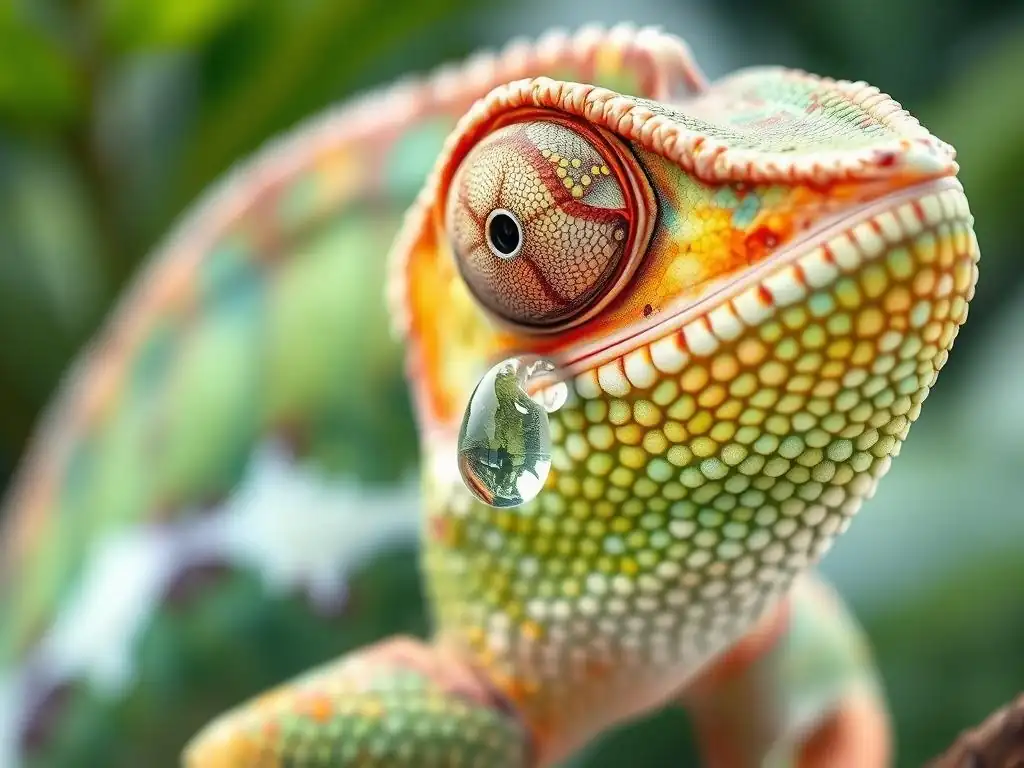
Exotic pet skin disease treatment requires a multifaceted approach, going beyond simple over-the-counter remedies often effective for common domestic animals. The complexity stems from the wide diversity of species, each with unique physiological needs and susceptibilities. Successful treatment hinges on accurate diagnosis, followed by a tailored plan addressing underlying causes and providing supportive care. This often involves a collaborative effort between the pet owner and a veterinarian specializing in exotic animals. The cost of treatment can vary significantly depending on the severity of the condition, the necessary diagnostic tests, and the chosen therapeutic interventions.
Medical Treatments for Bacterial, Fungal, and Parasitic Infections
Bacterial, fungal, and parasitic infections are common culprits behind exotic pet skin problems. Treatment strategies vary depending on the specific pathogen identified through diagnostic testing (such as skin scrapings, fungal cultures, and biopsies).
Bacterial infections may necessitate antibiotic therapy, often administered orally or topically. The choice of antibiotic depends on the bacterial species and its susceptibility profile. For example, Pseudomonas infections, relatively common in reptiles, often require specific antibiotics due to their inherent resistance to certain drugs. Treatment duration is crucial; premature cessation can lead to relapse and the development of antibiotic-resistant strains.
Fungal infections, such as those caused by dermatophytes (ringworm), typically necessitate antifungal medications. These can be administered topically (creams, ointments) or systemically (oral medications), depending on the severity and extent of the infection. Treatment success often requires prolonged antifungal therapy, sometimes lasting several weeks or even months, to completely eradicate the fungus. Monitoring for adverse effects is paramount, as some antifungals can have significant side effects in certain species.
Parasitic infestations (mites, fleas, lice) often require topical or systemic parasiticide treatments. Selection of the appropriate parasiticide depends on the specific parasite identified. For example, treating mites in reptiles might involve different medications than those used for fleas on mammals. Multiple treatments might be necessary to break the parasite's life cycle and ensure complete eradication. Environmental sanitation is also key to preventing re-infestation.
Nutritional Adjustments for Skin Health in Exotic Pets
Nutrition plays a critical role in maintaining healthy skin and a robust immune system in exotic pets. Deficiencies in essential vitamins, minerals, and fatty acids can significantly impair skin barrier function, increasing susceptibility to infections and exacerbating existing conditions.
For example, vitamin A deficiency can lead to dry, scaly skin and impaired wound healing in many reptile species. Similarly, essential fatty acids (EFAs), such as omega-3 and omega-6 fatty acids, are crucial for maintaining skin integrity and reducing inflammation. Dietary supplementation with these nutrients, under veterinary guidance, can significantly improve skin health. The specific nutritional needs vary greatly depending on the species; a bearded dragon will have different requirements than a sugar glider.
A balanced diet, tailored to the specific species and individual needs, is vital. This might involve incorporating specific fruits, vegetables, insects, or commercially prepared diets formulated to meet the pet's nutritional requirements. Obtaining a comprehensive nutritional assessment from a veterinary specialist can help ensure that the pet's diet is optimally supporting skin health. Careful monitoring of weight and body condition is also crucial.
Environmental Modifications to Support Skin Healing
The environment plays a crucial role in exotic pet skin health. Inappropriate humidity, temperature, and substrate can exacerbate skin conditions or even cause primary skin problems. Addressing environmental factors is often a critical part of a comprehensive treatment plan.
For example, reptiles require specific temperature and humidity gradients to maintain optimal skin hydration and prevent shedding problems. Insufficient humidity can lead to dry, cracked skin, making them more susceptible to infections. Conversely, excessively humid environments can foster fungal growth. Maintaining the correct temperature gradient is equally vital, as it influences the animal's metabolism and immune function.
The substrate also plays a role. Certain substrates can be abrasive or harbor bacteria and fungi, irritating the skin or contributing to infections. Switching to a more appropriate substrate, such as paper towels or reptile-specific carpet, can significantly improve skin health. Regular cleaning and disinfection of the enclosure are also essential to maintain a hygienic environment. Providing appropriate basking sites and UV-B lighting (where applicable) are crucial for vitamin D synthesis and overall health. Careful attention to these environmental factors can greatly enhance the effectiveness of medical treatments and improve the pet's overall well-being.
Surgical Interventions for Severe Skin Conditions (If Necessary)
Surgical intervention for exotic pet skin diseases is usually a last resort, employed only when other treatments have proven ineffective or when the condition poses a significant threat to the pet's well-being. This might involve situations where deep, infected wounds require debridement – the surgical removal of damaged or infected tissue to promote healing.
Debridement is crucial in preventing further infection and sepsis, a life-threatening condition caused by the body's overwhelming response to infection. The procedure itself can range from simple excision of necrotic (dead) tissue to more extensive surgical repair, depending on the severity and location of the damage.
Post-operative care is vital and usually involves pain management, regular wound cleansing, and possibly the application of specialized dressings to promote healing and prevent infection. The type of anesthesia used will depend on the species, the extent of the surgery, and the overall health of the animal; it's a critical consideration given the inherent sensitivities of exotic pets.
For example, a severely infected abscess in a reptile might necessitate surgical drainage and debridement, followed by antibiotic therapy. In birds, surgical removal of a tumor impacting feather follicles or causing significant skin damage may be required. The success rate of surgical intervention varies greatly depending on the underlying condition, the animal's overall health, and the skill of the surgeon. Accurate pre-operative diagnostics are paramount to ensure the surgery is appropriate and to maximize the chances of a positive outcome.
Choosing a veterinarian experienced in exotic animal surgery is therefore critical for successful treatment and minimizing post-operative complications. Careful monitoring of the surgical site for signs of infection or complications is essential in the post-operative period. This often involves regular check-ups and potentially additional treatments such as antibiotic injections or topical ointments. The recovery period can be lengthy, requiring patience and diligent care from the owner.
Managing Exotic Pet Skin Diseases at Home: Post-Treatment Care
Successfully treating exotic pet skin diseases often requires a multi-faceted approach, extending beyond the veterinary clinic. Effective home management is crucial for preventing recurrence and ensuring your pet's continued well-being. This section focuses on the essential post-treatment care needed to maintain your exotic pet's healthy skin and prevent future issues. Remember, consistent care is key to managing exotic pet skin disease treatment successfully. Always follow your veterinarian's specific instructions, as treatment plans vary greatly depending on the species, the specific disease, and your pet's individual needs.
Maintaining Hygiene and Sanitation in the Pet's Environment
Maintaining a clean and sanitary environment is paramount in preventing the recurrence of skin diseases in exotic pets. This involves more than just regular cleaning; it's about creating a habitat that minimizes exposure to irritants and pathogens. For example, reptiles require meticulously cleaned enclosures. Substrate needs to be changed frequently, typically weekly or bi-weekly depending on the type and the pet's habits. Any soiled bedding or perches should be immediately removed and disposed of.
For birds, regular cage cleaning, including thorough disinfection, is crucial. This includes cleaning food and water bowls daily and replacing perches regularly. Remember to use pet-safe disinfectants to avoid harming your exotic companion. Failure to maintain a clean environment can lead to reinfection and prolong the healing process, potentially delaying a complete recovery from the exotic pet skin disease treatment. Consider investing in specialized cleaning products formulated for exotic pets to avoid introducing harsh chemicals.
Administering Medications Correctly: Following Vet Instructions
Accurate medication administration is crucial for effective exotic pet skin disease treatment. Your veterinarian will provide detailed instructions on dosage, frequency, and administration method. This might involve topical creams, oral medications, or injections. Never deviate from these instructions. Incorrect dosage can be ineffective or even harmful to your pet. For example, topical medications should be applied sparingly and only to affected areas, avoiding contact with the eyes or mouth.
Oral medications require careful measurement, often using specialized syringes provided by your veterinarian. If you are unsure about any aspect of medication administration, don't hesitate to contact your veterinarian for clarification. Keeping a detailed record of medication administration, including dates, times, and amounts, can be incredibly helpful for monitoring your pet's progress and identifying potential issues. Accurate records are invaluable for communicating with your veterinarian during follow-up appointments. This meticulous approach is vital for successful exotic pet skin disease treatment.
Monitoring for Recurrence or Complications
Even with diligent treatment and home care, the possibility of recurrence or complications exists. Regular monitoring is therefore essential. Watch for any signs of relapse, such as renewed itching, scaling, hair loss, or changes in skin appearance. Note any changes in your pet's behavior, such as lethargy, loss of appetite, or unusual vocalizations. These might indicate a complication or the return of the skin disease.
Maintaining a detailed record of your pet's condition, including photos if possible, will be beneficial for your veterinarian to monitor progress and make informed decisions. Promptly report any concerning signs to your veterinarian. Early detection of recurrence or complications significantly improves the chances of successful treatment. Proactive monitoring is a critical component of comprehensive exotic pet skin disease treatment. Don't underestimate the importance of consistent observation; it is your best defense against setbacks.
When to Seek Emergency Veterinary Care for Your Exotic Pet
Recognizing when your exotic pet needs immediate veterinary attention is crucial for their survival. While many skin issues can be managed at home following a vet's instructions, some situations demand immediate professional care. Failing to act swiftly can lead to severe complications and even death. Therefore, understanding the warning signs is paramount for responsible exotic pet ownership.
Several indicators should trigger an immediate trip to an emergency veterinary clinic specializing in exotic pets. These include, but are not limited to, severe bleeding from skin lesions, difficulty breathing, significant lethargy or weakness accompanied by skin changes, a sudden and dramatic worsening of existing skin conditions, and signs of systemic infection like high fever (though temperature assessment can be challenging in some species) or significant swelling beyond the affected area.
Remember that the baseline health of your exotic pet plays a significant role. What might be a minor skin irritation in a robust animal could be life-threatening for a compromised one. A small wound that isn't healing properly, for instance, could easily become infected in an already weakened pet, quickly escalating into a critical situation. Therefore, even seemingly minor issues should be carefully monitored. Any doubt should always err on the side of caution.
The speed of deterioration is also a crucial factor. If you notice a rapid worsening of your pet's condition, even if the initial symptoms seemed relatively mild, immediate veterinary intervention is essential. This could manifest as a rapidly spreading rash, increased pain, or a sudden onset of labored breathing. Don't hesitate to contact your veterinarian or an emergency clinic; time is often of the essence in these cases.
Finally, trust your instincts. As an experienced exotic pet owner, you know your pet's normal behavior and physical state. If something seems drastically different or "off," don't delay seeking professional help. Early intervention significantly improves the chances of a successful outcome in treating exotic pet skin diseases. Your proactive approach will contribute immensely to your pet's health and well-being. The cost of delaying treatment often far outweighs the cost of immediate veterinary care.
Prognosis and Long-Term Management of Exotic Pet Skin Diseases

The prognosis for exotic pet skin diseases varies dramatically depending on several factors, including the underlying cause, the severity of the condition, the pet's overall health, and the timeliness of treatment. Some conditions, like minor bacterial infections, might resolve quickly with appropriate antibiotic therapy. Others, such as severe allergic reactions or autoimmune diseases, may require long-term management and may have a less favorable outlook. Early diagnosis and intervention are crucial for improving the chances of a positive outcome. Delaying treatment can lead to secondary infections, worsening symptoms, and potentially irreversible damage to the skin.
Factors Affecting Recovery and Long-Term Outlook
Several factors significantly influence the prognosis and long-term management of exotic pet skin diseases. These include:
- Underlying Cause: Identifying the root cause—allergies, parasites, infections, hormonal imbalances, or autoimmune disorders—is paramount. Treating the underlying cause is often more effective than simply managing symptoms. For example, a fungal infection requires antifungal medication, while an allergic reaction might necessitate dietary changes or immunotherapy.
- Severity of the Condition: Mild cases of skin irritation might respond well to topical treatments, while severe cases involving extensive lesions or systemic involvement may require more aggressive interventions, including systemic medications or specialized therapies.
- Pet's Overall Health: A pet's overall health significantly impacts its ability to fight off infection and heal. Pre-existing conditions like kidney disease or immunosuppression can complicate treatment and worsen the prognosis.
- Timeliness of Treatment: Prompt veterinary attention is critical. Early diagnosis and treatment significantly improve the chances of a full recovery and minimize long-term complications. Delayed treatment can lead to chronic conditions and secondary infections, making management more challenging.
- Compliance with Treatment: Following the veterinarian's instructions diligently is crucial for successful treatment. This includes administering medications as prescribed, adhering to dietary restrictions, and providing appropriate environmental conditions.
Preventing Future Skin Problems in Exotic Pets
Proactive measures are essential in preventing recurring skin issues in exotic pets. A multi-faceted approach focusing on diet, environment, and hygiene can significantly reduce the risk of future problems. The specific preventative strategies will vary depending on the species and individual pet's needs, but several general recommendations apply.
Preventing Future Skin Problems in Exotic Pets
- Nutritional Management: A balanced diet formulated for the specific species is crucial. Nutritional deficiencies can weaken the immune system, making the pet more susceptible to skin infections and disorders. High-quality, species-appropriate food should be the cornerstone of preventative care. Avoid sudden dietary changes, as these can trigger allergic reactions.
- Environmental Enrichment: Providing a clean, appropriately sized, and stimulating environment is essential. This includes regular cleaning of enclosures, appropriate temperature and humidity control, and the provision of opportunities for natural behaviors. Stress can exacerbate skin problems, so a comfortable and enriched environment is vital.
- Parasite Control: Regular parasite control is necessary. This involves regular fecal examinations, topical or systemic parasite preventatives, and environmental cleaning to eliminate parasites and their eggs. Ignoring parasite infestations can lead to severe skin problems.
- Hygiene Practices: Maintaining good hygiene is crucial. This includes regular cleaning of enclosures, proper sanitation of feeding and water dishes, and appropriate bathing practices (if necessary and as advised by a veterinarian). Avoid harsh chemicals that can irritate the skin.
The Role of Preventative Care in Exotic Pet Skin Health
Preventative care plays a pivotal role in maintaining the skin health of exotic pets. It's a proactive approach that aims to minimize the risk of skin diseases and improve the overall well-being of the pet. This includes regular veterinary check-ups, proactive parasite control, and maintaining a healthy diet and environment. A comprehensive preventative program can significantly reduce the incidence of skin issues, leading to a happier and healthier pet.
The Role of Preventative Care in Exotic Pet Skin Health
Regular veterinary check-ups are essential. These visits allow for early detection of skin problems, even before noticeable symptoms appear. A veterinarian can assess the pet's skin condition, identify potential issues, and recommend appropriate preventative measures. Early detection and intervention are key to preventing minor problems from escalating into more serious conditions.
The frequency of these check-ups will depend on the species and the pet's individual needs, but generally, annual examinations are recommended. Furthermore, proactive parasite control plays a crucial role. Regular preventative medications, as recommended by a veterinarian, can effectively eliminate or control parasites that can cause skin problems. This includes internal and external parasites.
Lastly, maintaining a healthy diet and environment are crucial for supporting the pet's immune system and reducing the risk of skin diseases. Providing a balanced diet appropriate for the species, maintaining a clean and appropriately sized enclosure, and managing stress are vital components of a comprehensive preventative care program for exotic pet skin health. A proactive approach can significantly reduce the need for costly and potentially stressful treatments in the future.
Case Study: Successful Treatment of a Bearded Dragon with Metabolic Bone Disease
This case study illustrates the crucial role of specialized veterinary care in managing exotic pet skin diseases, specifically focusing on a bearded dragon suffering from Metabolic Bone Disease (MBD), a condition often manifesting as significant skin and skeletal issues. MBD, while not strictly a skin disease in isolation, profoundly impacts skin health and highlights the interconnectedness of systemic health in exotic pets. Effective treatment requires a comprehensive approach, emphasizing proper diagnosis and long-term management strategies. This case showcases the importance of seeking veterinary expertise for exotic pet skin disease treatment.
Initial Diagnosis and Symptoms
A three-year-old bearded dragon, named Sparky, presented with several concerning symptoms indicative of MBD. His owner reported a noticeable softening of the jawbone, making it difficult for him to grip his food. Furthermore, Sparky exhibited significant lethargy and a loss of appetite. A physical examination revealed rubbery jaw bones, a slightly swollen abdomen, and a noticeably fragile, easily-damaged tail. His skin appeared dull and lacked the typical vibrant coloration of a healthy bearded dragon.
Importantly, his skin was also more prone to injury and exhibited slow healing time. Radiographic imaging confirmed the diagnosis of MBD, revealing reduced bone density and significant skeletal deformities. The initial bloodwork showed low calcium and high phosphorus levels, further supporting the diagnosis of MBD, a common cause of exotic pet skin problems. These symptoms highlight the importance of early detection in exotic pet skin disease treatment.
Treatment Plan and Implementation
The veterinarian developed a comprehensive treatment plan addressing the underlying metabolic imbalance and the resulting skin issues. This involved several key strategies. First, a specialized diet was prescribed, significantly increasing the calcium-to-phosphorus ratio. This involved switching to a diet richer in calcium and lower in phosphorus, supplemented with calcium powder dusted on his food daily.
Second, ultraviolet B (UVB) lighting was carefully assessed and upgraded to ensure adequate levels for proper calcium absorption. This is crucial for bearded dragons, as insufficient UVB radiation is a major contributor to MBD. Third, subcutaneous injections of calcium gluconate were administered to rapidly correct the calcium deficiency.
This was done under careful monitoring to avoid complications. Finally, supportive care included providing a warm, comfortable environment to promote healing and reduce stress, crucial factors in exotic pet skin disease treatment. Regular monitoring of calcium and phosphorus levels was crucial to track treatment efficacy and adjust the plan as needed.
Outcome and Long-Term Management
Over several months of consistent treatment, Sparky showed remarkable improvement. His jawbone gradually strengthened, his appetite returned, and his lethargy diminished. His skin became healthier, exhibiting improved coloration and resilience. Regular radiographs demonstrated a gradual increase in bone density.
While complete resolution of the skeletal deformities wasn't possible, the progression of the disease was halted. Long-term management involved continued dietary adjustments, regular UVB exposure monitoring, and periodic blood tests to ensure the calcium and phosphorus levels remained within the therapeutic range. This case underscores that successful exotic pet skin disease treatment often necessitates a multifaceted approach, combining nutritional interventions, environmental adjustments, and ongoing monitoring by a specialized veterinarian. This long-term management is crucial for preventing recurrences and ensuring Sparky's overall well-being, highlighting the importance of ongoing care for exotic pet skin disease treatment.
Frequently Asked Questions
What are some common exotic pet skin diseases?
Many exotic pets can suffer from bacterial infections, fungal infections, parasitic infestations (mites, etc.), and allergic reactions. The specific diseases vary greatly depending on the species. A veterinarian specializing in exotics is crucial for diagnosis.
How does a vet diagnose exotic pet skin diseases?
Diagnosis often involves a physical exam, skin scraping, fungal cultures, and possibly biopsies. Advanced imaging like ultrasound may also be necessary depending on the suspected condition.
What kind of treatment can I expect for my exotic pet's skin problem?
Treatment depends on the underlying cause and may include topical medications, oral medications, antiparasitics, or even surgical intervention. Consistent treatment is key to success.
Are there any home remedies for exotic pet skin issues?
While some gentle cleansing might be helpful, avoid using human medications or home remedies without veterinary guidance. Improper treatment can worsen the condition.
Where can I find a veterinarian specializing in exotic pets?
You can search online for "exotic animal veterinarians near me" or contact your local animal shelter or humane society for referrals. Finding a specialist is vital for proper care.
Final Reflection: The Untamed Heart: Caring for Exotic Skin
The health of our exotic companions is inextricably linked to our understanding of their unique needs, and skin disease, often a silent sufferer, highlights this crucial connection. Ignoring the subtle signs of discomfort in our scaly, feathered, or furry friends can lead to significant health complications, impacting their quality of life and ultimately, their longevity. The increasing popularity of exotic pets demands a parallel increase in specialized veterinary care, ensuring their well-being is prioritized.
The journey of understanding exotic pet dermatology has been a fascinating one, revealing the intricate relationship between species-specific biology and environmental factors. It's a testament to the evolving field of veterinary medicine that we now possess the tools and knowledge to diagnose and treat a wider range of skin conditions. The animals that we choose to share our lives with deserve the best possible care, and that includes recognizing and addressing their unique health challenges.
This quote underscores the ethical responsibility we bear as pet owners, demanding a commitment to ongoing learning and proactive care.
You, the reader, now hold the knowledge to advocate for your exotic pet's health. Don't hesitate to seek out a veterinarian specializing in exotic animals at the first sign of skin irritation, unusual shedding, or behavioral changes. Your vigilance and proactive approach will not only improve your pet's comfort but will also strengthen the bond you share, fostering a healthier and happier life together. Let's continue to learn, to advocate, and to ensure that the unique beauty of our exotic companions is matched by the quality of their care.
Unlock Your Exotic Pet's Healthy Skin Today!
Thank you for learning about the unique dermatological needs of your exotic pet. We hope this article has been helpful! Now, let's work together to ensure your companion's health and happiness.
- Schedule a consultation with a veterinarian specializing in exotic animals: This is crucial for addressing your pet's skin problems. Don't delay seeking professional help.
- Find a reputable local pet supply store that carries high-quality shampoos and skin care products specifically formulated for your pet's species.
- Share your experiences and learn from others! Join our PetCareWorld community forum and connect with other exotic pet owners. We'd love to hear your story!
What's been the biggest challenge you've faced in caring for your exotic pet's skin, and how did you overcome it?