
Mastering the Art of Home Grooming for Your ShortHaired Dog

Welcome to PetCareWorld, your ultimate guide to a happier, healthier life for your beloved pet! Are you ready to unlock the secrets to effortlessly maintaining your short-haired dog's stunning coat? Our comprehensive guide on short haired dog home grooming will equip you with the knowledge and techniques to achieve professional-looking results from the comfort of your home. Discover the simple steps and expert tips that will transform your grooming routine, saving you time and money while strengthening your bond with your furry friend. Let's get started!
- Getting Started: Essential Tools for Short Haired Dog Home Grooming
-
Step-by-Step Guide to Short Haired Dog Grooming at Home
- Brushing Your Short-Haired Dog: Techniques for a Smooth Coat
- Bathing Your Short-Haired Dog: A Gentle and Efficient Process
- Drying Your Short-Haired Dog: Preventing Skin Irritation
- Trimming Nails: Safe and Effective Techniques for Short-Haired Dogs
- Cleaning Ears: Preventing Infections in Short-Haired Dogs
- Teeth Brushing: Maintaining Oral Hygiene for Your Short-Haired Dog
- Advanced Techniques for Short Haired Dog Home Grooming
- Troubleshooting Common Short Haired Dog Grooming Challenges
- Maintaining a Healthy Coat: Nutrition and Supplements for Short-Haired Dogs
- Creating a Positive Grooming Experience for Your Short Haired Dog
- Frequently Asked Questions
- Final Reflection: The Enduring Bond Forged Through a Groom
- Unleash Your Dog's Inner Sparkle: Grooming Mastery Awaits!
Getting Started: Essential Tools for Short Haired Dog Home Grooming
Maintaining a healthy and happy short-haired dog involves regular grooming, and doing it at home can be a rewarding experience, strengthening the bond between you and your furry friend. This comprehensive guide will walk you through the process of mastering home grooming for your short-haired canine companion, covering everything from essential tools and techniques to choosing the right products and creating a comfortable grooming environment.
We'll focus on practical, step-by-step instructions and tips to make the experience enjoyable for both you and your dog, ultimately saving you money and providing peace of mind knowing you're providing your pet with the best possible care. Learning how to properly groom your short haired dog at home will not only save you money on professional grooming but also allow you to closely monitor your dog's skin and coat for any potential health issues.
This proactive approach is a key component of responsible pet ownership.
Gathering Your Supplies: Brushes, Combs, Clippers, and More
Before you begin grooming your short-haired dog at home, gathering the right tools is crucial. Investing in high-quality grooming supplies will make the process smoother and more effective. Here's a checklist of essentials:
- Slicker Brush: Excellent for removing loose hair and undercoat, preventing matting. Choose one with soft, flexible bristles to avoid scratching your dog's skin.
- Undercoat Rake: Ideal for short-haired breeds with a tendency to shed heavily, helping to remove loose undercoat efficiently.
- Grooming Comb: Use this to check for any mats or tangles, especially around the ears and paws.
- Nail Clippers: Essential for keeping your dog's nails trimmed and preventing overgrowth, which can cause discomfort and even injury. Choose clippers specifically designed for dogs.
- Dog Shampoo and Conditioner: Select a shampoo formulated for short-haired dogs, avoiding harsh chemicals that can dry out their skin. A conditioner will help keep their coat soft and shiny. We'll discuss shampoo selection in more detail below.
- Soft Towels: Several absorbent towels are necessary for drying your dog thoroughly after bathing.
- Treats: Positive reinforcement is key! Keep your dog's favorite treats handy to reward good behavior during the grooming process.
- Optional: Electric Clippers: While not strictly necessary for all short-haired breeds, clippers can be helpful for trimming around the paws, face, and sanitary areas. If using clippers, ensure you are comfortable and confident using them to avoid injuring your dog.
Choosing the Right Shampoo and Conditioner for Short-Haired Dogs
Selecting the right shampoo and conditioner is vital for maintaining your dog's coat health. Avoid human shampoos, as they can disrupt the pH balance of your dog's skin, leading to dryness, irritation, and even skin infections. Look for shampoos specifically formulated for dogs with short hair. Consider these factors:
- Ingredients: Opt for shampoos with natural ingredients, avoiding harsh chemicals, sulfates, and parabens. Look for terms like "hypoallergenic" or "sensitive skin" if your dog has any skin sensitivities.
- Coat Type: While you're grooming a short-haired dog, consider any specific needs. For instance, some short-haired breeds might have slightly oily or dry coats, requiring a shampoo tailored to address those concerns.
- Scent: Choose a scent that is mild and pleasant, avoiding overly strong fragrances that could irritate your dog's sensitive nose.
Setting Up Your Grooming Station: Comfort and Safety for You and Your Dog
Creating a comfortable and safe grooming station is paramount for a successful grooming session. This will make the experience less stressful for both you and your dog. Consider these points:
- Location: Choose a well-lit, spacious area where your dog feels secure. Avoid areas with loud noises or distractions. A bathroom is often a good choice due to easy access to water.
- Non-Slip Surface: Use a non-slip mat to prevent your dog from slipping or sliding, especially during bathing.
- Height: Ensure the grooming table or surface is at a comfortable height for you to work without straining your back. If using a table, make sure it's stable and secure.
- Tools within Reach: Keep all your grooming supplies within easy reach to avoid interrupting the flow of the grooming process.
- Treats and Toys: Have treats and your dog's favorite toy readily available for positive reinforcement and distraction if needed. A calm and positive environment is crucial for a successful grooming session.
Step-by-Step Guide to Short Haired Dog Grooming at Home
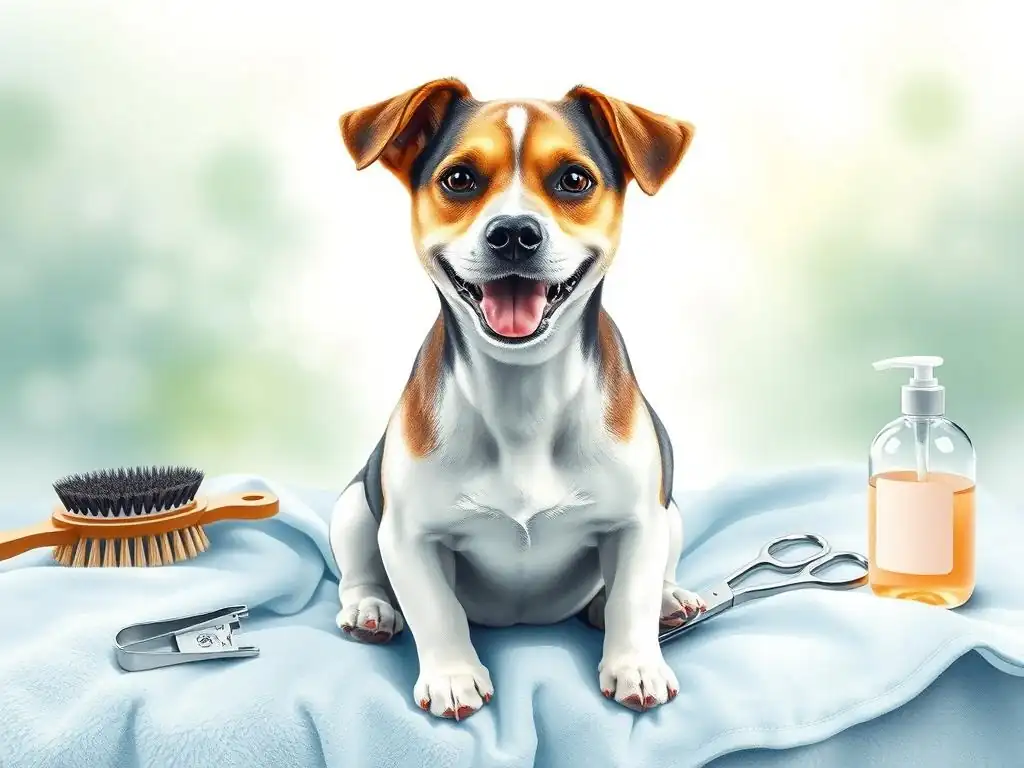
This section provides a detailed, step-by-step guide to successfully grooming your short-haired dog at home. We'll cover brushing, bathing, and drying techniques, ensuring your canine companion looks and feels their best. Remember, consistent grooming is key to maintaining your short haired dog's coat health and preventing matting, even with their shorter fur. Regular grooming also strengthens your bond with your pet! 🐶
Brushing Your Short-Haired Dog: Techniques for a Smooth Coat
Regular brushing is crucial for short-haired dogs, even though their coats require less maintenance than long-haired breeds. Brushing removes loose hair, distributes natural oils, and helps to detect any skin irritations or parasites early. Aim to brush your dog at least twice a week, increasing frequency during shedding seasons.
The best tools for brushing a short-haired dog are a firm-bristled brush and a rubber curry brush. The firm-bristled brush effectively removes loose hair and dirt, while the rubber curry brush stimulates the skin and helps distribute oils.
Here's a step-by-step guide:
- Prepare your dog: Make sure your dog is comfortable and relaxed before you begin. Use positive reinforcement, such as treats or praise.
- Start brushing: Begin brushing in the direction of hair growth, using gentle, sweeping strokes. Pay close attention to areas prone to matting, such as behind the ears and around the legs.
- Use both brushes: Alternate between the firm-bristled brush and the rubber curry brush for a thorough cleaning.
- Check for skin issues: As you brush, carefully examine your dog's skin for any signs of irritation, redness, bumps, or parasites.
- Clean up: Once you're finished brushing, dispose of the collected hair appropriately.
Bathing Your Short-Haired Dog: A Gentle and Efficient Process
Bathing your short-haired dog shouldn't be a daunting task. With the right approach, it can be a positive and even enjoyable experience for both you and your furry friend. However, over-bathing can strip their coat of essential oils, leading to dryness and irritation. Aim for bathing your dog every 4-6 weeks, or as needed.
Before you begin, gather your supplies: a dog-specific shampoo (avoid human shampoos! ), a few towels, a non-slip mat for the tub, and a cup or jug for rinsing. Consider using lukewarm water – too hot or too cold can be uncomfortable for your dog.
Here's how to bathe your short-haired dog effectively:
- Wet your dog thoroughly: Use lukewarm water to completely wet your dog's coat, ensuring you reach all areas. Avoid getting water in their ears.
- Apply shampoo: Apply a small amount of dog shampoo, working it into a lather. Massage gently into the coat, paying attention to areas prone to dirt build-up.
- Rinse thoroughly: Rinse the shampoo completely, ensuring no residue remains. Leftover shampoo can irritate your dog's skin.
- Towel dry: Gently towel dry your dog's coat. Avoid rubbing vigorously, as this can damage the hair and irritate the skin.
- Air dry (optional): Allow your dog to air dry completely, or use a low-heat dryer if necessary. Never use a human hairdryer on high heat, as this can burn your dog's skin.
Drying Your Short-Haired Dog: Preventing Skin Irritation
Proper drying is essential to prevent skin irritation and discomfort. While short-haired dogs dry faster than long-haired breeds, thorough drying is still important to avoid dampness that can lead to skin problems.
As mentioned previously, towel drying is the first step. Gently pat your dog's coat dry, avoiding harsh rubbing. If your dog tolerates it, you can use a low-heat pet dryer to expedite the process. However, always maintain a safe distance and monitor the temperature to prevent burning.
Here are some additional tips for drying your short-haired dog:
- Avoid using a human hairdryer: Human hair dryers are too powerful and can damage your dog's skin and coat.
- Use a low-heat setting: If using a pet dryer, always use a low-heat setting.
- Check for dryness: Ensure the coat is completely dry before letting your dog run around freely to prevent chills.
- Consider air drying: Air drying is the gentlest method and often preferred, especially in warmer weather.
Remember, patience and positive reinforcement are key to a successful home grooming experience for both you and your short-haired dog. With consistent care, your dog will enjoy a healthy, shiny coat and a happy, comfortable life! 🎉
Trimming Nails: Safe and Effective Techniques for Short-Haired Dogs
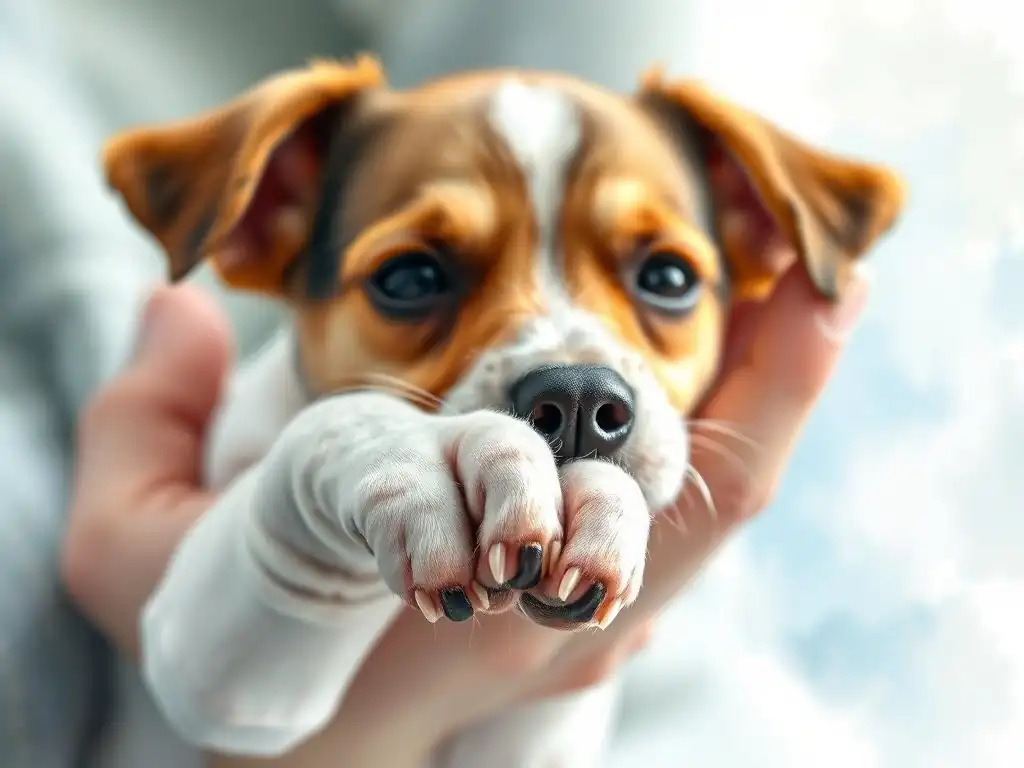
Trimming your short-haired dog's nails is a crucial part of home grooming, contributing significantly to their overall comfort and health. Overgrown nails can cause pain, discomfort, and even lead to joint problems. The key is to trim them regularly, before they become overly long. Ideally, you should be able to hear a faint clicking sound when your dog walks on a hard surface; if you hear a loud click, it's time for a trim.
Several tools are available for nail trimming, including guillotine-style clippers and scissor-style clippers. Guillotine clippers are generally preferred by many for their precision, but scissor-style clippers can also work well if used correctly. Regardless of the type, always choose a high-quality clipper designed specifically for pets, to ensure a clean and precise cut, reducing the risk of injury. Before you start, familiarize yourself with your dog's nails. You'll notice a quick, a pink area containing blood vessels and nerves. Cutting into the quick is painful and can cause bleeding. It's vital to avoid this area.
To make the process easier, consider desensitizing your dog to nail trimming gradually. Start by gently touching their paws and nails, rewarding them with treats and praise. Once they are comfortable with this, you can begin to introduce the clippers, allowing them to sniff and investigate them without any actual trimming. When you're ready to trim, hold the paw firmly but gently, exposing the nail. Trim only the very tip of the nail, avoiding the quick.
If you're unsure, it's always best to err on the side of caution and trim less. If you accidentally cut into the quick, apply styptic powder to stop the bleeding. Remember, patience and positive reinforcement are key to a successful nail trimming experience. Regular, short trimming sessions are far less stressful for your dog than infrequent, large trims.
Cleaning Ears: Preventing Infections in Short-Haired Dogs
Regular ear cleaning is essential for maintaining your short-haired dog's ear health and preventing infections. Dogs' ears are prone to accumulating wax, dirt, and debris, which can lead to irritation, inflammation, and even serious infections if left unattended. The frequency of cleaning depends on your dog's breed and individual needs, but generally, weekly cleaning is a good starting point. However, always consult your veterinarian if you notice any unusual signs, such as redness, swelling, excessive scratching, or a foul odor.
For cleaning, you'll need a pet-specific ear cleaner and cotton balls or gauze pads. Never use cotton swabs, as these can push debris further into the ear canal and cause damage. Gently apply the ear cleaner to the ear canal, following the instructions on the product label. Then, gently massage the base of the ear to loosen any dirt or wax.
Allow your dog to shake their head to help remove the loosened debris. Finally, use a clean cotton ball or gauze pad to gently wipe away any remaining dirt or wax from the outer ear. Avoid inserting anything into the ear canal beyond the visible part.
It's crucial to be gentle during the cleaning process. Many dogs are sensitive about their ears, so approach the task calmly and patiently. Positive reinforcement, such as treats and praise, can make the experience more pleasant for your dog. If your dog shows signs of discomfort or resistance, stop immediately and try again later. If you encounter any difficulty or notice any signs of infection, always consult your veterinarian for advice and treatment. Regular ear cleaning is a simple yet effective way to keep your short-haired dog healthy and happy.
Teeth Brushing: Maintaining Oral Hygiene for Your Short-Haired Dog
Maintaining good oral hygiene for your short-haired dog is just as important as for humans. Dental disease is incredibly common in dogs, leading to pain, bad breath, and even more serious health problems. Regular teeth brushing is the best way to prevent these issues. Ideally, you should brush your dog's teeth daily, but even brushing a few times a week can make a significant difference.
You'll need a pet-specific toothbrush and toothpaste. Human toothpaste is toxic to dogs and should never be used. Pet toothpaste comes in various flavors that most dogs find appealing, making the brushing process easier. Start by gently introducing your dog to the toothbrush and toothpaste, allowing them to sniff and lick it. Once they are comfortable, begin brushing gently in small, circular motions. Focus on all surfaces of the teeth, including the gum line.
Many dogs require patience and consistent training to accept teeth brushing. Start with short brushing sessions, gradually increasing the duration as your dog becomes more accustomed to the process. Positive reinforcement, such as treats and praise, is crucial to creating a positive association with brushing. If your dog resists, don't force it.
Try again later or consult your veterinarian for advice on how to make the experience more comfortable for your dog. Regular teeth brushing, combined with regular veterinary checkups, will help maintain your short-haired dog's oral health and overall well-being. Remember, a healthy mouth contributes to a happy and healthy dog!
Advanced Techniques for Short Haired Dog Home Grooming
This section delves into more advanced techniques for home grooming your short-haired dog, moving beyond the basics of brushing and bathing. Mastering these skills will help you maintain your canine companion's coat in top condition and address specific grooming challenges. Remember, patience and gentle handling are key to a successful grooming session for your beloved pet. Proper short haired dog home grooming is crucial for their overall health and well-being.
Dealing with Matting and Tangles in Short-Haired Dogs
Even short-haired dogs can experience matting and tangles, particularly around their legs, armpits, and behind their ears. These areas tend to trap dirt and debris, leading to uncomfortable knots. Prevention is key; regular brushing helps to minimize matting. However, if mats do occur, here's how to tackle them:
- Identify the Mat: Carefully examine your dog's coat to locate the mat. Determine its size and how firmly it's attached to the underlying skin.
- Use the Right Tools: A slicker brush is generally effective for smaller mats. For larger, more stubborn mats, consider using a de-matting tool. These tools have fine teeth that gently separate the matted hair without pulling or causing discomfort. Always work slowly and carefully.
- Never Pull or Tug: Pulling or yanking at a mat can cause pain and skin irritation. Instead, gently work the de-matting tool through the mat, separating the tangled hairs. If the mat is exceptionally tight or painful for your dog, it's best to consult a professional groomer.
- Consider Trimming: If the mat is severe and cannot be easily removed, carefully trim it away with blunt-tipped grooming scissors. Be extremely cautious to avoid cutting your dog's skin. If you're not comfortable trimming, seek professional help.
Remember to reward your dog with treats and praise throughout the process to keep them calm and cooperative. Regular brushing, even for short-haired dogs, is the best way to prevent matting and tangles. This proactive approach minimizes the need for more involved de-matting techniques.
Trimming Around Paws and Sensitive Areas: Precision Techniques
Trimming around your dog's paws and sensitive areas requires precision and care. These areas are prone to injury if not handled correctly. Here's how to approach this delicate task:
- Use Sharp, Blunt-Tipped Scissors: Invest in high-quality grooming scissors specifically designed for pets. These scissors have blunt tips to prevent accidental cuts.
- Work Slowly and Methodically: Never rush this process. Take your time and work slowly to avoid any accidental nicks or cuts. If your dog is restless, take frequent breaks.
- Trim Only Excess Hair: Only trim the excess hair that extends beyond the paw pads or around sensitive areas. Avoid cutting too close to the skin.
- Be Mindful of Quick: The quick is the pink part of the nail that contains blood vessels and nerves. If you cut into the quick, it will bleed and cause pain. Trim the nails carefully, ensuring you don't cut too short. If unsure, consult a professional groomer.
- Check for Injuries: After trimming, carefully examine your dog's paws and sensitive areas for any cuts or irritation. Apply a small amount of antiseptic if necessary.
Regular trimming of excess hair around paws keeps your short-haired dog cleaner and prevents dirt and debris from accumulating. It is a key component of good short haired dog home grooming.
Maintaining Your Dog's Coat Between Grooming Sessions
Between full grooming sessions, maintaining your short-haired dog's coat is crucial. A consistent routine helps prevent matting, keeps the coat healthy, and minimizes the need for extensive grooming.
- Daily Brushing: Even short-haired dogs benefit from daily brushing. This removes loose hair, distributes natural oils, and prevents matting. A soft bristle brush is suitable for everyday use.
- Weekly Bath (as needed): The frequency of bathing depends on your dog's lifestyle and activity level. Over-bathing can strip natural oils from the coat, so aim for once a week unless your dog gets particularly dirty. Use a dog-specific shampoo and conditioner.
- Ear Cleaning: Regularly check your dog's ears for dirt and debris. Clean them gently with a dog-specific ear cleaner as needed. Avoid inserting anything deep into the ear canal.
- Nail Trimming: Trim your dog's nails regularly to prevent them from becoming overgrown and uncomfortable.
By following these tips, you can effectively maintain your short-haired dog's coat between full grooming sessions. This consistent maintenance significantly reduces the time and effort needed during your regular grooming sessions, ensuring your dog stays happy, healthy, and looking their best. This is essential for optimal short haired dog home grooming.
Troubleshooting Common Short Haired Dog Grooming Challenges
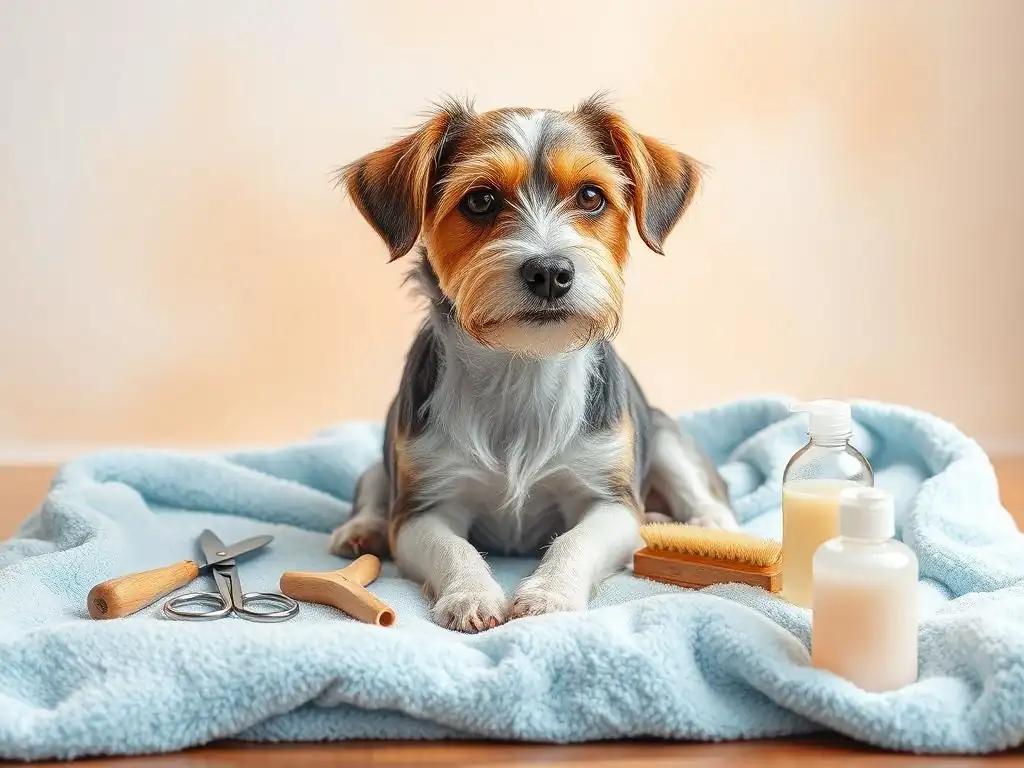
This section delves into the most frequently encountered problems when grooming short-haired dogs at home, offering practical solutions and advice to help you navigate these challenges effectively. Remember, even with short-haired breeds, regular grooming is crucial for maintaining their health and well-being. Ignoring minor issues can lead to more significant problems down the line. Proactive grooming is key to a happy, healthy pet.
Dealing with Skin Irritations: Identifying and Treating Common Problems
Skin irritations are a common concern for many short-haired dog breeds. These can manifest in various ways, from mild redness and itching to more serious conditions like hot spots. Early detection and appropriate treatment are vital. Here's a breakdown of common issues and how to address them:
- Allergies: Food allergies, environmental allergens (pollen, dust mites), and contact allergies (certain fabrics, chemicals) are frequent culprits. Symptoms can include excessive scratching, licking, chewing, and red, inflamed skin. Careful observation of your dog's reactions to different foods and environments can help pinpoint the allergen. Consult your veterinarian for diagnosis and guidance on dietary changes or allergy medication.
- Parasites: Fleas, ticks, and mites can cause intense itching and skin irritation. Regular flea and tick preventative medication, as recommended by your vet, is essential. If you suspect a parasitic infestation, a veterinary examination is necessary for proper identification and treatment.
- Hot Spots: These are inflamed, moist areas of skin that can develop rapidly. They are often caused by allergies, parasites, or even minor injuries that become infected. Gentle cleaning with a mild antiseptic solution is crucial, followed by application of a veterinarian-recommended topical treatment. Never attempt to treat hot spots with home remedies without consulting your vet, as this can worsen the condition.
- Dry Skin: Dry skin can lead to itching and flaking. Ensure your dog is drinking enough water and consider using a dog-specific moisturizing shampoo and conditioner during bath time. Avoid harsh chemicals and over-bathing, which can exacerbate dryness.
Managing Shedding: Tips for Reducing Hair Around Your Home
Even short-haired dogs shed, although typically less than their long-haired counterparts. However, regular grooming can significantly minimize the amount of hair accumulating around your home. Here are some effective strategies:
- Regular Brushing: A daily or every-other-day brushing with a soft-bristled brush or grooming mitt will remove loose hair, preventing it from scattering around your house. This simple act can drastically reduce shedding.
- Specialized Tools: Consider using a shedding tool designed for short-haired dogs. These tools are often more effective at removing undercoat and loose hair than standard brushes.
- Vacuuming and Cleaning: Regular vacuuming and cleaning of your home are essential to keep up with shedding. Pay special attention to areas where your dog spends the most time. Consider using a microfiber roller to remove hair from furniture and other surfaces.
- Dietary Considerations: A healthy diet contributes to healthy skin and coat, minimizing shedding. Ensure your dog's food contains the necessary nutrients for a shiny, healthy coat. Consult your veterinarian about dietary adjustments if you suspect nutritional deficiencies.
When to Seek Professional Grooming: Recognizing the Need for Expert Help
While home grooming is perfectly manageable for many short-haired dogs, certain situations necessitate professional help. Recognizing when to seek professional grooming is crucial for maintaining your dog's well-being. Here are some key indicators:
- Severe Skin Conditions: If your dog has severe skin allergies, infections, or other skin problems that you are unable to manage effectively at home, consult a professional groomer or veterinarian immediately.
- Matted Fur: Even short-haired dogs can develop mats, especially around their legs or under their necks. If you are unable to remove these mats safely at home, professional help is necessary. Attempting to force mat removal can cause pain and injury to your dog.
- Complex Grooming Needs: Some short-haired breeds require specific grooming techniques that may be beyond your capabilities. A professional groomer can provide expert advice and care in these situations.
- Lack of Time or Expertise: If you lack the time, patience, or expertise to groom your dog effectively at home, a professional groomer can provide a convenient and effective alternative. Regular professional grooming can also help maintain your dog's overall health and hygiene.
Remember, responsible pet ownership includes proactively addressing your dog's grooming needs. By understanding the common challenges and knowing when to seek professional help, you can ensure your short-haired dog maintains a healthy, comfortable, and happy life. 🐶
Maintaining a Healthy Coat: Nutrition and Supplements for Short-Haired Dogs

A glossy, healthy coat is a hallmark of a happy and healthy short-haired dog. While regular brushing as part of your short haired dog home grooming routine is crucial, the foundation of a beautiful coat lies in proper nutrition. What your dog eats directly impacts the quality, shine, and overall health of their fur. Ignoring nutritional needs can lead to dull, brittle fur, increased shedding, and even skin problems. Let's delve into the specifics.
Dietary Needs for a Healthy Coat: Essential Nutrients for Short-Haired Dogs
A balanced diet rich in essential fatty acids, proteins, and vitamins is paramount for a thriving coat. Essential fatty acids, particularly omega-3 and omega-6, are crucial for maintaining skin barrier function and reducing inflammation. These fatty acids contribute significantly to a dog's coat luster and suppleness. Sources include fatty fish (like salmon, but always cooked thoroughly! ), flaxseed oil, and certain commercially available dog foods specifically formulated for skin and coat health.
Protein is the building block of hair, so sufficient protein intake is non-negotiable. High-quality protein sources, such as chicken, beef, lamb, or fish, should form the basis of your dog's diet. The bioavailability of the protein (how easily the body can absorb and utilize it) is also a key factor.
Vitamins and minerals also play a vital role. Biotin (vitamin B7) is often touted for its positive effects on coat health, promoting growth and reducing shedding. Zinc is another essential mineral that supports skin cell regeneration and prevents dryness. Vitamin E, a potent antioxidant, protects cells from damage and contributes to a healthy skin barrier. Always ensure your dog's diet provides a balanced spectrum of vitamins and minerals. A deficiency in any of these can manifest as a dull or unhealthy coat.
Here's a simple table summarizing key nutrients and their sources:
| Nutrient | Importance | Food Sources |
|---|---|---|
| Omega-3 Fatty Acids | Skin barrier function, reduces inflammation | Salmon (cooked), flaxseed oil, specific dog foods |
| Omega-6 Fatty Acids | Skin barrier function, reduces inflammation | Chicken, vegetable oils |
| Protein | Hair growth and structure | Chicken, beef, lamb, fish |
| Biotin (B7) | Hair growth, reduces shedding | Eggs, liver, sweet potatoes |
| Zinc | Skin cell regeneration, prevents dryness | Red meat, poultry, certain vegetables |
| Vitamin E | Antioxidant, protects cells | Nuts, seeds, leafy green vegetables |
Remember to consult your veterinarian before making significant changes to your dog's diet, especially if they have pre-existing health conditions. They can help you determine the best dietary approach for your individual dog and their specific needs.
Supplements to Enhance Coat Health: Exploring Options for Short-Haired Breeds
While a balanced diet should provide most necessary nutrients, sometimes additional support is beneficial. Supplements can be a valuable tool in addressing specific deficiencies or enhancing coat quality, but always consult your veterinarian before introducing any supplements to your dog's regimen. Improper supplementation can have unintended consequences.
Some commonly used supplements for improving coat health include:
- Fish oil: A rich source of omega-3 fatty acids, fish oil can improve coat shine and reduce shedding. Choose high-quality fish oil supplements specifically formulated for dogs.
- Biotin supplements: These can be helpful if a biotin deficiency is suspected, but blood tests should confirm the need before starting supplementation.
- Zinc supplements: Similar to biotin, zinc supplements should only be used under veterinary guidance to address a diagnosed deficiency.
It's crucial to understand that supplements are not a replacement for a balanced diet. They are meant to complement a healthy diet, not replace its essential components. Over-supplementation can be detrimental to your dog's health. Always follow the recommended dosage instructions and monitor your dog for any adverse reactions.
Observe your dog closely for changes in their coat, energy levels, and overall well-being. Any significant changes warrant a visit to your veterinarian. Remember, a healthy, shiny coat is a reflection of your dog's overall health and well-being. Prioritizing proper nutrition and responsible supplementation as part of your short haired dog home grooming routine is an investment in their long-term health.
Creating a Positive Grooming Experience for Your Short Haired Dog
This section focuses on transforming your short-haired dog's grooming sessions from a stressful ordeal into a positive and enjoyable experience. A happy dog is a cooperative dog, leading to smoother, less stressful grooming for both you and your furry friend. Success hinges on establishing a positive association with grooming from the outset. This involves understanding canine behavior and employing techniques that build trust and confidence. Remember, consistency and patience are key to achieving long-term success with your short haired dog home grooming routine.
Positive Reinforcement Techniques: Making Grooming Enjoyable
Positive reinforcement is the cornerstone of successful short haired dog home grooming. Instead of forcing your dog through the process, focus on rewarding calm behavior and cooperation. This involves using high-value treats, praise, and even favorite toys to associate grooming with positive feelings.
Start with short, frequent sessions. Even five minutes of gentle brushing can be beneficial. Reward your dog for remaining calm during these short sessions. Gradually increase the duration of the grooming sessions as your dog becomes more comfortable.
Here's a sample schedule you can follow:
| Day | Session Length | Focus | Reward |
|---|---|---|---|
| 1 | 2 minutes | Touching the dog's body | High-value treat |
| 2 | 3 minutes | Brushing a small area | Praise and treat |
| 3 | 5 minutes | Brushing a larger area | Favorite toy and treat |
| 4 | 7 minutes | Brushing the entire body | Treats and praise |
| 5 onwards | 10-15 minutes | Full grooming routine | Variety of rewards |
Remember to vary your rewards to keep your dog engaged. Avoid punishing negative behavior; instead, redirect your dog's attention to something positive. A consistent positive approach will transform your grooming sessions into bonding opportunities. The goal is to create a positive association with the entire grooming experience, not just the rewards themselves. Consistency in your rewards and approach is key to success.
Socialization plays a crucial role in shaping your puppy's attitude towards grooming. Early exposure to various handling techniques and grooming tools will make the adult grooming process much easier. Begin handling your puppy gently from a young age, getting them used to being touched all over their body.
Introduce grooming tools gradually. Let your puppy sniff and investigate the brush before you even attempt to use it. Start with short, gentle brushing sessions, rewarding calm behavior with treats and praise. This helps build a positive association with the tools and the process itself. The earlier you start, the better your puppy will adapt to the routine. This early socialization is particularly important for short haired dogs, as regular grooming is essential for maintaining their coat health.
Remember to make the experience fun and playful. Keep sessions short and sweet, focusing on positive interactions. Avoid overwhelming your puppy with too much stimulation or pressure. A relaxed and comfortable environment is key to successful socialization. A fearful puppy is unlikely to cooperate later on, so establishing positive associations from the start is essential.
Building Trust and Confidence During Grooming Sessions
Building trust and confidence is paramount to successful short haired dog home grooming. If your dog feels anxious or stressed, the grooming process will be challenging for both of you. Create a safe and comfortable space for grooming. Use calming techniques such as gentle talking and soft music to reduce your dog's anxiety.
Observe your dog's body language carefully. Signs of stress include yawning, lip licking, whale eye (showing the whites of their eyes), and tucked tail. If you notice any signs of stress, immediately stop the grooming session and try again later. Short, frequent sessions are far more effective than forcing a longer, stressful one.
Consider using a grooming table to maintain control and ensure your dog's safety. However, always ensure it is introduced gradually and positively. Focus on building a positive association with the table before using it for grooming. Rewards and praise are crucial during this introduction phase. Remember, patience and understanding are key to success. Never force your dog into a position they are uncomfortable with. A calm and patient approach fosters trust and cooperation, making grooming a less stressful and more enjoyable experience for both you and your pet.
Frequently Asked Questions
How often should I groom my shorthaired dog at home?
For most shorthaired dogs, weekly brushing is sufficient to remove loose hair and dirt. More frequent brushing might be needed during shedding seasons. Adjust based on your dog's individual needs.
What tools do I need for home grooming a shorthaired dog?
You'll primarily need a slicker brush to remove loose undercoat and dead hair, and a comb to check for mats or tangles. Grooming wipes can help with spot cleaning.
How do I bathe my shorthaired dog at home?
Use a dog-specific shampoo and lukewarm water. Thoroughly rinse all shampoo to avoid skin irritation. Towel dry your dog and consider using a hairdryer on a low setting.
My shorthaired dog hates being brushed. What can I do?
Start with short, positive brushing sessions. Reward your dog with treats and praise. Gradually increase the duration as your dog becomes more comfortable. Consult a professional groomer if needed.
What are the signs I should take my shorthaired dog to a professional groomer?
If you notice matting, excessive shedding, or you're uncomfortable with any aspect of grooming, it's best to consult a professional groomer. They have the expertise to handle complex grooming needs.
Final Reflection: The Enduring Bond Forged Through a Groom
Mastering the art of home grooming for your shorthaired dog isn't just about a neat coat; it's about strengthening the bond you share. The seemingly simple act of brushing, bathing, and nail trimming becomes a powerful ritual, a testament to the love and care you invest in your canine companion. This connection transcends the practical; it's a cornerstone of a healthy and happy relationship.
The impact of regular grooming extends far beyond a shiny coat. It allows for early detection of potential health issues, fostering a proactive approach to your dog's well-being. A dog is the only thing on earth that loves you more than he loves himself.
- Josh Billings. This quote perfectly encapsulates the unconditional love we receive from our dogs, and responsible grooming is a way to reciprocate that affection and ensure their continued health and happiness. It's a tangible expression of our commitment to their care, a silent conversation spoken through gentle touch and attentive observation.
Now, consider the pawsitive impact you can make. Take a moment to reflect on your own relationship with your shorthaired dog. Are you incorporating regular grooming into your routine? If not, I encourage you to start today. Even a few minutes of brushing can significantly improve your dog's comfort and strengthen your bond. Embrace this opportunity to deepen your connection, celebrate the joy of shared moments, and experience the profound satisfaction of caring for your beloved furry friend. The rewards are immeasurable.
Unleash Your Dog's Inner Sparkle: Grooming Mastery Awaits!
Thank you for learning about home grooming for your short-haired dog! We hope you feel confident and ready to keep your furry friend looking and feeling their best. Ready to try your new skills?
- Master the Brush: Brushing your dog for just five minutes each day makes a surprising difference!
- Share Your Success: Post a picture of your perfectly groomed pup on social media and tag us @PetCareWorld—we'd love to see it!
- Explore our other articles for advanced grooming tips and breed-specific advice.
Ready to transform your dog’s grooming routine and strengthen your bond through this special activity?