
Creating a BirdFriendly Environment: Essential Tips for Behavioral Enrichment

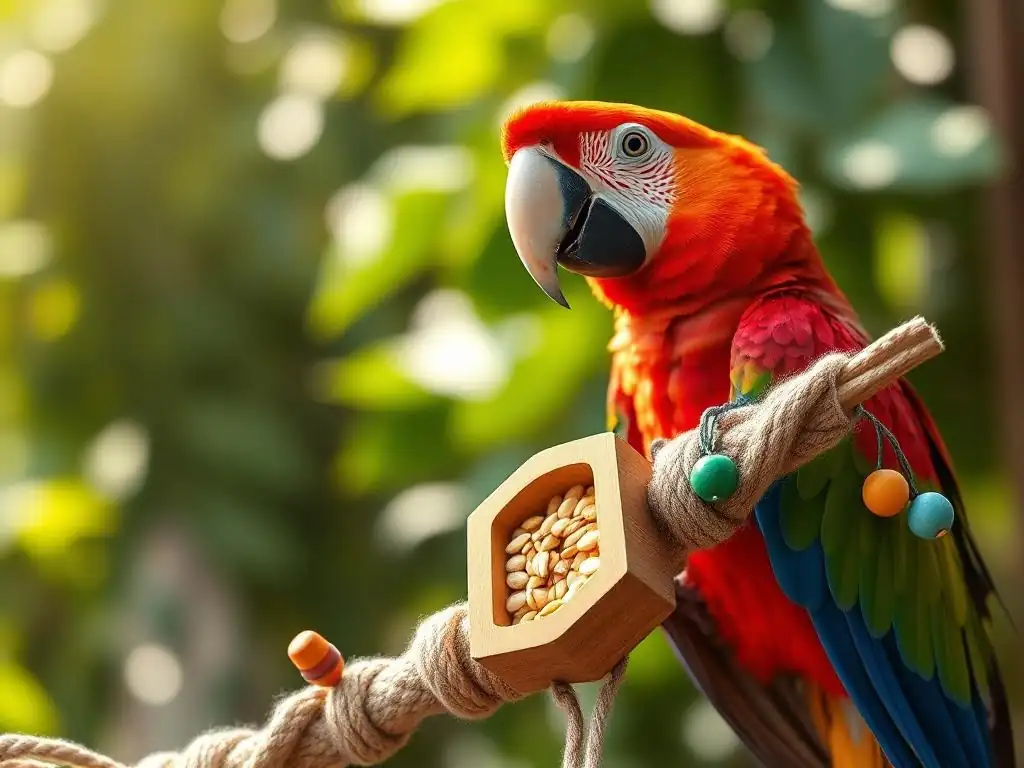
Welcome to PetCareWorld, your ultimate guide to a happier, healthier life for your beloved companion! Are you ready to unlock the secrets to a thriving and fulfilling relationship with your feathered friend? Discover essential bird behavior enrichment tips that will transform your bird's environment and enhance its well-being. Dive into our expert advice and learn how to create a stimulating and engaging space, fostering a stronger bond and enriching the life of your avian companion. Let's embark on this journey together!
- Understanding Your Bird's Natural Instincts: Key to Behavior Enrichment
- Providing a Stimulating Environment for Bird Behavior Enrichment
- Enhancing Your Bird's Diet for Optimal Behavior
- Socialization and Interaction: Crucial for Bird Behavior Enrichment
- Addressing Specific Behavioral Issues Through Enrichment
- Monitoring Your Bird's Behavior: Signs of Success and Areas for Improvement
- Resources and Further Learning on Bird Behavior Enrichment
- Frequently Asked Questions
- Final Reflection: Nurturing Avian Flourishing: A Legacy of Enrichment
- Unleash Your Bird's Inner Explorer!
Understanding Your Bird's Natural Instincts: Key to Behavior Enrichment
Creating a stimulating and enriching environment for your feathered friend is crucial for their physical and mental well-being. Bird behavior enrichment isn't just about providing toys; it's about understanding and catering to your bird's innate instincts and natural behaviors. This comprehensive guide will delve into the essential aspects of bird behavior enrichment, offering practical tips and strategies to ensure your avian companion thrives.
We'll explore how to identify species-specific needs, recognize signs of boredom and stress, and ultimately, create a happy and healthy environment that prevents common behavioral problems like feather plucking and aggression. Neglecting behavioral enrichment can lead to significant issues, impacting your bird's quality of life and potentially shortening its lifespan.
By actively engaging in enrichment activities, you're not only improving your bird's happiness but also strengthening your bond and fostering a deeper understanding of their unique personalities. Let's embark on this journey to discover how to best support your bird's natural instincts and create a truly bird-friendly haven.
Identifying Your Bird's Species-Specific Needs: Behavioral Enrichment Tailored to Parrots vs. Finches
Understanding your bird's species is paramount to effective behavioral enrichment. Parrots, for instance, are highly intelligent and social creatures requiring complex enrichment activities. Their natural behaviors include foraging, climbing, chewing, and social interaction. Providing a variety of toys that cater to these instincts – such as puzzle feeders that mimic foraging, sturdy wooden perches for climbing and chewing, and opportunities for interaction with you or other birds – is crucial. Neglecting these needs can lead to frustration, boredom, and destructive behaviors.
Conversely, finches, while also needing enrichment, have different requirements. Their natural behaviors are more centered around flock dynamics, seed-eating, and short bursts of activity. Providing ample space for flight, multiple perches for social interaction, and a varied diet that includes foraging opportunities (like scattering seed in a tray) can significantly improve their well-being.
While puzzle feeders may be less effective for finches, simple foraging opportunities and social interaction within their flock (or with you, if they are tame) are key elements of their enrichment. Failing to provide adequate space and social interaction can lead to stress and health problems for finches. The key is to research your specific bird species and tailor your enrichment strategies accordingly.
Recognizing Signs of Boredom and Stress in Birds: Early Detection of Behavioral Issues
Early detection of boredom and stress is vital to prevent the development of more serious behavioral problems. Common signs of boredom in birds include:
- Excessive preening or feather plucking
- Lethargy and decreased activity levels
- Repeatedly performing the same repetitive actions
- Loss of appetite or changes in eating habits
- Aggression towards you or other birds
Signs of stress, on the other hand, might manifest as:
- Increased vocalizations, often loud and repetitive
- Restlessness and pacing
- Feather ruffling or self-mutilation
- Sudden changes in behavior, such as aggression or fear
- Changes in droppings, indicating digestive issues
Recognizing these subtle cues early on allows for prompt intervention and adjustment of the bird's environment to alleviate stress and prevent the development of more severe behavioral issues. Regular observation and a keen eye for behavioral changes are crucial for the well-being of your bird. If you notice any of these symptoms, consult an avian veterinarian to rule out any underlying medical conditions and discuss appropriate enrichment strategies.
The Importance of Mental Stimulation for Bird Happiness and Health: Preventing Feather Plucking and Aggression
Mental stimulation is just as important as physical enrichment for your bird's overall health and happiness. A bored or understimulated bird is more prone to developing behavioral problems such as feather plucking and aggression. Providing a stimulating environment helps to prevent these issues by keeping your bird mentally engaged and occupied.
Mental stimulation can be achieved through a variety of methods, including:
- Interactive toys: Puzzle feeders, foraging toys, and toys that require problem-solving skills.
- Training sessions: Teaching your bird tricks or commands provides mental stimulation and strengthens your bond.
- Environmental changes: Regularly rotating toys, rearranging perches, and adding new items to their environment.
- Social interaction: Spending quality time with your bird, talking to them, and providing opportunities for interaction.
By prioritizing mental stimulation, you are investing in your bird's long-term well-being and preventing the development of potentially harmful behavioral problems. Remember, a happy and mentally stimulated bird is a healthy bird! Providing a variety of activities and constantly changing their environment keeps them engaged and prevents boredom, reducing the likelihood of feather plucking and aggression. A proactive approach to mental enrichment is key to a thriving avian companion.
Providing a Stimulating Environment for Bird Behavior Enrichment

This section focuses on practical strategies for creating a bird-friendly environment that promotes natural behaviors and prevents boredom, a key element in successful bird behavior enrichment. A stimulating environment directly impacts a bird's mental and physical well-being, leading to a happier, healthier companion. We'll explore several key areas to consider when designing your bird's habitat. Remember, the goal is to mimic, as closely as possible, the natural environment your bird would thrive in. This involves providing opportunities for foraging, exploration, and social interaction, all crucial aspects of bird behavior enrichment tips.
Designing an Enriching Cage Setup: Toys, Perches, and Climbing Opportunities for Specific Bird Species
Creating a stimulating cage environment is paramount for bird behavior enrichment. The design should cater to the specific needs of your bird species. A small parrot will require a different setup than a larger macaw, for example. Consider these key aspects:
Choosing the Right Bird Toys: Interactive Puzzles and Foraging Toys
The right toys are essential for mental stimulation and preventing destructive behaviors. Avoid toys that are easily destroyed or pose a choking hazard. Prioritize:
- Interactive Puzzles: These toys challenge your bird to solve problems to access treats, promoting problem-solving skills. Look for puzzles with varying difficulty levels to keep your bird engaged.
- Foraging Toys: These toys encourage natural foraging behaviors, mimicking how birds would find food in the wild. Examples include food-dispensing balls, treat-filled puzzle toys, and hanging foraging toys.
- Variety is Key: Rotate toys regularly to prevent boredom. A bird that's consistently presented with new challenges will be far more engaged and less prone to behavioral issues. Consider a toy rotation schedule to ensure variety.
Remember to supervise your bird with new toys to ensure safety. Some birds might try to ingest small parts, so always opt for bird-safe materials.
Creating Natural Perches: Branch Variety and Texture for Foot Health and Enrichment
Natural perches are superior to artificial ones. They offer varied diameters and textures, promoting foot health and providing a more stimulating environment. Consider using:
- Branches from Safe Trees: Avoid treated wood or branches from trees known to be toxic to birds. Research which branches are safe for your specific bird species. [Specific safe tree species list pending].
- Varied Diameters: Offer a range of perch sizes to encourage different foot grips and exercises.
- Textured Surfaces: Rougher surfaces are better for foot health than smooth perches, helping to prevent foot problems.
Vertical Space and Exploration: Maximizing Cage Space for Climbing and Play
Birds are naturally active creatures. A cage that provides ample vertical space allows for climbing, exploring, and exercising, which are vital for their physical and mental well-being. Consider:
- Multi-Level Perches: Strategically place perches at various heights to encourage climbing.
- Playstands: These provide additional space outside the cage for play and exercise.
- Cage Size: Ensure the cage is large enough to accommodate your bird's natural movement patterns. A cramped cage can lead to frustration and behavioral problems. The size should be proportional to the bird's size and activity level.
Utilizing Natural Light and Sunshine: The Impact of Sunlight on Bird Behavior and Well-being
Natural sunlight is crucial for a bird's health and behavior. Sunlight provides Vitamin D, essential for calcium absorption and overall bone health. It also helps regulate their circadian rhythm, impacting their sleep-wake cycle and overall behavior.
Sunlight exposure should be carefully managed. Direct sunlight can be harmful, so provide access to filtered sunlight or a sunny spot for a limited time each day. Observe your bird's behavior and adjust accordingly. Lack of sufficient sunlight can negatively affect mood, leading to lethargy and behavioral problems. A healthy dose of natural light is a key component of holistic bird behavior enrichment tips. 🐦
Providing Safe and Engaging Outdoor Experiences: Supervised Time in a Bird-Safe Aviary
Allowing your feathered friend supervised time outdoors can significantly enrich their lives, providing novel sights, sounds, and sensations. However, safety is paramount. Never let your bird outside unsupervised, as even a short period of freedom could expose them to predators, cars, or other hazards. A bird-safe aviary is the ideal solution. This provides a secure, enclosed space where your bird can explore a larger area while remaining protected.
The construction of your aviary is crucial. The mesh needs to be fine enough to prevent escape and strong enough to withstand your bird's potential attempts to break free. Consider the size and strength of your bird when choosing materials. A smaller bird might be content with a smaller aviary constructed from lighter materials, while a larger, stronger bird will need a more robust structure.
Avoid using treated wood or any materials that could contain toxins harmful to birds. The aviary should be positioned to provide shade during the hottest parts of the day and protection from strong winds and rain. Placement is also important to ensure that the aviary is not easily accessible to predators such as cats or other birds of prey.
Providing stimulating elements within the aviary is key to maximizing the enrichment experience. Include a variety of perches of different sizes and textures to encourage natural climbing and foraging behaviors. You can incorporate natural branches, providing both physical and mental stimulation. Consider adding bird-safe plants, ensuring they are not toxic and that your bird cannot easily uproot them. Rotating these elements frequently keeps the environment novel and exciting, preventing boredom. Supervise your bird closely during their outdoor time, observing their behavior and ensuring they are safe and happy. This supervised time in a safe environment can significantly contribute to your bird's overall well-being and reduce the likelihood of behavioral problems stemming from boredom or lack of stimulation. Remember to gradually introduce your bird to the aviary, allowing them to adjust at their own pace. Positive reinforcement, such as offering treats or praise, can encourage them to explore their new space.
Enhancing Your Bird's Diet for Optimal Behavior
A bird's diet plays a crucial role in its overall health and behavior. Providing a balanced and stimulating nutritional plan is a cornerstone of effective bird behavior enrichment. Malnutrition or dietary deficiencies can manifest in various behavioral problems, from excessive aggression and feather plucking to lethargy and decreased cognitive function. Therefore, understanding the nutritional needs of your specific bird species is paramount for promoting positive behavior. This section will explore key aspects of avian nutrition and how it directly impacts your feathered friend's well-being.
The Role of Nutrition in Bird Behavior: A Balanced Diet to Prevent Behavioral Problems
Nutritional imbalances can significantly impact a bird's behavior. Deficiencies in essential vitamins and minerals can lead to hormonal imbalances, impacting mood, aggression levels, and even reproductive behavior. For instance, a deficiency in calcium can lead to egg-binding in female birds, causing significant stress and discomfort, potentially manifesting as aggression or withdrawal. Similarly, deficiencies in Vitamin A can result in weakened immune systems, making birds more susceptible to illness, which can affect their overall behavior and activity levels.
A balanced diet should consist of a high-quality commercial pellet mix formulated specifically for your bird's species, supplemented with fresh fruits, vegetables, and occasional small amounts of healthy seeds. The proportion of pellets to fresh foods should be carefully considered, with pellets often making up the majority of the diet to ensure a consistent source of essential nutrients. Avoid feeding excessive amounts of high-fat seeds, as this can contribute to obesity and related behavioral problems such as lethargy and decreased activity.
Always consult with an avian veterinarian to determine the optimal dietary plan for your specific bird. Regular veterinary check-ups are crucial for early detection of nutritional deficiencies and prompt intervention.
Foraging is a natural instinct for birds, and providing opportunities for foraging behavior is a crucial aspect of bird behavior enrichment. Simply placing food in a bowl doesn't stimulate this natural instinct. Instead, introduce foraging challenges by hiding food in various locations within the cage or using puzzle feeders. This encourages natural behaviors, reduces boredom, and provides mental stimulation.
Consider these foraging enrichment strategies:
- Hidden Food: Scatter small pieces of fruits, vegetables, or seeds throughout the cage, encouraging your bird to search for its food. Vary the hiding spots regularly to keep things interesting.
- Puzzle Feeders: These feeders require birds to manipulate them to access their food, providing mental stimulation and promoting problem-solving skills. There's a wide variety available, from simple foraging toys to more complex puzzles designed for advanced problem-solving.
- Homemade Foraging Toys: Get creative! Stuff food into toilet paper rolls, hide it inside paper bags (ensure they are bird-safe), or create small foraging boxes with holes for your bird to peck through.
The benefits of foraging enrichment extend beyond just providing food; it contributes to a more naturally stimulated and engaged bird, reducing the likelihood of behavioral issues stemming from boredom or frustration. Observe your bird's interaction with the foraging challenges and adjust the difficulty accordingly.
Supplementing with Essential Nutrients: Enhancing Cognitive Function
While a balanced diet forms the foundation of good health, supplementing with essential nutrients can further enhance cognitive function and overall well-being. Certain supplements, such as omega-3 fatty acids, can positively impact brain function, improving cognitive abilities and reducing stress. However, it's crucial to consult an avian veterinarian before introducing any supplements to your bird's diet. Improper supplementation can be harmful, and a vet can recommend appropriate dosages and types of supplements based on your bird's specific needs and health status.
Remember that providing a stimulating environment is key to promoting healthy bird behavior. Combining a nutritionally balanced diet with engaging foraging opportunities and, when necessary, veterinary-approved supplements, provides a holistic approach to bird behavior enrichment, leading to a happier, healthier, and more well-adjusted companion. 🐦
Social interaction is paramount for avian well-being and significantly impacts bird behavior enrichment. A lack of sufficient social interaction can lead to behavioral issues such as feather plucking, aggression, and excessive vocalization. Birds are highly intelligent and social creatures, and enriching their lives requires understanding and catering to their innate social needs.
This section details practical strategies for fostering positive social interactions with your feathered friend and integrating them into a robust enrichment program. Remember, consistent interaction is key to building a strong bond and preventing behavioral problems. The goal is to create a stimulating environment that mirrors the complex social dynamics found in their natural habitats.
Building a Bond with Your Bird: Positive Reinforcement Training Techniques
Positive reinforcement training is a cornerstone of building a strong bond with your bird and is crucial for bird behavior enrichment. It's about rewarding desired behaviors, such as stepping up, returning to their cage, or performing tricks, with positive reinforcement—treats, praise, or head scratches. Avoid punishment-based training; it's detrimental to their emotional well-being and can seriously hinder the development of trust. Instead, focus on rewarding the behaviors you want to see more of.
For example, if you want your bird to step up onto your finger, offer a treat each time they do so. This creates a positive association with the action. Consistency is key; even short, frequent training sessions are more effective than long, infrequent ones. A well-trained bird is a happy bird, and this positive interaction directly contributes to behavioral enrichment.
Remember to keep training sessions short, fun, and rewarding. Positive reinforcement fosters a trusting relationship, which is fundamental for behavioral enrichment. 🐦
Introducing New Toys and Environments Gradually: Minimizing Stress and Anxiety
Introducing new toys and environmental changes gradually is crucial for minimizing stress and anxiety in your bird, and is a vital aspect of bird behavior enrichment tips. Sudden changes can overwhelm a bird, leading to fear, aggression, or withdrawal. Instead, introduce new toys one at a time, allowing your bird to explore and become accustomed to them before introducing another. Similarly, any changes to their cage or environment should be implemented slowly.
For example, if you're changing their cage setup, do it over a period of several days, making small adjustments each day. Observe your bird's behavior closely; if they seem stressed or anxious, remove the new item or revert to the previous setup. This gradual introduction allows your bird to adapt more easily and reduces the likelihood of negative behavioral responses. This careful approach promotes a sense of security and comfort, which is fundamental to successful behavioral enrichment.
The Importance of Playtime: Interactive Games and Activities for Bird Behavior Enrichment
Playtime is not just fun; it's a crucial element of bird behavior enrichment. Interactive games and activities stimulate your bird's mind and body, preventing boredom and promoting physical and mental well-being. These activities should challenge your bird's problem-solving skills and encourage natural behaviors. Consider incorporating foraging toys that require your bird to work for their food, puzzle toys that require them to manipulate objects to access treats, or interactive games like hide-and-seek.
The variety is key to maintaining engagement. You can also engage in social playtime, interacting directly with your bird through games that involve mimicking their calls or engaging in gentle tug-of-war with a safe toy. Observe your bird to see what types of play they enjoy most and tailor your activities accordingly.
Remember, the goal is to provide a stimulating and enriching environment that keeps your bird mentally and physically engaged. This enriched playtime directly contributes to a happier, healthier, and more well-adjusted bird. Remember to prioritize safety; ensure all toys are bird-safe and appropriately sized.
Addressing Specific Behavioral Issues Through Enrichment
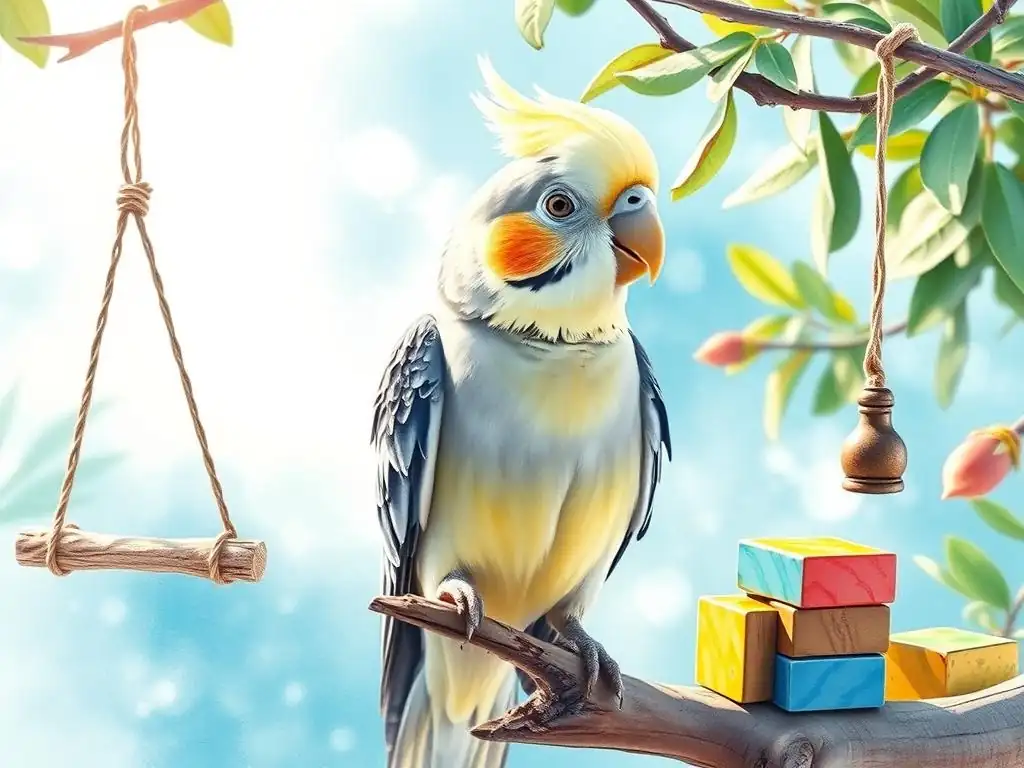
This section delves into how environmental enrichment can directly address common behavioral problems in birds. By understanding the root causes of these issues and implementing targeted enrichment strategies, you can significantly improve your bird's well-being and reduce undesirable behaviors. Remember, a bird's behavior is often a direct reflection of its environment and mental stimulation.
Providing a stimulating and engaging environment is crucial for preventing and addressing many behavioral problems. This approach focuses on proactive enrichment rather than reactive punishment, leading to a happier and healthier bird. Effective bird behavior enrichment tips often involve a multi-faceted approach, combining physical and mental stimulation.
Dealing with Feather Plucking: Identifying Underlying Causes and Implementing Solutions
Feather plucking, a self-destructive behavior where birds pluck their feathers, is a serious concern often stemming from underlying issues. It's rarely a simple problem and requires careful investigation. Possible causes include:
- Medical conditions: Parasites, allergies, or hormonal imbalances can cause intense itching and discomfort, leading to feather plucking. A veterinary checkup is crucial to rule out any medical reasons.
- Nutritional deficiencies: A diet lacking essential vitamins and minerals can weaken feathers and make them more prone to damage. Ensure your bird's diet is balanced and varied.
- Stress and anxiety: A boring environment, lack of social interaction, or changes in routine can trigger stress, leading to feather plucking as a coping mechanism.
- Environmental factors: Uncomfortable temperatures, poor air quality, or exposure to toxins can also contribute to the problem.
Implementing solutions involves addressing the underlying cause. For example:
- Veterinary care: If a medical condition is diagnosed, treatment is paramount.
- Dietary adjustments: Consult an avian veterinarian or a certified avian nutritionist to create a balanced diet.
- Environmental enrichment: Provide a stimulating environment with plenty of toys, perches of varying sizes and textures, and opportunities for foraging. Consider adding a bird bath for increased comfort.
- Social interaction: Ensure sufficient interaction with you and, if appropriate, other birds.
- Behavioral modification: In some cases, behavioral modification techniques may be necessary.
Managing Aggression in Birds: Understanding Triggers and Implementing Enrichment Strategies
Aggression in birds can manifest in various ways, from biting and nipping to vocalizations and territorial displays. Understanding the triggers is key to managing this behavior. Common triggers include:
- Fear and anxiety: A bird feeling threatened or insecure might become aggressive.
- Hormonal changes: Breeding season can increase aggression levels.
- Territoriality: Birds can become aggressive when they perceive their territory is threatened.
- Lack of stimulation: Boredom and frustration can lead to aggression.
Enrichment strategies to manage aggression include:
- Safe and secure environment: Provide a spacious cage with plenty of hiding places.
- Positive reinforcement training: Reward calm behavior with treats and praise.
- Environmental enrichment: Offer a variety of toys and activities to keep your bird mentally and physically stimulated. This helps reduce boredom-induced aggression. Consider puzzles that require problem-solving.
- Hormonal management: Consult an avian veterinarian about strategies to manage hormonal changes during breeding season. This might involve adjusting lighting or diet.
- Proper handling techniques: Learn how to safely handle your bird to minimize the risk of triggering aggression.
Boredom is a major contributor to many behavioral problems in birds. A bird lacking sufficient mental and physical stimulation may resort to destructive behaviors, excessive vocalizations, or feather plucking. To combat boredom, provide a diverse range of enrichment activities:
- Variety of toys: Rotate toys regularly to prevent boredom. Offer a mix of foraging toys, chew toys, and puzzle toys. Consider toys with different textures and materials to stimulate different senses.
- Foraging opportunities: Hide treats in toys or around the cage to encourage natural foraging behaviors. This mimics their natural search for food and provides mental stimulation.
- Interactive play: Spend time interacting with your bird through play and training sessions.
- Environmental changes: Rearrange the cage periodically to provide novelty and prevent boredom. This can be as simple as changing the position of perches or toys.
- Social interaction: If appropriate, introduce your bird to other compatible birds for social interaction. However, carefully assess compatibility to avoid aggression.
Remember, consistent and thoughtful enrichment is crucial for a happy and well-adjusted bird. By addressing the root causes of behavioral problems and providing a stimulating environment, you can significantly improve your feathered friend’s quality of life. 🎉
Monitoring Your Bird's Behavior: Signs of Success and Areas for Improvement
Effective bird behavior enrichment isn't a one-size-fits-all solution. Monitoring your feathered friend's response to implemented strategies is crucial for ensuring its effectiveness and making necessary adjustments. Observing your bird's behavior provides invaluable insights into its well-being and helps you tailor enrichment activities to its individual needs and preferences. This continuous monitoring process forms the backbone of successful bird behavior enrichment.
Tracking Your Bird's Activities: A Daily Journal or Log for Behavior Observation
Maintaining a daily log of your bird's activities is a powerful tool for identifying patterns and assessing the impact of your enrichment strategies. This doesn't require extensive scientific documentation; a simple journal noting key behaviors can be incredibly insightful. Consider these points:
- Frequency of engagement: How often does your bird interact with each enrichment item? Does it show consistent interest or quickly lose attention? For example, does your bird spend 15 minutes a day chewing on a new wooden toy or just a few seconds? This difference can indicate the success or failure of a particular enrichment.
- Type of interaction: Does your bird simply observe the item, actively manipulate it, or engage in complex behaviors like problem-solving to access a treat? Note whether your bird engages in natural behaviors like foraging, climbing, or preening.
- Emotional response: Observe your bird's body language. Is it relaxed and playful, or stressed and agitated? Signs of stress might include ruffled feathers, excessive preening, or hiding. A relaxed bird, on the other hand, might exhibit relaxed posture, soft chirping, and active exploration.
- Behavioral changes: Has your bird's overall behavior improved since implementing enrichment strategies? Are there any noticeable changes in its vocalizations, activity levels, or social interactions? For instance, a formerly lethargic bird might become more active and engaging after introducing new toys and activities.
Consider using a table to track this data:
| Date | Enrichment Item | Engagement Time | Interaction Type | Emotional Response | Notes |
|---|---|---|---|---|---|
| Oct 26, 2023 | Foraging toy | 20 minutes | Active manipulation | Relaxed, playful | Bird seemed very engaged and focused |
| Oct 27, 2023 | New swing | 5 minutes | Passive observation | Slightly anxious | Might need to introduce it slowly |
| Oct 28, 2023 | Puzzle feeder | 30 minutes | Problem-solving | Relaxed, happy | Bird figured out the puzzle quickly! |
This detailed record allows you to identify what works best for your individual bird and adjust your approach accordingly. Remember consistency is key—regular monitoring provides the most accurate picture of your bird’s response to its environment.
Adjusting Your Enrichment Strategies: Adapting to Your Bird's Preferences and Needs
Your bird's unique personality and preferences should guide your enrichment efforts. What captivates one bird might bore another. Continuous observation allows you to fine-tune your strategies. If a particular enrichment item isn't generating much interest, try these adjustments:
- Rotation: Regularly rotate enrichment items to maintain novelty and prevent boredom. Store some items and introduce them at a later date to maintain their appeal.
- Modification: If your bird isn't engaging with a toy, try modifying it. For example, you could add different textures, scents, or incorporate treats to make it more appealing.
- Variety: Offer a wide variety of enrichment opportunities, including foraging toys, puzzle feeders, climbing structures, and social interaction. Experiment with different materials, shapes, and sizes.
- Challenge level: Gradually increase the complexity of enrichment activities as your bird's skills improve. Start with simple toys and gradually introduce more challenging puzzles and activities.
Remember, the goal is to create a stimulating and engaging environment that promotes your bird's physical and mental well-being. Flexibility and adaptation are crucial for success in bird behavior enrichment. Observe, adapt, and repeat!
Seeking Professional Help: When to Consult an Avian Veterinarian or Behaviorist
While diligent monitoring and adjustments are often sufficient, there are instances when professional help is necessary. Consult an avian veterinarian or a certified avian behaviorist if you notice:
- Persistent signs of stress or fear: If your bird consistently displays signs of stress despite implementing enrichment strategies, a professional evaluation is crucial. This could indicate underlying health issues or behavioral problems that require specialized attention.
- Self-mutilating behaviors: Feather plucking, excessive preening, or other self-injurious behaviors require immediate veterinary attention. These behaviors often have underlying causes that need professional diagnosis and treatment.
- Lack of improvement despite efforts: If your enrichment efforts haven't yielded positive results after a reasonable period, seeking professional guidance can help identify potential oversights or underlying issues.
- Aggressive behaviors: Unprovoked aggression towards humans or other birds warrants professional evaluation and intervention. A behaviorist can help identify the root cause and develop strategies for managing aggressive behavior.
Don't hesitate to seek professional assistance if you're concerned about your bird's well-being. Early intervention can often prevent more serious problems and ensure your bird thrives in a stimulating and enriching environment. Remember, a healthy and happy bird is a rewarding companion.
Resources and Further Learning on Bird Behavior Enrichment
This section provides you with additional resources to delve deeper into the fascinating world of bird behavior enrichment. Understanding your feathered friend's needs is an ongoing journey, and these resources will help you continue learning and refining your enrichment strategies. Remember, consistent effort and observation are key to providing a stimulating and fulfilling life for your avian companion. Successful bird behavior enrichment is a process of continuous learning and adaptation to your bird's unique personality and needs.
Recommended Books on Avian Behavior:
- "The Parrot Handbook" by Dr. David Phalen: This comprehensive guide offers invaluable insights into parrot behavior, covering topics ranging from training techniques to addressing common behavioral issues. Dr. Phalen's expertise shines through in his detailed explanations and practical advice. It's a must-have for any parrot owner serious about understanding and enriching their bird's life. The book delves into the intricacies of parrot psychology, providing a solid foundation for creating a stimulating and enriching environment.
- "Bird Behavior: A Comprehensive Guide" by [Author Name Pending]: This book provides a broad overview of avian behavior across different species. While specific details are pending, it promises to be a valuable resource for understanding the underlying principles of bird behavior and applying them to enrichment activities. It should offer a comparative analysis of various bird species, highlighting both similarities and differences in their behavioral patterns. [Specific information on the content and focus of this book is pending].
- "Avian Enrichment: A Practical Guide for Bird Keepers" by [Author Name Pending]: This book will focus specifically on practical enrichment techniques for various bird species. [Specific details on the book's content and practical examples are pending]. We anticipate it will provide readers with a wealth of hands-on activities and strategies for enriching their birds' lives.
Online Communities and Forums:
Connecting with other bird owners is invaluable for sharing experiences, seeking advice, and learning new enrichment strategies. These online spaces offer a supportive environment where you can discuss challenges, celebrate successes, and collectively contribute to the well-being of your feathered friends. Remember to always critically evaluate the information you find online and prioritize advice from reputable sources and experienced avian professionals.
- [Name of Online Community/Forum Pending]: This online platform is expected to offer a dedicated space for bird owners to connect and share their experiences with bird behavior enrichment. [Specific details about the platform's features and focus are pending]. We anticipate it will provide a diverse range of perspectives and valuable insights.
- [Name of Online Community/Forum Pending]: This forum is anticipated to focus on specific bird species, offering specialized advice and support within a niche community. [Specific details on the target species and community characteristics are pending]. This targeted approach can be particularly beneficial for owners of less common bird species.
The ongoing development and evolution of online resources mean that new and improved platforms for sharing information and support are constantly emerging. Continuously seeking new sources of information is vital for providing the best possible care for your bird. Remember to always prioritize reputable sources and professionals when seeking advice on bird behavior enrichment.
Frequently Asked Questions
What is behavioral enrichment for birds?
Behavioral enrichment involves providing stimulating activities and environments to keep your bird physically and mentally active, preventing boredom and promoting positive behavior. This can include toys, foraging opportunities, and social interaction.
Why is behavioral enrichment important for my bird?
A stimulating environment prevents boredom, which can lead to destructive behaviors like feather plucking or screaming. Enrichment promotes physical and mental well-being, leading to a happier, healthier bird.
What types of toys are best for behavioral enrichment?
Offer a variety of toys that challenge your bird mentally and physically. This includes puzzle feeders, shredding toys, and toys that encourage climbing and exploration. Rotate toys regularly to maintain interest.
How much time should I dedicate to bird enrichment activities?
Aim for at least 30 minutes to an hour daily, incorporating enrichment into your routine. This can be spread throughout the day with shorter sessions. Consistency is key.
My bird seems disinterested in the toys I provide. What should I do?
Try different types of toys and rotate them frequently. Observe your bird to see what activities they seem to enjoy most, and adapt your approach accordingly. Consider adding new foraging opportunities or changing the placement of toys.
Final Reflection: Nurturing Avian Flourishing: A Legacy of Enrichment
Creating bird-friendly environments isn't merely about providing food and shelter; it's about fostering a life rich in stimulation and opportunity, directly impacting avian well-being and conservation efforts. The simple act of enriching a bird's environment can have profound effects, from reducing stress and promoting natural behaviors to bolstering population health and resilience in the wild. This is crucial in a world facing increasing habitat loss and environmental challenges.
The journey of understanding avian behavior and implementing enrichment strategies has been deeply rewarding. Witnessing the positive impact – the increased curiosity, the playful interactions, the vibrant expressions of natural instincts – underscores the profound connection between environmental design and animal welfare. The greatest good you can do for another is not just to share your riches but to reveal to him his own.
This quote, while not directly about birds, perfectly encapsulates the empowering nature of providing opportunities for self-discovery and flourishing within a stimulating environment. We, as stewards of the natural world, have a responsibility to ensure that our feathered friends have the chance to thrive.
Consider the impact you can have. Think about the simple changes you can make in your own backyard, your balcony, or even your local park to create a haven for birds. You don't need a vast space; even small, thoughtful additions can make a significant difference. From strategically placed branches to diverse foraging opportunities, every effort contributes to a larger movement towards a more bird-friendly world. Let's work together to ensure that future generations can witness the beauty and wonder of birds thriving in their natural environments, enriched and empowered by our thoughtful actions.
Unleash Your Bird's Inner Explorer!
Thank you for learning how to enrich your feathered friend's life! We hope you discovered valuable ways to create a happier, healthier home for your bird. Now it's time to put your new knowledge into practice.
- Transform your bird's environment: Begin by adding a new perch, a foraging toy, or rearranging your bird's cage. Observe how your bird reacts; you might be surprised!
- Share your success (or challenges!): Let's build a community of bird lovers. Share your experiences and photos of your bird enjoying its enriched environment on our PetCareWorld social media pages – we'd love to see them!
- Learn more about bird behavior: Explore other articles on PetCareWorld.org for more tips on providing the best possible care for your beloved companion.
What small change will you make today to brighten your bird's world?