
Is Your Pet's Skin Telling a Story? Learn to Listen


Welcome to PetCareWorld, your ultimate guide to a happier, healthier life for your beloved companion! Are you noticing unusual changes in your pet's skin? Our comprehensive Pet skin problems diagnosis guide can help you decipher those subtle signs. Dive in and discover how understanding your pet's skin can unlock the key to their well-being – it might just surprise you what their skin is trying to tell you!
- Understanding Common Pet Skin Problems: A Diagnosis Guide
- When to Seek Veterinary Care for Pet Skin Problems
- Home Remedies and Prevention Strategies for Pet Skin Health
- Advanced Diagnostic Tools for Pet Skin Conditions
- Treatment Options for Pet Skin Problems: A Comprehensive Overview
- Frequently Asked Questions
- Final Reflection: Unraveling the Silent Stories of Pet Skin
- Unlock Your Pet's Skin Secrets: Take Action Now!
Understanding Common Pet Skin Problems: A Diagnosis Guide
Pet skin problems are incredibly common, impacting the well-being and comfort of millions of beloved companions each year. This comprehensive guide aims to help pet owners recognize, understand, and address a range of skin issues, empowering you to provide the best possible care for your furry, feathered, or scaled friend. We'll explore the telltale signs of allergies, infections, and infestations, providing you with a clearer picture of potential diagnoses and guiding you towards appropriate next steps. Early detection and intervention are crucial for successful treatment and preventing long-term complications.
This guide serves as a starting point; always consult your veterinarian for a proper diagnosis and personalized treatment plan for your pet. Remember, your pet's skin can tell a story – learn to listen, and you'll be better equipped to safeguard their health and happiness. 🐾
Recognizing the Signs of Pet Skin Allergies
Allergies are a significant cause of pet skin problems, manifesting in various ways depending on the allergen and your pet's individual sensitivity. Understanding the different types of allergies and their symptoms is the first step towards effective management.
Allergic Dermatitis in Dogs and Cats: Symptoms and Identification
Allergic dermatitis is a common inflammatory skin condition triggered by an allergic reaction. In dogs and cats, symptoms can range from intense itching and scratching to hair loss, redness, and skin thickening. Affected areas often show signs of secondary infections due to constant scratching. Diagnosis typically involves a thorough physical examination, allergy testing (blood or intradermal), and sometimes elimination diets to pinpoint the culprit allergen. Treatment might include antihistamines, corticosteroids, and specialized shampoos.
Food Allergies: Identifying Allergens in Your Pet's Diet
Food allergies can be a significant source of chronic skin problems. Common culprits include beef, dairy, chicken, wheat, and soy. Symptoms often manifest as chronic itching, ear infections, and gastrointestinal upset. Identifying food allergens usually requires an elimination diet trial, where your pet is fed a highly restricted diet for several weeks, followed by the gradual reintroduction of individual ingredients to observe reactions.
Environmental Allergies: Pollen, Dust Mites, and More
Environmental allergens like pollen, dust mites, mold spores, and certain plants can trigger severe skin reactions in pets. Symptoms might include seasonal itching, sneezing, watery eyes, and skin lesions. Managing environmental allergies often involves minimizing exposure to allergens through regular cleaning, air purifiers, and possibly immunotherapy in severe cases.
Flea Allergy Dermatitis: A Common Culprit
Flea allergy dermatitis (FAD) is a common hypersensitivity reaction to flea saliva. Even a single flea bite can trigger intense itching, leading to hair loss, scabs, and secondary bacterial infections. Effective flea control is paramount for managing FAD. This includes regular flea treatments, thorough cleaning of the pet's environment, and potentially veterinary intervention for severe cases.
Identifying Infectious Skin Conditions in Pets
Infectious skin conditions are another frequent cause of pet skin problems. These conditions are caused by various microorganisms and require prompt veterinary attention for diagnosis and treatment.
Bacterial Infections: Symptoms and Treatment Options
Bacterial infections, often secondary to other skin issues (like allergies or injuries), can lead to hot spots, pustules, and foul-smelling discharge. Diagnosis typically involves a bacterial culture and sensitivity test. Treatment usually involves topical or systemic antibiotics.
Fungal Infections (Ringworm): Prevention and Management
Ringworm, a fungal infection, is highly contagious and can affect both pets and humans. It appears as circular, scaly patches of hair loss. Diagnosis is made through microscopic examination of skin scrapings. Treatment involves antifungal medications, both topical and systemic, and rigorous cleaning and disinfection of the pet's environment.
Parasitic Infections: Mites, Ticks, and Lice
Various parasites, such as mites (mange), ticks, and lice, can infest a pet's skin, causing intense itching, hair loss, and skin irritation. Diagnosis involves microscopic examination of skin scrapings or hair samples. Treatment varies depending on the specific parasite and often involves topical or oral medications.
Non-Infectious Skin Issues in Pets: A Diagnosis Guide
Non-infectious skin problems in pets are surprisingly common and can manifest in various ways, often causing significant discomfort for your furry friend. Understanding the underlying causes is crucial for effective treatment. These conditions aren't caused by bacteria, viruses, fungi, or parasites, but rather by a range of factors including genetics, allergies, environmental irritants, and underlying health issues.
Accurate diagnosis relies on careful observation of symptoms, a thorough history from the pet owner (including diet, environment, and recent changes), and a physical examination by a veterinarian. Early intervention is key to preventing chronic conditions and improving your pet's quality of life. This section will delve into some of the most frequently encountered non-infectious skin issues.
Dry Skin and Itchiness: Causes and Solutions
Dry, itchy skin is a prevalent complaint among pet owners. It can range from mild discomfort to intense irritation, leading to excessive scratching, licking, and even self-mutilation. Several factors contribute to dry skin in pets, including environmental conditions (dry climates, low humidity), dietary deficiencies (lack of essential fatty acids), underlying medical conditions (hypothyroidism), and allergies. Symptoms can include flaky skin, dandruff, redness, and excessive scratching. Treatment often focuses on improving hydration, addressing any underlying medical issues, and using appropriate moisturizers and shampoos formulated for pets.
Providing your pet with a balanced diet rich in omega-3 and omega-6 fatty acids can significantly improve skin health. Regular bathing with a moisturizing shampoo, avoiding harsh chemicals, and ensuring adequate hydration can also alleviate dryness. In severe cases, your veterinarian may prescribe medicated shampoos or other treatments. Remember, consistent monitoring and appropriate management are crucial for preventing chronic dry skin and associated complications.
Seborrhea: Understanding Oily Skin in Pets
Seborrhea, characterized by excessive oil production in the skin, is another common non-infectious skin condition in pets. This can manifest as greasy, oily fur, often accompanied by a foul odor. The underlying cause is often a disruption in the skin's natural oil production, potentially linked to hormonal imbalances, genetics, or underlying health problems.
In some cases, seborrhea can be a secondary condition associated with other skin issues or allergies. The severity of seborrhea can vary widely, ranging from mild scaling to severe inflammation and crusting. Diagnosis typically involves a thorough physical examination and sometimes skin scrapings to rule out other conditions.
Treatment options vary depending on the severity and underlying cause and may include medicated shampoos, dietary changes, and in some cases, systemic medications to address hormonal imbalances. Regular grooming and careful attention to hygiene are essential in managing seborrhea, improving your pet's comfort and preventing secondary infections. A veterinarian's guidance is crucial in determining the best course of action.
Tumors and Growths: Recognizing Potential Skin Cancer
Skin tumors and growths are a serious concern in pets, and early detection is crucial for effective treatment. These can vary widely in appearance, size, and malignancy. Some growths are benign (non-cancerous), while others are malignant (cancerous). Risk factors include age, breed predisposition (certain breeds are more susceptible to specific skin cancers), sun exposure (particularly in light-skinned animals), and genetic factors. Symptoms may include lumps, bumps, nodules, ulcers, or changes in skin pigmentation.
Diagnosis requires a thorough examination by a veterinarian, often including a biopsy to determine the type and nature of the growth. Treatment options range from surgical removal to chemotherapy and radiation therapy, depending on the type of tumor, its location, and the overall health of the pet. Regular veterinary check-ups, especially for older pets, are essential for early detection and timely intervention. Early diagnosis significantly improves the prognosis for many types of skin cancer.
Hot Spots: Identifying and Treating Acute Skin Irritations
Hot spots, also known as acute moist dermatitis, are localized areas of inflamed, infected skin. These are characterized by intensely itchy, red, and often weeping skin lesions. They typically develop quickly and can become quite large and painful if left untreated. Hot spots are often triggered by allergies, insect bites, excessive licking or chewing, or underlying skin conditions.
The constant licking and scratching further irritate the skin, creating a vicious cycle. Symptoms include intense itching, redness, swelling, hair loss, and a foul odor. Diagnosis is usually based on clinical examination. Treatment involves addressing the underlying cause, cleaning the affected area, and using medicated shampoos or topical treatments to reduce inflammation and infection.
Clipping the hair around the hot spot can improve airflow and reduce moisture, which helps with healing. In severe cases, your veterinarian may prescribe antibiotics or other medications. Preventing hot spots often involves addressing underlying allergies, controlling parasites, and ensuring your pet's overall skin health. Prompt veterinary attention is crucial to prevent the spread of infection and promote rapid healing.
When to Seek Veterinary Care for Pet Skin Problems
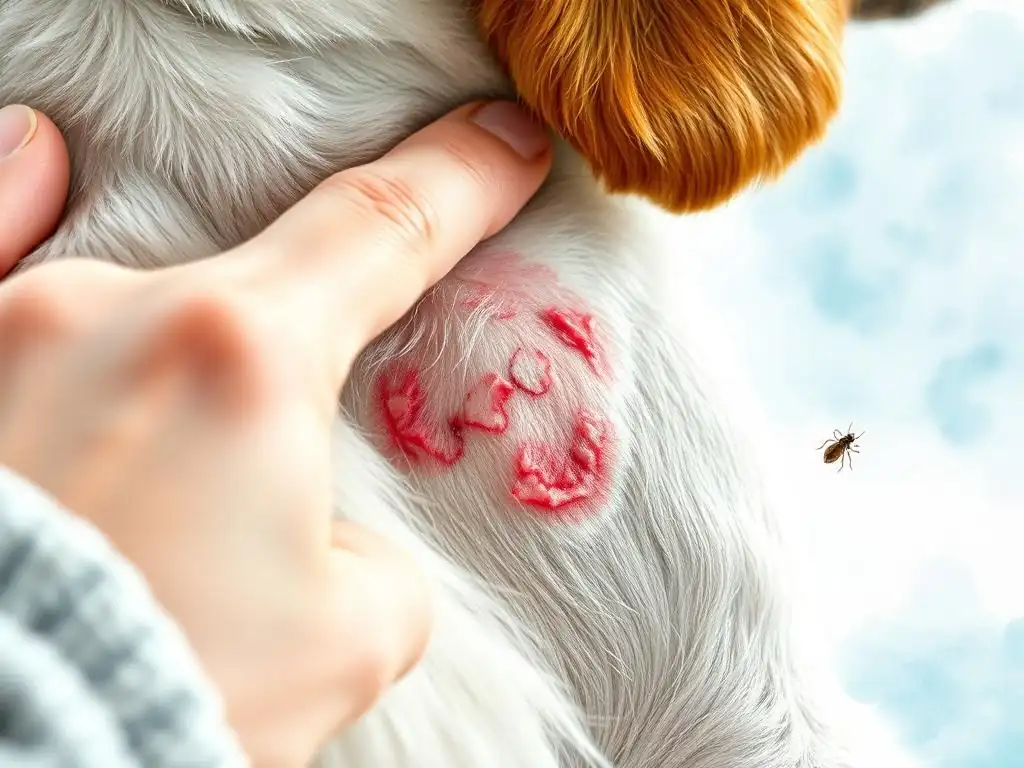
Pet skin problems can range from minor irritations to serious medical conditions. Knowing when to seek professional veterinary care is crucial for your pet's health and well-being. This section serves as a guide to help you determine the urgency of your pet's skin issue and when veterinary intervention is necessary. Early diagnosis and treatment often lead to better outcomes, minimizing discomfort and potential long-term complications. This guide focuses on recognizing warning signs and understanding the severity of different skin problems in pets. Remember, this information is for guidance only and should not replace professional veterinary advice.
Emergency Situations Requiring Immediate Veterinary Attention
Some pet skin problems constitute genuine emergencies requiring immediate veterinary attention. These situations often involve severe symptoms that indicate a life-threatening condition. Don't delay seeking help if your pet exhibits any of the following:
- Severe bleeding: Any significant bleeding from a skin wound requires immediate veterinary care to stop the bleeding and prevent infection.
- Difficulty breathing: Respiratory distress, accompanied by skin issues, might indicate an allergic reaction or a more serious underlying condition necessitating immediate intervention.
- Signs of shock: Pale gums, rapid weak pulse, lethargy, and collapse are warning signs of shock, potentially stemming from a severe allergic reaction or other critical skin condition.
- Sudden, widespread swelling: Rapid and significant swelling, especially around the face or throat (angioedema), can obstruct airways and demands immediate veterinary care. This could indicate a severe allergic reaction.
- Severe pain: Intense pain associated with skin lesions may point to a deep wound, infection, or other painful condition. Your pet's behavior will often indicate this.
- Seizures: Seizures accompanied by skin problems can be a symptom of a serious underlying condition, requiring urgent veterinary attention.
Remember, even if you're unsure, it's always better to err on the side of caution. Contact your veterinarian immediately if you have any concerns about your pet's skin condition. The quicker you act, the better the chances of a positive outcome.
Determining the Severity of Your Pet's Skin Condition
Assessing the severity of your pet's skin condition involves careful observation and consideration of various factors. While some minor skin irritations can be managed at home, others require professional veterinary intervention. Here's a framework to guide your assessment:
- Extent of the problem: Is the skin problem localized to a small area, or is it widespread across the body? Widespread lesions usually indicate a more serious condition.
- Appearance of the lesions: Note the appearance of the lesions. Are they red, inflamed, scabby, pustular, or ulcerated? Detailed descriptions are crucial for your veterinarian.
- Your pet's behavior: Is your pet excessively scratching, licking, biting, or showing signs of discomfort? Behavioral changes often indicate a more serious underlying issue.
- Duration of the problem: How long has the skin problem persisted? Persistent problems often require veterinary attention to identify and treat the underlying cause.
- Presence of other symptoms: Are there other symptoms accompanying the skin problem, such as fever, lethargy, loss of appetite, or vomiting? These additional symptoms can provide crucial clues about the underlying cause.
Here's a simple table summarizing the severity levels:
| Severity Level | Description | Action |
|---|---|---|
| Mild | Minor irritation, small localized area, no significant discomfort or other symptoms | Monitor closely, consider home remedies (with vet consultation if unsure) |
| Moderate | Larger affected area, some discomfort, persistent scratching or licking | Consult your veterinarian |
| Severe | Widespread lesions, significant discomfort, other symptoms present | Seek immediate veterinary attention |
This assessment should inform your decision on when to seek veterinary care. Remember, a veterinarian can provide an accurate diagnosis and recommend the appropriate treatment plan.
Preparing for Your Veterinary Appointment: What to Bring
To ensure a smooth and efficient veterinary visit, adequately prepare before your appointment. Gather the necessary information and materials to help your veterinarian make an accurate diagnosis and develop a suitable treatment plan. This proactive approach will streamline the process and contribute to your pet's faster recovery.
A comprehensive list of items to bring includes:
- A detailed history of the skin problem: Note when you first noticed the problem, its progression, any treatments you've tried, and any potential triggers.
- Recent photos: Pictures of the affected area(s) taken at different times can help illustrate the progression of the condition.
- A sample of your pet's food: Dietary factors can sometimes contribute to skin problems.
- A list of any medications your pet is currently taking: This helps the vet avoid any potential drug interactions.
- A recent fecal sample (if requested): Parasites can sometimes manifest as skin problems.
- Any relevant records: Bring previous veterinary records if available, as this provides valuable context.
Thorough preparation ensures your veterinarian has all the necessary information to accurately diagnose and treat your pet's skin condition. This will ultimately lead to a more effective and timely resolution of your pet's skin problem. Don't hesitate to ask questions – your veterinarian is there to help!
Home Remedies and Prevention Strategies for Pet Skin Health

This section explores practical, at-home approaches to support your pet's skin health and prevent future problems. Remember, while these remedies can be helpful adjuncts to veterinary care, they are not a replacement for professional diagnosis and treatment. Always consult your veterinarian if you suspect your pet has a serious skin condition.
Early intervention is key in managing pet skin problems and improving their overall well-being. This guide focuses on preventative measures and natural remedies that can help maintain healthy skin and coat. Effective management of pet skin issues often involves a multi-pronged approach, combining good hygiene practices, a balanced diet, and a carefully managed environment.
Maintaining Good Hygiene: Bathing and Grooming Tips
Regular bathing and grooming are crucial for maintaining healthy pet skin. The frequency depends on your pet's breed, coat type, and activity level. For example, short-haired dogs might only need a bath every few months, while long-haired breeds may require more frequent baths. However, over-bathing can strip the skin of its natural oils, leading to dryness and irritation.
Here's a breakdown of best practices:
- Choose the right shampoo: Use a pet-specific shampoo formulated for your pet's skin type (e.g., sensitive skin, dry skin, oily skin). Human shampoos can disrupt the skin's pH balance.
- Avoid harsh chemicals: Opt for shampoos free of harsh chemicals, dyes, and fragrances. Look for natural ingredients like oatmeal or aloe vera, known for their soothing properties.
- Thorough rinsing: Ensure you rinse all shampoo completely from your pet's coat. Leftover shampoo can irritate the skin.
- Gentle drying: Pat your pet dry with a towel instead of using a hairdryer, which can be harsh on sensitive skin.
- Regular brushing: Brushing helps remove dead skin cells, dirt, and mats, preventing skin infections and promoting healthy circulation. The frequency of brushing also depends on your pet's coat type. Long-haired pets need daily brushing, while short-haired pets might need it only a few times a week.
Remember to always check your pet's skin for any abnormalities during bathing and grooming sessions. Early detection of problems allows for prompt veterinary attention.
Dietary Considerations for Healthy Pet Skin
Nutrition plays a vital role in maintaining healthy skin and a shiny coat. A balanced diet rich in essential fatty acids, like omega-3 and omega-6, is crucial. These fatty acids help reduce inflammation and improve skin barrier function. The ratio of omega-3 to omega-6 is also important; an imbalance can lead to skin problems.
Here's what to consider:
- High-quality pet food: Choose a high-quality pet food that lists specific sources of omega-3 and omega-6 fatty acids, such as fish oil, flaxseed oil, or borage oil, in the ingredient list.
- Supplements: Your veterinarian might recommend supplements containing omega-3 fatty acids, particularly if your pet has existing skin issues. However, always consult your vet before giving your pet any supplements.
- Avoid food allergens: Certain food ingredients can trigger allergic reactions in some pets, manifesting as skin problems. Common allergens include beef, dairy, chicken, wheat, and soy. Working with your vet to identify and eliminate potential allergens through an elimination diet might be necessary.
- Hydration: Adequate water intake is also essential for healthy skin. Ensure your pet always has access to fresh, clean water.
Environmental Modifications to Reduce Allergens
Environmental factors significantly impact pet skin health. Allergies to pollen, dust mites, fleas, and other environmental allergens are common causes of skin problems. Modifying your pet's environment can greatly reduce exposure to these allergens.
Here are some practical steps:
- Regular cleaning: Regularly clean your pet's bedding, toys, and living areas to remove allergens. Vacuum frequently using a HEPA filter vacuum cleaner to remove dust mites and other allergens from carpets and upholstery.
- Air purification: Consider using an air purifier with a HEPA filter to reduce airborne allergens in your home.
- Flea control: Fleas are a common cause of skin irritation and allergies. Use effective flea control products as recommended by your veterinarian.
- Minimize exposure to irritants: Identify and minimize exposure to potential irritants such as harsh cleaning products, perfumes, and certain plants.
- Outdoor precautions: If your pet has environmental allergies, limit their outdoor time during peak pollen seasons. After outdoor activities, bathe and brush your pet to remove pollen and other allergens.
Remember, a holistic approach combining good hygiene, a balanced diet, and environmental modifications is often the most effective way to address and prevent pet skin problems. Always consult your veterinarian for diagnosis and treatment of any suspected skin condition. 🐶🐱🐭🐹🐰 🐾
Advanced Diagnostic Tools for Pet Skin Conditions
Diagnosing pet skin problems can be challenging, even for experienced veterinarians. While a thorough physical examination is crucial, advanced diagnostic tools are often necessary to pinpoint the underlying cause of your pet's skin condition. This section delves into some of the most commonly used methods for achieving an accurate diagnosis, helping you understand the process and what to expect. This guide focuses on providing you with the knowledge to better understand your pet's skin problems and facilitate effective communication with your veterinarian. Remember, early and accurate diagnosis is key to successful treatment.
Skin Scrapings and Cytology: Microscopic Examination
Skin scrapings are a fundamental diagnostic technique for detecting microscopic parasites like mites (e.g., Sarcoptes scabiei, Demodex spp.) and fungi (e.g., Malassezia spp.). The procedure involves gently scraping the affected skin area with a scalpel blade to collect skin scales and debris. This material is then placed onto a microscope slide, stained, and examined under a microscope.
Cytology, on the other hand, involves examining individual cells from a skin sample. This can be achieved through fine-needle aspiration (FNA) or by preparing a smear from a skin scraping or impression smear. Cytology helps in identifying inflammatory cells, infectious agents (bacteria, fungi, yeasts), and neoplastic cells (cancer cells). The results can differentiate between allergic dermatitis, bacterial infections, fungal infections, and even early signs of skin cancer.
For example, a dog presenting with intense itching and hair loss might undergo a skin scraping revealing the presence of Sarcoptes scabiei mites, leading to a diagnosis of canine scabies. Conversely, a cat exhibiting flaky skin and greasy fur might have a cytology showing an overgrowth of Malassezia yeast, indicative of a yeast infection. These microscopic examinations offer a relatively quick and cost-effective way to identify many common causes of pet skin problems.
Allergy Testing: Identifying Specific Allergens
Allergic dermatitis is a prevalent skin condition in pets, often triggered by environmental allergens like pollen, dust mites, or certain foods. Identifying the specific allergen is crucial for effective management. Several allergy testing methods exist, each with its own advantages and limitations.
Intradermal skin testing involves injecting small amounts of suspected allergens into the skin and observing for a reaction (wheal and flare). This method provides a relatively quick and cost-effective way to screen for a wide range of allergens. However, it requires a significant amount of time to perform and can be quite painful for some pets.
Serum allergy testing (blood testing) offers a less invasive alternative. A blood sample is analyzed to detect antibodies against various allergens. This method is generally less sensitive than intradermal testing and might not identify all allergens. However, blood tests are more comfortable and convenient for pets and owners alike.
Both methods have their strengths and weaknesses. The choice of testing method will depend on factors such as the pet's overall health, the veterinarian's experience, and the available resources. The results of allergy testing guide the development of a tailored treatment plan, which might involve environmental modifications, allergen-specific immunotherapy (allergy shots), or dietary changes. Accurate identification of the culprit allergens is key to long-term management of allergic skin conditions.
Biopsies: Diagnosing Skin Tumors and Other Growths
When a skin lesion raises suspicion of a tumor or other abnormal growth, a biopsy is often necessary for definitive diagnosis. A biopsy involves removing a small tissue sample from the lesion for microscopic examination by a pathologist.
There are several biopsy techniques, including punch biopsies (using a small circular punch to remove a core of tissue), incisional biopsies (removing a portion of the lesion), and excisional biopsies (removing the entire lesion). The choice of technique depends on the size, location, and nature of the lesion.
Histopathological examination of the biopsy sample reveals the cellular structure of the lesion, allowing for precise identification of benign (non-cancerous) and malignant (cancerous) growths. This information is critical for determining the appropriate treatment strategy, which might involve surgical removal, chemotherapy, radiation therapy, or a combination of these modalities. For example, a biopsy might reveal a benign lipoma (fatty tumor) or a malignant melanoma (skin cancer). The accurate diagnosis provided by a biopsy is fundamental in guiding treatment and determining prognosis. Early detection through biopsy significantly improves the chances of successful treatment of skin cancers in pets.
Treatment Options for Pet Skin Problems: A Comprehensive Overview

Pet skin problems can range from minor irritations to severe, chronic conditions. Effective treatment depends on accurate diagnosis, which is why a visit to your veterinarian is crucial before starting any treatment plan. This section outlines common treatment options available for various pet skin issues, emphasizing the importance of veterinary guidance. Remember, this information is for educational purposes and should not replace professional veterinary advice.
Self-treating your pet's skin condition can potentially worsen the problem and delay proper care. Always consult your vet for a proper diagnosis and personalized treatment plan tailored to your pet's specific needs and medical history. This guide aims to give you a better understanding of the potential treatment avenues available, empowering you to have a more informed conversation with your veterinarian. We will cover topical, oral, and alternative therapies, highlighting their uses and potential limitations.
Topical Treatments: Creams, Ointments, and Sprays
Topical treatments are applied directly to the affected skin area. These are often the first line of defense for mild to moderate skin issues, such as minor allergies, insect bites, or superficial wounds. Common topical medications include:
- Antibacterial creams and ointments: These help fight bacterial infections that can complicate skin problems. The specific antibiotic will be chosen based on the bacterial species identified by your veterinarian through testing. Examples include mupirocin and fusidic acid (though availability varies by region and requires veterinary prescription).
- Antifungal creams and ointments: These target fungal infections, like ringworm, a common fungal infection in pets. Miconazole and clotrimazole are examples of antifungal agents that may be prescribed.
- Corticosteroid creams and ointments: These reduce inflammation and itching, providing relief from allergic reactions and inflammatory skin conditions. However, long-term use should be carefully monitored by your veterinarian due to potential side effects.
- Antiparasitic sprays and shampoos: These tackle external parasites like fleas and ticks, which can contribute to skin irritation. The choice of medication will depend on the specific parasite.
The effectiveness of topical treatments varies depending on the severity and nature of the skin condition. Some pets may also experience irritation or allergic reactions to certain topical agents. Your veterinarian will carefully assess your pet's condition and recommend the appropriate topical treatment, explaining how to apply it correctly and monitoring for any adverse reactions. Proper application is key to successful treatment. For example, certain ointments require thorough rubbing into the affected area, while others might simply need a light application. Your vet will provide specific instructions.
Oral Medications: Antibiotics, Antifungal Drugs, and More
For more severe or systemic skin infections, oral medications may be necessary. These medications are ingested and work throughout the body to combat the underlying cause of the skin problem. Examples include:
- Antibiotics: Prescribed for bacterial skin infections that are widespread or deep-seated. The specific antibiotic will depend on the bacteria identified through testing. Dosage and duration are determined by your veterinarian.
- Antifungal medications: Used to treat systemic fungal infections like ringworm that have spread beyond the superficial layers of the skin. These are often given for a longer period than topical antifungals.
- Antihistamines: These medications help alleviate itching and inflammation associated with allergic reactions. They do not cure the allergy but can significantly improve your pet's comfort.
- Immunosuppressants: In cases of severe autoimmune skin diseases, immunosuppressants may be prescribed to reduce the immune system's overreaction. These medications require careful monitoring due to their potential side effects.
Oral medications offer systemic action, reaching areas inaccessible to topical treatments. However, they can have potential side effects, emphasizing the importance of close monitoring by your veterinarian. Your vet will carefully weigh the benefits and risks before prescribing any oral medication and will adjust the dosage and duration of treatment as needed based on your pet's response and overall health.
Alternative Therapies: Herbal Remedies and Homeopathy (Note: Always consult your vet)
While conventional medicine forms the cornerstone of pet skin problem treatment, some pet owners explore alternative therapies. These should always be discussed with your veterinarian before implementation, as they might interact negatively with other medications or not be suitable for certain conditions. Examples include:
- Herbal remedies: Some herbal remedies have anti-inflammatory or antiseptic properties. However, their efficacy for pet skin problems is not always scientifically proven, and some herbs can be toxic to pets. Never use herbal remedies without your vet's explicit approval and guidance.
- Homeopathy: This approach uses highly diluted substances to stimulate the body's healing response. Its effectiveness for pet skin problems is debated, and scientific evidence supporting its use is limited.
It's crucial to remember that alternative therapies should be considered complementary to, not a replacement for, veterinary care. Never rely solely on alternative methods for treating a serious skin condition. Your veterinarian can help you assess the potential benefits and risks of any alternative therapy and determine if it's appropriate for your pet's specific situation. Always prioritize professional veterinary care for accurate diagnosis and effective treatment of your pet's skin problems. A holistic approach, integrating conventional and alternative methods under veterinary supervision, may be beneficial in certain cases.
Frequently Asked Questions
What are some common pet skin problems?
Pet skin problems are varied. Common issues include allergies (environmental or food-based), infections (bacterial, fungal, parasitic), and irritations from contact with harsh chemicals or plants. Dry skin is also prevalent.
How can I tell if my pet has a skin problem?
Look for signs like excessive scratching, licking, or biting, redness or inflammation, hair loss, scaly skin, sores, or a foul odor. If you notice any of these, consult your vet.
What should I do if I suspect my pet has a skin problem?
Schedule an appointment with your veterinarian immediately. They can perform a thorough examination, run diagnostic tests, and provide a proper diagnosis and treatment plan. Avoid self-treating.
Are there any home remedies for pet skin problems?
While some mild irritations might respond to gentle oatmeal baths, do not attempt to self-treat serious skin issues. Improper treatment can worsen the condition. Always consult your vet first.
How can I prevent pet skin problems?
Regular grooming, a balanced diet, and preventative parasite treatment are crucial. Maintain a clean environment and avoid harsh chemicals. A healthy immune system is also key to preventing skin problems.
Final Reflection: Unraveling the Silent Stories of Pet Skin
Understanding your pet's skin health is not just about treating symptoms; it's about recognizing the silent stories their skin tells, stories that reflect their overall well-being and can signal underlying health issues. Early detection and proactive care are crucial for ensuring a happy and healthy life for our beloved companions. Ignoring these subtle cues can have significant consequences, impacting their comfort and potentially their longevity.
The emotional bond we share with our pets makes their health deeply personal. Witnessing their discomfort, whether it's itching, redness, or hair loss, is heartbreaking. This journey of understanding pet skin health has profoundly impacted my own approach to pet care, reminding me of the importance of attentive observation and proactive veterinary care. The best way to find yourself is to lose yourself in the service of others.
- Mahatma Gandhi – This quote, while not directly about pets, speaks to the profound connection we have with them and the responsibility we bear for their well-being. Their silent suffering demands our attention and understanding.
Now, I invite you to reflect on your own pet's skin. Have you noticed any changes? Are you paying close attention to the subtle signs? This article serves as a starting point, a guide to help you become a more informed and proactive pet owner. Don't hesitate to consult your veterinarian – they are your invaluable partners in ensuring your furry friend's health and happiness. Remember, a healthy coat is a reflection of a healthy pet, and understanding their skin is the first step towards a longer, more joyful life together.
Unlock Your Pet's Skin Secrets: Take Action Now!
Thank you for learning about your pet's skin health! We hope you gained valuable insights into recognizing subtle signs of skin problems. Now, let's put that knowledge to good use.
- Schedule a veterinary checkup: This is crucial for your pet's comfort and well-being. Early intervention is key to preventing more serious issues.
- Share this information with other pet owners: Help spread awareness and empower others to become better advocates for their pets' health.
- Adjust your grooming routine: Experiment with different brushes and shampoos recommended by your veterinarian to find what best suits your pet's unique skin and coat.
What small step will you take today to improve your pet's skin health?