
Dog Parasite FAQs: Answers to Common Questions About Parasites


Welcome to PetCareWorld, your ultimate guide to a happier, healthier life for your beloved pets! Are you worried about those pesky parasites? We understand. Dive into our comprehensive guide on Dog Parasite common questions, tackling everything from prevention to treatment, and discover the answers you need to keep your canine companion thriving. Learn how to identify and combat these common threats, ensuring your furry friend enjoys a long and parasite-free life. Let's get started!
-
Understanding Common Dog Parasites: Types and Symptoms
- Identifying Fleas on Your Dog: Symptoms and Treatment
- Ticks on Dogs: Recognizing Infestations and Prevention Strategies
- Canine Heartworm: Prevention, Symptoms, and Treatment Options
- Intestinal Worms in Dogs: Common Types and How to Detect Them
- Diagnosing Parasites in Dogs: Vet Visits and Testing Procedures
- Preventing Dog Parasites: Proactive Measures for Pet Health
- Treating Dog Parasites: Effective Solutions and Veterinary Care
- Dog Parasite FAQs: Addressing Your Concerns
- Living with a Dog and Parasites: Maintaining a Healthy Home Environment
- Frequently Asked Questions
- Final Reflection: The Unseen Enemy: Protecting Our Canine Companions
- Unlock Your Dog's Healthier Future: Take Action Now!
Understanding Common Dog Parasites: Types and Symptoms
Dog parasites are a significant concern for pet owners, impacting canine health and well-being. This comprehensive guide addresses frequently asked questions about common dog parasites, providing essential information to help you identify, prevent, and treat these infestations. Understanding the different types of parasites, their symptoms, and effective treatment methods is crucial for ensuring your canine companion lives a long, healthy, and happy life. We'll explore the most prevalent parasites affecting dogs, equipping you with the knowledge to proactively protect your furry friend from these unwelcome guests.
From the irritating itch of fleas to the potentially life-threatening danger of heartworm, we'll cover a range of parasites and provide clear, actionable advice. This article aims to answer your most pressing questions about dog parasites, empowering you to make informed decisions about your dog's health. Remember, early detection and appropriate treatment are key to managing parasite infestations effectively.
Identifying Fleas on Your Dog: Symptoms and Treatment
Fleas are tiny, wingless insects that feed on the blood of dogs and other mammals. They are incredibly common and can cause significant discomfort and even anemia if left untreated. Identifying a flea infestation requires careful observation. Common symptoms include: intense itching, scratching, biting at the fur, redness and inflammation of the skin, small black specks (flea dirt) in the fur, and possibly hair loss in severely infested areas.
Treatment for fleas typically involves a multi-pronged approach. This includes using a veterinarian-recommended flea medication, such as topical treatments, oral medications, or flea collars. Regular grooming, including brushing and bathing, can help remove fleas and flea dirt. Thorough cleaning of the dog's bedding and living environment is also essential to break the flea life cycle and prevent re-infestation.
Furthermore, using a flea comb can effectively remove adult fleas from your dog’s fur. Remember to consult your veterinarian for personalized advice based on your dog’s breed, age, and overall health. They can help you choose the most appropriate and effective treatment plan.
Ticks on Dogs: Recognizing Infestations and Prevention Strategies
Ticks are parasitic arachnids that attach themselves to dogs' skin, feeding on their blood. They can transmit various diseases, some of which are potentially life-threatening. Recognizing a tick infestation is crucial for prompt treatment and disease prevention. Ticks are often found in areas with long grass, shrubs, and wooded areas.
They can be difficult to spot, but careful examination of your dog’s fur, particularly around the ears, neck, legs, and groin, is essential. Symptoms of a tick infestation can vary depending on the number of ticks and the presence of any transmitted diseases. They may include: redness, swelling, or inflammation at the tick bite site, lethargy, fever, lameness, and loss of appetite.
Prevention is key when it comes to ticks. Using tick preventative medications, such as topical or oral treatments, is highly recommended, especially during tick season. Regularly checking your dog for ticks after walks in high-risk areas is also crucial. If you find a tick, carefully remove it using tweezers, pulling gently and steadily to avoid breaking off the head. Always consult your veterinarian if you suspect your dog has a tick-borne illness. They can perform necessary tests and recommend appropriate treatment.
Canine Heartworm: Prevention, Symptoms, and Treatment Options
Canine heartworm, caused by the parasite Dirofilaria immitis, is a serious and potentially fatal condition. Heartworms are transmitted through the bite of infected mosquitoes. These parasites reside in the heart, lungs, and blood vessels, causing significant damage to these vital organs. Early detection is critical for effective treatment. Symptoms can be subtle in the early stages and may include: a persistent cough, lethargy, fatigue, weight loss, and difficulty breathing. As the infection progresses, more severe symptoms can develop.
Prevention is paramount in the fight against heartworm. Your veterinarian will recommend a preventative medication, usually given monthly, to protect your dog from this dangerous parasite. Regular heartworm testing is also crucial, especially in areas with high mosquito populations. Treatment for heartworm is complex and requires careful monitoring by a veterinarian. It typically involves a series of medications to kill the adult worms and manage the resulting inflammation. Ignoring heartworm can lead to severe complications and even death. Therefore, proactive prevention and regular veterinary check-ups are essential for maintaining your dog's health and well-being.
Intestinal Worms in Dogs: Common Types and How to Detect Them
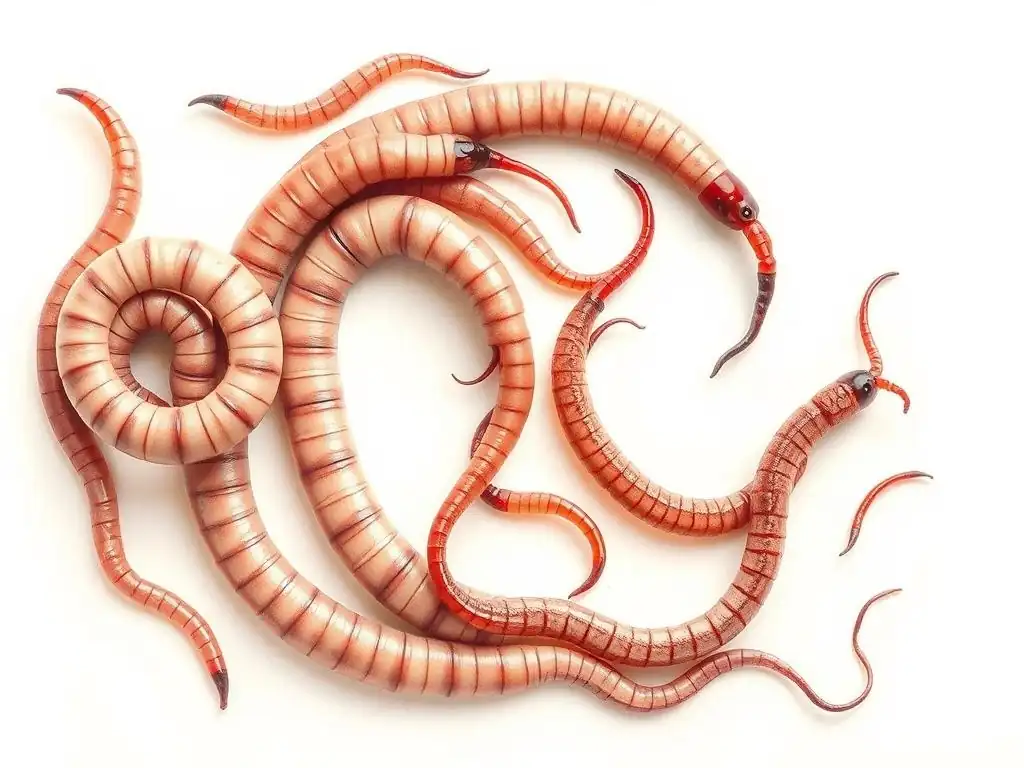
Intestinal worms are a prevalent concern for dog owners. Several types can infest a dog's digestive tract, each with its own set of symptoms and treatment requirements. Understanding these common types is crucial for early detection and effective management. Some of the most frequently encountered intestinal worms in canines include roundworms, hookworms, whipworms, and tapeworms.
Roundworms, or Toxocara canis, are among the most common. These large, white worms can cause a pot-bellied appearance, dull coat, and sometimes vomiting or diarrhea in infected puppies. Adult dogs may show fewer overt symptoms, but the worms can still negatively impact their health. The transmission of roundworms often occurs through the ingestion of infected feces or contaminated soil. Careful sanitation and preventative medication are key to controlling roundworm infestations.
Hookworms, such as Ancylostoma caninum, are smaller than roundworms but are highly dangerous. They attach to the intestinal wall, feeding on blood and causing anemia, weakness, and even bloody diarrhea. Severe infestations can be life-threatening, particularly in puppies. Hookworm larvae can also penetrate the skin, causing localized irritation and itching. Preventing contact with contaminated soil is essential in preventing hookworm infections.
Whipworms ( Trichuris vulpis) are another common intestinal parasite. These worms embed themselves in the intestinal lining, causing chronic diarrhea, weight loss, and rectal prolapse in severe cases. Their symptoms can be subtle and often overlooked, leading to delayed diagnosis and treatment. Regular fecal examinations are crucial for detecting whipworm infestations.
Tapeworms, while less common than roundworms or hookworms, are still a significant concern. These segmented worms are often transmitted through fleas or ingestion of infected intermediate hosts like rodents. Visible signs of tapeworm infection can include segments of the worm in the dog's feces, often resembling grains of rice. Tapeworm infestations can lead to weight loss, poor coat condition, and digestive upset. Careful flea control helps to minimize the risk of tapeworm infections.
Detecting these intestinal worms typically involves a fecal examination performed by a veterinarian. This involves collecting a fresh stool sample and sending it to a laboratory for analysis. The lab technicians can then identify the type of worm present through microscopic examination. Early detection is vital for effective treatment and preventing severe health complications. Regular fecal checks, especially for puppies and high-risk dogs, are strongly recommended as a preventative measure. Symptoms such as vomiting, diarrhea, weight loss, a pot-bellied appearance, or dull coat should prompt immediate veterinary attention. Remember, early intervention is key to managing intestinal worm infestations successfully.
Diagnosing Parasites in Dogs: Vet Visits and Testing Procedures
Diagnosing parasites in dogs requires a multifaceted approach, often involving a combination of clinical examination, physical assessment, and laboratory testing. A thorough veterinary visit is the first and most important step in identifying and treating any parasitic infestation. The veterinarian will begin by taking a detailed history of your dog, including its age, breed, lifestyle, diet, and any recent travel or exposure to other animals. This information helps to identify potential sources of infection and narrow down the likely culprits.
A physical examination is crucial in assessing the dog's overall health and identifying any external signs of parasites. The veterinarian will look for skin lesions, flea infestations, ticks, and other external parasites. They will also check for signs of internal parasites, such as weight loss, poor coat condition, lethargy, vomiting, and diarrhea. These clinical signs, while not always specific to parasites, can provide valuable clues.
Laboratory tests are essential for confirming the presence and type of parasite. The most common test is a fecal examination, which involves microscopic analysis of a stool sample to identify parasite eggs or segments. Different techniques may be used to enhance detection, depending on the suspected parasite. For example, a flotation test is frequently used to identify the eggs of intestinal worms, while a direct smear might be employed to detect protozoa. The sensitivity and specificity of these tests can vary, so repeated testing may be necessary in some cases.
Beyond fecal analysis, blood tests can be used to detect certain parasitic infections, particularly those that cause anemia or other systemic effects. Complete blood counts (CBCs) can reveal abnormalities indicative of parasitic infestations. Other diagnostic tests may be employed, depending on the suspected parasite and the dog's clinical presentation. For example, skin scrapings might be analyzed to diagnose mange mites, while serological tests can detect antibodies to specific parasites.
The choice of diagnostic tests will be guided by the veterinarian's clinical judgment and the specific circumstances of the case. Prompt diagnosis and treatment are essential in ensuring the health and well-being of your canine companion. Don't hesitate to seek veterinary attention if you suspect your dog may have a parasitic infection. Early intervention significantly improves the chances of successful treatment and minimizes the risk of long-term complications.
Preventing Dog Parasites: Proactive Measures for Pet Health

Protecting your canine companion from parasites requires a multi-pronged approach encompassing preventative measures, regular veterinary check-ups, and prompt treatment should infestation occur. Successfully managing parasite infestations hinges on understanding the life cycle of various parasites and implementing strategies to interrupt their transmission. This proactive approach not only safeguards your dog's health and well-being but also contributes to a cleaner, healthier home environment. Ignoring preventative care can lead to significant health complications for your dog, potentially requiring extensive and costly veterinary intervention. Let's delve into specific strategies for preventing common canine parasites.
Effective Flea and Tick Prevention for Dogs: Products and Methods
Flea and tick infestations are incredibly common in dogs, causing discomfort, skin irritation, and even the transmission of serious diseases like Lyme disease and Rocky Mountain spotted fever. Effective prevention involves a combination of topical treatments, oral medications, and environmental control.
Topical treatments, often applied monthly, typically contain insecticides that kill adult fleas and ticks on contact. These are generally easy to administer and offer convenient protection. However, it's crucial to choose a product specifically formulated for your dog's weight and age, following the manufacturer's instructions precisely. Incorrect usage can lead to adverse reactions.
Oral medications offer broader-spectrum protection, targeting various stages of the flea and tick life cycle. These medications often require a prescription from your veterinarian and should be administered as directed. Regular veterinary check-ups are essential to monitor your dog's health and adjust medication as needed.
Environmental control plays a vital role in flea and tick prevention. Regularly grooming your dog helps remove existing parasites, while vacuuming your home frequently removes eggs and larvae. Treating your yard with appropriate insecticides can also significantly reduce the parasite population. Remember to always store flea and tick products safely, away from children and other pets.
Choosing the right preventative is crucial. Factors to consider include your dog's lifestyle (e.g., spends lots of time outdoors), your geographic location (tick prevalence varies regionally), and your dog's overall health. Consulting your veterinarian is paramount to selecting the most effective and safe preventative strategy for your individual dog.
Heartworm Prevention for Dogs: Year-Round Protection Strategies
Heartworm, a serious parasitic disease transmitted by mosquitoes, can have devastating consequences for your dog if left untreated. Prevention involves administering monthly preventative medication, typically in the form of chewable tablets or topical applications. The medication kills the heartworm larvae before they mature into adult worms, thus preventing the development of the disease.
It's crucial to understand that heartworm prevention is a year-round commitment, even in areas with milder climates. Mosquitoes can be active throughout the year, and even a single bite can transmit the parasite. Skipping even a single dose can leave your dog vulnerable to infection.
Regular veterinary check-ups are essential to monitor your dog's heartworm status. Your vet might recommend blood tests to detect the presence of heartworm antibodies. Early detection and treatment are vital for managing the disease effectively. Remember, treating established heartworm infections is a complex and often lengthy process, so prevention is always the best approach. The cost of treatment is significantly higher than the cost of prevention.
Preventing Intestinal Worms in Dogs: Hygiene and Diet
Intestinal worms, including roundworms, hookworms, and whipworms, are common parasites that can cause a range of digestive problems in dogs. Prevention involves maintaining good hygiene practices and implementing a healthy diet.
Regular fecal examinations are crucial for early detection. Your veterinarian can perform these tests to identify the presence of intestinal worms and recommend appropriate treatment. Prompt treatment is essential to prevent complications and minimize the risk of transmission to other animals or humans.
Maintaining good hygiene practices is key. Regularly cleaning up your dog's feces reduces the risk of re-infection. Washing your hands thoroughly after handling your dog or cleaning up after them is also important. Avoid letting your dog eat feces from other animals, as this can spread parasites.
A balanced diet plays a significant role in maintaining a healthy gut and reducing the risk of intestinal worm infestations. Consult your veterinarian about appropriate dietary choices for your dog's age, breed, and overall health. Providing a diet rich in nutrients can help support a strong immune system, making your dog more resistant to parasitic infections. A healthy dog is better equipped to fight off infections. Remember, a proactive approach to parasite prevention ensures your dog's health and happiness.
Creating a Parasite-Free Environment for Your Canine Companion: Home and Yard
Maintaining a clean and parasite-free environment is crucial in preventing infestations. This involves both indoor and outdoor spaces where your dog spends time. Regular cleaning is paramount; think of it as proactive parasite prevention. For indoor spaces, vacuuming and mopping frequently, particularly in areas where your dog spends the most time (like sleeping areas and near food bowls), significantly reduces the chances of flea and tick infestations.
Pay close attention to carpets and rugs, as these can harbor parasite eggs and larvae. Consider using a vacuum cleaner with a HEPA filter to trap microscopic allergens and parasite particles more effectively. Regular washing of dog bedding, blankets, and toys in hot water (at least 130°F) will kill many parasites and their eggs.
Your yard also requires attention. Ticks and fleas often thrive in tall grass and overgrown vegetation. Regular mowing and trimming of your lawn will significantly reduce their habitat. Removing leaf litter and other debris helps to eliminate potential breeding grounds. Consider using landscaping techniques that discourage parasite proliferation.
For example, planting herbs like lavender or rosemary, which are known to repel some insects, can be a natural and effective deterrent. Furthermore, regularly treating your yard with appropriate pet-safe pesticides, following label instructions carefully, can offer additional protection. Remember to always choose products specifically designed for pet safety and environmental responsibility. Regularly checking your dog for ticks and fleas after outdoor excursions is also vital, even with preventative measures in place. This allows for early detection and treatment, minimizing the risk of severe infestations.
Remember, consistent vigilance and a multi-pronged approach are key to creating a parasite-free sanctuary for your beloved canine companion. This proactive approach not only protects your dog but also contributes to a healthier home environment for the entire family. Don't forget to consult your veterinarian for advice tailored to your specific needs and location. 🐶🏠
Treating Dog Parasites: Effective Solutions and Veterinary Care
This section focuses on the practical application of parasite treatment in dogs. Effective parasite control requires a multi-pronged approach combining preventative measures with targeted treatments when infestations occur. Remember, always consult your veterinarian before starting any treatment regimen for your canine companion. They can accurately diagnose the specific parasite and recommend the safest and most effective course of action tailored to your dog's individual needs and health status. Ignoring parasite infestations can lead to serious health complications, so prompt veterinary care is crucial. This section will explore common treatment options for various dog parasites.
Flea and Tick Treatment for Dogs: Medication and Natural Remedies
Fleas and ticks are common external parasites that can cause significant discomfort and even transmit diseases to dogs. Treatment options range from topical medications to oral medications and even some natural remedies. However, the effectiveness of natural remedies is often debated and may not be sufficient for severe infestations.
Medication: Veterinarians commonly prescribe topical treatments like fipronil or selamectin, which are applied directly to the dog's skin. These medications kill adult fleas and ticks on contact and can provide long-lasting protection. Oral medications are also available, offering a different mode of administration. The choice between topical and oral medications will depend on factors such as your dog's age, health, and the severity of the infestation. Always follow your vet's instructions carefully regarding dosage and application.
Natural Remedies: Some pet owners explore natural remedies like apple cider vinegar, diatomaceous earth, and certain essential oils. However, it's crucial to emphasize that the efficacy of these methods is often limited and scientific evidence supporting their effectiveness is often lacking. Moreover, some essential oils can be toxic to dogs if ingested. Always consult your veterinarian before using any natural remedies, especially in conjunction with other medications. A holistic approach combining preventative measures like regular grooming and environmental control with veterinary-approved treatments is generally recommended for optimal flea and tick management.
| Treatment Type | Pros | Cons | Effectiveness | Safety |
|---|---|---|---|---|
| Topical Medications | Easy application, long-lasting protection | Potential skin irritation in some dogs | Generally High | Generally High |
| Oral Medications | Convenient, may be effective against internal parasites as well | Can have side effects, requires consistent administration | Generally High | Variable |
| Natural Remedies | Often perceived as safer, readily available | Limited evidence of effectiveness, potential toxicity | Often Low | Variable |
Heartworm Treatment in Dogs: Medication and Aftercare
Heartworm, caused by Dirofilaria immitis, is a serious and potentially fatal parasitic infection. Treatment requires a multi-step process under strict veterinary supervision. Prevention is key, but if your dog tests positive, immediate veterinary intervention is essential.
Treatment typically involves administering medications to kill the adult heartworms. This process can take several weeks and requires careful monitoring for adverse reactions. Your veterinarian will likely prescribe medications to prevent further infection and manage any related symptoms. Never attempt to treat heartworm at home. The process is complex and requires specialized veterinary expertise. Incorrect treatment can lead to serious complications, even death.
Aftercare is critical following heartworm treatment. Your dog will need regular veterinary check-ups to monitor their progress and ensure the treatment is effective. This may include blood tests and possibly chest X-rays. During the recovery period, your dog may require rest and restricted activity to prevent strain on their heart. Following your vet's instructions diligently is paramount for your dog's successful recovery and long-term health. The recovery period can be lengthy, and patience is essential.
Treating Intestinal Worms in Dogs: Deworming Medications and Regimens
Intestinal worms are a common concern for dog owners. Various types of worms can infest a dog's intestinal tract, causing symptoms ranging from mild digestive upset to severe illness. Treatment typically involves deworming medications, which are available in different forms, including tablets, liquid suspensions, and chewable treats.
The specific medication and dosage will depend on the type of worm and your dog's weight and overall health. Your veterinarian will perform a fecal examination to identify the specific worm species before prescribing treatment. Regular deworming, especially for puppies and dogs with high exposure to parasites, is often recommended as a preventative measure. This usually involves administering medication at intervals determined by your vet, based on your dog's lifestyle and risk factors.
Following a strict deworming schedule, as prescribed by your vet, is crucial for effective parasite control and maintaining your dog's health. Regular fecal exams help monitor the effectiveness of the treatment and detect any re-infestations. 🐕🦺
When to Seek Veterinary Care for Dog Parasites: Recognizing Serious Issues
Recognizing when your dog's parasite infestation requires professional veterinary intervention is crucial for their health and well-being. While many mild infestations can be managed at home with appropriate preventative measures and over-the-counter treatments, certain signs indicate a need for immediate veterinary care. Ignoring these warning signs can lead to serious complications, potentially even life-threatening situations for your canine companion.
One key indicator requiring immediate veterinary attention is severe infestation. This isn't simply about a few fleas or ticks; it's about a noticeable and overwhelming burden of parasites. For example, a dog heavily infested with fleas might exhibit extreme itching, leading to significant skin damage, secondary infections, and even anemia due to blood loss.
Similarly, a heavy tick infestation can transmit diseases like Lyme disease or Rocky Mountain spotted fever, requiring prompt and specific treatment. The sheer number of parasites can overwhelm your dog's system, leading to noticeable weakness, lethargy, and a significant decline in overall health. In such cases, immediate veterinary intervention is not just recommended, but essential.
Another critical factor is the presence of unusual symptoms. While itching and scratching are common with many parasite infestations, other symptoms might indicate a more serious underlying problem. These could include vomiting, diarrhea, weight loss, unusual lethargy, pale gums (indicating anemia), coughing, difficulty breathing, or neurological signs like tremors or seizures. These symptoms might not be directly caused by the parasites themselves, but rather by complications arising from the infestation, such as secondary bacterial infections or the transmission of diseases. A veterinarian can accurately diagnose the underlying cause and provide the necessary treatment.
Furthermore, you should seek veterinary care if your dog doesn't respond to home treatment within a reasonable timeframe. For example, if you've been diligently using a flea preventative for several weeks, but your dog continues to scratch excessively and show signs of infestation, it's time to consult a professional. There could be underlying medical conditions contributing to the problem, or the parasites might be resistant to the treatment you're using.
A veterinarian can assess the situation, identify the specific parasite, and recommend a more effective treatment plan. This might involve stronger medications, different treatment strategies, or even diagnostic tests to rule out other potential health issues.
Finally, consider your dog's age, breed, and overall health. Puppies, senior dogs, and dogs with pre-existing health conditions are more vulnerable to the effects of parasite infestations. What might be a minor inconvenience for a healthy adult dog can be significantly more serious for a vulnerable animal. Always err on the side of caution and consult a veterinarian if you have any concerns about your dog's health, especially when dealing with parasites.
Early intervention can often make a significant difference in the outcome. Don't hesitate to seek professional help to ensure your furry friend receives the best possible care. 🐶
Dog Parasite FAQs: Addressing Your Concerns

This section delves into frequently asked questions regarding parasites in dogs, providing detailed answers to help you understand and manage these common canine health issues. We'll explore preventative measures, the severity of various parasites, and the long-term consequences of neglecting treatment. Remember, early detection and prompt veterinary care are crucial for your dog's well-being.
How Often Should I Check My Dog for Parasites?
Regular parasite checks are a vital component of preventative dog care. The frequency depends on several factors, including your dog's lifestyle, environment, and age. Dogs who spend significant time outdoors, especially in areas with high grass or potential exposure to wildlife, require more frequent checks. Puppies and senior dogs are also more vulnerable and should be monitored closely.
A thorough examination should be conducted at least once a week. This involves:
- Visual inspection: Carefully examine your dog's fur, paying close attention to areas like the belly, paws, and ears. Look for any unusual bumps, redness, irritation, or signs of fleas, ticks, or mites.
- Fecal examination: Regular fecal checks are crucial for identifying internal parasites like worms. While you can visually inspect feces for obvious signs, a veterinary fecal test provides a more accurate diagnosis. Consider fecal examinations every 3-6 months, or more frequently if your dog shows symptoms.
- Environmental monitoring: Regularly check your dog's bedding, yard, and areas where they frequently spend time for signs of parasites. This includes flea dirt (dark specks that turn red when wet), tick larvae, or worm eggs.
Remember, consistent monitoring is key to early detection and effective treatment. Early intervention significantly improves the chances of a successful outcome and minimizes potential complications. Regular veterinary check-ups also play a crucial role in parasite prevention and control.
Are All Dog Parasites Dangerous?
While many dog parasites are relatively benign, some pose significant health risks. The danger level depends on several factors, including the type of parasite, the number of parasites present, your dog's overall health, and the parasite's location in the body.
Here’s a simplified breakdown:
| Parasite Type | Severity | Symptoms |
|---|---|---|
| Fleas | Generally manageable, but can cause anemia and irritation | Itching, scratching, hair loss, flea dirt |
| Ticks | Can transmit diseases like Lyme disease and Rocky Mountain spotted fever | Fever, lethargy, lameness, swollen lymph nodes |
| Heartworms | Very serious, can be fatal | Cough, fatigue, weight loss, difficulty breathing |
| Intestinal worms (roundworms, hookworms, whipworms) | Varying severity, can cause malnutrition and digestive issues | Diarrhea, vomiting, weight loss, pot-bellied appearance |
| Mites (ear mites, mange mites) | Can cause intense itching and skin problems | Severe itching, scratching, hair loss, crusty skin, lesions |
It's crucial to remember that even seemingly minor infestations can lead to secondary infections or worsen underlying health conditions. Therefore, it's always best to consult a veterinarian for diagnosis and treatment, even if the symptoms seem mild. Don't underestimate the potential dangers of untreated parasites.
What are the Long-Term Effects of Untreated Parasites in Dogs?
Ignoring parasite infestations can have severe and long-lasting consequences for your canine companion. The specific long-term effects depend heavily on the type and severity of the infestation but can include:
- Anemia: Heavy flea infestations can lead to significant blood loss, resulting in anemia, weakness, and lethargy. This condition can be life-threatening if left untreated.
- Organ damage: Some parasites, like heartworms, directly attack vital organs, causing irreversible damage to the heart, lungs, and other systems.
- Secondary infections: Parasite infestations often weaken the immune system, making dogs more susceptible to bacterial and viral infections. Skin lesions caused by mites or fleas can become infected, requiring more extensive treatment.
- Malnutrition: Intestinal parasites can interfere with nutrient absorption, leading to malnutrition, stunted growth (in puppies), and weakened immune function.
- Chronic illness: Untreated parasites can cause chronic health problems, significantly impacting your dog's quality of life and requiring ongoing veterinary care.
The best approach is always preventative care combined with regular veterinary check-ups. Early detection and treatment are far more effective and less costly than managing the long-term effects of neglected parasite infestations. Don't delay seeking professional help if you suspect your dog has parasites. Your dog's health and well-being depend on it.
My Dog has Parasites, What Should I Do?

Discovering your dog has parasites can be alarming, but prompt action is key. First, remain calm and avoid panicking; this will help you make rational decisions. The next step is to schedule an immediate appointment with your veterinarian. Don't attempt home remedies without professional guidance, as misdiagnosis or improper treatment can worsen the situation and potentially harm your dog. Your vet will conduct a thorough examination, possibly including fecal tests or skin scrapings, to identify the specific type of parasite. This precise identification is crucial for effective treatment.
Based on the diagnosis, your vet will prescribe the appropriate medication, likely an antiparasitic drug tailored to the specific parasite and your dog's size and health. They will also advise on dosage, administration, and potential side effects. Follow their instructions meticulously. Depending on the parasite, your vet might also recommend environmental treatments to eliminate the parasites from your dog's surroundings, such as flea sprays for your home or yard. Regular follow-up appointments are essential to monitor your dog's progress and ensure the treatment is effective.
Remember, consistent treatment and preventative measures are critical to resolving the infestation and preventing future occurrences. Ignoring the problem can lead to serious health complications for your beloved pet. Early intervention is paramount in ensuring a quick and complete recovery. For instance, a severe flea infestation could lead to anemia, while heartworm can cause severe heart damage if left untreated. Therefore, acting swiftly is crucial for your dog's well-being.
Can I Prevent Parasites Naturally?
While natural methods can play a supplementary role in parasite prevention, they shouldn't replace veterinary-recommended preventative care. Complete reliance on solely natural methods can be risky and might not offer sufficient protection against all parasites. That said, certain natural approaches can help reduce the risk. Regular grooming is paramount; brushing your dog thoroughly removes loose hair, which can harbor fleas and ticks. This also helps you detect parasites early.
Maintaining a clean environment is crucial. Frequent vacuuming and washing your dog's bedding helps eliminate parasite eggs and larvae. A healthy diet plays a vital role in boosting your dog's immune system, making them more resilient to infestations. A diet rich in antioxidants and nutrients can contribute to overall health and potentially reduce susceptibility. Some essential oils, like cedarwood or tea tree oil (used very cautiously and diluted properly), are thought to repel certain parasites, but their effectiveness varies and should always be discussed with your vet.
Never apply essential oils directly to your dog's skin without veterinary consultation, as some can be toxic. Diatomaceous earth, a naturally occurring sedimentary rock, is sometimes used as a natural insecticide, but its effectiveness against internal parasites is questionable, and proper administration is critical to avoid respiratory problems. Remember, while these natural methods can contribute to a comprehensive parasite prevention strategy, they are not a substitute for preventative medications prescribed by your veterinarian, such as monthly flea and tick treatments or heartworm preventatives. A balanced approach combining preventative medications with good hygiene and a healthy lifestyle offers the best protection against parasites for your canine companion. Always consult your veterinarian before implementing any new preventative strategy, especially if your dog has pre-existing health conditions.
Living with a Dog and Parasites: Maintaining a Healthy Home Environment
Living with a dog inevitably means considering the risk of parasites. A proactive approach to home hygiene is crucial in minimizing the chances of infestation and ensuring a healthy environment for both your canine companion and your family. This section focuses on practical steps to maintain a clean and parasite-free home, addressing common questions around dog parasite infestations. Remember, consistent effort is key to preventing future problems.
Cleaning Your Home After a Parasite Infestation
A thorough cleaning is essential after discovering a parasite infestation in your dog. This goes beyond a simple vacuuming; it requires a multi-faceted approach targeting different parasite life stages. For example, flea infestations necessitate a more intensive cleaning strategy than those involving intestinal worms.
Here's a step-by-step guide:
- Vacuum thoroughly: Pay close attention to carpets, rugs, upholstery, and bedding. Empty the vacuum cleaner bag immediately outside your home to prevent re-infestation. Consider using a vacuum with a HEPA filter for more effective particle removal.
- Wash all bedding: Wash all your dog's bedding, including blankets, toys, and sleeping areas, in hot water (at least 130°F) and dry them on a high heat setting. This kills many parasite eggs and larvae.
- Steam clean: Steam cleaning carpets and upholstery can effectively eliminate parasites and their eggs. This is particularly useful for hard-to-reach areas.
- Treat hard surfaces: Wipe down all hard surfaces, such as floors, countertops, and furniture, with a pet-safe disinfectant. Ensure the product is specifically designed to kill the type of parasite affecting your dog (e.g., fleas, ticks).
- Focus on high-traffic areas: Pay extra attention to areas where your dog spends the most time, as these are likely to be the most heavily infested.
- Professional Cleaning: In severe cases, consider contacting a professional carpet cleaning service specializing in pet-related infestations. They often have specialized equipment and expertise to ensure complete parasite removal.
Protecting Other Pets from Parasite Transmission
If one pet has parasites, there's a significant risk of transmission to other animals in your household. Preventing this spread requires prompt action and careful management. The specific preventative measures will vary depending on the parasite. For example, fleas are highly contagious, while the transmission of intestinal worms often requires ingestion of contaminated feces.
Here are some key strategies:
- Isolate the infected pet: If possible, temporarily isolate the infected animal to limit contact with other pets.
- Thorough cleaning: Follow the cleaning steps outlined above to minimize the parasite load in your home.
- Treat all pets: Even if other pets don't show symptoms, it's crucial to treat them prophylactically to prevent infestation. Consult your veterinarian for appropriate treatment options.
- Regular parasite prevention: Implement a comprehensive parasite prevention program for all your pets, including regular flea and tick treatments, and deworming as recommended by your vet.
- Monitor for symptoms: Carefully monitor all pets for any signs of parasite infestation, such as scratching, biting, hair loss, or changes in stool. Early detection is crucial for effective treatment.
Long-Term Parasite Prevention Strategies for Dogs
Preventing parasites is significantly easier and less costly than treating an infestation. A multi-pronged approach, combining preventative medications with environmental controls, offers the best protection.
Here are some long-term strategies:
- Regular Veterinary Checkups: Regular vet visits are crucial. Your veterinarian can recommend appropriate preventative medications based on your dog's age, breed, lifestyle, and the prevalence of parasites in your area. They can also perform fecal exams to detect intestinal parasites early.
- Preventative Medications: Discuss with your veterinarian the best preventative medications for your dog. Options include flea and tick preventatives (topical or oral), and heartworm preventatives. Choose products that are safe and effective for your dog's breed and health status.
- Grooming: Regular grooming helps to detect parasites early and remove them before they can establish a large infestation. Brushing your dog regularly can remove fleas and ticks.
- Environmental Control: Maintain a clean home environment, regularly vacuuming and washing your dog's bedding. Treat your yard for fleas and ticks as needed.
- Yard Management: Keep your yard free of debris and standing water, which can attract parasites. Consider using natural deterrents, such as diatomaceous earth, to help control fleas and ticks in your yard. Remember to consult your vet before using any product on your yard to ensure it's safe for your dog. 🤔 Always read and follow the instructions carefully for any product you choose.
By implementing these strategies, you can significantly reduce your dog's risk of parasite infestation and maintain a healthy home environment for everyone. Remember, prevention is key! 🐶
Maintaining a Healthy Diet to Support Parasite Resistance in Dogs
A balanced and nutritious diet plays a crucial role in bolstering your dog's immune system, making them more resilient against parasite infestations. Just as a well-nourished human body is better equipped to fight off illness, a dog fed a high-quality diet is better able to withstand the challenges posed by parasites. This doesn't mean a special "anti-parasite" diet, but rather a diet rich in the essential nutrients that support overall health.
Think of it like this: a dog's immune system is constantly working to defend against invaders, and parasites are just one type of threat. A diet deficient in vital nutrients weakens this defense, leaving your dog more vulnerable. Conversely, a diet rich in protein, healthy fats, and essential vitamins and minerals strengthens the immune system, creating a more hostile environment for parasites to thrive.
What constitutes a healthy diet for parasite resistance? Focus on high-quality dog food, ideally formulated to meet the specific nutritional needs of your dog's breed, age, and activity level. Look for foods with clearly listed ingredients, prioritizing whole meats and vegetables over fillers and artificial additives.
Consult with your veterinarian to determine the best food for your dog's individual needs. They can advise on the appropriate protein sources, fat content, and supplemental vitamins and minerals. Remember, the goal is not to eliminate all risk, but to minimize it by providing your canine companion with the best possible nutritional foundation for a strong immune response.
Incorporating fresh, whole foods into your dog's diet can also be beneficial. Adding small amounts of plain cooked vegetables like carrots or green beans can provide additional vitamins and fiber. However, always introduce new foods gradually to avoid digestive upset. Avoid feeding your dog table scraps, especially fatty or sugary foods, as these can negatively impact their digestive health and overall well-being, potentially making them more susceptible to parasites.
Regular veterinary check-ups are essential to monitor your dog's health and address any potential nutritional deficiencies. A proactive approach to nutrition is a key component in preventative pet care. Remember, a healthy diet isn't just about preventing parasites; it's about ensuring your dog lives a long and happy life. 🐶
Frequently Asked Questions
What are the most common dog parasites?
The most common dog parasites include internal parasites like roundworms, hookworms, whipworms, and coccidia, and external parasites like fleas, ticks, and mites. Regular preventative care is crucial.
How do dogs get parasites?
Dogs can contract parasites through contaminated soil, infected fleas, contact with other animals, or by ingesting infected feces. Good hygiene is key to prevention.
What are the symptoms of a parasitic infection in dogs?
Symptoms vary depending on the parasite, but can include diarrhea, vomiting, weight loss, itching, hair loss, and lethargy. Consult your vet if you suspect an infection.
How are dog parasites treated?
Treatment depends on the specific parasite identified. Your vet will likely prescribe medication such as dewormers or topical treatments. Follow your vet's instructions carefully.
How can I prevent my dog from getting parasites?
Prevention involves regular parasite preventative medications, good hygiene practices, and prompt veterinary care. This includes regular fecal exams and flea/tick treatments.
Final Reflection: The Unseen Enemy: Protecting Our Canine Companions
The silent threat of parasites continues to impact the health and well-being of millions of dogs worldwide, demanding our constant vigilance and proactive care. Understanding the intricacies of these often-invisible invaders is not just a matter of convenience; it's a crucial step in ensuring the longevity and happiness of our beloved furry friends. Ignoring the signs can have devastating consequences, highlighting the importance of the information presented in this article.
The pervasive nature of dog parasites underscores a critical responsibility we share as pet owners. We are not merely caregivers; we are guardians of their health, tasked with protecting them from threats both visible and unseen. The emotional bond we share with our dogs amplifies this responsibility, making the fight against parasites a deeply personal one. A dog is the only thing on earth that loves you more than he loves himself.
– Josh Billings. This quote perfectly encapsulates the dedication we owe to our canine companions, a dedication that includes proactive parasite prevention and treatment.
Now, consider the information you've learned. Take a moment to reflect on your own dog's parasite prevention routine. Are you confident in its effectiveness? Do you know the signs to look for? If not, take action today. Schedule a checkup with your veterinarian, research preventative measures, and arm yourself with the knowledge to protect your faithful friend. Your proactive approach will not only safeguard your dog's health but will also strengthen the unbreakable bond you share. Let's work together to ensure a healthier, happier future for all our canine companions.
Unlock Your Dog's Healthier Future: Take Action Now!
Thank you for learning more about protecting your beloved pet from parasites! We hope this article provided valuable insights into common concerns and effective solutions. Now, let's put that knowledge into action.
Here are a few ways you can take charge of your dog's well-being:
- Schedule a parasite checkup with your veterinarian. Early detection and preventative care are crucial. Don't wait for symptoms to appear!
- Review your dog's current parasite prevention. Is the current approach sufficient? Could a dietary change or additional preventative treatments improve protection? Discuss these options with your veterinarian.
- Share this information with other dog owners. Helping others protect their pets is a rewarding way to contribute to a healthier canine community.
What steps will you take next to give your dog the best possible protection against parasites?