
Bird Parasite Management: Identifying, Treating, and Preventing Common Infestations

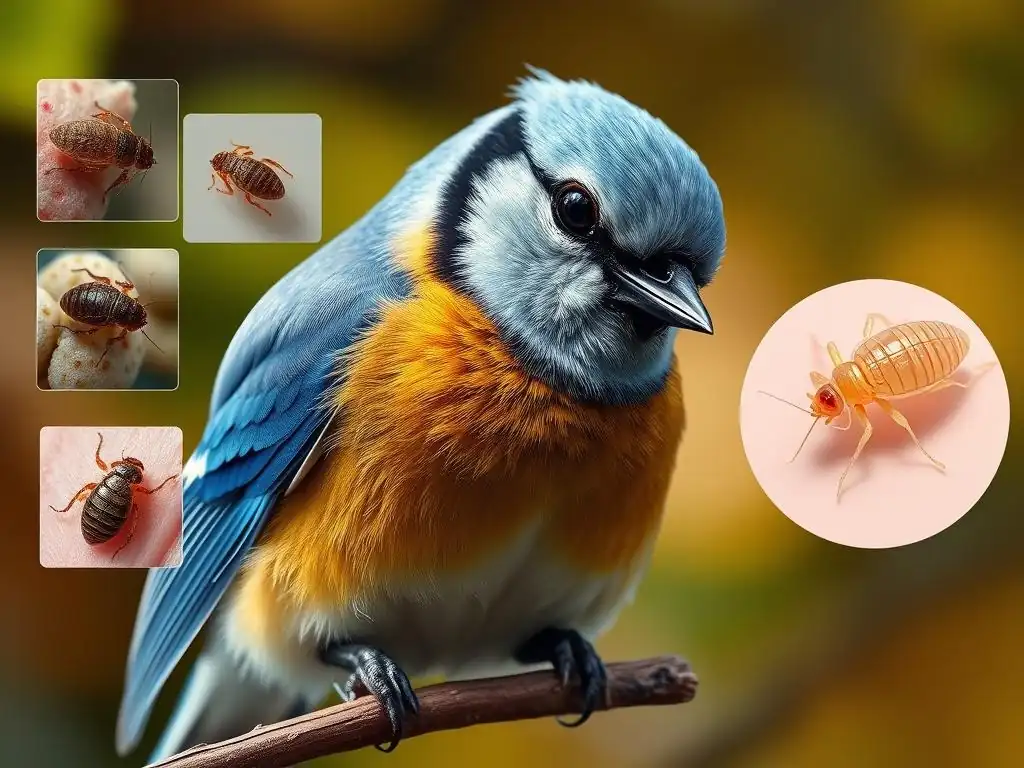
Welcome to PetCareWorld, your ultimate guide to a happier, healthier life for your beloved pets! Are you concerned about feathered friends? We delve into the crucial topic of Bird Parasite Treatment, offering an in-depth guide to identifying, treating, and preventing common infestations. Discover expert advice and practical solutions to ensure your avian companions thrive. Learn how to spot the warning signs and take proactive steps to safeguard their well-being – read on to unlock the secrets to successful parasite management!
- Understanding Common Bird Parasites: A Comprehensive Guide
-
Effective Bird Parasite Treatment Strategies
- Treating External Parasites: Medicated Baths and Topical Treatments
- Internal Parasite Treatment: Medications and Dosage for Birds
- Natural Remedies for Bird Parasites: Herbal Remedies and Homeopathic Options for Avian Parasites
- When to Seek Veterinary Care for Bird Parasite Infections: Emergency Situations and Critical Cases
- Preventing Bird Parasite Infestations: Proactive Measures
-
Advanced Bird Parasite Management Techniques
- Controlling Parasites in Aviaries: Large-Scale Management Strategies
- Specialized Treatments for Specific Bird Species: Species-Specific Considerations and Treatment Protocols
- Preventing Re-infestation: Long-Term Strategies for Parasite Control
- Understanding Parasite Life Cycles: Key to Effective Prevention
- Bird Parasite Treatment Guide: FAQs and Resources
- Frequently Asked Questions
- Final Reflection: Avian Companionship and the Responsibility of Care
- Unleash Your Bird's Full Potential: A Healthier, Happier Companion
Understanding Common Bird Parasites: A Comprehensive Guide
Bird ownership brings immense joy, but responsible care necessitates understanding and addressing potential health challenges. This comprehensive guide focuses on bird parasite management, equipping you with the knowledge to identify, treat, and prevent common infestations. Parasites in birds can range from easily manageable external infestations to more serious internal parasites requiring veterinary intervention. This guide serves as your essential resource for maintaining your feathered friend's health and well-being, acting as a crucial part of your overall bird parasite treatment guide.
We will explore various types of parasites, their symptoms, diagnostic methods, effective treatment options, and crucially, preventative measures to minimize the risk of infestation. Early detection and proactive management are key to ensuring the long-term health and happiness of your avian companion. Remember, while this guide provides valuable information, consulting an avian veterinarian is crucial for accurate diagnosis and tailored treatment plans, especially for severe cases.
Identifying Avian Mites: Symptoms and Diagnosis
Avian mites are tiny external parasites that can infest birds, causing significant discomfort and potential health problems. Several mite species can affect birds, each exhibiting slightly different symptoms. Common signs of a mite infestation include:
- Intense itching: Birds may constantly scratch, preen excessively, or rub against surfaces.
- Feather loss: Mites irritate the skin, leading to patchy feather loss, particularly around the head, neck, and vent area.
- Skin irritation: Examine your bird's skin for redness, inflammation, or scabbing.
- Restlessness and lethargy: Severe infestations can lead to weight loss, weakness, and decreased activity levels.
- Pale comb and wattles (in some species): This can indicate anemia, a potential complication of heavy mite infestations.
Diagnosis typically involves a thorough physical examination by an avian veterinarian. They might use a magnifying glass or microscope to identify mites directly on the bird's skin or feathers. In some cases, skin scrapings or fecal samples may be analyzed to confirm the presence and type of mite. Early detection is vital as untreated infestations can lead to secondary infections and significant health problems. Remember to carefully observe your bird's behavior and appearance regularly to detect any signs of parasitic infestation early. 🐦
Recognizing Lice Infestations in Birds: Visual Clues and Detection
Bird lice, like mites, are external parasites that feed on the bird's feathers, skin, and blood. They are usually species-specific, meaning that the lice found on one type of bird won't typically infest another. Common visual clues indicating a lice infestation include:
- Irritation and feather damage: Similar to mites, lice cause intense itching, leading to excessive preening and feather loss. Examine feathers for nits (lice eggs) which appear as small, white or grayish specks attached to the feather shafts.
- Weight loss and weakness: Heavy infestations can lead to significant blood loss, resulting in anemia, weight loss, and general weakness in the bird.
- Abnormal behavior: Birds may become restless, lethargic, or exhibit changes in their normal behavior patterns.
Detection of bird lice often involves careful examination of the bird's feathers under magnification. A veterinarian may collect feather samples to confirm the presence of lice and identify the specific species for targeted treatment. Regular cleaning of the bird's cage and surroundings is also crucial to prevent re-infestation. It's important to note that different types of bird lice require different treatment approaches, highlighting the importance of a professional veterinary diagnosis.
Identifying Internal Parasites: Recognizing Symptoms of Coccidiosis and Worms
Internal parasites, such as coccidia and various types of worms, can severely impact a bird's health. These parasites reside within the bird's digestive tract, causing a range of symptoms that can be subtle or severe, depending on the severity of the infestation and the bird's overall health.
- Coccidiosis: This is caused by microscopic parasites that infect the intestinal tract. Symptoms can include diarrhea (often bloody or watery), lethargy, weight loss, ruffled feathers, and dehydration. Severe cases can be fatal.
- Worms: Various types of worms can infest birds, including roundworms, tapeworms, and gapeworms. Symptoms can vary depending on the worm species and the intensity of the infestation, but often include weight loss, diarrhea, vomiting, and a pot-bellied appearance. In some cases, worms may be visible in the bird's droppings.
Diagnosis of internal parasites usually requires a fecal examination by an avian veterinarian. The vet will analyze a sample of the bird's droppings to identify the presence of parasite eggs or segments. Treatment usually involves administering specific medications prescribed by the veterinarian. Prevention involves maintaining a clean environment and providing a balanced diet to support the bird's immune system. Regular fecal checks are recommended, especially for young birds or those with compromised immune systems. Early intervention is crucial for successful treatment and preventing serious complications.
Diagnosing Bird Parasites: Veterinary Examination and Testing Options
Diagnosing bird parasites requires a multi-faceted approach, combining a thorough veterinary examination with various diagnostic tests. A simple visual inspection might reveal external parasites like mites or lice, but internal parasites require more sophisticated methods for accurate identification. The expertise of an avian veterinarian is crucial in this process, as they possess the knowledge and tools necessary to correctly identify the parasite and determine the appropriate treatment strategy.
A comprehensive veterinary examination will begin with a detailed history of your bird, including its diet, living environment, and any observed symptoms. The veterinarian will carefully examine your bird's feathers, skin, and droppings for any signs of infestation. They will look for visible parasites, assess the bird's overall condition, and note any behavioral changes indicative of parasitic infection. Weight loss, lethargy, feather plucking, and changes in droppings consistency are all potential indicators.
Several diagnostic tests may be employed to confirm the presence and type of parasites. These tests can vary depending on the suspected parasite and the bird's overall health. Microscopic examination of fecal samples is a common method for detecting internal parasites like intestinal worms and protozoa. This involves carefully examining a sample of the bird's droppings under a microscope to identify parasite eggs or larvae. The accuracy of this test depends on the timing and the quantity of parasites present. A negative result doesn't always rule out infestation, and multiple samples may be needed for confirmation.
In cases of suspected external parasites, skin scrapings might be performed. This involves gently scraping the bird's skin to collect skin flakes and any embedded parasites. These scrapings are then examined under a microscope to identify mites or lice. Blood tests can sometimes be useful to assess the bird's overall health and detect any signs of anemia, which may be caused by blood-sucking parasites.
More advanced techniques, such as PCR (Polymerase Chain Reaction) testing, may be necessary for identifying specific types of parasites, particularly in more complex cases. PCR offers high sensitivity and specificity, allowing for precise identification even when parasite numbers are low. However, it's a more specialized and expensive test, usually reserved for situations where other methods have yielded inconclusive results.
The veterinarian will carefully consider all available options and select the most appropriate tests based on the individual bird's circumstances and the suspected parasitic infection. Early diagnosis and appropriate treatment are key to ensuring the bird’s health and well-being. Remember, prompt veterinary care is crucial in managing bird parasites effectively.
Effective Bird Parasite Treatment Strategies
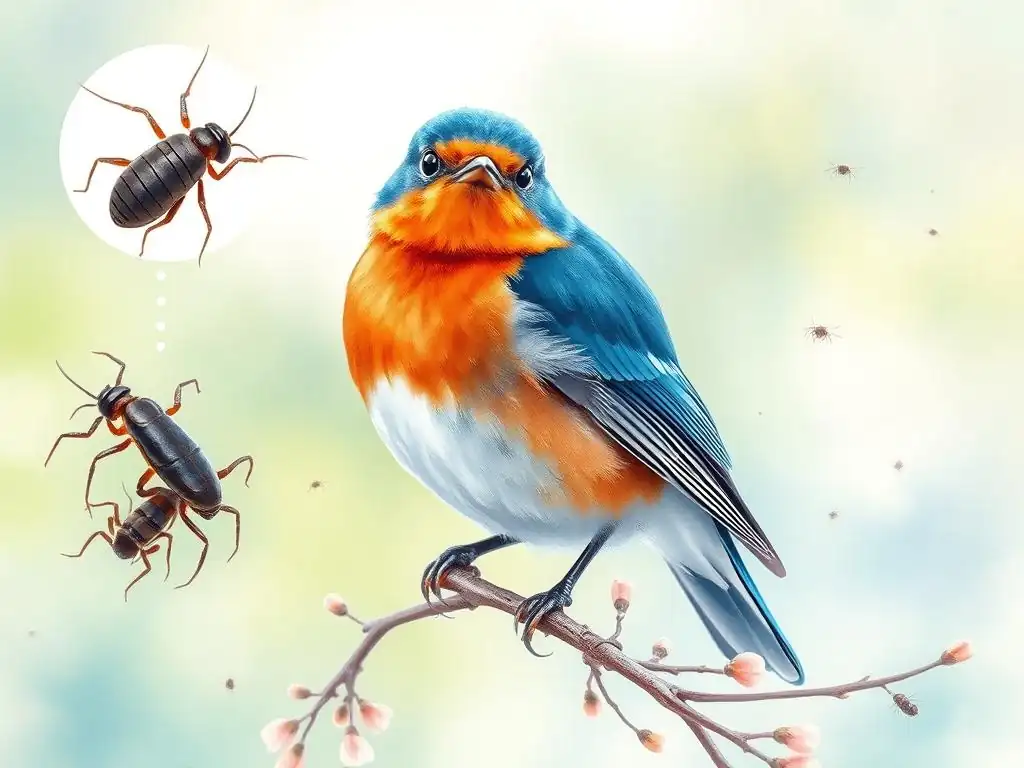
This section delves into effective strategies for treating bird parasites, focusing on practical approaches and considerations for different types of infestations. Remember, always consult an avian veterinarian before initiating any treatment plan, as incorrect treatment can worsen the situation and harm your bird. Early detection and prompt action are crucial for successful parasite management and maintaining your bird's overall health and well-being. This guide offers information to enhance your understanding of bird parasite treatment, but it should not replace professional veterinary advice.
Treating External Parasites: Medicated Baths and Topical Treatments
External parasites like mites and lice are common in birds. Treatment typically involves medicated baths and topical applications. The specific medication and application method will depend on the type of parasite and your bird's species and overall health. For example, a diluted solution of ivermectin (always following veterinary instructions precisely) can be used for mite infestations. The application should be carefully controlled to avoid getting the solution in the bird's eyes or beak.
Several factors influence the effectiveness of treatment:
- Frequency: Multiple treatments may be necessary, spaced according to veterinary guidance, to ensure complete eradication of the parasites and their eggs. This might involve weekly baths for several weeks.
- Thoroughness: Ensure the entire bird's plumage is thoroughly wetted during the bath. Pay particular attention to areas where parasites tend to congregate.
- Cage Hygiene: Simultaneously, rigorous cage cleaning is essential. Thoroughly disinfect the cage, perches, and toys to prevent re-infestation. This might involve discarding some items and replacing them with new, clean ones.
- Monitoring: Closely monitor your bird's condition after treatment. Observe for any signs of improvement or adverse reactions to the medication. Report any concerns immediately to your veterinarian.
Topical treatments might involve specialized sprays or ointments, again, only as prescribed by an avian veterinarian. Improper use of these products can be toxic to your bird. Remember, never use products intended for mammals on birds. The dosages and formulations are vastly different and can be lethal.
Internal Parasite Treatment: Medications and Dosage for Birds
Internal parasites, such as worms and coccidia, require different treatment strategies. These parasites reside within the bird's digestive tract and can cause significant health problems if left untreated. Diagnosis usually involves fecal examination by a veterinarian. Treatment often involves administering medications specifically formulated for avian species. The veterinarian will determine the appropriate medication (e.g., fenbendazole, praziquantel) and dosage based on the type of parasite, the bird's species, size, and overall health.
The following table illustrates example medications ( Note: This is for illustrative purposes only. Do not use this information to self-medicate your bird. Always consult a veterinarian).
| Parasite Type | Example Medication | Dosage (Consult Veterinarian) | Administration Method |
|---|---|---|---|
| Roundworms | Fenbendazole | Varies by bird species and weight | Oral medication |
| Tapeworms | Praziquantel | Varies by bird species and weight | Oral medication |
| Coccidia | Sulfadimethoxine | Varies by bird species and weight | Oral medication |
Accurate dosage is critical. Underdosing may not eliminate the parasites, while overdosing can be toxic. Careful adherence to the veterinarian's instructions is paramount. Follow-up fecal examinations are often necessary to confirm the effectiveness of the treatment.
Natural Remedies for Bird Parasites: Herbal Remedies and Homeopathic Options for Avian Parasites
While some pet owners explore natural remedies for bird parasites, it's crucial to understand that the effectiveness of these methods is often not scientifically proven and may not be sufficient to eliminate a severe infestation. Always consult an avian veterinarian before using any alternative treatment, especially if your bird shows significant signs of illness. Never rely solely on natural remedies for a serious parasite infestation. They should be considered as supplementary treatments at most, under veterinary supervision.
Some proponents suggest using certain herbs, such as neem oil (diluted appropriately! ), for external parasite control. However, the application must be extremely cautious to avoid inhalation or ingestion. Homeopathic options exist, but their efficacy in treating avian parasites requires more robust scientific research. The use of these remedies should only be considered in consultation with a holistic veterinarian experienced in avian care. Remember, a holistic approach doesn't replace proper veterinary care; it complements it. 🐦
It's essential to prioritize a preventative approach to parasite management. Maintaining a clean cage, providing a balanced diet, and ensuring a stress-free environment for your bird significantly reduces the risk of infestation. Regular veterinary check-ups are also vital for early detection and prompt treatment, improving your bird's chances of a full recovery.
When to Seek Veterinary Care for Bird Parasite Infections: Emergency Situations and Critical Cases
Recognizing when a bird's parasite infestation requires immediate veterinary attention is crucial for its survival. While many mild infestations can be managed at home with appropriate preventative measures and treatments, certain situations demand professional veterinary care. Delaying treatment in these critical cases can lead to serious complications, even death.
Several factors indicate the need for urgent veterinary intervention. Severe weight loss, despite adequate food and water intake, is a major red flag. This suggests the parasites are significantly impacting the bird's ability to absorb nutrients, leading to malnutrition and weakening of the immune system. The bird may appear lethargic, exhibiting reduced activity levels and a loss of interest in its usual activities, such as preening or interacting with its environment. These behavioral changes are often indicative of a serious underlying health problem, possibly exacerbated by a severe parasite infection.
Furthermore, visible signs of distress, such as labored breathing, ruffled feathers, and excessive sneezing or coughing, necessitate immediate veterinary examination. These symptoms could point to respiratory complications secondary to a parasite infestation. Similarly, the presence of blood in the droppings or any visible wounds or lesions on the bird's skin should prompt immediate action. These signs strongly suggest a severe infection that may require aggressive treatment to prevent further damage and potentially life-threatening complications.
Another critical indicator requiring immediate veterinary attention is a sudden and dramatic decline in the bird's overall health. This might manifest as a rapid drop in body temperature, increased thirst, or a change in the consistency and color of droppings. These sudden changes signal a potentially life-threatening situation requiring prompt professional intervention.
It's important to remember that even seemingly minor symptoms can rapidly escalate in birds, making early intervention vital. Therefore, it is always better to err on the side of caution and seek veterinary advice if you have any concerns about your bird's health, particularly concerning parasite infestations. Early diagnosis and treatment significantly improve the bird's chances of a full recovery.
Don't hesitate to contact an avian veterinarian if you suspect a serious parasite infection in your feathered friend. Their expertise is invaluable in ensuring the best possible outcome. Remember, proactive care and prompt veterinary intervention are key to effective bird parasite treatment and preventing long-term health complications.
Preventing Bird Parasite Infestations: Proactive Measures
Preventing bird parasite infestations is far more effective and less stressful than dealing with an outbreak. A proactive approach to bird health significantly reduces the risk of your feathered friend suffering from these unwelcome guests. This involves a multi-pronged strategy focusing on hygiene, nutrition, and quarantine procedures. Implementing these preventative measures can save you considerable time, money, and emotional distress in the long run. Think of it as an investment in your bird's well-being and a crucial component of responsible bird ownership. This section will delve into the specifics of these crucial preventative strategies.
Maintaining a Clean Bird Cage: Hygiene Practices for Parasite Prevention
Maintaining impeccable hygiene within your bird's cage is paramount in preventing parasite infestations. Regular and thorough cleaning is not merely about aesthetics; it's a crucial line of defense against mites, lice, and other parasites. This involves a dedicated cleaning schedule, utilizing appropriate cleaning agents, and paying attention to detail.
- Frequency: Aim for a complete cage cleaning at least once a week. This includes removing all perches, toys, food and water dishes. For heavily soiled cages, more frequent cleaning might be necessary.
- Cleaning Agents: Avoid harsh chemicals that could be toxic to your bird. Opt for pet-safe disinfectants specifically designed for bird cages. A solution of warm water and mild soap is often sufficient for daily spot cleaning.
- Drying: Thoroughly dry all cage components before returning them to the cage. Dampness creates a breeding ground for bacteria and parasites.
- Substrate: Regularly change the cage’s substrate (e.g., paper bedding, wood shavings). Choose substrates that are easily cleaned and replaced.
- Toys: Regularly clean or replace toys. Many toys can harbor parasites or bacteria.
- Perches: Clean and disinfect perches regularly. Consider rotating perches to allow for thorough cleaning.
Failure to maintain a clean environment significantly increases the risk of infestation. Regular, diligent cleaning is a cornerstone of preventative parasite management. Think of it as building a fortress of cleanliness against potential invaders! 🐦🧼
Proper Bird Diet and Nutrition: Impact on Parasite Resistance
A bird's diet plays a surprisingly significant role in its resistance to parasites. Just as a healthy human immune system is better equipped to fight off illness, a bird nourished with a balanced diet is better prepared to defend against parasitic infestations. Providing your bird with a high-quality, diverse diet is a powerful preventative measure.
- Nutrient-Rich Foods: A diet rich in fruits, vegetables, and high-quality birdseed provides essential vitamins and minerals that support a robust immune system. Avoid processed foods and sugary treats, which can weaken their immune response.
- Variety: Offer a wide variety of foods to ensure your bird receives a complete spectrum of nutrients. Monotonous diets can lead to nutritional deficiencies, making your bird more susceptible to parasites.
- Fresh Water: Always provide fresh, clean water. Contaminated water can be a source of parasites and bacteria.
- Supplements: In some cases, your avian veterinarian may recommend specific supplements to bolster your bird’s immune system. Consult your vet before adding any supplements to your bird's diet.
A well-nourished bird is a healthier bird, less vulnerable to parasitic attacks. Investing in high-quality bird food is an investment in your bird's overall health and resilience.
Quarantine New Birds: Preventing the Spread of Parasites
Introducing a new bird to your existing flock without proper quarantine is a major risk factor for parasite transmission. Even if the new bird appears healthy, it could be carrying parasites that are undetectable without thorough veterinary examination. Quarantine is a crucial step in protecting your existing birds from potential infestations.
- Duration: A minimum quarantine period of 30 days is recommended. This allows sufficient time to observe the new bird for any signs of illness or parasites.
- Separate Housing: The new bird should be housed in a completely separate cage, away from your other birds. Avoid any contact between the new bird and your existing flock during this period.
- Veterinary Examination: Schedule a veterinary examination for the new bird during the quarantine period. This will help detect any potential parasites or other health issues early on.
- Observation: Carefully monitor the new bird for any signs of illness, unusual behavior, or parasite symptoms during quarantine.
Quarantine is not just a precaution; it's a vital step in responsible bird ownership. It protects your existing birds and prevents the potential spread of disease and parasites. The seemingly small inconvenience of quarantine is significantly outweighed by the potential health risks of neglecting this essential step.
Regular Veterinary Checkups: Early Detection and Prevention
Regular veterinary checkups are paramount in preventing bird parasite infestations. Avian veterinarians possess the expertise to detect even minor infestations early on, before they escalate into significant health problems. During these checkups, your avian specialist will conduct a thorough physical examination, carefully observing your bird's plumage, skin, and droppings for any signs of parasites. This proactive approach is crucial because many infestations begin subtly, with minimal visible symptoms.
Early detection allows for prompt treatment, minimizing the risk of severe complications and improving the chances of a full recovery. Think of it as preventative maintenance for your feathered friend; just as regular car maintenance prevents major breakdowns, routine vet visits prevent major health crises in your bird. The cost of early detection and treatment is significantly less than the potential expense of treating a full-blown infestation. Furthermore, many veterinarians offer preventative parasite treatments as part of a comprehensive wellness plan, further reducing the risk of infestation.
These treatments often involve medications or topical applications designed to repel or kill common avian parasites. Don't underestimate the value of these routine visits; they are an essential investment in your bird's long-term health and well-being. Scheduling regular checkups, ideally every six months or annually depending on your bird's age and health status, is a cornerstone of effective bird parasite prevention. Remember, prevention is always better, and often cheaper, than cure when it comes to bird health.
Advanced Bird Parasite Management Techniques
This section delves into sophisticated strategies for managing bird parasites, moving beyond basic treatments to encompass preventative measures and species-specific approaches. Effective parasite control requires a multi-pronged approach, combining diligent hygiene practices with targeted treatments. Ignoring even seemingly minor infestations can lead to significant health problems for your feathered friends, impacting their quality of life and potentially leading to mortality. This guide provides advanced techniques to ensure the long-term health and well-being of your birds.
Controlling Parasites in Aviaries: Large-Scale Management Strategies
Managing parasites in aviaries presents unique challenges. The close proximity of multiple birds increases the risk of rapid infestation spread. Effective control necessitates a comprehensive, proactive strategy. Simply treating individual birds is insufficient; a holistic approach targeting the entire aviary environment is crucial.
This involves several key steps:
- Regular Cleaning and Disinfection: Thorough cleaning of cages, perches, feeders, and water containers is paramount. Use appropriate disinfectants specifically designed for avian environments, ensuring complete rinsing to remove all traces of the cleaning solution. Frequency should be determined by the size of the aviary and the number of birds, but daily spot cleaning and weekly deep cleaning is a good starting point. Pay close attention to crevices and hard-to-reach areas where parasites may hide.
- Quarantine Procedures: New birds should always be quarantined for at least 30 days before introduction to the main aviary. This allows time to observe for any signs of parasite infestation and to administer preventative treatments if necessary. This quarantine period is a crucial step in preventing the spread of parasites within your existing flock.
- Environmental Control: Maintaining optimal aviary conditions is vital. Good ventilation helps to reduce humidity, which can encourage parasite growth. Regularly inspect the aviary for any signs of dampness or mold, addressing these promptly. Proper lighting and temperature regulation also play a role in creating an environment less conducive to parasites.
- Monitoring Bird Health: Regularly monitoring your birds' health is crucial for early detection of infestations. Look for signs of feather picking, weight loss, lethargy, changes in droppings, and respiratory distress. Early detection allows for prompt treatment, minimizing the severity of the infestation and the risk of spreading to other birds. Consider regular fecal examinations by an avian veterinarian.
- Integrated Pest Management (IPM): An IPM approach combines preventative measures with targeted treatments only when necessary. This minimizes the use of harsh chemicals, reducing the risk of harm to your birds and the environment. IPM focuses on identifying and eliminating the root causes of infestations rather than simply treating the symptoms.
Specialized Treatments for Specific Bird Species: Species-Specific Considerations and Treatment Protocols
Bird species vary significantly in their susceptibility to different parasites and their response to various treatments. A treatment effective for one species might be ineffective or even harmful for another. Therefore, species-specific considerations are crucial when choosing and administering parasite treatments.
For example:
| Bird Species | Common Parasites | Treatment Considerations |
|---|---|---|
| Cockatiels | Mites, lice, feather-destroying mites | Topical treatments may be effective; consult an avian vet. |
| Canaries | Lice, mites | Regular cage cleaning and specialized avian shampoos may be needed. |
| Parrots (various) | Various internal and external parasites | Treatments must be tailored to the specific parasite and species. |
| Finches (various) | Lice, mites, intestinal parasites | Careful observation and prompt veterinary intervention are crucial. |
This table only provides a general overview. Always consult with an avian veterinarian to determine the appropriate treatment protocol for your specific bird species and the identified parasite. Improper treatment can be harmful or even fatal. Never self-medicate your birds; seek professional guidance.
Preventing Re-infestation: Long-Term Strategies for Parasite Control
Preventing re-infestation is just as important as treating existing infestations. A proactive approach minimizes the risk of future outbreaks and protects the health of your birds. Long-term strategies include:
- Consistent Hygiene: Maintaining a rigorous cleaning schedule is fundamental. This includes regular disinfection of all surfaces and equipment within the aviary.
- Quarantine New Birds: Always quarantine new birds to prevent the introduction of parasites.
- Regular Veterinary Checkups: Regular checkups allow for early detection of potential problems. Fecal examinations can detect internal parasites before they cause significant health issues.
- Environmental Monitoring: Regularly inspect the aviary for signs of parasite activity, such as unusual droppings or feather damage.
- Pest Control Professionals: In cases of persistent or severe infestations, consider consulting with a pest control professional experienced in avian environments. They can provide expert advice and targeted treatments to eliminate the infestation completely.
By implementing these advanced techniques and maintaining a proactive approach, you can significantly reduce the risk of bird parasite infestations and ensure the long-term health and happiness of your avian companions. Remember that prevention is always better than cure when it comes to parasite control. A healthy bird is a happy bird! 🐦
Understanding Parasite Life Cycles: Key to Effective Prevention
Understanding the life cycle of common bird parasites is paramount to effective prevention and treatment. Many parasites have complex life cycles involving multiple stages and hosts. Knowing these stages allows for targeted interventions that disrupt the cycle and prevent re-infestation.
For example, mites, a common avian parasite, typically have a life cycle involving eggs, larvae, nymphs, and adult mites. Understanding this progression allows for the identification of the parasite at various stages of its development, informing the choice of treatment and preventative measures. Adult mites, for instance, are more easily visible and can be targeted with topical treatments, while eggs may require different approaches.
Effective prevention hinges on breaking the cycle at one or more of these points. This might involve regular cleaning and disinfection of the bird's cage and environment to eliminate eggs and larvae. It also means addressing potential sources of infestation, such as other infected birds or contaminated materials.
For example, if a bird's cage is consistently placed near other birds' cages, the risk of mite transmission increases significantly. Regularly inspecting the bird's cage and the bird itself for signs of infestation is crucial. Early detection allows for prompt treatment, reducing the severity of the infestation and minimizing the impact on the bird's health.
Different parasites have varying life cycles and environmental sensitivities. For example, some parasites may thrive in humid environments, while others prefer dry conditions. This knowledge influences the type of preventative measures implemented.
A bird kept in a humid environment might be more susceptible to certain types of mites, requiring more frequent cleaning and disinfection to control the environment's humidity and prevent parasitic growth. Conversely, a bird kept in a dry environment might be more susceptible to other types of parasites, necessitating different preventative strategies. Understanding these nuances allows for the development of a tailored parasite prevention plan specific to the bird's environment and the prevalent parasites in the region.
This proactive approach is far more effective than simply reacting to an infestation after it has occurred. Regular veterinary check-ups are also essential, allowing for early detection of parasitic infections and the implementation of appropriate treatment before the infestation becomes severe. The veterinarian can provide tailored advice based on the specific bird species, its environment, and the prevalent parasitic threats in the area.
Bird Parasite Treatment Guide: FAQs and Resources
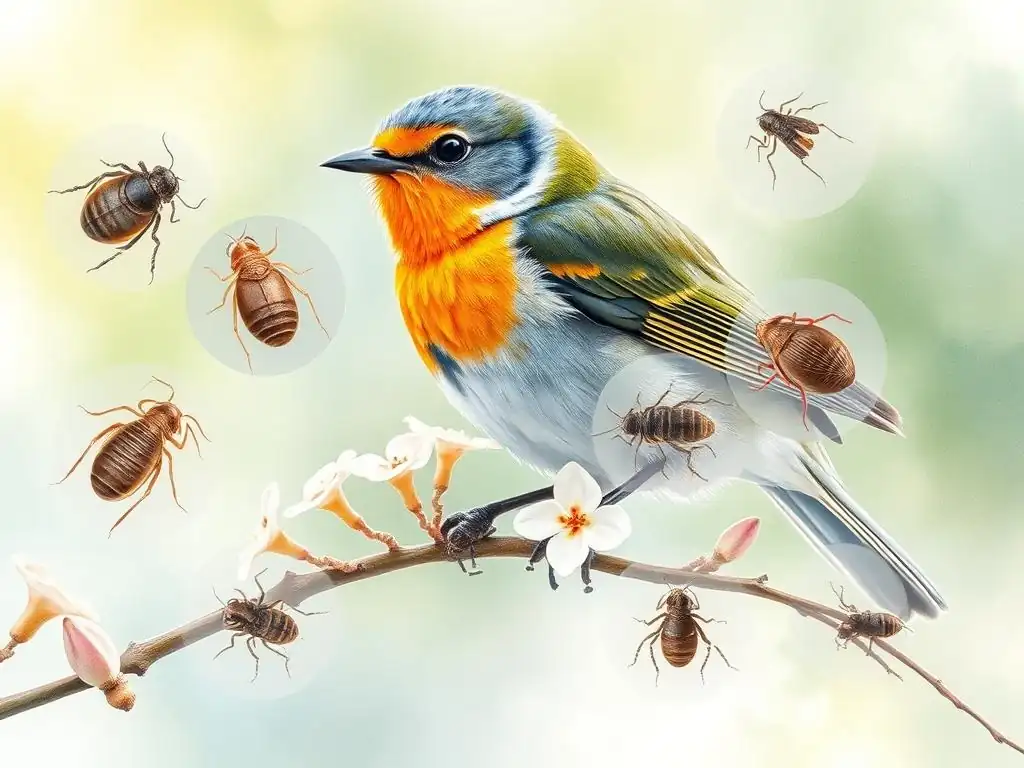
This section addresses frequently asked questions concerning bird parasite treatment and provides valuable resources to aid bird owners in managing these infestations effectively. Understanding parasite infestations is crucial for ensuring the health and well-being of your feathered friend. A proactive approach, combined with readily available resources, can make a significant difference in preventing and treating these common issues.
Frequently Asked Questions Regarding Bird Parasite Treatment
This section tackles some of the most common questions pet owners have regarding bird parasite treatment. Remember, always consult an avian veterinarian for a proper diagnosis and treatment plan tailored to your bird's specific needs and species.
- Q: My bird is constantly preening and scratching. Could it be a parasite?:
A: Excessive preening and scratching are common signs of a potential parasite infestation. Other symptoms include feather loss, skin irritation, weight loss, and lethargy. However, these symptoms can also indicate other health problems, so a veterinary examination is crucial for accurate diagnosis. Don't self-diagnose; a professional assessment is vital.
- Q: What are the common types of parasites affecting birds?:
A: Birds can be affected by various parasites, including:
* **Mites:**  These tiny arachnids are a common culprit, causing intense itching and skin irritation.  Different mite species target specific areas of the bird's body.
* **Lice:**  Similar to mites, lice are wingless insects that feed on feathers and skin.  They can lead to feather damage and discomfort.
* **Internal parasites:** These include various worms and protozoa that can cause digestive issues, weight loss, and other health complications.  These are often less visible than external parasites.
* **Fleas:** While less common in birds than mammals, fleas can still infest birds, causing irritation and potential blood loss.
- Q: How is a bird parasite infestation diagnosed?:
A: An avian veterinarian will typically perform a thorough physical examination, looking for visible signs of parasites. They may also collect feather samples or fecal samples for microscopic analysis to identify the specific parasite and determine the extent of the infestation. This detailed assessment is key to effective treatment.
- Q: What are the treatment options for bird parasites?:
A: Treatment varies depending on the type and severity of the infestation. Options may include topical medications (creams, sprays), oral medications, or environmental treatments to eliminate parasites from the cage and surroundings. Your vet will guide you on the best course of action. Never attempt treatment without professional guidance; incorrect treatment can harm your bird.
- Q: How can I prevent parasite infestations in my bird?:
A: Prevention is key! Regular cage cleaning, providing a clean and dry environment, and avoiding contact with other potentially infested birds are crucial preventative measures. Regular veterinary check-ups are also recommended for early detection and treatment of any potential issues.
Recommended Resources for Bird Owners: Books, Websites, and Veterinary Professionals
Finding reliable information is crucial for responsible bird ownership. Below are some resources to help you navigate bird parasite management effectively. Remember, this is not an exhaustive list, and further research might be beneficial depending on your specific needs.
| Resource Type | Example | Description |
|---|---|---|
| Books | [Book Title Pending] | Comprehensive guides focusing on avian health and disease, including parasite management. Look for books specifically written by avian veterinarians or experienced bird specialists. |
| Websites | [Website Placeholder] | Reputable online resources offering information on bird care, health, and disease management. Look for websites affiliated with veterinary organizations or avian experts. |
| Veterinary Professionals | Your local Avian Veterinarian | The most reliable resource for diagnosis and treatment. Avian veterinarians possess specialized knowledge in bird health and can provide personalized care for your pet. |
Remember, seeking professional veterinary care is paramount. While this guide provides information, it should not replace the advice of a qualified avian veterinarian. Early detection and prompt treatment are crucial for ensuring your bird's health and well-being. Always prioritize professional guidance for the best possible outcome.
Frequently Asked Questions
What are the most common bird parasites?
Bird parasites include mites, lice, fleas, and internal parasites like worms. Identifying the specific parasite is crucial for effective treatment. Consult your avian veterinarian for diagnosis.
How can I identify if my bird has parasites?
Signs of bird parasites include feather loss, itching, weight loss, diarrhea, and lethargy. Visible parasites may also be present on the bird's feathers or skin. A vet visit is recommended for confirmation.
What are the treatment options for bird parasites?
Treatment varies depending on the type of parasite. Options include medicated baths, topical treatments, and oral medications. Always consult an avian veterinarian before administering any treatment.
How can I prevent bird parasites?
Regular cleaning of the bird's cage and environment is crucial. Providing good nutrition and hygiene for your bird also helps prevent infestations. Quarantine new birds before introducing them to existing ones.
Where can I find more information on bird parasite treatment?
PetCareWorld offers a comprehensive guide on bird parasite management, covering identification, treatment, and prevention. You can also consult with a licensed avian veterinarian for personalized advice and treatment plans.
Final Reflection: Avian Companionship and the Responsibility of Care
The health of our feathered friends is inextricably linked to our own well-being, and understanding the complexities of bird parasite management is crucial for ensuring their longevity and happiness. Ignoring the subtle signs of infestation can lead to serious health complications, highlighting the urgent need for proactive and informed care. This is not merely about treating illness; it's about fostering a responsible and compassionate relationship with our avian companions.
The impact of avian parasites extends far beyond the individual bird; it touches upon the delicate balance of ecosystems and the ethical considerations of animal ownership. Understanding the lifecycle of these parasites and implementing preventative measures is not just a matter of convenience, but a moral imperative. As we strive to provide the best possible care, we must remember the words of Henry David Thoreau: Nature is slow method. It takes its time.
This patience and dedication are essential when dealing with the often-complex world of bird parasite treatment. We must learn to observe, understand, and act with both speed and careful consideration.
You, the reader, now hold the knowledge to make a real difference in the lives of your birds. Take the time to review the information presented, to observe your feathered friends closely, and to implement the preventative measures outlined. Remember, early detection and proactive care are the cornerstones of successful parasite management. By embracing this responsibility, you are not only ensuring the health of your birds, but also deepening your connection with them and contributing to a more compassionate world for all creatures, great and small.
Unleash Your Bird's Full Potential: A Healthier, Happier Companion
Thank you for learning about bird parasite management! You've gained valuable knowledge to keep your feathered friend healthy and thriving. Ready to put this knowledge into action?
- Prioritize a thorough checkup: Schedule a visit with your avian veterinarian for a comprehensive health assessment and parasite screening. This is crucial for your bird's well-being.
- Improve your bird's environment: Thoroughly clean your bird's cage and surrounding areas, paying close attention to detail to prevent future infestations. Consider adding natural pest deterrents, such as certain plants or essential oils (always research which options are safe for birds).
- Share your insights: Discuss what you've learned with other bird owners – join online bird-owner communities and share your experiences, successes, and questions.
What preventative measure will you take first to protect your bird's health?