
Senior Pet Mobility: Improving Quality of Life Through Pain Management


Welcome to PetCareWorld, your ultimate guide to a happier, healthier life for your beloved companion! Are you concerned about your senior dog's mobility and experiencing the heartbreaking effects of age-related pain? Discover effective strategies and expert insights on Senior Dog Mobility Pain Relief within our comprehensive Pet Health & Nutrition section. Learn how to ease their discomfort and improve their quality of life – your journey to a more comfortable future for your furry friend starts here.
- Understanding Senior Dog Mobility and Pain Relief
- Diagnosing Senior Pet Mobility Problems
- Senior Dog Mobility Pain Relief: Treatment Options
- Managing Senior Pet Mobility at Home
- Nutritional Considerations for Senior Pets with Mobility Issues
- When to Seek Emergency Veterinary Care for Senior Pet Pain
- Improving the Quality of Life for Senior Pets with Mobility Issues
- Long-Term Management of Senior Dog Mobility and Pain
-
Frequently Asked Questions
- What are common signs of mobility problems in senior dogs?
- How can I help manage my senior dog's pain related to mobility?
- What are some dietary changes that can help a senior dog with mobility issues?
- Are there any exercises suitable for senior dogs with mobility problems?
- When should I seek professional veterinary help for my senior dog's mobility problems?
- Final Reflection: A Legacy of Comfort: Easing the Golden Years for Our Senior Companions
- Rediscover Joyful Movement with Your Senior Pet
Understanding Senior Dog Mobility and Pain Relief
As our beloved canine companions age, their mobility often declines, leading to discomfort and reduced quality of life. This comprehensive guide focuses on senior dog mobility and pain relief, equipping you with the knowledge to recognize the signs of discomfort, understand the underlying causes, and implement effective strategies for pain management. We'll explore how early intervention can significantly improve your senior dog's comfort and overall well-being, helping them enjoy their golden years to the fullest.
This article specifically addresses the challenges of maintaining mobility in senior dogs and offers practical advice for pain relief, directly addressing the needs of pet owners searching for solutions related to "senior dog mobility pain relief". We will delve into the various aspects of managing pain and improving mobility in older dogs, providing you with a wealth of information to help your furry friend thrive.
Recognizing Signs of Pain and Mobility Issues in Senior Dogs
Recognizing the subtle signs of pain and mobility issues in senior dogs is crucial for timely intervention. These signs aren't always obvious, and often require a keen eye and understanding of your dog's normal behavior. Changes, however small, can be significant indicators. Some common signs include:
- Changes in gait: Limping, stiffness, difficulty climbing stairs or jumping, or a hesitant walk. Observe if your dog is favoring one leg or exhibiting a slower, more labored gait than usual.
- Lethargy and reduced activity: A significant decrease in energy levels and playtime participation can indicate underlying pain. Your once energetic dog may now prefer to rest more frequently.
- Vocalization: Whining, whimpering, or yelping, especially when touched or moved, suggests discomfort. Pay close attention to any unusual vocalizations, particularly after exercise or rest.
- Changes in sleeping habits: Increased sleeping or difficulty settling down comfortably could indicate pain. Observe if your dog is sleeping more than usual or seems restless even while asleep.
- Changes in appetite or elimination: A decrease in appetite or changes in bowel or bladder habits can also be linked to pain and discomfort. Monitor your dog’s eating habits and bathroom routines closely.
- Aggression or irritability: Increased aggression or irritability, especially when touched in certain areas, may be a sign that your dog is experiencing pain.
Remember, each dog is an individual. What might be a subtle change for one dog could be a significant indicator for another. Keeping a detailed record of your dog's behavior, noting any changes from their normal routine, is essential for effective communication with your veterinarian. Early detection is key to successful pain management.
Common Causes of Mobility Problems in Aging Pets
Several factors contribute to mobility problems in aging pets. These issues often intertwine, making it crucial to address them holistically. Some of the most common causes include:
- Osteoarthritis (OA): This degenerative joint disease is prevalent in senior dogs, causing cartilage breakdown and inflammation within the joints. This leads to pain, stiffness, and reduced range of motion. OA is often a progressive condition, meaning it worsens over time.
- Hip dysplasia: This inherited condition affects the hip joints, causing instability and pain. While often diagnosed earlier in life, its effects become more pronounced in senior dogs.
- Spondylosis: This degenerative condition affects the spine, causing bone spurs to form and potentially compressing nerves. This can lead to back pain, stiffness, and difficulty moving.
- Intervertebral disc disease (IVDD): This condition affects the discs between the vertebrae in the spine, causing pain, weakness, and potentially paralysis. While more common in certain breeds, it can occur in any dog.
- Muscle atrophy: As dogs age, their muscles can lose mass and strength, contributing to weakness and impaired mobility. This can be exacerbated by reduced activity due to pain.
The Importance of Early Intervention for Senior Dog Pain Management
Early intervention is paramount in managing pain and preserving mobility in senior dogs. The sooner pain is addressed, the better the chances of slowing disease progression, preventing further damage, and improving your dog's quality of life. Delaying treatment can lead to increased pain, further mobility limitations, and potentially irreversible damage.
Delaying treatment can lead to a vicious cycle: pain reduces activity, which leads to muscle atrophy and further joint deterioration, resulting in increased pain and reduced mobility. Early intervention breaks this cycle by addressing pain, maintaining muscle strength, and slowing the progression of degenerative conditions. This proactive approach allows your senior dog to maintain a better quality of life for longer. Working closely with your veterinarian to develop a comprehensive pain management plan is essential for providing your senior dog with the best possible care.
Diagnosing Senior Pet Mobility Problems

This section focuses on the crucial first step in managing senior pet mobility issues: accurate diagnosis. Understanding the root cause of your senior dog's mobility problems is paramount to effective pain relief and improving their quality of life. Ignoring subtle signs can lead to further deterioration and unnecessary suffering. This process involves a combination of careful observation, detailed veterinary examination, and potentially, advanced diagnostic tests. Early and accurate diagnosis of senior dog mobility pain is key to successful pain management strategies.
Veterinary Examination and Diagnostic Tests for Senior Pet Pain
A comprehensive veterinary examination is the cornerstone of diagnosing mobility problems in senior dogs. Your veterinarian will perform a thorough physical assessment, paying close attention to your dog's gait, posture, range of motion, and any signs of discomfort or pain. They will palpate joints and muscles, checking for swelling, stiffness, or crepitus (a crackling sound indicating joint damage).
Beyond the physical exam, several diagnostic tests may be necessary to pinpoint the underlying cause of your senior dog's mobility issues. These can include:
- X-rays: These are commonly used to visualize bones and joints, identifying conditions such as osteoarthritis, fractures, or bone spurs. X-rays can show the extent of joint damage and guide treatment decisions.
- Blood tests: Blood work can help rule out underlying medical conditions that may be contributing to pain and mobility problems, such as infections, kidney disease, or hypothyroidism. These tests provide a broader picture of your dog's overall health.
- Ultrasound: Ultrasound imaging provides detailed images of soft tissues, allowing veterinarians to assess muscle and ligament damage, identify fluid accumulation in joints, and evaluate the condition of internal organs.
- Advanced imaging (MRI/CT scans): In more complex cases, advanced imaging techniques like MRI (magnetic resonance imaging) and CT (computed tomography) scans can provide even more detailed images of the bones, joints, and soft tissues. These are typically reserved for cases where other tests are inconclusive.
The choice of diagnostic tests will depend on your dog's specific symptoms, breed, age, and overall health. Your veterinarian will discuss the most appropriate tests to ensure a comprehensive and accurate diagnosis. Remember, proactive veterinary care is essential for managing senior dog mobility pain relief effectively.
Identifying Underlying Conditions Contributing to Mobility Issues
Several conditions can contribute to mobility problems in senior dogs. Recognizing these underlying factors is critical for effective treatment. Some common causes include:
- Osteoarthritis (OA): This degenerative joint disease is extremely prevalent in older dogs, characterized by the breakdown of cartilage leading to pain, stiffness, and decreased mobility. OA is often diagnosed through a combination of physical examination and radiographic imaging.
- Hip Dysplasia: This inherited condition affects the hip joints, causing instability and pain. It's more common in certain breeds and can manifest as lameness, difficulty rising, and reluctance to jump or climb stairs.
- Spinal Stenosis: Narrowing of the spinal canal can compress the spinal cord, causing pain, weakness, and neurological deficits. This condition often affects older dogs and can lead to significant mobility issues.
- Ligament Injuries: Tears or damage to ligaments in the knees or other joints can result in instability and pain. These injuries can occur gradually due to age-related wear and tear or through sudden trauma.
- Muscle Atrophy: Age-related muscle loss can weaken the supporting structures around joints, contributing to instability and increased risk of injury. This can also lead to reduced endurance and increased fatigue.
Understanding the specific underlying condition allows for targeted treatment and pain management strategies. For example, managing osteoarthritis requires a different approach than treating a spinal injury. A detailed diagnosis empowers you and your veterinarian to create the most effective pain relief plan.
Assessing Pain Levels in Senior Dogs: Pain Scales and Observation
Accurately assessing pain levels in senior dogs is crucial, but challenging, as they can't verbally communicate their discomfort. Veterinarians and pet owners rely on a combination of behavioral observations and pain scales to gauge the severity of pain.
Several pain scales exist, such as the Glasgow Composite Measure Pain Scale (GCMPS) and the University of California, Davis, Canine Pain Scale. These scales consider various behavioral indicators, including:
- Changes in activity level: Decreased activity, reluctance to exercise, and difficulty playing are common signs of pain.
- Changes in gait: Limping, stiffness, and difficulty rising or walking are significant indicators.
- Vocalizations: Whining, whimpering, or yelping, especially during movement, can suggest pain.
- Changes in posture: Hunching, stiffness, and reluctance to be touched in certain areas may indicate pain.
- Changes in appetite and sleep: Decreased appetite, weight loss, and disturbed sleep patterns can also be associated with pain.
| Behavior | Pain Level (Example using a 0-4 scale) |
|---|---|
| Normal activity, playful | 0 |
| Mild stiffness, slight limp | 1 |
| Moderate limp, decreased activity | 2 |
| Significant limp, reluctance to move | 3 |
| Severe pain, unable to move | 4 |
It's important to note that pain scales are guides; individual dogs may exhibit different signs. Regular observation and a close relationship with your veterinarian are essential for monitoring your dog's pain levels and adjusting the treatment plan as needed. Careful monitoring and attention to detail are crucial for effective senior dog mobility pain relief. Remember that even subtle changes in behavior can signal a worsening of pain.
Senior Dog Mobility Pain Relief: Treatment Options
Addressing senior dog mobility issues and pain relief requires a multifaceted approach. The goal is to improve comfort and quality of life for your aging canine companion. Several treatment options exist, each with its own benefits and considerations. Choosing the right path involves close collaboration with your veterinarian, who can assess your dog's specific needs and health status. Remember, early intervention can significantly impact the long-term management of pain and improve your dog's mobility. This section details some common and effective treatment options for senior dog mobility pain relief.
Medication for Senior Dog Pain Management: NSAIDs, Gabapentinoids, and Opioids
Managing pain in senior dogs often involves medication. Your veterinarian will carefully consider your dog's overall health, age, and the severity of their condition before prescribing any medication. Commonly used medications include:
- NSAIDs (Non-Steroidal Anti-Inflammatory Drugs): These are frequently used to reduce inflammation and pain. Examples include carprofen and meloxicam. However, NSAIDs can have potential side effects, particularly on the kidneys and gastrointestinal tract, so careful monitoring is crucial. Always follow your vet's instructions precisely.
- Gabapentinoids: These medications, such as gabapentin and pregabalin, are often prescribed for neuropathic pain (nerve pain) often associated with arthritis and other degenerative conditions. They help manage pain signals transmitted through the nervous system, providing relief from chronic discomfort. Side effects can include drowsiness and incoordination.
- Opioids: In cases of severe pain unresponsive to other treatments, opioids may be considered. These are powerful pain relievers, but they carry a higher risk of side effects and require careful monitoring by your veterinarian. They are usually reserved for end-of-life pain management or situations where other treatments have failed.
The choice of medication will depend on various factors, including your dog's breed, size, age, and the specific type and severity of their pain. Your veterinarian will carefully weigh the benefits and risks of each medication before making a recommendation. Regular veterinary check-ups are essential to monitor the effectiveness of the medication and adjust the dosage as needed. Never administer human medication to your dog without explicit veterinary guidance.
Supplements for Senior Dog Joint Health and Pain Relief: Glucosamine, Chondroitin, and Omega-3 Fatty Acids
Alongside medication, nutritional supplements can play a supportive role in managing senior dog mobility and pain. These supplements are not a replacement for veterinary care but can contribute to overall joint health and pain reduction. Popular choices include:
- Glucosamine and Chondroitin: These naturally occurring compounds are crucial components of cartilage. Supplementation aims to support cartilage regeneration and reduce inflammation in the joints, potentially easing pain and improving mobility. Results may vary between dogs, and it's essential to choose high-quality supplements.
- Omega-3 Fatty Acids: These essential fatty acids, found in fish oil and certain plant oils, possess anti-inflammatory properties. They can help reduce joint inflammation and pain, contributing to improved mobility and overall well-being. Again, quality and proper dosage are critical.
It's important to discuss supplement use with your veterinarian before starting any new regimen. They can help determine the appropriate dosage and ensure there are no interactions with other medications your dog is taking. Remember that supplements are not a cure-all and should be used in conjunction with other appropriate treatments as advised by your vet. Always check the supplement's purity and quality to ensure you're providing your senior dog with the best possible support.
Physical Therapy and Rehabilitation for Senior Dogs: Hydrotherapy, Massage, and Passive Range of Motion Exercises
Physical therapy and rehabilitation offer a holistic approach to improving senior dog mobility and reducing pain. These therapies can complement medication and supplements, fostering improved joint function and muscle strength. Common methods include:
- Hydrotherapy: Underwater treadmill therapy provides low-impact exercise, allowing senior dogs to move more freely and build muscle strength without stressing their joints. The buoyancy of the water supports their weight, minimizing strain.
- Massage Therapy: Gentle massage can improve circulation, reduce muscle tension, and alleviate pain. A qualified canine massage therapist can tailor the massage to your dog's specific needs and condition.
- Passive Range of Motion Exercises: These exercises, performed by the owner under veterinary guidance, help maintain joint flexibility and prevent stiffness. They involve gently moving the joints through their full range of motion.
These therapies should always be administered under the guidance of a veterinarian or qualified professional experienced in canine rehabilitation. They can assess your dog's condition, develop a personalized treatment plan, and monitor progress. Regular sessions can significantly improve your senior dog's mobility, reduce pain, and enhance their overall quality of life. Remember, consistency is key to achieving optimal results with physical therapy.
Managing Senior Pet Mobility at Home

This section focuses on practical strategies for managing senior pet mobility within the home environment. Addressing mobility issues proactively can significantly improve your senior dog's quality of life and alleviate pain associated with aging. Remember, early intervention and consistent management are key to successful pain relief for senior dogs experiencing mobility challenges. We'll explore creating a safe space, lifestyle adjustments, and assistive devices to enhance comfort and independence.
Creating a Safe and Comfortable Environment for Senior Pets
As pets age, their risk of falls and injuries increases. Modifying your home to minimize these risks is crucial. This involves removing tripping hazards such as rugs, electrical cords, and clutter. Consider using non-slip mats in high-traffic areas, especially in the kitchen and bathroom, to prevent slips and falls. Provide easy access to food and water bowls, placing them at a comfortable height to avoid strain. Senior dogs often benefit from a cushioned bed in a warm, draft-free area. This provides comfort and support, reducing pressure on aging joints.
Consider the flooring: Hard floors can be particularly difficult for arthritic joints. Adding rugs in strategic locations can provide cushioning and traction. However, ensure these rugs are securely fastened to prevent slipping. Remember to regularly check for any potential hazards that might emerge over time—a loose floorboard, a newly placed object—and address them promptly. A proactive approach to safety significantly reduces the risk of injury and contributes to a more comfortable environment for your aging companion. The goal is to create a space where your senior pet can move freely and safely, minimizing pain and promoting independence.
Adjusting Your Pet's Lifestyle to Support Mobility
Adapting your pet's daily routine can greatly impact their mobility and comfort. Reducing strenuous activities and providing more frequent rest periods can help manage pain and prevent further injury. Shorter, more frequent walks are preferable to one long walk, allowing for rest breaks as needed. Consider using a harness instead of a collar to reduce strain on the neck and shoulders. Gentle exercise, such as swimming or hydrotherapy (if available), can improve muscle strength and joint flexibility without putting excessive stress on the joints.
Diet also plays a crucial role. Maintaining a healthy weight is essential to reduce stress on joints. Consult your veterinarian about a senior-specific diet formulated to support joint health and manage any underlying conditions. Regular veterinary check-ups are vital for monitoring your pet's condition, identifying potential problems early on, and adjusting the management plan as needed. Providing a comfortable and supportive environment, combined with mindful lifestyle adjustments, can significantly improve your senior dog's mobility and overall well-being, thereby contributing to effective senior dog mobility pain relief.
Assistive Devices for Senior Dogs: Ramps, Steps, and Carts
Many assistive devices are available to help senior dogs navigate everyday obstacles. Ramps can provide easy access to furniture, cars, and beds, eliminating the need for jumping, which can be painful. Steps can be used to help your dog get on and off furniture or into the car. These aids should be sturdy and appropriate for your dog’s size and weight. For dogs with significant mobility limitations, wheeled carts or slings can provide support and allow them to participate in activities they might otherwise struggle with.
The selection of assistive devices depends on your dog's specific needs and limitations. Consult your veterinarian to determine the most appropriate aids for your pet. They can provide guidance on choosing the right size and type of equipment and help you integrate these devices into your pet's daily routine.
Remember, the goal is to improve your senior dog's quality of life and to provide them with the support they need to maintain their independence and mobility. Proper use of assistive devices, in conjunction with other pain management strategies, offers a comprehensive approach to senior dog mobility pain relief, ultimately enhancing their comfort and overall well-being. Don't hesitate to seek professional advice for personalized recommendations tailored to your pet's unique circumstances.
Senior Dog Exercise: Low-Impact Activities to Maintain Muscle Strength and Flexibility
Maintaining muscle strength and flexibility is crucial for senior dogs experiencing mobility issues stemming from age-related arthritis or other conditions. Rigorous exercise is often counterproductive, potentially exacerbating existing pain and injuries. Instead, focus on low-impact activities that gently challenge the dog's muscles without causing undue stress on their joints. The goal is to improve range of motion, build strength gradually, and maintain a healthy weight, all vital components in managing senior dog mobility pain relief.
One highly effective approach is incorporating short, frequent walks on even surfaces. Avoid uneven terrain or strenuous hikes, opting instead for paved paths or well-maintained grassy areas. These shorter walks, perhaps three or four 10-15 minute sessions daily, are far more beneficial than one long, arduous walk that could overexert your senior companion. Remember to observe your dog closely; signs of fatigue or discomfort, such as limping or reluctance to continue, should signal a break.
Water therapy is another excellent option. Swimming, particularly in a heated pool if available, provides a low-impact, full-body workout. The buoyancy of the water supports the dog's weight, reducing stress on joints while still engaging muscles. Even wading in shallow water can be beneficial, encouraging gentle movement and strengthening leg muscles. If a pool isn't accessible, consider using a hose to gently spray your dog, encouraging them to move around and stretch.
Passive range of motion exercises can also be very helpful. These gentle stretches, performed under the guidance of a veterinarian or experienced pet professional, help maintain flexibility and prevent stiffness. These exercises should be performed slowly and carefully, focusing on each joint individually. Never force a movement; stop if your dog shows any signs of pain or discomfort. Remember, consistency is key; even short, regular sessions of passive range of motion can make a significant difference in your senior dog's comfort and mobility.
Finally, incorporating play into your routine is vital for maintaining a positive mental and physical state. Simple games like fetch with a lightweight toy (avoiding hard balls that could impact joints) or gentle tug-of-war can provide low-impact exercise and mental stimulation. Always monitor your dog's energy levels and adapt the activity accordingly. The key is to make exercise fun and rewarding, encouraging your senior dog to participate actively without pushing them beyond their limits.
This holistic approach to exercise is paramount in providing senior dog mobility pain relief and improving their overall quality of life. Remember to always consult with your veterinarian before starting any new exercise program for your senior dog. They can assess your dog's individual needs and help you develop a safe and effective plan.
Nutritional Considerations for Senior Pets with Mobility Issues
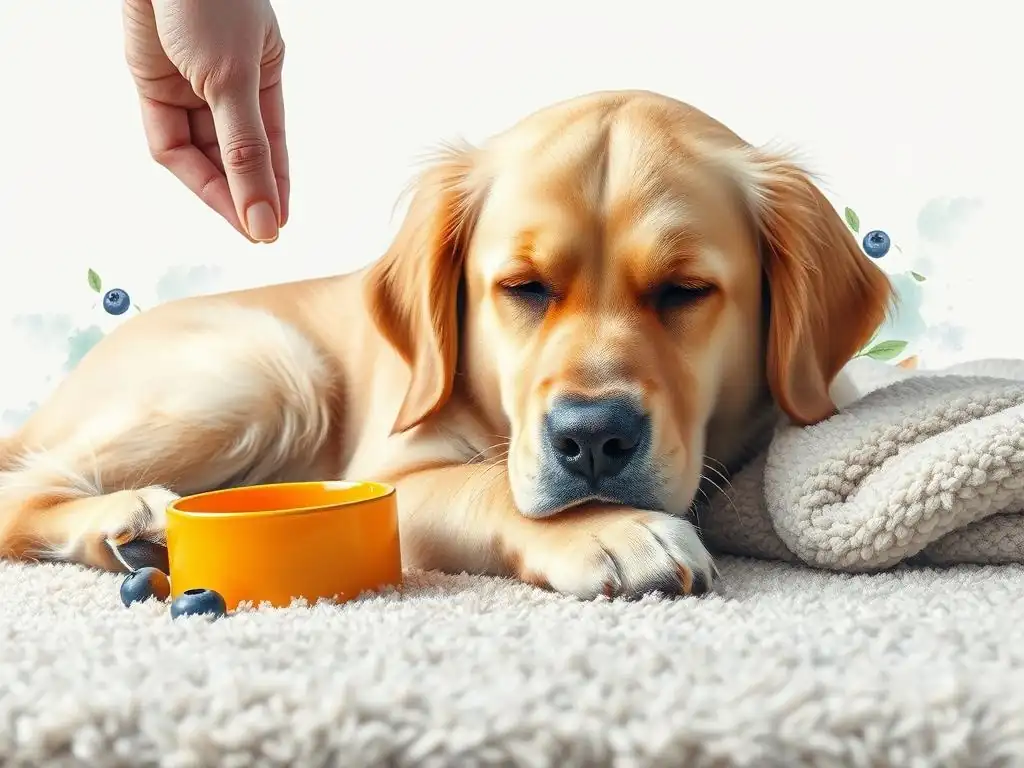
Maintaining a healthy diet is paramount for senior pets experiencing mobility issues. Proper nutrition plays a crucial role in managing pain, reducing inflammation, and supporting overall joint health. This section focuses on specific dietary adjustments and supplemental options to improve the quality of life for your aging companion. Remember, always consult your veterinarian before making significant changes to your pet's diet, especially if they have pre-existing health conditions. The right approach can significantly impact your senior dog's mobility and pain relief.
Dietary Changes to Support Joint Health and Reduce Inflammation
Addressing inflammation is key to managing pain associated with senior dog mobility. Certain dietary changes can significantly impact this. A diet rich in omega-3 fatty acids, found in fish oil and flaxseed oil, is vital. These fatty acids possess potent anti-inflammatory properties, helping to reduce joint swelling and discomfort. Furthermore, increasing the intake of antioxidants, such as those found in blueberries and cranberries, can combat oxidative stress which contributes to joint degeneration.
Consider switching to a senior-specific dog food formulated with glucosamine and chondroitin. These are naturally occurring compounds that support cartilage health and can help slow the progression of osteoarthritis, a common cause of mobility problems in senior dogs. Look for foods with high-quality protein sources, like chicken or fish, to support muscle mass and strength, which is essential for maintaining mobility. Avoid foods high in fillers, artificial colors, and preservatives, as these can exacerbate inflammation and negatively impact overall health. A balanced diet tailored to your senior dog's specific needs is crucial for effective senior dog mobility pain relief.
Weight Management in Senior Dogs to Reduce Stress on Joints
Excess weight puts significant strain on joints, exacerbating pain and hindering mobility. Weight management is therefore crucial for senior dogs with mobility problems. Even a small reduction in weight can make a noticeable difference in their comfort and ability to move. This is especially important for senior dog mobility pain relief.
Monitor your pet's body condition score regularly. Veterinarians use a scoring system to assess body fat, helping determine if your pet is underweight, overweight, or at an ideal weight. Adjust your pet's food intake accordingly, consulting with your veterinarian to create a safe and effective weight loss plan. Remember, rapid weight loss can be detrimental, so gradual adjustments are key.
Regular exercise, tailored to your pet's limitations, is also important. Short, frequent walks or gentle playtime can help maintain muscle mass and improve cardiovascular health without overstressing their joints. A healthy weight is a cornerstone of senior dog mobility pain relief.
Supplements to Support Joint Health and Mobility
While a balanced diet forms the foundation of joint health, certain supplements can provide additional support. Glucosamine and chondroitin, mentioned earlier, are often recommended as supplements to support cartilage regeneration and reduce inflammation. Other supplements that may be beneficial include:
- MSM (methylsulfonylmethane): A naturally occurring sulfur compound with anti-inflammatory properties.
- Turmeric: Contains curcumin, a powerful antioxidant and anti-inflammatory agent. However, ensure it's in a form specifically designed for pets.
- Omega-3 fatty acids: As mentioned previously, these are crucial for reducing inflammation, and supplementing with fish oil or flaxseed oil can be beneficial if your pet's diet is lacking.
Always consult your veterinarian before starting any supplement regimen. They can help determine the appropriate dosage and ensure the supplements are safe for your pet, considering their overall health and any pre-existing conditions. Remember, supplements are meant to complement a healthy diet, not replace it. A holistic approach combining proper nutrition and targeted supplementation offers the best chance for effective senior dog mobility pain relief. The right combination can significantly improve your senior dog's quality of life. 🐕🦺
When to Seek Emergency Veterinary Care for Senior Pet Pain
Recognizing when your senior pet needs immediate veterinary attention for pain is crucial for their well-being. Delaying treatment can lead to irreversible health complications and significantly reduce their quality of life. This section focuses specifically on identifying situations requiring emergency care related to senior dog mobility and pain relief. We'll explore the critical signs that indicate a need for immediate veterinary intervention. Understanding these signs can be the difference between managing discomfort and facing a life-threatening situation.
Recognizing Signs of Severe Pain or Worsening Mobility
Severe pain in senior dogs often manifests differently than in younger animals. They may not exhibit the dramatic vocalizations or overt displays of discomfort you might expect. Subtle changes in behavior are often the key indicators. Look for the following:
- Sudden and significant changes in mobility: This could include an inability to stand, walk, or even shift their weight. A sudden inability to use a limb or a noticeable limp that wasn't there before warrants immediate attention. For example, if your dog, previously able to navigate stairs, suddenly refuses to even attempt them, this is a serious red flag.
- Extreme lethargy or reluctance to move: Beyond their usual senior dog slowness, a dramatic decrease in activity levels, coupled with noticeable pain, necessitates immediate veterinary care. This might manifest as a refusal to participate in previously enjoyed activities, such as walks or playtime.
- Vocalization of pain: While senior dogs might not always whine or cry, a sudden increase in whimpering, yelping, or unusual vocalizations, especially when touched or moved, signifies intense pain.
- Changes in appetite or elimination: A complete loss of appetite or difficulty eating, combined with changes in bowel or bladder habits (such as incontinence or straining to urinate/defecate), can indicate a serious underlying issue causing pain.
- Restlessness and pacing: While some restlessness is normal in older dogs, excessive pacing, inability to settle, and constant shifting of weight can be a sign of severe discomfort.
- Panting or increased respiratory rate: Excessive panting, even when resting, coupled with other symptoms, may suggest pain and discomfort.
- Changes in temperament: A normally docile dog becoming aggressive or withdrawn might be experiencing significant pain.
Remember, even a seemingly minor change could be a symptom of a larger problem. Don't hesitate to contact your veterinarian if you observe any of these signs. Early intervention significantly improves the chances of successful pain management and a better quality of life for your beloved senior companion. Early diagnosis and treatment of senior dog mobility issues are key to pain relief.
Understanding the Importance of Timely Veterinary Intervention
Prompt veterinary care for senior dog mobility pain is not merely about alleviating discomfort; it's about preventing further injury and deterioration. Delaying treatment can lead to:
- Increased pain and suffering: Untreated pain intensifies over time, leading to greater discomfort and reduced quality of life for your pet. This can result in significant behavioral changes and a decline in their overall well-being.
- Muscle atrophy and weakness: Prolonged immobility from pain can cause muscle wasting and weakness, making it even harder for your dog to move and increasing their dependence on you.
- Joint damage and arthritis progression: Ignoring pain related to arthritis or other joint conditions can lead to irreversible damage, worsening the condition and making mobility even more challenging.
- Secondary complications: Pain can lead to other health problems, such as pressure sores, urinary tract infections, and pneumonia, due to reduced mobility and decreased activity.
- Reduced lifespan: Chronic, untreated pain significantly impacts a senior dog's overall health and can ultimately shorten their lifespan.
Timely veterinary intervention allows for accurate diagnosis, appropriate pain management strategies (including medication, physical therapy, and other treatments), and potentially preventative measures to improve their mobility and quality of life. Don't underestimate the importance of seeking professional help—it's a crucial aspect of responsible senior dog care and pain relief. Prioritizing your senior dog's comfort and health through timely veterinary intervention is a testament to your love and commitment.
Improving the Quality of Life for Senior Pets with Mobility Issues

Senior dog mobility pain relief is a crucial aspect of responsible pet ownership. As our canine companions age, they often experience a decline in mobility, leading to discomfort and reduced quality of life. Understanding the challenges faced by senior dogs and implementing appropriate strategies can significantly improve their overall well-being. This section focuses on practical approaches to enhance the comfort and happiness of aging dogs experiencing mobility issues, addressing both physical and emotional needs. This holistic approach to senior dog care considers pain management, environmental adjustments, and enrichment activities to promote a fulfilling life for your aging friend.
Enhancing Comfort and Reducing Pain for Senior Dogs
Addressing pain is paramount in improving senior dog mobility. Many older dogs suffer from osteoarthritis, a degenerative joint disease causing stiffness, inflammation, and pain. Effective pain management can involve a multi-pronged approach, combining veterinary care with lifestyle modifications. Veterinary intervention might include medications such as non-steroidal anti-inflammatory drugs (NSAIDs), or other pain relief options tailored to the individual dog's needs and health status. Remember, always consult your veterinarian before starting any new medication regime for your pet. They can assess your dog's specific condition and recommend the most suitable treatment plan.
Beyond medication, consider these comfort-enhancing measures:
- Supportive bedding: Investing in orthopedic beds or comfortable, supportive mats can significantly reduce pressure points and alleviate joint pain. Look for beds designed to distribute weight evenly.
- Controlled exercise: Gentle, low-impact exercise, such as short walks on a leash or swimming, can maintain muscle strength and improve joint flexibility without causing further strain. Avoid strenuous activities.
- Joint supplements: Glucosamine and chondroitin supplements, often recommended by veterinarians, may help support joint health and reduce inflammation. However, always consult your vet before introducing supplements to your pet's diet.
- Weight management: Maintaining a healthy weight reduces stress on joints. Obesity exacerbates mobility issues and increases pain. Work with your vet to determine a healthy weight range for your senior dog.
Maintaining a Positive and Engaging Environment for Your Aging Pet
Modifying your home environment to accommodate your senior dog's decreased mobility is crucial for their safety and comfort. Simple changes can make a significant difference in their daily lives. Consider these adjustments:
- Ramp access: Install ramps to help your dog navigate stairs or access furniture without straining their joints. Avoid forcing them to jump or climb.
- Non-slip flooring: Replace slippery surfaces with non-slip rugs or mats to prevent falls and injuries. Hardwood floors can be particularly hazardous for older dogs.
- Elevated food and water bowls: Raising food and water bowls to a comfortable height can reduce strain on their necks and backs while eating and drinking.
- Easy access to resting areas: Ensure your dog has easy access to comfortable resting areas throughout the house, minimizing the need for extensive movement.
While physical comfort is vital, maintaining a senior dog's mental and emotional well-being is equally important. Enrichment activities can stimulate their minds and prevent boredom, contributing to a higher quality of life. Social interaction also plays a significant role in their overall happiness.
- Mental stimulation: Engage your senior dog with interactive toys, puzzle feeders, or training sessions tailored to their abilities. Short, engaging activities are better than long, strenuous ones.
- Social interaction: Maintain regular interaction with familiar people and animals. Socialization combats loneliness and helps maintain a sense of normalcy. However, be mindful of your dog’s energy levels and avoid overwhelming social situations.
- Gentle grooming: Regular grooming sessions not only maintain their coat but also offer a chance for bonding and physical touch, reducing stress and anxiety.
- Quiet time: Senior dogs need ample opportunity for rest and relaxation. Provide them with quiet, comfortable spaces where they can retreat when needed. Respect their need for downtime.
Remember, providing comprehensive care for a senior dog with mobility issues requires patience, understanding, and a commitment to their well-being. By addressing both their physical and emotional needs, you can help them enjoy a comfortable, fulfilling life in their golden years. Regular veterinary check-ups are crucial for monitoring their health and adapting their care plan as needed. The goal is to provide senior dog mobility pain relief and ensure a happy and comfortable life for your beloved companion.
Long-Term Management of Senior Dog Mobility and Pain
Maintaining your senior dog's mobility and mitigating pain requires a holistic, long-term strategy. It's not a one-size-fits-all solution; rather, it's an ongoing process of assessment, adjustment, and proactive care. Successful long-term management hinges on a combination of veterinary care, lifestyle modifications, and consistent monitoring of your pet's comfort levels. The goal is to maximize your senior dog's quality of life, allowing them to enjoy their golden years with as much comfort and mobility as possible. Ignoring even subtle signs of discomfort can lead to a decline in their overall well-being, so consistent vigilance is crucial.
Creating a Sustainable Plan for Ongoing Pain Management
Developing a sustainable plan for managing your senior dog's mobility and pain involves several key steps. First, a thorough assessment by your veterinarian is essential to determine the underlying causes of the pain. This may involve blood work, x-rays, or other diagnostic tests to rule out any serious conditions. Once the cause is identified, your vet can recommend a tailored treatment plan. This plan might include medication, such as nonsteroidal anti-inflammatory drugs (NSAIDs) or other pain relievers, specifically formulated for senior dogs. Remember, never administer human medication to your pet without explicit veterinary guidance.
Beyond medication, consider incorporating complementary therapies. These could include physical therapy, acupuncture, or massage, all of which can help improve muscle strength, flexibility, and range of motion. Dietary changes, such as adding joint supplements like glucosamine and chondroitin, can also contribute to long-term pain management. Finally, creating a supportive home environment is paramount. This includes providing comfortable bedding, ramps for easy access to furniture, and avoiding strenuous activities that could exacerbate pain. Regularly review and adjust your plan as your dog's condition evolves.
Regular Veterinary Checkups and Monitoring for Senior Dogs
Regular veterinary checkups are not just preventative; they are essential for managing senior dog mobility and pain. Senior dogs, like senior humans, experience age-related changes that can significantly impact their health and well-being. These checkups should be more frequent than those for younger dogs, perhaps every three to six months, depending on your dog's specific needs and overall health.
During these visits, your veterinarian will monitor your dog's weight, assess their gait and range of motion, and evaluate their response to any current treatment. They can also detect early signs of new problems, allowing for prompt intervention and minimizing potential suffering. Don't hesitate to discuss any concerns you have, no matter how small they may seem.
Early detection often makes a significant difference in managing senior dog mobility pain relief. Keep detailed records of your dog's medication, treatments, and any observed changes in their behavior or mobility. This information is invaluable for your vet in tracking progress and making informed decisions.
Adapting Your Care Plan as Your Pet's Needs Change
The needs of a senior dog are constantly evolving. What worked well six months ago might not be as effective today. This is why consistent monitoring and adaptation of your care plan are crucial for successful long-term pain management. Pay close attention to your dog's behavior and physical condition. Changes in appetite, energy levels, sleeping patterns, or even subtle shifts in their gait can all indicate a need for adjustments.
For instance, if your dog seems less responsive to their current pain medication, your veterinarian might need to adjust the dosage or consider alternative options. Similarly, as your dog's mobility decreases, you may need to make further modifications to their environment, such as adding more ramps or providing additional support during walks. Regularly evaluate your dog's overall comfort level. Are they able to engage in their favorite activities?
Are they sleeping soundly? Are they showing signs of discomfort or distress? Honest self-assessment coupled with your veterinarian's professional guidance will help you craft a truly sustainable plan, ensuring your senior dog experiences the best possible quality of life, even as their mobility changes. Remember, a proactive approach is key to providing effective senior dog mobility pain relief.
Frequently Asked Questions
What are common signs of mobility problems in senior dogs?
Senior dogs experiencing mobility issues may show stiffness, reluctance to jump or climb stairs, slowed gait, difficulty rising, or lethargy. These are crucial indicators requiring veterinary attention.
Veterinary consultation is paramount. Treatment may involve medication, physical therapy, weight management, supplements, and environmental modifications like ramps and orthopedic beds.
What are some dietary changes that can help a senior dog with mobility issues?
A balanced diet rich in glucosamine and chondroitin can support joint health. Consult your vet before making significant dietary changes to ensure it meets your dog's specific needs.
Are there any exercises suitable for senior dogs with mobility problems?
Gentle low-impact exercises, such as short walks on a leash, swimming, or passive range-of-motion exercises under veterinary guidance, can improve mobility and reduce stiffness. Avoid strenuous activities.
When should I seek professional veterinary help for my senior dog's mobility problems?
Seek immediate veterinary attention if you notice significant changes in your dog's mobility, sudden lameness, increased pain, or loss of appetite. Early intervention is key for better management.
Final Reflection: A Legacy of Comfort: Easing the Golden Years for Our Senior Companions
The challenges of senior dog mobility are not merely a veterinary concern; they represent a profound ethical and emotional responsibility. Millions of senior dogs experience debilitating pain and reduced quality of life, a silent suffering often overlooked until it's too late. This impacts not only the animal's well-being, but also the deep bond shared with their human companions.
The journey of caring for a senior dog, navigating the complexities of aging and pain management, is a deeply personal one. It's a testament to the unwavering love we share with our animal family members. The subtle shifts in gait, the hesitant steps, the quiet whimpers – these are all poignant reminders of the precious time we have left. The best and most beautiful things in the world cannot be seen or even touched - they must be felt with the heart.
– Helen Keller. This quote resonates deeply when considering the unspoken needs of our aging pets, urging us to connect with them on a level beyond the physical.
Consider the impact of proactive pain management. It's not just about extending life; it's about enriching the remaining years, ensuring our beloved companions experience comfort, dignity, and joy. You, the reader, hold the power to make a difference. Take the time to learn the subtle signs of discomfort in your senior dog, seek veterinary guidance, and advocate for their well-being. By doing so, you will not only ease their physical suffering but also deepen the bond you share, creating a legacy of love and comfort that will last long after their time with you has passed.
Rediscover Joyful Movement with Your Senior Pet
Thank you for learning how to improve your senior pet's mobility and manage their pain. We hope this article has provided valuable insights and empowered you to make a real difference in their life. Now, let's put that knowledge into action!
- Prioritize a Veterinary Checkup: A visit to your veterinarian is crucial. Discuss pain management strategies tailored to your pet's individual needs. This ensures their comfort and well-being.
- Create a Comfortable Home Environment: Make small, impactful changes at home to improve your pet's mobility and reduce discomfort. Consider adding ramps for easy access, orthopedic beds for joint support, and non-slip mats to prevent falls.
- Share Your Experiences: Join the PetCareWorld community and share your successes and challenges. Let others learn from your strategies and offer support.
Have you considered how even small adjustments can significantly improve your senior pet's happiness and mobility? We'd love to hear your thoughts!