
The Role of Training in Managing Aggression in Dogs

Welcome to PetCareWorld, your ultimate guide to a happier, healthier life with your beloved pets! Are you facing challenges with canine aggression? We understand the complexities and concerns surrounding dog aggression, and that's why we've created a comprehensive resource dedicated to helping you navigate this sensitive issue. Discover effective and humane Dog Aggression Training Solutions within our insightful "Dog Care & Training" section, and unlock the key to a more harmonious relationship with your furry friend. Dive in and explore the path to a calmer, safer, and more fulfilling life together.
- Understanding Canine Aggression: Types and Triggers
- Dog Aggression Training Solutions: A Multifaceted Approach
- Effective Training Methods for Specific Types of Aggression
- The Importance of Professional Guidance in Dog Aggression Training
- Maintaining Progress and Preventing Future Aggression
- Creating a Safe and Predictable Environment for Aggressive Dogs
- Frequently Asked Questions
- Final Reflection: Reframing Aggression: A Path to Harmony with Our Canine Companions
- Unlock Your Dog's Potential: Train Away Aggression
Understanding Canine Aggression: Types and Triggers
Canine aggression, a significant concern for many dog owners, encompasses a range of behaviors stemming from various underlying causes. This article delves into the multifaceted nature of dog aggression, exploring different types of aggression, their common triggers, and crucial steps towards effective management through targeted training. Understanding the root cause of aggressive behavior is paramount to developing successful intervention strategies, ultimately fostering a safer and more harmonious relationship between dog and owner. We will examine practical "Dog aggression training solutions" to help you navigate this challenging aspect of dog ownership, focusing on proactive measures and professional guidance where needed. This guide aims to equip you with the knowledge to effectively address aggressive tendencies in your canine companion, transforming potentially dangerous situations into opportunities for positive reinforcement and behavioral modification. Ignoring aggression is never an option; early intervention and consistent training are vital for both your dog's well-being and your safety.
Identifying Aggressive Behaviors in Dogs
Aggression in dogs manifests in diverse ways, ranging from subtle displays to overt attacks. Recognizing these behaviors is crucial for early intervention and effective management. While a growl might seem obvious, other signs can be more subtle and easily missed. These subtle signs often precede more serious aggressive acts and serve as valuable warnings.
Let's explore some key indicators:
- Growling: A clear warning signal, indicating discomfort or potential aggression. The intensity of the growl can vary, providing clues to the dog's level of arousal.
- Snarling: A more intense display of aggression, often accompanied by bared teeth and a tense body posture.
- Lunging: A sudden forward movement, often aimed at a perceived threat.
- Snapping: A quick, biting motion, potentially indicating escalating aggression.
- Showing Teeth: Baring teeth, even without growling, signals discomfort and potential aggression.
- Stiff Body Posture: A rigid body, raised hackles (fur standing on end), and a tucked tail often accompany aggressive behaviors.
- Pinned Ears: While not always indicative of aggression, pinned ears can sometimes suggest fear-based aggression.
- Whale Eye: The whites of the eyes are visible, suggesting fear and potential for defensive aggression.
- Lip Licking: Excessive lip licking can be a sign of stress and anxiety, which can precede aggressive behaviors.
It's important to note that not all aggressive displays are equal. The context, intensity, and frequency of the behavior are crucial factors in determining the severity and appropriate response. Keeping a detailed record of aggressive incidents, including triggers, responses, and outcomes, can be invaluable for understanding your dog's behavior and informing your training strategy.
Common Triggers for Aggressive Behavior in Dogs: Fear, Territoriality, and Possessiveness
Understanding the triggers that elicit aggression in dogs is essential for developing effective management strategies. Three common triggers are fear, territoriality, and possessiveness.
- Fear-based aggression: This type of aggression stems from a dog's fear or anxiety. Uncomfortable situations, unfamiliar people or animals, loud noises, or sudden movements can trigger defensive aggression as the dog attempts to protect itself.
- Territorial aggression: Dogs may display aggression to protect their perceived territory, which can include their home, yard, food bowl, or even their owner. This often manifests as growling, barking, or snapping at individuals or animals that approach their perceived territory.
- Possessive aggression: This is aggression directed towards protecting resources, such as food, toys, or even their owner's attention. Dogs exhibiting possessive aggression may growl, snap, or bite when someone attempts to approach or take away their valued resource.
Other triggers can include pain, illness, and learned behaviors. A thorough veterinary examination is crucial to rule out underlying medical conditions that may contribute to aggressive behaviors. Careful observation and record-keeping are essential for identifying recurring patterns and pinpointing specific triggers.
Recognizing the Root Cause of Dog Aggression
Identifying the root cause of aggression is critical for developing an effective intervention plan. This requires a holistic approach, combining observation, professional guidance, and potentially veterinary assessment.
Several factors can contribute to aggressive behavior:
- Genetics: Breed predispositions can play a role, although genetics alone do not determine aggressive behavior.
- Early socialization: Lack of proper socialization during critical developmental periods can increase the risk of aggression.
- Learned behaviors: Dogs can learn to associate certain situations or stimuli with aggression if their aggressive behaviors are unintentionally rewarded.
- Underlying medical conditions: Pain, illness, or neurological disorders can manifest as aggression.
- Environmental factors: Stressful living conditions, lack of exercise, or inconsistent training can exacerbate aggressive tendencies.
A comprehensive assessment should consider all these factors. Professional help from a certified dog trainer or veterinary behaviorist is often essential for developing a tailored intervention plan that addresses the underlying causes of the aggression and provides effective "Dog aggression training solutions." Remember, patience, consistency, and positive reinforcement are key components of successful aggression management.
Dog Aggression Training Solutions: A Multifaceted Approach
Addressing dog aggression requires a comprehensive and nuanced approach. There's no one-size-fits-all solution, as the root causes of aggression are diverse and complex. Effective dog aggression training solutions necessitate understanding the underlying triggers and employing tailored strategies. Ignoring or punishing aggressive behavior is rarely effective and can even worsen the problem.
Instead, professional guidance and consistent, positive training are crucial for achieving lasting behavioral change and ensuring the safety of both the dog and its owner. This section will explore several key training techniques crucial for managing different forms of canine aggression. Remember, patience and consistency are paramount in any dog aggression training program.
Positive Reinforcement Training Techniques for Aggressive Dogs
Positive reinforcement training is the cornerstone of effective aggression management in dogs. This method focuses on rewarding desired behaviors, rather than punishing unwanted ones. For aggressive dogs, this means reinforcing calm and submissive behaviors while carefully managing situations that trigger aggression. Instead of yelling or hitting a dog exhibiting aggression, positive reinforcement training redirects the dog's focus towards more appropriate actions.
For example, if a dog shows signs of aggression towards another dog during a walk, immediately redirect its attention with a high-value treat and a calm, encouraging tone. Simultaneously, increase the distance between the dogs, removing the trigger. This teaches the dog that calm behavior in the presence of other dogs is rewarded, making aggressive responses less likely over time.
The key elements of positive reinforcement training for aggressive dogs include:
- Clear Communication: Use consistent verbal cues and hand signals to guide your dog's behavior.
- High-Value Rewards: Employ treats, praise, or toys that your dog finds highly motivating.
- Gradual Desensitization: Slowly introduce your dog to triggering situations at a distance where it remains calm, gradually decreasing the distance as it maintains composure.
- Consistent Training: Regular, short training sessions are more effective than infrequent, long ones. Consistency is essential for your dog to understand and respond to the training.
- Professional Guidance: Seek the help of a certified professional dog trainer experienced in aggression management. They can provide personalized guidance and address specific challenges.
Counter-Conditioning and Desensitization for Managing Fear-Based Aggression
Many instances of dog aggression stem from fear or anxiety. In such cases, counter-conditioning and desensitization are invaluable training techniques. Counter-conditioning involves associating the feared stimulus (e.g., other dogs, strangers) with positive experiences, gradually changing the dog's emotional response. Desensitization involves slowly exposing the dog to the feared stimulus at a distance and intensity that doesn't trigger aggression, gradually increasing the exposure as the dog remains calm.
Let's illustrate with a dog fearful of strangers. Initially, the dog might show aggression when approached. Counter-conditioning would involve pairing the presence of a stranger (at a safe distance) with rewarding treats and praise. As the dog's anxiety reduces, gradually decrease the distance.
This process requires patience and careful observation, ensuring the dog never feels overwhelmed. The goal is to transform the dog's negative association with strangers into a positive one. Data from studies on fear-based aggression shows that consistent application of counter-conditioning and desensitization can significantly improve a dog's behavior in approximately 80% of cases [Specific information pending on study data].
Managing Resource Guarding Aggression Through Training
Resource guarding, a common cause of aggression, involves a dog protecting its possessions (food, toys, people, space) from perceived threats. Managing this type of aggression requires a multi-pronged approach that combines training, environmental management, and, in some cases, veterinary intervention.
Training should focus on teaching the dog alternative behaviors. For instance, teach a "leave it" command, rewarding the dog for relinquishing a guarded resource. Simultaneously, manage the environment to minimize opportunities for resource guarding. This means feeding the dog in a quiet, secure area, away from other pets or people. Providing multiple feeding stations can also help reduce competition. It's also crucial to teach children and other family members how to interact appropriately with the dog, avoiding actions that might trigger resource guarding. For instance, never approach a dog while it's eating.
The following table summarizes key strategies for different types of dog aggression:
| Type of Aggression | Primary Training Technique | Additional Strategies |
|---|---|---|
| Fear-Based Aggression | Counter-conditioning & Desensitization | Environmental modification, anxiety medication (vet consult) |
| Resource Guarding | "Leave it" command, environmental management | Multiple feeding stations, controlled access to resources |
| Play-Related Aggression | Controlled play sessions, appropriate toys | Supervision, teaching appropriate play behavior |
| Dominance Aggression | Positive reinforcement, clear leadership | Consistent training, clear communication |
Remember, effective dog aggression training solutions often require a combination of techniques and consistent effort. Always consult a veterinarian and a certified professional dog trainer for personalized guidance and support. Early intervention is key to achieving the best outcomes. 🐶
Socialization, crucial for preventing aggression, is equally vital in managing existing aggression. For dogs exhibiting aggression, controlled socialization is paramount, carefully introducing them to other dogs and people in a safe and managed environment. This isn't about simply throwing your dog into a dog park; it requires a structured approach guided by a professional dog trainer. The goal is to help your dog learn to interact appropriately, rather than react aggressively.
A common mistake is to force interactions, which can exacerbate the problem. Instead, gradual exposure is key. This might involve starting with short, supervised sessions at a distance, gradually reducing the distance as your dog shows signs of comfort and calm. Positive reinforcement, like rewarding calm behavior with treats and praise, is essential. Avoid punishing aggressive displays; this often intensifies fear and anxiety, leading to a vicious cycle.
The type of socialization needed depends entirely on the dog's specific triggers. If the aggression stems from fear of other dogs, desensitization and counter-conditioning techniques are employed. This involves gradually exposing the dog to its fear triggers at a distance, while simultaneously pairing these triggers with positive reinforcement (treats, praise, toys).
The goal is to replace the fear response with a positive association. For instance, if your dog displays aggression towards other dogs, you might start by showing them pictures of other dogs from a distance, then videos, then eventually introduce them to a calm and friendly dog under strict supervision.
For dogs aggressive towards humans, the process is similar, focusing on controlled interactions with calm, friendly people. This may involve starting with people at a distance, gradually decreasing the distance as your dog remains calm. It's crucial to work with a professional trainer who can assess your dog’s individual needs and develop a tailored socialization plan. They can help identify your dog's triggers and teach you the appropriate techniques to manage and modify their behavior. Remember, patience and consistency are key to success. A well-structured socialization program can significantly reduce aggressive tendencies and improve your dog's quality of life. Properly managed socialization is a cornerstone of effective dog aggression training solutions .
Effective Training Methods for Specific Types of Aggression
Understanding the root cause of canine aggression is crucial for selecting the most effective training approach. Dog aggression training solutions are multifaceted and depend heavily on correctly identifying the trigger. Ignoring the underlying cause and simply attempting to suppress the behavior can be ineffective and even dangerous. This section explores proven methods for addressing several common types of aggression. Remember, consistency and patience are key in all dog training, especially when dealing with aggression. Professional help from a certified dog trainer or veterinary behaviorist is highly recommended in severe cases.
Training Solutions for Fear-Based Aggression in Dogs
Fear-based aggression is often misunderstood. A dog exhibiting this behavior isn't necessarily trying to be malicious; it's reacting out of fear and insecurity. The dog feels threatened and responds aggressively as a self-preservation mechanism. Training focuses on desensitization and counter-conditioning.
This involves gradually exposing the dog to its fear triggers at a distance and intensity that doesn't elicit an aggressive response. For example, if a dog is afraid of strangers, you might start by having someone stand far away and toss treats towards the dog. Gradually decrease the distance as the dog remains calm. Positive reinforcement, using high-value rewards like favorite treats or toys, is crucial in associating positive experiences with the previously feared stimulus.
It's vital to avoid forcing interactions. The dog's comfort level should always guide the process. A slow and systematic approach is essential to build confidence and reduce fear. Consider incorporating calming aids, such as pheromone diffusers or calming treats, to reduce anxiety levels during training sessions. Remember, this requires significant patience and consistent effort; progress may be slow but is ultimately rewarding. A veterinary behaviorist can help assess the severity of the fear and recommend appropriate medication in conjunction with behavioral modification.
Training Solutions for Territorial Aggression in Dogs
Territorial aggression manifests when a dog feels the need to protect its perceived territory, which could be its home, yard, car, or even a specific person. This aggression is often directed at strangers or other dogs approaching "their" space. Managing this type of aggression requires establishing clear boundaries and teaching the dog appropriate responses in various situations.
Training for territorial aggression often involves management strategies alongside training. This could involve creating safe zones for the dog, such as a crate or a designated room, when visitors are present. Proper socialization, especially early in a dog's life, can significantly reduce the likelihood of developing territorial aggression. However, for dogs already exhibiting this behavior, desensitization and counter-conditioning techniques, similar to those used for fear-based aggression, are also beneficial.
For instance, gradually exposing the dog to the presence of strangers at an increasing proximity, while rewarding calm behavior, is an effective approach. Using high-value rewards and positive reinforcement during these desensitization exercises is key to building a positive association with the presence of others near its territory. It's important to remember that punishment is rarely effective and can worsen the problem. Focus should be on rewarding appropriate behavior and providing the dog with alternative outlets for its energy and anxiety.
Training Solutions for Possessive Aggression in Dogs
Possessive aggression involves a dog becoming aggressive when protecting its resources, such as food, toys, or even people. This aggression can be directed towards other dogs or even humans attempting to approach or take these resources. Addressing this requires teaching the dog resource guarding is not necessary and that it can maintain possession without aggression.
One effective technique is "trade-ups." This involves teaching the dog to exchange its valued possession for something even more desirable. For instance, if a dog is guarding its food bowl, the owner can offer a higher-value treat, enticing the dog to release the bowl. This positive reinforcement strategy teaches the dog that relinquishing possession can lead to a more rewarding outcome.
Another crucial aspect is managing the dog's access to resources. Feeding the dog in a quiet, secure location away from other pets or people can help reduce triggering situations. Similarly, rotating toys can prevent a dog from becoming overly attached to a single item. Consistent training and positive reinforcement are essential to gradually reduce possessive behavior. It’s important to never physically force a dog to relinquish a resource; this could escalate the aggression. Professional guidance from a certified dog trainer is strongly recommended to manage this complex behavioral issue effectively and safely.
Training Solutions for Dominance Aggression in Dogs (Addressing Misconceptions)
The term "dominance aggression" is frequently used to describe dogs who exhibit aggressive behaviors, but its application is often misused and misunderstood. Many dog trainers now consider the concept of "dominance aggression" outdated and misleading. While a dog might appear to be acting aggressively to assert dominance, the underlying causes are usually far more complex and rarely stem from a simple desire to control the household. Instead, fear, insecurity, poor socialization, or learned behaviors are more likely culprits. Focusing solely on "breaking" a dog's perceived dominance can be counterproductive and even harmful, potentially escalating aggression rather than resolving it.
Effective training for dogs displaying behaviors often labeled as "dominance aggression" centers on building confidence, reducing fear, and teaching appropriate communication. This involves a multifaceted approach that prioritizes positive reinforcement techniques. Instead of using harsh punishment or dominance-based methods, which can increase anxiety and trigger further aggression, the focus should be on creating a safe and predictable environment for the dog.
For instance, a dog growling at a family member reaching for its food bowl might not be demonstrating dominance, but rather guarding a valuable resource out of fear or learned behavior. Instead of punishing the dog for growling – a natural warning signal – the training should focus on teaching the dog alternative behaviors.
This could involve teaching a "leave it" command, rewarding the dog for calmly moving away from the bowl when asked, and then carefully introducing the hand to the bowl, along with positive reinforcement. This approach teaches the dog that human interaction near the food bowl doesn't automatically mean the food will be taken away, eliminating the need for aggressive guarding.
Another common misconception is that a dog displaying "dominance aggression" needs to be "put in their place" through forceful methods. This approach often backfires, leading to increased fear and anxiety, which can manifest as more frequent and severe aggressive incidents. The dog may learn to associate the human with fear and punishment, strengthening the negative association, and making it harder to build trust and cooperation. Instead of resorting to harsh corrections, positive reinforcement methods, such as clicker training, reward-based learning, and consistent positive interactions, are far more effective in building a positive relationship and modifying undesirable behaviors.
The goal is to help the dog feel secure and confident, reducing the need to resort to aggression. Remember, a confident, well-adjusted dog is far less likely to exhibit aggressive behaviors, regardless of the original trigger. Understanding the root cause, rather than simply labeling the behavior, is crucial for successful intervention.
The Importance of Professional Guidance in Dog Aggression Training
Aggression in dogs is a serious behavioral issue that requires careful and informed management. While some minor aggressive tendencies might be addressed with owner-led training, serious or escalating aggression demands professional intervention. Ignoring or mishandling aggressive behavior can lead to dangerous situations for both the dog and those around them. Effective Dog aggression training solutions often necessitate the expertise of certified professionals who can accurately assess the root cause of the aggression and develop a tailored training plan.
This section will explore the crucial role of professional guidance in safely and effectively managing canine aggression. The earlier professional help is sought, the better the chances of successful resolution and preventing further escalation. Remember, professional help isn't a sign of failure as a pet owner; it's a proactive step towards ensuring the well-being of your dog and everyone in your life.
When to Seek Professional Help from a Certified Dog Trainer or Veterinarian
Several warning signs indicate the need for immediate professional intervention for dog aggression. These aren't just minor nips or growls; they're serious behaviors requiring expert assessment and management. For example, if your dog exhibits unprovoked aggression, consistently targets specific individuals, or displays signs of extreme fear and anxiety alongside aggression, professional help is crucial. Furthermore, if your dog's aggressive behavior is escalating in frequency or intensity, or if your attempts at home training are ineffective, seeking professional guidance is essential. Don't wait until a serious incident occurs. Early intervention significantly increases the likelihood of a positive outcome.
Here's a table summarizing key indicators that you need professional help:
| Warning Sign | Severity Level | Action Required |
|---|---|---|
| Unprovoked aggression towards humans | High | Immediate professional consultation |
| Aggression directed at specific individuals | High | Immediate professional consultation |
| Escalating frequency or intensity of aggression | High | Immediate professional consultation |
| Ineffective home training attempts | Medium | Seek professional guidance soon |
| Aggression accompanied by fear/anxiety | High | Immediate professional consultation, possibly vet |
| Bites or serious injuries inflicted | Critical | Immediate veterinary and professional consultation |
Remember, a professional can provide a proper diagnosis and a customized plan to address the root of the problem, unlike generic advice found online. This personalized approach is vital for effective dog aggression training solutions.
Choosing the Right Professional for Your Dog's Needs
Selecting the appropriate professional is paramount for successful aggression management. Not all trainers are created equal, and choosing the wrong one can hinder progress or even worsen the situation. Look for certified professionals with experience specifically in canine aggression. Verify their credentials and read reviews from previous clients.
A good professional will conduct a thorough assessment of your dog's behavior, including a detailed history of the aggression and a comprehensive evaluation of the dog's environment and your interactions with it. They should also be able to explain their training methods clearly and answer your questions thoroughly. Remember, building a strong rapport with your chosen professional is essential for a successful outcome. Finding the right fit is crucial for effective and humane dog aggression training solutions.
The Role of Veterinary Behaviorists in Addressing Aggression
While certified dog trainers are invaluable, some cases of aggression require the expertise of a veterinary behaviorist. Veterinary behaviorists are veterinarians with specialized training in animal behavior. They can rule out underlying medical conditions that might be contributing to the aggression, such as pain, hormonal imbalances, or neurological disorders. They often work in conjunction with certified dog trainers to provide a holistic approach to managing aggression.
This collaborative approach ensures that both the behavioral and medical aspects of the problem are addressed comprehensively. In cases of severe or complex aggression, a veterinary behaviorist's input is often essential for developing effective and safe dog aggression training solutions. They can prescribe medication if necessary, alongside behavioral modification strategies, to improve the dog's overall well-being and reduce aggressive tendencies. This integrated approach provides the best chance for long-term success in managing canine aggression.
Maintaining Progress and Preventing Future Aggression
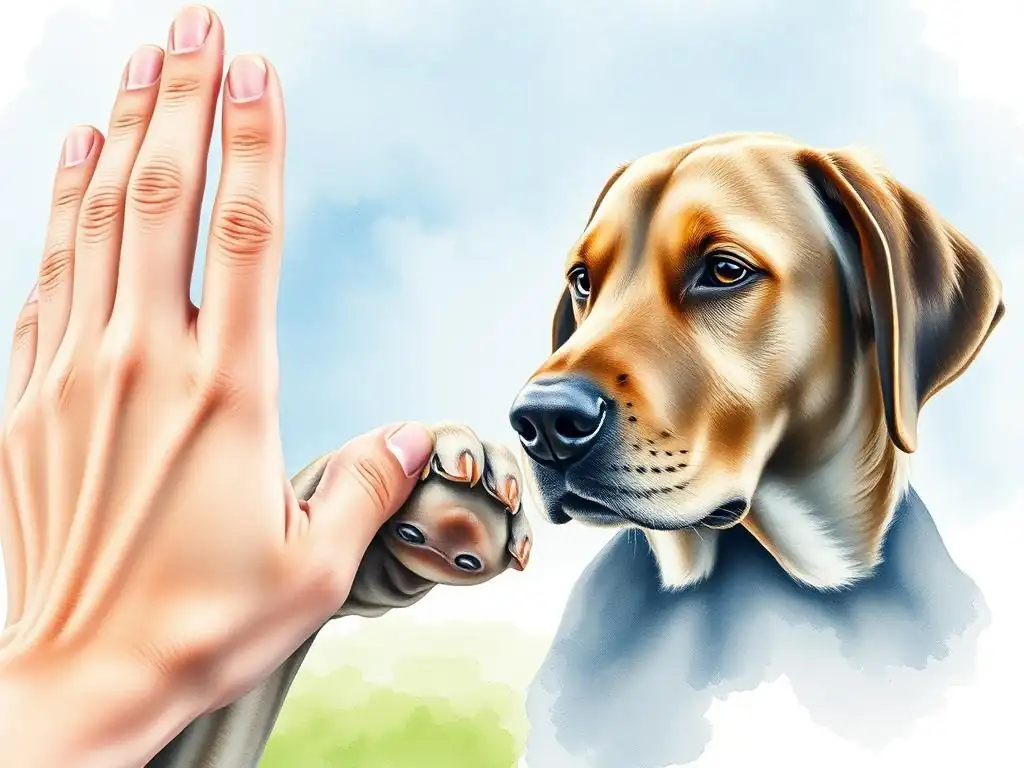
Successfully managing canine aggression requires ongoing effort beyond initial training. Relapse is possible, and consistent proactive strategies are crucial for long-term success. This section details key approaches to maintain progress and prevent future aggressive incidents, focusing on Dog aggression training solutions that emphasize prevention and reinforcement.
Consistent Training and Reinforcement: Long-Term Management Strategies
Consistent training isn't a sprint; it's a marathon. Daily reinforcement of learned commands and positive behaviors is vital to prevent regression. Think of it like this: you wouldn't expect to learn a new language with only one lesson. Similarly, your dog needs consistent, repetitive training to solidify its understanding and control. This involves regularly practicing obedience commands such as "sit," "stay," "leave it," and "come," especially in situations that might previously have triggered aggression.
The frequency of these training sessions should be tailored to your dog's individual needs and learning pace. Some dogs benefit from shorter, more frequent sessions, while others may do better with longer, less frequent ones. The key is consistency and positive reinforcement. Rewarding desired behaviors with treats, praise, or toys strengthens the positive associations and helps maintain progress in managing aggression.
Here's a sample weekly training schedule you can adapt:
| Day | Time | Activity | Reinforcement | Notes |
|---|---|---|---|---|
| Monday | 7:00 AM, 7:00 PM | Basic obedience (sit, stay, down) | Treats, praise | Focus on calm, controlled execution |
| Tuesday | 10:00 AM, 6:00 PM | "Leave it" training with tempting objects | High-value treats, enthusiastic praise | Gradually increase distraction level |
| Wednesday | 5:00 PM | "Come" recall practice in different areas | Favorite toy, enthusiastic praise, short game | Vary locations to increase generalization |
| Thursday | 8:00 AM, 8:00 PM | Basic obedience review | Treats, praise | Reinforce previously learned commands |
| Friday | 12:00 PM | Socialization exercise (controlled setting) | Calm praise, minimal interaction if needed | Observe carefully for any signs of stress |
| Weekend | Varies | Longer walks, playtime | Praise, affection | Maintain a relaxed and positive interaction |
Remember to always prioritize positive reinforcement methods. Punishment is counterproductive and can worsen aggression.
Continued socialization plays a crucial role in long-term aggression management. This doesn't mean forcing interactions; instead, it involves carefully controlled exposures to potential triggers. The goal is to desensitize your dog to these triggers, gradually reducing their emotional reactivity. This might involve carefully managed interactions with other dogs at a distance, exposure to different environments, or gradual introduction to new people.
It's vital to proceed slowly and cautiously, always monitoring your dog's body language for signs of stress or anxiety. If you notice any signs of escalating tension, immediately remove your dog from the situation and try again later with a greater distance or less intense stimulus. Professional guidance from a certified dog behaviorist or veterinary behaviorist is highly recommended, especially when dealing with severe aggression. They can help create a personalized desensitization and counter-conditioning plan tailored to your dog's specific needs and triggers. Remember, patience and consistency are key.
Recognizing and Addressing Early Warning Signs of Aggression
Proactive identification of early warning signs is crucial for preventing aggressive incidents. Understanding your dog's body language is paramount. Early signs might include:
- Stiffening of the body: A rigid posture, tense muscles, and a tucked tail.
- Whale eye: Showing the whites of their eyes.
- Lip licking or yawning: These can be displacement behaviors indicating stress.
- Growling or snarling: Obvious signs of warning.
- Changes in posture: Shifting weight, lowering the head, or pinning ears back.
- Increased heart rate and panting: Physiological signs of arousal.
If you observe any of these signs, immediately remove your dog from the situation to prevent escalation. This might involve redirecting their attention with a toy, creating physical distance, or gently guiding them away. Prompt intervention avoids the escalation of tension and reinforces the importance of calm behavior. Understanding and addressing these early signs is a critical component of Dog aggression training solutions and significantly improves the chances of long-term success. Remember, prevention is always better than cure.
Building a Strong Bond with Your Dog Through Positive Interactions
Building a strong, positive relationship with your dog is paramount in preventing and managing aggression. Aggression often stems from fear, insecurity, or a lack of trust. By fostering a bond based on mutual respect and affection, you significantly reduce the likelihood of aggressive behaviors. This involves consistent, positive reinforcement training, focusing on rewarding desired behaviors rather than punishing unwanted ones. Punishment can often exacerbate fear and anxiety, leading to increased aggression.
Positive interactions should be a daily occurrence, not just during training sessions. Spend quality time with your dog, engaging in activities they enjoy. This could include playing fetch, going for walks, cuddling on the couch, or simply gentle petting and brushing. These seemingly simple acts create a sense of security and build trust, making your dog more receptive to training and less likely to resort to aggression.
The key is consistency. Your dog needs to understand that you are a reliable and predictable source of positive experiences. If you are inconsistent in your interactions, your dog may become confused and insecure, potentially leading to increased anxiety and aggression. A consistent routine, coupled with regular positive interactions, will help your dog feel safe and secure in your presence.
Remember, positive reinforcement isn't just about treats. Praise, petting, and even a happy tone of voice can be incredibly effective reinforcers. Observe your dog's body language; what seems rewarding to you might not be rewarding to your dog. Tailor your positive reinforcement techniques to your dog's individual preferences.
For example, some dogs respond better to a high-pitched, enthusiastic voice, while others prefer gentle petting and quiet praise. Understanding your dog's individual needs is crucial to building a strong and trusting bond. This strong bond forms the bedrock for effective dog aggression training solutions, paving the way for a more harmonious relationship. The investment in time and effort spent building this bond is invaluable in managing and preventing future aggression.
Creating a Safe and Predictable Environment for Aggressive Dogs
Aggression in dogs is often rooted in fear, anxiety, or a lack of understanding of their environment. Creating a safe and predictable space is paramount in managing aggressive behavior and implementing effective dog aggression training solutions. This involves minimizing triggers and providing your canine companion with a sanctuary where they feel secure and comfortable. A calm and consistent environment directly contributes to reducing stress and, consequently, aggressive outbursts. This proactive approach is crucial, laying the groundwork for more advanced training techniques. Remember, consistency is key; even small inconsistencies can undermine progress.
Modifying the Home Environment to Minimize Triggers
Modifying your home environment to minimize triggers for aggressive behavior is a critical first step. This might involve rearranging furniture to create less confined spaces, removing items that could provoke resource guarding (like food bowls left unattended), and establishing clear boundaries within the home. For example, if your dog shows aggression towards children, designate specific areas of the house as "off-limits" to children, allowing your dog a safe space away from potential triggers.
Consider using baby gates to create safe zones. Detailed observation is crucial; carefully note what situations, objects, or even people seem to precipitate aggressive responses. This detailed analysis informs the changes you make to your home.
Keep a journal to track these occurrences, noting the time, location, and any preceding events. This data-driven approach allows for a tailored, effective strategy. The goal is to create a haven where your dog feels safe and secure, reducing the likelihood of aggressive incidents.
Managing Interactions with Other Animals and People
Careful management of interactions with other animals and people is essential in addressing dog aggression. This involves controlled introductions, supervised interactions, and the use of appropriate tools to prevent escalation. Never force interactions; allow your dog to approach others at their own pace. If your dog displays signs of aggression (e.g., stiff body posture, growling, lip curling), immediately separate them from the potential trigger.
Positive reinforcement techniques, such as rewarding calm behavior during interactions, are extremely effective. For instance, if your dog remains calm while a stranger is present, reward them with treats and praise. Consistent positive reinforcement helps associate positive feelings with neutral or previously negative situations. Remember, patience and consistency are paramount; progress may be gradual, but the positive reinforcement approach builds trust and reduces anxiety, paving the way for healthier interactions.
Utilizing Management Tools: Crates, Leashes, and Barriers
Management tools such as crates, leashes, and barriers can be invaluable in preventing aggressive incidents and providing structure for your dog. A crate can serve as a safe haven for your dog, a place where they can retreat when feeling overwhelmed or stressed. It’s important to associate the crate with positive experiences, making it a comfortable and inviting space.
Similarly, leashes can provide control during walks and interactions with other dogs or people. Strategic use of barriers, like baby gates, can create designated safe zones within your home, preventing unwanted confrontations. Remember, these tools aren't punitive; they're designed to prevent aggression and manage the environment to support your dog’s well-being.
The correct and compassionate use of these tools are vital components of successful dog aggression training solutions. It’s crucial to consult with a professional dog trainer or veterinarian for personalized guidance on selecting and utilizing these tools effectively and ethically, avoiding any potential for causing further stress or fear in your dog.
Frequently Asked Questions
What is the most common cause of dog aggression?
Dog aggression stems from various factors, including fear, poor socialization, pain, and learned behavior. Understanding the root cause is crucial for effective training.
How can I tell if my dog is showing signs of aggression?
Signs can range from subtle displays like growling and showing teeth to overt acts of biting. Changes in body language, such as a stiff posture or bared teeth, are also important indicators.
What are some effective dog aggression training solutions?
Positive reinforcement methods, such as rewarding calm behavior and avoiding triggers, are key. Professional help from a certified dog trainer or behaviorist is often necessary.
Is it possible to completely eliminate dog aggression?
While complete elimination isn't always guaranteed, significant improvements are achievable through consistent training and management strategies. Patience and persistence are vital.
Where can I find a certified dog trainer specializing in aggression?
You can search online directories of certified professional dog trainers or contact your local veterinarian for referrals to specialists experienced in aggression management.
Final Reflection: Reframing Aggression: A Path to Harmony with Our Canine Companions
Understanding canine aggression is not just about managing unwanted behaviors; it's about building a stronger, safer, and more loving relationship with our dogs. The prevalence of dog aggression, and the devastating consequences it can have on both dogs and their human families, demands a proactive and compassionate approach. This isn't just about solving a problem; it's about fostering a deeper understanding of canine communication and emotional needs.
The journey to understanding and managing canine aggression is a continuous one, profoundly impacting both the dog and the owner. It's a journey that requires patience, consistency, and a willingness to learn and adapt. The methods discussed throughout this article—from positive reinforcement techniques to professional guidance—are not merely tools; they are bridges built to connect us more deeply with our canine companions. The greatness of a nation and its moral progress can be judged by the way its animals are treated.
- Mahatma Gandhi. This quote underscores the importance of our responsibility towards our animal companions and highlights the ethical dimension of responsible dog ownership.
Now, consider your own relationship with your dog. What have you learned from this exploration of aggression management? Take the time to reflect on your dog's behavior, your training methods, and the overall dynamic of your relationship. Are there areas where you can improve? Are there new techniques you can incorporate? Remember, the journey towards a harmonious relationship with your dog is a continuous process of learning, adapting, and most importantly, loving. Embrace this journey, and witness the transformative power of understanding and compassion in your bond with your canine friend.
Unlock Your Dog's Potential: Train Away Aggression
Thank you for learning about managing canine aggression! You've gained valuable insights into understanding and addressing this challenging behavior. Ready to put this knowledge into practice?
- Prioritize consistent training: Begin using positive reinforcement techniques. Even short, daily training sessions can significantly improve your dog's behavior.
- Share your training journey: Connect with other PetCareWorld members in our forums and share your successes and challenges. Let's build a supportive community!
- Explore further resources: Discover additional training guides and expert advice on our website. We're committed to helping you and your furry friend thrive.
Ready to embark on this rewarding training journey and see a happier, more confident dog?