
Food Intolerances and Allergies: The Hidden Culprits Behind Pet Digestive Problems


Welcome to PetCareWorld, your ultimate guide to happy and healthy pets! Are you puzzled by your pet's persistent digestive issues? Discover how pet food allergies and intolerances could be the hidden culprits behind your furry friend's discomfort. Dive into our in-depth article on "Food Intolerances and Allergies: The Hidden Culprits Behind Pet Digestive Problems" and unlock the secrets to a healthier, happier life for your beloved companion. Let's explore the solutions together!
- Understanding Pet Digestive Issues: A Comprehensive Overview
- Pet Food Allergy Digestive Problems: Identifying the Culprits
- Managing Pet Food Allergy Digestive Problems: Dietary Solutions
- Beyond Diet: Holistic Approaches to Digestive Health in Pets
- Preventing Future Digestive Issues Related to Pet Food Allergies
- When to Seek Veterinary Care for Pet Digestive Problems
- Frequently Asked Questions
- Final Reflection: Unmasking the Digestive Distress in Our Beloved Pets
- Unlock Your Pet's Digestive Potential!
Understanding Pet Digestive Issues: A Comprehensive Overview
Pet digestive problems are a common concern for pet owners, often manifesting as uncomfortable and sometimes serious health issues. From occasional upset stomachs to chronic diarrhea and vomiting, digestive distress can significantly impact your pet's quality of life. While many digestive problems stem from simple dietary indiscretions or temporary infections, a significant percentage are linked to food intolerances and allergies – often hidden culprits that can be challenging to identify.
This article dives deep into the world of pet food allergies and intolerances, exploring their common symptoms, diagnostic methods, and the crucial differences between allergies and intolerances, ultimately guiding you towards better understanding and managing your pet's digestive health. We will focus on how food allergies and intolerances specifically manifest as digestive problems, providing you with the knowledge to advocate for your pet's well-being and work effectively with your veterinarian.
Understanding these issues is paramount to ensuring your furry friend enjoys a happy and healthy life, free from the discomfort of persistent digestive upset. This is especially crucial for pet owners searching for solutions to "pet food allergy digestive problems".
Common Symptoms of Food Allergies and Intolerances in Pets
Identifying food allergies and intolerances in pets can be tricky, as symptoms often mimic other health issues. However, some common signs point towards a dietary problem. These symptoms often manifest in the digestive system, but can also extend beyond it. The most frequent indicators include:
- Chronic diarrhea: Loose, watery stools that persist for an extended period (more than a week) are a major red flag.
- Vomiting: Recurring vomiting, especially after eating, suggests a potential food-related issue.
- Gas and bloating: Excessive flatulence and abdominal distension can indicate digestive discomfort.
- Itchy skin: While seemingly unrelated, skin irritation is a common symptom of food allergies in pets. This can manifest as scratching, licking, or hot spots.
- Ear infections: Similar to skin issues, ear infections can also be linked to food allergies.
- Paw licking: Excessive licking of paws can be another indicator of allergic reactions.
- Loss of appetite: A decreased interest in food is another potential symptom.
- Weight loss: Unexpected weight loss despite a seemingly normal food intake warrants veterinary attention.
It's crucial to remember that the severity of symptoms varies greatly among pets. Some may exhibit mild discomfort, while others experience severe reactions requiring immediate veterinary care. 🐾
Diagnosing Food Allergies and Intolerances: Veterinary Tests and Procedures
Diagnosing food allergies and intolerances requires a systematic approach and close collaboration with your veterinarian. Self-treating can be dangerous and may delay proper diagnosis and treatment. Veterinary professionals use various methods to identify the underlying cause of your pet's digestive problems. These tests may include:
- Complete Physical Examination: A thorough physical exam helps rule out other potential causes of digestive upset.
- Blood Tests: These can help identify underlying health conditions that might be contributing to digestive problems.
- Fecal Examination: Analyzing stool samples can reveal parasites or other intestinal abnormalities.
- Food Elimination Trials: This is often the most effective method for identifying food allergies. It involves carefully eliminating suspected allergens from your pet's diet and gradually reintroducing them to observe any reactions. This process usually takes several weeks and requires meticulous record-keeping.
- Skin Tests: In some cases, skin tests might be conducted to identify specific allergens.
The diagnostic process can be time-consuming and requires patience and close cooperation between the pet owner and the veterinarian. Accurate diagnosis is essential for effective treatment.
Differentiating Food Allergies from Food Intolerances in Pets
While both food allergies and intolerances cause digestive problems, they differ significantly in their underlying mechanisms.
| Feature | Food Allergy | Food Intolerance |
|---|---|---|
| Mechanism | Immune system response (IgE mediated) | Non-immune system related (e.g., enzyme deficiency) |
| Severity | Can range from mild to life-threatening | Usually less severe than allergies |
| Symptoms | Often involve skin issues (itching, hives) | Primarily digestive issues (gas, diarrhea) |
| Treatment | Elimination diet, potentially medication | Dietary management (removing offending food) |
Understanding this distinction helps your veterinarian tailor the most effective treatment plan for your pet. Remember, early diagnosis and proper management are key to ensuring your pet's digestive health and overall well-being. 🐕🦺🐈⬛
Pet Food Allergy Digestive Problems: Identifying the Culprits

Pet food allergy digestive problems are a significant concern for many pet owners. While seemingly simple digestive upset might be attributed to a one-off dietary indiscretion, recurring issues often point to a deeper problem: food intolerances or allergies. These conditions can manifest in various ways, ranging from mild discomfort to severe illness, significantly impacting your pet's quality of life. Understanding the underlying causes is crucial for effective diagnosis and management. This section will delve into the specific culprits behind these digestive issues, focusing on common allergens, individual sensitivities, and the impact of food additives.
Common Allergens in Pet Food: Proteins and Grains
The most common culprits behind pet food allergies are proteins and grains. Protein sources, such as beef, chicken, dairy, lamb, fish, soy, and eggs, are frequent offenders. The proteins themselves, or more accurately, specific proteins within these sources, trigger an immune response in susceptible animals. This immune response manifests as various digestive problems.
This isn't just limited to the main protein source. Many commercially available pet foods contain a variety of protein hydrolysates, which are partially broken-down proteins. While intended to reduce allergenicity, some animals still react to these.
Grains, including wheat, corn, soy, and rice, are also common allergens. These grains can contain proteins that trigger allergic reactions, and they often contain gluten, a protein that many pets are sensitive to. The prevalence of grain allergies varies among different breeds and species. For instance, certain dog breeds appear genetically predisposed to wheat sensitivities.
| Common Allergen | Species Affected | Typical Symptoms |
|---|---|---|
| Beef | Dogs, Cats | Vomiting, diarrhea, itching |
| Chicken | Dogs, Cats, Birds | Skin inflammation, ear infections, gastrointestinal upset |
| Dairy | Dogs, Cats | Diarrhea, vomiting, skin problems |
| Wheat | Dogs, Cats | Gastrointestinal issues, skin irritation |
| Corn | Dogs, Cats | Digestive upset, skin allergies |
It's crucial to note that the severity of reactions can vary greatly. Some pets might experience only mild digestive upset, while others may suffer from severe symptoms including chronic diarrhea, vomiting, skin inflammation, and even life-threatening anaphylaxis in extreme cases. Careful observation of your pet's reactions to different food ingredients is paramount.
Recognizing Individual Food Sensitivities: Case Studies in Dogs and Cats
Diagnosing food allergies and intolerances requires a meticulous approach. Generic statements about "common allergens" are only a starting point. Each animal reacts uniquely. Consider these case studies:
- Case Study 1 (Dog): A Golden Retriever, previously fed a commercial brand with chicken and rice, developed chronic diarrhea and intense itching. After switching to a limited-ingredient diet containing novel protein sources (e.g., rabbit and sweet potato), the symptoms significantly improved. This highlighted a chicken and/or rice allergy.
- Case Study 2 (Cat): A Siamese cat experienced recurrent vomiting after consuming salmon-based wet food. Switching to a hypoallergenic diet with hydrolyzed protein resulted in a complete resolution of symptoms. This indicates a sensitivity to salmon protein.
These examples underscore the importance of individual assessment. What triggers an allergic reaction in one pet might not affect another. A veterinarian's guidance is essential in identifying the specific allergens affecting your pet. This often involves an elimination diet, where your pet is fed a highly restricted diet for several weeks, followed by gradual reintroduction of potential allergens to pinpoint the culprit. This process requires patience and close monitoring.
The Role of Additives and Preservatives in Digestive Upset
Beyond primary ingredients, additives and preservatives in pet food can also contribute to digestive problems. While many additives are generally considered safe, some pets exhibit sensitivities to certain artificial colors, flavors, and preservatives. These sensitivities often manifest as mild to moderate digestive upset, including diarrhea, gas, and vomiting.
Examples of Additives and Their Potential Impact
Artificial colors, such as Red 40 and Yellow 5, have been linked to hyperactivity and digestive issues in some pets. Certain preservatives, like BHA (butylated hydroxyanisole) and BHT (butylated hydroxytoluene), are antioxidants used to extend shelf life, but some animals show sensitivities.
Choosing pet foods with minimal artificial additives and preservatives can often mitigate these issues. Look for pet foods that clearly list their ingredients and are free of artificial colors, flavors, and preservatives. Opting for foods with natural preservatives, such as Vitamin E or mixed tocopherols, is a safer approach. Always consult your veterinarian before making significant dietary changes for your pet. They can provide tailored advice based on your pet's specific needs and health history. Remember, a healthy digestive system is fundamental to your pet's overall well-being.
Managing Pet Food Allergy Digestive Problems: Dietary Solutions
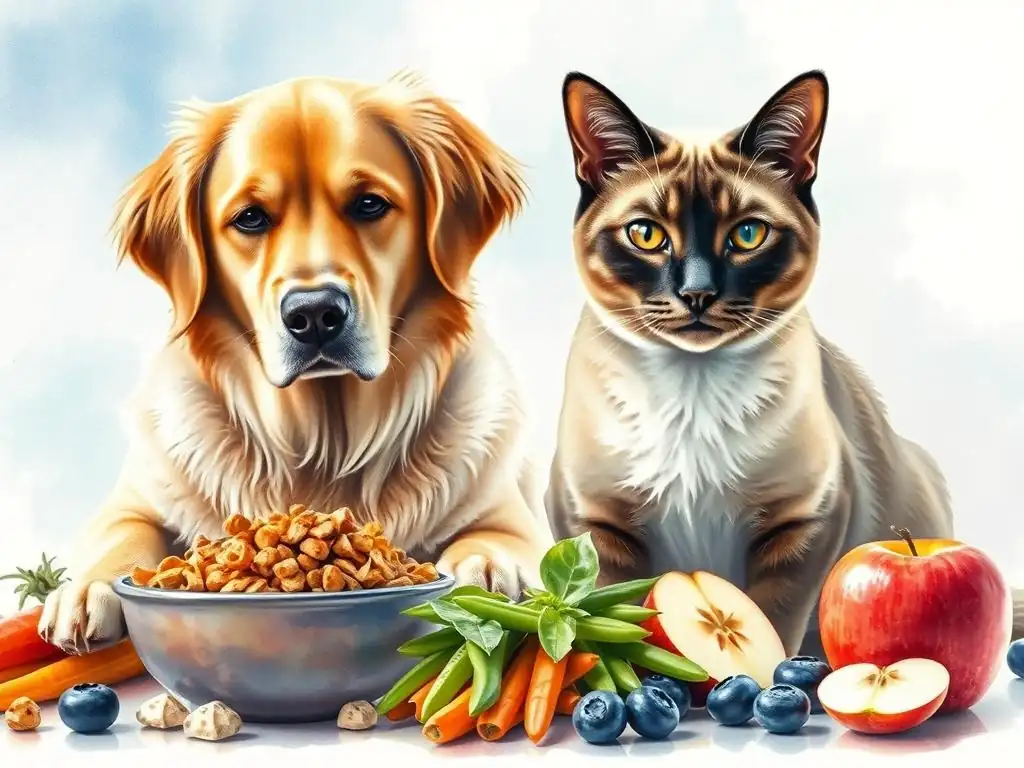
Addressing pet food allergy digestive problems requires a multifaceted approach, primarily focused on dietary management. The goal is to identify the offending allergen and then eliminate it from the pet's diet, while simultaneously supporting gut health. This involves careful observation, meticulous record-keeping, and a willingness to experiment with different food options. Success often hinges on patience and collaboration with a veterinarian. Ignoring these digestive problems can lead to more severe health issues down the line, so proactive management is key. Remember, early intervention significantly improves the chances of a positive outcome.
Implementing an Elimination Diet: A Step-by-Step Guide
An elimination diet is the cornerstone of diagnosing and managing food allergies in pets. It involves systematically removing suspected allergens from the diet, one at a time, while meticulously monitoring the pet's symptoms. This process can be time-consuming, but it is crucial for pinpointing the specific culprit behind the digestive upset.
Here's a step-by-step guide:
- Consult your veterinarian: Before starting any elimination diet, a veterinary consultation is essential. Your vet can help identify potential allergens based on your pet's history and symptoms, and rule out other underlying health conditions mimicking food allergies.
- Select a novel protein source: Choose a pet food that contains a protein source your pet has never eaten before. Common novel protein sources include venison, rabbit, duck, kangaroo, or fish like salmon (if your pet isn't already consuming it). The food should also contain a novel carbohydrate source, like sweet potato or pea.
- Strict adherence: For at least 8-12 weeks, feed your pet only the selected novel protein and carbohydrate source. Absolutely no table scraps, treats, or other foods should be given during this period. Even seemingly insignificant amounts of other foods can interfere with the accuracy of the elimination diet.
- Meticulous record-keeping: Maintain a detailed diary, noting everything your pet eats and any changes in their symptoms (vomiting, diarrhea, itching, etc.). This data is crucial for identifying the allergen. Include date, time, food consumed, and a detailed description of symptoms.
- Gradual reintroduction: After the 8-12 week elimination period, if symptoms have improved, gradually reintroduce suspected allergens one at a time, monitoring for any recurrence of symptoms. This helps definitively identify the offending allergen.
- Long-term management: Once the allergen is identified, it must be permanently excluded from your pet's diet. This often requires careful selection of commercial pet food or the preparation of home-cooked meals.
Choosing the Right Hypoallergenic Pet Food: Key Considerations
Once a food allergy is confirmed, selecting the right hypoallergenic pet food is vital for long-term management. Several options exist, each with its own advantages and disadvantages. The best choice depends on your pet's specific needs and your budget.
- Hydrolyzed protein diets: These diets break down proteins into smaller peptides, making them less likely to trigger an allergic reaction. They're effective but often more expensive.
- Novel protein diets: These diets use protein sources your pet hasn't encountered before, minimizing the risk of allergic reactions. Venison, rabbit, and kangaroo are frequently used.
- Elimination diets: As described above, these diets are crucial for identifying the specific allergen.
Key considerations when choosing a hypoallergenic pet food include:
- Ingredient list: Carefully examine the ingredient list, ensuring it contains only the listed novel protein and carbohydrate source. Avoid foods with added fillers, artificial colors, and preservatives.
- Veterinary recommendation: Consult your veterinarian for recommendations tailored to your pet's specific needs and allergies.
- Your pet's preferences: While effectiveness is paramount, try to choose a food your pet enjoys to ensure compliance with the diet.
Supplementing with Digestive Enzymes: Benefits and Precautions
Supplementing with digestive enzymes can be beneficial for pets with food allergies and digestive problems. Enzymes aid in the breakdown of food, potentially reducing symptoms like bloating, gas, and diarrhea. However, it's crucial to proceed with caution and under veterinary guidance.
- Benefits: Digestive enzymes can improve nutrient absorption, reduce inflammation, and alleviate digestive discomfort. They can be particularly helpful for pets with pancreatic insufficiency or other digestive disorders often associated with food allergies.
- Precautions: Not all digestive enzymes are created equal. Some may be ineffective or even harmful. Always consult your veterinarian before starting any enzyme supplementation. They can help you select the appropriate type and dosage for your pet's specific needs. Over-supplementation can have unintended consequences.
- Types of enzymes: Different enzymes target different nutrients. Proteases break down proteins, lipases break down fats, and amylases break down carbohydrates. Your vet can determine which enzymes are most appropriate for your pet.
Remember: This information is for educational purposes only and should not be considered a substitute for professional veterinary advice. Always consult with your veterinarian before making any changes to your pet's diet or supplementing with digestive enzymes. Early intervention and careful management are crucial for effectively addressing pet food allergy digestive problems and improving your pet's quality of life.
The Importance of Fresh, Whole Food Diets for Sensitive Pets
Many pets suffering from digestive issues related to food allergies or intolerances find significant relief when transitioned to a diet based on fresh, whole foods. This approach minimizes exposure to potentially problematic ingredients, additives, and preservatives commonly found in commercial pet foods. Unlike processed kibble or canned food, which often contain fillers, artificial colors, and flavors, fresh food diets prioritize whole, recognizable ingredients like lean meats (chicken, turkey, beef, lamb, etc.
), organ meats (liver, kidney, heart – in moderation), whole grains (brown rice, oats), and a variety of vegetables (sweet potatoes, carrots, green beans). These ingredients are generally easier to digest and less likely to trigger allergic reactions. The absence of artificial additives is crucial, as these can often act as irritants to a sensitive digestive system, exacerbating existing problems.
The benefits extend beyond just allergy management. A fresh food diet can improve overall gut health. The high fiber content in vegetables and whole grains promotes healthy bowel movements and reduces constipation, a common symptom of digestive upset. The readily available nutrients in whole foods also support a strong immune system, which is vital for managing allergies and preventing secondary infections.
Moreover, many pet owners report improved coat condition, increased energy levels, and a reduction in other allergy symptoms, such as skin itching and inflammation, when their pets are on a fresh food diet. However, it's crucial to consult with a veterinarian or veterinary nutritionist before making significant dietary changes, especially for pets with pre-existing conditions. They can help create a balanced and nutritious meal plan tailored to the specific needs of your pet. A sudden change in diet can also cause digestive upset, so gradual transitions are essential.
Successfully transitioning a pet to a fresh food diet requires careful planning and execution. It's not simply a matter of replacing kibble with table scraps. A balanced diet needs to incorporate the right proportions of protein, carbohydrates, fats, and essential vitamins and minerals to maintain optimal health.
Pre-made fresh food diets are available from specialized pet food providers, offering convenience and balanced nutrition. Alternatively, with the guidance of a vet or veterinary nutritionist, you can prepare homemade fresh food meals, ensuring the food is safe, palatable, and nutritionally complete. It's essential to understand the nutritional needs of your pet species and age, ensuring a balanced intake of all necessary nutrients.
Careful monitoring of your pet's weight and overall health is critical to ensure the diet is working effectively. Regular veterinary check-ups will aid in assessing the success of the dietary changes and making any necessary adjustments. Remember, a holistic approach that combines a fresh food diet with veterinary care is the most effective way to manage pet food allergy digestive problems.
Beyond Diet: Holistic Approaches to Digestive Health in Pets
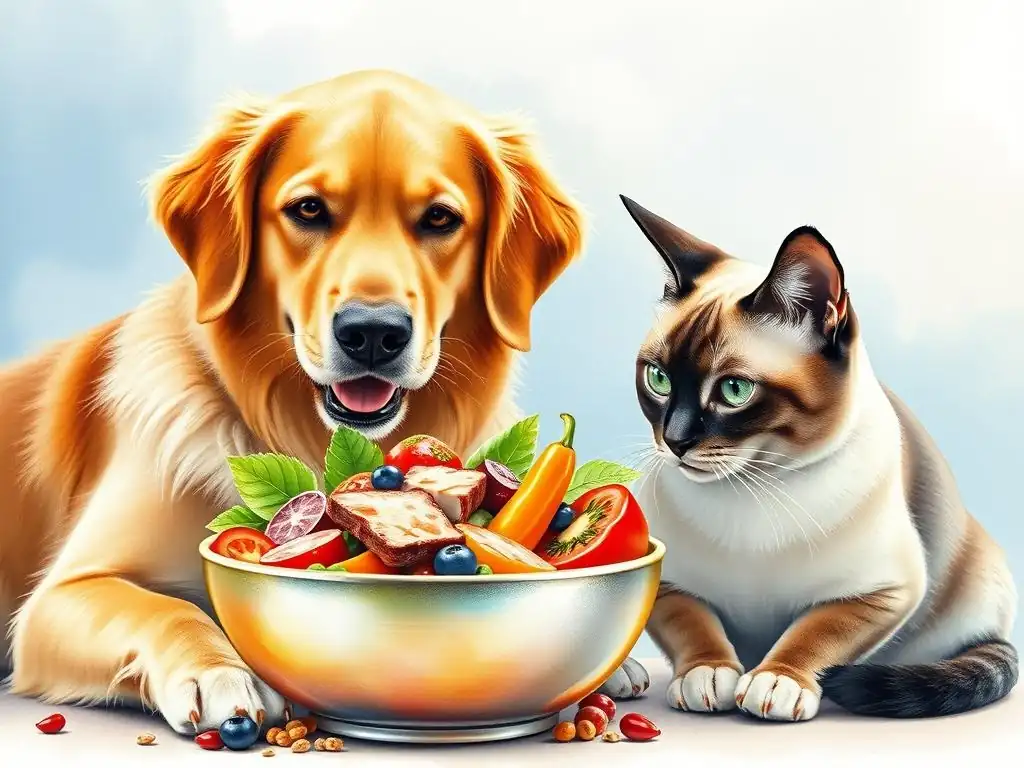
Addressing pet food allergy digestive problems requires a multifaceted approach. While dietary changes are crucial, focusing solely on food eliminates other significant contributors to digestive health. A holistic perspective considers the interconnectedness of various factors influencing your pet's gut. This section explores complementary strategies to improve digestion beyond diet modifications. Remember, always consult your veterinarian before implementing any new treatments or supplements for your pet.
The Gut Microbiome and its Influence on Digestion
The gut microbiome, the complex community of bacteria, fungi, and other microorganisms residing in your pet's digestive tract, plays a vital role in digestion and overall health. An imbalance, or dysbiosis, in this microbiome can lead to various digestive issues, including diarrhea, vomiting, and gas. Factors like antibiotic use, stress, and poor diet can disrupt the delicate balance of the gut flora. Maintaining a healthy microbiome is key to preventing and managing pet food allergy digestive problems.
Several strategies can support a healthy gut microbiome:
- Probiotic supplementation: Probiotics introduce beneficial bacteria to the gut, helping to restore balance. However, the efficacy varies greatly depending on the specific probiotic strain and your pet's individual needs. Always choose high-quality probiotics specifically formulated for pets. Dosage and duration should be determined by your veterinarian.
- Prebiotic inclusion: Prebiotics are non-digestible fibers that act as food for beneficial bacteria, promoting their growth and activity. Many commercially available pet foods now include prebiotics. You can also add prebiotic-rich foods like pumpkin puree (plain, canned) or cooked sweet potatoes to your pet's diet in moderation.
- Fecal microbiota transplantation (FMT): In severe cases of dysbiosis, FMT, a procedure involving transferring fecal matter from a healthy donor animal to the affected pet, may be considered. This is a more advanced and specialized treatment that should only be performed under veterinary supervision.
Stress and Anxiety as Contributors to Digestive Problems
Stress and anxiety are often overlooked contributors to digestive problems in pets. The gut-brain axis, a bidirectional communication pathway between the brain and the gut, highlights the strong connection between emotional state and digestive function. Stress can trigger the release of hormones that disrupt normal digestive processes, leading to symptoms like diarrhea, vomiting, and irritable bowel syndrome (IBS).
Recognizing and managing stress in pets is crucial for maintaining digestive health. Strategies include:
- Creating a safe and predictable environment: Provide your pet with a comfortable and secure space free from excessive noise and disturbances. Maintain a consistent routine for feeding, playtime, and walks.
- Enrichment and mental stimulation: Engage your pet in activities that stimulate their mind and body, such as puzzle toys, interactive games, and training sessions. This helps to reduce boredom and anxiety.
- Relaxation techniques: Techniques like pheromone diffusers, calming music, or even gentle massage can help to reduce stress and promote relaxation. The efficacy of these methods varies greatly between individual pets.
- Veterinary behavioral support: If stress and anxiety are significant concerns, consult a veterinarian or certified veterinary behaviorist for professional guidance and tailored management strategies.
Herbal Remedies and Natural Supplements for Digestive Support (Consult your vet)
Several herbal remedies and natural supplements are purported to support digestive health in pets. However, it's crucial to emphasize that these should always be used under the guidance of a veterinarian. Incorrect dosage or interaction with other medications can be harmful. The effectiveness and safety of these remedies vary significantly, and research supporting their use in pets is often limited.
Some commonly discussed options ( always consult your vet before use):
| Supplement | Potential Benefits | Potential Risks/Side Effects |
|---|---|---|
| Slippery Elm Bark | Soothes irritated digestive tract, reduces inflammation | Can interact with medications, potential for allergic reactions |
| Ginger | Aids digestion, reduces nausea | Can cause stomach upset in some pets |
| Peppermint | Relieves gas and bloating | Can be toxic to cats, potential for liver damage |
| Chamomile | Calming effect, may reduce inflammation | Potential for allergic reactions |
Remember, a holistic approach to managing pet food allergy digestive problems considers diet, gut microbiome health, stress levels, and potential complementary therapies. However, a veterinarian's guidance is essential to develop a safe and effective treatment plan tailored to your pet's specific needs. Never self-treat your pet. Early intervention and professional care are crucial for optimal digestive health and overall well-being.

Once a pet food allergy or intolerance has been diagnosed, proactive steps are crucial to prevent future digestive problems. This involves careful management of their diet, a vigilant approach to new food introductions, and consistent veterinary care. Ignoring these preventative measures can lead to recurring digestive upset, impacting your pet's overall health and well-being. Successfully navigating pet food allergies requires a commitment to long-term management, prioritizing your pet's comfort and health. This section will outline key strategies to minimize future digestive issues stemming from food sensitivities.
Reading Pet Food Labels Critically: Understanding Ingredients
Understanding pet food labels is paramount in managing food allergies. Many pet owners unknowingly contribute to digestive problems by feeding foods containing allergens. Don't just look at the main protein source; carefully scrutinize the entire ingredient list. Common allergens include beef, chicken, dairy, wheat, soy, and corn. 1 Look for labels clearly indicating "hypoallergenic" or "limited ingredient" diets. These often contain fewer protein sources and are designed to reduce the risk of allergic reactions. Pay close attention to the order of ingredients; those listed first are present in the highest concentration. Avoid products with vague terms like "meat by-products" or "animal digest," as these lack transparency and could contain hidden allergens. Always check for added fillers, artificial colors, and preservatives which can exacerbate digestive sensitivities. A thorough understanding of ingredient lists empowers you to make informed choices, significantly reducing the likelihood of future digestive problems related to pet food allergies.
Gradual Food Transitions to Minimize Digestive Upset
Introducing new foods abruptly can trigger digestive upset, even in pets without known allergies. A gradual transition is crucial, especially when switching to a new diet formulated to address allergies. A common method involves gradually increasing the proportion of the new food while decreasing the amount of the old food over 7-10 days. 2 Start by mixing a small amount (25%) of the new food with 75% of the old food. Over the next few days, gradually increase the ratio of new food, reducing the old food proportionally. Monitor your pet closely during this transition period. Look for signs of digestive distress, such as vomiting, diarrhea, or changes in stool consistency. If you observe any adverse reactions, slow down the transition or consult your veterinarian. A slow and careful approach minimizes the risk of digestive upset and helps prevent future problems.
Regular Veterinary Checkups: Early Detection and Prevention
Regular veterinary checkups are essential for early detection and management of pet food allergies. During these visits, your veterinarian can assess your pet's overall health, monitor their digestive system, and discuss any concerns about their diet. Early detection of allergies can prevent long-term digestive problems and other health complications. Your vet can perform allergy testing, recommend appropriate dietary changes, and offer valuable advice on managing your pet's specific needs.
Don't hesitate to discuss any changes in your pet's eating habits, stool consistency, or any other digestive symptoms. Proactive veterinary care, combined with a careful approach to diet, is a cornerstone of preventing future digestive issues related to pet food allergies. Remember, consistent monitoring and professional guidance are key to ensuring your pet's long-term digestive health and well-being. Regular checkups are not just preventative; they are essential for a thriving and happy pet.
1 Based on common veterinary observations and published research. Specific allergens can vary between individual pets. 2 This is a general guideline. Your veterinarian may recommend a different transition schedule based on your pet's individual needs.
When to Seek Veterinary Care for Pet Digestive Problems
Digestive issues in pets can range from minor inconveniences to serious medical emergencies. Knowing when to seek professional veterinary care is crucial for your pet's health and well-being. While occasional loose stools or mild vomiting might resolve on their own, persistent or worsening symptoms warrant a visit to the vet. Ignoring these signs can lead to dehydration, malnutrition, and more severe complications.
Early intervention often leads to a faster and more effective recovery. This section will help you distinguish between manageable situations and those requiring immediate veterinary attention. Remember, this information is for guidance only and should not replace professional veterinary advice.
Emergency Symptoms Requiring Immediate Veterinary Attention
Certain digestive symptoms in pets constitute genuine emergencies and require immediate veterinary care. These symptoms often indicate a serious underlying condition that needs prompt treatment. Delaying treatment in these cases can be life-threatening. Examples include:
- Bloody or black, tarry stools (melena): This can indicate internal bleeding, which is a serious condition requiring immediate medical attention. The color and consistency of the stool provides crucial diagnostic information for your veterinarian.
- Severe vomiting and/or diarrhea: Persistent, forceful vomiting, especially if accompanied by lethargy, dehydration (indicated by dry gums and sunken eyes), or inability to keep down fluids, is a cause for concern. Similarly, profuse, watery diarrhea can quickly lead to dehydration.
- Abdominal pain or distension: Your pet exhibiting signs of significant abdominal pain – such as restlessness, whimpering, or guarding its abdomen – needs immediate attention. A distended abdomen can indicate a blockage or other serious internal issue.
- Lethargy and weakness: A sudden and significant decrease in your pet's energy levels, coupled with other digestive symptoms, is a red flag. This can signal a serious underlying illness, including sepsis or organ failure.
- Loss of appetite (anorexia): While a temporary loss of appetite can be normal, prolonged anorexia, especially when combined with other concerning symptoms, warrants immediate veterinary assessment. This can be a sign of a number of health problems.
- Difficulty breathing: If your pet is experiencing difficulty breathing alongside digestive problems, it's a critical emergency. This could indicate a life-threatening complication.
Remember, even if a symptom doesn't appear on this list, if you are concerned about your pet's digestive health, it's always best to err on the side of caution and consult your veterinarian. Early diagnosis and treatment are key to preventing complications from pet food allergy digestive problems.
Long-Term Management of Food Allergies and Intolerances
Once a food allergy or intolerance has been diagnosed by your veterinarian, long-term management is crucial for your pet's health and comfort. This often involves a careful and consistent approach to diet and lifestyle. Successfully managing food allergies requires patience, diligence, and close collaboration with your veterinarian.
The cornerstone of managing food allergies is a strict elimination diet. This involves removing the identified allergen from your pet's food completely. Your vet will likely recommend a hypoallergenic diet, often consisting of novel protein sources (proteins your pet hasn't been exposed to before) and limited ingredients. This helps minimize the risk of further reactions. These diets are specifically formulated to avoid common allergens.
Monitoring your pet's response to the new diet is critical. You should carefully observe for any signs of improvement in their digestive symptoms. This includes noting changes in stool consistency, frequency of vomiting, and overall energy levels. Regular check-ups with your veterinarian are essential to assess the effectiveness of the diet and make any necessary adjustments. Maintaining detailed records of your pet’s diet and any observed symptoms will aid your vet in providing the best possible care.
Unfortunately, there is no quick fix for pet food allergy digestive problems. Long-term commitment to a carefully managed diet is necessary. However, with consistent care and veterinary guidance, many pets with food allergies can live long, healthy, and happy lives. The improved quality of life resulting from effective allergy management is well worth the effort. Remember, patience and persistence are key to success.
Frequently Asked Questions
What are the common signs of food allergies or intolerances in pets?
Common signs include vomiting, diarrhea, itchy skin, and ear infections. These symptoms can be subtle or severe, making diagnosis challenging. Consult your vet for proper assessment.
How is a food allergy diagnosed in pets?
Diagnosis usually involves a process of elimination diets, where suspect ingredients are removed, followed by gradual reintroduction to identify the allergenic food. Your veterinarian will guide you through this process.
What are some common food allergens for pets?
Common allergens include beef, dairy, chicken, wheat, and soy. However, any ingredient can potentially cause an allergic reaction in a sensitive pet. Testing can help pinpoint specific allergens.
Can food intolerances cause digestive problems in pets?
Yes, food intolerances can absolutely cause digestive issues like diarrhea, gas, and vomiting. Unlike allergies, they don't involve the immune system but still cause significant discomfort.
What are the treatment options for food allergies and intolerances in pets?
Treatment primarily involves a prescription diet that eliminates the identified allergen. Supplements may also be recommended to support gut health. Long-term management is often necessary.
Final Reflection: Unmasking the Digestive Distress in Our Beloved Pets
The silent suffering of pets with food intolerances and allergies is a widespread problem, impacting millions of animals and their heartbroken owners. Understanding the intricate connection between diet and digestive health is not just crucial for veterinary care; it's essential for ensuring the well-being and happiness of our furry companions. Ignoring these hidden culprits can lead to chronic discomfort and potentially serious health issues, highlighting the urgent need for increased awareness and proactive approaches.
The journey of uncovering the root causes of digestive problems in pets has been a profound one, both professionally and personally. Witnessing the transformative effect of a correctly diagnosed and managed dietary change on a suffering animal is incredibly rewarding. It underscores the vital role we play in advocating for our pets' health and understanding the nuances of their individual needs. The greatest gift you can give your pet is a long, healthy, and happy life, and proper nutrition plays a pivotal role in achieving this.
This simple truth guides my approach to pet health, and I hope it resonates with you as well.
Now, consider your own pet. Have you noticed any signs of digestive upset? Are they consistently scratching, experiencing skin issues, or exhibiting unusual lethargy? Don't dismiss these symptoms as minor inconveniences. Take the time to research, consult with your veterinarian, and consider the possibility of food intolerances or allergies. Empower yourself with knowledge, advocate for your pet's well-being, and contribute to a future where all pets can enjoy happy, healthy lives free from digestive distress.
Unlock Your Pet's Digestive Potential!
Thank you for learning about food intolerances and allergies in pets. We hope this article clarified a common, often overlooked cause of digestive distress. Let's empower your furry friend toward a healthier, happier gut!
- Consult your veterinarian: Schedule an appointment to discuss your pet's digestive issues and explore potential food sensitivities. This is crucial for finding the right solution.
- Keep a detailed food diary: Record your pet's diet, noting any behavioral changes or changes in stool consistency after eating specific foods. This information will be invaluable to your vet.
- Connect with other pet owners: Join our PetCareWorld community forums and share your experiences with food intolerances. Help other pet parents facing similar challenges.
Could a simple dietary change be the key to improving your pet's digestive health?