
The Impact of Diet on Your Pet's Coat and Skin Health


Welcome to PetCareWorld, your ultimate guide to a happier, healthier life for your beloved companion! Are you concerned about your pet's coat and skin? Discover the profound impact of pet diet on their overall coat and skin health. Dive into our insightful article and unlock the secrets to a radiant, healthy pet, from the inside out. Learn how the right nutrition can transform your pet's well-being – let's explore together!
- Understanding the Link Between Pet Diet and Coat/Skin Health
-
Common Dietary Issues Affecting Pet Coat and Skin
- The Impact of Food Allergies on Skin and Coat Health
- How Grain-Free Diets Affect Skin and Coat Health
- The Role of Additives and Preservatives in Skin Irritation
- Impact of Processed Foods on Pet Skin and Coat Health
- The Role of Food Allergies in Skin and Coat Problems
- Nutritional Deficiencies and Their Effect on Coat and Skin
- Choosing the Right Diet for Optimal Coat and Skin Health
- Supplements for Enhanced Coat and Skin Health
- Recognizing and Addressing Skin and Coat Problems
- Maintaining a Healthy Diet for Long-Term Coat and Skin Health
- Frequently Asked Questions
- Final Reflection: Nourishing the Bond: Diet's Profound Impact on Pet Wellbeing
- Unleash Your Pet's Radiant Best: A Healthier Coat Starts Now!
Understanding the Link Between Pet Diet and Coat/Skin Health
A pet's coat and skin are excellent indicators of their overall health, often reflecting nutritional deficiencies or imbalances before other symptoms appear. Maintaining a shiny, healthy coat and supple skin is not just about aesthetics; it's a crucial sign of a thriving pet.
This article delves into the profound impact of diet on your pet's coat and skin health, exploring the essential nutrients needed for optimal condition and highlighting the warning signs of nutritional deficiencies. Understanding this connection empowers pet owners to make informed dietary choices, contributing significantly to their companion's well-being and preventing potential health problems.
We'll cover everything from the importance of protein and fatty acids to the vital roles of vitamins and minerals in maintaining a healthy skin and coat, providing you with the knowledge to optimize your pet's nutrition and enhance their overall appearance and health. This guide is designed to help you understand how to use diet to improve "Pet diet coat skin health".
Essential Nutrients for a Healthy Pet Coat and Skin: Proteins, Fats, and More
The foundation of a healthy coat and skin lies in a balanced diet rich in essential nutrients. Proteins are the building blocks of skin and hair, providing the structural components necessary for their growth and repair. High-quality protein sources, such as those found in meat, poultry, fish, and eggs (for dogs and cats, especially), are vital. The quantity and quality of protein should be tailored to your pet's age, breed, activity level, and overall health.
Fats, particularly essential fatty acids like omega-3 and omega-6, are crucial for maintaining skin barrier function and preventing dryness and inflammation. Omega-3 fatty acids, often found in fish oil and flaxseed oil, have anti-inflammatory properties that can significantly improve skin conditions like allergies and dermatitis. Omega-6 fatty acids, present in vegetable oils, are also important but should be balanced with omega-3s to avoid imbalances. The optimal ratio of omega-3 to omega-6 fatty acids varies depending on the species and individual needs of your pet and should be discussed with your veterinarian.
Beyond proteins and fats, other crucial nutrients contribute to skin and coat health. For example, adequate hydration is essential for maintaining skin elasticity and preventing dryness. Ensuring your pet has access to fresh, clean water at all times is paramount. Insufficient water intake can lead to dry, flaky skin and a dull coat.
The Role of Vitamins and Minerals in Skin and Coat Condition
Vitamins and minerals play a supporting role, but are no less important for optimal skin and coat health. Vitamin A is crucial for cell growth and repair, contributing to a healthy skin barrier. Vitamin E, a potent antioxidant, protects the skin from damage caused by free radicals. Biotin (vitamin B7) is essential for keratin production, a key structural protein in skin, hair, and nails.
Zinc is a vital mineral involved in cell growth and repair, contributing to healthy skin and a shiny coat. A deficiency in any of these nutrients can manifest in various skin and coat problems. A well-balanced commercial pet food typically provides these nutrients in adequate amounts, but supplementation might be necessary in certain cases – always consult your vet before supplementing your pet's diet.
Identifying Deficiencies: Signs of Nutritional Imbalance in Your Pet's Skin and Coat
Recognizing the signs of nutritional deficiencies in your pet's skin and coat is crucial for prompt intervention. Common indicators include:
- Dull, dry coat: A lackluster coat is often the first sign of a nutritional imbalance.
- Excessive shedding: More than normal hair loss can indicate deficiencies in essential fatty acids or proteins.
- Itchy, flaky skin: Dry, itchy skin can be a symptom of deficiencies in vitamins, minerals, or essential fatty acids.
- Skin infections: Recurrent skin infections may point towards a weakened immune system, possibly linked to nutritional deficiencies.
- Hair loss (alopecia): Patchy hair loss can be a sign of various nutritional deficiencies or underlying health issues.
- Changes in coat color: A significant change in coat color could indicate a nutritional imbalance.
If you notice any of these signs in your pet, consult your veterinarian immediately. They can help identify the underlying cause, recommend appropriate dietary adjustments, or suggest further diagnostic tests to rule out other potential health problems. Early intervention is key to addressing nutritional deficiencies and preventing more serious health complications. 🐾
Common Dietary Issues Affecting Pet Coat and Skin
This section delves into the common dietary pitfalls that can significantly impact your pet's coat and skin health. Understanding these issues is crucial for providing your furry, feathered, or scaled friend with the best possible nutrition. We'll explore specific dietary concerns and their effects, empowering you to make informed decisions about your pet's food. Remember, a healthy diet is the cornerstone of healthy skin and a radiant coat. Proper pet diet coat skin health management starts with understanding these challenges.
The Impact of Food Allergies on Skin and Coat Health
Food allergies are a prevalent cause of skin problems in pets. These allergies manifest in various ways, often presenting as chronic itching, scratching, inflamed skin, and a dull, lackluster coat. Common allergens include beef, dairy, chicken, wheat, soy, and corn. The severity of allergic reactions varies widely; some pets experience mild irritation, while others suffer from severe skin infections and discomfort.
Identifying food allergies requires careful observation and often involves an elimination diet trial, guided by a veterinarian. This process typically involves removing suspected allergens from your pet's diet for several weeks, followed by gradual reintroduction to pinpoint the culprit. During this period, meticulous record-keeping of your pet's symptoms is essential.
For example, a dog showing persistent itching and patchy hair loss might be allergic to chicken. Switching to a novel protein source, like lamb or fish, can drastically improve their condition. Similarly, a cat with recurrent skin infections could benefit from a diet free of dairy products. The key is patience and collaboration with your vet to manage these allergies effectively. Successfully managing these allergies contributes positively to your pet's overall pet diet coat skin health.
How Grain-Free Diets Affect Skin and Coat Health
The popularity of grain-free diets has surged in recent years, fueled by concerns about grain sensitivities. However, the impact of grain-free diets on skin and coat health is complex and not universally beneficial. While some pets experience improvements in skin and coat condition when grains are removed from their diet, others show no noticeable change, and some even experience negative consequences.
The absence of grains doesn't automatically equate to superior skin and coat health. The quality of ingredients, including the protein and fat sources, remains paramount. A grain-free diet lacking essential fatty acids or containing low-quality proteins can actually worsen skin and coat issues. Moreover, some grain-free diets may be higher in certain ingredients that can cause problems for some pets.
It's crucial to consult your veterinarian before switching your pet to a grain-free diet. They can help you select a formula that meets your pet's specific nutritional needs and avoid potential deficiencies or imbalances. A well-formulated grain-free diet can be beneficial for some pets, but it's not a guaranteed solution for all skin and coat problems. Remember, the focus should always be on complete and balanced nutrition, regardless of the presence or absence of grains in the diet. A balanced approach to pet diet coat skin health is key.
The Role of Additives and Preservatives in Skin Irritation
Many commercially produced pet foods contain additives and preservatives to enhance shelf life, flavor, and color. While many are generally recognized as safe (GRAS) by regulatory bodies, some pets exhibit sensitivities to these substances. These sensitivities can manifest as skin irritation, such as redness, itching, and inflammation. Common culprits include artificial colors, flavors, and certain preservatives.
The exact mechanism by which these additives cause skin problems isn't always fully understood, but reactions likely involve immune system responses. Some pets may have a genetic predisposition to react to certain additives more readily than others. Furthermore, the cumulative effect of multiple additives might trigger a reaction even if individual components are tolerated well.
Choosing pet foods with minimal artificial additives and preservatives can help mitigate these risks. Look for foods with clear and concise ingredient lists, prioritizing whole food sources over heavily processed ingredients. Opting for foods with natural preservatives, such as vitamin E or mixed tocopherols, can be a safer alternative. Always read labels carefully and consult your veterinarian if you suspect your pet's skin problems are related to food additives. Prioritizing natural ingredients contributes to better pet diet coat skin health.
Impact of Processed Foods on Pet Skin and Coat Health
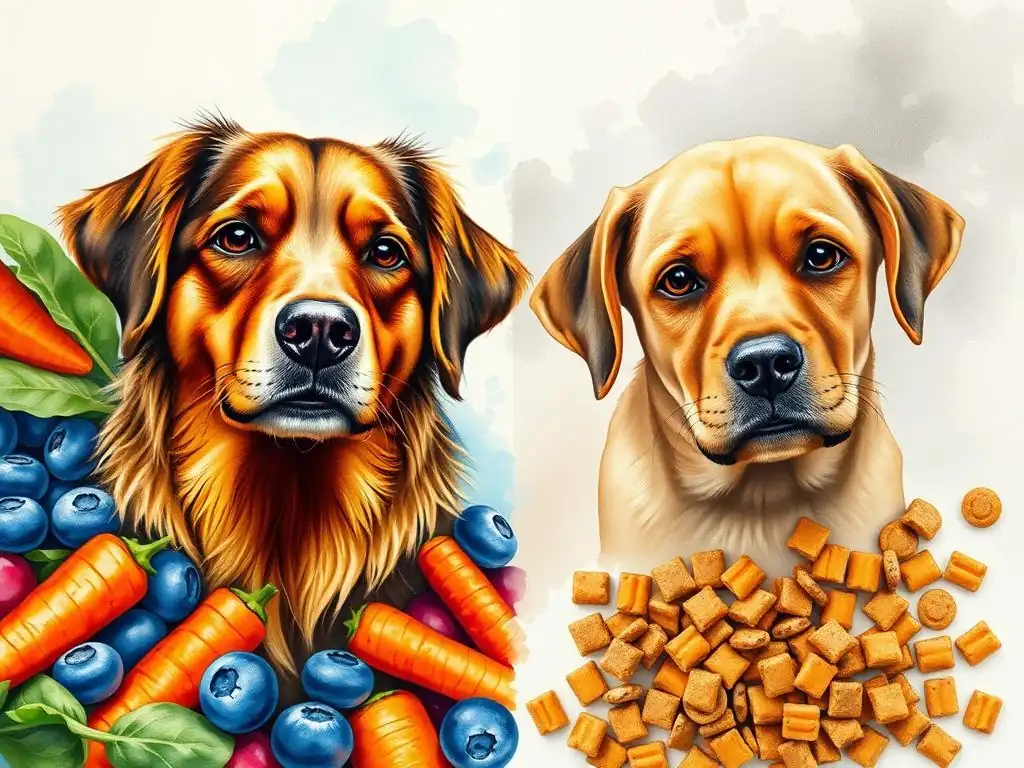
Processed pet foods, while often convenient, frequently contain ingredients that can negatively impact a pet's coat and skin health. Many commercial processed foods are loaded with fillers, artificial colors, and preservatives. These additives can act as irritants, triggering allergic reactions that manifest as itchy skin, excessive shedding, and dull, lifeless fur. The lack of essential nutrients in many processed foods further exacerbates the problem. A diet deficient in omega-3 and omega-6 fatty acids, for example, can lead to dry, flaky skin and a dull coat.
The high carbohydrate content in some processed foods can also contribute to weight gain, leading to further skin issues. Obesity can put extra stress on the skin, making it more prone to infections and irritations. Furthermore, the use of low-quality protein sources in some processed foods can impact the overall health and condition of the skin and coat. A pet's skin and coat are reflections of their internal health; providing a diet rich in whole, unprocessed ingredients is vital for their well-being. Choosing pet foods with clearly defined and easily identifiable ingredients, prioritizing whole meats and vegetables, and minimizing fillers and artificial additives is crucial for maintaining healthy skin and a shiny coat.
Always check the ingredient list carefully, looking for high-quality protein sources listed prominently and avoiding lengthy lists of unidentifiable fillers and artificial ingredients. A holistic approach to pet nutrition, focusing on whole, natural foods, is far superior to relying solely on commercially processed foods for maintaining optimal coat and skin health. Remember, a healthy diet is the foundation of a healthy pet. 🐶
The Role of Food Allergies in Skin and Coat Problems
Food allergies are a significant contributor to skin and coat problems in pets. Just like humans, animals can develop sensitivities to certain ingredients in their food. Common allergens include beef, dairy, chicken, wheat, soy, and corn. These allergies can manifest in various ways, including intense itching, redness, hot spots, chronic ear infections, and a dull, lackluster coat. The severity of allergic reactions varies greatly depending on the pet and the specific allergen.
Some pets may experience mild symptoms, while others suffer from severe, debilitating reactions. Diagnosing food allergies requires careful observation and often involves an elimination diet trial, guided by a veterinarian. This involves gradually removing suspected allergens from the pet's diet and closely monitoring their symptoms. If symptoms improve, the allergen is confirmed, and alternative food sources must be identified. Once the allergen is identified, the pet needs to maintain a strict diet avoiding that allergen.
Ignoring food allergies can lead to chronic skin problems, recurrent infections, and a significant decrease in overall quality of life for your pet. Early identification and management of food allergies are crucial for maintaining healthy skin and a vibrant coat. It's important to consult with a veterinarian to determine the best course of action for your pet. 🐕
Nutritional Deficiencies and Their Effect on Coat and Skin
Nutritional deficiencies can significantly impact a pet's coat and skin health. A balanced diet is essential to provide all the necessary vitamins, minerals, and fatty acids for healthy skin and fur. Deficiencies in essential fatty acids like omega-3 and omega-6 can lead to dry, flaky skin, excessive shedding, and a dull coat. Similarly, deficiencies in vitamins A, E, and zinc can cause skin problems such as scaling, inflammation, and impaired wound healing.
Protein deficiencies can result in poor coat quality, thinning fur, and increased susceptibility to infections. Certain mineral deficiencies, such as biotin or copper, can also manifest as skin and coat issues. Recognizing the signs of nutritional deficiencies is crucial for addressing the underlying problem and improving your pet's overall health. These deficiencies can often be identified through regular veterinary check-ups and blood tests.
A veterinarian can recommend dietary adjustments or supplements to correct any identified deficiencies. Providing a complete and balanced diet is essential for preventing nutritional deficiencies and ensuring optimal coat and skin health. A well-nourished pet will have a vibrant, healthy coat and healthy, supple skin. 🐈
Choosing the Right Diet for Optimal Coat and Skin Health
Selecting the appropriate pet diet is crucial for maintaining a healthy coat and skin. A balanced diet provides the essential nutrients – fatty acids, proteins, vitamins, and minerals – necessary for vibrant fur and healthy skin. Nutritional deficiencies can manifest as dull, dry coats, flaky skin, excessive shedding, and even skin infections. Therefore, understanding your pet's specific dietary needs based on their breed, age, activity level, and any pre-existing health conditions is paramount.
This involves carefully considering the ingredients and nutritional profile of their food. Ignoring these factors can lead to significant long-term health problems impacting both their coat and skin, and their overall well-being. Choosing the right diet is an investment in your pet's health and happiness.
Selecting High-Quality Pet Food: Ingredients to Look For and Avoid
High-quality pet food is the cornerstone of healthy skin and coat. When selecting commercial pet food, scrutinize the ingredient list carefully. Look for foods with named meat sources (e.g., "chicken," not "meat by-products") listed as the primary ingredients. High-quality protein sources are essential for healthy skin cell regeneration and coat growth. The inclusion of healthy fats, such as omega-3 and omega-6 fatty acids (found in fish oil, flaxseed oil, and chicken fat), is also vital. These fatty acids contribute significantly to a shiny, healthy coat and help reduce inflammation in the skin.
Avoid foods containing fillers like corn, wheat, and soy, which offer minimal nutritional value and can trigger allergies in some pets. Artificial colors, flavors, and preservatives should also be avoided, as these can irritate sensitive skin and contribute to long-term health problems. Look for foods with clearly stated guaranteed analysis, indicating the minimum percentages of crude protein, fat, fiber, and moisture. A balanced ratio of these nutrients is essential for maintaining optimal skin and coat health. Consider consulting with your veterinarian to determine the best food for your pet's specific needs.
Raw Food Diets: Benefits, Risks, and Considerations for Skin and Coat Health
Raw food diets, consisting of uncooked meat, bones, and organs, have gained popularity among pet owners. Proponents claim that raw food diets offer superior nutritional benefits, resulting in improved coat and skin health. The argument rests on the idea that raw ingredients retain more nutrients than processed foods. Some studies suggest that raw diets may improve coat condition and reduce skin allergies in certain pets. However, this is not universally accepted, and more research is needed.
However, raw food diets also carry significant risks. These diets can contain harmful bacteria like Salmonella and E. coli, posing risks to both the pet and the owner. Improper preparation and handling can increase these risks dramatically. Furthermore, nutritional imbalances are possible if the diet isn't carefully formulated by a veterinary nutritionist.
There is also a risk of bone splinters causing internal injuries. Before considering a raw food diet, it's crucial to consult a veterinarian or veterinary nutritionist to assess the risks and benefits for your pet and to ensure the diet is appropriately balanced and prepared. The potential benefits for coat and skin health must be carefully weighed against these substantial risks.
Homemade Diets for Pets: Nutritional Balance and Skin Health
Creating a homemade diet for your pet requires significant knowledge of canine or feline nutritional requirements. Improperly balanced homemade diets can lead to severe nutritional deficiencies, impacting coat and skin health negatively. A homemade diet must provide the correct balance of protein, fat, carbohydrates, vitamins, and minerals to meet your pet's specific needs. This requires careful calculation and often necessitates consulting with a veterinary nutritionist to create a safe and balanced recipe.
The advantages of a homemade diet include greater control over ingredients and the ability to avoid allergens or ingredients your pet may be sensitive to. This can be beneficial for pets with specific skin conditions or allergies. However, the time commitment and expertise needed to create a nutritionally complete and balanced diet are substantial.
Without proper planning and veterinary guidance, the risks of nutritional deficiencies far outweigh the potential benefits. The effort required to maintain a balanced homemade diet should not be underestimated; careful monitoring of your pet's health and regular veterinary checkups are essential. A poorly balanced homemade diet can easily lead to dull coat, dry skin, and other health problems.
Transitioning to a New Diet: Gradual Changes for Optimal Results
Switching your pet's food abruptly can lead to digestive upset, including vomiting and diarrhea. A sudden change in diet can also negatively impact their coat and skin, potentially exacerbating existing conditions or triggering new ones. The digestive system needs time to adjust to new ingredients and nutrient profiles. Therefore, a gradual transition is crucial for maintaining gut health and preventing adverse reactions. This is especially important when addressing existing skin or coat issues, as a poorly managed transition can worsen the problem.
A typical transition period should last 7-10 days, although some pets may require a longer adjustment period. Begin by mixing a small amount (around 25%) of the new food with their current food. Over the next several days, gradually increase the proportion of the new food while decreasing the amount of the old food. By day 7-10, your pet should be eating 100% of the new food.
Monitor your pet closely during this period, paying close attention to their stool consistency and any signs of digestive distress. If you notice any significant changes, such as persistent vomiting or diarrhea, slow down the transition process or consult your veterinarian. Remember, patience is key; rushing the process can negate the benefits of the new diet and potentially harm your pet's health. A smooth transition ensures that your pet can fully benefit from the improved nutrients in their new food, leading to a healthier coat and skin.
This approach minimizes the risk of digestive issues, allows for better nutrient absorption, and ultimately contributes to a shiny, healthy coat and radiant skin. Always prioritize your pet's well-being and consult with your veterinarian if you have any concerns about dietary changes. They can provide personalized advice based on your pet's specific needs and health history, ensuring a safe and effective transition to a new diet that supports optimal coat and skin health.
Supplements for Enhanced Coat and Skin Health
Maintaining a healthy coat and skin for your pet is crucial for their overall well-being. While a balanced diet forms the foundation of good skin and coat health, targeted supplementation can provide an extra boost. This section explores several supplements that can significantly improve your pet's skin and coat condition, contributing to a shinier, healthier appearance and potentially reducing issues like dryness, itching, and flaking.
Remember to always consult your veterinarian before introducing any new supplements to your pet's diet, as individual needs vary greatly depending on species, breed, age, and existing health conditions. Improper supplementation can lead to adverse effects, so responsible pet ownership involves careful planning and veterinary guidance. This is particularly important when considering the impact of pet diet on coat and skin health.
Omega-3 Fatty Acids and their Benefits for Pet Skin and Coat
Omega-3 fatty acids, specifically EPA (eicosapentaenoic acid) and DHA (docosahexaenoic acid), are essential fatty acids that play a vital role in maintaining healthy skin and a lustrous coat. These fatty acids are crucial components of cell membranes, contributing to their structural integrity and function. A deficiency in omega-3s can lead to dry, flaky skin, a dull coat, and increased susceptibility to skin inflammation.
Several studies have shown the positive effects of omega-3 supplementation on pet skin and coat health. For example, research suggests that omega-3s can reduce inflammation associated with conditions like atopic dermatitis in dogs. They also help to improve the skin barrier function, making it less permeable to allergens and irritants. The benefits extend beyond skin health; omega-3s have also been linked to improved cognitive function and reduced inflammation throughout the body.
The best sources of omega-3s for pets include fish oil (rich in EPA and DHA), flaxseed oil (primarily ALA, which the body converts to EPA and DHA, though less efficiently), and krill oil. The optimal dosage varies depending on your pet's size, breed, and specific needs, so always follow the instructions on the product label or consult your veterinarian. Remember, while omega-3s are beneficial, an overabundance can also lead to negative consequences. Balance is key when considering the impact of pet diet on coat and skin health.
Probiotics for Gut Health and Skin Condition
The gut microbiome plays a surprisingly significant role in overall pet health, including skin and coat condition. A healthy gut, teeming with beneficial bacteria, supports a strong immune system and helps regulate inflammation. Probiotics, live microorganisms that confer health benefits when administered in adequate amounts, can help restore and maintain a balanced gut microbiome.
The connection between gut health and skin health is increasingly recognized in both human and veterinary medicine. The gut-skin axis refers to the bidirectional communication between the gut and the skin. Imbalances in the gut microbiome (dysbiosis) can trigger inflammation throughout the body, including the skin, leading to conditions like allergies, itching, and skin infections. Probiotics can help alleviate these issues by restoring microbial balance, reducing inflammation, and strengthening the immune system.
Choosing the right probiotic for your pet is crucial. Look for products specifically formulated for animals, containing strains known to be beneficial for gut health. The dosage should be adjusted according to your pet's size and weight, and it's always advisable to consult your veterinarian before starting any probiotic supplementation. They can help determine the appropriate probiotic strain and dosage for your pet's specific needs and ensure it won't negatively interact with any existing medications. Monitoring your pet's response to the probiotic is also important.
Other Beneficial Supplements for Skin and Coat Health (e.g., Biotin, Zinc)
Besides omega-3s and probiotics, other supplements can contribute to improved skin and coat health. Biotin, a B vitamin, is essential for the production of keratin, a key structural protein in skin, hair, and nails. A biotin deficiency can lead to dry, brittle hair and skin problems. Zinc is another crucial mineral involved in cell growth and repair, supporting healthy skin and coat. It also plays a role in immune function.
Other potential supplements include Vitamin E (a powerful antioxidant that protects cells from damage), Vitamin A (important for skin cell growth and differentiation), and various antioxidants. However, it's important to note that the effectiveness of these supplements can vary depending on the underlying cause of skin and coat problems. For example, while biotin may help with mild dryness, it won't address underlying conditions like allergies or infections.
Before introducing any new supplements to your pet's diet, it is crucial to consult with your veterinarian. They can help you determine if supplementation is necessary and, if so, what type and dosage is appropriate for your pet's individual needs and health status. Remember, a healthy, balanced diet remains the cornerstone of good skin and coat health, and supplements should be considered as complementary support rather than a replacement for proper nutrition. Always prioritize a balanced diet rich in essential nutrients when addressing your pet's coat and skin health concerns. This holistic approach ensures optimal results.
Recognizing and Addressing Skin and Coat Problems
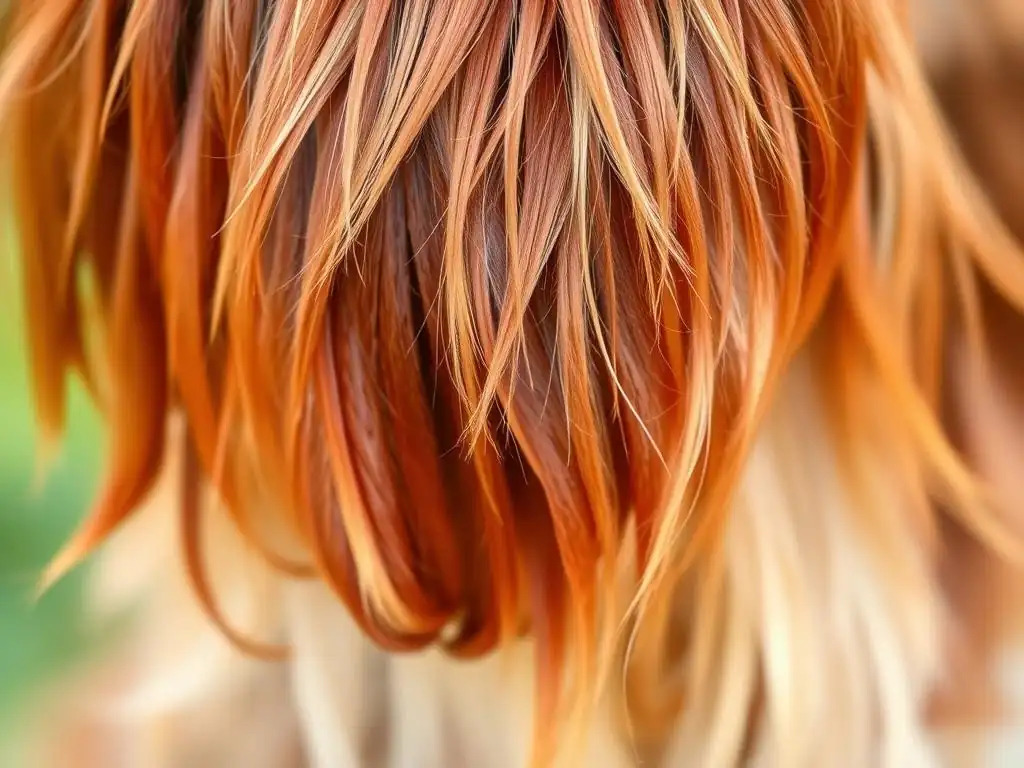
Pet diet plays a crucial role in maintaining a healthy coat and skin. A dull, dry, or itchy coat, along with skin problems, often signals underlying nutritional imbalances. Understanding these signs is the first step towards improving your pet's health. Many pet owners overlook the subtle indicators, attributing them to seasonal changes or minor irritations.
However, persistent issues warrant closer examination and often point to dietary deficiencies or sensitivities. The key is to observe your pet carefully and recognize deviations from their normal appearance and behavior. For example, excessive scratching, licking, or chewing can be significant warning signs. Changes in coat texture, such as increased dryness, flakiness, or excessive shedding, also require attention.
These symptoms, when coupled with other health indicators like lethargy or changes in appetite, should prompt a consultation with a veterinarian. Early intervention is key to preventing more serious complications. Proactive monitoring and a holistic approach to pet care, including a balanced diet, are essential for maintaining your pet's overall well-being. Remember, a shiny, healthy coat is often a reflection of good internal health.
Common Skin Conditions Linked to Diet
Numerous skin conditions in pets are directly linked to dietary factors. Poor quality ingredients, unbalanced nutrient ratios, and food sensitivities can all contribute to dermatological issues. Let's explore some common examples:
- Dry Skin and Dull Coat: A deficiency in essential fatty acids (EFAs), like omega-3 and omega-6, is a frequent culprit. These fatty acids are crucial for maintaining the skin's barrier function and producing a healthy, shiny coat. Insufficient intake leads to dry, flaky skin and a dull, lackluster coat. This is particularly common in pets fed diets lacking in fish oil or other rich sources of EFAs.
- Itching and Inflammation: Food allergies are another major cause of itchy skin and inflammation. Common allergens include proteins like beef, chicken, dairy, and wheat. These allergies can manifest as chronic itching, redness, and even secondary infections. Elimination diets, where specific ingredients are removed to identify the allergen, are often used to diagnose and manage food allergies.
- Seborrhea: This condition involves excessive sebum production, leading to greasy skin and a scaling coat. While genetic factors can play a role, dietary imbalances can exacerbate seborrhea. An excess of certain fats or deficiencies in essential nutrients can disrupt the skin's oil production.
- Hair Loss (Alopecia): While several factors can cause hair loss, nutritional deficiencies, particularly in protein and certain minerals, can contribute to this problem. Protein is essential for building and maintaining healthy hair follicles.
When to Consult a Veterinarian about Skin and Coat Issues
While dietary adjustments can significantly improve many skin and coat problems, it's crucial to consult a veterinarian when:
- Symptoms are severe or persistent: If your pet exhibits intense itching, significant hair loss, or large areas of inflamed skin, prompt veterinary attention is necessary. These could indicate underlying conditions beyond simple nutritional deficiencies.
- Secondary infections develop: Scratching and licking can break the skin, leading to bacterial or fungal infections. These infections require veterinary treatment with antibiotics or antifungals.
- Underlying medical conditions are suspected: Certain medical conditions, such as hormonal imbalances or autoimmune diseases, can manifest as skin and coat problems. A veterinarian can perform diagnostic tests to rule out these possibilities.
- Home remedies are ineffective: If you've tried dietary changes and other home remedies without improvement, it's time to seek professional veterinary help. A veterinarian can provide a proper diagnosis and recommend appropriate treatment. Remember, early diagnosis and treatment are essential to prevent complications and ensure your pet's comfort.
Diagnosing Nutritional Deficiencies: Veterinary Testing and Advice
A veterinarian plays a vital role in diagnosing nutritional deficiencies contributing to skin and coat issues. They will conduct a thorough physical examination, reviewing your pet's history, diet, and symptoms. Several diagnostic tests may be recommended, including:
| Test | Purpose |
|---|---|
| Blood work | Assesses overall health, identifies deficiencies in vitamins and minerals. |
| Skin scraping/biopsy | Detects parasites, fungal infections, and other skin abnormalities. |
| Food allergy testing | Identifies specific food allergens causing reactions. |
| Microscopic hair analysis | Evaluates hair shaft structure for signs of nutritional deficiencies. |
Based on the results, your veterinarian can recommend a tailored dietary plan to address any identified deficiencies or allergies. This might involve switching to a higher-quality commercial pet food, adding supplements, or implementing an elimination diet. Close monitoring of your pet's response to these changes is crucial. Remember, working closely with your veterinarian is key to ensuring your pet receives the optimal nutrition for healthy skin and a beautiful coat. Don't hesitate to ask questions and share any concerns you may have. A collaborative approach is essential for achieving the best possible outcome for your furry friend. 🐕🦺
Maintaining a Healthy Diet for Long-Term Coat and Skin Health
Maintaining optimal pet diet coat skin health requires a holistic approach, focusing on consistent, high-quality nutrition. The adage "you are what you eat" applies strongly to our furry friends. A balanced diet provides the essential building blocks – proteins, fats, and carbohydrates – necessary for a lustrous coat and healthy skin. Deficiencies in key nutrients can manifest as dull, dry fur, excessive shedding, skin irritations, and even more serious dermatological conditions.
Creating a Consistent Feeding Schedule for Optimal Results
Consistency is key when it comes to pet nutrition. A regular feeding schedule helps regulate your pet's digestive system, contributing to better nutrient absorption and overall health. Avoid erratic feeding patterns, which can lead to digestive upset and impact the quality of your pet's coat and skin. For example, a dog fed sporadically might experience more frequent shedding and duller fur compared to a dog fed at the same times each day.
Consider using a measured food dispenser to ensure portion control and prevent overfeeding, a common contributor to obesity and subsequent skin problems. Establish a routine and stick to it as much as possible; this predictability is beneficial for both you and your pet. The benefits extend beyond just skin and coat health; a consistent routine contributes to a calmer, happier pet overall.
Monitoring Your Pet's Coat and Skin for Changes
Regular observation of your pet's coat and skin is crucial for early detection of potential health issues. Changes in coat texture (dullness, dryness, excessive shedding), skin appearance (redness, itching, scaling), or behavior (excessive scratching, licking, biting) can all indicate underlying nutritional deficiencies or other health problems. Keep a detailed record of any changes you observe, noting the date, the specific changes, and any other relevant information, such as dietary changes or environmental factors. This information will be invaluable during veterinary visits.
For example, a sudden increase in shedding alongside a change in diet might suggest an intolerance to a specific ingredient. Early identification allows for prompt intervention, preventing minor issues from escalating into more significant health concerns. Remember, proactive monitoring is a vital component of preventative care.
Regular Veterinary Checkups: Preventative Care for Skin and Coat Health
Regular veterinary checkups are essential for maintaining your pet's overall health, including their skin and coat. During these visits, your veterinarian can assess your pet's coat and skin condition, identify any potential problems, and recommend appropriate dietary adjustments or treatments. They can also run tests to rule out underlying medical conditions that might be contributing to skin or coat issues.
Preventative care is often more cost-effective and less stressful than treating advanced conditions. For instance, a yearly checkup might reveal a minor allergy early on, allowing for simple dietary modifications to alleviate symptoms before they become severe. Don't underestimate the importance of these routine checkups; they are an investment in your pet's long-term well-being and a key element in maintaining optimal pet diet coat skin health.
Think of it as preventative maintenance for your pet's beautiful coat and healthy skin. Scheduling these appointments proactively demonstrates your commitment to your pet's health and happiness.
Frequently Asked Questions
How does diet affect my pet's coat and skin?
The nutrients in your pet's food directly impact their skin and coat. A lack of essential fatty acids, vitamins, and minerals can lead to dry, dull fur, skin irritation, and even hair loss. A balanced diet is crucial.
What are the key nutrients for healthy skin and coat?
Omega-3 and Omega-6 fatty acids, biotin, zinc, and vitamin E are vital for a healthy coat and skin. These support skin barrier function, reduce inflammation, and promote healthy hair growth. Consult your vet for specific recommendations.
My pet has dry skin and dull fur. What should I do?
First, review your pet's current diet. Consider switching to a food formulated for skin and coat health, which often includes the key nutrients mentioned above. You might also need to add supplements, but always consult your veterinarian first.
Can I give my pet human food to improve their coat and skin?
Generally, no. Human food is often not nutritionally balanced for pets and can even be toxic. Stick to pet food formulated to meet their specific dietary needs for optimal skin and coat health. Consult your vet before making any dietary changes.
When should I consult a veterinarian about my pet's skin and coat?
If you notice significant changes like excessive itching, hair loss, redness, or sores, consult your vet immediately. They can help diagnose underlying issues and recommend the best treatment plan, which may include dietary changes.
Final Reflection: Nourishing the Bond: Diet's Profound Impact on Pet Wellbeing
The health of your pet's coat and skin is a direct reflection of their internal wellbeing, a vibrant indicator of a balanced and nutritious diet. A dull, itchy coat isn't just an aesthetic concern; it's a clear sign that something within your furry friend's system needs attention. Understanding the intricate connection between diet and dermatological health is crucial for responsible pet ownership.
The impact of proper nutrition on a pet's coat and skin is undeniable, extending far beyond mere aesthetics. It's about fostering a life of comfort and vitality, free from the discomfort of allergies and skin irritations. A healthy, shiny coat is a testament to a happy, healthy pet. As the saying goes, A healthy outside starts from the inside.
This rings profoundly true for our beloved animal companions, highlighting the importance of mindful dietary choices in strengthening our bond with them. The journey to a healthier pet begins with understanding the power of the food we provide.
Now, consider your own pet. What steps can you take today to improve their diet and, consequently, their overall health and happiness? Are there ingredients you can add or remove? Perhaps a consultation with your veterinarian is in order to discuss a tailored nutrition plan. Take this knowledge, this understanding of the profound connection between diet and wellbeing, and use it to nurture the precious bond you share with your furry friend. The reward – a happy, healthy, and vibrant companion – is immeasurable.
Unleash Your Pet's Radiant Best: A Healthier Coat Starts Now!
Thank you for learning about the powerful connection between diet and your pet's gorgeous coat and skin! You've gained valuable insights into nourishing your furry friend from the inside out. Now, let's put that knowledge into practice.
- Prioritize a balanced diet: Choose a high-quality pet food that features excellent protein sources and healthy fats. This is the single most important step towards a healthier coat and skin. Carefully review the ingredients of your pet's current food and consider switching to one that better meets their nutritional needs.
- Monitor your pet's progress: Keep a simple journal noting any changes in their coat's shine, shedding, or skin condition after making dietary adjustments. This will be invaluable for future adjustments and for tracking your pet's overall health.
- Share your experiences: Join our PetCareWorld community and share your pet's transformation journey, or ask questions if you need help choosing the best food for your pet's specific needs.
Ready to see a noticeable improvement in your pet's coat and skin? What small dietary change will you make today?