
Italian Greyhound Insights: Exercise, Care & Temperament

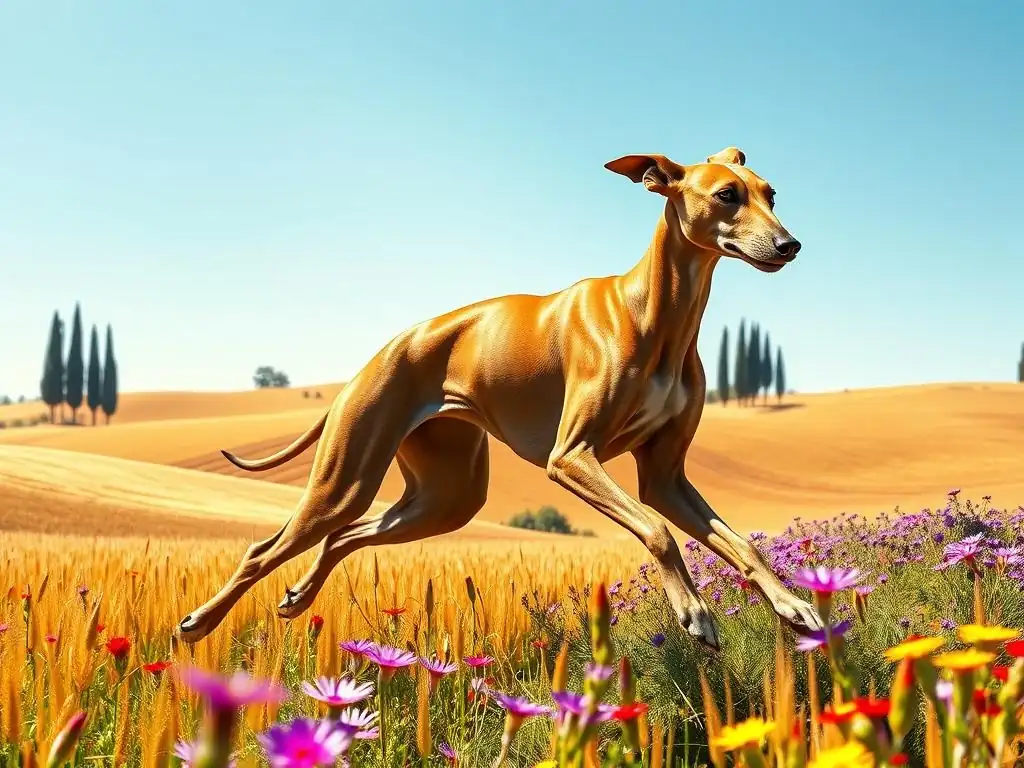
Welcome to PetCareWorld, your ultimate guide to a happier, healthier life for your beloved companion! Are you ready to unlock the secrets to a thriving relationship with your pet? We delve into the fascinating world of canine care, and today we're focusing on a breed that demands special attention: the elegant Italian Greyhound. Discover the crucial Italian Greyhound exercise needs and much more within our insightful guide, ensuring your spirited friend receives the perfect blend of care and attention they deserve. Dive in and learn how to best nurture your Italian Greyhound's unique needs!
- Understanding Italian Greyhound Exercise Needs
- Italian Greyhound Care: A Comprehensive Guide
- Italian Greyhound Temperament and Personality
- Italian Greyhound: A Perfect Fit for Your Lifestyle?
- Resources for Italian Greyhound Owners
-
Frequently Asked Questions
- How much exercise does an Italian Greyhound need daily?
- What are the best types of exercise for an Italian Greyhound?
- Are Italian Greyhounds prone to any exercise-related injuries?
- How can I tell if my Italian Greyhound is getting enough exercise?
- What should I do if my Italian Greyhound seems reluctant to exercise?
- Final Reflection: The Agile Heart: Understanding and Honoring the Italian Greyhound
- Unleash Your Italian Greyhound's Potential: Next Steps for a Thriving Bond
Understanding Italian Greyhound Exercise Needs
The Italian Greyhound, with its elegant silhouette and captivating charm, is a breed that often captures the hearts of dog lovers. However, understanding their specific exercise needs is crucial for their health and well-being. This comprehensive guide delves into the daily exercise requirements, potential pitfalls of overexertion, and the most suitable types of physical activity for these captivating sighthounds.
We'll explore how to tailor an exercise regime to meet the unique needs of your Italian Greyhound, ensuring they remain happy, healthy, and thrive in your care. This is particularly important as failing to meet their exercise needs can lead to behavioral issues and health problems. Proper exercise is not just about physical fitness; it's a cornerstone of a balanced and fulfilling life for your Italian Greyhound, contributing significantly to their overall happiness and longevity.
This article aims to provide you with the knowledge to become a responsible and informed owner, capable of providing your beloved pet with the care it deserves. We will specifically address the crucial aspects of their exercise needs, ensuring you can create a tailored plan to keep your Italian Greyhound active and content. Let's explore the specific requirements for maintaining your Italian Greyhound's physical and mental well-being through appropriate exercise.
Daily Exercise Requirements for Italian Greyhounds
Italian Greyhounds, despite their delicate appearance, possess a surprising amount of energy. While they may nap frequently, they require a significant amount of daily exercise to stay healthy and prevent behavioral issues. A common misconception is that their small size equates to low energy levels. This is inaccurate. The breed's sighthound heritage means they have bursts of intense activity interspersed with periods of rest. The minimum daily exercise recommendation for an adult Italian Greyhound is typically between 30 to 60 minutes of moderately intense activity. This can be broken down into several shorter sessions throughout the day. For example, three 20-minute walks are often more beneficial than one single, longer walk, particularly in hot weather. Puppies, on the other hand, require less intense and shorter sessions, gradually increasing the duration and intensity as they mature. Remember to always consider the weather conditions and your dog's individual tolerance levels; avoid strenuous exercise during extreme heat or cold.
It is essential to monitor your dog's behavior for signs of fatigue or discomfort. These might include panting excessively, lethargy, or refusing to continue the activity. Always prioritize your dog's well-being and adjust the exercise plan accordingly. Failing to provide sufficient exercise can lead to destructive behaviors, such as excessive chewing or digging, and even obesity, which can put a strain on their delicate skeletal structure. A well-exercised Italian Greyhound is a happy and well-adjusted dog. Remember to always provide fresh water before, during, and after exercise, especially during warmer months.
Italian Greyhound Exercise: Avoiding Overexertion
While regular exercise is vital, it's equally important to avoid overexertion. Italian Greyhounds possess a slender build and delicate bones, making them susceptible to injuries if pushed too hard. Overexertion can lead to serious problems, including muscle strains, joint damage, and even broken bones. This is particularly true for puppies and senior dogs.
Avoid high-impact activities such as prolonged running on hard surfaces, or jumping from significant heights. Always ensure the terrain is suitable for their delicate paws. Observe your dog closely during exercise; if they exhibit signs of limping, reluctance to move, or excessive panting, stop the activity immediately and consult your veterinarian.
Remember, short, frequent exercise sessions are generally preferable to one long session. This allows the dog to rest and recover between periods of activity. Consider using a harness instead of a collar, as collars can put pressure on their sensitive necks. Always supervise your dog during exercise, especially if they're playing with other dogs. Their slender frames make them vulnerable to injury during rough play. A balanced and moderate approach to exercise is key to ensuring your Italian Greyhound’s long-term health and happiness. Regular veterinary check-ups can also help monitor their physical condition and identify potential problems early on.
Suitable Exercise Types for Italian Greyhounds: Walks, Play, and More
Fortunately, there are many enjoyable and suitable exercise options for Italian Greyhounds. Short, brisk walks on leash are ideal, providing both mental and physical stimulation. However, avoid excessively long walks, especially in hot or cold weather. Playing fetch in a safe, enclosed area is another excellent choice. Remember to choose lightweight toys appropriate for their delicate mouths. Swimming is also a fantastic, low-impact exercise, particularly beneficial for older or less active dogs. However, always supervise them closely near water.
Interactive games, such as hide-and-seek, can also provide a great workout while engaging their minds. Remember that mental stimulation is just as important as physical exercise. Puzzle toys and training sessions can provide this mental enrichment. Avoid strenuous activities, such as long runs or intense agility training, which can put undue stress on their delicate bodies.
Ultimately, the key is to find activities your Italian Greyhound enjoys and that suit their age, health, and energy levels. Regular exercise, coupled with a balanced diet and regular veterinary care, will ensure your Italian Greyhound lives a long, happy, and healthy life. Remember to always prioritize their safety and comfort above all else.
Creating an Exercise Plan for Your Italian Greyhound
Developing a suitable exercise plan for your Italian Greyhound (IG) requires careful consideration of their breed-specific needs. These dogs are known for their delicate build and high energy levels, making it crucial to avoid overexertion, which can lead to injuries. A well-structured plan balances short, high-intensity bursts of activity with periods of rest. Remember, consistency is key; a regular routine helps your IG maintain fitness and mental well-being.
One effective approach is to incorporate short, frequent walks throughout the day. Instead of one long walk, consider three or four shorter walks, each lasting around 15-20 minutes. This approach prevents overwhelming your IG and allows for more frequent potty breaks. These shorter sessions are ideal for maintaining their cardiovascular health without putting undue stress on their slender frames.
In addition to walking, consider incorporating other low-impact activities. Gentle games of fetch in a safe, enclosed area are excellent for stimulating both physical and mental engagement. Remember to use lightweight toys to avoid stressing their small joints. Swimming is another fantastic option, providing a full-body workout with minimal impact. However, always supervise your IG closely during swimming sessions and ensure the water is shallow and calm.
It's equally important to understand what not to do. Avoid strenuous activities like long runs or intense hikes, especially on hard surfaces. These can severely strain their delicate bones and joints, leading to potential injuries. Similarly, avoid activities that involve sudden stops and starts or excessive jumping, which can also contribute to injury. Always prioritize your IG's comfort and safety.
Remember to observe your dog's body language. If your IG shows signs of fatigue, such as panting excessively, slowing down, or becoming lethargic, immediately reduce the intensity or duration of the activity and allow for adequate rest. Regular veterinary check-ups are also essential to monitor your IG's overall health and address any potential concerns related to exercise or joint health. A tailored exercise plan, combined with attentive observation, will help ensure your Italian Greyhound enjoys a long, healthy, and active life. Remember, a happy, exercised IG is a healthy IG! 🐶
Italian Greyhound Care: A Comprehensive Guide
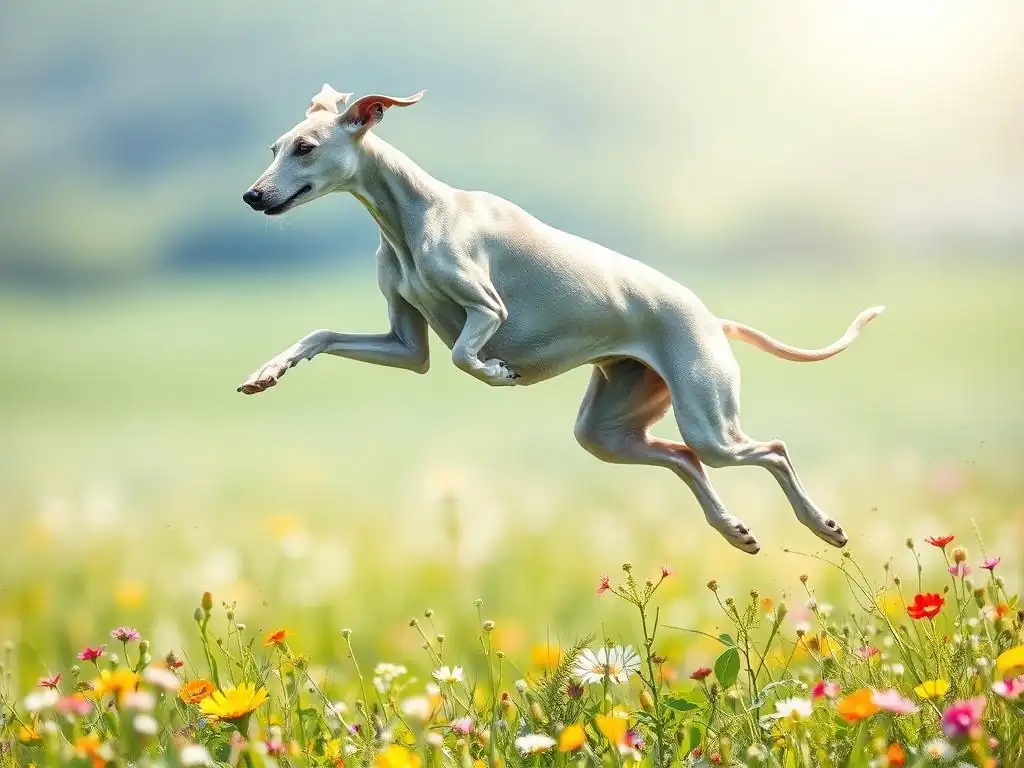
This section delves into the specific care requirements of the Italian Greyhound, focusing on aspects crucial for their well-being and longevity. Understanding these needs is paramount for ensuring a happy and healthy life for your IG. We'll explore their nutritional needs, grooming routines, and common health concerns, equipping you with the knowledge to be the best pet parent possible.
Nutrition for Italian Greyhounds: Diet and Feeding
Italian Greyhounds, despite their small size, have surprisingly high energy levels and a fast metabolism. Their diet should reflect this, focusing on high-quality protein sources and appropriate fat content to support their active lifestyle. Avoid overfeeding, as obesity is a significant concern in this breed, leading to various health problems.
A balanced diet should consist primarily of high-quality dry kibble formulated for small breeds or active dogs. Look for ingredients like real meat (chicken, lamb, or fish) listed prominently on the label, avoiding fillers like corn, wheat, and soy. The kibble size should be appropriate for their small jaws and teeth.
Supplementation might be necessary depending on your dog's individual needs and vet recommendations. For example, some Italian Greyhounds might benefit from added glucosamine and chondroitin to support joint health, especially as they age. Always consult your veterinarian before introducing any supplements to your dog's diet.
Consider the feeding schedule. Multiple smaller meals throughout the day can be beneficial for preventing hypoglycemia (low blood sugar), a potential issue in this breed. Monitor your dog's weight regularly and adjust food portions as needed to maintain a healthy body condition score. This involves feeling your dog's ribs—they should be easily palpable but not prominent.
Grooming Your Italian Greyhound: Coat Care and Hygiene
The Italian Greyhound boasts a short, fine coat that requires relatively minimal grooming. However, regular brushing is still essential to remove loose hair, prevent matting, and distribute natural oils, keeping their coat healthy and shiny. A soft-bristled brush or a grooming mitt is ideal for this task.
Bathing should be done as needed, typically every few months, unless your dog gets particularly dirty. Use a mild, dog-specific shampoo to avoid irritating their delicate skin. Thoroughly rinse all shampoo to prevent skin dryness and irritation. After bathing, carefully towel dry your Italian Greyhound to prevent chills.
Regular nail trimming is crucial. Overgrown nails can cause discomfort and affect their gait. If you're uncomfortable trimming your dog's nails yourself, consult a professional groomer. Cleaning their ears regularly with a veterinarian-recommended ear cleaner helps prevent infections. Check their ears weekly for any redness, swelling, or discharge.
Italian Greyhound Health Concerns: Common Issues and Prevention
Italian Greyhounds are prone to certain health issues, understanding which is vital for proactive care. Early detection and preventative measures can significantly improve their quality of life.
- Hypoglycemia: As mentioned earlier, low blood sugar is a potential concern, especially in puppies and older dogs. Regular feeding and a balanced diet are key to prevention.
- Bone and Joint Problems: Their slender build makes them susceptible to fractures and luxating patellas (kneecaps that slip out of place). Providing a safe environment and avoiding excessive jumping or strenuous activity can help mitigate this risk.
- Dental Issues: Like many small breeds, Italian Greyhounds can be prone to dental disease. Regular teeth brushing and professional dental cleanings are essential.
- Heart Conditions: Some Italian Greyhounds are predisposed to certain heart conditions. Regular veterinary checkups, including echocardiograms, can help detect problems early.
- Eye Problems: Progressive retinal atrophy (PRA) is a potential concern. Regular eye exams can help monitor for this condition.
Regular veterinary checkups are essential for early detection and management of any potential health problems. A proactive approach to their health ensures a longer, happier life for your beloved Italian Greyhound. Remember, a healthy Italian Greyhound is a happy Italian Greyhound! 🐾
Veterinary Care for Italian Greyhounds: Vaccinations and Checkups
Italian Greyhounds, like all breeds, require regular veterinary care to maintain their health and well-being. Preventative care is key to spotting potential problems early and ensuring a long, happy life for your IG. This includes a comprehensive vaccination schedule and regular check-ups.
The vaccination schedule for an Italian Greyhound puppy will typically begin around 6-8 weeks of age. These initial vaccinations protect against common canine diseases such as parvovirus, distemper, and adenovirus. Your veterinarian will advise on the specific vaccines needed based on your location and the prevalence of certain diseases in your area. Booster shots are crucial to maintain immunity, and your vet will create a tailored vaccination plan for your dog.
Remember, always consult your vet before starting any vaccination program. They can assess your dog's individual health status and determine the best course of action. Failure to vaccinate your IG can leave it vulnerable to serious, potentially fatal illnesses.
Beyond vaccinations, regular check-ups are essential. These visits allow your veterinarian to monitor your Italian Greyhound's overall health, weight, and detect any potential problems early on. During these visits, your vet will perform a physical examination, checking your dog's heart, lungs, eyes, ears, and teeth. They will also assess your dog's gait and overall demeanor for any signs of discomfort or illness.
Early detection of health issues, such as dental problems or heart conditions common in the breed, can significantly improve treatment outcomes and your dog's quality of life. These check-ups are not just about preventing illness; they're also about maintaining your IG's optimal health and catching potential problems before they become serious. The frequency of these check-ups will vary depending on your dog's age and health status, but generally, annual check-ups are recommended for adult dogs. Senior Italian Greyhounds, typically considered over seven years old, may require more frequent checkups, potentially every six months, to monitor age-related changes.
Don't hesitate to contact your veterinarian if you notice any changes in your dog's behavior, appetite, or energy levels between scheduled check-ups; proactive veterinary care is crucial for the health of your Italian Greyhound. Early intervention can often make a significant difference. Remember, a healthy Italian Greyhound is a happy Italian Greyhound! 🐾
Italian Greyhound Temperament and Personality
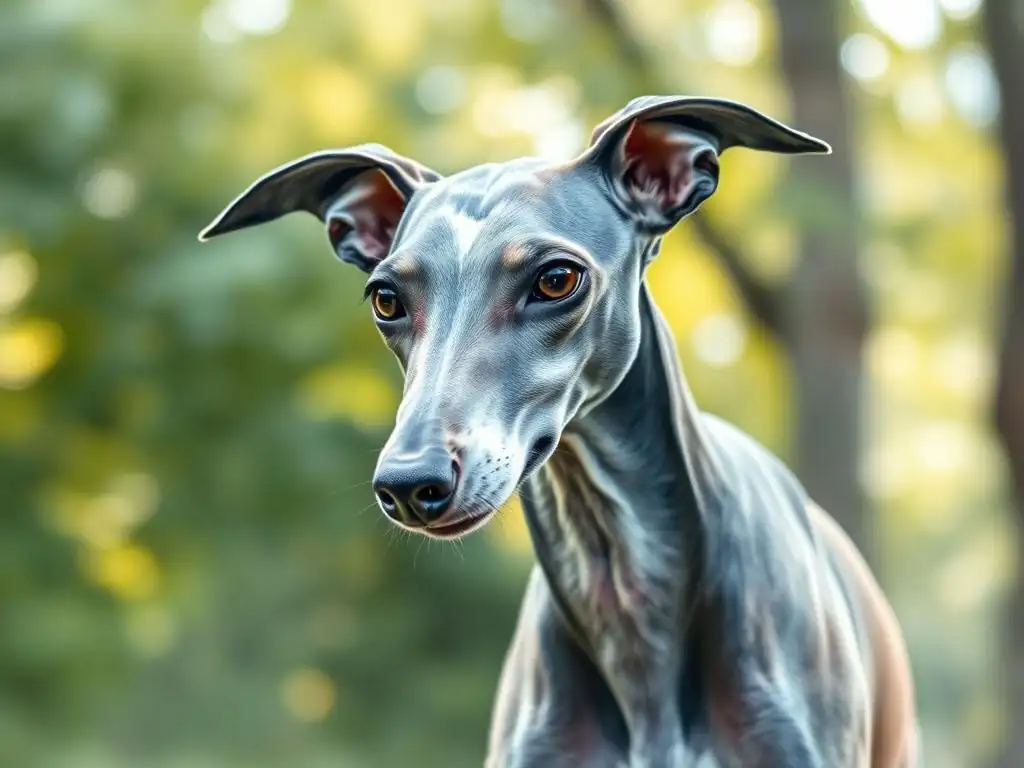
The Italian Greyhound's captivating charm extends beyond their elegant appearance. Understanding their temperament is crucial for responsible ownership and ensuring a harmonious life together. These dogs are known for their unique blend of affectionate loyalty and spirited playfulness. This section delves into the nuances of their personality, offering insights into their behavior and how to best meet their emotional needs. Proper understanding of their temperament is key to successfully addressing their "Italian Greyhound exercise needs."
Italian Greyhound Personality Traits: Affectionate, Playful, and More
Italian Greyhounds are renowned for their affectionate nature. They form strong bonds with their families, exhibiting a deep loyalty and desire for companionship. Think of them as velcro dogs – they often prefer to be close to their humans, enjoying cuddles and gentle attention. However, this affectionate nature shouldn't be mistaken for clinginess; they also enjoy independent playtime and exploration, provided it's within a safe and secure environment.
Their playful side is equally prominent, showcasing a surprising burst of energy during playtime, often involving chasing toys or engaging in interactive games. This energy, though seemingly boundless in short bursts, is balanced by periods of quiet relaxation, making them suitable companions for individuals with varying activity levels. Their intelligence shines through in their ability to learn tricks and commands, although their sensitivity requires a positive and encouraging training approach.
Many owners describe them as having a gentle and sweet disposition, but it's important to note that early socialization is key to preventing shyness or anxiety in certain situations. Some Italian Greyhounds can exhibit a degree of sensitivity to loud noises or sudden movements, highlighting the need for a calm and predictable home environment. Understanding this delicate balance of affection, playfulness, and sensitivity allows owners to better meet their emotional needs and foster a strong, trusting relationship.
Training an Italian Greyhound requires patience, consistency, and a positive reinforcement approach. Their intelligence makes them capable learners, but their sensitivity means harsh methods are counterproductive. Focus on rewarding desired behaviors with treats, praise, and affection. Basic obedience training, including commands like "sit," "stay," and "come," should be introduced early and practiced regularly.
Short, frequent training sessions are more effective than long, intensive ones. Socialization is paramount for Italian Greyhounds, as it helps them develop into well-adjusted adults. Expose your puppy to various sights, sounds, people, and other dogs in a controlled and positive manner from a young age. This will help prevent fearfulness or aggression later in life.
Early socialization directly impacts their ability to manage their energy levels and reduces the likelihood of behavioral problems arising from anxiety. Consider enrolling your Italian Greyhound in puppy classes to further enhance socialization and obedience training. Remember, consistent training and positive reinforcement are the keys to success. This contributes to fulfilling their "Italian Greyhound exercise needs" by allowing them to confidently engage in various activities.
Handling Italian Greyhounds: Gentle and Patient Approach
Due to their delicate build, Italian Greyhounds require a gentle and patient approach when handled. Their small size and slender frames make them susceptible to injury if handled roughly. Always support their body weight when lifting or carrying them, avoiding sudden movements or jerky motions. Their bones are relatively fragile, so rough play or accidental falls can result in fractures.
When interacting with children, supervision is essential to ensure gentle handling and prevent accidental injury to both the dog and the child. Teaching children appropriate ways to interact with the dog, emphasizing gentle petting and avoiding pulling their tails or ears, is crucial. Gentle grooming is also important for maintaining their coat's health. Regular brushing helps prevent matting and keeps their skin healthy.
Use a soft brush and be mindful of their sensitive skin. A calm and reassuring approach during handling will foster trust and strengthen the bond between you and your Italian Greyhound. This careful handling is an essential aspect of responsible ownership and contributes to their overall well-being, further supporting their "Italian Greyhound exercise needs" by ensuring they remain healthy and injury-free.
Italian Greyhound Behavior: Understanding Their Needs
Italian Greyhounds, despite their small size, possess a surprisingly independent and spirited nature. Understanding their behavioral quirks is crucial for responsible ownership and a harmonious relationship. Their intelligence, while undeniable, often manifests as a subtle shrewdness rather than overt obedience. This means training requires patience, positive reinforcement, and a consistent approach. Harsh methods will likely backfire, leading to a fearful or withdrawn dog. Instead, focus on reward-based training using high-value treats and praise. Short, frequent training sessions are more effective than long, arduous ones, mirroring their shorter attention spans.
One common behavioral trait is their tendency towards prey drive. While not aggressively predatory, their instinct to chase smaller animals like squirrels or rabbits can be strong. Secure leash training and careful supervision, especially in off-leash environments, are essential to prevent escapes and potential injuries. Early socialization is key to mitigating this instinct and promoting appropriate behavior around other animals. Exposure to various sights, sounds, and other creatures from a young age helps them develop into well-adjusted adults.
Another aspect of their behavior is their sensitivity. Italian Greyhounds can be easily startled or frightened by loud noises or sudden movements. Creating a calm and predictable home environment is vital for their well-being. Gentle handling and a reassuring presence can help alleviate anxieties. Introducing new situations gradually and positively will build their confidence and reduce fear-based reactions. Understanding their sensitive nature is paramount to preventing behavioral problems stemming from fear or stress. Remember, a happy and confident Italian Greyhound is a well-behaved Italian Greyhound. Providing a safe and enriching environment is a significant step towards achieving this.
Italian Greyhound: A Perfect Fit for Your Lifestyle?
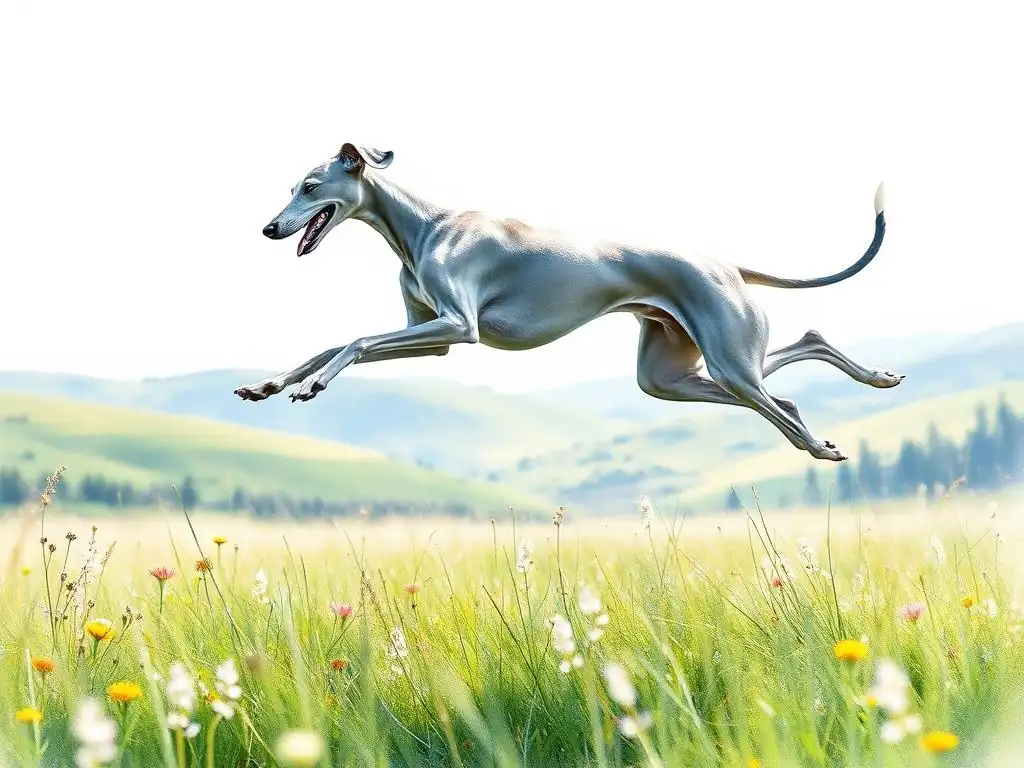
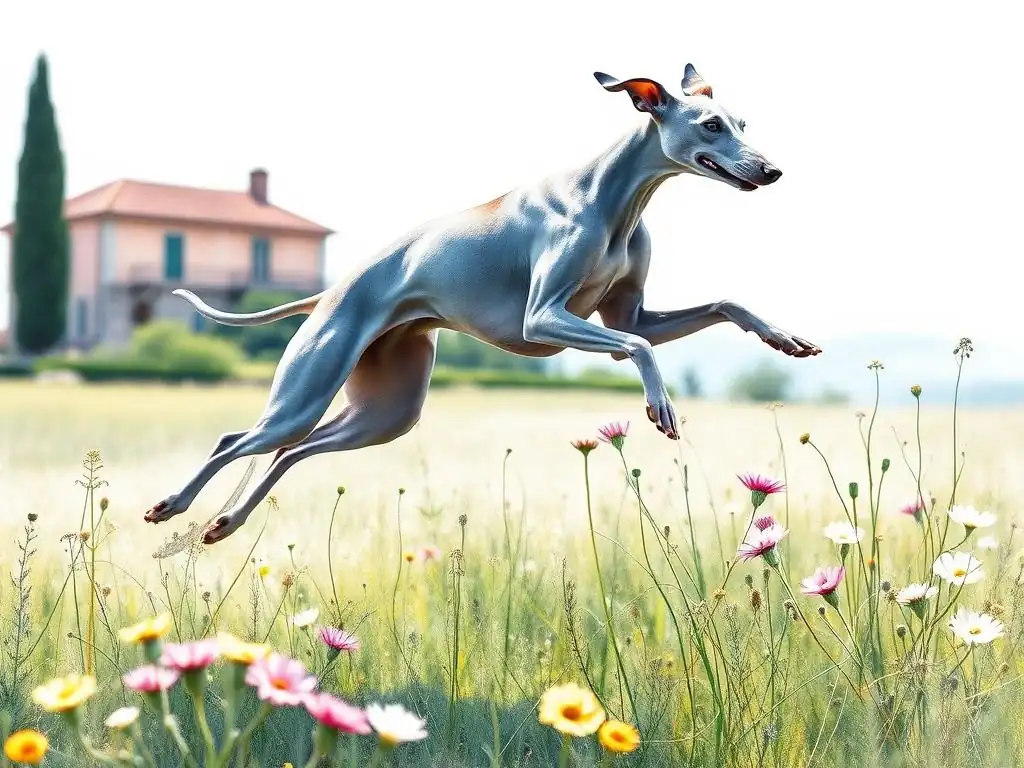
This section delves into the crucial considerations before welcoming an Italian Greyhound (IG) into your home. Understanding their specific needs is paramount to ensuring a happy and healthy life for both you and your new companion. Proper planning minimizes potential issues and maximizes the joy of sharing your life with this elegant breed. Successfully addressing the "Italian Greyhound exercise needs" is a key aspect of this planning.
Considerations Before Getting an Italian Greyhound
Bringing home an Italian Greyhound requires careful thought and preparation. These dogs, while charming, have specific needs that differ from larger breeds. Their delicate build necessitates a gentle approach to training and handling. Before committing, honestly assess your lifestyle and resources to ensure a suitable environment.
Consider these key factors:
- Time Commitment: IGs require significant attention. Their sensitive nature demands regular interaction, play, and training. Are you prepared to dedicate ample time each day to meet their social and physical needs? This includes not just playtime, but also grooming and regular vet visits. Failing to meet these needs can lead to behavioral problems and health issues.
- Living Space: While their small size might suggest adaptability to smaller living spaces, IGs still need room to move and play. A cramped environment can lead to stress and frustration. Consider the size of your home and yard, and whether it provides sufficient space for exercise and play.
- Financial Resources: The cost of owning an IG extends beyond the initial adoption fee. Expect regular veterinary care, high-quality food, grooming supplies, and potentially specialized training. Unexpected medical emergencies can also incur significant expenses. Budget accordingly to ensure you can provide for your dog's needs throughout their lifespan.
- Exercise Requirements: Addressing the "Italian Greyhound exercise needs" is crucial. Despite their size, IGs are surprisingly energetic and require daily exercise. Are you prepared to commit to regular walks, playtime, and potentially other activities like agility training or lure coursing to satisfy their energetic nature? Insufficient exercise can lead to destructive behaviors and health problems. A minimum of two brisk walks a day, along with interactive playtime, is recommended.
- Grooming Needs: While their short coat requires minimal grooming, regular brushing is essential to prevent matting and maintain a healthy coat. You'll also need to trim their nails periodically and clean their ears to prevent infections.
Italian Greyhounds and Children: A Compatible Match?
The compatibility of Italian Greyhounds and children is a complex issue requiring careful consideration. While generally gentle and affectionate, IGs are delicate dogs with fragile bones. Young children may unintentionally injure them through rough play. Proper supervision is absolutely vital.
- Supervised Interactions: Never leave young children unsupervised with an Italian Greyhound. Teach children how to handle the dog gently, avoiding sudden movements or loud noises that might frighten the dog. Even seemingly gentle petting can cause injury to an IG.
- Age Appropriateness: Older, more responsible children are better suited to caring for an Italian Greyhound. They are more likely to understand the dog's delicate nature and handle them with the appropriate care.
- Training and Socialization: Early socialization and training are essential for a positive interaction between children and the dog. The dog should be well-trained in basic obedience commands, and the children should be taught how to interact respectfully with the pet.
- Potential for Injury: The small size and fragile bones of an Italian Greyhound make them vulnerable to injury from even playful interactions with children. Be mindful of the potential for accidental harm and take preventative measures.
Italian Greyhounds and Other Pets: Compatibility and Introduction
Introducing an Italian Greyhound to existing pets requires a gradual and cautious approach. Their temperament can vary, and careful planning is necessary to prevent conflict and ensure a harmonious household.
- Gradual Introductions: Never force interactions. Allow initial meetings in a neutral, supervised environment. Let the animals sniff each other through a barrier initially, gradually reducing the distance as they become comfortable.
- Positive Reinforcement: Reward calm behavior with treats and praise. Maintain a calm and reassuring presence during the introduction process to help ease anxieties.
- Individual Personalities: Remember that each animal has a unique personality. Some IGs may be more tolerant of other pets than others. Observe their interactions closely and intervene if necessary.
- Species Compatibility: Consider the temperament and size of your existing pets. Smaller, more docile animals are generally better suited to coexisting with an Italian Greyhound than larger, more assertive ones. Cats, for example, may be more accepting than a large, boisterous dog.
- Safe Spaces: Provide each pet with a safe, private space where they can retreat if they feel overwhelmed or stressed. This will reduce the risk of conflict and help them adjust to their new living arrangements.
Finding a Reputable Italian Greyhound Breeder
Finding the right Italian Greyhound breeder is crucial for ensuring you welcome a healthy and well-adjusted pup into your home. A responsible breeder prioritizes the health and temperament of their dogs, and this dedication directly impacts the well-being of your future companion. Don't be swayed by flashy websites or promises of "perfect" puppies; instead, focus on thorough research and in-person visits.
Responsible breeders will readily share information about their breeding program, including health testing results for both parents. They should be able to provide documentation confirming screenings for common Italian Greyhound health issues such as patellar luxation, Legg-Calvé-Perthes disease, and hypoglycemia. These tests help minimize the risk of inheritable conditions in the puppies. A reputable breeder will also be transparent about the lineage of their dogs, providing detailed pedigrees that showcase the health and temperament of previous generations.
Furthermore, a good breeder will be invested in the long-term well-being of their puppies. They'll want to know about your lifestyle, living situation, and experience with dogs before placing a puppy with you. They should be willing to answer your questions honestly and thoroughly, even if those questions highlight potential challenges in caring for an Italian Greyhound. This commitment shows they are more interested in finding the perfect home for their dogs than in simply making a sale. Beware of breeders who seem overly eager to sell quickly or who are unwilling to discuss potential health concerns.
Finally, visit the breeder's facilities in person. Observe the living conditions of the dogs – are they clean, well-socialized, and appropriately cared for? The puppies should appear healthy and alert, interacting positively with their littermates and humans. A clean and organized environment is a strong indicator of responsible breeding practices.
A breeder who welcomes your questions and allows you ample time to interact with the dogs and their environment is likely a responsible choice. Remember, choosing a responsible breeder is an investment in your future companion's health and happiness. It's a decision that will impact your relationship with your Italian Greyhound for years to come.
Resources for Italian Greyhound Owners
Finding the right resources is crucial for responsible Italian Greyhound ownership. This section outlines key avenues for accessing expert advice, community support, and further educational materials specifically tailored to the unique needs of this breed. Understanding your Italian Greyhound's exercise needs is only one piece of the puzzle; proper care encompasses a holistic approach.
Finding Veterinarians Specializing in Italian Greyhounds
Locating a veterinarian experienced with the specific health concerns of Italian Greyhounds is paramount. These delicate dogs are prone to certain conditions, such as hypoglycemia, patellar luxation, and Legg-Calvé-Perthes disease, requiring specialized care. Don't hesitate to ask potential veterinarians about their experience with the breed. Look for vets who:
- Actively participate in continuing education related to small breed canine health.
- Have a demonstrable understanding of Italian Greyhound-specific health issues.
- Are comfortable handling and examining small, sometimes fragile dogs.
A veterinarian familiar with the breed can provide proactive care, early detection of potential problems, and tailored advice regarding your dog's exercise regime, considering their individual health status. It's also beneficial to find a vet who understands the breed's sensitivity to anesthesia, which can be a significant risk factor in some procedures. Consider asking for referrals from other Italian Greyhound owners in your area – word-of-mouth recommendations can be invaluable. Remember, proactive veterinary care is a cornerstone of responsible Italian Greyhound ownership, directly impacting their lifespan and quality of life.
Italian Greyhound Breed Clubs and Organizations
Engaging with Italian Greyhound breed clubs and organizations offers a wealth of benefits for owners. These communities provide invaluable support networks, opportunities for socialization, and access to breed-specific information beyond the basics of exercise needs. They often:
- Host events and activities promoting responsible ownership and breed awareness.
- Offer mentorship programs for new Italian Greyhound owners.
- Maintain comprehensive breed standards and resources.
- Provide a platform to connect with experienced breeders and knowledgeable individuals.
Joining a club allows you to connect with other owners, share experiences, and learn from their collective wisdom. This is particularly beneficial for addressing challenges related to training, behavior, and health management. The social aspect alone can significantly enrich your and your dog's life, providing opportunities for safe and supervised playtime with other Italian Greyhounds. Participating in club activities can also enhance your understanding of the breed's temperament and its specific exercise requirements within a social context. Consider exploring both local and national breed clubs to expand your network and access a broader range of resources.
Recommended Books and Online Resources for Italian Greyhound Owners
Beyond the practical aspects of exercise, a deeper understanding of your Italian Greyhound's unique characteristics requires ongoing learning. Numerous resources are available to enhance your knowledge and improve your ability to provide optimal care. These resources may include:
- Breed-specific books: Look for books dedicated to the Italian Greyhound, covering topics like health, nutrition, grooming, and training. These books often provide valuable insights beyond general dog care guides, addressing the breed's specific needs and sensitivities.
- Reputable online forums and communities: Online platforms dedicated to Italian Greyhounds can offer a wealth of information, shared experiences, and advice from other owners. However, always critically evaluate the information you find online and prioritize advice from reputable sources.
- Veterinary websites and articles: Many veterinary organizations and websites offer reliable information on canine health, including breed-specific concerns. These resources can be invaluable in understanding your dog's health needs and making informed decisions about their care.
Remember that responsible ownership requires a commitment to continuous learning. By actively seeking information from various credible sources, you can ensure that your Italian Greyhound receives the best possible care, fulfilling their exercise needs and ensuring their overall well-being. This dedication to ongoing education will not only improve your dog's life but will also deepen your bond and enrich your experience as a pet owner.
Frequently Asked Questions
How much exercise does an Italian Greyhound need daily?
Italian Greyhounds, despite their small size, require a surprisingly significant amount of exercise. Aim for at least two 20-30 minute walks per day, incorporating playtime and short bursts of more intense activity.
What are the best types of exercise for an Italian Greyhound?
Short bursts of high-intensity activity, like short sprints in a safe, enclosed area, are ideal. They also enjoy gentle walks and playtime, such as fetch or tug-of-war with appropriately sized toys. Avoid strenuous activities that could strain their delicate bones.
Yes, due to their fragile bone structure, Italian Greyhounds are susceptible to injuries like broken legs. Avoid strenuous activities, particularly on hard surfaces, and ensure they are properly warmed up before exercise.
How can I tell if my Italian Greyhound is getting enough exercise?
Observe your dog's energy levels and behavior. A well-exercised Italian Greyhound will be calm and relaxed indoors, sleeping soundly and showing less signs of anxiety or pent-up energy.
What should I do if my Italian Greyhound seems reluctant to exercise?
Consult your veterinarian to rule out any underlying health issues. Gradually increase exercise duration and intensity, making it a positive and rewarding experience with treats and praise. Consider interactive games to stimulate interest.
Final Reflection: The Agile Heart: Understanding and Honoring the Italian Greyhound
The Italian Greyhound's unique exercise needs, often misunderstood, are crucial to their overall well-being and longevity. Failing to meet these needs can lead to behavioral problems and health complications, highlighting the importance of responsible ownership and a deep understanding of this breed's delicate nature.
The enduring appeal of the IG, with its elegant form and spirited personality, speaks volumes about the human-animal bond. Their fragility, however, demands a mindful approach to their care. We must move beyond simply meeting their basic needs and strive for a genuine partnership built on respect and understanding. The best things in life are not things.
This sentiment, while seemingly simple, perfectly encapsulates the richness of the relationship we can forge with these remarkable creatures, a relationship far exceeding the mere provision of food and shelter. It's about understanding their unique needs and celebrating their vibrant spirits.
Consider the information presented within this article. Reflect on your own understanding of your pet's needs, or the needs of an Italian Greyhound you may be considering welcoming into your life. Are you prepared to provide the tailored exercise regime, the gentle handling, and the unwavering commitment required to ensure a happy and healthy life for this graceful breed? The answer to this question will determine not only the well-being of the dog, but also the depth and richness of your shared journey. Embrace the responsibility, and you will be rewarded with a bond of unparalleled loyalty and affection.
Unleash Your Italian Greyhound's Potential: Next Steps for a Thriving Bond
Thank you for exploring the world of Italian Greyhounds! We hope you've gained valuable insights into their unique needs and charming personalities. Ready to put your knowledge into practice?
- Plan the Perfect Playdate: Arrange a fun outing suited to your Greyhound's energy levels, perhaps a trip to a dog-friendly park or a relaxing walk in nature. Consider inviting a well-behaved canine companion for some social interaction.
- Share Your Greyhound's Story: Capture those adorable moments and share your dog's playful antics on social media – use #ItalianGreyhoundLove to connect with our amazing community!
- Explore Our Resources: Delve into our extensive library of articles on Italian Greyhound care for even more tips and advice. Discover grooming secrets, dietary guidelines, and effective training techniques.
What unique quirk or talent makes your Italian Greyhound truly special? Share your story in the comments below!